Road Bikes
Giant Propel Review: A Lighter, Faster Aero Road Bike
The 2023 Giant Propel pairs a claimed 6.91 kg top-spec build with more claimed aerodynamics, stiffness and compliance. Here is what matters before you buy.
Introduction
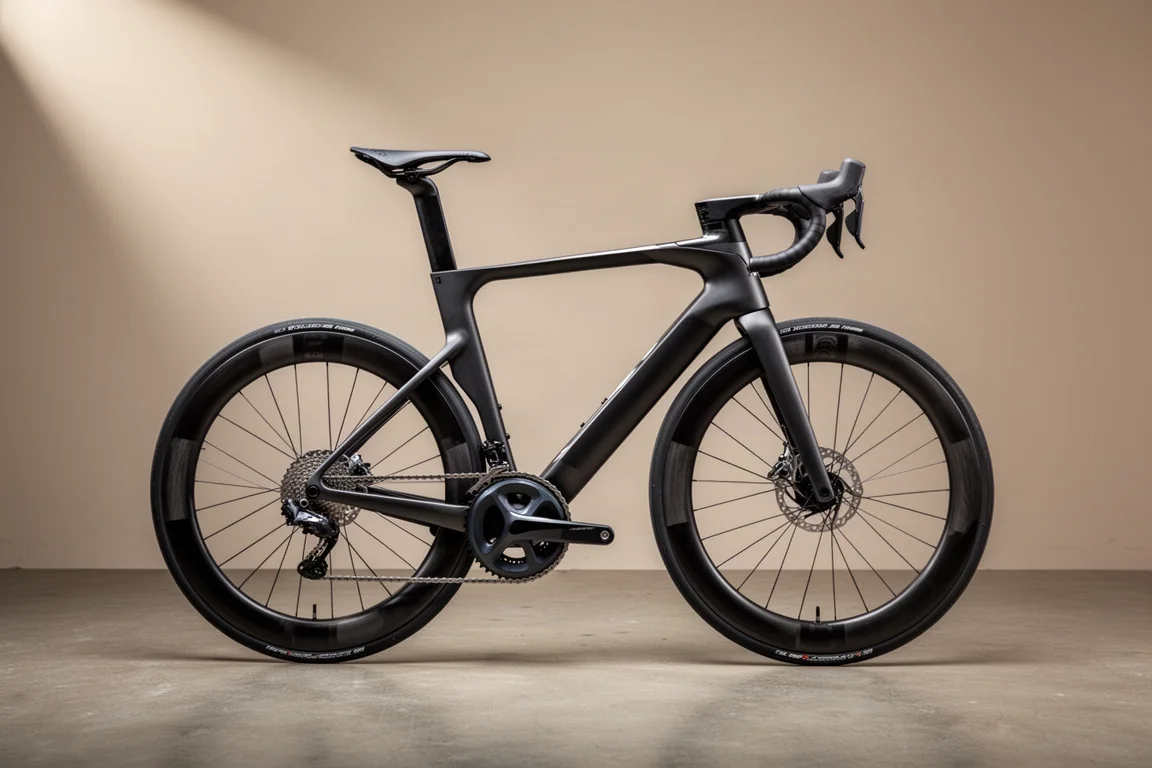
The Giant Propel is Giant’s dedicated aero road bike, and the latest generation is the most ambitious version yet. It replaces the 2018 Propel and arrives with a clear brief: lighter, stiffer, more compliant and more aerodynamically efficient than the bike it succeeds. Professional riders from the WorldTour team Giant sponsors are said to have played a key role in its development, and reducing weight while increasing stiffness sat at the centre of the design goals.
That combination matters more than it might sound. Aero road bikes have traditionally traded comfort and low weight for drag savings, so a new generation that claims gains on all three fronts is worth a closer look.
Who the Giant Propel Is For
This is a bike for riders who spend most of their time going fast. If your riding revolves around racing, criteriums, fast group rides or long flat and rolling routes, the Propel’s priorities line up with yours. It is also aimed at riders who want aero efficiency without the harshness that older aero frames were known for.

It is less obviously suited to riders on tight budgets, or to anyone who wants a dedicated climbing bike above all else. The Propel sits at the performance end of the road range, and the pricing reflects that.
Lightweight Frame and Build Updates
Weight is the headline. Giant claims a frameset weight of 1,429.5 g for a size medium Propel Advanced SL, and a top-spec build in size medium-large weighed 6.91 kg on the scales including bottle cages, a power meter and an integrated computer mount. That is remarkably light for a disc-brake aero road bike, and it puts the Propel among the lightest machines in its category.
Giant also claims a 255 g reduction in frame weight compared with the previous generation, contributing to a claimed 26.4 percent improvement in stiffness to weight.
Aerodynamics and Cockpit Design
Giant’s aerodynamic development follows a three-stage process: computational fluid dynamics, then wind tunnel testing, then road testing of samples. The wind tunnel work uses a dynamic mannequin with moving legs to simulate a pedalling rider while keeping the position precisely repeatable.
The result is a claimed 2.6 percent aerodynamic improvement over the previous Propel, equivalent to 6.21 watts at 40 km/h, or roughly 27 seconds over 40 km. Sculpted lines and truncated ellipse tube shapes do most of the work at the leading edge of the frameset, supported by the Contact SLR Aero cockpit, the CADEX 50 Ultra Disc wheel system and CADEX Aero tyres.
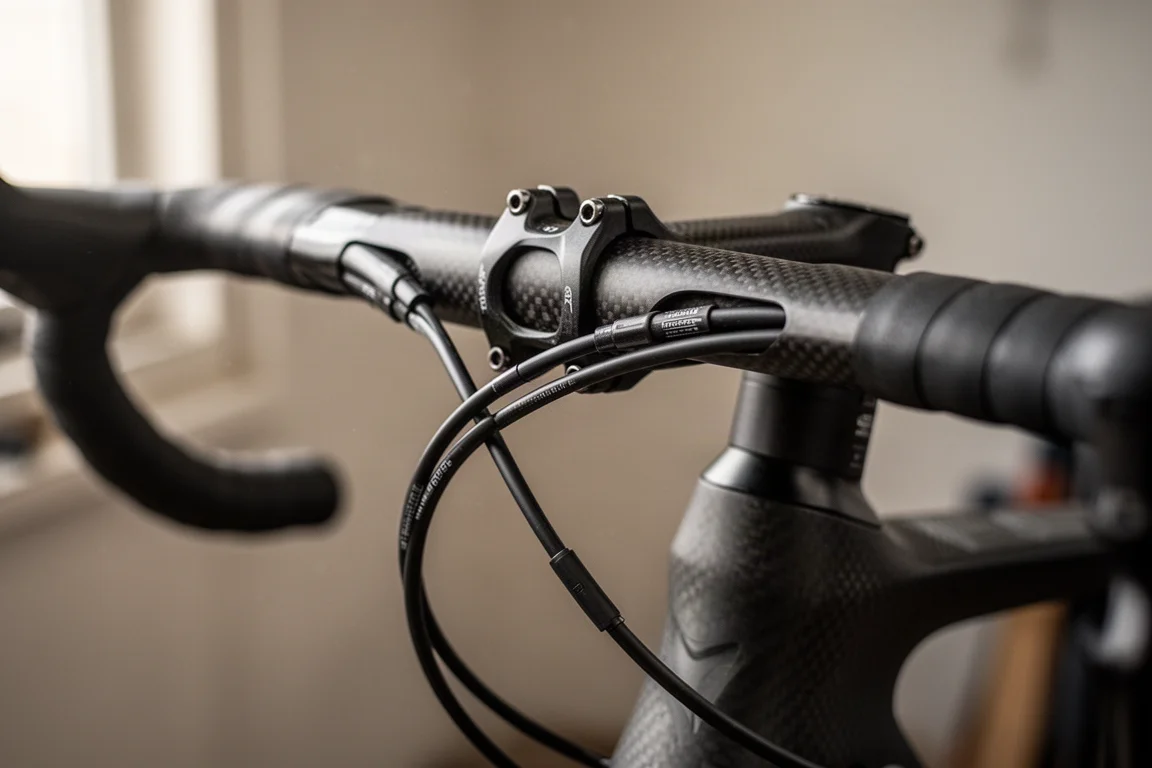
Cable management has been rethought as well. The new OverDrive Aero system routes cables and hoses internally through the handlebar before they pass underneath the stem and into the frame in front of the steerer tube. The redesigned two-piece Contact SLR Aero handlebar and stem is claimed to save 102.5 g over the 2018 cockpit while making component changes and fit adjustments easier to carry out.
Stiffness, Compliance, and Tire Clearance
Giant claims an overall 9.2 percent stiffness improvement over the 2018 Propel Advanced SL, with torsional stiffness up 9.9 percent and pedalling stiffness up 7.2 percent. Just as important, the brand acknowledges that an ultra-stiff frameset is not automatically a faster one, so compliance and control were part of the brief from the start.
The rear end has been slimmed down considerably, which Giant claims delivers an 85 percent improvement in compliance. Frame and fork clearance has also grown to accept tyres up to 30 mm wide, addressing the criticism that the previous Propel was not especially comfortable on rough roads.
Range, Builds, and Pricing
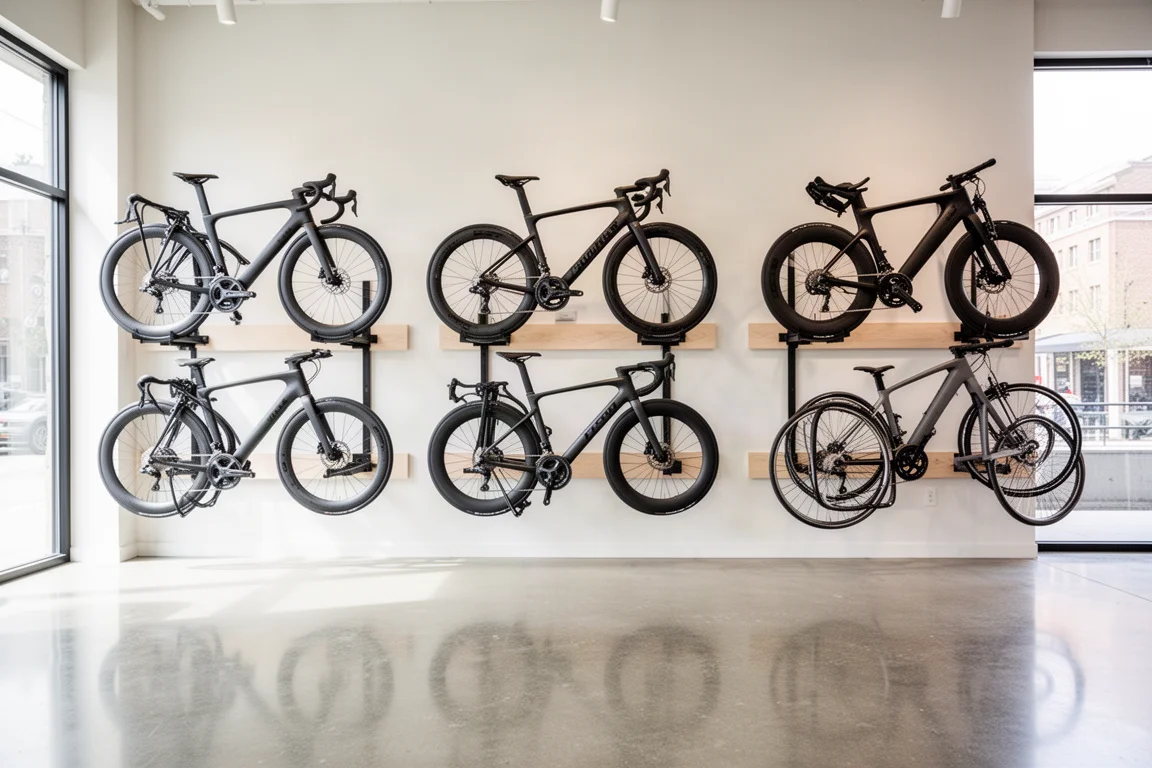
There are seven models in the Propel range, split across three tiers: two Advanced SL builds, three Advanced Pro builds and two Advanced builds.
The Advanced SL models use Giant’s lightest, stiffest and most expensive carbon layup, an integrated seatpost design, CADEX carbon wheels and CADEX tubeless tyres. The Advanced Pro and Advanced models use the heavier Advanced grade carbon layup, a telescoping aero seatpost, Giant carbon wheels and either CADEX or Giant tubeless tyres.
Australian pricing has been confirmed for three models: the Propel Advanced Pro 0 Di2 with a 12-speed Shimano Ultegra Di2 groupset at A$7,799, the Propel Advanced Pro 0 AXS with a SRAM Force eTap AXS groupset at A$8,499, and the Propel Advanced SL 0 at A$13,999. For context, the outgoing Propel Advanced Pro 0 AXS was listed at A$8,199, so the new generation has moved upward on price.
Pricing for the UK and US markets is expected to be confirmed closer to delivery.
Things to Consider Before Buying
Cost is the first thing to weigh. The Australian figures suggest some increases over the outgoing generation, and UK and US pricing was not confirmed at the time of writing, so the final cost in those markets remains open.
The second consideration is fit and long-term maintenance. The Advanced SL builds use an integrated seatpost, which limits adjustability compared with a conventional post, while the Advanced Pro and Advanced models use a telescoping aero seatpost that is easier to live with. OverDrive Aero routing is designed to be simpler to work on than the previous design, but internal routing still demands care when swapping handlebars or stems.
Third, think about the kind of rider you are. If outright climbing on steep gradients is your priority, a lighter non-aero frameset may still suit you better. If your riding is mostly fast and flat, the aerodynamic gains are more likely to show up in your ride.
Buying Advice
The Propel makes the most sense for riders who want a single fast road bike that covers racing, fast group rides and long days without punishing them on rough surfaces. The claimed compliance and the 30 mm tyre clearance are the details that make that argument credible.
If your budget is tighter, the Advanced Pro 0 Di2 is the entry point to the confirmed range and still brings a 12-speed electronic groupset. Riders who want the lightest possible build, the integrated seatpost and CADEX wheels should look at the Advanced SL tier.
Whichever build you choose, treat the claimed figures as claims rather than guarantees, and check the geometry and sizing carefully before committing. Availability is scheduled from November 2022, so it is worth confirming local pricing and lead times with a dealer.
Conclusion
The 2023 Giant Propel targets a genuinely difficult combination: aerodynamic efficiency, low weight and improved comfort in one package. The claimed numbers are strong, and the 6.91 kg top-spec build weight stands out for a disc-brake aero road bike. For riders whose riding is fast and who want a bike that stays comfortable on imperfect roads, the Propel is a compelling option worth shortlisting.
Product link
View more details for Giant Propel
This product is mentioned in the review. Check the specifications, options, and compatibility before buying.
View more details for Giant PropelFurther reading
Related Reviews

Road Bikes
10 New Road Bikes Worth Watching: Aero, Titanium, Steel and Endurance Standouts
A practical roundup of 10 new road bikes, from aero flagships chasing single-watt gains to titanium, steel and endurance platforms built for real roads.
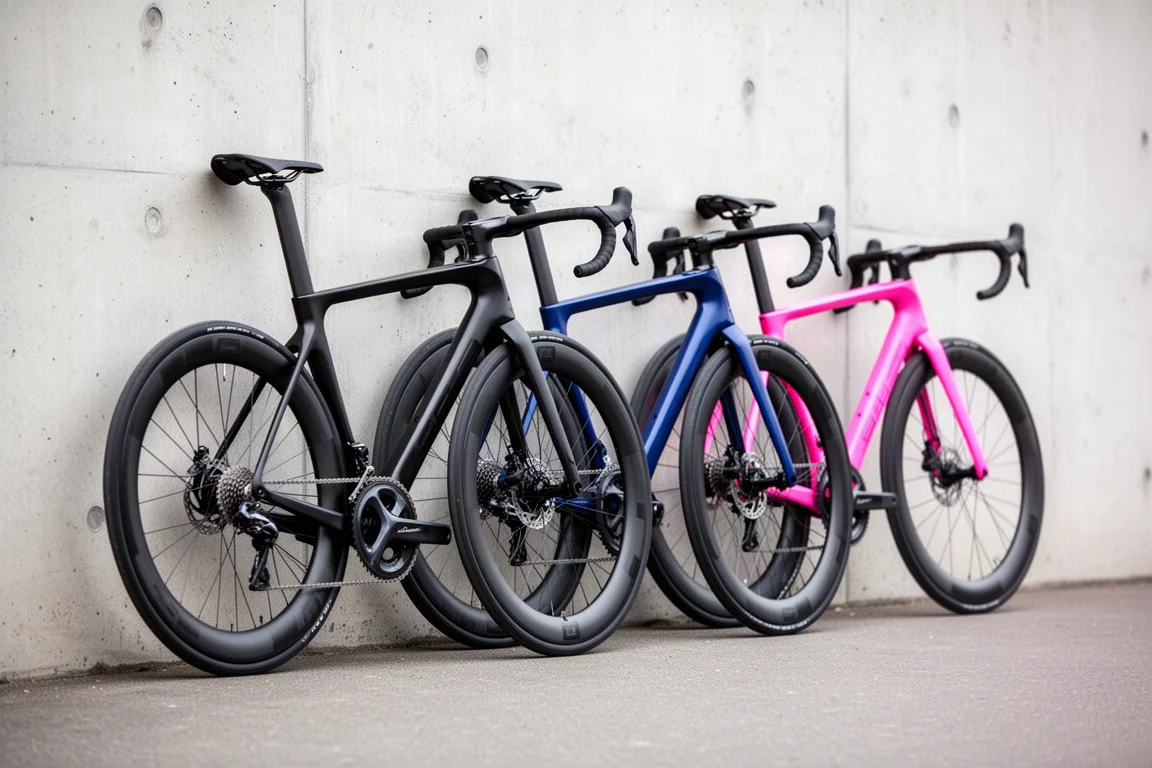
Road Bikes
2026 Tour de France Road Bikes: Six Race Machines Worth a Closer Look
Six race bikes from the 2026 Tour de France grid, reviewed for paint, silhouette, wheels and the specification details that matter to buyers.
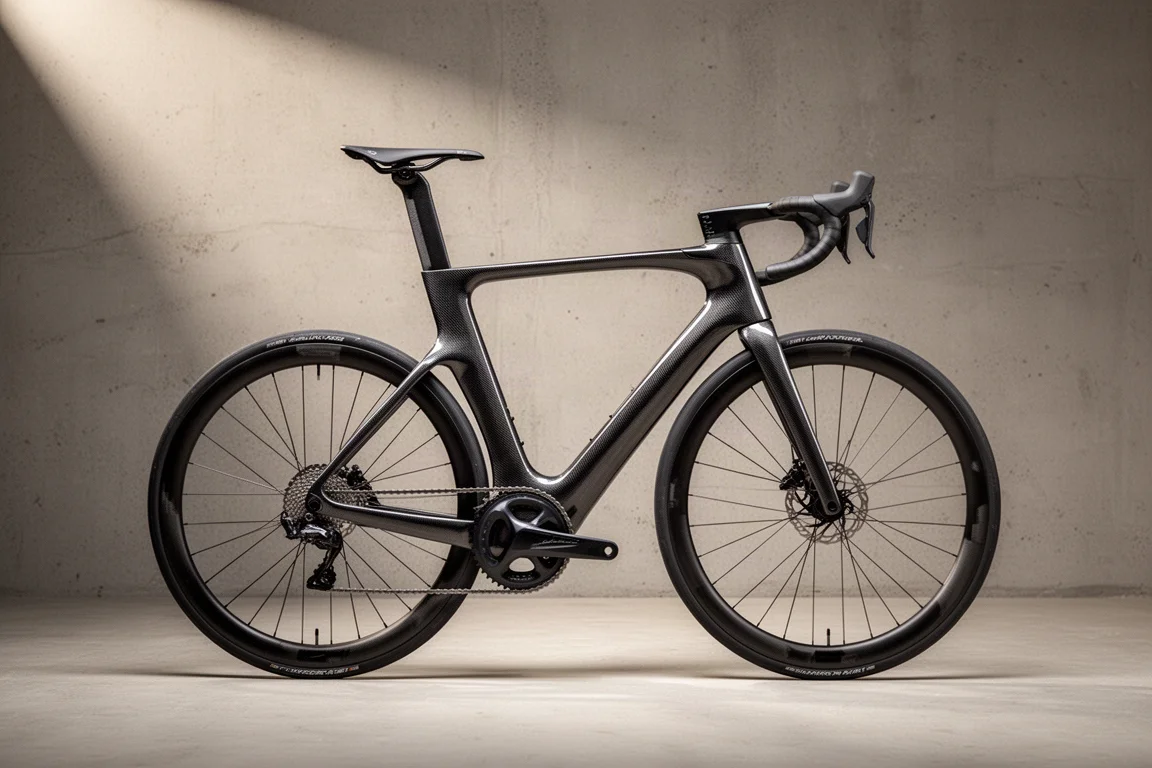
Road Bikes
3T Strada Italia Review: A Radical Aero Road Bike That Rides Smooth
A made in Italy carbon aero road bike with a deep head tube, wide tire clearance and a genuinely comfortable ride. Here is what to know before buying.