Road Bikes
Giant MCR Review: The UCI-Banned Aero Road Bike That Still Holds Its Own
A 1997 carbon monocoque aero road bike that the UCI banned, measured back to back against a modern aero machine. Here is what still works, and what to weigh up first.
Introduction
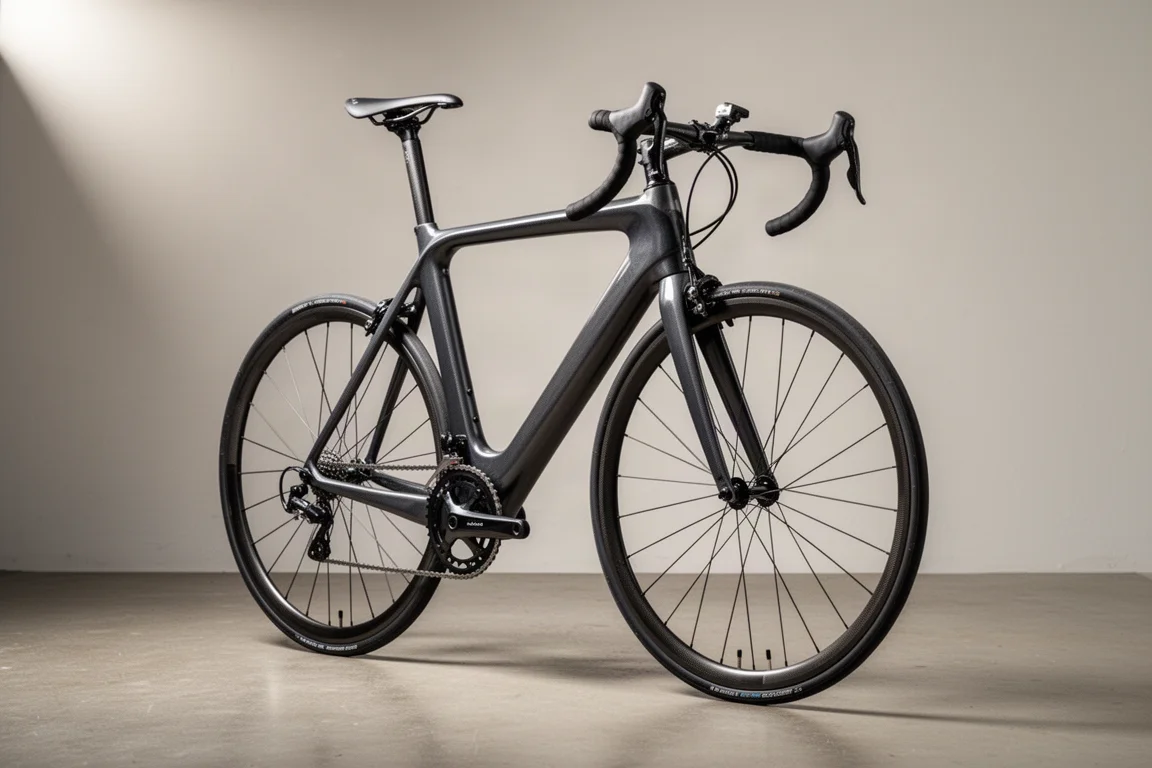
The Giant MCR is the original mass-produced aero road bike, and it is also one of the very few production road bikes to have been banned outright by the sport’s governing body. The reforms set out in the 1996 Lugano Charter swept away a generation of radical designs, and the MCR was among the casualties. Few people have ever seen one in the flesh, let alone ridden one.
That makes it a genuinely interesting question. Was the ban justified? And more practically, is a bike shaped like this actually fast?
To find out, the MCR was ridden back to back against a modern, UCI-legal aero road bike over an 8.54 km segment, with power held at roughly 230 watts on both runs so the comparison would be as fair as possible. The short answer is that the modern bike came out ahead, but by a margin measured in seconds rather than minutes. For a design closing in on three decades old, that is a striking result.

What follows is a closer look at the frame, the ride, the numbers, and the practical questions worth asking before you commit to one.
Who the Giant MCR Is For
The MCR was produced in a single size. The idea was not that it would only fit riders around 178 cm tall, but that it could be made to fit almost anyone. Mike Burroughs was a strong advocate of compact frames: he believed longer seat posts were both more aerodynamic and more comfortable, and the MCR’s stem was adjustable for height, so the front end could be tuned to suit.
In practice, the further a rider sits from that ideal middle size, the more compromises appear. A very short stem makes the steering twitchy, while a very long stem makes the bike feel like sailing a ship. Riders who land inside the fit window get the handling the design was built around.
That makes the MCR a good match for a few specific types of rider: someone who sits in that middle size range, someone who wants a genuinely distinctive machine rather than another mainstream aero frame, and someone who rides outside the jurisdiction of racing rules. Only a small fraction of riders ever race under UCI regulations, which is part of why the ban feels less relevant today than it did in 1997.
It is a less obvious choice for anyone who needs a race-legal bike, or who falls well outside the single-size fit window.
Frame Design and the Aero Story
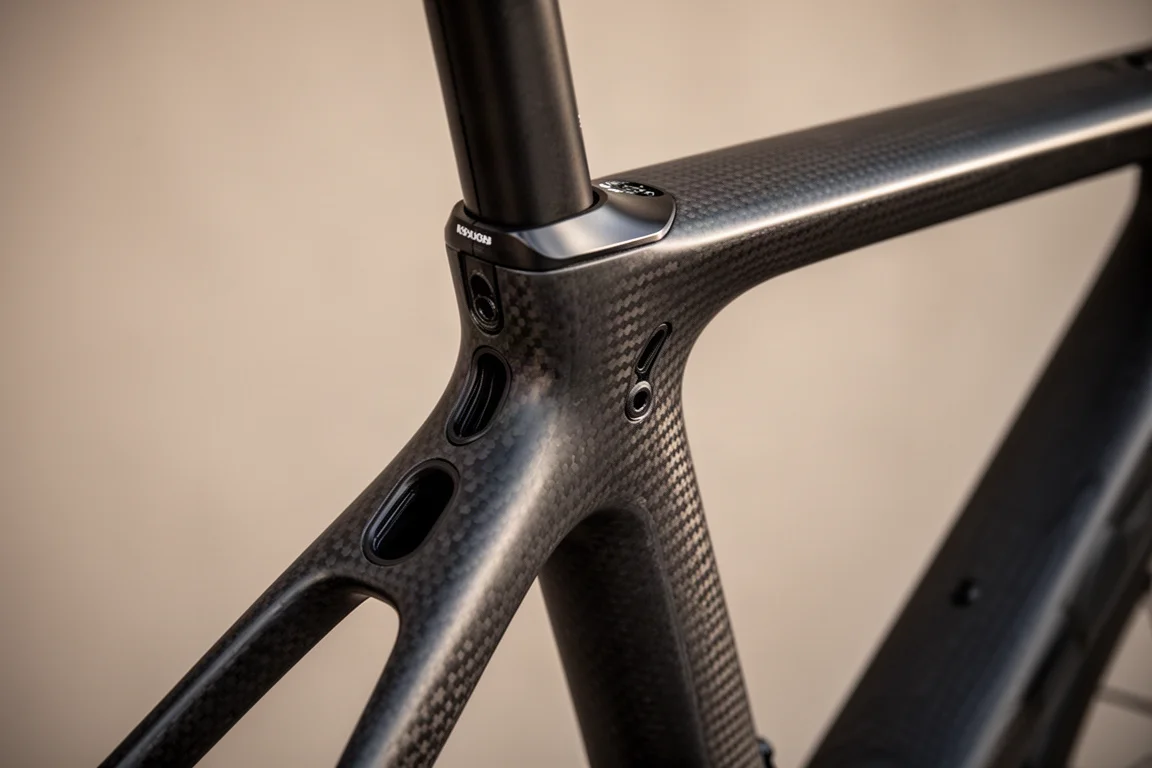
The frame is a carbon monocoque, and almost none of it resembles a conventional tube. Deep sections run throughout, and the intent was clear: take the performance benefits of the prohibitively expensive Lotus track bike and bring them to a mass-market machine.
In 1997 that cost £2,000, or roughly $3,000 at the time, which works out at around £4,000 in today’s money. For an aero road bike in the late 1990s, when the category barely existed, that was aggressive pricing.
The feature list reads like something from a much later era. There is internal cable routing of a similar design to what Cervélo would adopt nearly a decade later, and an integrated headset that was unusual on a mass-market bike at the time. The design was the work of Mike Burroughs, the creative force behind the Lotus bikes, and the project began life as an undergraduate dissertation before becoming a production machine.
The single-size approach was a cost decision as much as a fit philosophy: one size meant one carbon mould, simplified production, and a lower price. It also brings a weight penalty. At 1,825 grams the frame is around a kilo heavier than the frame of the modern aero bike it was measured against.
Ride Quality and Handling
Get the fit right and the MCR handles beautifully. The geometry is classic 1990s racing fare: a short rear end, a long front, a big stem, and wide bars. The position is longer and lower than a modern endurance setup, but it feels purposeful rather than awkward.
The surprise is comfort. Despite being a large slab of carbon fibre, the bike rides softly, and the ride quality catches people off guard. The flip side is flex. The front end moves noticeably under power, some of it coming from the stem and the skinny handlebar, which can waft side to side by a few centimetres. The bottom bracket feels acceptable when you push hard. There is also a disconcerting clunk over bumps, although the frame appears structurally sound.
If you value a stiff, locked-in front end above all else, this is not the bike for you. If you value a comfortable, distinctive ride that still feels quick, the MCR has a great deal to offer.
Real-World Test Results
The test route was a rolling 8.54 km segment, ridden back to back on the MCR and on a modern UCI-legal aero road bike, with around 230 watts held on both runs. The modern bike was faster, but only just. The gap came down to seconds, which is remarkable given the age difference between the two machines.
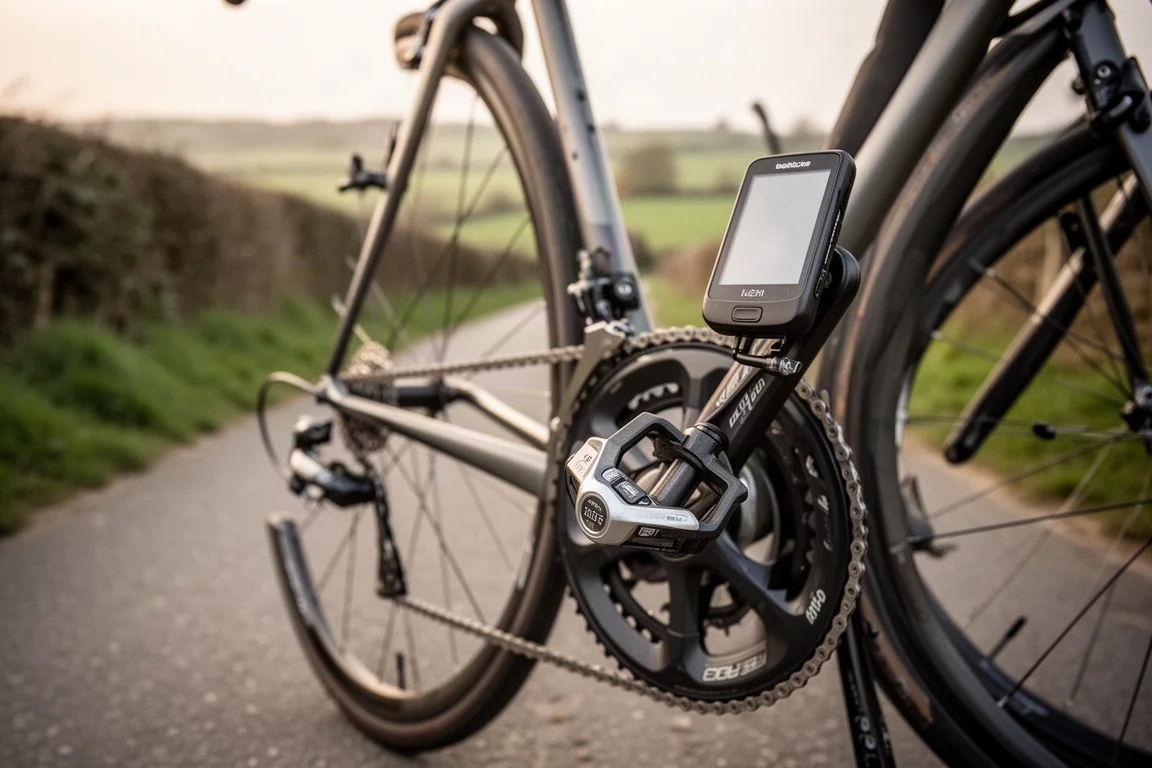
It is also worth noting how much of that gap had nothing to do with the frame. The MCR ran on older wheels and tyres that are not remotely aerodynamic by modern standards, wide handlebars, and a conventionally lubricated chain, while the modern bike had narrower bars, wider 28 mm tyres, and a waxed chain. Those details add up to real watts.
The wheels made the biggest single difference. Swapping to a deeper-section set transformed the bike’s speed on the spot, and the slightly wider rims also gave noticeably more powerful braking. Whether the frame itself is aerodynamically superior remains an open question, since answering it properly would need wind tunnel time rather than a road test. What is clear is that the silhouette holds up: front on, the narrow seat pin and the overall profile look strikingly similar to a modern triathlon bike that has set an Iron Man world record.
Main Strengths
- An aero shape that still looks fast nearly three decades on, with a silhouette that echoes modern triathlon and aero designs.
- Genuinely comfortable ride quality, which is not what such an aggressive shape suggests.
- Forward-thinking details for 1997, including internal cable routing and an integrated headset.
- Strong value at launch, with Lotus-derived thinking brought to a mass-market price.
- Real pace on the road. The margin to a modern aero bike over the test segment was small.
Things to Consider Before Buying
- Weight. The complete bike weighed 9.6 kg on its original wheels, roughly two kilos more than a modern road bike, and the frame alone is around a kilo heavier than a modern aero frame.
- Wheels and tyres. The original wheels are heavy and not aerodynamic, and they hold the bike back. Budget for an upgrade if speed matters to you.
- Front-end flex. The stem and handlebars move noticeably under power, and there is a clunk over rough surfaces.
- One size. The single-size design is a compromise for anyone outside the middle of the fit window.
- Racing rules. The MCR was banned by the UCI and sits outside the regulations that shape modern race bikes, so it is not a race-legal option.
- Unproven aero advantage. Without wind tunnel data, the frame’s aerodynamic superiority over a modern design is not established.
Buying Advice
Fit comes first. Because the MCR was made in one size, the most useful thing you can do is establish whether you sit inside the window the bike was designed around. Riders near that middle size get the intended handling, while those at the extremes will feel the compromises through the steering.
Condition comes second. This is a carbon monocoque from 1997, and the ride notes here include a clunk over bumps. A careful inspection of the frame, the bonded junctions, and the headset area is worthwhile before committing.
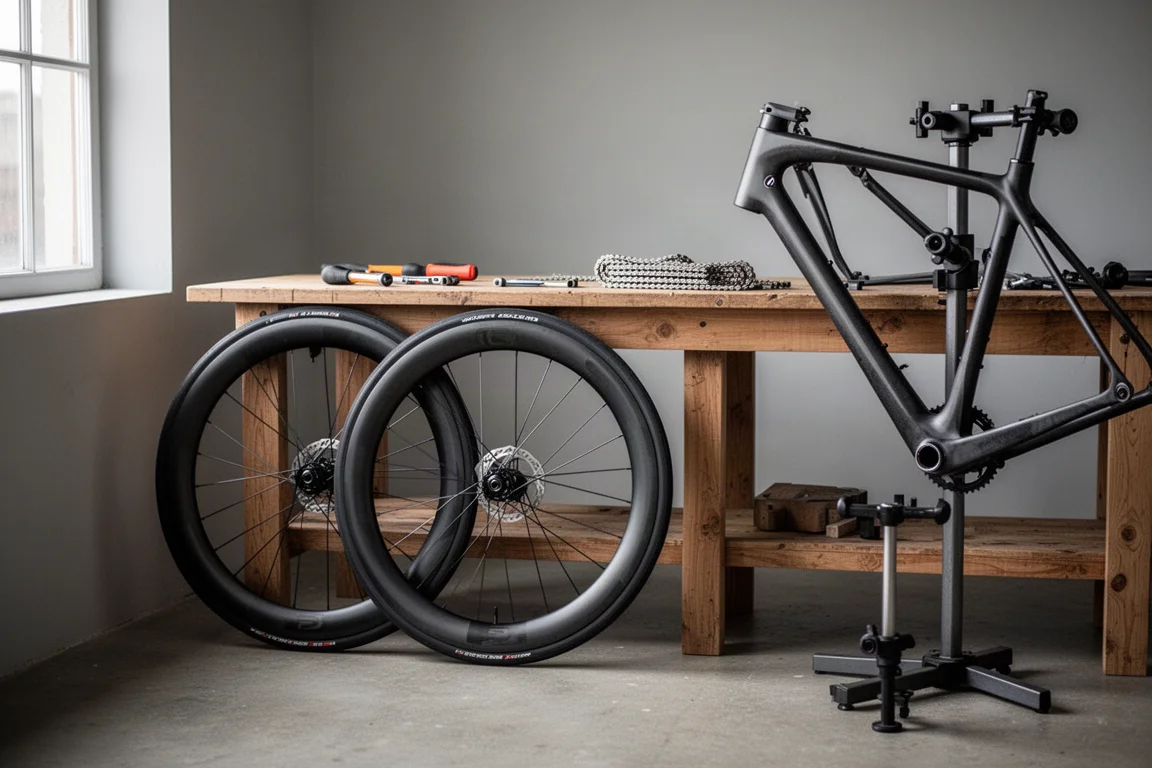
Then plan for the parts that unlock the bike’s potential. A modern, deeper-section wheelset and contemporary tyres made the biggest difference to speed in testing, and they are the most sensible first upgrade. Expect the frame to feel flexier and heavier than a current aero bike, and expect a modern aero bike to be smoother and slightly quicker. What the MCR offers instead is character, comfort, and a shape that still turns heads.
Conclusion
The Giant MCR was radical in 1997, and it remains a compelling oddity: a mass-produced aero road bike that the rulebook could not accommodate. In a back-to-back test against a modern UCI-legal aero bike, it gave away only seconds, despite heavier wheels, older tyres, wider bars, and a two-decade head start for the competition.
That result does not prove the frame is faster. It does suggest the design direction was not wrong, and that a road bike shaped like this could still make sense today for riders who never race under UCI rules. If you fit the single size, can live with the flex and the weight, and are willing to invest in modern wheels, the MCR delivers a ride that is comfortable, distinctive, and unexpectedly quick.
Product link
View more details for Giant MCR
This product is mentioned in the review. Check the specifications, options, and compatibility before buying.
View more details for Giant MCRFurther reading
Related Reviews
Road Bikes
10 New Road Bikes Worth Watching: Aero, Titanium, Steel and Endurance Standouts
A practical roundup of 10 new road bikes, from aero flagships chasing single-watt gains to titanium, steel and endurance platforms built for real roads.
Road Bikes
2026 Tour de France Road Bikes: Six Race Machines Worth a Closer Look
Six race bikes from the 2026 Tour de France grid, reviewed for paint, silhouette, wheels and the specification details that matter to buyers.
Road Bikes
3T Strada Italia Review: A Radical Aero Road Bike That Rides Smooth
A made in Italy carbon aero road bike with a deep head tube, wide tire clearance and a genuinely comfortable ride. Here is what to know before buying.