Road Bikes
Giant Defy Review: A Lighter, More Performance-Focused Endurance Bike
Giant's fifth-generation Defy brings lighter framesets, bigger compliance claims and a sharper geometry, with builds that suit a wide range of riders.
Introduction
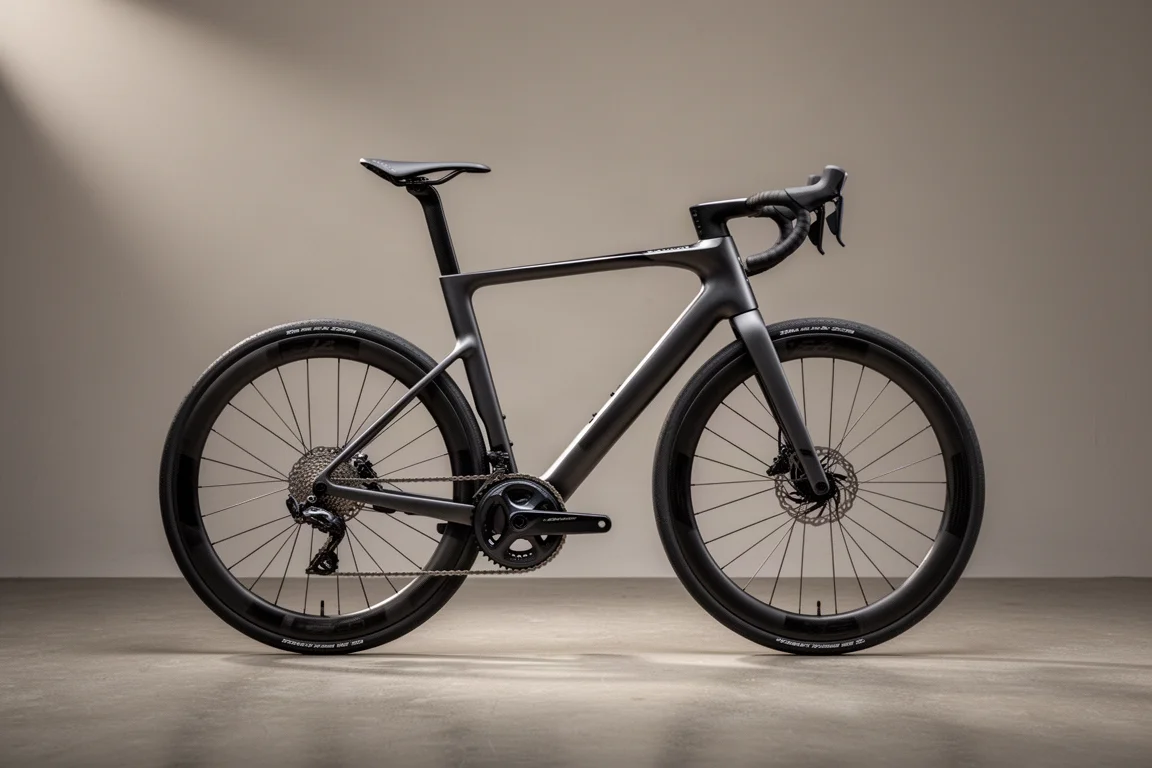
Giant has released the fifth generation of the Defy, its long-running endurance road bike. The new model introduces three framesets and some confident claims around both weight and comfort, including the assertion that the most affordable version of the new Defy outperforms the previous generation’s top-of-the-range model.
That mix of lighter frames and a slightly sharper ride position is the real story here. For riders who want long-distance comfort without an upright, relaxed feel, this generation of the Defy is one of the more interesting endurance platforms available.
Who the Giant Defy Is For
The Defy remains an endurance bike at heart, which makes it a natural fit for riders who spend long hours in the saddle and want compliance built into the frame rather than added through suspension hardware. Giant has kept that approach deliberately simple: instead of a front suspension system, it continues to develop the D-Fuse seatpost, handlebar and stem, all designed to smooth the ride without adding extra weight.
This generation also targets riders who want a little more pace from an endurance platform. The head tube sits 9mm lower and the reach is 5mm longer than before, so the bike is slightly more performance focused from stock. Because the bikes still ship with a long steerer, riders who prefer a higher stack can keep that position if they want it.

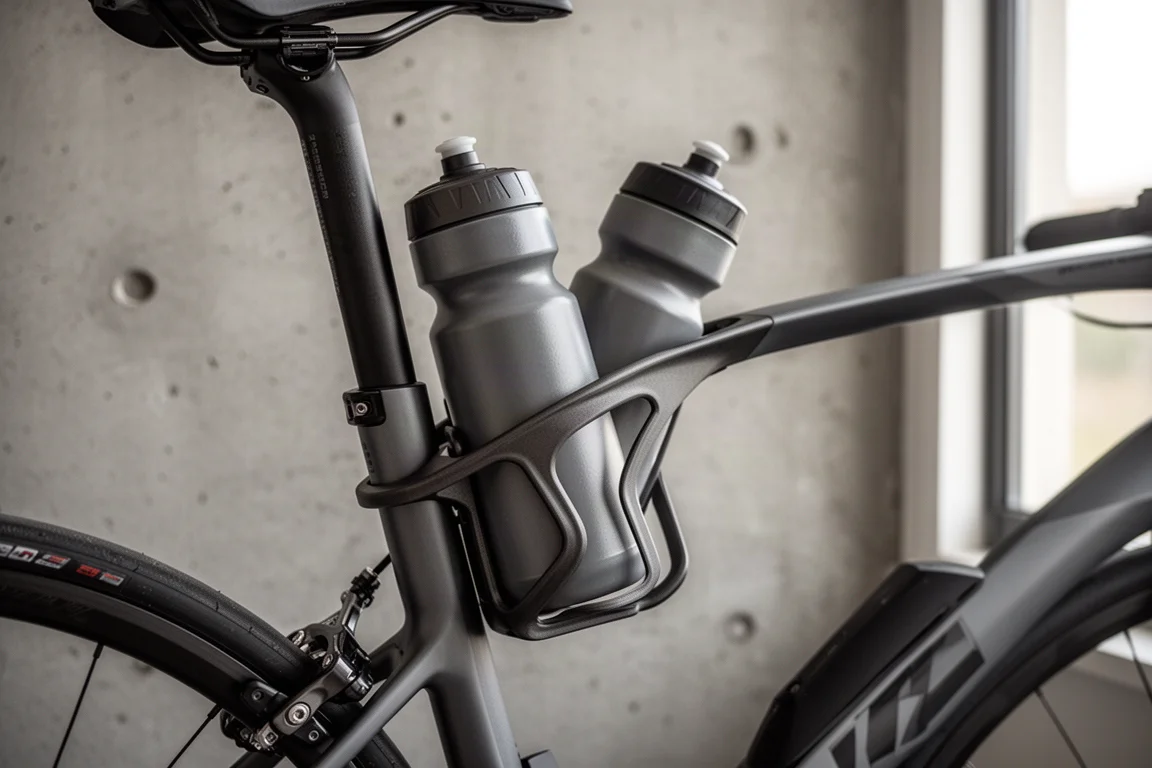
Practicality is part of the brief as well. The frame includes integrated fender mounts, and every bike in the range comes with two composite bottle cages designed specifically for the Defy, with the seat tube cage shaped to wrap around the front derailleur.
Frame, Weight, and Compliance
The weight claims are the most striking part of the launch. The top-of-the-range Defy Advanced SL frameset is claimed to weigh 785g, which is 293g lighter than the previous range-topping model and nearly 20 percent lighter overall. Even the base-level Defy Advanced is claimed to be 117g lighter than the previous top-of-the-range bike, which says a lot about how much weight has come out of the platform.
Giant credits a new D-Fuse seatpost and a new D-Fuse handlebar and stem for a large part of the comfort story, alongside dropped seat stays and a brand new fork. The seatpost is claimed to provide 7mm of deflection, and framesets paired with the new seatpost are said to offer 42 percent more compliance than the previous generation. If those figures hold up on real roads, they represent a meaningful step forward rather than a cosmetic update.
On the road, the compliance is genuinely noticeable. A complete top-spec build weighed a little over 7kg, and the seatpost flex can be felt in motion: road chatter comes through the pedals, but noticeably less of it reaches the saddle. That balance of a plush rear end without a soft feeling under power is exactly what endurance riders are chasing.
Geometry and Handling
The revised geometry is what makes the new Defy more compelling for riders who usually gravitate towards faster road bikes. A head tube 9mm lower and 5mm more reach move the platform firmly towards the performance end of the endurance category, and the change reads as more performance orientated on the road without ever feeling aggressive.
The cockpit has been brought up to date as well. Cables are now fully integrated, and the drops of the handlebar feature an 8 degree flare, which helps with descending and general control. The bar shape feels good in the hands even though it is designed primarily to add compliance.
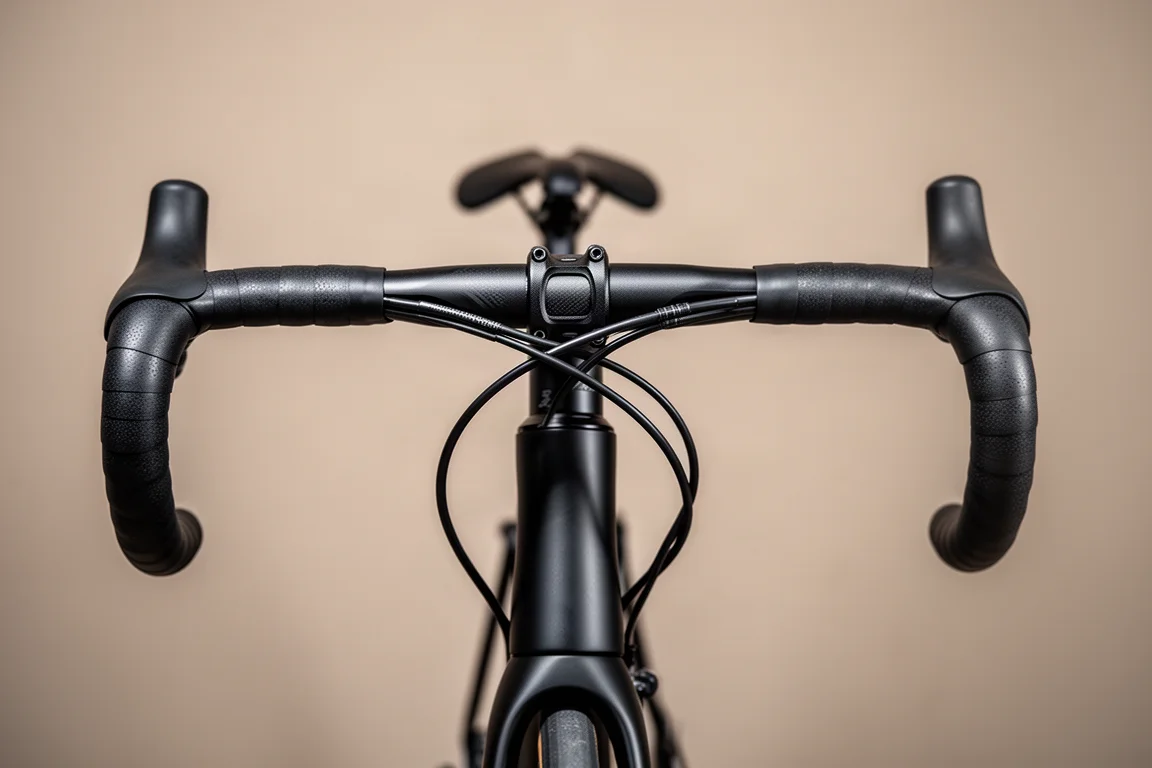
Handling sits in a useful middle ground. It is not as direct or as pointy as a race bike, but it does not feel vague either: the ride stays relaxed while the bike carries a clear sense of purpose. Tire clearance has grown from 35mm to 38mm, although bikes ship with 32mm tires as standard, and those tires do a large share of the comfort work.
Build Options and Pricing
The range opens with an entry-level build and finishes with SRAM Red. Giant chose Red rather than a Dura-Ace option, saying it preferred the gearing options that Red opens up. One of the builds is also among the first bikes on the market to use the new mechanical 105 12-speed groupset, priced at $3,000 or just shy of £2,700.
Two models stand out in the line-up. The Defy Advanced Pro 2 pairs a mid-tier frame with carbon wheels and the new mechanical 105 12-speed groupset, although it appears to be available only in the UK and France for the time being. The Defy Advanced Pro 0 steps up to a full Ultegra 12-speed Di2 groupset with a Giant power meter, a mid-tier frame and better carbon wheels.
Advanced SL and Advanced Pro builds come with carbon hookless wheels.
Main Strengths
The strongest argument for the new Defy is the weight reduction. Losing 293g at the top of the range, and bringing even the entry frame in lighter than the previous flagship, puts the platform alongside some of the best road bikes on the market. Pair that with the claimed 42 percent compliance increase and the 7mm of seatpost deflection, and the Defy addresses the two priorities endurance riders care about most.
The bike is also better equipped than before. Full cable integration tidies up the front end, the 8 degree flare on the drops adds control on descents, fender mounts make it a genuine all-weather option, and the included Defy-specific bottle cages are a thoughtful touch.
Visually, the new Defy is a clear improvement on its predecessor, with a cleaner balance and a notably slim top tube. It is not the most distinctive endurance bike on the market, but the dropped seat stays and chunky head tube and down tube are the features responsible for much of the ride quality modern riders expect.
Things to Consider Before Buying
The top-end builds are hard to justify. The specification arguably outruns the frame, and for most riders the mid-range Advanced Pro models deliver the bulk of what a range-topping bike offers for considerably less money. The range-topping carbon wheels are light and help wider tires sit plump, but the extra spend is difficult to rationalise on this frame.
Fit is another consideration. The longer reach will not suit every rider, and a shorter stem, a different bar angle or a change of hood position may be needed to dial in the position. The standard 32mm tires are also worth planning around: they do a lot of the compliance work, and swapping them is likely to be one of the first changes owners make.
Finally, the absence of a Dura-Ace build and the limited availability of the Advanced Pro 2 in some markets narrow the choice for riders in certain regions.
Buying Advice
If the Defy is on your shortlist, the Advanced Pro 0 and Advanced Pro 2 are the builds that make the most sense. The Advanced Pro 0 brings a full Ultegra 12-speed Di2 groupset, a Giant power meter and better carbon wheels on a mid-tier frame, while the Advanced Pro 2 pairs carbon wheels with the new mechanical 105 12-speed groupset at a lower entry point.
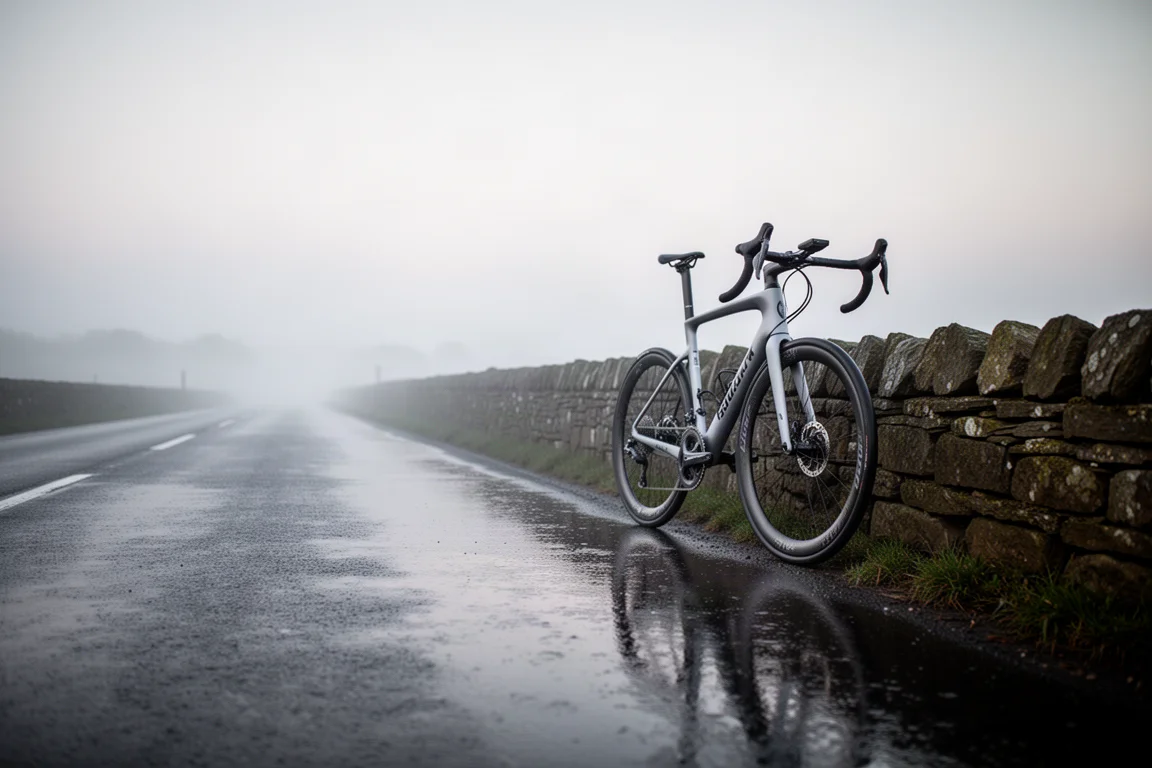
Riders who want the lightest possible platform can look at the Advanced SL, but the value case weakens at the top of the range. Whichever build you choose, budget for a tire swap if you want the widest and most comfortable setup the frame allows.
Conclusion
Giant has done a solid job with the fifth-generation Defy. The bike is lighter, it is claimed to be more comfortable, and the updated geometry makes it more engaging to ride than its predecessor. Features like fender mounts, included bottle cages and room for wider tires bring it in line with modern expectations, and the new bar and stem tidy up the front end.
For riders who want endurance comfort with a performance bias, the Defy is a worthwhile successor to a well-loved platform, particularly in one of the mid-range Advanced Pro builds.
Product link
View more details for Giant Defy
This product is mentioned in the review. Check the specifications, options, and compatibility before buying.
View more details for Giant DefyFurther reading
Related Reviews

Road Bikes
10 New Road Bikes Worth Watching: Aero, Titanium, Steel and Endurance Standouts
A practical roundup of 10 new road bikes, from aero flagships chasing single-watt gains to titanium, steel and endurance platforms built for real roads.
Road Bikes
2026 Tour de France Road Bikes: Six Race Machines Worth a Closer Look
Six race bikes from the 2026 Tour de France grid, reviewed for paint, silhouette, wheels and the specification details that matter to buyers.
Road Bikes
3T Strada Italia Review: A Radical Aero Road Bike That Rides Smooth
A made in Italy carbon aero road bike with a deep head tube, wide tire clearance and a genuinely comfortable ride. Here is what to know before buying.