Endurance Road Bikes
Giant Defy Review: A Lightweight Endurance Road Bike, Explained
The new Giant Defy brings a claimed 785g Advanced SL frame, 38mm tire clearance and a slightly more aggressive fit, plus a flagship build with SRAM Red eTap AXS.
Introduction
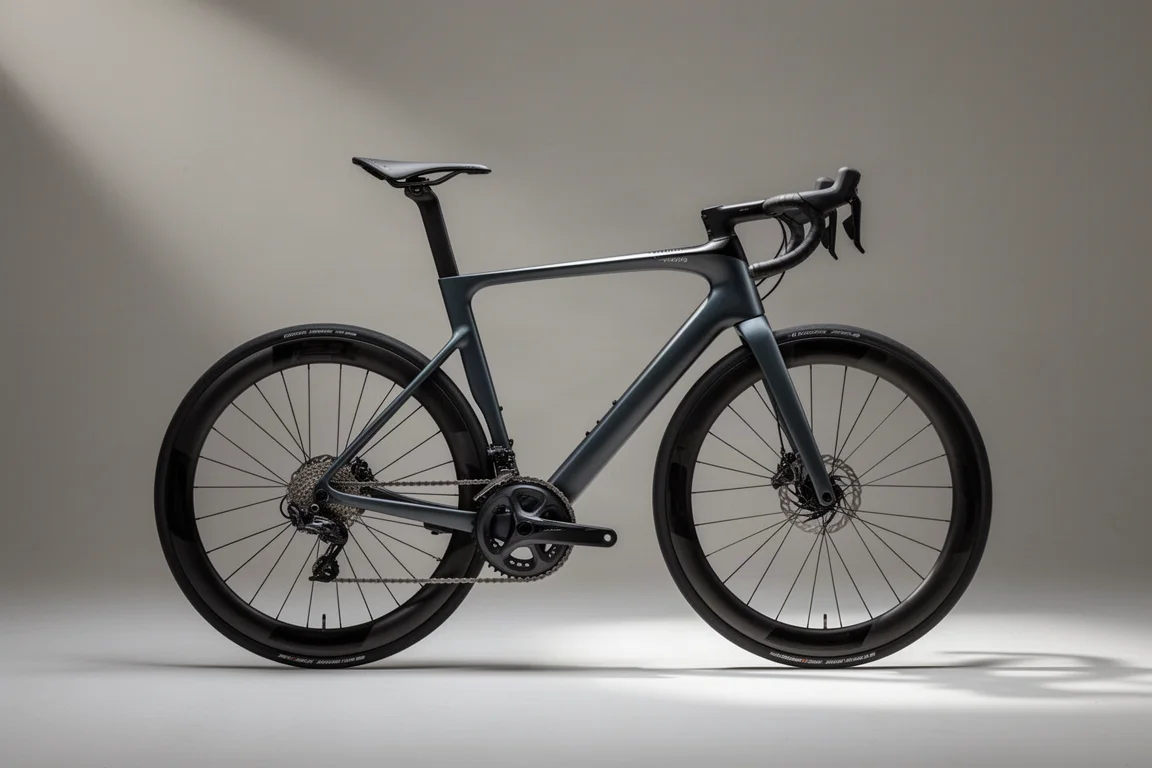
Giant has rebuilt its endurance road bike around one clear idea: less weight. The new Defy range arrives with a claimed 785g frame in a size medium for the top-tier Advanced SL version, which Giant says is around 195g lighter than the previous range-topping Defy Advanced Pro. That puts the frame among the lightest endurance road platforms on the market.
The range is split into three tiers: Advanced SL at the top, Advanced Pro in the middle, and Advanced at the entry point. The flagship Advanced SL 0 build is priced at £11,499 / $12,000 with a SRAM Red eTap AXS groupset and CADEX carbon wheels, while the range opens at £2,299 for the Advanced 3 with Shimano Tiagra.
This article walks through what changed on the frame, how the comfort approach works without suspension hardware, and which build makes sense for different riders.
What the New Giant Defy Changes
Weight is the headline. The Advanced SL frame is claimed at 785g in a size medium (roughly a 54cm frame for most other brands), while the Advanced Pro and Advanced frames come in at a claimed 860g in the same size without hardware. For context, the Specialized Roubaix is claimed at 828g in a size 56 and the Cannondale Synapse at 950g in the same size.

Giant also quotes a stiffness gain: the new Defy Advanced SL is claimed to be 8.9 percent stiffer than the previous Defy Advanced Pro, with a 28 percent higher stiffness-to-weight ratio. The new Advanced Pro is claimed to be 0.2 percent stiffer than the generation it replaces.
The Advanced SL and Advanced Pro share the same fork. It uses a one-piece carbon construction with Giant’s OverDrive 2 steerer, an oversized 1 1/4 inch design, and is claimed at 345g uncut. The fork legs are flat at their rear face, a shape carried over from the brand’s TCR and Propel models for aerodynamic performance.
Giant Defy Advanced SL 0: The Flagship Build
The Advanced SL 0 sits at the top of the range. It pairs the lightest frame in the line with a SRAM Red eTap AXS groupset and CADEX carbon wheels, and every bike in the range ships with 32c CADEX road tires set up tubeless as standard.
On the road, the complete bike weighed 7.52kg in a size large, which is low for an endurance platform with this much tire clearance. Riders who want the lightest possible Defy and the most responsive build should start here, provided the price is acceptable.
Frame Design: Dropped Stays, Slender Seat Tube, and Aero Details
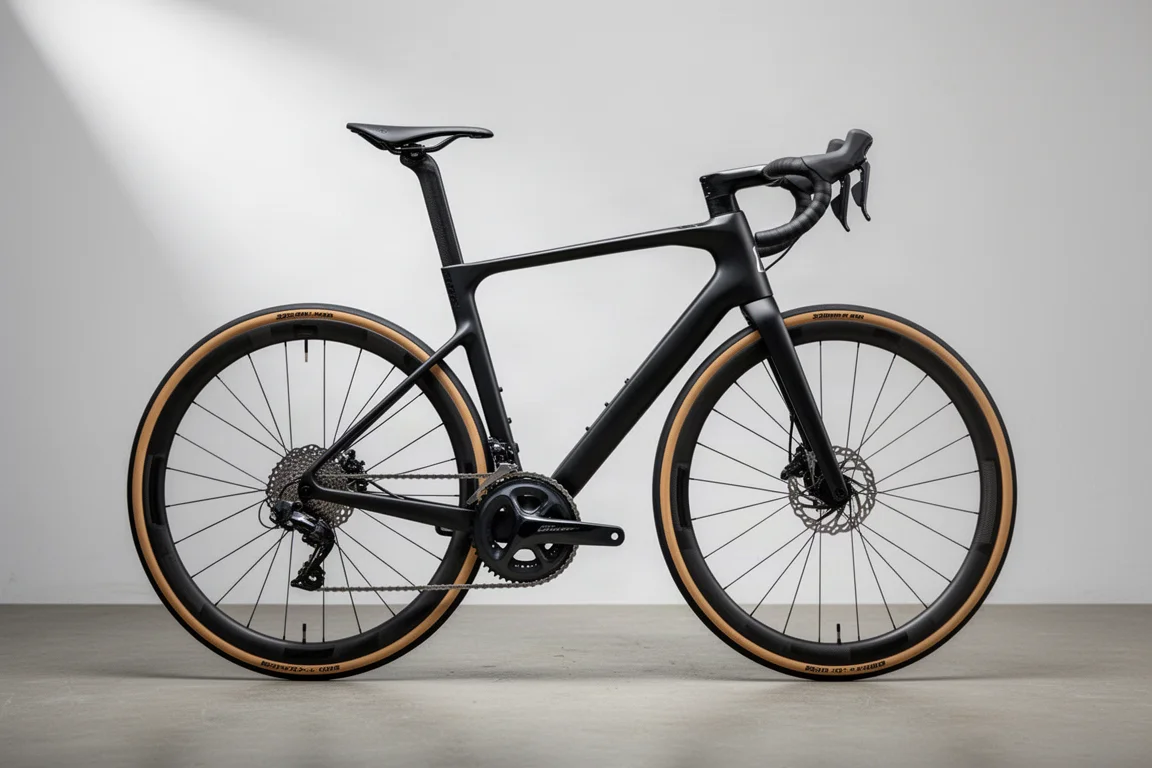
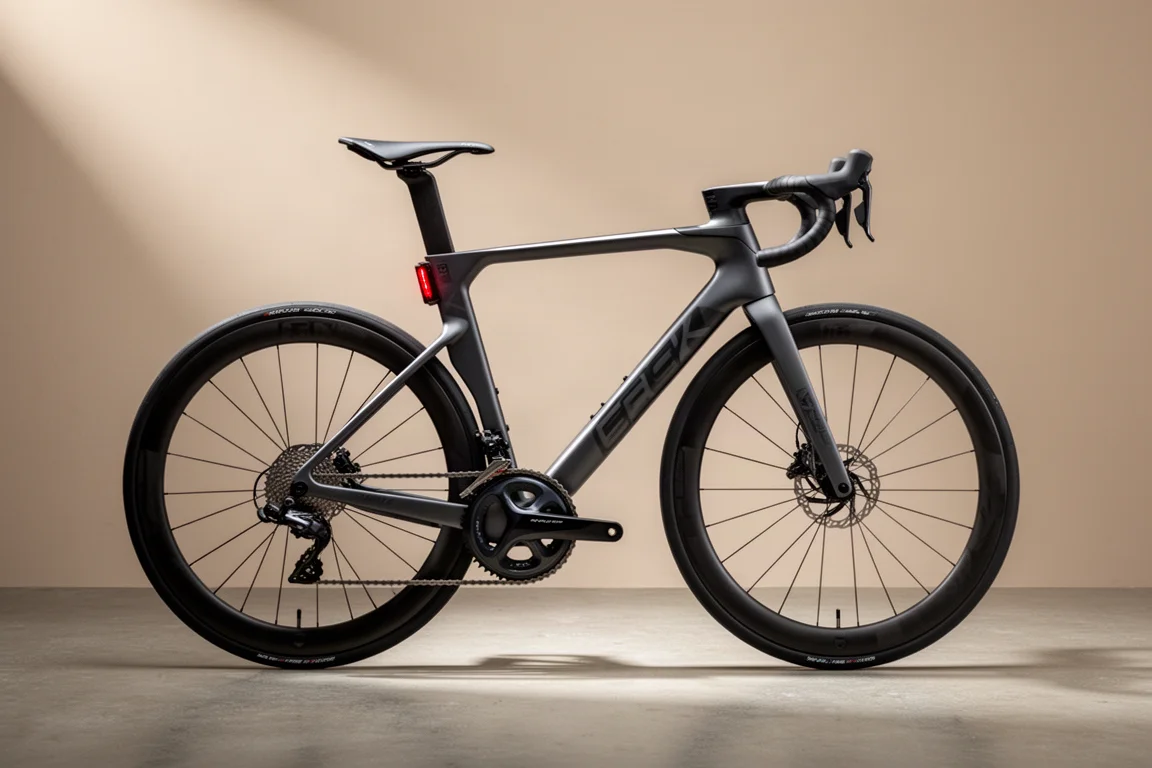
The new frame keeps the dropped seat stays of the previous generation and pairs them with a more slender seat tube at the seatpost junction. Giant has also made the head tube a little more svelte to improve aerodynamics.
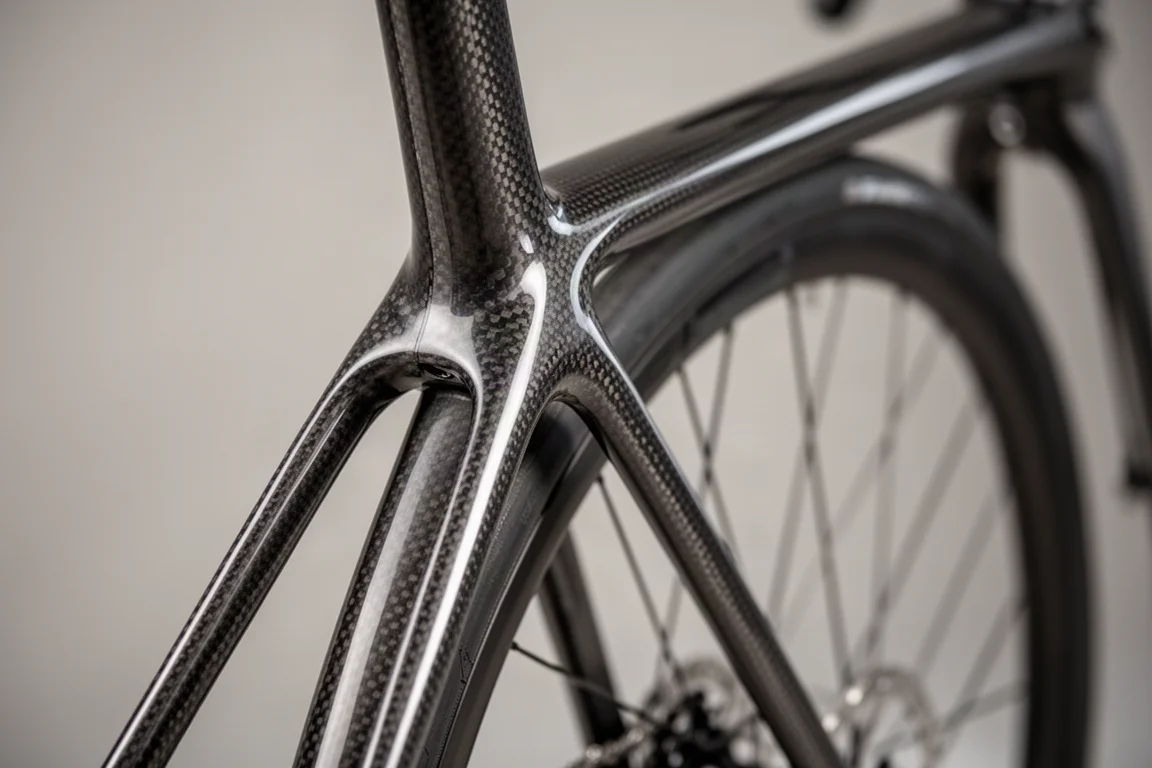
Tire clearance has grown by three millimetres to 38mm. That matches the Trek Domane, exceeds the 35mm of the Cannondale Synapse, and sits just below the 40mm of the Specialized Roubaix. Whether endurance road bikes need that much clearance is a fair question, but the option is there for riders who want to run wider rubber.
All models roll on 32c CADEX road tires set up tubeless from the factory, which is a sensible middle ground for mixed road surfaces.
Giant Defy: The Range and More Accessible Builds
Below the flagship, the Defy range covers the Advanced Pro and Advanced tiers. Both use the same claimed 860g frame weight in a size medium without hardware, and the Advanced Pro shares the flagship fork. That means the geometry, the frame shape, and the comfort features carry down the range rather than being reserved for the top build.
Entry pricing starts at £2,299 for the Advanced 3 with Shimano Tiagra, so the new frame and its weight savings are not limited to five-figure builds. Riders who want the platform without the flagship components will find the strongest value in the middle of the range.
Comfort Without Suspension: D-Fuse Seatpost and Handlebar
The Defy has always been a comfort-focused bike, and the new version continues to rely on tire volume and frame flex rather than suspension pivots or similar add-ons. Giant says that decision followed feedback from the market and from its sponsored riders, and that suspension-style features typically come with a cost in weight, maintenance, or durability.
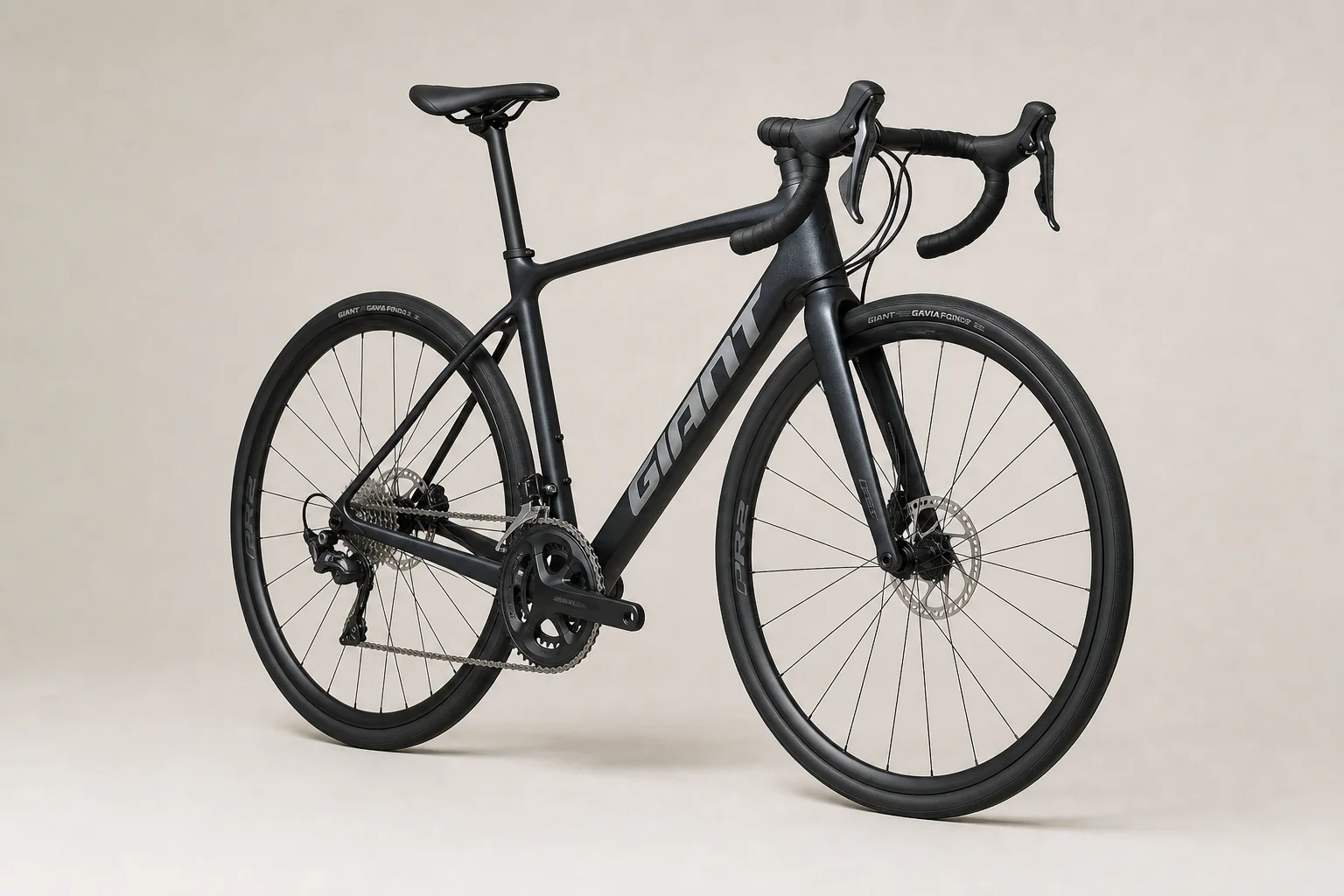
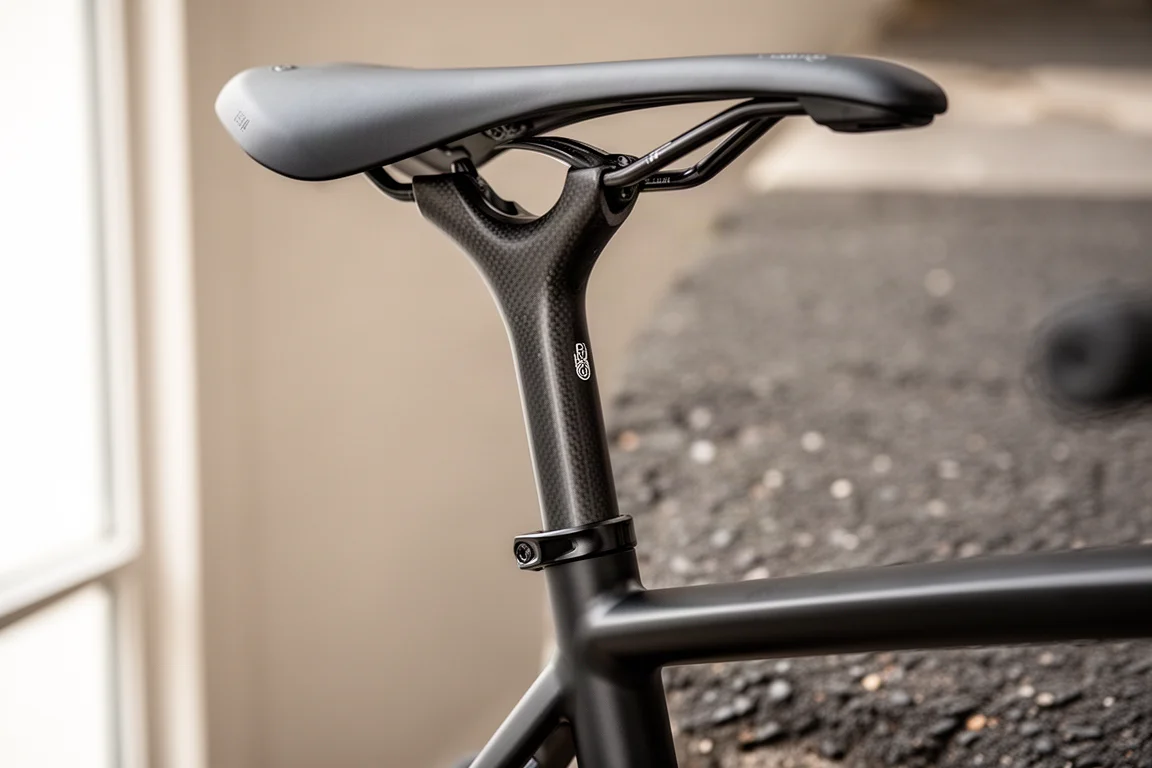
The new D-Fuse seatpost is D-shaped and made from carbon fibre, and it tapers more aggressively towards the head to allow up to 7mm of flex at the saddle. Giant claims the new frame and seatpost combination produces 42 percent more compliance than the previous generation pairing.
Up front, the Contact SLR or SL D-Fuse handlebar, depending on the model, uses a similar D-shape on the tops. Giant claims a 2 percent increase in upward stiffness, which should make the bar feel firmer when pushing or pulling on the drops during a sprint while staying comfortable on the tops and hoods. The bar also has a shorter than usual 72mm reach and drops that flare out by 8 degrees, which Giant says improves handling stability.
Geometry is largely unchanged. Head and seat tube angles, wheelbase, chainstay lengths, fork rake, and seat and top tube lengths are identical to the previous generation. The differences sit in the front end: head tube lengths drop by 10mm on a size medium and above, while reach is 2.8mm longer and stack 9mm lower on a size medium. Giant says that shift came from dealer and consumer feedback that the previous stack was a little too high.
First Ride Character: How the Defy Feels on the Road
The most striking thing about the new Defy is how much it behaves like an all-round race bike rather than a relaxed long-distance cruiser. Stack and reach sit only 15mm taller and 9mm shorter than the current TCR on a size large, and the Defy feels faster than the previous versions despite geometry that is largely carried over.
Where a stiff race bike skips and darts over rough surfaces, the Defy floats across them. The carbon seatpost and handlebar isolate road buzz well, while the drops still feel sprint-ready in terms of stiffness. On descents the bike stays composed when the surface turns poor, which makes it easy to carry more speed with confidence.
It climbs well too. The combination of a relatively low overall weight and a stiff, lively wheelset makes rolling terrain and longer ascents appealing rather than something to avoid.
Buying Advice: Which Defy Fits Your Riding
If weight and responsiveness are the priority and the budget allows, the Advanced SL 0 is the build that makes the strongest case: the lightest frame in the range, SRAM Red eTap AXS, and CADEX carbon wheels.
If you want the same platform at a lower cost, the Advanced Pro and Advanced tiers use the claimed 860g frame and share the geometry and comfort features. The Advanced 3 at £2,299 is the entry point, and the middle of the range is where the balance of price and specification tends to sit.
Fit deserves attention before you buy. The new Defy has a lower front end than the previous generation, so riders who preferred the taller stack of the outgoing bike may need to adjust spacer and stem choices. Checking reach and stack against your current bike is worthwhile, especially if you are moving from an older Defy.
Riders who specifically want suspension hardware, or who want an endurance bike pushed towards gravel capability, should look at other options. The Defy is deliberately a pure road bike, and the 38mm clearance is the practical limit of its all-surface ambitions.
Conclusion
The new Giant Defy makes weight its central argument, and the numbers back that up: a claimed 785g Advanced SL frame, a claimed 860g frame on the lower tiers, and a complete flagship build at 7.52kg in a size large. Add 38mm tire clearance, a D-Fuse seatpost with up to 7mm of flex, and a slightly more aggressive front end, and the result is an endurance bike that leans towards all-round race performance rather than pure long-distance comfort. Riders who want the lightest version should look at the Advanced SL 0, while the Advanced Pro and Advanced builds deliver the same platform at a lower price.
Further reading
Related Reviews
Endurance Road Bikes
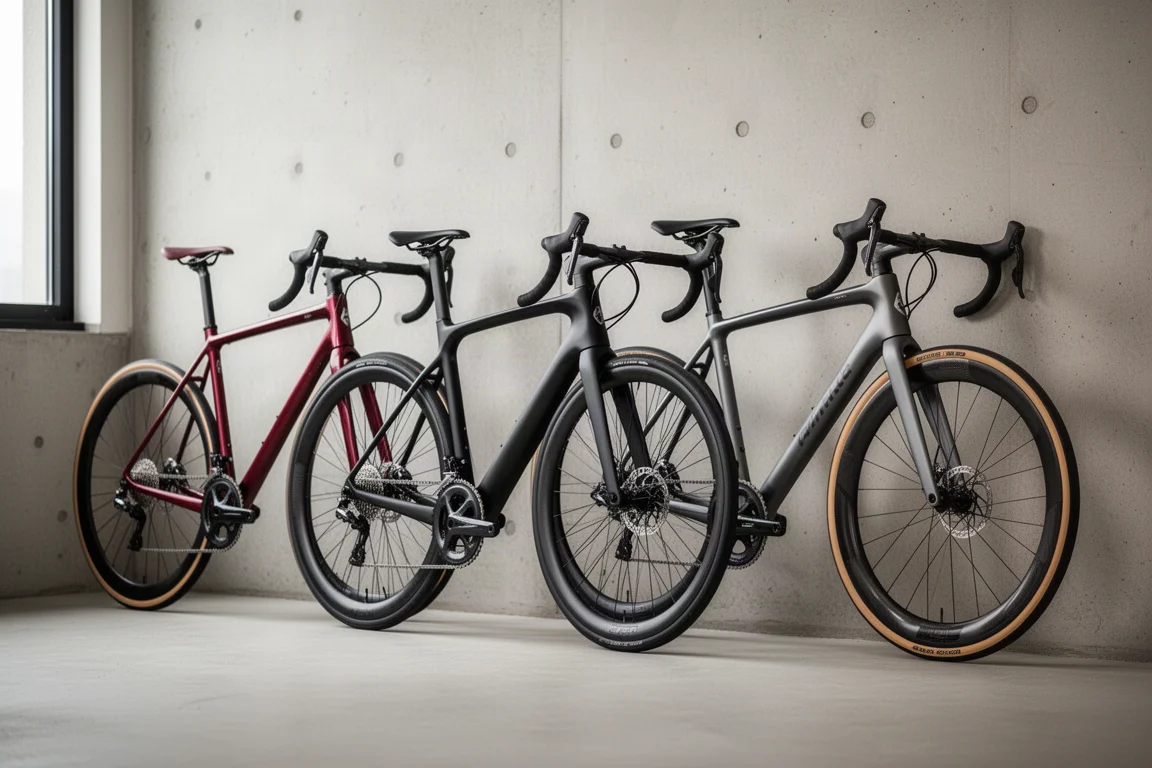
Best Endurance Bikes Compared: Merida Scultura Endurance, Cervélo Caledonia and Vitus Venon Evo RS Aero
Three endurance road bikes tested on long, wet road loops: relaxed classic comfort, sporty road pace, and an all-road machine with genuine gravel room.
Endurance Road Bikes
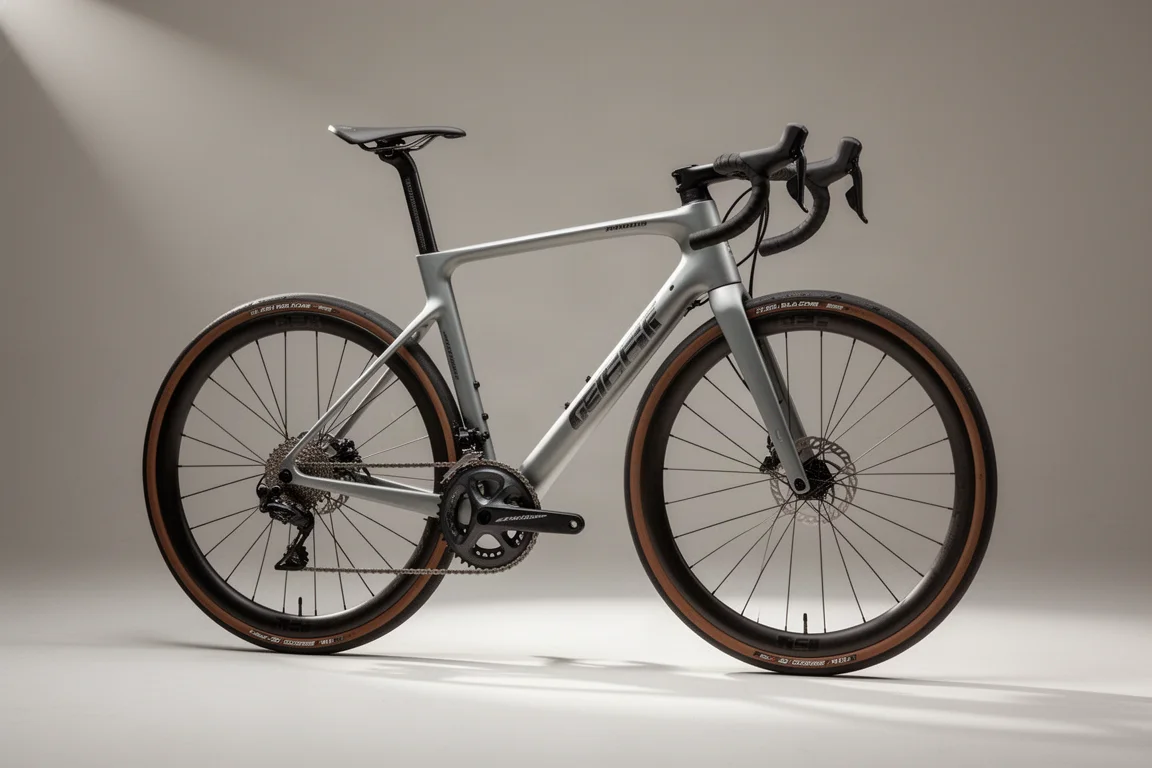
Best Endurance Road Bikes: Eight Comfort-Focused Picks for Speed and Stability
Eight endurance road bikes compared on fit, comfort features, tire clearance, storage and value, from the smoothest carbon options to steel and titanium alternatives.
Endurance Road Bikes
BMC Roadmachine Review: An Endurance Road Bike Built Around 40mm Tires
A closer look at the updated BMC Roadmachine, from its 40mm tire clearance and down tube storage to the trade-offs of its integrated rear light.