Road Bikes
Giant Defy Range Guide: Choosing Between the Fifth-Generation Models
Giant's fifth-generation Defy arrives with three new frame sets, lighter claimed weights and a bigger comfort story. Here is how the models compare and who each one suits.
Introduction
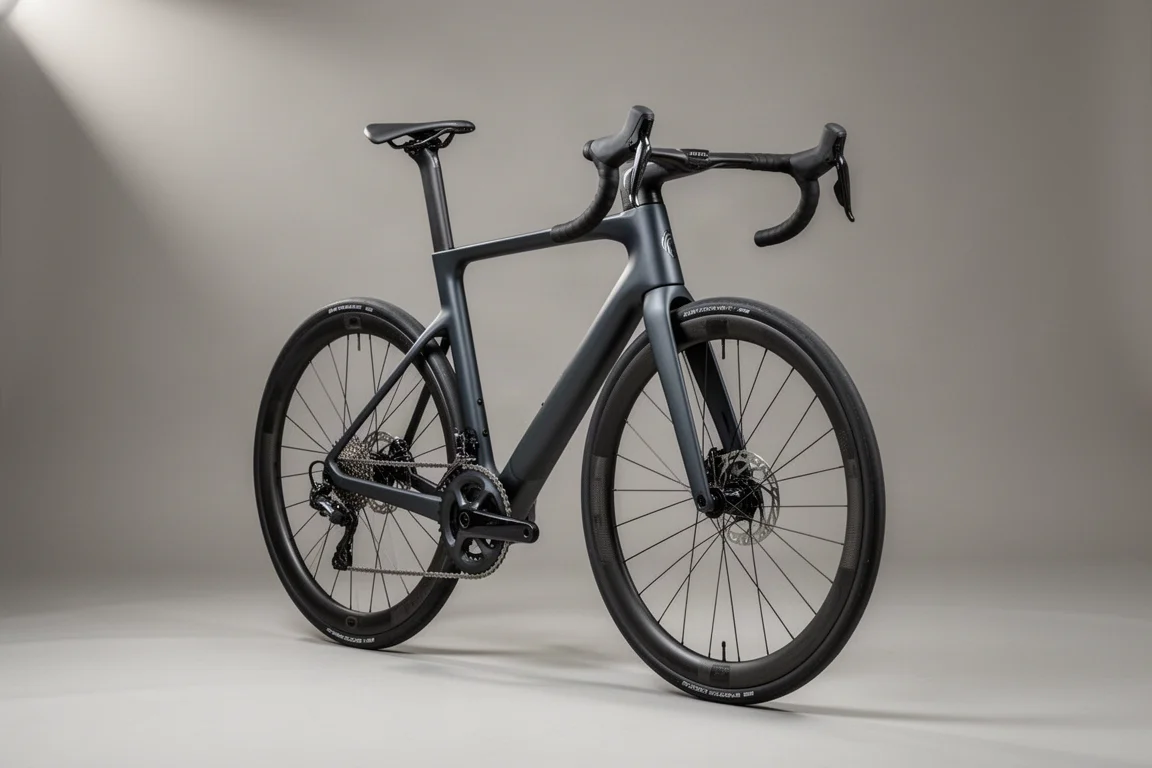
Giant has released the fifth generation of the Defy, the endurance road model that has quietly become one of the brand’s most popular platforms. The update brings three new frame sets, a fresh set of claims around weight and comfort, and a notable statement from Giant: the most affordable version of the new Defy is said to outperform the previous generation’s range-topping bike.
That is a big claim for a category built around balancing speed with all-day comfort, so it is worth looking at what actually changed and how the models in the range differ.
What Every Model in the Range Shares
Giant has stayed away from front-end suspension and instead leaned on what it calls functional simplicity. The comfort story rests on a new D-Fuse seat post and a matching D-Fuse handlebar and stem, both designed to smooth the ride without adding weight. Giant claims the seat post alone provides 7 mm of deflection, and that the frame sets paired with it deliver 42 percent more compliance than the previous generation. Dropped seat stays and a redesigned fork are also part of the package.

The geometry has shifted in a more performance-oriented direction: the head tube sits 9 mm lower and the reach is 5 mm longer. Giant still ships a long steerer, so riders who prefer a taller position can keep a high stack without changing the frame.
Weight has come down sharply. The flagship Defy Advanced SL frame set is claimed at 785 g, which is 293 g lighter than the previous range-topping frame and close to 20 percent less overall. Even the base level Defy Advanced is claimed to be 117 g lighter than the old top-of-the-range model, which says a great deal about how far the platform has moved.
The details are up to date as well. Cables are now fully integrated, the drops carry 8 degrees of flare for descending control, tire clearance has grown to 38 mm from 35 mm, and fender mounts are built into the frame. Every bike comes with two composite bottle cages designed specifically for the Defy, with the seat tube cage shaped to wrap around the front derailleur. Complete bikes ship on Giant’s own 32 mm tires.
Giant Defy: The Entry Point to the Range
Complete bikes in the new line start at a Tiagra level build and finish with SRAM Red at the top. Giant chose Red over Dura-Ace for the flagship, saying it would only offer one of the two and preferred the gearing options that Red opens up.
The entry models are the most accessible route into the platform. You get the same overall design direction and the same modern frame details, paired with a simpler groupset, which leaves budget for tires, pedals and a proper bike fit.
Giant Defy Advanced: The Value Pick
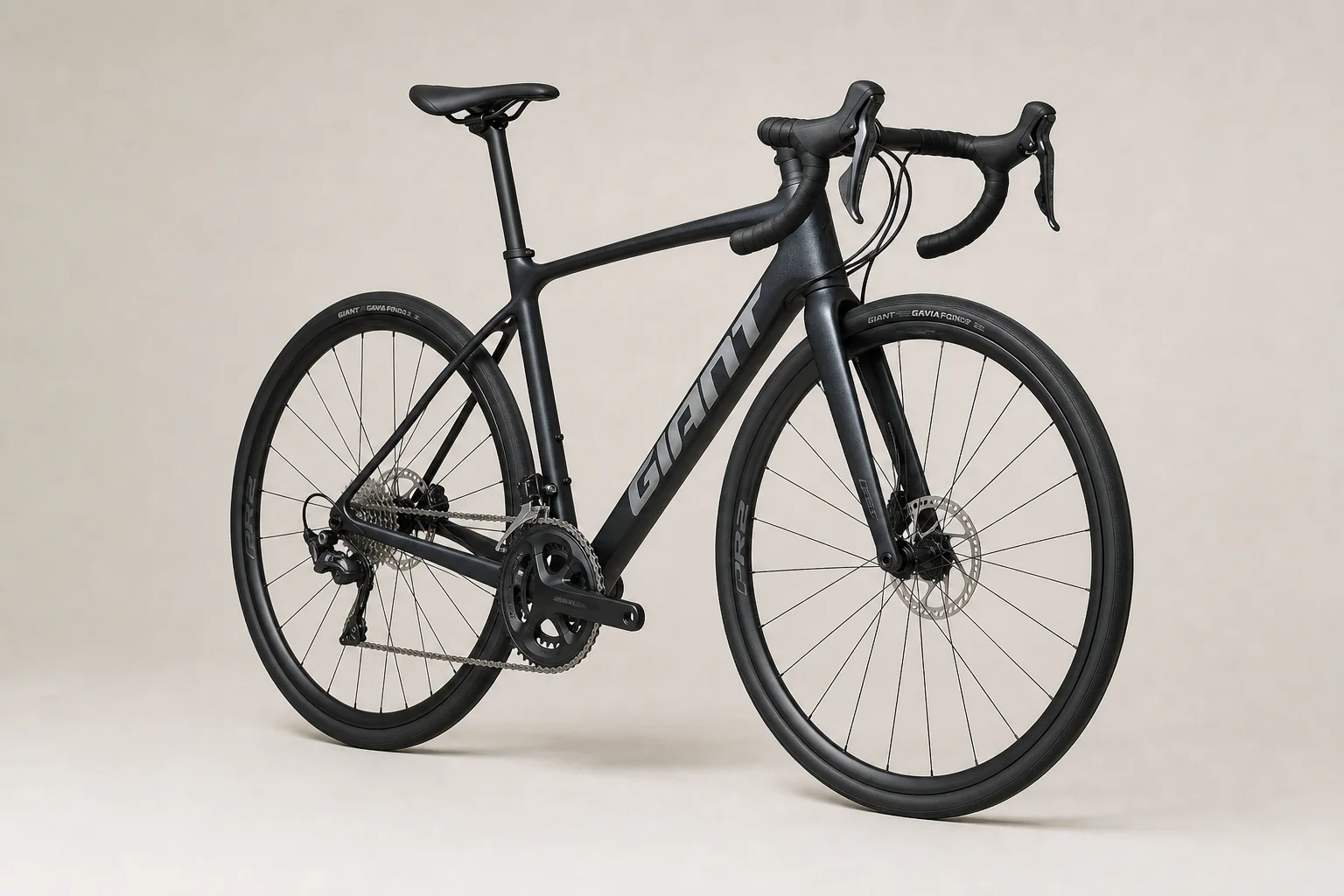
The Defy Advanced is the model most riders will compare against everything else. Giant claims this frame is 117 g lighter than the previous generation’s top-of-the-range model, a striking illustration of how much weight the new platform has shed.
It is also one of the first bikes on the market to be offered with the new mechanical 105 12-speed groupset, and that build is listed at either $3,000 or just shy of £2,700. For a modern endurance bike with integrated cabling, 38 mm clearance and a compliance-focused seat post, that is a lot of the new thinking in a single package.

This is where the range starts to make obvious sense. The geometry, the frame weight and the modern details are all here, and the money that would otherwise go toward carbon wheels can be spent on the parts that matter most to your own riding.
Giant Defy Advanced Pro: The Sweet Spot
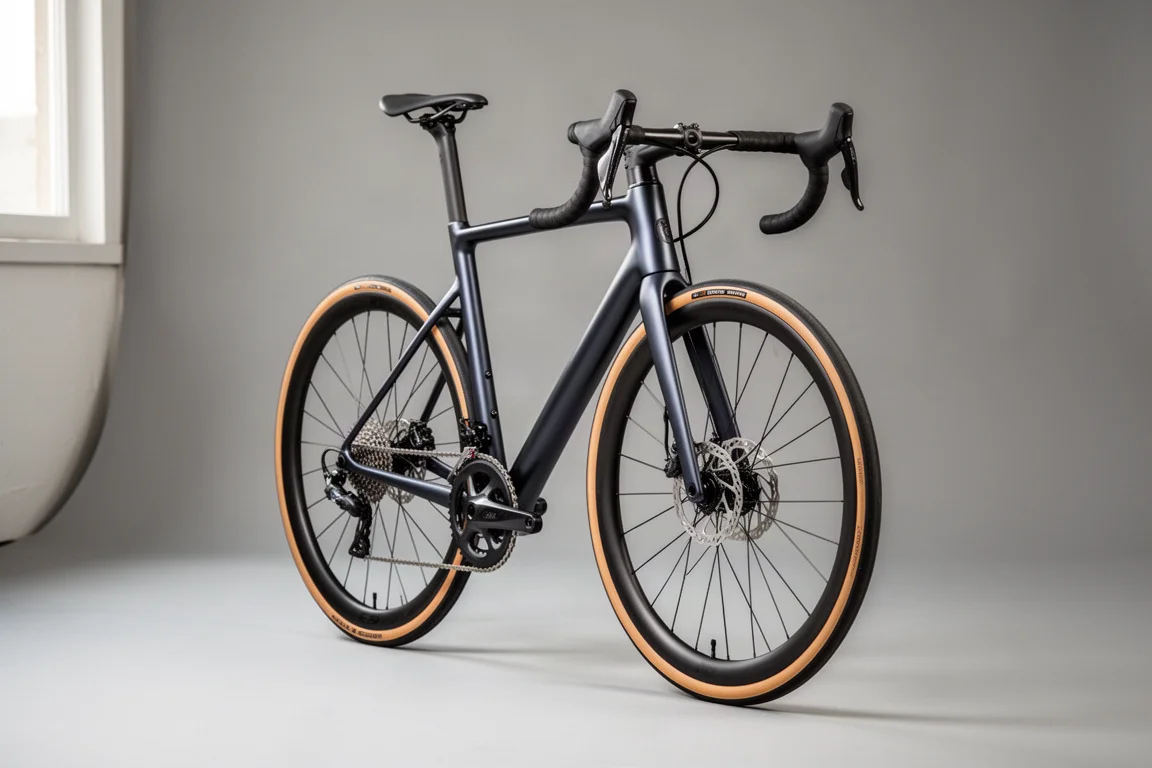
The Advanced Pro builds use the mid-tier frame and add carbon hookless wheels, which makes them the most balanced point in the range. Two versions stand out. The Advanced Pro 2 combines carbon wheels and the mid-tier frame with the new mechanical 105 12-speed groupset, although it appears to be available in the UK and France only for the time being. The Advanced Pro 0 steps up to a full Ultegra 12-speed Di2 groupset, adds a Giant power meter, keeps the mid-tier frame and uses better carbon wheels than the Pro 2.
For most riders this is the specification that fits the frame best. The mid-tier frame carries the same geometry and compliance work as the flagship, and the budget goes toward parts that change the ride rather than parts that mostly change the specification sheet.
Giant Defy Advanced SL: The Flagship
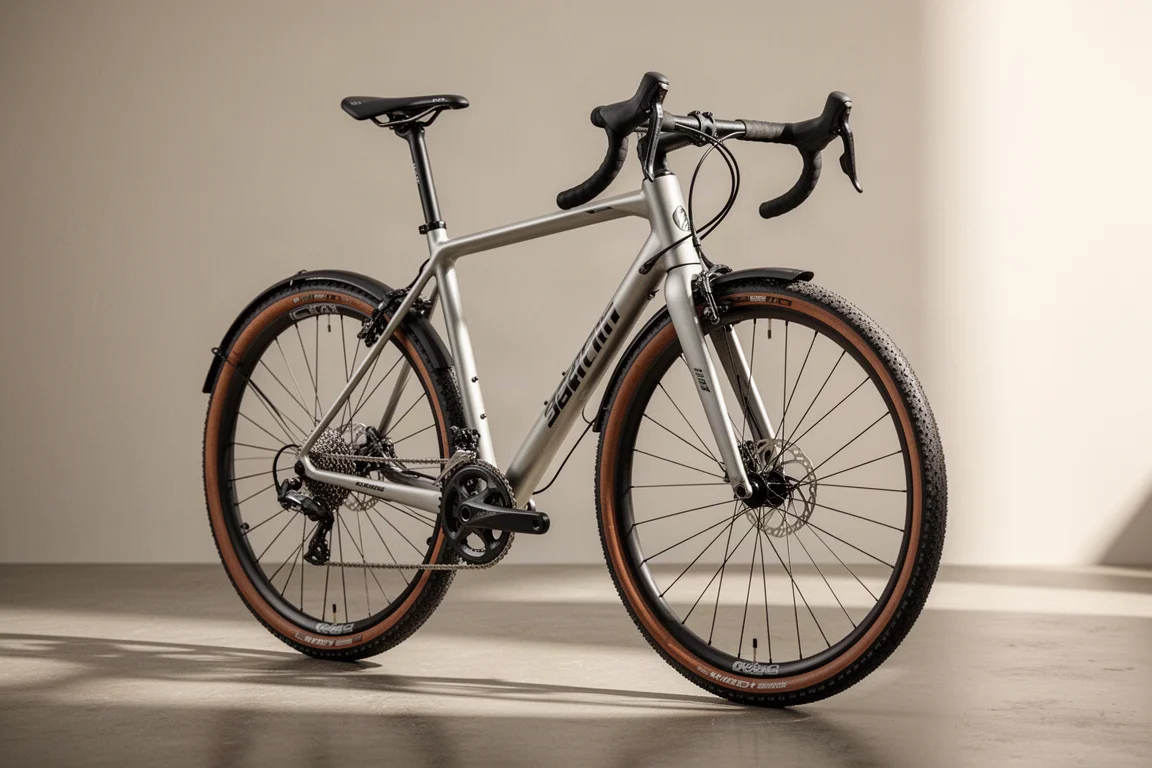
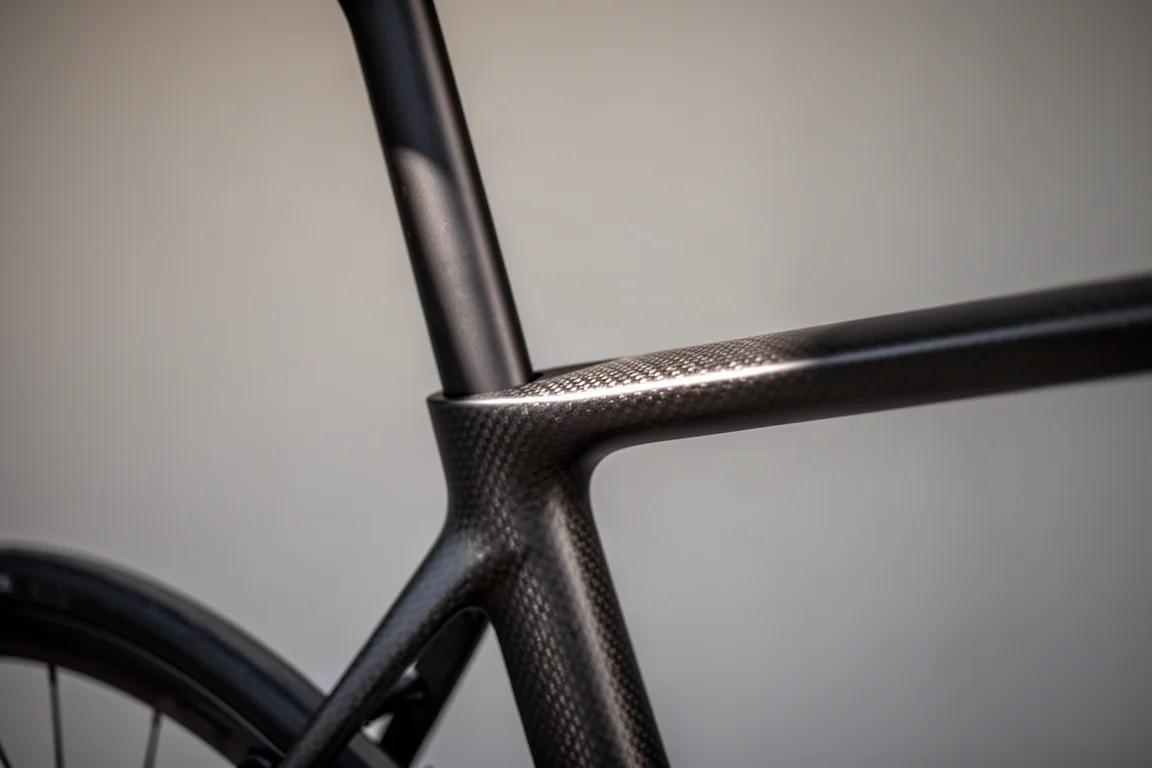
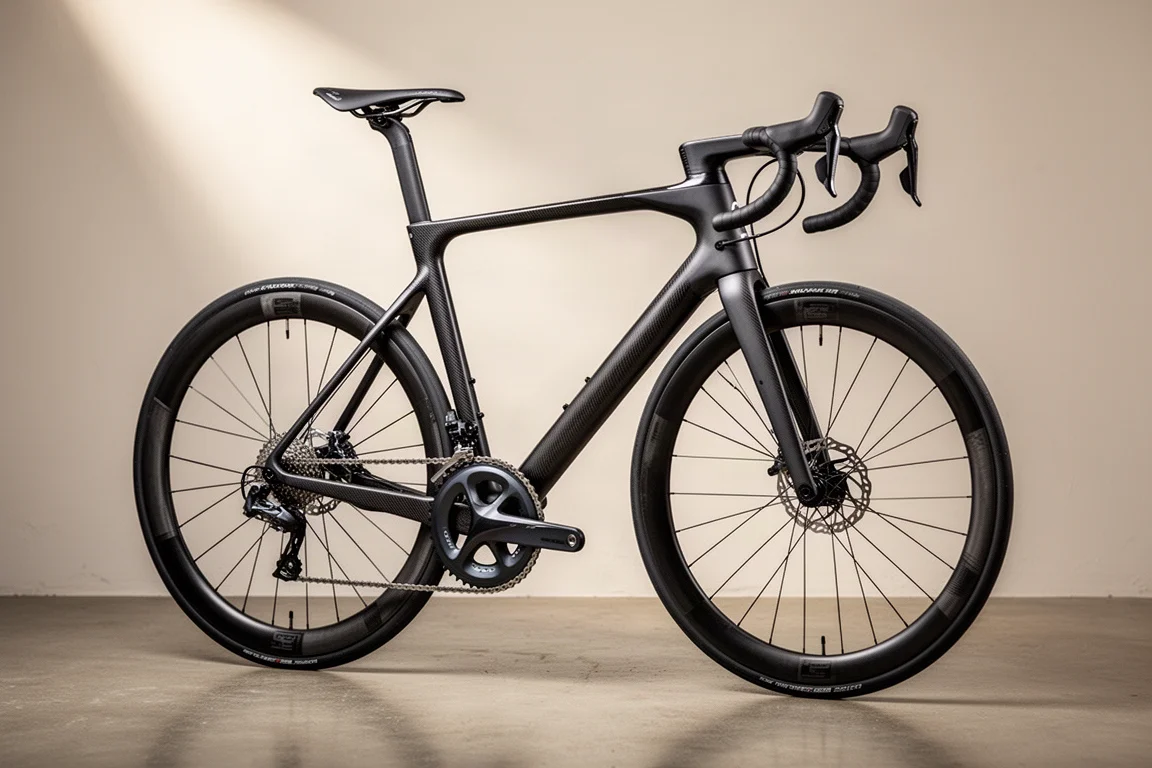
The Advanced SL is the headline model. Its frame set is claimed at 785 g, roughly 293 g lighter than the previous range-topping Defy, and a complete build came in at just over 7 kg. The top specification pairs that frame with carbon hookless CADEX wheels and a SRAM Red groupset.
Those wheels are a genuinely good match for the wider tires, helping them sit plump on the rim, and their low weight makes the bike feel reactive on climbs. The catch is value. The specification is excellent, but it goes beyond what the frame needs, and the premium over the mid-tier models is difficult to justify for what amounts to an incremental gain in real-world riding.
Ride Character and Comfort
The geometry changes land roughly where Giant intended. The bike feels more performance-oriented than before without becoming aggressive, and the lower head tube does not feel severe in practice. Reach is the one area worth checking during a fit session, since the extra 5 mm can put some riders between sizes or call for a stem around 10 mm shorter.
Compliance is the more impressive part. The 32 mm tires do much of the work, as you would expect, but the seat post flex is clearly noticeable in motion: road chatter arrives through the pedals while the saddle stays noticeably calmer. The flared bar shape is comfortable in the hands, and handling sits in a happy middle ground between a purposeful race bike and a relaxed all-day machine.
Buying Advice
Within the range, the Advanced Pro models make the strongest case. Both the Advanced Pro 2 and the Advanced Pro 0 use the mid-tier frame and sit at a price point where the specification matches the bike’s character instead of overshooting it.
The flagship Advanced SL is an excellent machine, but its parts list is more than the frame needs, and the premium is hard to justify for a modest real-world gain. Riders who want carbon wheels and a lighter build can capture much of the benefit one tier down.
A few practical notes before ordering. The stock 32 mm tires are a reasonable all-round choice, but the 38 mm clearance leaves room to go wider if your roads are rough. Fender mounts are integrated, so the bike can be used through the winter months. Availability varies by model, and the Advanced Pro 2 in particular appears limited to certain markets for now.
Conclusion
The fifth-generation Defy is a worthwhile successor to a well-loved platform. It is lighter, Giant claims it is more compliant, and it now carries the integrated cockpit, wider clearance and fender mounts that modern endurance riders expect. The shift toward slightly more performance-focused geometry gives the range a clearer identity without giving up comfort.
The Advanced Pro models remain the smartest place to spend, and the entry builds offer a genuinely accessible way into the new platform. Riders who want the lightest possible Defy will find plenty to like in the Advanced SL, provided the flagship price makes sense for them.
Further reading
Related Reviews
Road Bikes
10 New Road Bikes Worth Watching: Aero, Titanium, Steel and Endurance Standouts
A practical roundup of 10 new road bikes, from aero flagships chasing single-watt gains to titanium, steel and endurance platforms built for real roads.
Road Bikes
2026 Tour de France Road Bikes: Six Race Machines Worth a Closer Look
Six race bikes from the 2026 Tour de France grid, reviewed for paint, silhouette, wheels and the specification details that matter to buyers.
Road Bikes
3T Strada Italia Review: A Radical Aero Road Bike That Rides Smooth
A made in Italy carbon aero road bike with a deep head tube, wide tire clearance and a genuinely comfortable ride. Here is what to know before buying.