Endurance Road Bikes
Giant Defy Advanced SL vs Specialized Roubaix SL8: Which Endurance Road Bike Fits Your Riding?
Two modern endurance road bikes, two very different philosophies. A practical look at framesets, ride feel, tire clearance and value in the Giant Defy Advanced SL and the Specialized Roubaix SL8.
Introduction
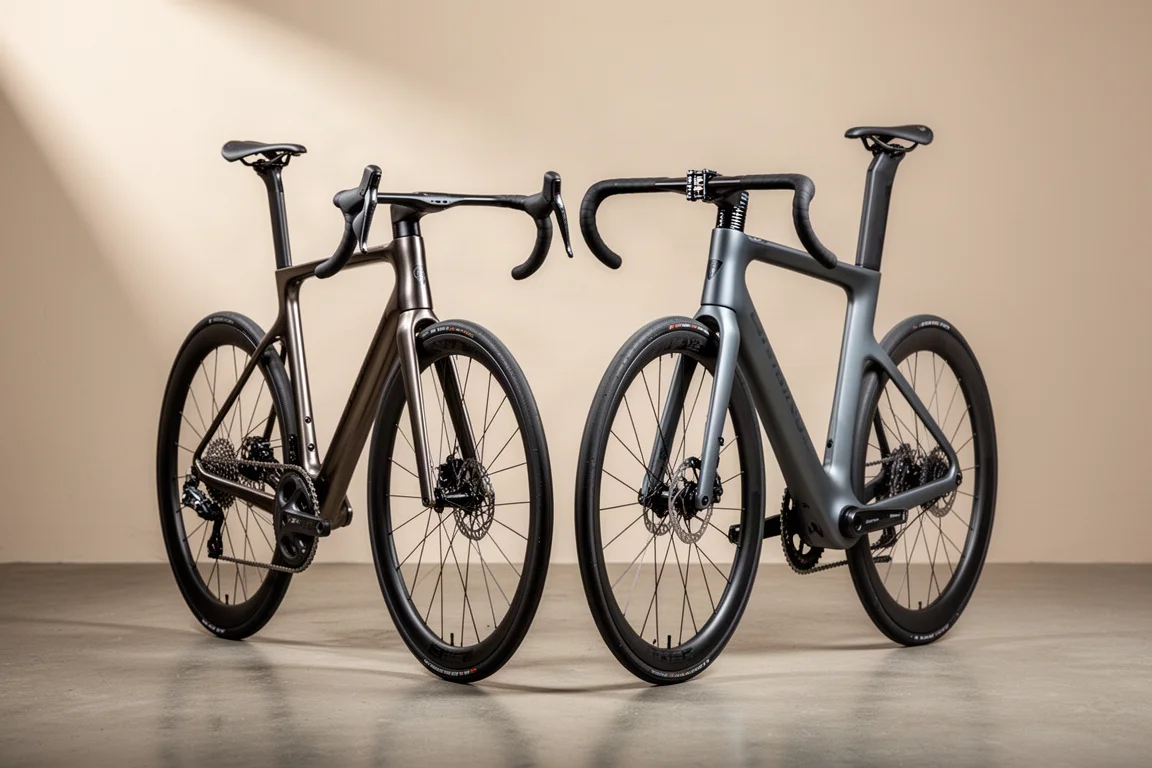
Endurance road bikes used to follow a predictable recipe: a taller front end, a forgiving frame and a comfortable position for long days in the saddle. The Giant Defy Advanced SL and the Specialized Roubaix SL8 show how far that recipe has stretched in two very different directions. Giant has taken the Defy, stripped weight out of it and given it a sharper road feel, while Specialized has rebuilt the Roubaix around aerodynamics, front-end suspension and clearance for very wide tires.
The two bikes covered here are not equally equipped. The Defy in question is the flagship Defy Advanced SL 0 at £11,499, while the Roubaix is the SL8 Expert at £6,000. That price gap is exactly why this comparison stays with framesets, geometry, ride character and the value each brand offers across its range, rather than a component-by-component specification sheet.
How These Two Endurance Bikes Compare
Judging these two fairly means looking at what each frameset is actually built to do. The relevant points are frame and fork weight, how much integration the cockpit and hose routing receive, tire clearance, the mounts provided for mudguards and accessories, the geometry numbers that shape the riding position, and finally how each bike behaves once the road surface stops being smooth.

Both bikes use carbon framesets with mudguard provision, and both accept tires far wider than a race bike would have managed a decade ago. The real difference is direction: Giant has pushed the Defy toward low weight and road speed, while Specialized has pushed the Roubaix toward surface versatility. Understanding that split explains almost every other difference between them.
Giant Defy Advanced SL: The Pure Road Endurance Bike
Giant has resisted the temptation to blur the Defy into a pseudo-gravel machine. The latest generation is the lightest and most integrated Defy yet, and it stays firmly a road bike.
Defy Advanced SL Frame, Weight and Integration
The numbers here are the headline. A medium frame weighs just 785 g, a saving of 190 g over the previous generation, and the fork drops to 350 g, which is 15 percent lighter than before. Those figures put the Defy into the territory normally occupied by pure race bikes.
Integration has moved on as well. Brake hoses are routed fully internally, and the bike runs Giant’s own integrated cockpit. The fork has been slimmed down while clearance grows to a generous 38 mm. There is also aerodynamic shaping in the form of truncated airfoil profiles on the fork legs and the seat tube, and the junction between the fork, head tube and main tubes reads like a slimmed-down version of Giant’s Propel aero bike.
Practical details have not been sacrificed for the sake of the numbers. The Defy keeps proper mudguard mounts and a removable rear bridge for the rear guard, which matters if you ride through wet winters.
Defy Advanced SL Ride Quality
The steering geometry is unchanged from the previous two generations, and that continuity is arguably the most important element of the new bike. The stack has dropped by 9 mm, a change that sounds small but makes the Defy feel like a faster bike on the road. Compared with the Roubaix, the Defy sits 34 mm lower at the front and its reach is 4 mm shorter. Against a TCR, the stack is only 15 mm taller and the reach just 9 mm shorter, so the position is far closer to a race bike than the endurance label might suggest.
Out on familiar roads, that adds up to a bike that feels closer to a race machine than a relaxed long-distance cruiser. The notable difference from a stiff race bike is composure: where a race frame skips and darts over rough, poorly surfaced tarmac, the Defy simply carries its pace and wafts across it. The seatpost and bar do a genuinely good job of isolating vibration, yet the bar still feels sprint-ready and stiff when you drop into it.
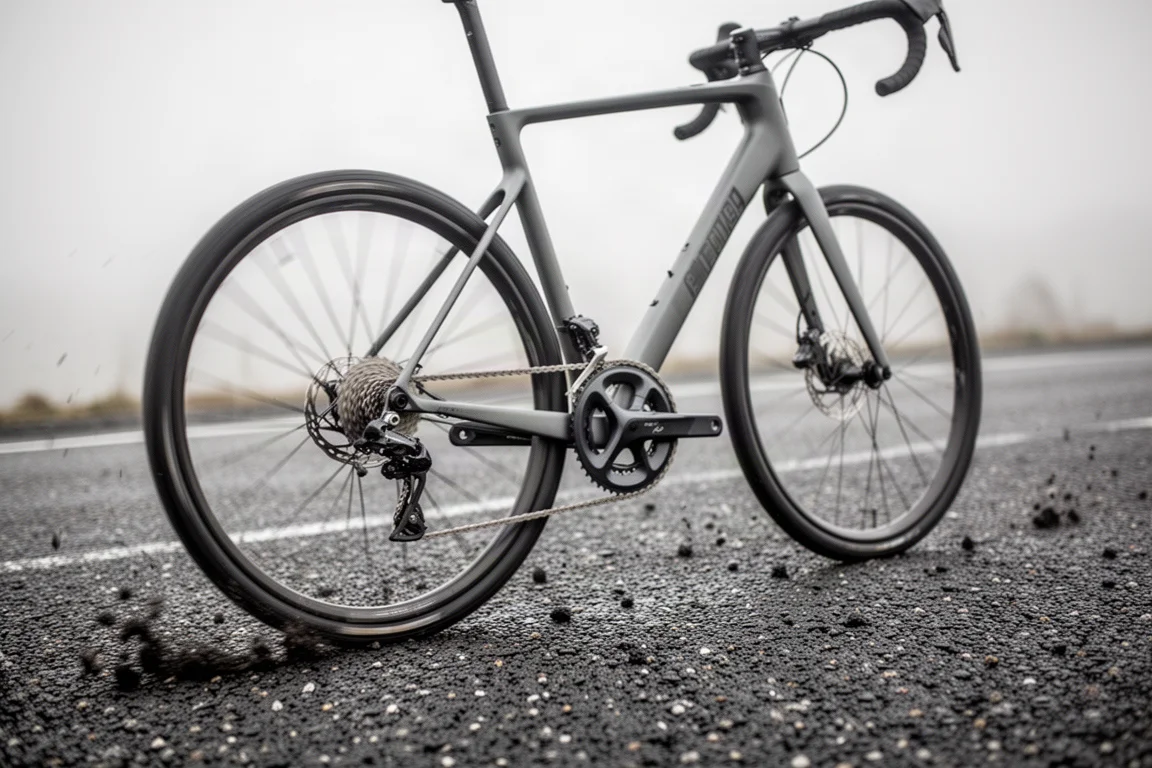
That combination of calm and pace is the Defy’s defining quality. It is comfortable without feeling slow, and the compliance does not dull the sense of speed that the lower front end and lighter frameset create.
Specialized Roubaix SL8: The All-Road Endurance Bike
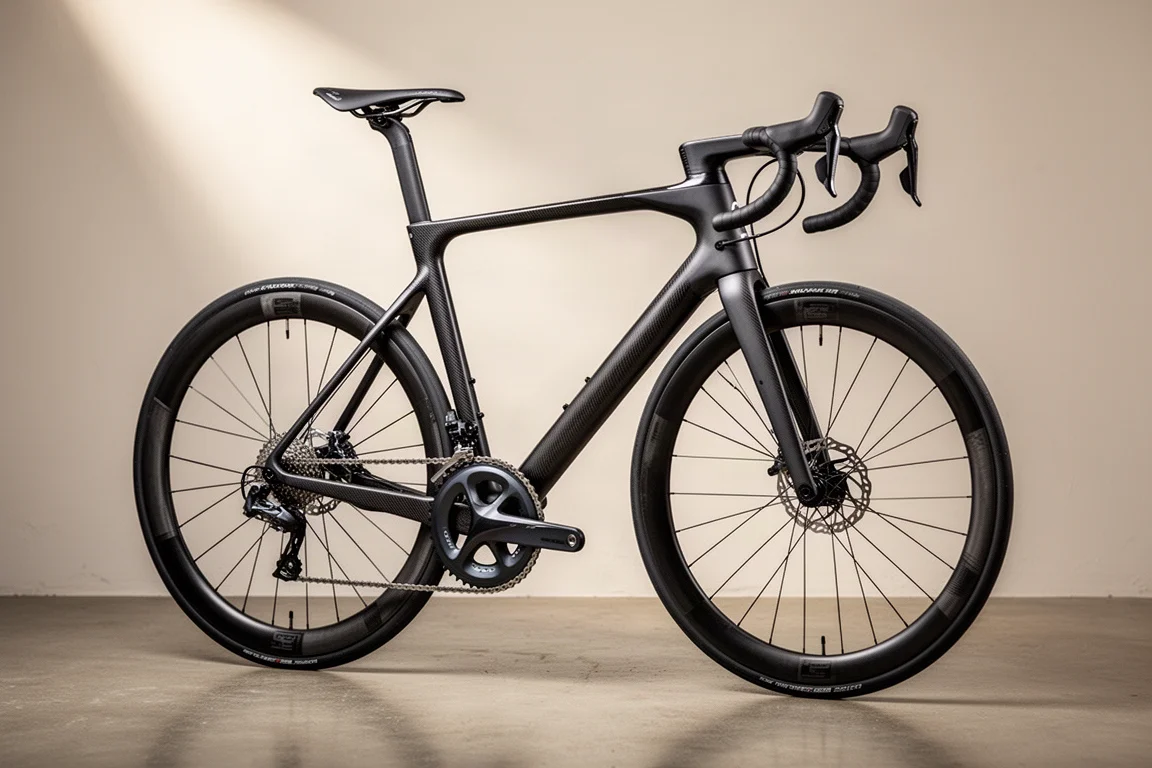
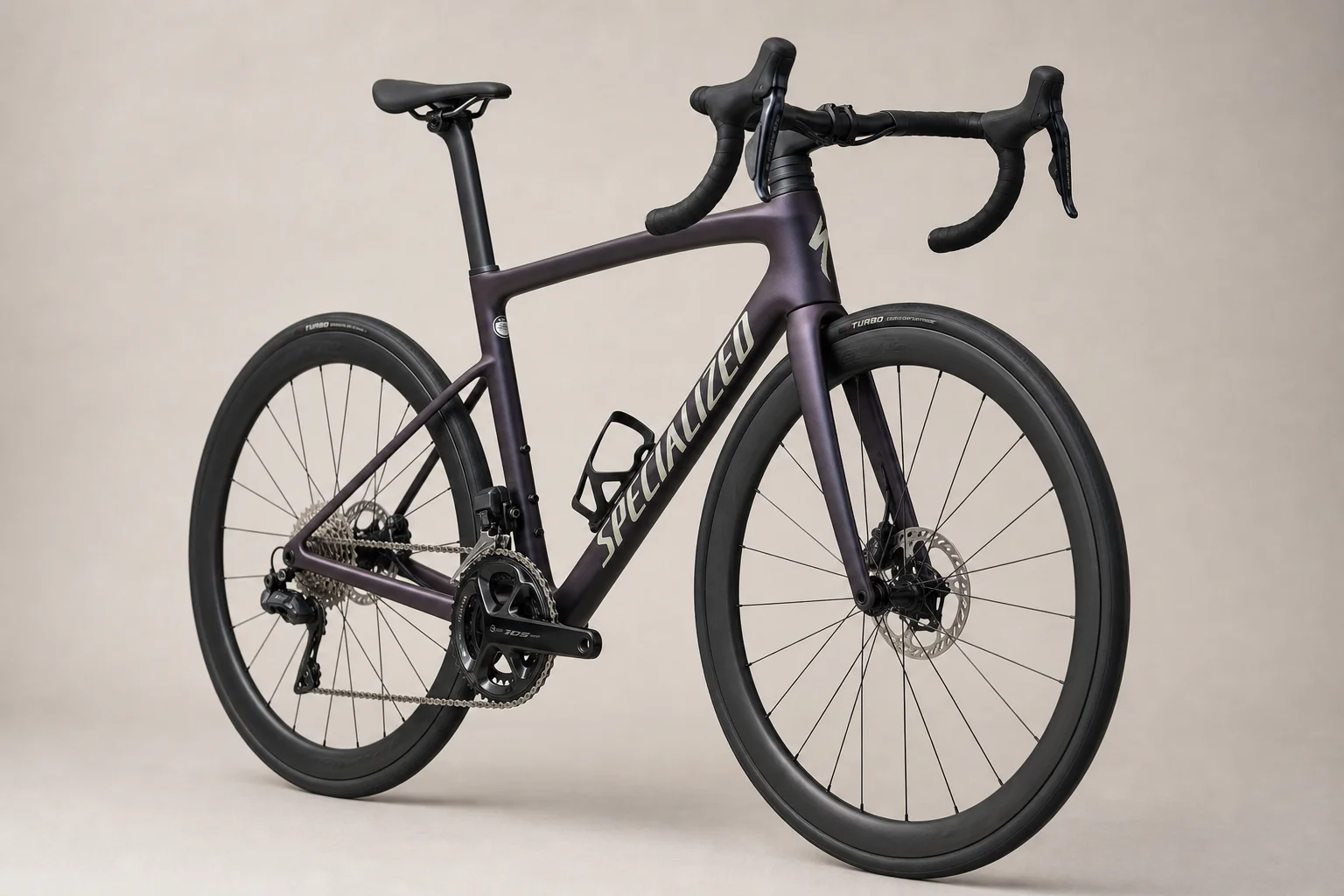
Specialized went back to the drawing board with the Roubaix, spending time in its own wind tunnel and bringing a substantial amount of aerodynamic shaping to a bike that was previously defined by its flexible seatpost and suspension front end.
Roubaix SL8 Frame, Future Shock and Clearance
The result looks not unlike a Tarmac SL8 with a taller front end. Up front, the latest Future Shock brings fluid damping and real springs to the equation. Adjustable damping requires stepping up to the 3.3 unit found on the Pro and S-Works models, while the Expert uses the 3.2 unit, which is essentially the same system without the adjustable damper, set in the middle position. In practice the front end never felt either too soft or too hard, whatever the surface underneath.
At the rear, a new seat tube shape and a deep aero seatpost replace the previous generation’s highly flexible post. The frameset now accepts tires up to 40 mm, which is huge for a road bike, and that pushes the wheelbase to 1,031 mm, 6 mm longer than the Defy. The frame is around 50 g lighter than the previous generation at S-Works level, claimed at 828 g, which leaves it 43 g heavier than the Defy frame. The fork is lighter than the Defy’s at 330 g, but adding 450 g for the Future Shock makes the overall front end considerably heavier, and the deep dedicated aero seatpost is heavier than the slender post on the Defy.
The additional mounts tell their own story: a third set of bottle bosses under the down tube and a set of bento box mounts on the top tube. Those details push the Roubaix much further toward all-road and even gravel racing than any previous version, although mudguard provision front and rear is still there for road use.
Roubaix SL8 Ride Quality
The Roubaix is a quick bike, and the swiftness of its steering adds a lot to the fun factor. The constantly active front end is what sets it apart, and the bike’s ability to cope with road imperfections, bumps, scars and smaller potholes means you can keep momentum instead of scanning the surface and backing off. It is especially strong on descents where corners have broken up and grit or gravel has washed onto the ideal line.
Tires that measure closer to 34 mm only add to that confidence. On roads with changeable surfaces, however, the ride feel is split: a smooth front end paired with a firmer rear end. On bigger bumps and rougher roads the back end does take the edge off and reduce vibration, but on better-kept roads it is noticeably stiffer. Different seatpost weights, in the way Specialized does with its D-shaped sleeve system, would help here.
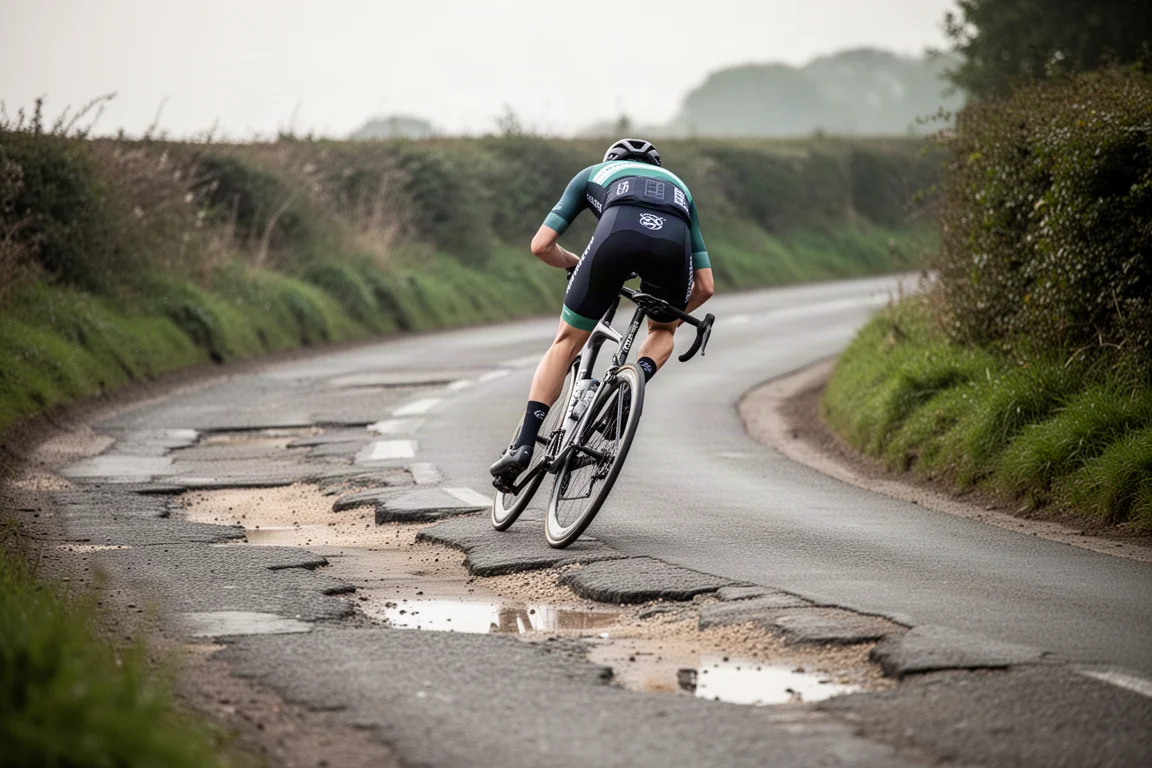
Compared with the Defy, the Roubaix is the more adventurous bike, but its reinvention comes across as somewhat unbalanced. The frame has been shaped and shaved to reduce drag while gaining features usually found on gravel bikes, and the ride shows a similar front-to-rear imbalance that is most obvious on smooth tarmac. That is both its strength and its weakness: hugely versatile and comfortable with a good turn of pace, but a little hefty and not quite as agile as a pure road endurance bike.
Builds, Pricing and Value
The build comparison is not like for like, but it is still informative. The Roubaix Expert at £6,000 comes with Rival eTap AXS, an optional single-sided Quark power meter, Roval Terra SE carbon wheels and an alloy bar and stem. The equivalent Defy at the same money is the Advanced Pro 0, which gets Shimano Ultegra Di2, a dual-sided power meter, carbon wheels and a carbon bar.
At the top of each range the pattern repeats. The Defy Advanced SL 0 at £11,499 gets SRAM Red eTap AXS, a Quark power meter and carbon throughout. The S-Works Roubaix at £12,000 gets SRAM Red eTap AXS, carbon throughout and Roval Terra CLX II wheels. On value, Giant edges it at both ends of the scale.
Buying Advice: Which Endurance Bike Is Right for You?
If your riding is almost entirely on tarmac and you want endurance comfort without giving up the excitement of a fast bike, the Defy Advanced SL is the more compelling package. It is light, its front end is lower and sportier, it takes 38 mm tires, it has proper mudguard mounts, and the compliance and comfort do not erode the sense of speed. Riders who have spent years on race geometry will find it easy to live with.
The Roubaix SL8 makes more sense if you want one bike that handles rough tarmac, broken lanes and light gravel without complaint. The Future Shock front end, the 40 mm clearance and the extra bottle and bento mounts make it the more versatile of the two. Be aware of the trade-offs: it carries more weight overall, the rear end is firmer than the front, and it is not quite a class leader on either smooth road or loose surfaces. As a comfortable all-rounder, though, it is close to as good as it gets.
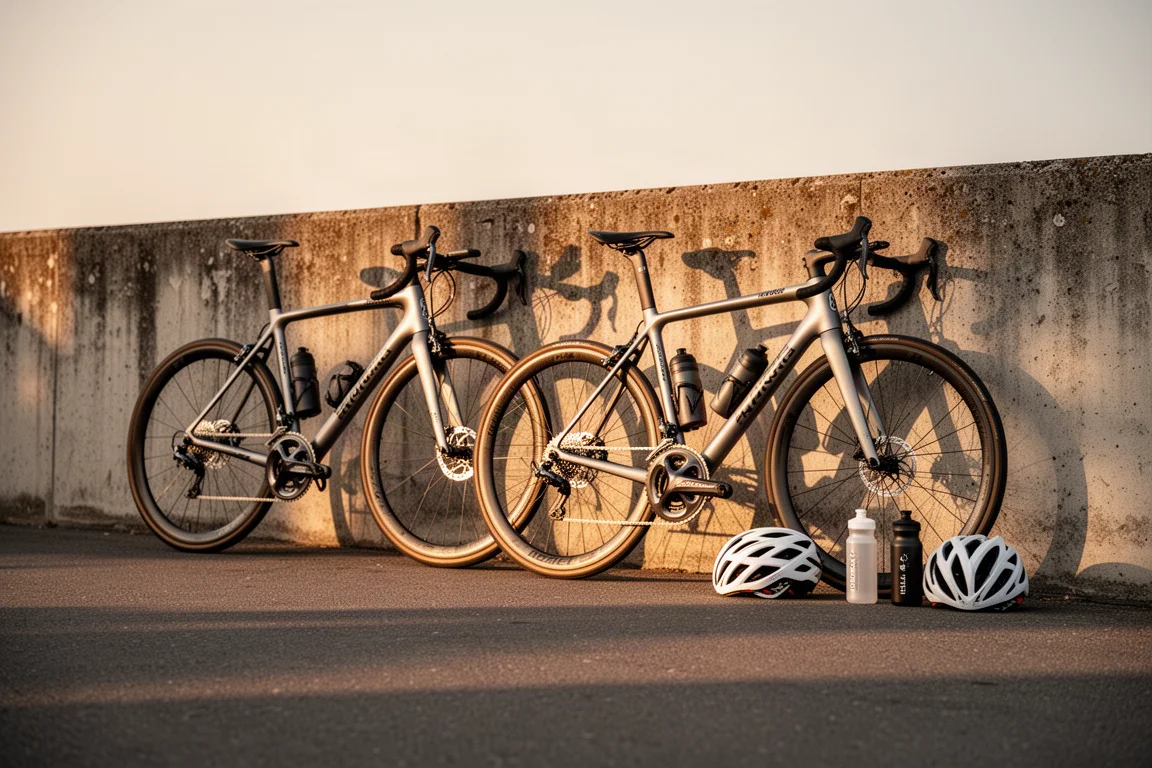
A simple way to decide is to look at the surfaces you actually ride. Mostly smooth tarmac with occasional rough patches points to the Defy. A genuine mix of tarmac, poor surfaces and gravel tracks points to the Roubaix.
Conclusion
Both bikes are impressive, but they reward different riders. The Giant Defy Advanced SL keeps the endurance road bike format pure: light, integrated, calm over rough tarmac and still exciting to ride, which is a difficult balance to strike. The Specialized Roubaix SL8 is the more versatile machine, comfortable and quick across a wider range of surfaces, at the cost of some weight and a firmer rear end. If the priority is a fast, comfortable road bike, the Defy is the one to shortlist. If the priority is one bike for everything from tarmac to light gravel, the Roubaix earns its place.
Further reading
Related Reviews
Endurance Road Bikes
Best Endurance Bikes Compared: Merida Scultura Endurance, Cervélo Caledonia and Vitus Venon Evo RS Aero
Three endurance road bikes tested on long, wet road loops: relaxed classic comfort, sporty road pace, and an all-road machine with genuine gravel room.
Endurance Road Bikes
Best Endurance Road Bikes: Eight Comfort-Focused Picks for Speed and Stability
Eight endurance road bikes compared on fit, comfort features, tire clearance, storage and value, from the smoothest carbon options to steel and titanium alternatives.
Endurance Road Bikes
BMC Roadmachine Review: An Endurance Road Bike Built Around 40mm Tires
A closer look at the updated BMC Roadmachine, from its 40mm tire clearance and down tube storage to the trade-offs of its integrated rear light.