Endurance Road Bikes
Giant Defy Advanced SL 0 Review: A Featherweight Endurance Road Bike
The 2024 Giant Defy Advanced SL 0 pairs a claimed 785g frame with a race-adjacent ride feel, a simple frame-flex comfort approach and a flagship price tag.
Introduction
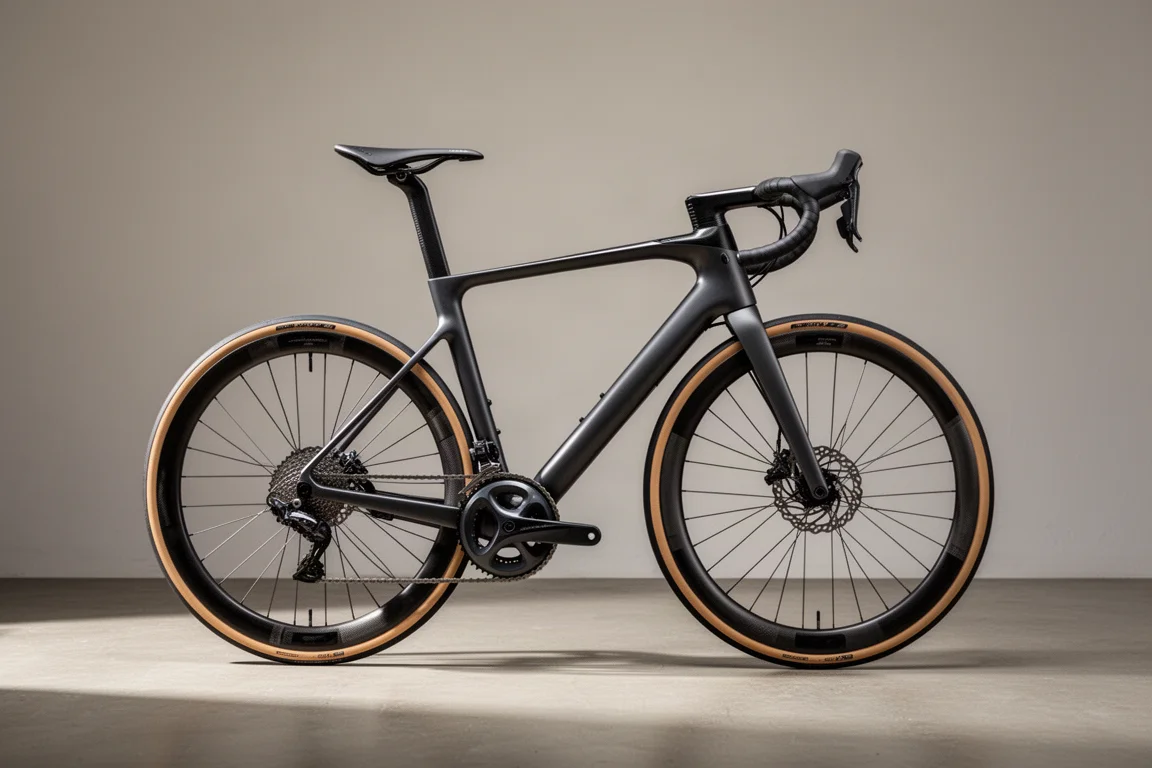
Giant has brought the Defy back for 2024, and the headline figure is weight. The flagship Defy Advanced SL frame is claimed at 785 grams in a size medium, which is roughly a size 54 for most other brands. That is 195 grams lighter than the previous range-topping Defy Advanced Pro, and it places the new frame among the lightest endurance road frames on the market today.
The range splits into three tiers: Advanced SL at the top, Advanced Pro in the middle and Advanced at the bottom. The flagship Advanced SL 0 is priced at £11,499 / $12,000 and is built with a SRAM Red eTap AXS groupset and CADEX carbon wheels. Prices start at £2,299 for the Advanced model with Shimano Tiagra, so the frame platform is not reserved for five-figure builds.

The Advanced Pro and Advanced frames are lighter as well, claimed at 860 grams in size medium without hardware. Underneath the numbers, the Defy keeps a deliberately simple approach to comfort: carbon layup, tube shaping and tire volume instead of pivots or add-on suspension.
Who This Bike Is For
The Defy has always been Giant’s comfort-focused road platform, and this generation moves it closer to a race bike than ever. Riders who want endurance manners without the upright, relaxed feel of a traditional long-distance machine will find the fit more familiar than the category norm.
It also suits riders who are wary of complicated comfort systems. Giant’s argument is that suspension pivots and similar add-ons usually come at a cost, whether that is extra weight, more maintenance or reduced durability. The new Defy instead leans on frame flex, a flex-tuned seatpost and wider tires, which keeps long-term ownership straightforward.
Finally, the Defy makes sense for riders who want clearance for bigger rubber without moving to a gravel bike. Tire clearance grows by three millimeters to 38mm, which opens up rougher tarmac and light unpaved surfaces while the bike remains a road machine at heart.
Main Strengths
Low Weight and a Stiffer Frameset
The Advanced SL and Advanced Pro share a one-piece carbon fork built around Giant’s OverDrive 2 steerer, an oversized 1 1/4 inch design that is claimed at 345 grams uncut. The fork legs are flat at their rear face, a detail carried over from the TCR and Propel to improve aerodynamic performance.
Giant claims the new Defy Advanced SL is 8.9 percent stiffer than the previous Defy Advanced Pro and has a 28 percent higher stiffness-to-weight ratio. For context, the newly launched Specialized Roubaix is claimed at 828 grams in a size 56 and the Cannondale Synapse at 950 grams in the same size, which shows how competitive the Defy frame weight is.
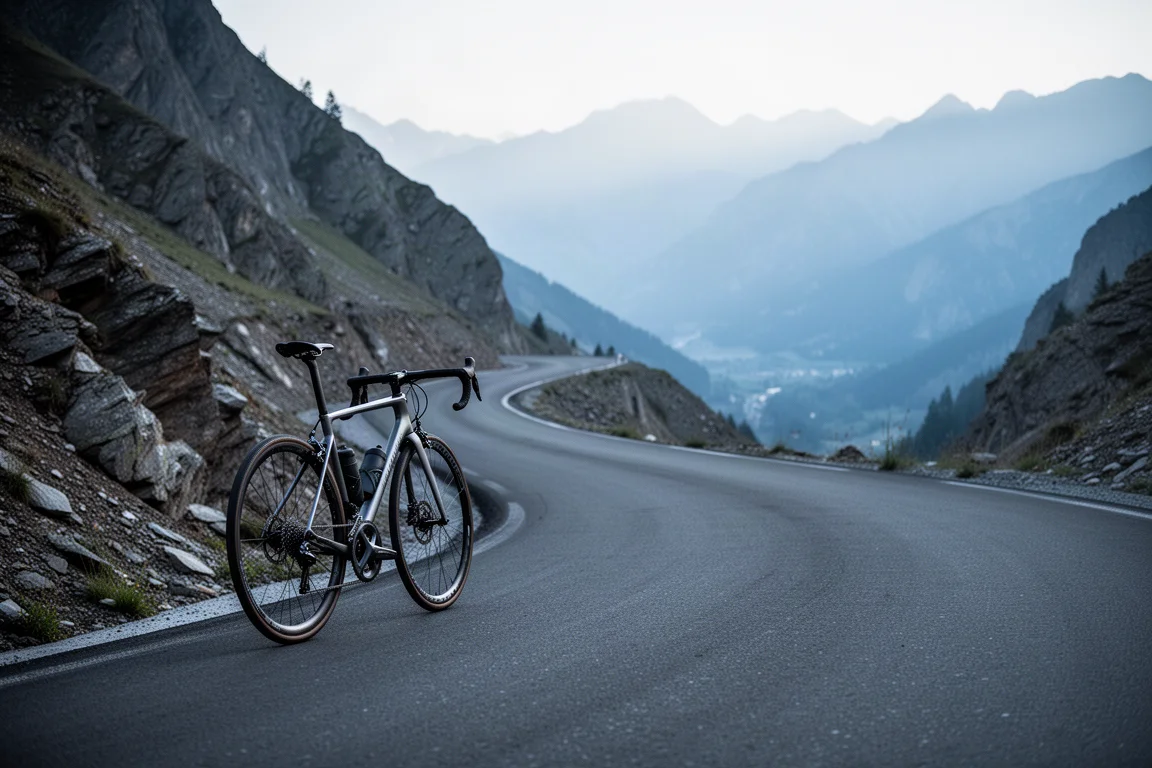
A size large build of the Advanced SL 0 weighed 7.52 kg. That is light for an endurance bike with disc brakes, a carbon cockpit and deep carbon wheels, and it is the foundation for how the bike behaves on climbs.
Comfort Without Suspension Pivots
Rather than adding suspension pivots, Giant continues to use a carbon frame to take the edge off rough surfaces. The company says the decision followed market feedback and feedback from its pro-sponsored riders, and that suspension-style features typically bring extra weight, more maintenance or reduced durability.
The frame details support that approach. The seat stays remain dropped, the seat tube is slimmer at the seat post junction, and the head tube is a little more svelte for aerodynamics.
At the rear, the D-Fuse seatpost keeps its D-shaped carbon construction but tapers more aggressively toward the head, which allows up to seven millimeters of flex at the saddle. Giant claims the new frame set and seatpost together deliver 42 percent more compliance than the previous generation combination.
Up front, the Contact SLR or SL D-Fuse handlebar, depending on the model, uses a similar D-shape on the tops. Giant claims a two percent increase in upward stiffness, intended to add comfort when cruising on the tops or the brake hoods while resisting flex during hard efforts on the drops. The bar also uses a short 72mm reach, and the drops flare by eight degrees for handling stability.
Ride Feel, Handling, and Aerodynamics
On the road the Defy feels faster than ever, even though the geometry is largely unchanged. Whether that comes from the lower front end, the new tube shapes or recent advances in tires and wheels is hard to isolate, but the result is a bike that reads more like an all-round race machine than a relaxed long-distance cruiser.
The comparison with the TCR is telling. On a size large, the Defy’s stack is only 15 millimeters taller and its reach nine millimeters shorter than the current TCR. Where a stiff race bike dashes and darts over rough surfaces, the Defy floats over them, and the carbon seatpost and handlebar do a good job of isolating road buzz. Down in the drops, the handlebar still feels stiff enough for sprint efforts.
Descents are where the Defy makes its strongest case. It stays composed when the surface deteriorates, which builds the confidence to push harder and faster than you might on an unfamiliar bike.
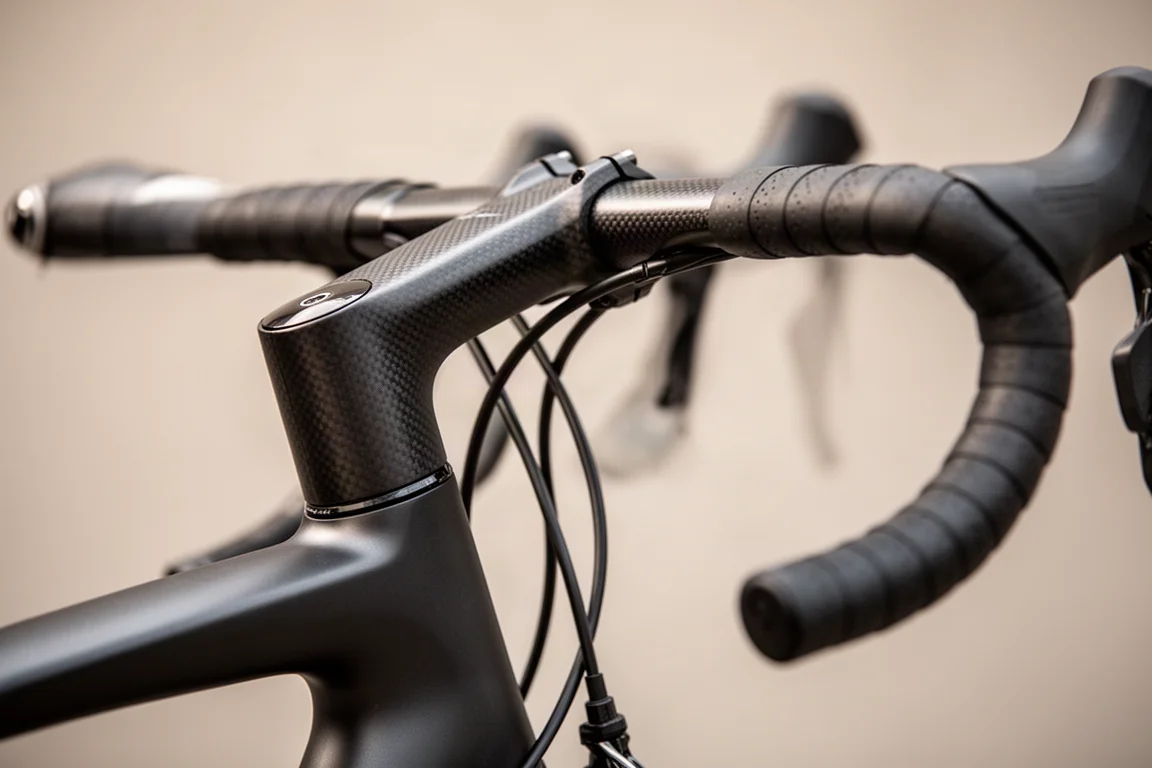
Tire clearance now stands at 38mm, up three millimeters. That matches the Trek Domane, exceeds the 35mm of the Cannondale Synapse and trails the 40mm of the Specialized Roubaix. Every bike in the range ships with 32c CADEX road tires set up tubeless as standard.
Climbing, Geometry and Fit
The Defy climbs well. A relatively low overall weight, combined with a stiff and lively wheelset, makes it the kind of bike that has you looking for a summit rather than a flatter route home.
The geometry is largely carried over. Head and seat tube angles are identical to the previous generation, as are the wheelbase, chainstay lengths, fork rake, seat tube and top tube lengths. The changes sit in the fit: head tube lengths are reduced by 10 millimeters on a size medium and upwards, and the reach is a touch longer with a shorter stack, measuring 2.8 millimeters longer and nine millimeters lower at the front on a size medium.
That adds up to a slightly more aggressive position than before, a change Giant says came from dealer and consumer feedback after the previous generation’s stack was seen as too high.
Things to Consider Before Buying
The more aggressive fit is the first thing to weigh up. If you want a tall front end and a very upright endurance position, this Defy asks more of the rider than the previous version, so check sizing rather than assuming your old frame size carries over.
The flagship Advanced SL 0 build sits at the top of the endurance price range at £11,499 / $12,000. The frame weights quoted by Giant are also frame-only figures without hardware, and they vary by tier: 785 grams for the Advanced SL and 860 grams for the Advanced Pro and Advanced in a size medium.
Because the comfort story depends on frame flex and tire volume rather than suspension, how the bike feels under you will depend on tire choice and pressure. The 38mm clearance is generous for a road bike, but it is not the widest in the category, and every model arrives with 32c tubeless tires, so wider rubber is an extra purchase if you want to use the full clearance.
Buying Advice
The Advanced SL 0 is the showcase build, combining the 785 gram frame with SRAM Red eTap AXS and CADEX carbon wheels. If that price is out of reach, the overall design direction carries down the range, and the Advanced Pro shares the same one-piece carbon fork as the SL tier while using a frame claimed at 860 grams.
If the frame itself matters more than the groupset, the entry Advanced model at £2,299 with Shimano Tiagra is the least expensive route into the new platform. Riders who value a light, uncomplicated bike with little to maintain will get the most from the Defy’s approach, while riders who want maximum isolation on broken surfaces should weigh that against what suspension-equipped endurance bikes offer.
Conclusion
The 2024 Giant Defy Advanced SL 0 is a lightweight endurance road bike that behaves like a fast all-rounder. The claimed 785 gram frame, the stiffer front end and the compliance built into the frame set and cockpit add up to a bike that climbs willingly, descends with composure and stays comfortable over long distances without extra hardware to look after.
The trade-offs are clear: a flagship price, a slightly more aggressive fit than before and a comfort philosophy that depends on frame flex and tire volume rather than suspension. For riders who want endurance geometry with race-bike pace, those are reasonable compromises.
Product link
View more details for Giant Defy Advanced SL 0
This product is mentioned in the review. Check the specifications, options, and compatibility before buying.
View more details for Giant Defy Advanced SL 0Further reading
Related Reviews
Endurance Road Bikes
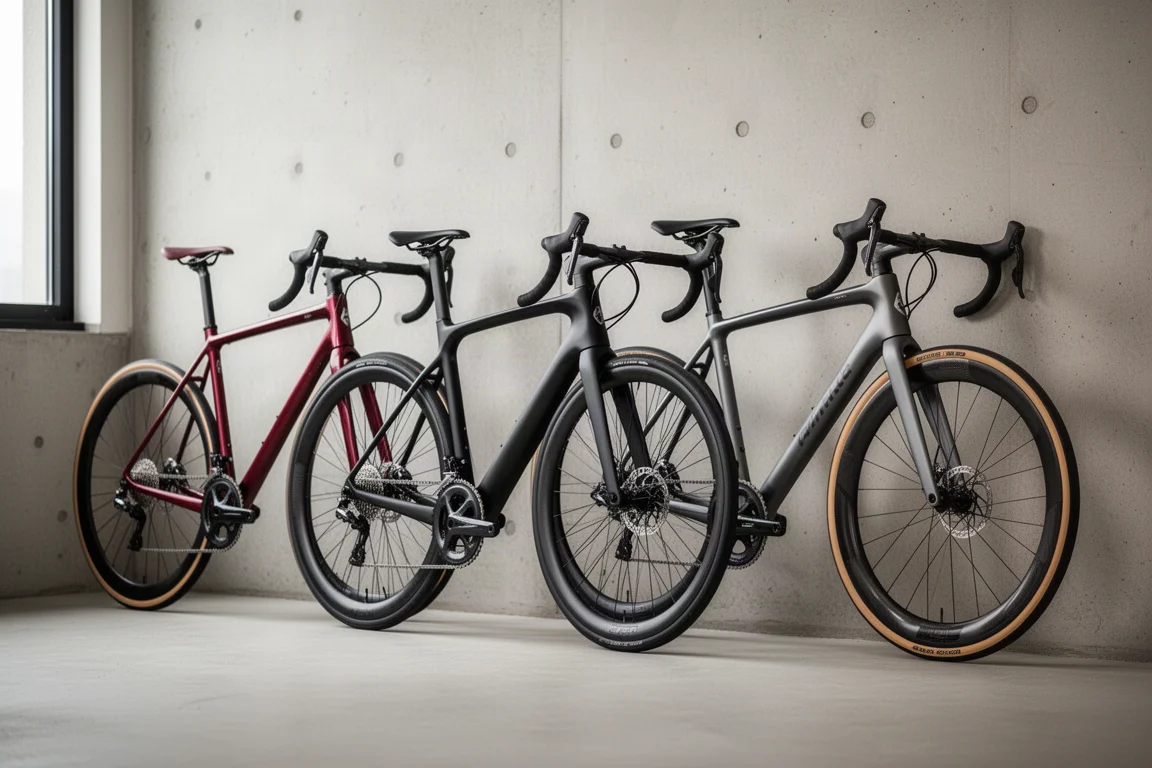
Best Endurance Bikes Compared: Merida Scultura Endurance, Cervélo Caledonia and Vitus Venon Evo RS Aero
Three endurance road bikes tested on long, wet road loops: relaxed classic comfort, sporty road pace, and an all-road machine with genuine gravel room.
Endurance Road Bikes
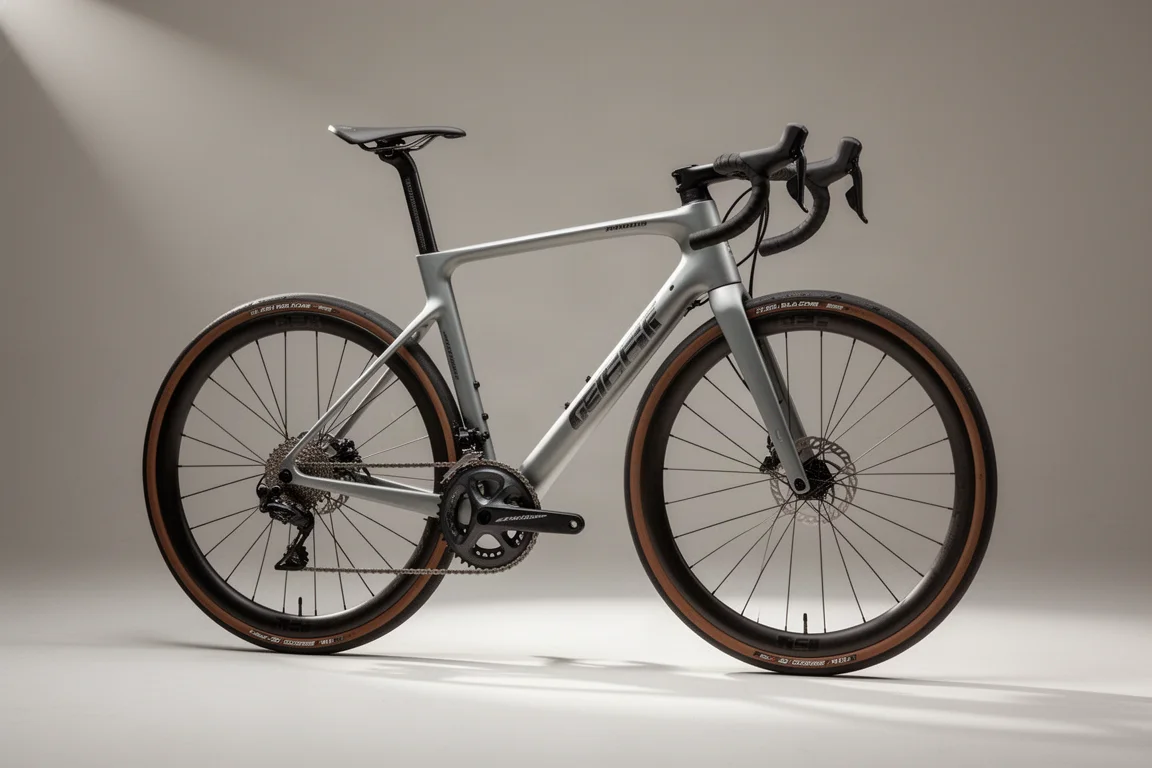
Best Endurance Road Bikes: Eight Comfort-Focused Picks for Speed and Stability
Eight endurance road bikes compared on fit, comfort features, tire clearance, storage and value, from the smoothest carbon options to steel and titanium alternatives.
Endurance Road Bikes
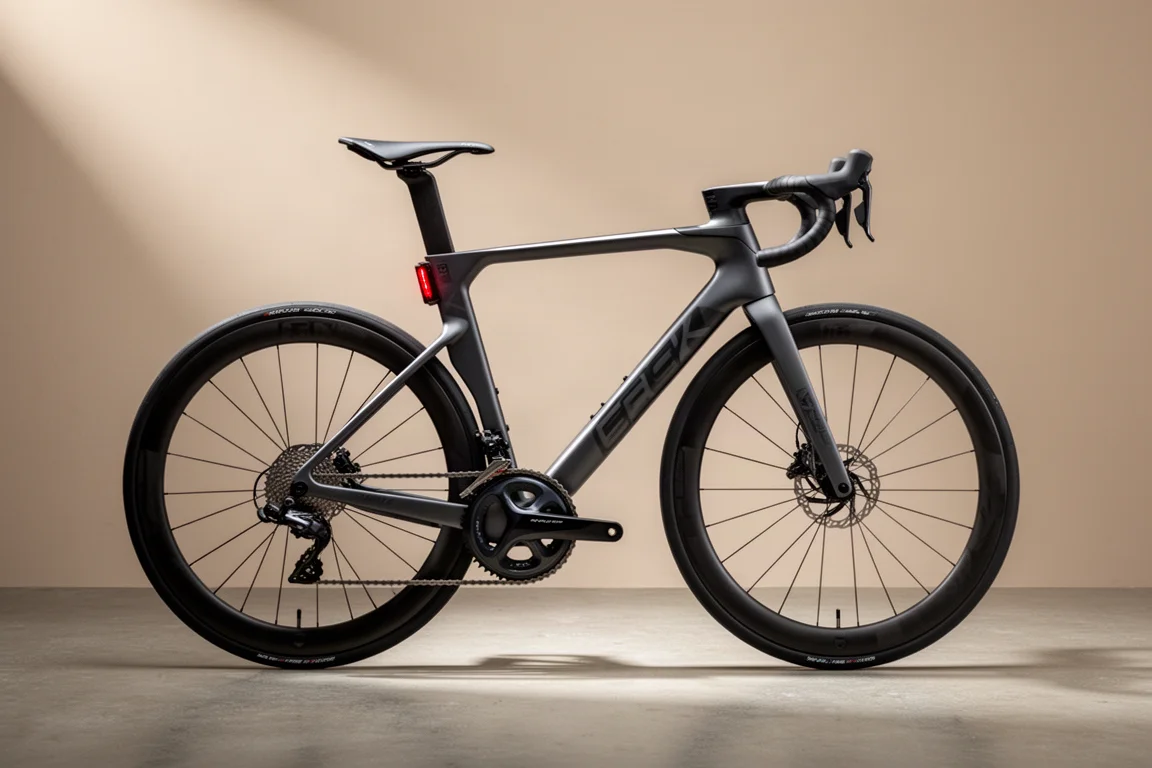
BMC Roadmachine Review: An Endurance Road Bike Built Around 40mm Tires
A closer look at the updated BMC Roadmachine, from its 40mm tire clearance and down tube storage to the trade-offs of its integrated rear light.