Endurance Road Bikes
Giant Defy Advanced Review: An Endurance Bike That Rides Like a Race Bike
Race-bike weight, 38mm tire clearance, and geometry that sits much closer to a race frame than most endurance bikes. Here is what the Giant Defy Advanced does well and what to check before buying.
Introduction
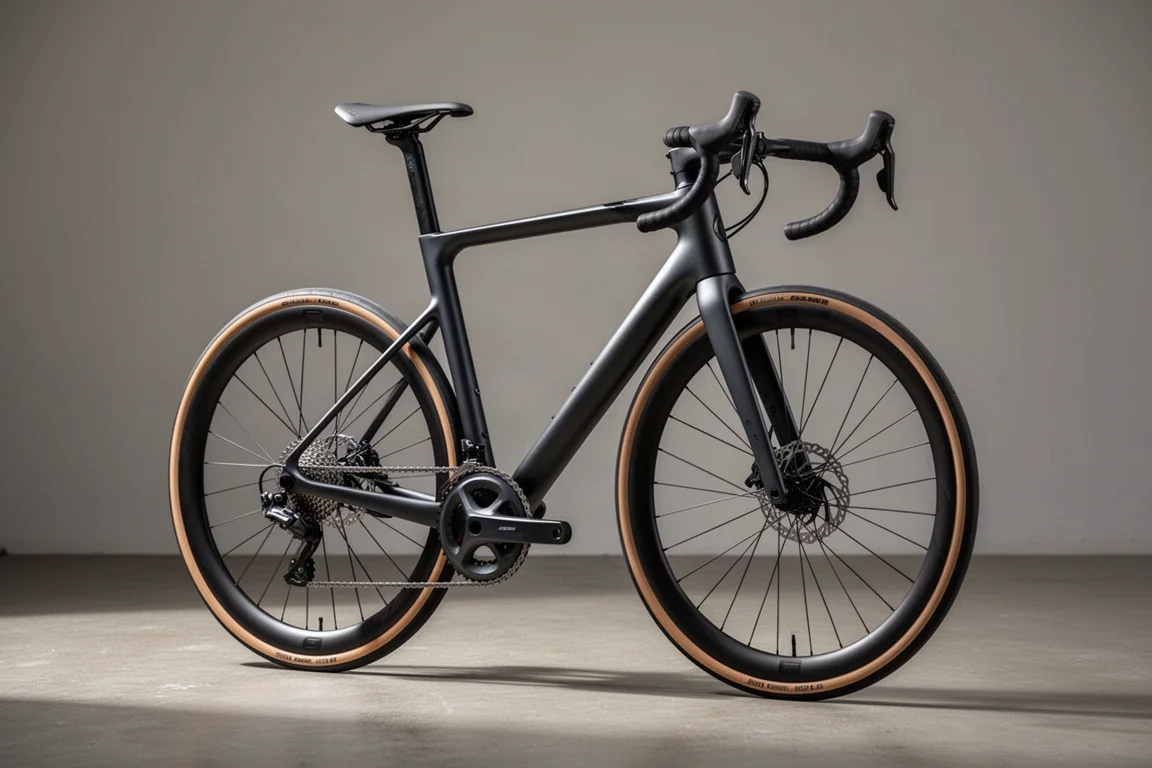
Endurance road bikes have a reputation problem. The category is usually sold as upright, relaxed and comfortable, and the trade-off is assumed to be speed. The Giant Defy Advanced does not follow that script. This is an endurance bike with geometry that sits remarkably close to a race frame, in some respects very close to the TCR, and a top build that weighed in at around seven kilograms as pictured without pedals. That is race-bike weight.
The point of the Defy is not to be a detuned race bike. It is to take the agility and responsiveness that make a race bike enjoyable, then add a layer of composure and stability that makes long rides on imperfect roads far easier to live with. In practice the difference is obvious the moment you ride it back to back with a TCR on roads you know well.
Who This Bike Is For
There is a large group of riders who buy race bikes and then raise the stem and stack spacers under it because the position is too aggressive for the riding they actually do. For those riders the Defy makes far more sense. The handling is still sporty, but the reach is shorter and the angles are slightly slacker than a pure race bike, so the fit and the ride both calm down without turning soft.
The Defy also makes sense for riders who genuinely like race bikes and still run a low position. As the years add up and the roads stay rough, a frame that gives back a little comfort while keeping most of the responsiveness is a reasonable place to land. A long wheelbase and slightly slacker angles cannot be replicated by simply fitting a shorter stem and more spacers to a race frame, so buying the right platform from the start is the cleaner route.
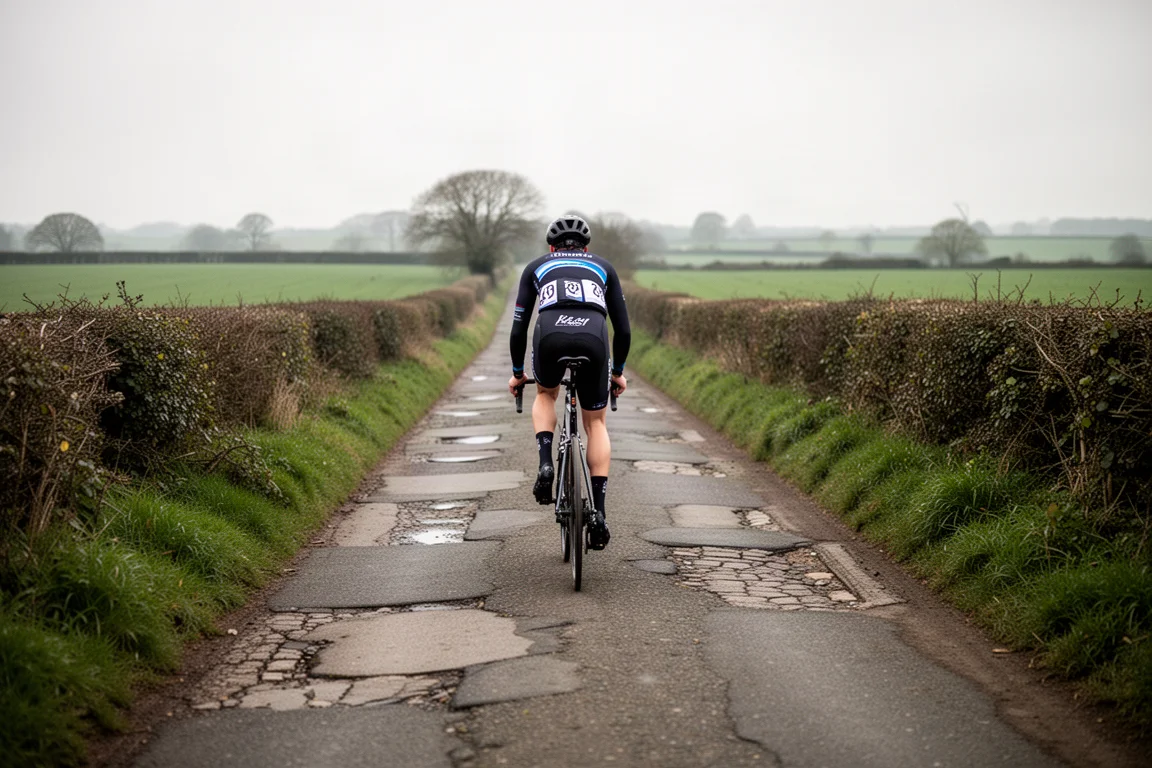
What the Defy is not is a shopping bike for an upright, upright-and-short endurance fit. It steers, corners and accelerates like a road bike first, and the more relaxed posture of a classic endurance machine is not what Giant built here.
Main Strengths
Comfort and Composure
Ride the Defy and a TCR on the same rough local roads, even swapping the wheels and tires between the two, and the Defy clearly has the edge. The handlebar and the seatpost both do real work filtering out surface imperfections, and the frame transmits less chatter to the rider than the race platform does. It sits between the rider and a broken road surface in a way that a race bike simply does not.
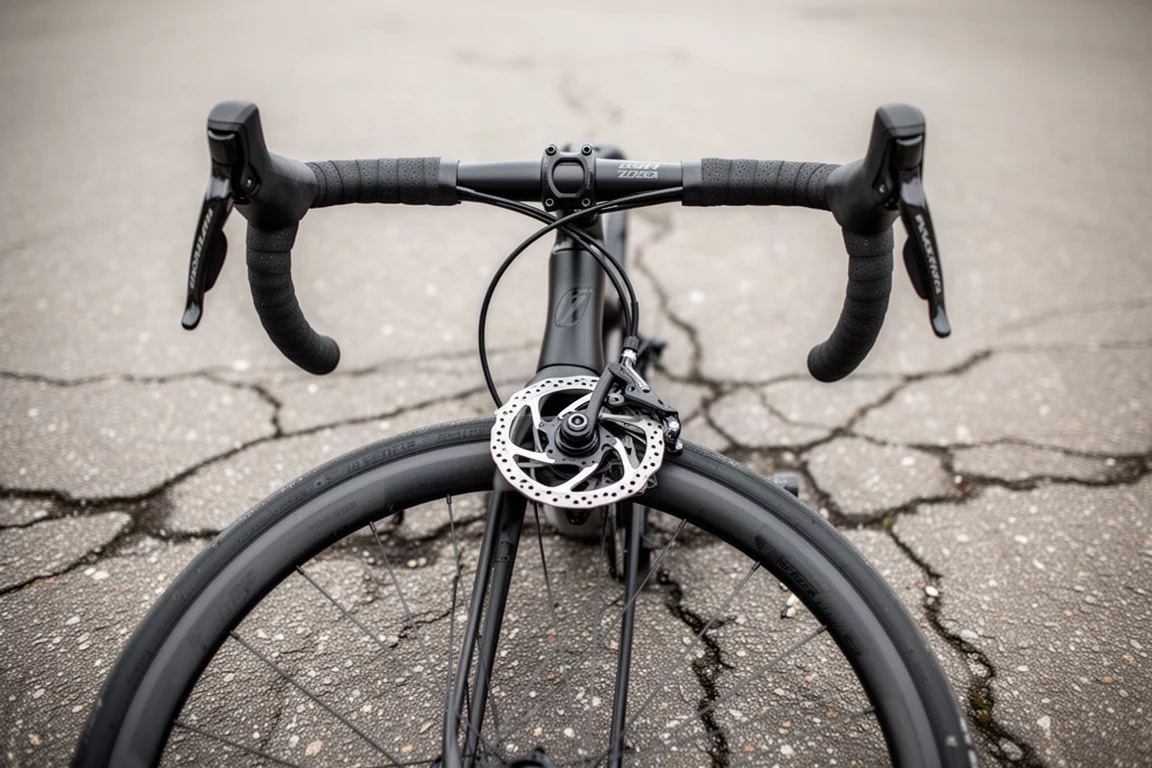
It is worth being precise about how soft it is. The Defy is smoother than a race bike, but it is firmer than the endurance bikes that lean hard on a dedicated compliance feature or a split seatpost design. It is nowhere near the softest or plushest bike in the category, and it trades some of that plushness for a more direct, more connected feel.
Tires are the biggest single lever here. The frame has clearance for up to 38mm, and running wider rubber at lower pressure is arguably the simplest way to add comfort to this platform. A road setup with wider tires and reduced pressure goes a long way.
Climbing Performance and Weight
Weight is where the Defy makes its strongest argument. The top build comes in at around seven kilograms without pedals, which is lighter than plenty of race bikes at comparable money. On steep local gradients that shows up immediately, both in how eagerly the bike responds to power and in how little it asks of the rider when the road pitches up.
Gearing matters just as much as weight on a long climb, and the available range lets you drop into an easier gear, settle in and spin rather than grind. Aerodynamics matters far less than weight and gear range on a bike like this, which is the correct set of priorities for the terrain most endurance riders actually seek out, and much of that terrain involves climbing.
Speed and Agility
Nothing about this bike is lazy. On familiar segments the speed is there, and the handling remains quick and precise. It is a race bike with the comfort setting dialled in, softening and relaxing the edges without blunting the response. If you are racing, a dedicated race platform is still the better tool. If you are not racing but want a bike that is fast when you want it to be, the Defy gives away very little.
Details That Add Up
The handlebar is well thought out. It is not a one-piece cockpit, which is the right call on a comfort-focused road bike, and the flattened top section gives the palms a broad, supportive surface. The tape is grippy and the taper is pleasant to hold. Internal routing keeps cables and hoses out of the wind and out of sight, and the stem is tidy enough that you stop noticing it.
An integrated computer mount is included, and the bottle cages that came with the bike are genuinely good. A power meter on the cranks is part of the top build, and the saddle caused no discomfort at all.
Things to Consider Before Buying
The Defy does not rely on a moving compliance system or a flexing component to smooth the road. There is no equivalent of the elastomer or pivot-based designs used elsewhere in the category, so riders who want the plushest possible ride will find this bike firm by comparison. The comfort comes from geometry, a longer wheelbase, slacker angles, the handlebar, the seatpost and your tire choice.
It is also firmly a road bike. The clearance for up to 38mm tires means light dirt and gravel tracks are technically within reach, but there are no extra frame mounts and no all-road design intent. It does not try to be a gravel bike, and that clear separation from Giant’s gravel platform is a deliberate and sensible choice rather than a limitation. On muddy winter lanes, most riders will simply stay on the road and take the comfort that the tires, bar, post and geometry provide.
Then there is price. The top-level build is a lot of money and sits outside most riders’ budgets, and the weight figure quoted above belongs to that build rather than to every version of the frame.

A bike with a power meter, race-level weight and this level of finish is a serious purchase, so it is worth deciding early which elements you are actually paying for: the frame, the ride quality, or the component specification.
Buying Advice
Start with the frame and the geometry, because those are the parts of the Defy you cannot change later. The closer-to-race position, longer wheelbase and slacker angles define the character of this bike, and no stem swap on a race frame will reproduce them. If that character matches the way you ride, the rest of the decision becomes much simpler.
Next, think about tires and pressure before you think about anything else. Clearance for up to 38mm gives you room to tune comfort significantly, and choosing a wider tire and lower pressure is a cheaper comfort upgrade than any component swap.
Finally, decide what you are paying for. The top build delivers race-bike weight and a very complete specification, including a power meter, and it is priced accordingly. Riders who want the same ride feel for less should focus on the frame and the fit rather than chasing the lightest build.
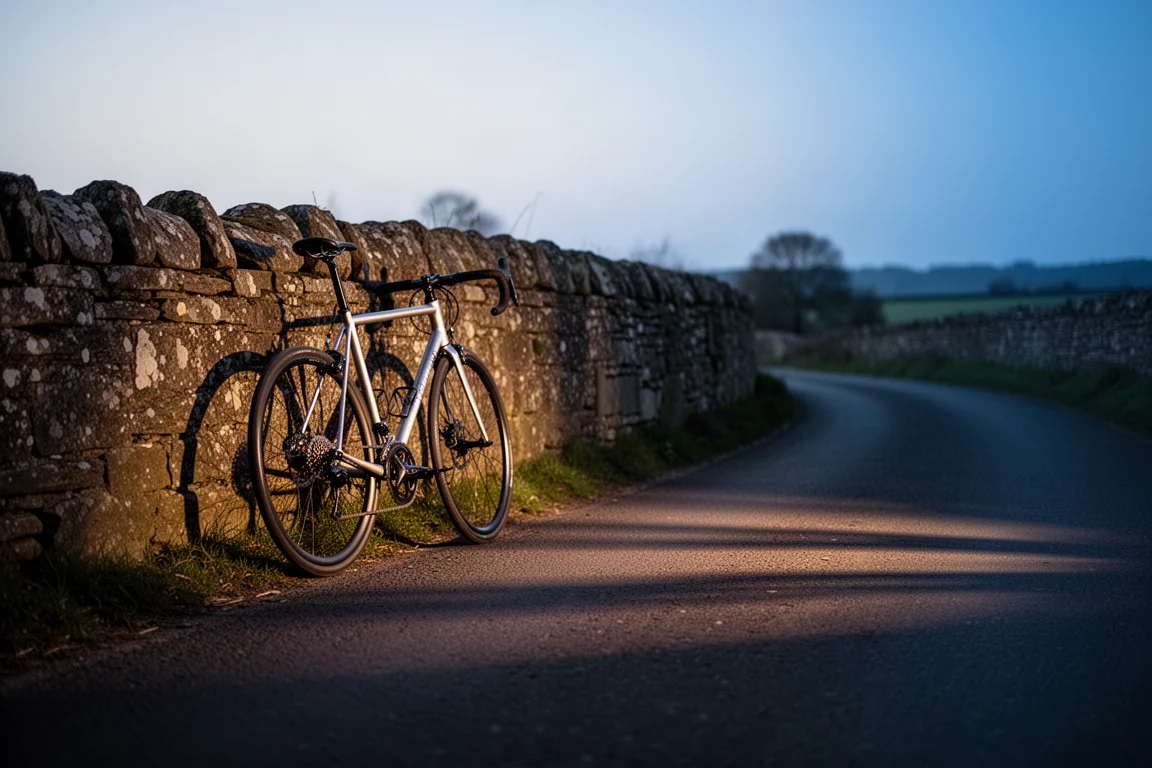
If you have been riding a race bike with spacers stacked under the stem, or if you are simply finding that the roads you love are getting rougher than your current bike wants to admit, this is the category to shop in, and the Defy is a compelling example of what it can offer.
Conclusion
The Giant Defy Advanced is a rare thing: an endurance bike that does not ask you to give up speed in exchange for comfort. It is smoother than a race bike without being the softest bike in its class, it carries race-level weight in its top build, and it keeps the agility and responsiveness that make fast riding enjoyable. The trade-offs are real but clear. No dedicated compliance system, no gravel ambitions, and a top build that costs a great deal of money.
For riders who want a fast road bike that looks after them when the pace drops, this is a genuinely convincing answer.
Product link
View more details for Giant Defy Advanced
This product is mentioned in the review. Check the specifications, options, and compatibility before buying.
View more details for Giant Defy AdvancedFurther reading
Related Reviews
Endurance Road Bikes
Best Endurance Bikes Compared: Merida Scultura Endurance, Cervélo Caledonia and Vitus Venon Evo RS Aero
Three endurance road bikes tested on long, wet road loops: relaxed classic comfort, sporty road pace, and an all-road machine with genuine gravel room.
Endurance Road Bikes
Best Endurance Road Bikes: Eight Comfort-Focused Picks for Speed and Stability
Eight endurance road bikes compared on fit, comfort features, tire clearance, storage and value, from the smoothest carbon options to steel and titanium alternatives.
Endurance Road Bikes
BMC Roadmachine Review: An Endurance Road Bike Built Around 40mm Tires
A closer look at the updated BMC Roadmachine, from its 40mm tire clearance and down tube storage to the trade-offs of its integrated rear light.