Endurance Road Bikes
Giant Defy Advanced Pro Review: Four Months on an Endurance Road Bike
A mid-range endurance road bike with a carbon frame, Ultegra Di2 and a dual-sided power meter, assessed after four months of mixed-weather riding.
Introduction
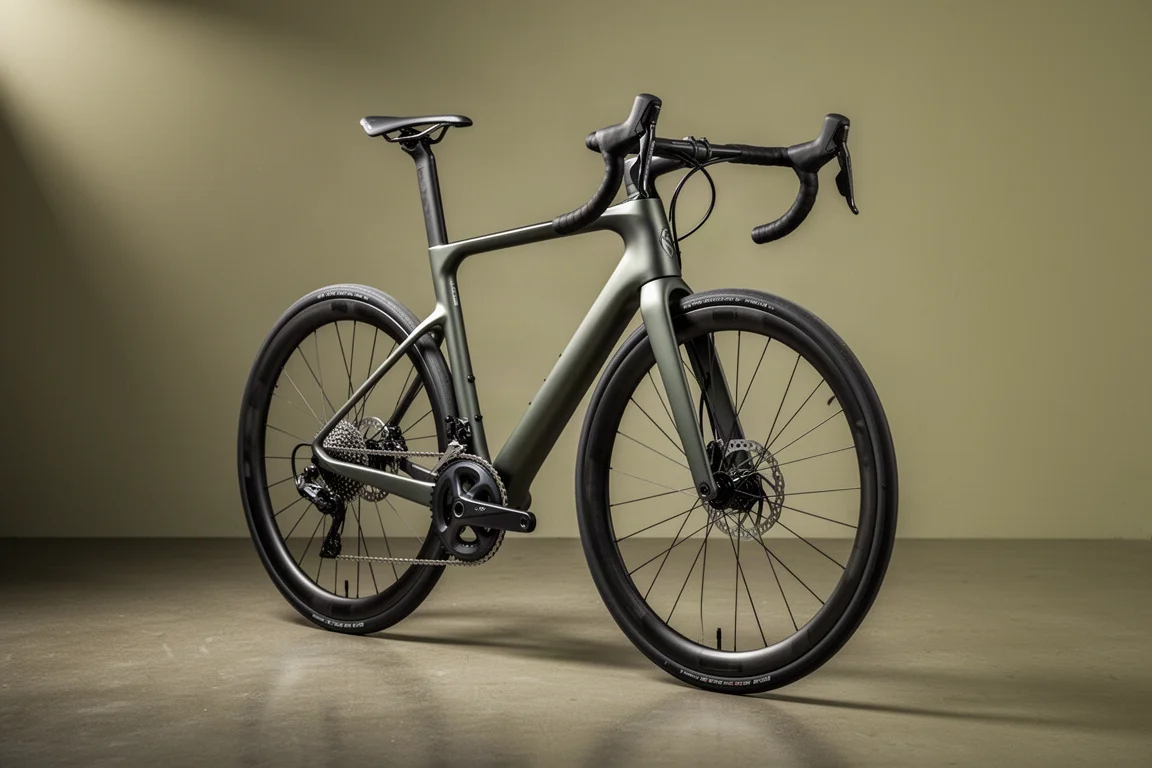
The Giant Defy is the brand’s endurance road platform, designed for long days in the saddle where comfort matters more than razor-sharp race geometry. This generation moves the formula on in several ways: a lighter and more aerodynamic frame, fully internal cable routing, clearance for 38 mm tires, and mounts for mudguards. A D-shaped seatpost that can flex up to 7 mm and a matching handlebar are central to the comfort story.
The Advanced Pro sits in the middle of a three-tier line-up, below a new range-topping SL model. It has been ridden regularly for four months across mixed weather, including wet winter miles with full-length mudguards fitted.
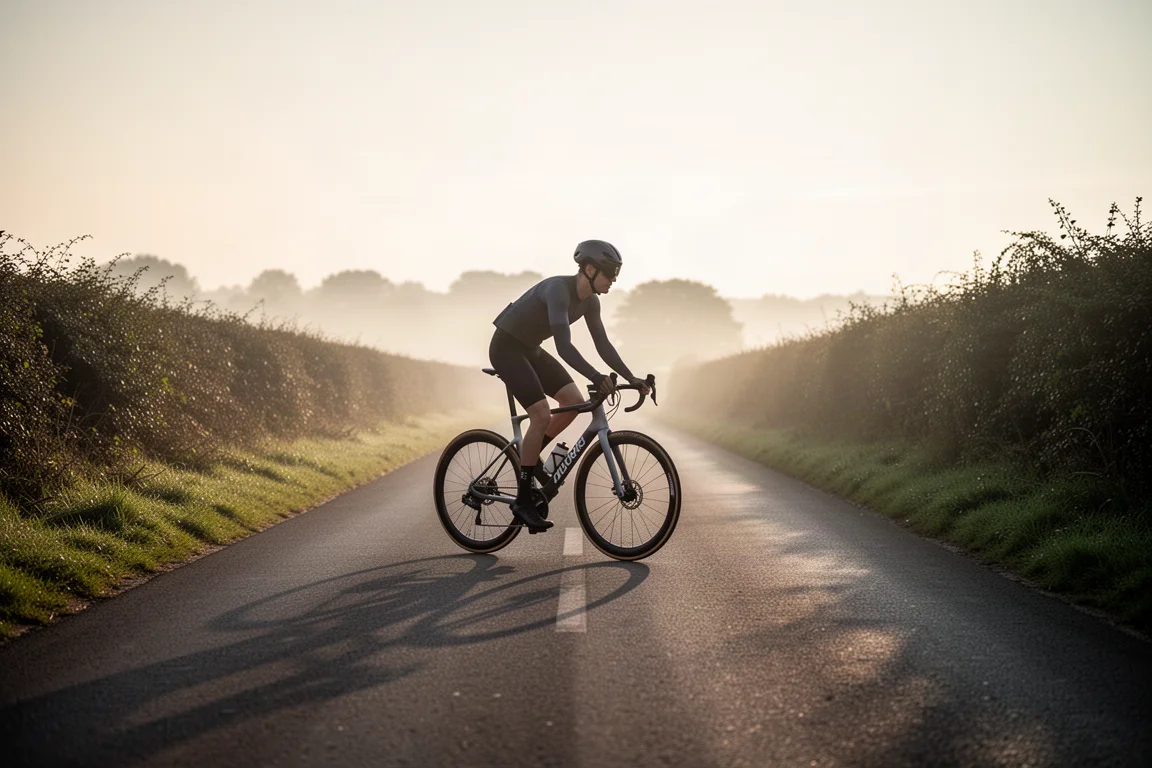
What emerges is a bike that is quick enough to ride flat out on familiar roads while staying calmer and easier to live with than a dedicated race machine.
Who the Giant Defy Advanced Pro Is For
This is a bike for riders who used to race, or who still enjoy riding fast, but want a slightly easier fit and a little more breathing room than a race bike offers. The geometry is more relaxed than a pure race frame, yet nowhere near as upright as some endurance models. It suits riders who are not ready to step all the way back to a very upright position and do not want a bike that feels slow.
It is less suited to anyone expecting maximum comfort or a genuinely laid-back riding position. Riders who prioritise lower-back relief and a softer ride above all else will find more of what they are looking for elsewhere in the category.
What You Get for the Money
At £6,000, the Advanced Pro includes a carbon frame, fork, wheels, handlebar and seatpost, a Shimano Ultegra Di2 12-speed groupset, and Giant’s own dual-sided power meter. A computer mount and two bottle cages are also part of the package. The Defy range starts at £2,300 and climbs to nearly £12,000 for the SL model, so this one sits squarely in the middle.
The value comparison is worth spelling out. A comparable Trek Domane SL7 at the same price offers a carbon frame, fork, wheels and an Ultegra Di2 groupset, but no dual-sided power meter and no carbon handlebar. Adding those two items separately would cost roughly £1,000, which makes the Giant specification look strong for the money.
For riders who want a power meter from day one, that inclusion removes a significant extra purchase.
Ride Quality and Real-World Speed
On the road, the Advanced Pro lands in a Goldilocks zone. It is neither stiff, racy and aggressive nor upright, lazy and slow. It is fast enough to ride flat out and compares well with a Tarmac and with the brand’s own TCR race bike over the same roads and climbs. On a size ML with a 181 cm rider, the position is nicely stretched and comfortable on the hoods, and it is easy to crouch down into an aerodynamic position when the pace rises.
Steering is lively and engaging. There is enough feedback to keep the ride exciting and switched on, though cornering is not quite as snappy as on a TCR race bike. The more relaxed geometry makes long steady solo rides calmer and more pleasant.
The frame is smoother than a TCR, but the margin is not huge. Over rough surfaces, a race bike on 28 mm or 30 mm tires is closer in composure than the difference in category might suggest. This bike is smoother, but it is not buttery in the way some endurance bikes are.
Components and All-Weather Versatility
The carbon wheels are hookless and tubeless, supplied set up tubeless with 32 mm tires. They have been fuss-free over four months, including hard hits through potholes, cracks and expansion joints, with pressures around 50 to 55 PSI. Weight is below 1,550 g, with bladed spokes for a little extra aerodynamic efficiency. Hub bearings have stayed reliable and the freehub engages quickly, even after repeated rides in torrential rain. There is also a wide choice of quality tubeless tires that fit these hookless rims without issue.
Giant still uses a press-fit PF86 bottom bracket here, and it has stayed quiet throughout testing. Internal routing looks clean and modern, and it makes fitting a bar bag easier. The ability to run 38 mm tires and full-length mudguards with optional flaps turns the bike into a genuine four-season machine. Wide tires plus mudguards add traction and comfort, making wet-weather training far more appealing than another session indoors.
The result is a bike that keeps delivering miles through rain, hail and shine without complaint.
Things to Consider Before Buying
The biggest point to weigh is comfort. Modern race bikes are no longer punishing, and with wide tires fitted, the step up in comfort this bike offers over them is smaller than some riders expect. Anyone wanting a noticeably softer, more upright ride may find the gap between this and a race bike less dramatic than hoped.
The cockpit is also less flexible than it first appears. The internal routing system requires a Giant stem, because of the D-shaped steerer tube used to route hoses without going to a larger headset bearing. Giant offers a wide range of aluminium and carbon stems, so most riders can find the right length and angle, but another brand’s stem will not fit. The two-piece setup does allow a handlebar change, though swapping away from the matching bar gives up the D-shaped design.
Buying Advice
The right choice comes down to the kind of riding you actually do. If you are still racing, a race bike remains the sharper tool. If you have stepped back from competition but still want to ride fast, with a calmer geometry, wider tires and the option of mudguards, this bike fits that brief unusually well.
The specification also matters at this price. A dual-sided power meter and carbon wheels as standard are meaningful inclusions, and they narrow the gap to more expensive alternatives. Riders who want a single bike for training, long steady rides and all-weather winter miles will get a lot of use out of it.
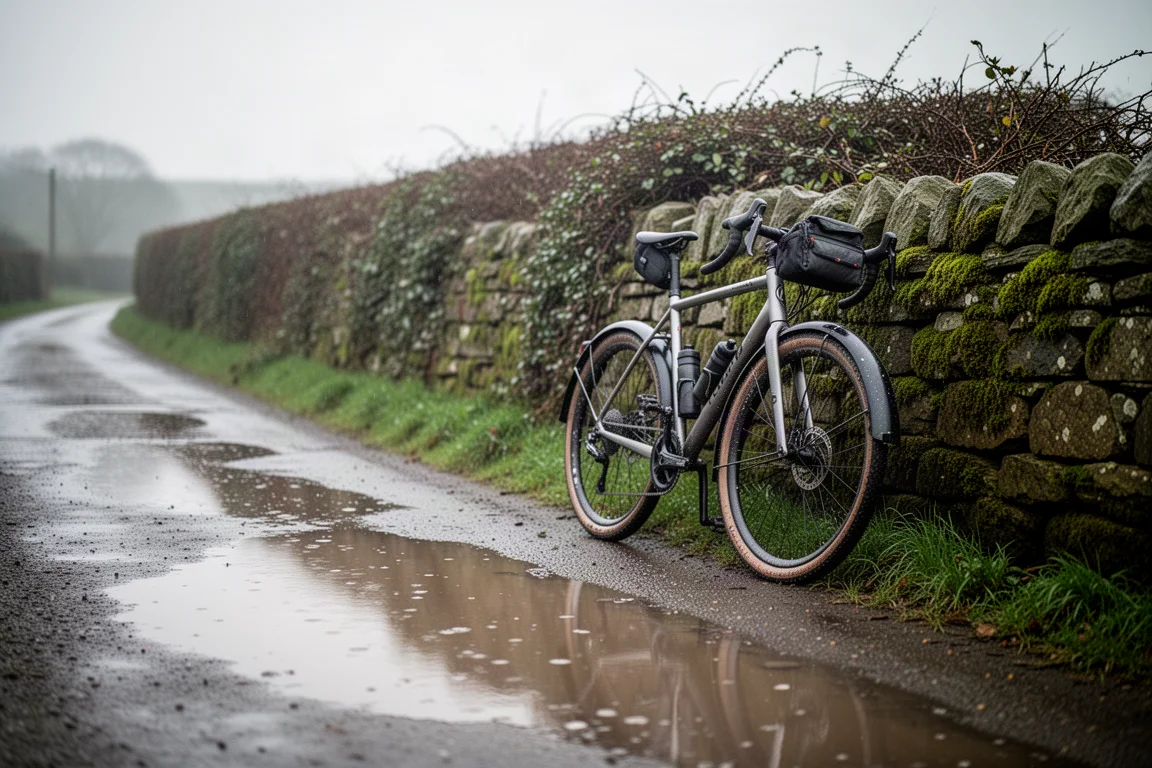
If maximum comfort and a very upright fit are your priorities, try an endurance bike with a more relaxed position before deciding. If speed with a slightly easier fit is the goal, the Advanced Pro is well worth a closer look.
Conclusion
The Giant Defy Advanced Pro is a fast, well-equipped endurance road bike that handles four seasons of riding with very few compromises. It delivers the speed most riders actually need, with a geometry that is calmer than a race bike without feeling slow or detached. The specification is strong for the money, and the dual-sided power meter and tubeless carbon wheels add real day-to-day value.
The trade-off is that its comfort advantage over a modern race bike with wide tires is modest, and the cockpit limits stem choice to Giant. For riders who want a quick bike that is easier on the body and ready for bad weather, those are reasonable compromises to accept.
Product link
View more details for Giant Defy Advanced Pro
This product is mentioned in the review. Check the specifications, options, and compatibility before buying.
View more details for Giant Defy Advanced ProFurther reading
Related Reviews
Endurance Road Bikes
Best Endurance Bikes Compared: Merida Scultura Endurance, Cervélo Caledonia and Vitus Venon Evo RS Aero
Three endurance road bikes tested on long, wet road loops: relaxed classic comfort, sporty road pace, and an all-road machine with genuine gravel room.
Endurance Road Bikes
Best Endurance Road Bikes: Eight Comfort-Focused Picks for Speed and Stability
Eight endurance road bikes compared on fit, comfort features, tire clearance, storage and value, from the smoothest carbon options to steel and titanium alternatives.
Endurance Road Bikes
BMC Roadmachine Review: An Endurance Road Bike Built Around 40mm Tires
A closer look at the updated BMC Roadmachine, from its 40mm tire clearance and down tube storage to the trade-offs of its integrated rear light.