Endurance Road Bikes
Giant Defy Advanced Pro 0 Review: An Endurance Bike With Race Bike Pace
A mid to upper range carbon endurance road bike with a sporty front end, a 7.5 kg build, and room for wide tires. Here is what to weigh before buying.
Introduction
Endurance road bikes carry an unfair reputation. They are often described as slow, lazy, heavy, or suited only to older riders. The Giant Defy Advanced Pro 0 does not fit that description at all. It is quick, light, agile, and genuinely enjoyable to ride, and it raises a question worth taking seriously: why do so many riders who never race still buy race bikes?
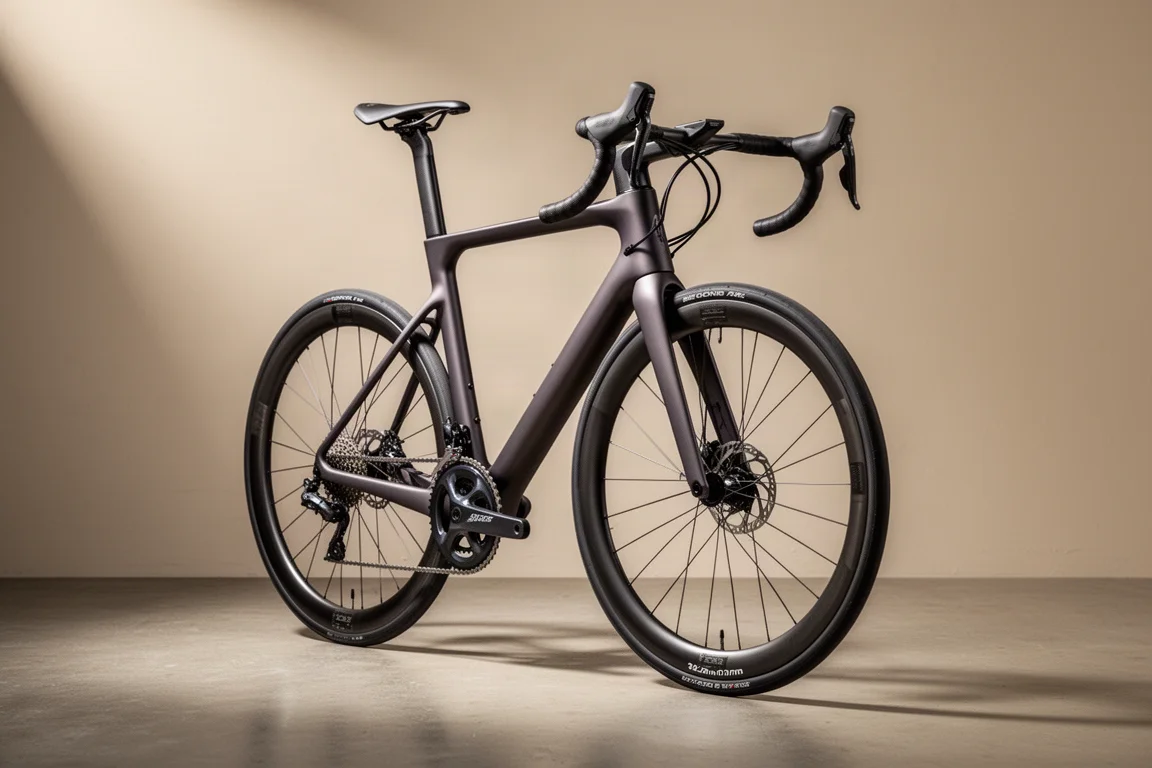
This model sits in the mid to upper part of the Defy range. The range itself starts from around £2,300 in the UK, so there is a Defy for most budgets depending on the specification chosen. This build pairs a Shimano Ultegra Di2 groupset with carbon wheels, a carbon handlebar, and a carbon seat post, and it weighed 7.5 kg on the scales.
Who This Bike Is For
The strongest case for the Defy Advanced Pro 0 is a rider who has spent years on a race bike and is starting to suspect it is no longer the right machine. Race geometry asks for a long, low position that serves racing and not much else. The Defy keeps a higher stack and a shorter reach than a race bike, so the position is more upright and less stretched. That makes long sportive distances, steady endurance rides, and relaxed weekend miles far more comfortable, and it is kinder to a bad back.
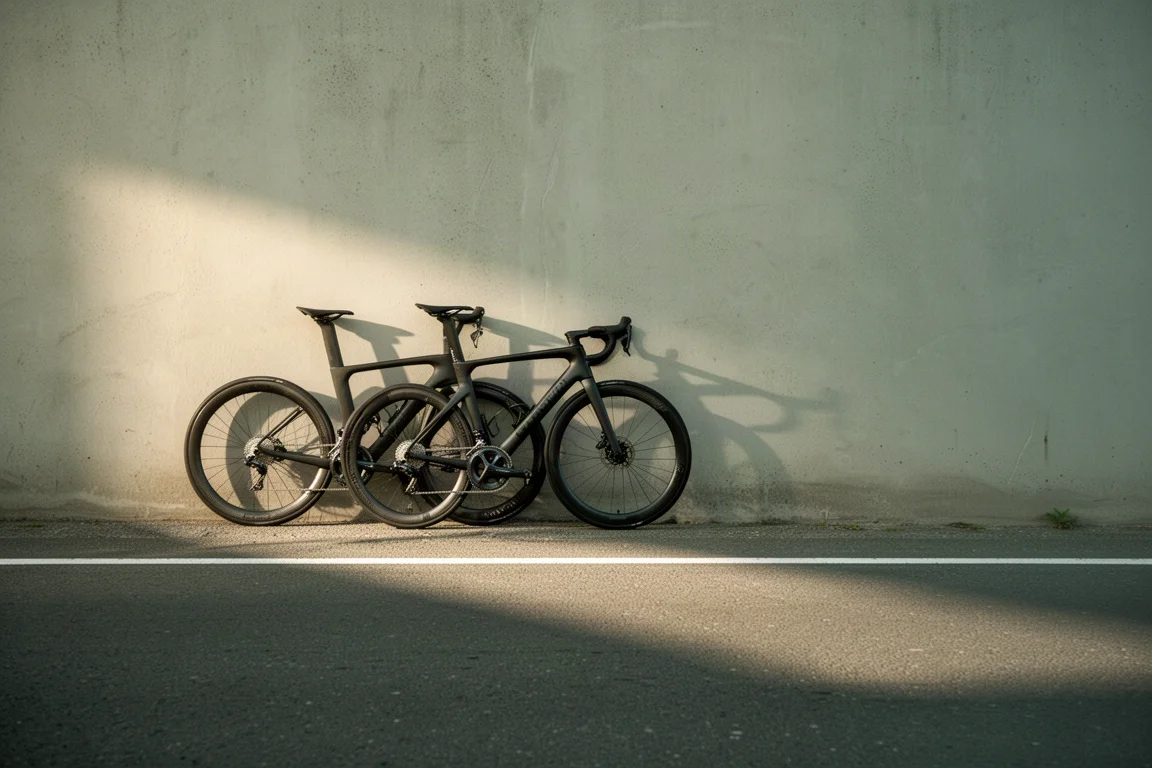
It is worth being precise about what this bike is not. The Defy is not the most upright endurance bike on the market. Its geometry has been tuned to sit closer to a race bike than most of the category, which means it also appeals to riders who want more comfort than a race bike offers but are not ready to give up a low, fast front end.
Ride Quality and Comfort
Comfort on an endurance bike comes from two places: the ride quality built into the frame and components, and the geometry that decides how you sit on the bike. The Defy works on both.
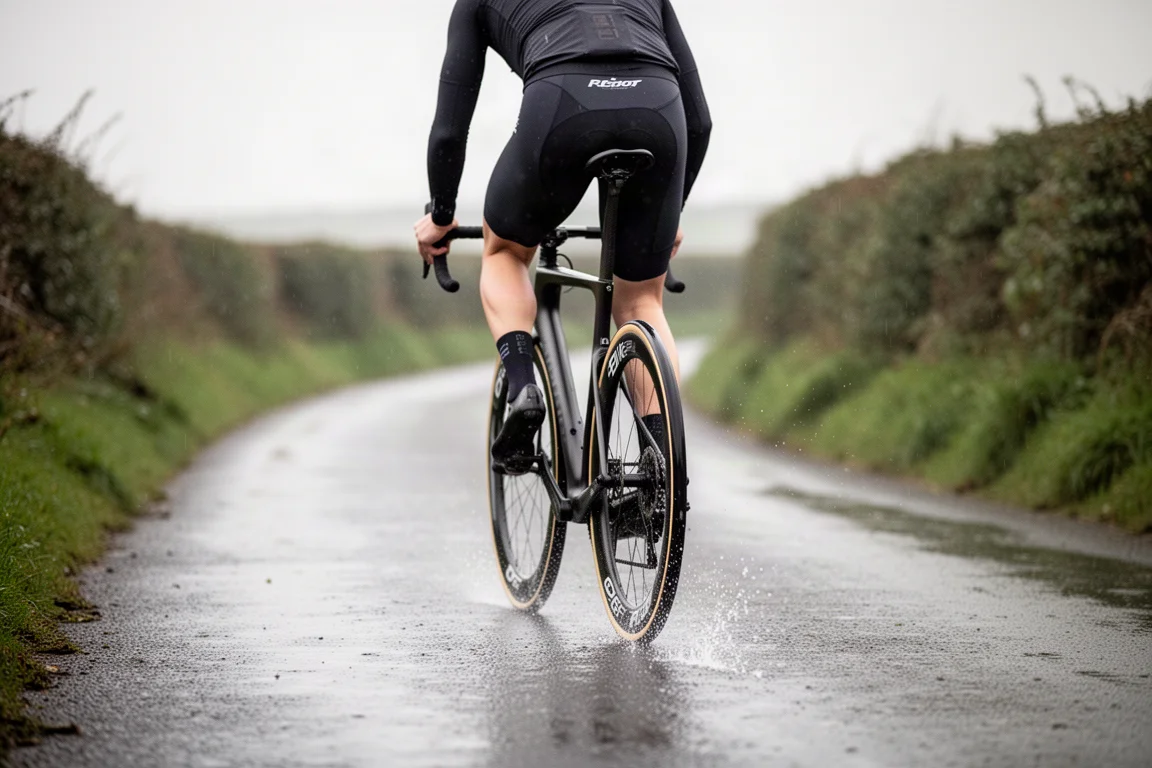
The bike runs 32 mm tires set up tubeless at around 50 psi, and that alone does a great deal of the work on rough roads. Wider rubber absorbs surface chatter that a narrower race tire passes straight through to the rider, and the lower pressure lets the tire deform over broken tarmac instead of bouncing off it.
On top of that, the carbon handlebar and seat post use specific profiles and layups intended to damp more vibration than standard components. The result is a ride that feels smooth without feeling vague, which is exactly the balance an endurance bike needs to strike.
Handling, Weight, and Real-World Speed
At 7.5 kg, this is a light bike for the category, and that weight tells on the climbs and in the mountains. A lighter platform also makes the bike feel eager under acceleration, which is not the sensation most riders expect from an endurance machine.
The handling character comes from the geometry rather than the components. Compared with a race bike, the head angle, seat tube angle, and measurements such as the wheelbase have all been adjusted, yet the front end stays lower than on many endurance rivals. The bike carries a sporty, sprightly feel and a position that sits a little lower and more purposeful, closer to a race bike in attitude.
Pace is where the Defy surprises most. Riding a dedicated race bike alongside it shows the race machine is faster, but not by very much at all. The gap is small enough that most riders would struggle to justify the trade in comfort, and the Defy still indulges the occasional appetite to ride fast.
Specification Highlights and Everyday Details
The build is well equipped for the money. Shimano Ultegra Di2 takes care of shifting, and the wheels, handlebar, and seat post are all carbon. Reaching 7.5 kg with this specification means there is little obvious performance left on the table for most riders.
Gearing is a clear departure from race bike norms. A compact 50/34 chainset is paired with an 11-34 cassette, a wide range that makes steep climbs far more manageable than the 11-25 or 11-28 blocks that were once standard. For anyone chasing fitness rather than racing it, that spread of gears is a genuine advantage.
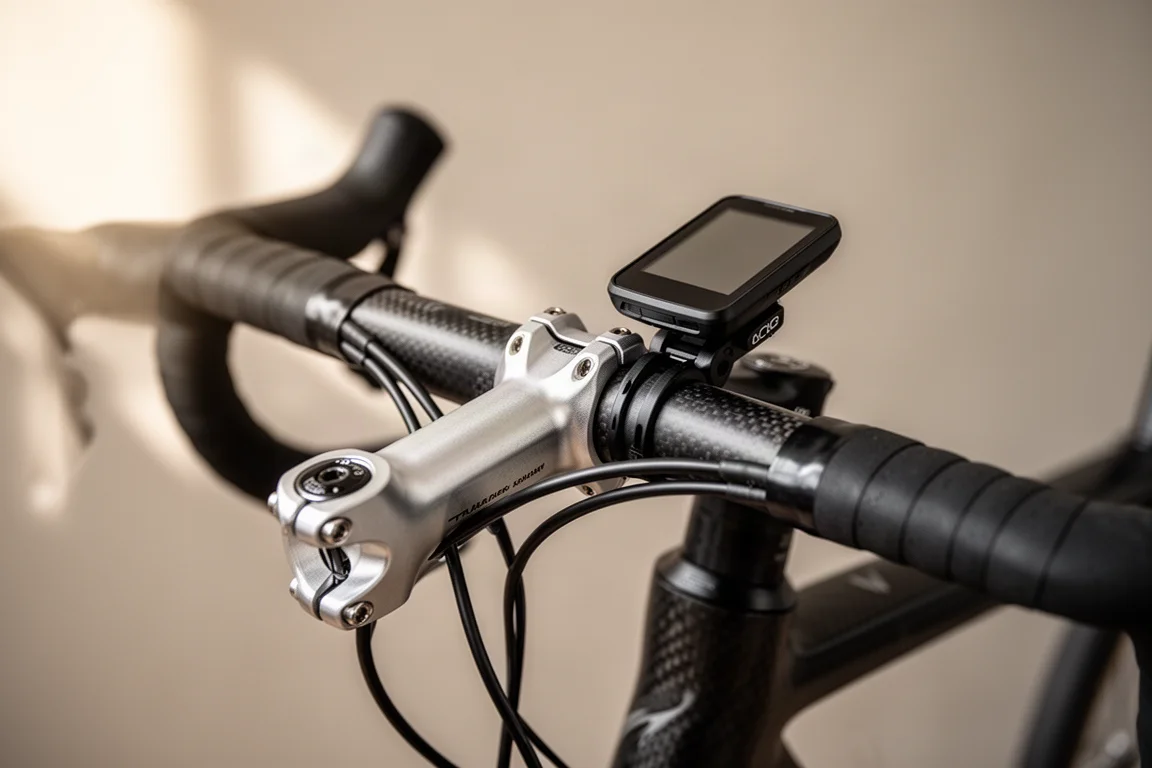
Fit details matter here too. The test bike is a size ML with a 100 mm stem, roughly 10 mm shorter than the equivalent setup on a race frame, a 42 cm handlebar, 172.5 mm cranks, and a short-nose saddle. The handlebar width and shape suit the bike’s purpose: this is not a machine trying to make its rider as aerodynamic as possible.
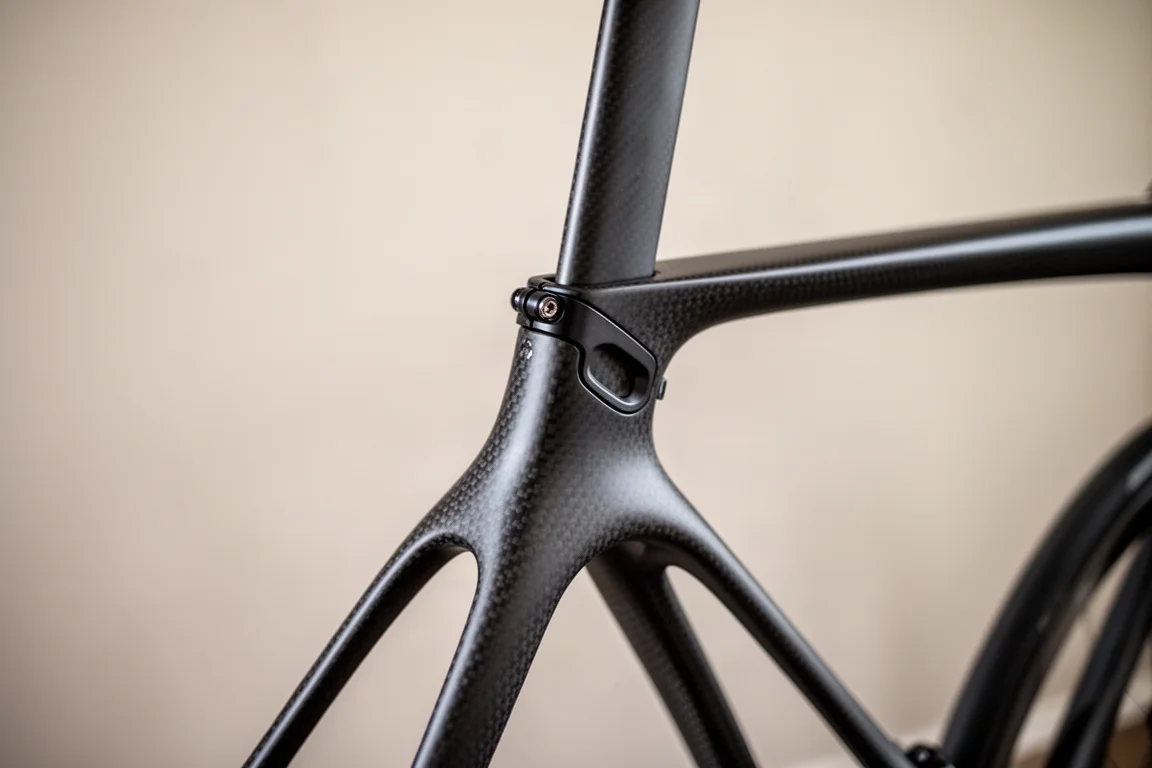
Giant’s own mudguards are a complete kit, and although they take time to fit, once they are on there is no rattling and no squeaking. They are not especially long, so adding mud flaps is a sensible follow-up, particularly at the front, where spray otherwise reaches your shoes when riding through puddles. The frame takes a rear light, saddle bag, and computer without fuss. Visually, the paint fade along the top tube, the two-tone stripes down the rear stays, and the paired-back graphics with matching components add up to a sleek, contemporary looking bike with elegant frame proportions.
How It Compares to Other Endurance Bikes
The Specialized Roubaix and the Canyon Endurace both deliver strong performance and comfort, and both sit noticeably higher at the front than the Defy. If comfort is the single most important quality you want from an endurance bike, the Roubaix remains the smoothest and comfiest option, with a more forgiving saddle and handlebar feel and space for even bigger tires.
The Canyon Endurace runs the Roubaix close. Its clever split seat post gives it an edge in seated comfort, but the one-piece handlebar is a compromise on a bike like this, since it is stiffer than the category really calls for.
The Trek Domane is another strong contender. Its IsoSpeed decoupler produces remarkable comfort in the saddle, and it offers generous tire clearance plus a genuinely smart down tube storage hatch. The trade-off is weight: that platform has always felt heavy, and a 7.5 kg bike is a clear advantage on climbs and long mountain days.
The Cannondale Synapse deserves a mention as well. Setting aside the SmartSense system, which divides opinion, it delivers similar performance, speed, stiffness, and comfort. The complication is that there is no mid-range or high-end option in the range without SmartSense built in, which narrows the choice for riders who would rather not have it.
Things to Consider Before Buying
The Defy’s lower front end is the main thing to think about. It is what makes the bike feel sporty and race-adjacent, but it also means riders who want the most upright, most relaxed position available will find the Roubaix or the Endurace more accommodating. Neither approach is better; they simply suit different priorities.
Mudguard length is a small but real point. The fit is solid and quiet once installed, but the guards are short, so plan on mud flaps if you ride through winter and want proper protection for your feet and the bike.
Tire clearance is generous enough for a 38 mm tire, and that opens up useful options such as wide slick tires in 35 mm or 38 mm. Even so, this is a road bike first rather than a gravel bike, and it makes most sense kept as a pure road machine with mudguards for winter and fast tires for summer sportives. Riders who want to fit gravel tires can, but a dedicated gravel bike is the better answer for that kind of riding.
Finally, consider whether the range-topping SL model is worth the step up. It is around half a kilo lighter and comes with very fancy wheels, but it costs roughly twice as much, and the performance difference is incremental rather than transformative. A mid-range bike like this one offers all the performance most riders realistically need.
Buying Advice
Start by deciding what you actually want from an endurance bike. If maximum comfort is the goal, the smoothest options in the category remain hard to beat. If you want a bike that feels closer to a race bike, sits lower at the front, stays light on the climbs, and still takes wide tires and mudguards, the Defy Advanced Pro 0 makes a very compelling case.
Value is part of that case. The Defy range begins from around £2,300 in the UK, and this mid to upper range build includes a Shimano Ultegra Di2 groupset, carbon wheels, a carbon handlebar, and a carbon seat post at 7.5 kg. That is a lot of usable performance without stepping into the price bracket of a range-topping model.
If you go ahead, budget for the details that make the bike work all year. A set of mudguards and mud flaps turns it into a winter-ready machine, and a pair of wide slick tires in 35 mm or 38 mm gives you a comfortable, fast-rolling setup for long days out. Riders moving across from a race bike will also want to spend time on position, since the more upright fit is one of the main reasons to make the change in the first place.
Conclusion
The Giant Defy Advanced Pro 0 shows how outdated the lazy endurance bike stereotype has become. It is light, quick, and agile, with a sporty front end, wide-range gearing, sensible everyday details, and clearance for tires that make rough roads far more pleasant. It gives up a small amount of outright pace to a dedicated race bike and gains a great deal of comfort in return. For riders who have spent years on race geometry and are starting to wonder whether it still fits, this is one of the most convincing places to look.
Product link
View more details for Giant Defy Advanced Pro 0
This product is mentioned in the review. Check the specifications, options, and compatibility before buying.
View more details for Giant Defy Advanced Pro 0Further reading
Related Reviews
Endurance Road Bikes
Best Endurance Bikes Compared: Merida Scultura Endurance, Cervélo Caledonia and Vitus Venon Evo RS Aero
Three endurance road bikes tested on long, wet road loops: relaxed classic comfort, sporty road pace, and an all-road machine with genuine gravel room.
Endurance Road Bikes
Best Endurance Road Bikes: Eight Comfort-Focused Picks for Speed and Stability
Eight endurance road bikes compared on fit, comfort features, tire clearance, storage and value, from the smoothest carbon options to steel and titanium alternatives.
Endurance Road Bikes
BMC Roadmachine Review: An Endurance Road Bike Built Around 40mm Tires
A closer look at the updated BMC Roadmachine, from its 40mm tire clearance and down tube storage to the trade-offs of its integrated rear light.