Road Bikes
Giant Defy Advanced 1 Review: Endurance Value With One Clear Upgrade Path
A carbon endurance road bike that shares its frame with pricier models in the range, pairs Shimano 105 Di2 with a wide 11-36 cassette, and leaves one obvious compromise in the wheels and tires.
Introduction
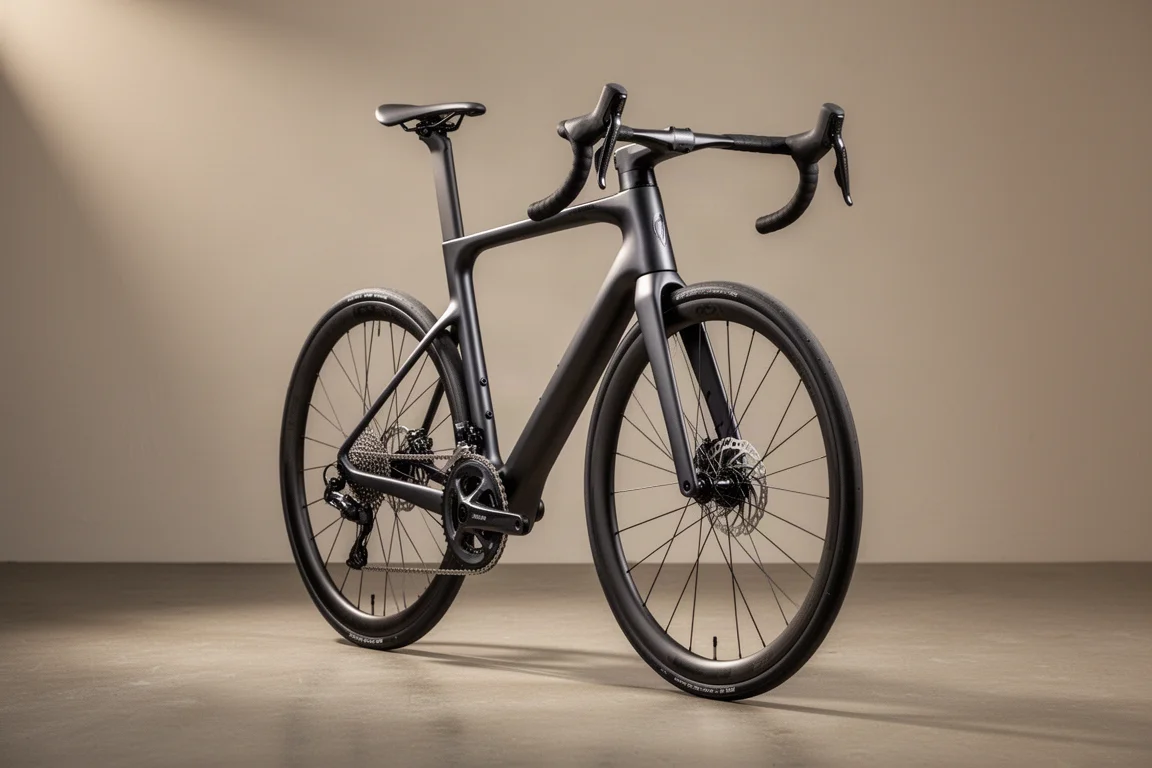
The Giant Defy Advanced 1 sits at the entry point of the carbon Defy Advanced range, and at around £3,200 it raises an obvious question: does a lower price mean meaningfully less performance? Over several weeks of local road riding and one demanding sportive with more than 10,000 ft of climbing, the answer is more encouraging than the price suggests.
The Defy is Giant’s endurance road bike, built for sportives and gran fondos where distance and comfort carry more weight than race-day sharpness. Riders who want to race are better served by the TCR or the Propel. What makes the Advanced 1 notable is that it uses the same carbon frame as the mid-range Pro model, so the heart of the bike has not been downgraded to hit a price.
Who the Giant Defy Advanced 1 Is For
The geometry is the headline here. It is higher, shorter and slacker than a race bike, but the stack is lower than on some well-known endurance rivals, so the riding position sits between a full race setup and a fully upright one. That middle ground suits riders who want long-distance comfort without feeling like they are piloting a sofa.
A long rear wheelbase and a slacker head angle calm the bike at speed and on rough surfaces. On the broken tarmac that turns up on almost every long route, the Defy tracks steadily and asks for far less concentration than a twitchy race bike, which effectively rides itself when you are tired.
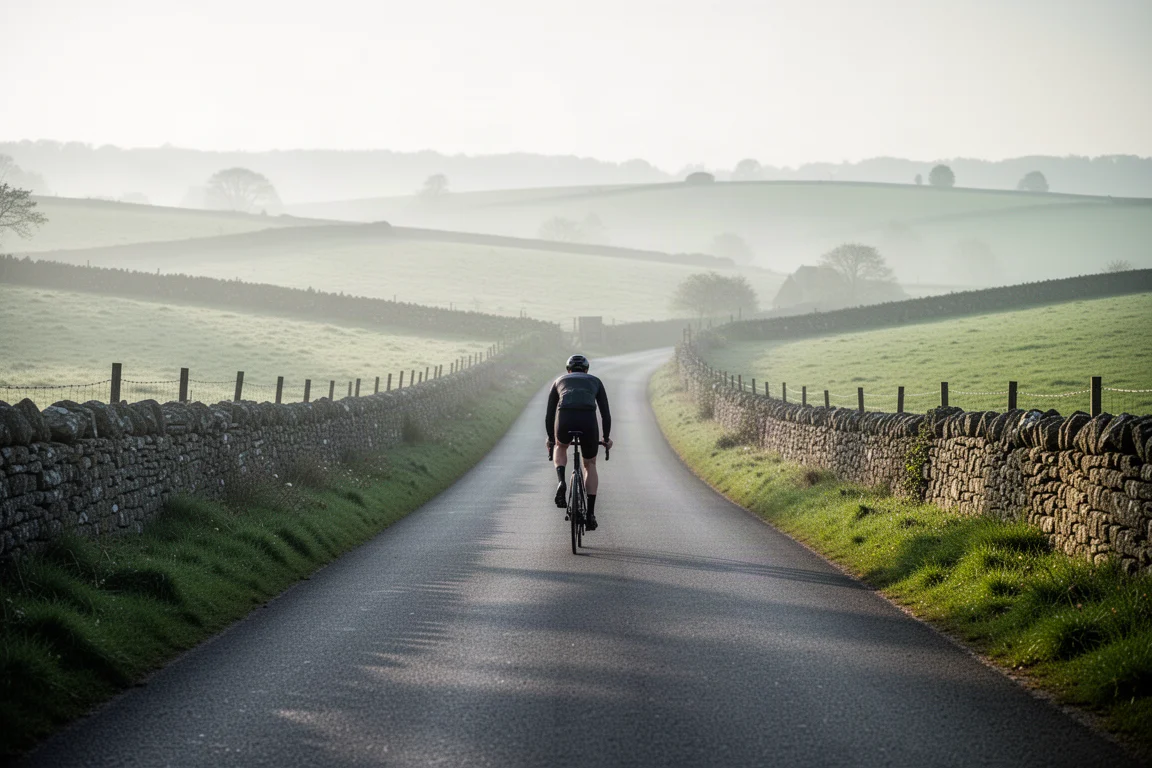
Comfort comes from more than geometry. The D-Fuse handlebar and seatpost are designed to take the edge off road buzz, and the bike ships with 32 mm tires, which is wide for a road bike and adds noticeable cushioning compared with a race setup.
Frame, Fork, and Comfort Details
Giant has not hobbled this bike at the frame level. The Advanced 1 uses the same carbon fiber layup and the same claimed 860 g frame weight as the more expensive Pro model, which is light by any standard, let alone for a bike tagged as the entry point of a carbon range.
The one meaningful difference is the fork. It uses a lower grade of carbon fiber than the Pro, which inherits the SL fork from the top of the range. Crucially, it is still full carbon from the dropout through the steerer tube, rather than the aluminium steerer that sometimes appears on cheaper carbon bikes to save money at the cost of weight.
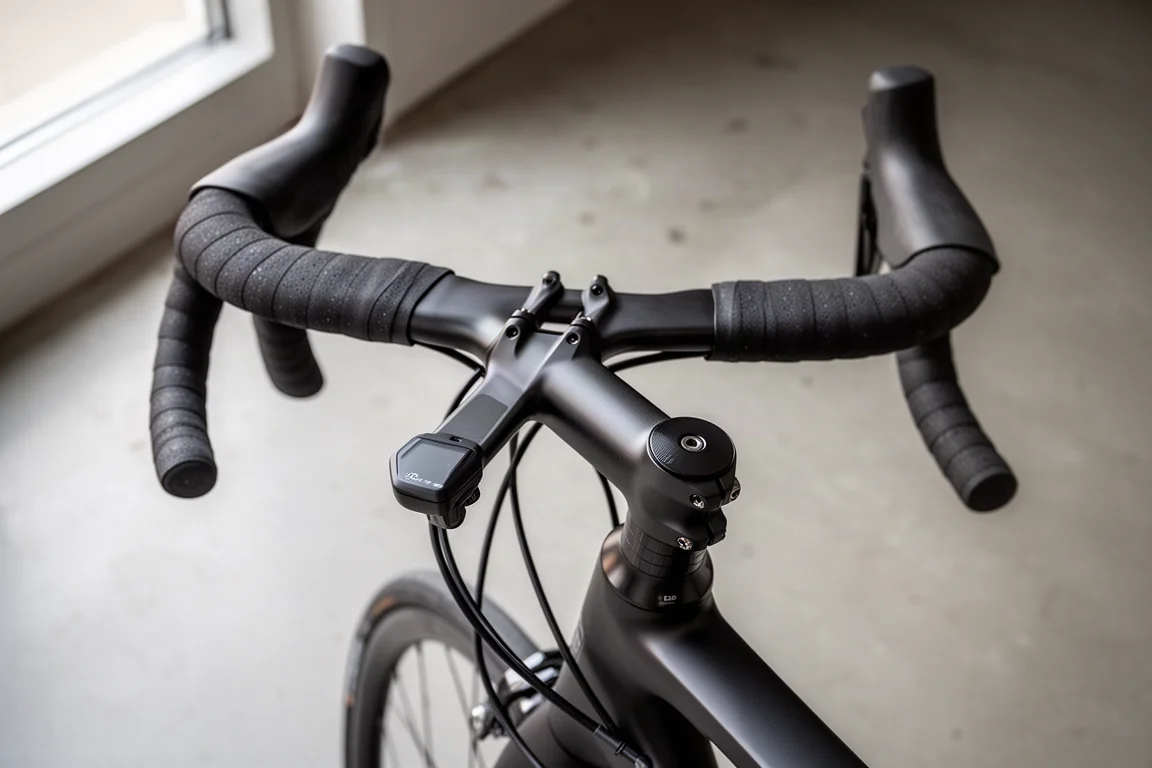
Everything else carries over: the same tube profiles, the same press-fit bottom bracket, the same tire clearance, the same fender mounts and the same internal routing. A D-shaped steerer tube creates space for the hoses inside the headset, and the two-piece stem and handlebar make it easy to swap to a longer or shorter stem or a narrower or wider bar.
Shimano 105 Di2 and Real-World Performance
The Advanced 1 runs Shimano 105 Di2 with hydraulic disc brakes, a compact chainset and a generous 11-36 cassette. Shifting speed and brake performance sit slightly below Ultegra and Dura-Ace, and the rear derailleur looks a little chunkier, but the gap is small. From the hoods, the ergonomics, shifting accuracy and reliability are hard to fault, and the front derailleur is as quick and dependable as anyone needs.
That wide cassette matters more than the badge on the derailleur. On gradients that go well beyond what most riders see, the low gears keep you turning the pedals rather than walking, and they were the difference between finishing a climbing-heavy sportive comfortably and suffering through it.
At 8.6 kg as tested, this is not the obvious choice for a route packed with climbing, yet the weight never held the ride back. The bike is steady rather than supersonic, but it is genuinely quick, and the geometry deserves much of the credit. Over four, five or six hours, the extra comfort keeps you fresher, which means you can keep pushing when a race bike would have left you battered and slowing down. The contact points are well chosen too, with a flattened top section on the handlebar that gives your hands somewhere comfortable to sit on long climbs, grippy bar tape and a saddle that works well as delivered.
Wheels and Tires: The Main Compromise
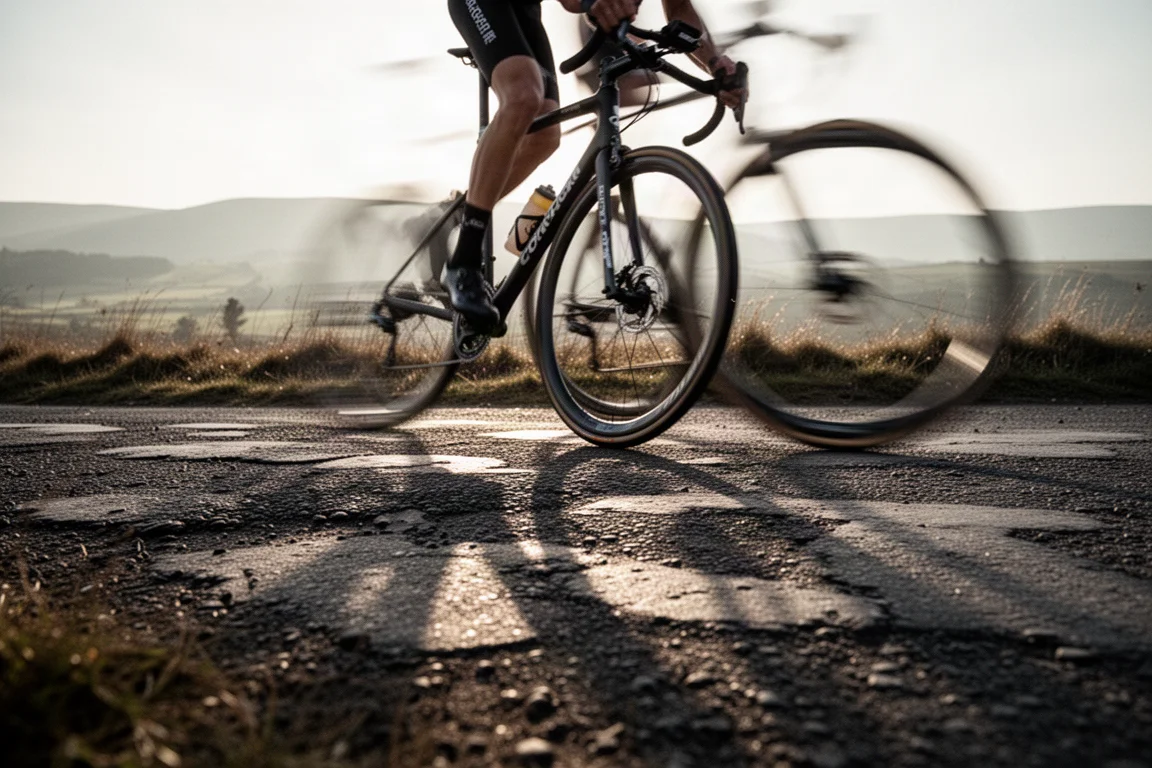
Something has to give at this price, and here it is the wheels and tires. The Advanced 1 uses Giant’s own aluminium wheelset, shared across the entire Advanced range. The rims, round spokes, external nipples and hubs are reliable, but the set weighs around 2 kg and feels noticeably flexy under hard efforts.
The stock 32 mm tires are grippy, durable and useful if your routes include gravel and dirt, with a tread pattern that copes with loose surfaces. They also feel sluggish on smooth tarmac.
Swapping to a 28 mm tubeless performance tire transformed the ride. Speed increased immediately, without needing a power meter or a stopwatch to feel it, and the bike became more responsive at the cost of some outright comfort. Adding a carbon-rim wheelset, which saved roughly 500 g, pushed things further: with the lighter tires the complete bike dropped from 8.6 kg to about 8 kg. The result was faster, more agile, stronger under acceleration on climbs and sprints, and more confident through corners thanks to the stiffer wheels and slightly deeper rim profile.
How It Compares on Price
The value story is where the Advanced 1 gets interesting. A comparable endurance model from another brand with 105 Di2, a similar carbon frame, similar tire clearance and fender mounts asks around £1,000 more. Spending the same money elsewhere can mean stepping down to mechanical 12-speed 105 and swapping wires and batteries for cables, while another rival with a similar carbon frame and better front-end comfort charges around £5,000 for a 105 Di2 build with lower-grade wheels.
A direct-sales brand offers strong value at around £3,000 with a SRAM Rival AXS group set, and its split seatpost delivers better saddle comfort. The trade-offs are less generous tire clearance, no fender mounts and no shop or dealer network to walk into. That last point is easy to underestimate when something needs attention.
Giant also makes the upgrade question concrete. The next step up, the Pro with 105 Di2 and Giant’s own SLR1 42 carbon wheels, costs £4,700, which is a substantial jump for better wheels and tires, a better fork and a few smaller specification changes. Discounts are worth watching, too: this bike has already been seen at around £2,800 at retail, so shopping around can change the maths considerably.
Things to Consider Before Buying
The 8.6 kg build weight is the most obvious number to weigh up. It is not a light bike out of the box, and riders who chase climbs will notice it before they notice anything else.
The wheels and tires are the second consideration. They are the weakest part of the package and the most effective place to spend money later, but they do mean the bike as delivered is not at its best.
The fork uses a lower grade of carbon than the Pro model, which matters if you want the exact specification of the pricier build.
Finally, the riding position is lower than some endurance bikes. Riders who want the most upright possible stance should compare stack figures and, ideally, ride one before committing.
Buying Advice
For most riders, the smart approach is to buy the Advanced 1 and plan for a wheel and tire upgrade rather than stretching to the Pro immediately. Budgeting around £800 to £1,000 for a carbon wheelset and performance tires brings the bike close to the performance of the more expensive model while costing less overall, and it leaves you with the original wheels for winter riding, when salt, grit and bad weather make heavy durable kit the sensible choice.
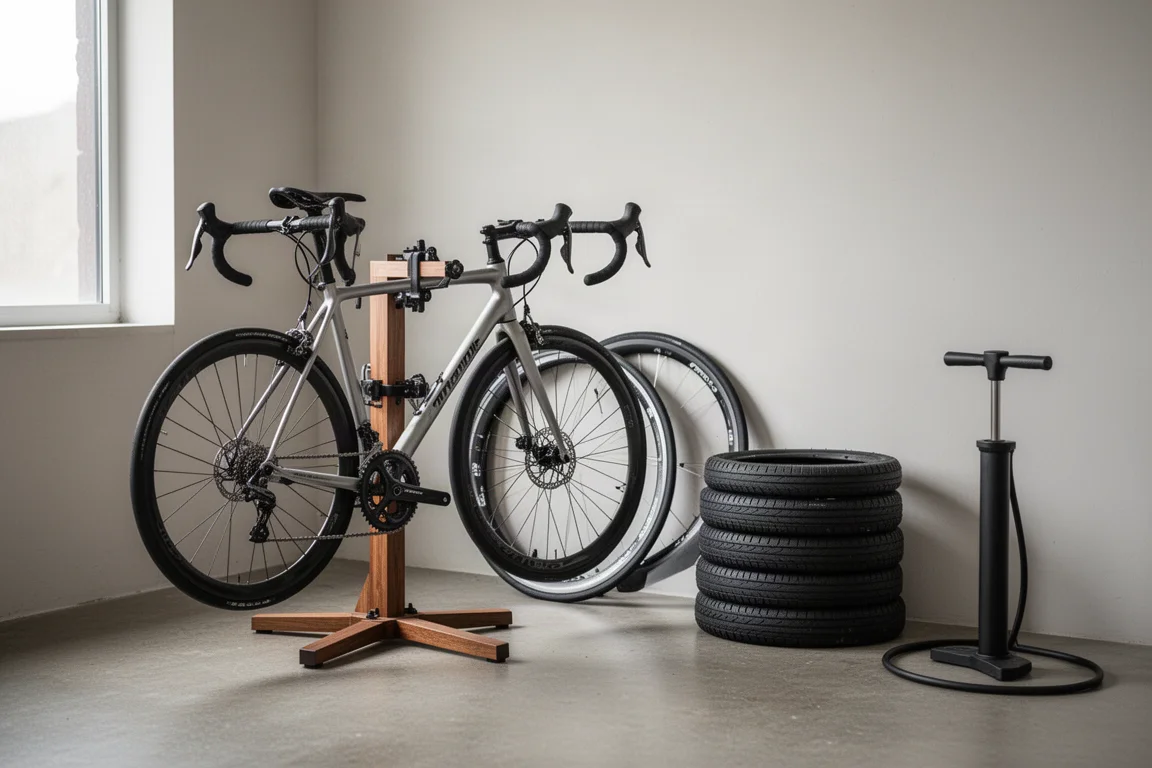
If you would rather not upgrade anything, the Advanced 1 is still a well-rounded bike. The frame, the geometry and the 105 Di2 group set are the parts that matter most, and they are the parts Giant has not compromised on.
Conclusion
The Giant Defy Advanced 1 earns a strong recommendation for value. The frame is the same as the mid-range Pro, the geometry strikes a useful balance between relaxed and responsive, and Shimano 105 Di2 delivers reliable electronic shifting with a cassette range that makes hard climbs manageable. The wheels and tires are the clear weak point, and they are exactly the compromise you would expect at this price from a bike with a carbon frame and fork, electronic shifting and hydraulic disc brakes.
If you are looking for a road bike that is more relaxed than a race machine, and this is your budget, the Defy Advanced 1 deserves a place on your shortlist.
Product link
View more details for Giant Defy Advanced 1
This product is mentioned in the review. Check the specifications, options, and compatibility before buying.
View more details for Giant Defy Advanced 1Further reading
Related Reviews

Road Bikes
10 New Road Bikes Worth Watching: Aero, Titanium, Steel and Endurance Standouts
A practical roundup of 10 new road bikes, from aero flagships chasing single-watt gains to titanium, steel and endurance platforms built for real roads.
Road Bikes
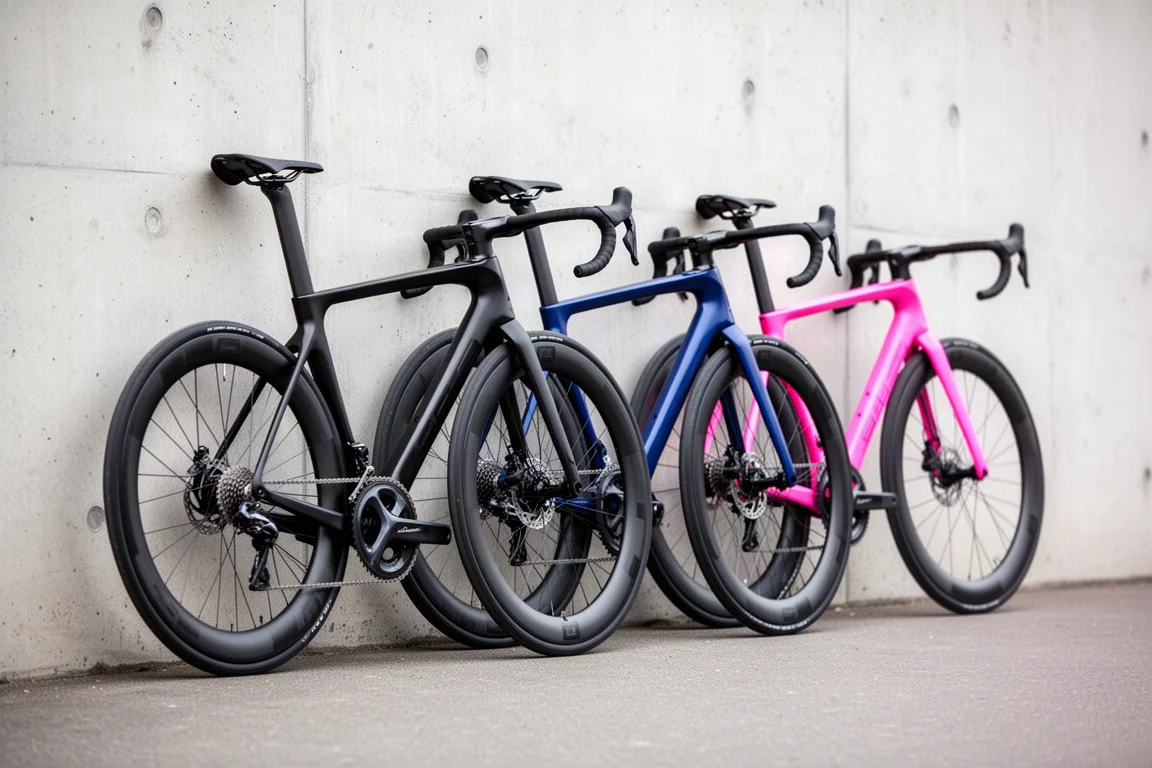
2026 Tour de France Road Bikes: Six Race Machines Worth a Closer Look
Six race bikes from the 2026 Tour de France grid, reviewed for paint, silhouette, wheels and the specification details that matter to buyers.
Road Bikes
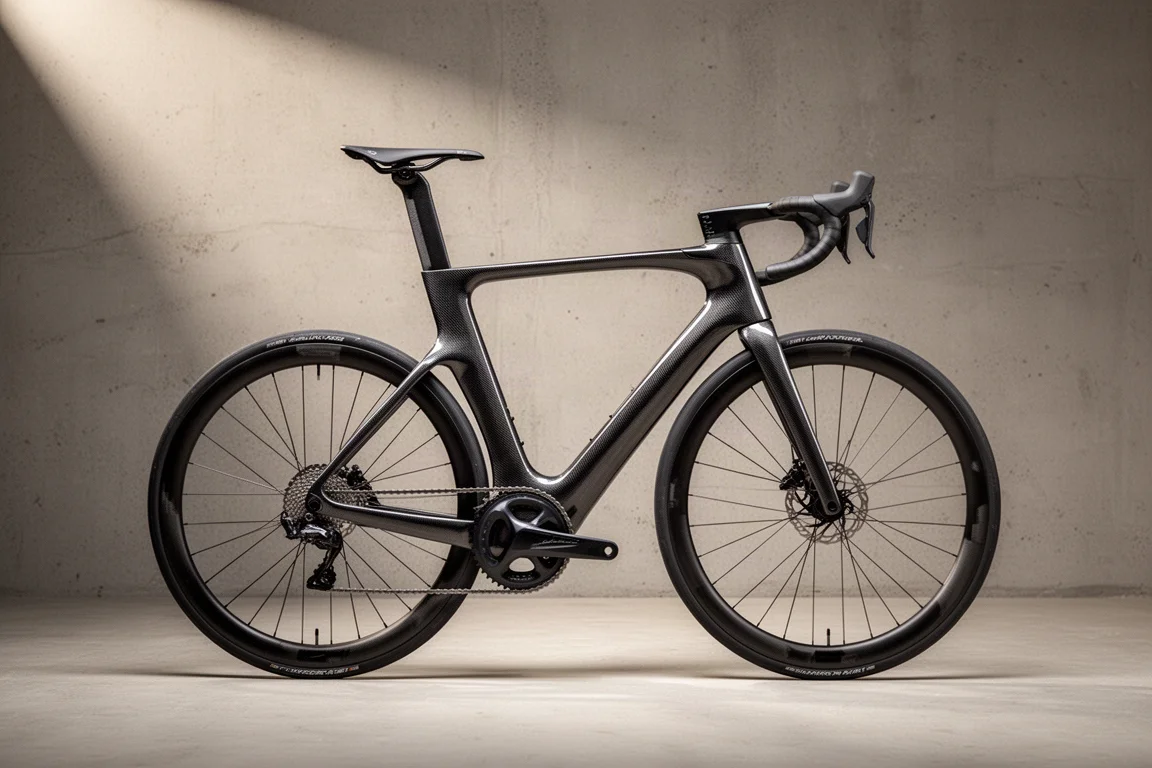
3T Strada Italia Review: A Radical Aero Road Bike That Rides Smooth
A made in Italy carbon aero road bike with a deep head tube, wide tire clearance and a genuinely comfortable ride. Here is what to know before buying.