Aquarium Equipment
GHL PropellerBreeze Review: Evaporative Cooling for Reef Tanks
A practical look at the GHL PropellerBreeze cooling fan line, how evaporative cooling works on a reef tank, and what to check before buying.
Introduction
Reef tank temperatures climb for more reasons than most keepers expect. Heat radiates from the lighting, pumps and other equipment add to it over the course of a day, summertime room temperatures raise the baseline, and a thermostat turned up in winter can push things further. Keeping that temperature inside a safe band matters for coral health, and a refrigerant based aquarium chiller, while effective, is expensive as reefing gear goes, bulky, dependent on plumbing and a pump, and hard on the electricity bill.
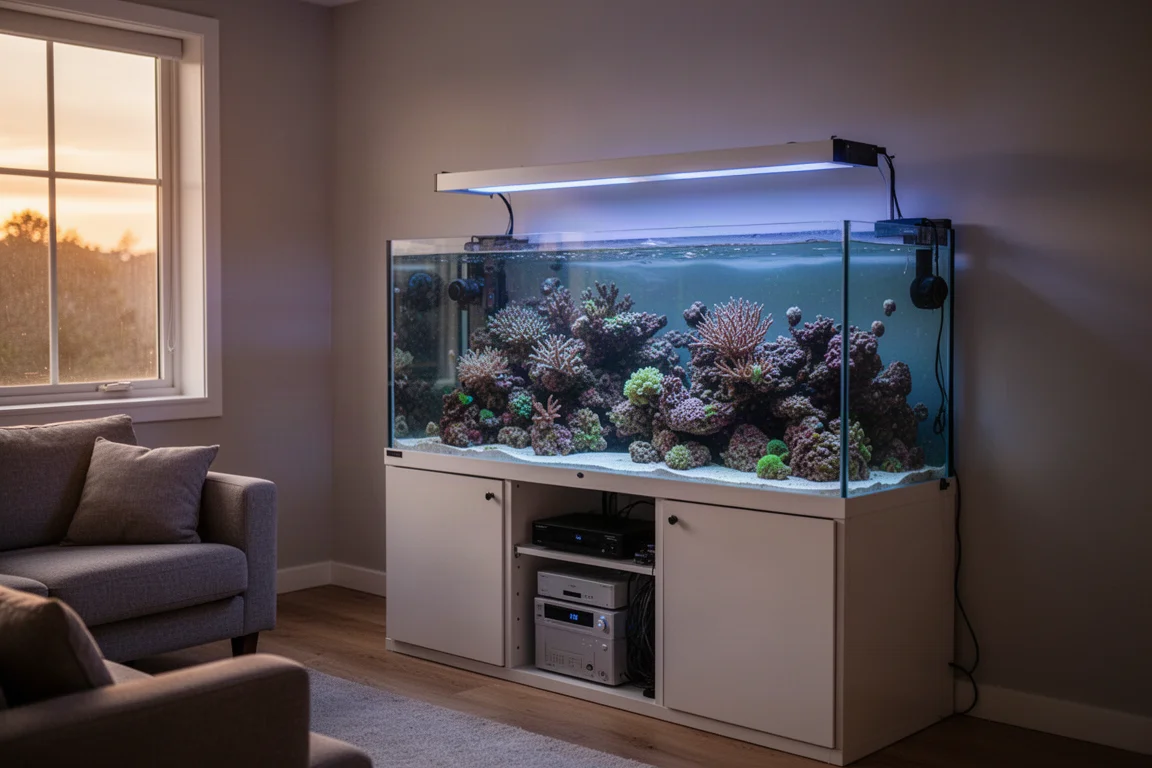
Evaporative cooling offers a much lighter route for reefs that only run slightly warm. Moving air across the surface of the water increases evaporation, and as the water evaporates, latent heat leaves with it, which cools the aquarium. The GHL PropellerBreeze is a fan line built specifically for that job, using 85mm brushless fans to bring tank temperature down by a few degrees while staying quiet and looking the part.
Who the GHL PropellerBreeze Is For
This range suits reefers whose tanks drift slightly above target rather than badly hot. If a system needs to be cooled by five degrees or more, a chiller remains the right tool. For the far more common situation of a tank sitting a couple of degrees too warm, a fan array does the work with none of the plumbing, bulk, or running cost of a refrigerant chiller.
It also makes sense as a step up from improvised cooling. Cheap department store clip-on fans can move air, but they are not designed to sit above saltwater, and they tend to be bulkier and less effective at directing airflow where it is needed. The PropellerBreeze is purpose built for placement over a reef tank, with slim coated metal housings and reef safe plastic mounts.
Main Strengths
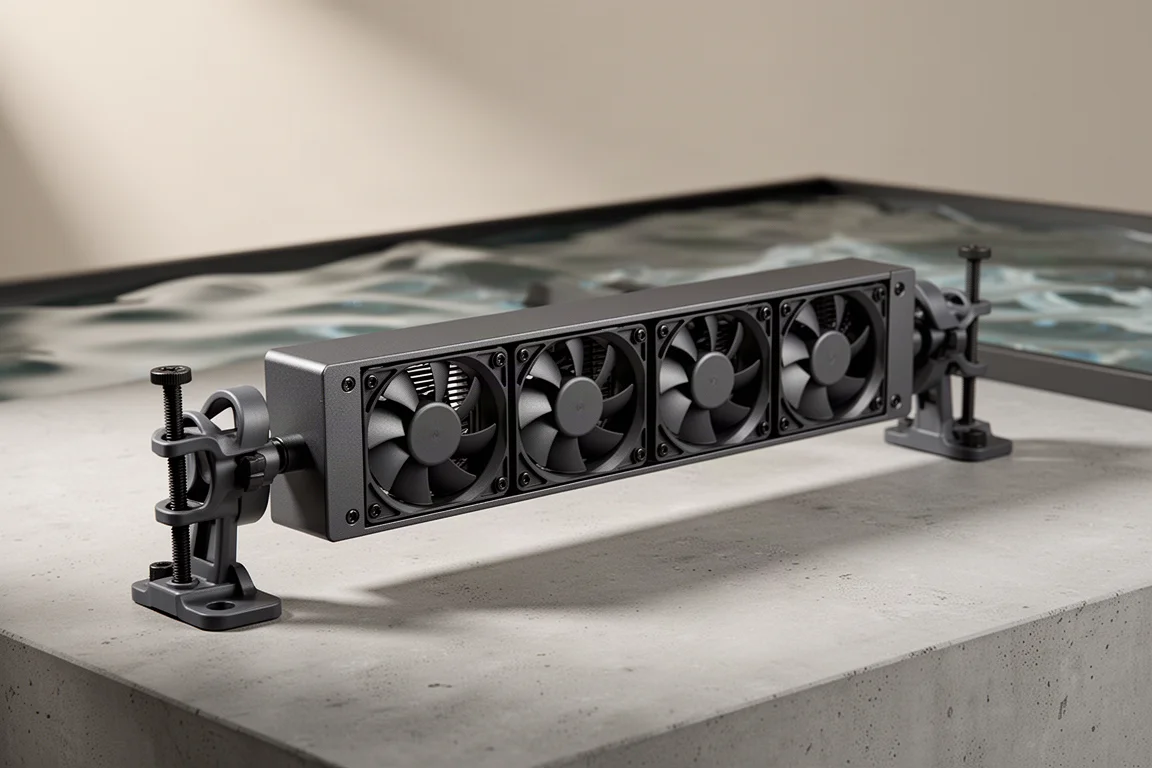
Coverage across tank sizes is one of the strongest points. The line is built around 85mm brushless fans that move roughly 35 CFM each, and there are five models offering two, three, four, five, or six fans. Housing lengths run from just over seven inches up to just under 22 inches, so the range stretches from small nano reefs through to larger reef systems.
Build quality is clearly a priority. The housings are slim, lightweight, and coated metal, while the mounts are reef safe plastic that hold firm with thick nylon screws. The clamps pivot, which makes it easy to angle airflow down toward the water surface, and they fit onto panels around three quarters of an inch thick.

Noise is handled well too. Compared with similar PC style fans, the PropellerBreeze runs quietly, which matters for any tank kept in a living space. In an otherwise silent reef setup the fans will still be audible when they switch on and you are standing right next to the tank, but the sound stays unobtrusive.
Getting started takes almost no effort. The box contains the fan unit and a power supply with an assortment of prongs, and the fan is ready to run straight out of the box: clamp it onto the tank, plug it in, and use the inline switch to start it spinning.
Things to Consider Before Buying
Because these fans cool through evaporation, they increase the tank’s top-off demand. More evaporation means more freshwater needs to be replaced, so an auto top-off system or a reliable manual routine is worth having in place before adding fans to a system.
Control is the other thing to plan for. The simplest approach is a timer that runs the fans on the same schedule as the lighting, which suits heat generated by the lights themselves. A temperature controller or an aquarium controller gives better results, switching the fans on only when the tank exceeds its target range and acting as a redundancy against the common causes of temperature spikes.
If you are setting thresholds, leave a gap between heating and cooling. A typical arrangement is a heater set to the target temperature and the fans set to come on about 1.5 to 2 degrees above it, which keeps the heater and the fans from competing with each other.
For finer control, GHL offers a 0 to 10 volt controller that lets the fans run at lower speeds and ramp up or down as required, which holds a tighter temperature range. That option pairs naturally with a GHL ProfiLux system.
Buying Advice
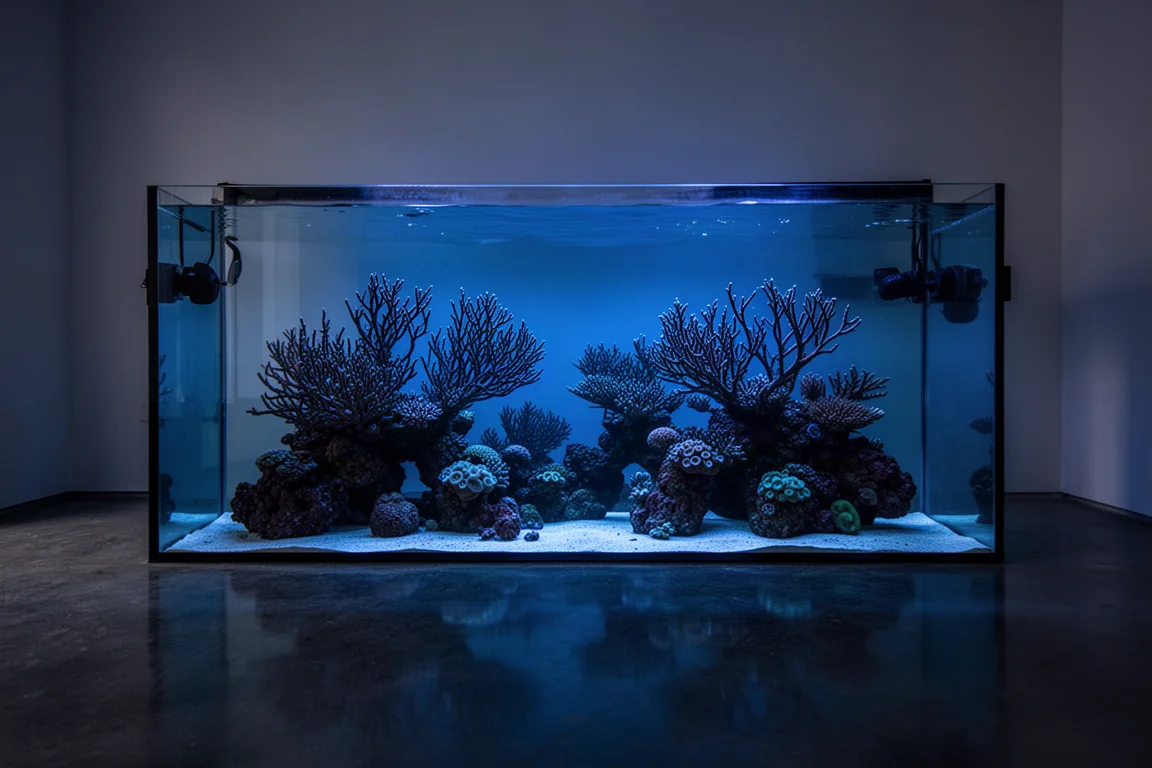
Pick the fan count around tank size and the amount of cooling you actually need rather than defaulting to the largest model. Two or three fans suit a nano or small reef, while the longer five and six fan housings fit larger systems. A wider array spreads airflow across more of the water surface, and that surface area is where the cooling effect comes from.
Decide on the control method at the same time as the fan itself. A timer is the least involved option, a temperature or aquarium controller adds automatic protection against spikes, and the GHL 0 to 10 volt controller delivers the smoothest proportional response, particularly on a ProfiLux system.
Conclusion
The GHL PropellerBreeze is a focused answer to a specific problem: tanks that run a few degrees too warm and do not warrant a full chiller. It delivers genuine airflow, quiet operation, and reef-oriented build quality to a task that is too often handled with improvised clip-on fans. Match the model to your system, plan for the extra evaporation, and set your control thresholds with a sensible gap.
Product link
View more details for GHL PropellerBreeze
This product is mentioned in the review. Check the specifications, options, and compatibility before buying.
View more details for GHL PropellerBreezeFurther reading
Related Reviews
Aquarium Equipment
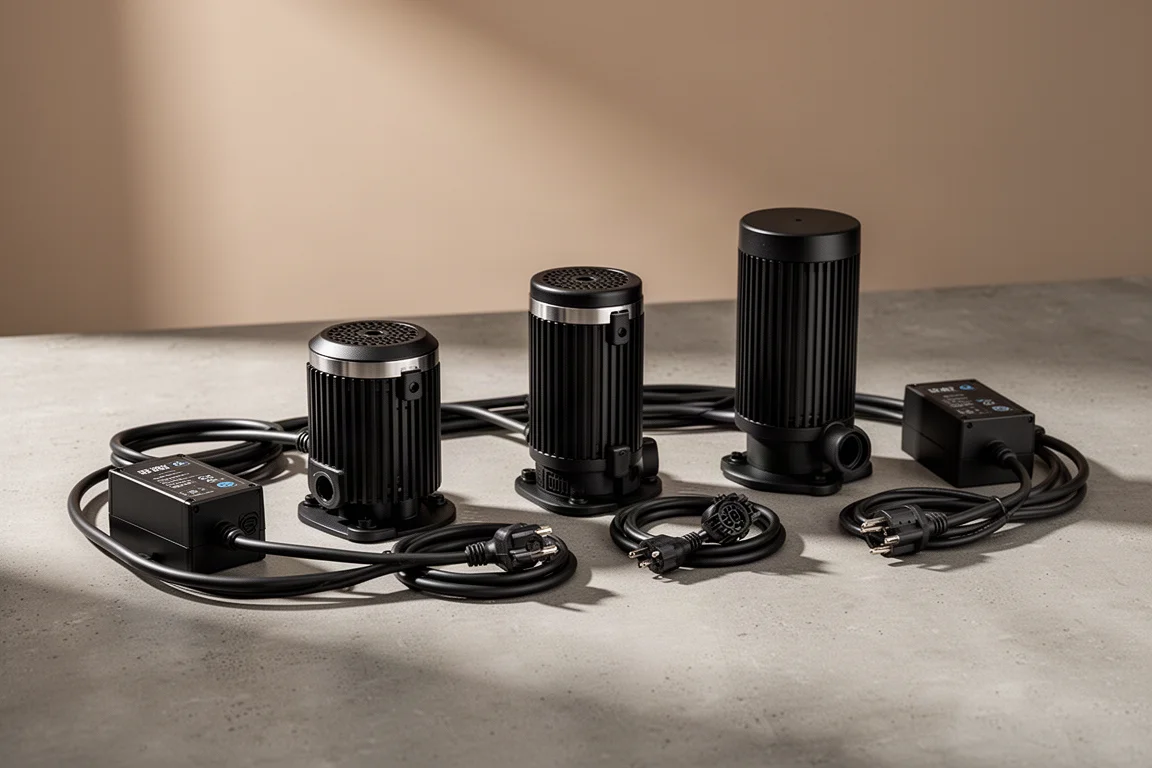
Abyzz Professional DC Pumps: A100, A200, and A400 Reviewed
A closer look at three German-made DC return pumps built for large reef systems, with titanium internals, fine flow control, and a 10-year warranty.
Aquarium Equipment
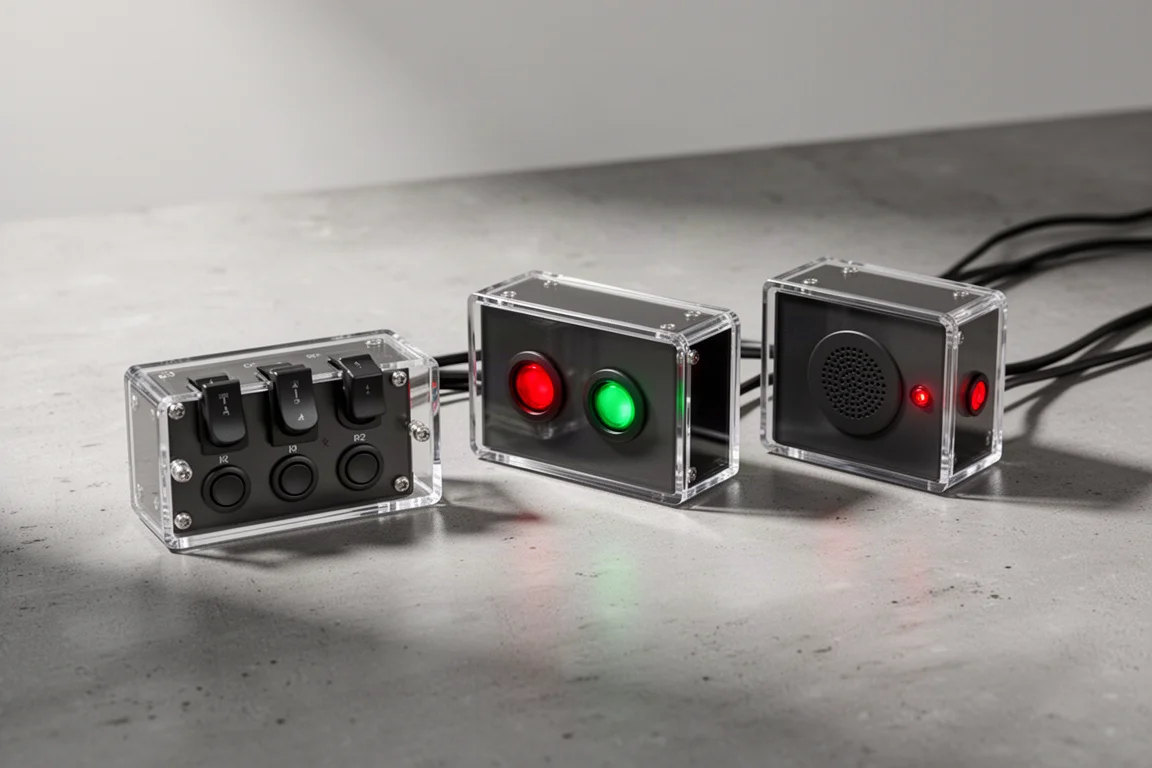
AdaptiveReef Controller Accessories: Three Tactile Upgrades for Your Reef Controller
A practical look at three AdaptiveReef add-ons that put physical switches, at-a-glance status lights, and a loud alarm within arm's reach of your reef tank.
Aquarium Equipment
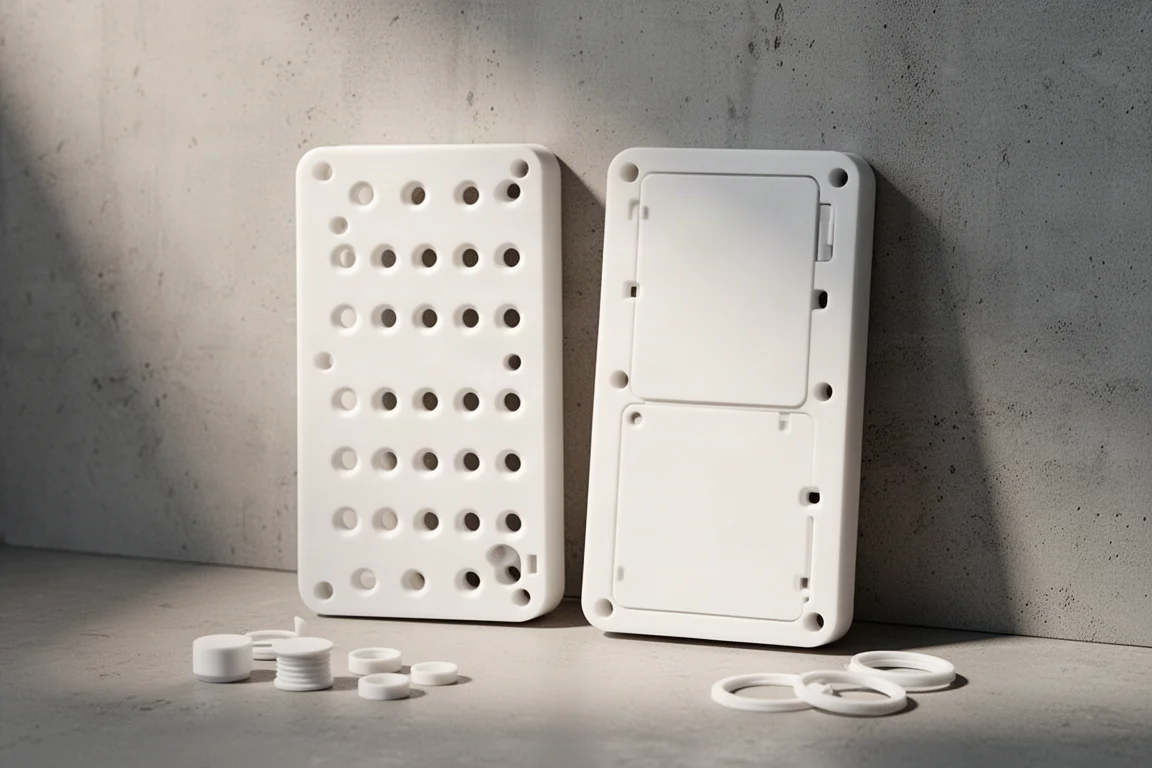
Adaptive Reef Controller Boards: Basic vs Deluxe for Cleaner Aquarium Gear
A practical look at the Adaptive Reef Basic and Deluxe controller boards, what each one includes, and how to choose the right size for your tank gear.