Headphone Amplifiers
Geshelli Labs Archel 3 Pro Review: A Wooden Headphone Amp and Preamp With Tone Controls
A desktop headphone amplifier and preamp with discrete op amps, balanced and single-ended inputs, and defeatable bass and treble controls.
Introduction
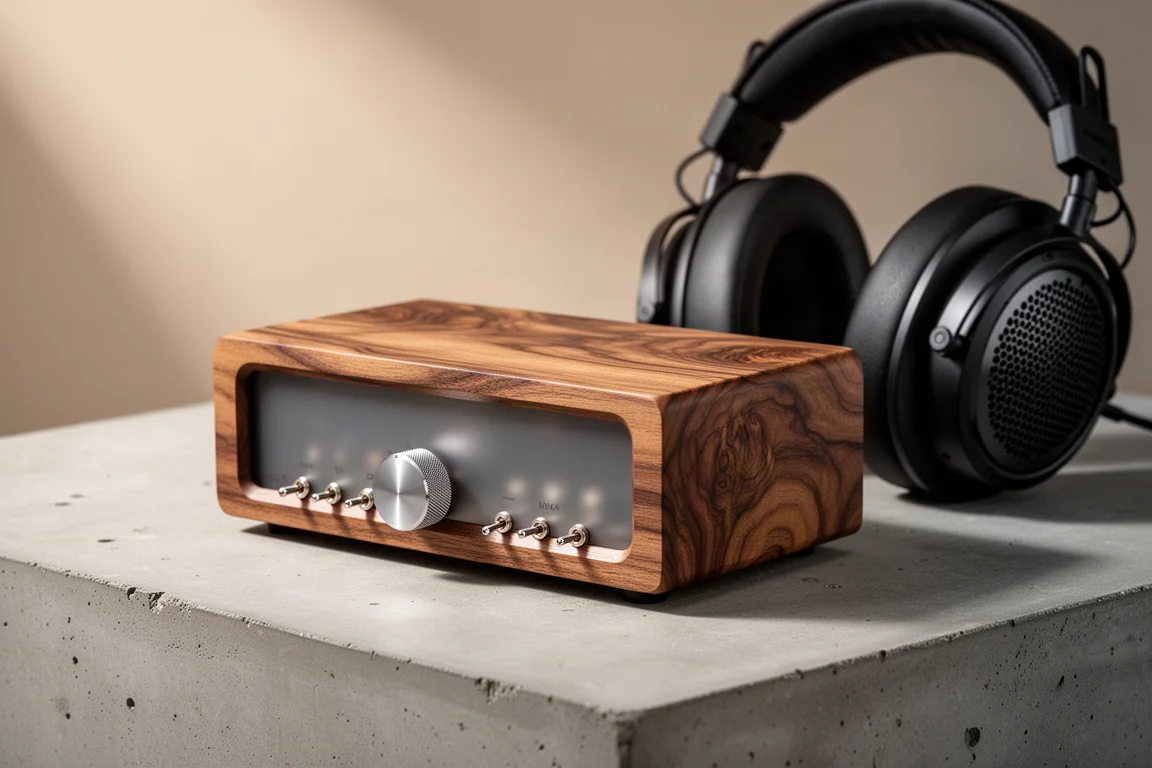
Geshelli Labs has built a following around compact, hand-finished desktop audio gear, and the Archel 3 Pro is the most fully equipped headphone amplifier and preamp the family-run Florida company has produced so far. It keeps the familiar Geshelli Labs approach, a small chassis, an uncomplicated control layout, and a wooden enclosure, while adding something earlier models did not offer: bass and treble tone controls.
That combination makes it unusual in its price class. Most headphone amplifiers ask you to accept their voicing as it is. The Archel 3 Pro instead includes a defeatable tone stage, so you can run the signal path completely clean or nudge the low and high end to suit the headphones you already own.
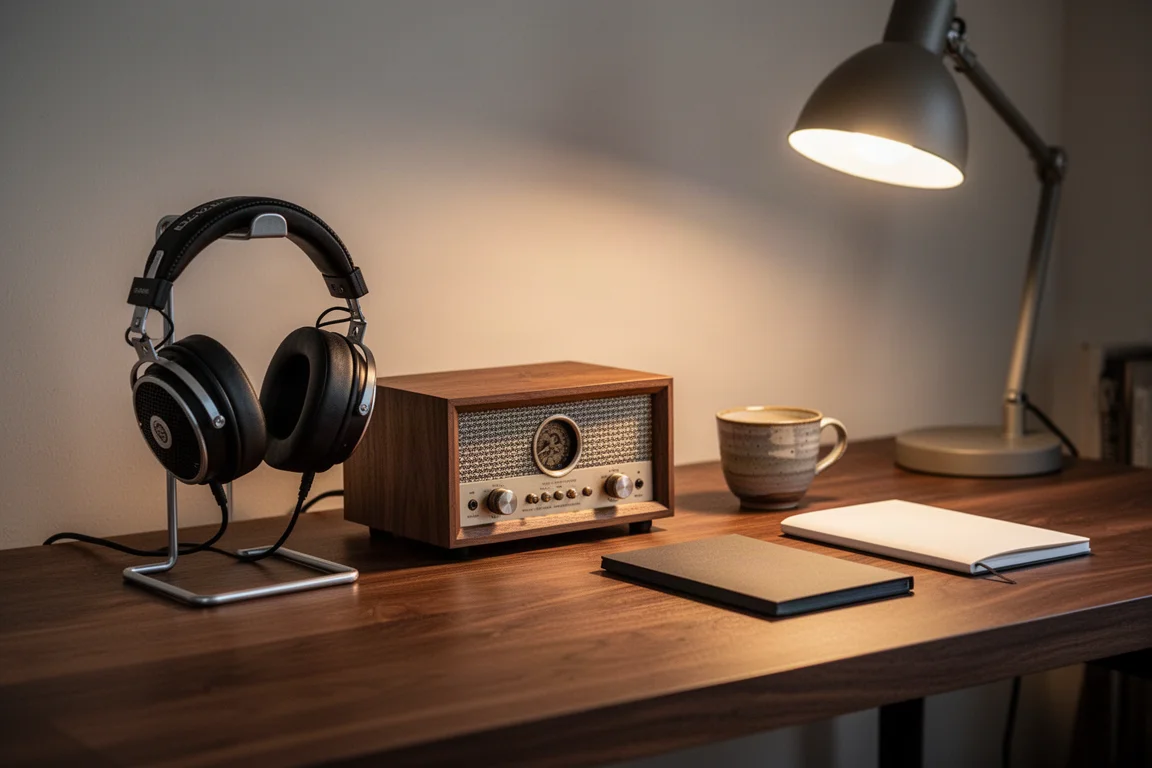
The rest of the feature set is aimed at listeners who want one box to do more than drive headphones. There is a gain switch, two analog inputs, and a set of preamp outputs for feeding a power amplifier, which turns a desktop headphone amp into the control centre of a small system.
Who the Archel 3 Pro Is For
This is a desktop-first product. There is no remote control, so it makes the most sense within arm’s reach, sitting next to a DAC and a pair of headphones. Anyone building a compact headphone station around a DAC with balanced outputs will appreciate having input selection on the front panel.
It also suits listeners who keep several pairs of headphones in rotation. Rather than swapping to a different headphone to chase more low end or a softer top end, you can adjust the tone controls and stay with the pair already on your head. That alone can reduce the temptation to keep buying headphones in search of the right voicing.
Finally, it works as a straightforward analog preamp. If you have a DAC and a power amplifier, or a pair of monoblocks, the Archel 3 Pro can sit between them as the volume, input selection, and tone control point for the whole system.
Main Strengths and Sound Quality
With the tone controls defeated, the Archel 3 Pro delivers an extremely clean signal, and the discrete op amps from Sparkos Labs are a meaningful part of that result. Discrete op amps are premium parts, and their inclusion helps explain where part of the cost goes. The amplifier is rated at more than two watts into 16 ohms, which is enough headroom to drive a wide range of headphones without strain, and the rated dynamic range of around 127 dB is unusually high. The signal-to-noise ratio is similarly low, to the point where further improvements would be difficult to hear.
In practice, that translates into an amplifier that sounds composed rather than coloured. It has driven every headphone paired with it, including the HiFiMan Edition XS, and the power delivery never felt lean or limited. The build quality reinforces the same impression: the volume control is a knurled metal knob, the enclosure is carved wood, and the switches have a solid, deliberate feel. Buyers can choose from a range of wood types, so the amplifier can be matched to the rest of a desk rather than simply tolerated on it.
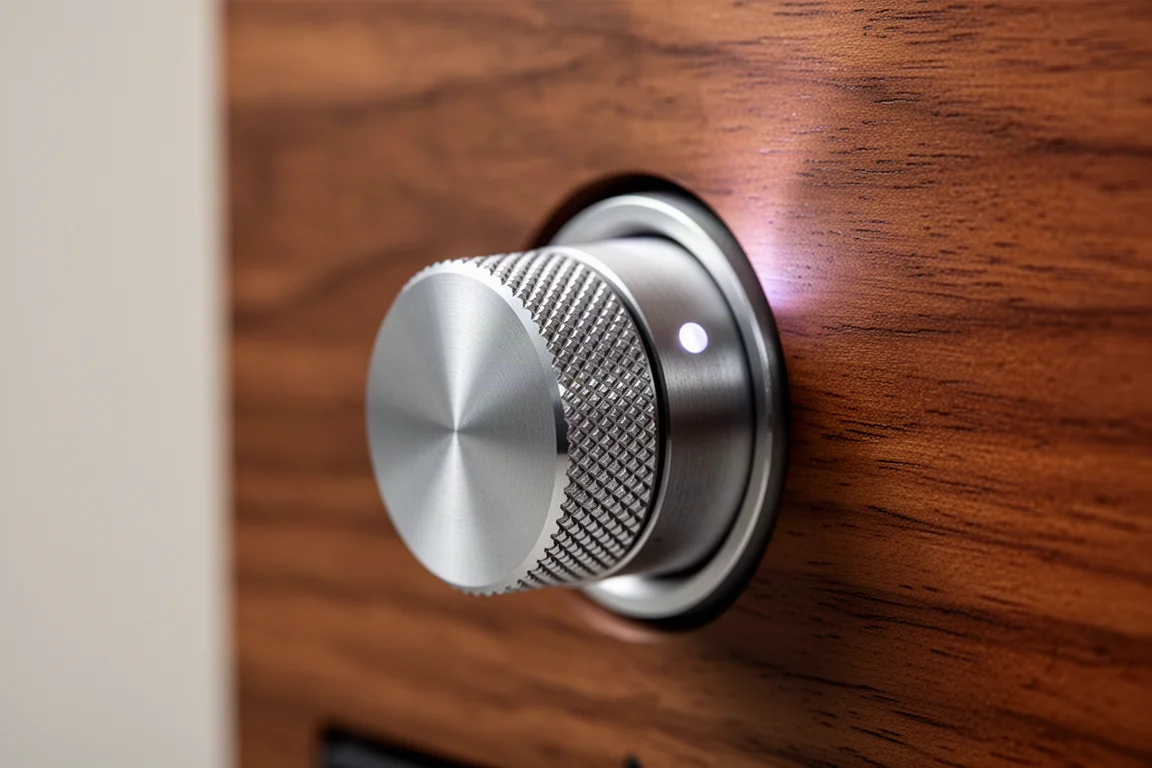
The step up from the Archel 2.5 is clear in more than one dimension. The Archel 3 Pro is cleaner, adds tone controls, and brings more refined hardware and functionality, while keeping the same recognizable design language that the company has stuck with across its lineup.
Tone Controls in Practice
Tone controls are the feature that changes how the Archel 3 Pro is used day to day. Bass and treble adjustments are available on the front panel, along with a defeat switch that removes them from the signal path entirely when you want the cleanest possible output.
The practical benefit shows up with headphones that are almost right. The Monolith M1070C, for example, becomes far more enjoyable with a small bass boost and a touch of treble reduction, and the tone controls make that adjustment possible in seconds rather than through a change of hardware. Headphone voicing is a compromise by nature, and a defeatable tone stage lets you correct for personal taste instead of living with it.
Connections and Preamp Flexibility
The rear panel keeps things simple and useful: one set of balanced XLR inputs, one set of single-ended RCA inputs, and one set of single-ended RCA outputs that serve as preamp outputs. That gives two analog inputs in total, one of which can be balanced, which is a sensible arrangement for a desktop system.
A typical chain looks like this: a Geshelli Labs J2 DAC connected over XLR, a phono preamp connected to the single-ended input, and the preamp outputs feeding a power amplifier. Because the outputs are single-ended, some balanced power amplifiers will need a single-ended to balanced cable, as is the case with the Topping L90. Single-ended power amplifiers are a more direct match, and options such as the Emotiva A1 monoblocks, the smaller Emotiva A2 mini, the Aiyima A07 Pro, or the Fosi Audio BT20A can all be driven from the preamp outputs.
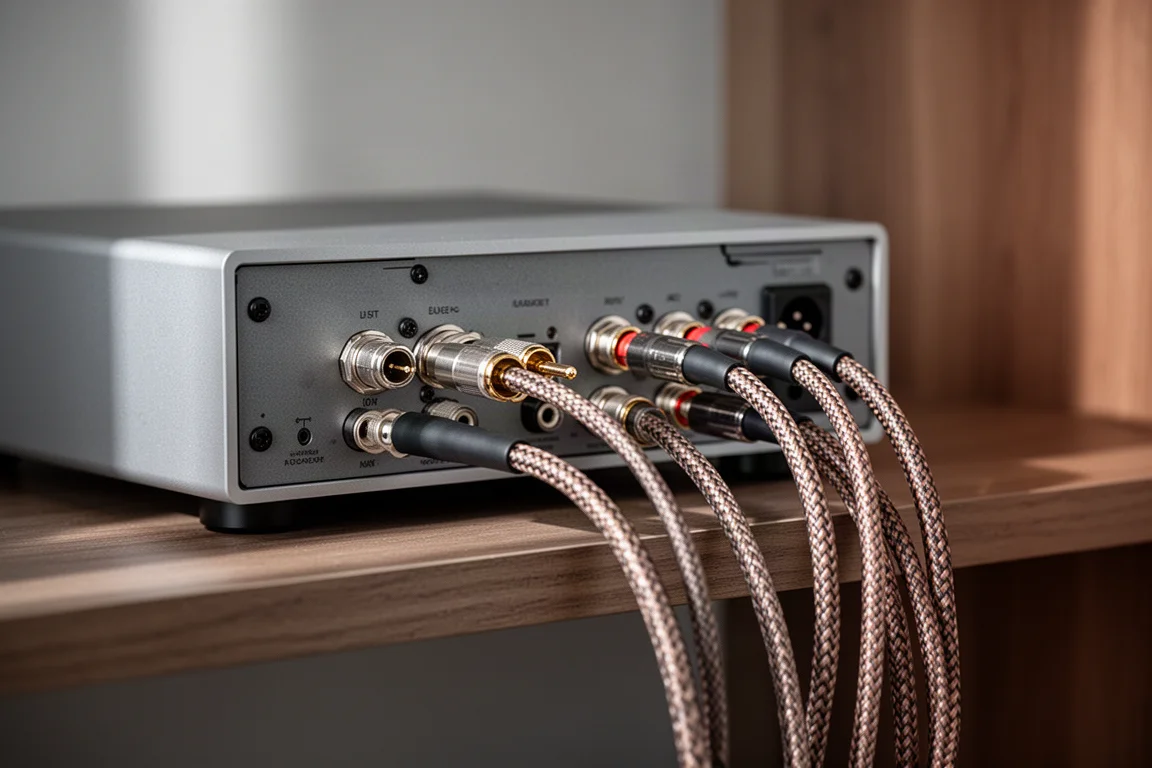
There are no digital inputs on the Archel 3 Pro, so it needs a DAC or an analog source upstream, and there is no remote control, which keeps it firmly in the desktop category rather than the living room.
Things to Consider Before Buying
The absence of a remote control is the most obvious limitation. Volume changes mean reaching for the front panel, which is fine at a desk but less convenient if the amplifier sits across the room. Running a streamer into the system and controlling level digitally is possible, but it is not the intended way to use the product.
There are no digital inputs, so the amplifier cannot replace a DAC. It also cannot be used with headphones that need a balanced cable, since the headphone output is single-ended, although the inputs and preamp outputs cover both balanced and single-ended sources and power amplifiers.
Pricing depends on the wood selected, with the amplifier landing around $499 depending on the finish chosen. Popular Geshelli Labs products also have a habit of going on back order, so availability can be intermittent. Finally, the volume knob is secured with a set screw, and pulling on it can damage the control, so adjustments should be made by turning the knob rather than lifting it.
Buying Advice
At around $499 depending on the wood, the Archel 3 Pro costs roughly twice as much as the Archel 2.5, which sits nearer $220. The question is whether the extra spend is worth it, and for many listeners the answer depends on how much they value tone shaping. If you have ever wished a favourite headphone had a little more low end or a slightly gentler treble, the tone controls alone justify the difference, and the cleaner signal path and more substantial hardware make the rest of the case.
If you simply want a clean, no-frills headphone amplifier and never expect to touch a tone control, the Archel 2.5 remains the more economical choice and covers the same core job. Buyers who want the preamp outputs, the additional analog input, and the ability to fine-tune their headphones will find the Archel 3 Pro the more complete product of the two.
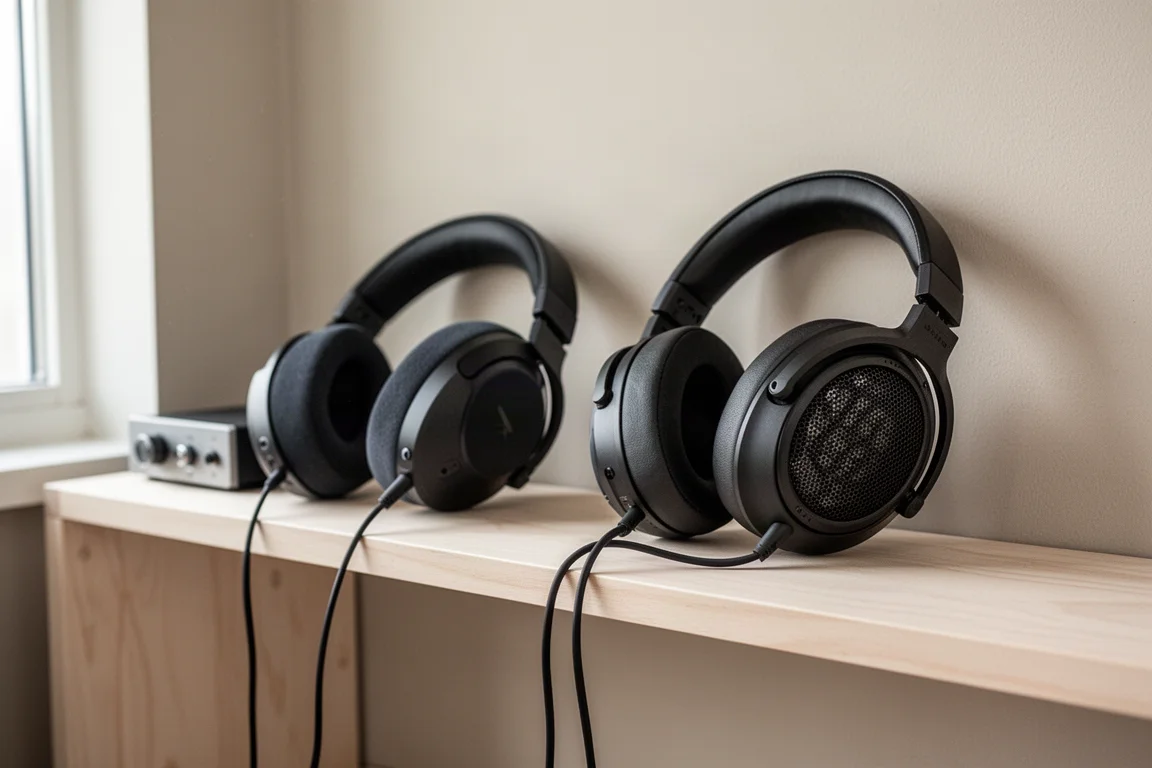
It is worth choosing the wood finish deliberately, since it is part of the price and part of the appeal. And if a particular configuration is out of stock, it is usually worth waiting rather than settling for a different model, because the tone controls are the feature that makes this amplifier distinct.
Conclusion
The Geshelli Labs Archel 3 Pro earns its place at the top of the company’s headphone amplifier range. It is clean out of the box, powerful enough for a wide range of headphones, flexible enough to serve as a preamp, and unusual in offering defeatable bass and treble controls in a desktop amplifier. The wooden enclosure and knurled controls make it a pleasure to use rather than merely a box on a desk.
The trade-offs are real but narrow: no remote, no digital inputs, and a price that depends on the wood you choose. For anyone building a headphone-focused desktop system who wants to tune the sound to their own taste, the Archel 3 Pro is an easy recommendation and a strong long-term foundation for the rest of the chain.
Product link
View more details for Geshelli Labs Archel 3 Pro
This product is mentioned in the review. Check the specifications, options, and compatibility before buying.
View more details for Geshelli Labs Archel 3 ProFurther reading
Related Reviews
Headphone Amplifiers
Creative Labs Sound Blaster X5 Review: A Flexible USB DAC and Headphone Amp
The Sound Blaster X5 pairs a fully balanced dual-DAC headphone amp with DSP, mixing, recording, and console audio in one compact USB-powered enclosure.
Headphone Amplifiers
Fosi Audio K5 Review: A Tiny Budget DAC Amp for Travel, Gaming, and Hotel Listening
A compact USB-C DAC amp with tone controls, optical and coaxial inputs, and a clean mid-forward sound that suits efficient headphones and IEMs.
Headphone Amplifiers
Fosi Audio SK01 Review: A Tiny Headphone Amp That Doubles as a Three-Band EQ
A compact $72 audio box with treble, mid-range, and bass controls, a loudness button, and a capable headphone stage. Here is where it earns its place.