Cycling
Genesis Vagabond 20 and Vagabond 10 Review: Steel Monster Cross Bikes Compared
Genesis offers two steel Vagabond builds for loaded off-road riding. Here is how the £2,299.99 Vagabond 20 and the £1,799 Vagabond 10 differ, and who each one suits.
Introduction
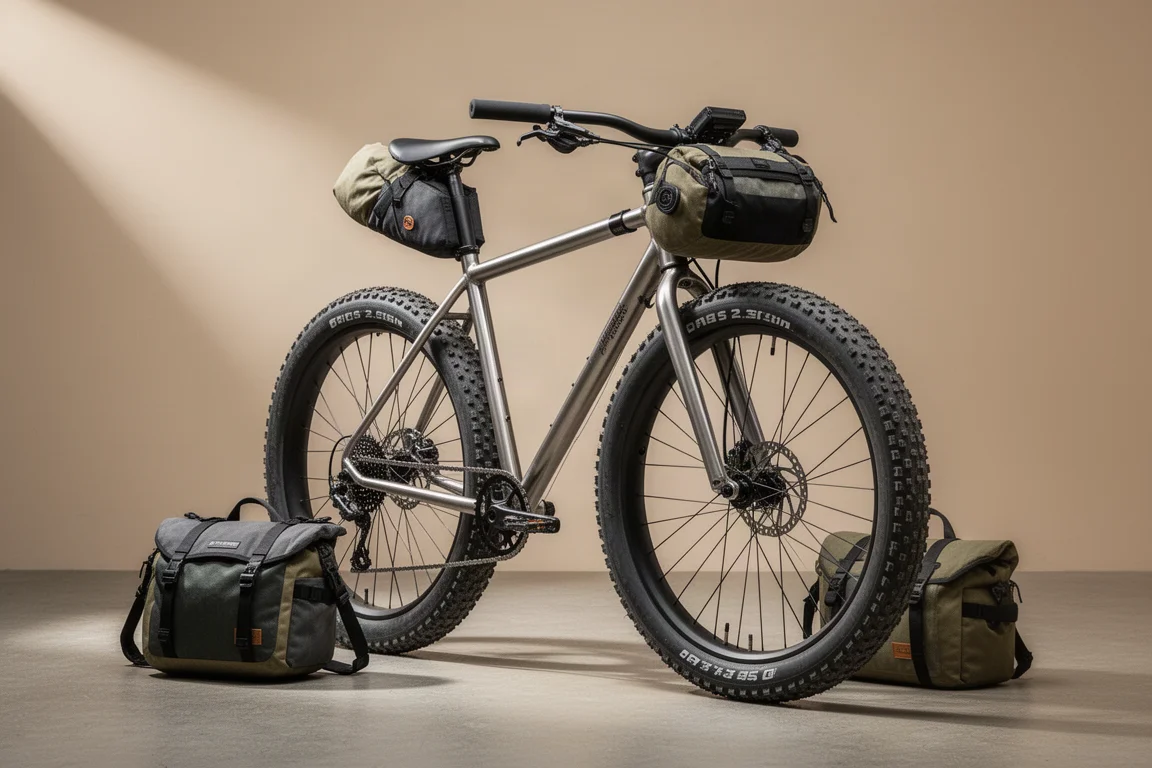
Genesis has released the latest version of the Vagabond, a steel drop-bar bike that sits somewhere between gravel, touring, and rigid mountain bike territory. It runs mountain bike tires, a very slack front end, and a frame covered in mounting points. Two builds are offered, and the gap between them comes down to gearing and brakes.
What the Genesis Vagabond Range Offers
Both Vagabond models share the same foundation: a steel frame with drop seat stays and a steel fork, a dropper-post-compatible seat tube, and a 1x drivetrain built around a 34-tooth chainring. The wheels are tubeless-ready Genesis rims fitted with 2.35in mountain bike tires, and there is clearance for that volume on every size. The frame is designed to take a load, so the bike makes most sense when it is used for long days out, loaded riding, or mixed surfaces rather than fast tarmac.
Genesis is the in-house brand of Madison, a large UK distribution company, so the Vagabond is a production model rather than a small-batch frame. Sizes run from extra small to extra large, and the range is positioned around durability and long-term ownership rather than racing.
Genesis Vagabond 20: The Higher-Spec Build
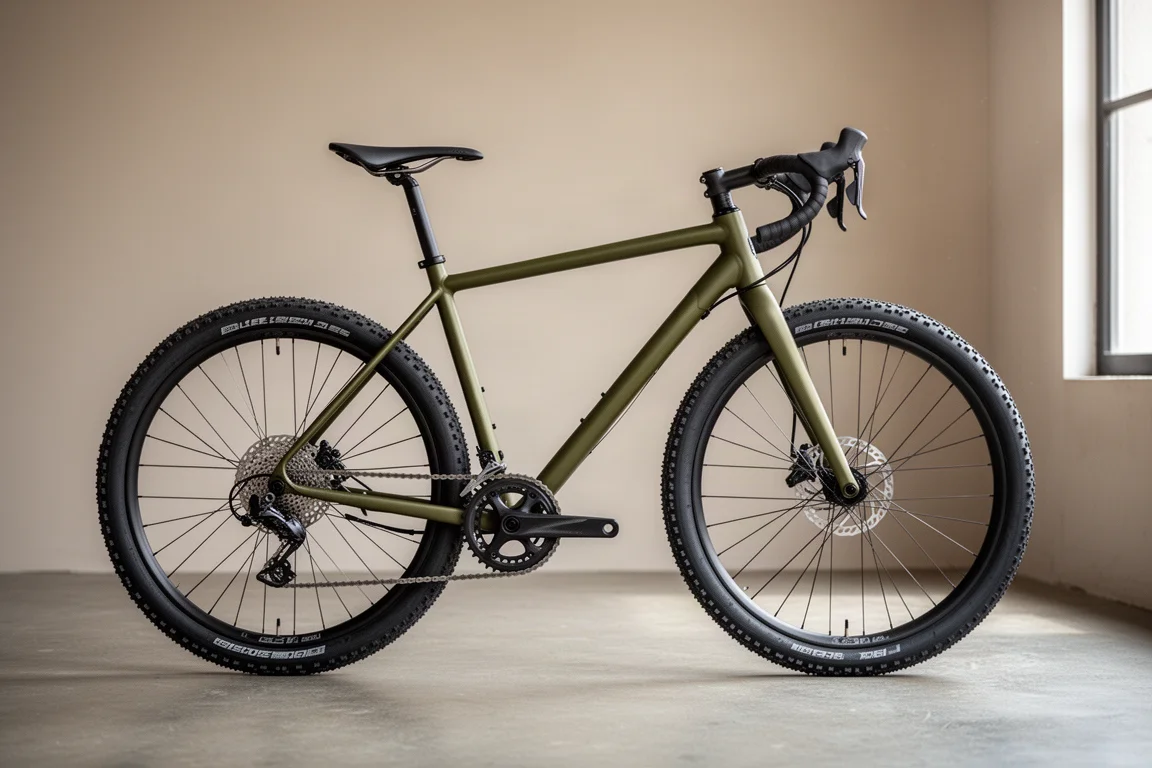
The Vagabond 20 is the higher-specification of the two. It pairs a SRAM Apex Eagle 1x12 drivetrain with SRAM Apex hydraulic disc brakes, using a 180mm rotor up front and a 160mm rotor at the rear. That front rotor is unusually large for a drop-bar bike and is the sort of specification normally found on mountain bikes, which starts to make sense once the bike is loaded with luggage and needs consistent stopping power and cooling.
The complete bike weighs around 12.83kg without pedals or a computer mount. The wide gear range means climbing is rarely a problem at that weight. It will not be fast, but it will get up the steep stuff.
Pricing is £2,299.99.
Genesis Vagabond 10: The Lower-Cost Alternative
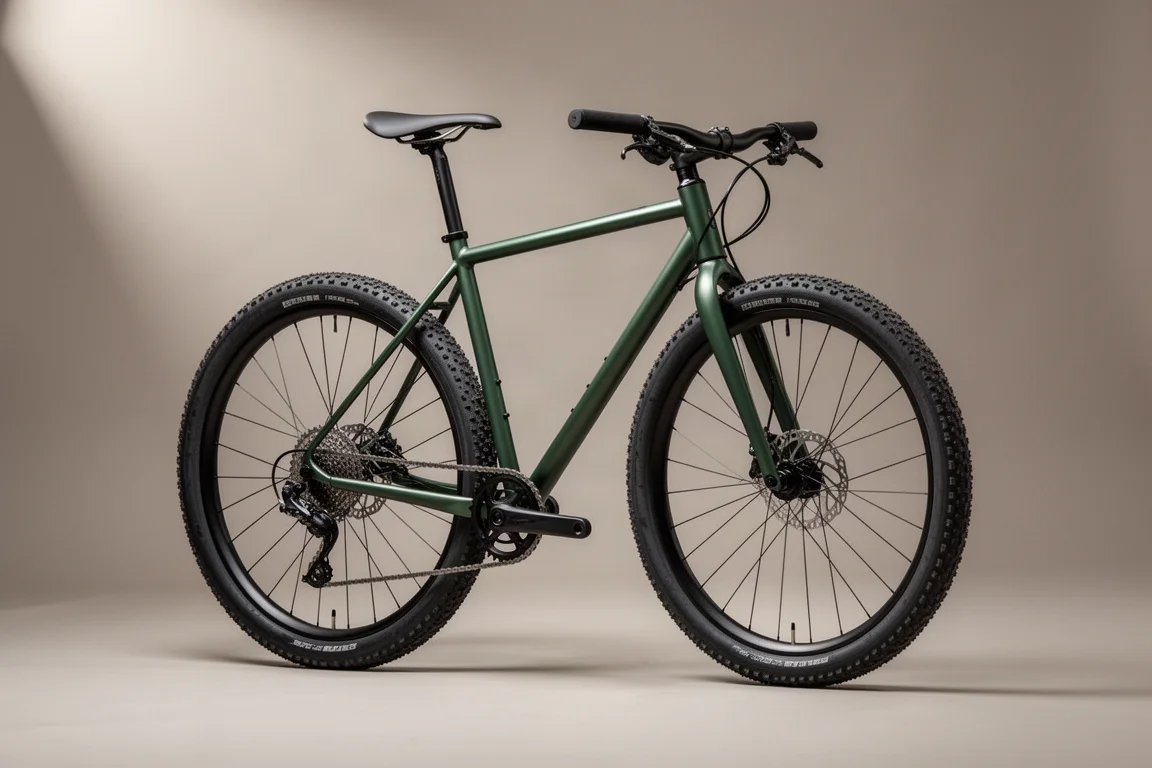
The Vagabond 10 costs £1,799, which is £500 less than the 20. The savings come from two fewer gears, a narrower overall gear range, and mechanical disc brakes in place of hydraulic ones. Those brakes are TRP Spyre units with dual-piston calipers, so they press on the rotor from both sides rather than one, which gives more power and a better lever feel than a basic mechanical setup.
For riders who plan to travel far from bike shops, cable brakes have a real advantage. They are simple to adjust and easy to repair with spare cables. The trade-off is a little less bite and a narrower range for the steepest climbs.
Frame Mounts and Carrying Capacity
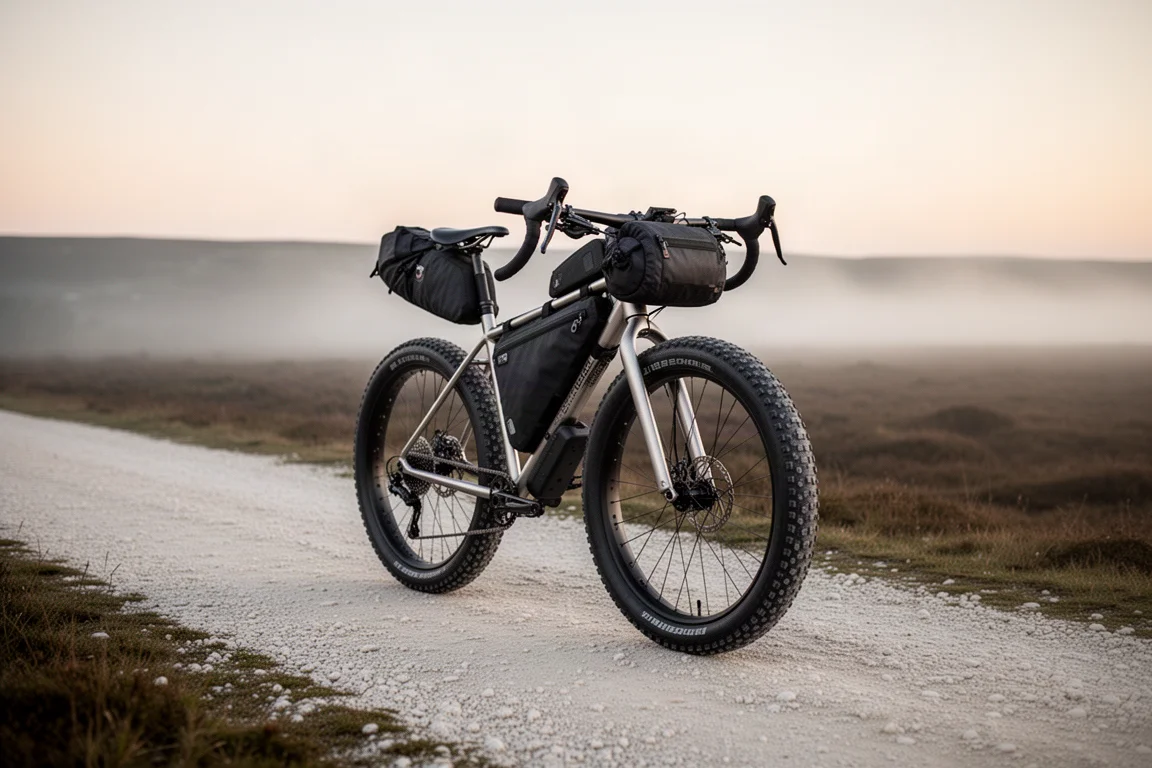
Carrying capacity is where the Vagabond makes its case. There are bottle cage mounts on the top tube, two mounting positions on each fork leg, and additional mounts inside the frame triangle. On everything except the smallest frame, three bottles can fit inside the front triangle. Rack mounts and mudguard eyelets are included as well, so racks, bags, and fenders can be fitted without adapters.
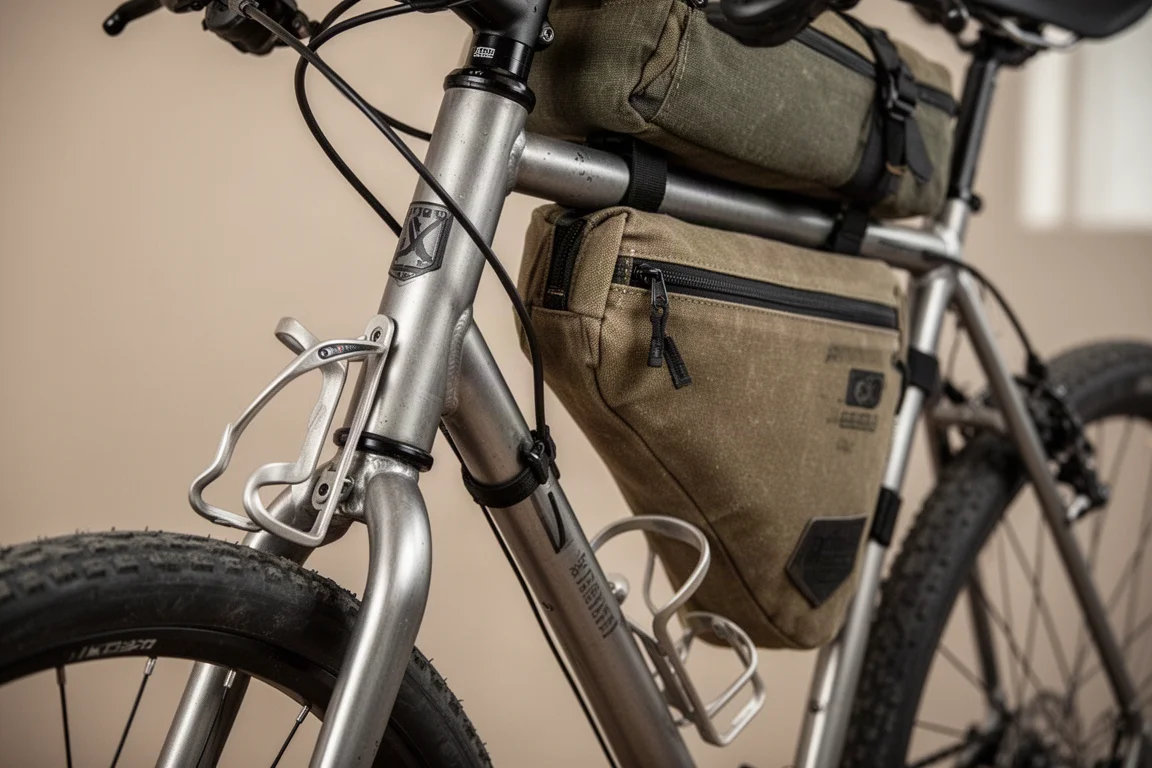
For remote trips, that spread of mounting points means water, tools, and luggage can be distributed across the bike instead of concentrated in one place, which keeps the handling more predictable when the bike is fully laden. It is a frame that rewards riders who carry a lot.
Sizing, Geometry, and Wheel Options
Sizes run from extra small to extra large, but the wheel size changes across the range. The extra small and small frames use 650b wheels, while the remaining sizes use 700c. Chainstay lengths differ between the two groups, so each frame is designed around its intended wheel size rather than adapted to it.
The geometry is deliberately slack and relaxed, with a 69-degree head angle across every size. That places the handlebars closer to the rider than on a conventional road bike, and the published stack and reach figures do not fully capture the resulting riding position. A 60mm stem is used on all sizes. Handlebar width increases with frame size: 44cm on the extra small and small, 46cm on the medium and large, and 48cm on the extra large.
Comfort and Off-Road Character
The combination of a steel frame, a steel fork, and 2.35in tires produces a very comfortable ride. On rough gravel and loose stone, the bike absorbs a lot of chatter, and the wide gear range keeps it climbing steadily even when the surface turns technical. It is not a substitute for a mountain bike when the terrain gets genuinely rough, but it handles long mixed-surface routes with composure.
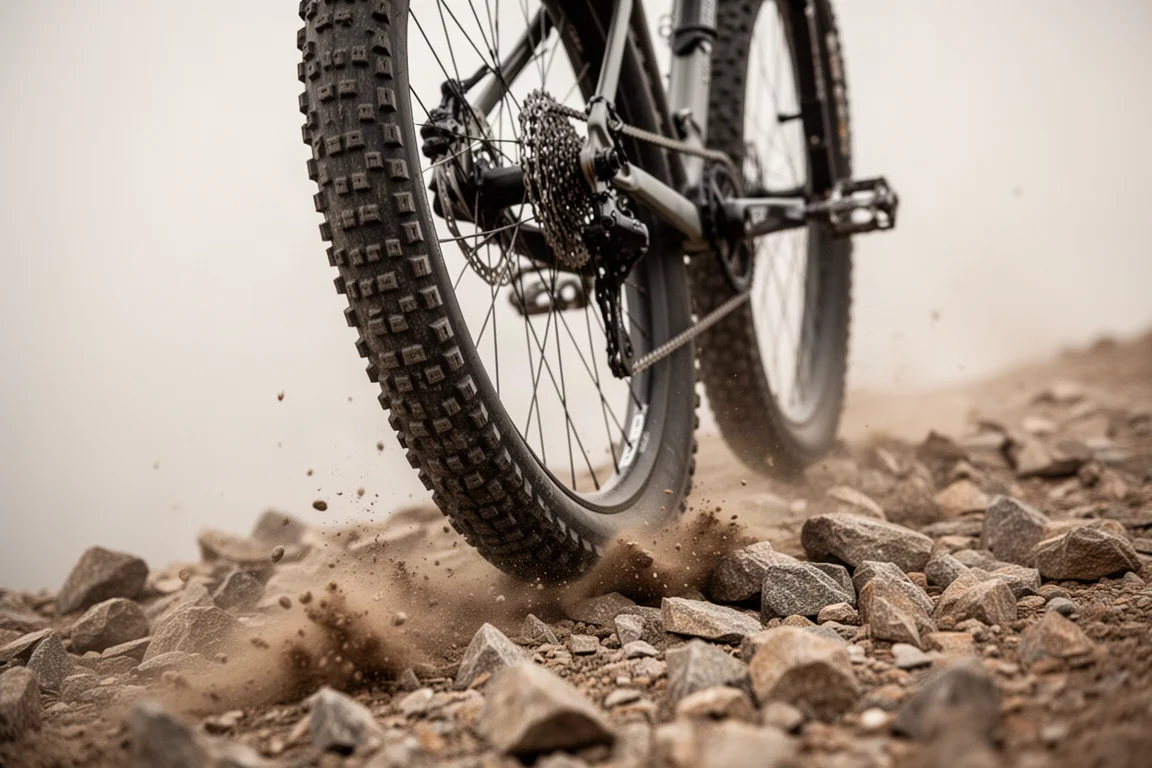
On long descents over chunky gravel, the bike stays planted and comfortable, and the gearing makes the climbs that follow manageable rather than punishing. Riders who value endurance and stability over outright speed will find the setup easy to live with.
Things to Consider Before Buying
The wide handlebars are the most divisive element. They create plenty of space for a bar bag and suit loaded touring, but they can feel vague at the front end for riders used to narrower bars, and the 48cm option on the extra large is very wide indeed. Bars are easy to change, but it is worth factoring in.
The SRAM Apex mechanical shifter on the Vagabond 20 uses a double-tap action. At the easiest end of the cassette, shifting one gear further requires a firm press. A lighter press can drop the chain into a harder gear instead, which is unwelcome on a steep climb.
The other consideration is the concept itself. A rigid drop-bar bike with huge tires is a versatile and comfortable machine for long distances and loaded riding, but on rough trails a hardtail will often be more fun. If the plan is mostly technical off-road riding, that is worth weighing up.
Buying Advice
Choose the Vagabond 20 if the budget allows and you want the wider gear range with hydraulic brakes and the large front rotor, particularly for loaded riding and wet conditions. Choose the Vagabond 10 if you want the same frame, geometry, and mounting options for £500 less, and you are comfortable with cable brakes, which are simpler to service on remote trips.
There are a few alternatives in the same broad category. The Bombtrack Hook EXT is priced at £2,649 with a SRAM Rival build, the Fairlight Secan 2.5 offers larger tire clearance and a range of build options, and the Kinesis Tripster is available as a frame set with multiple build choices. Each sits in the same monster cross space, so the Vagabond is worth comparing against them on specification and intended use.
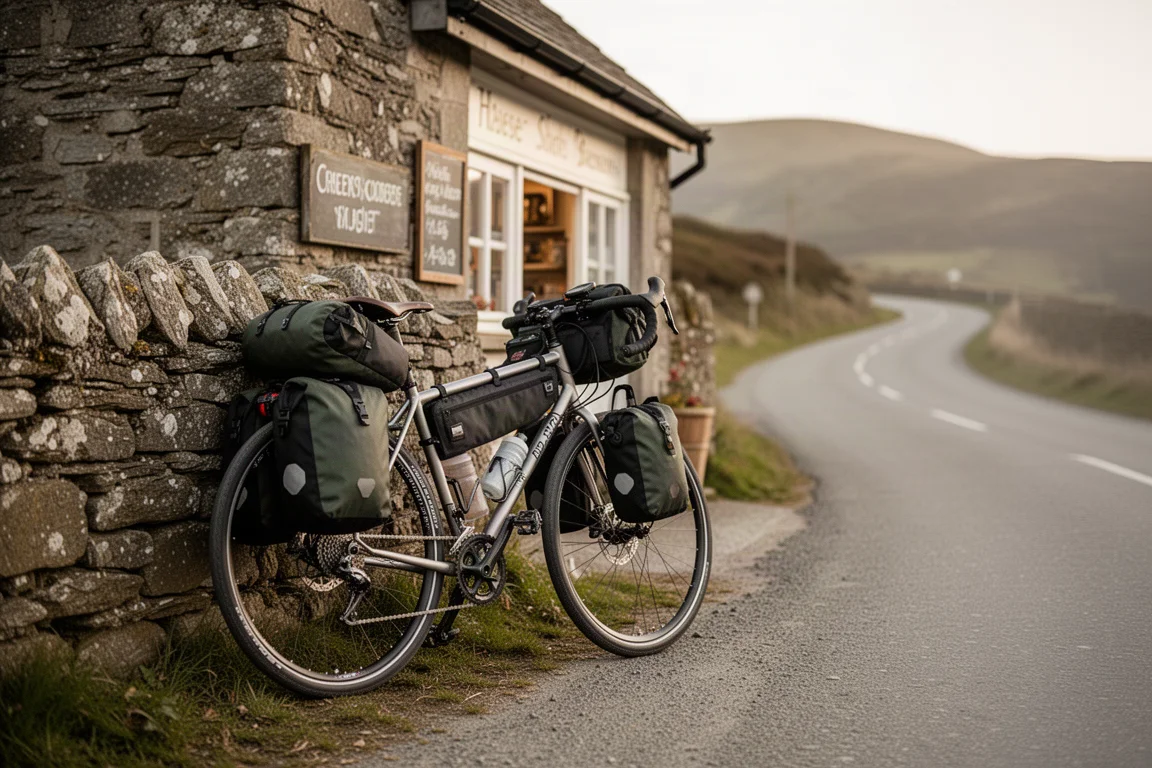
Whichever build is chosen, the frame, geometry, and mounting hardware are identical, so the decision comes down to gearing and brakes rather than long-term capability. Both are built for riders who plan to keep the bike for years.
Conclusion
The Vagabond is a comfortable, highly practical steel bike with outstanding carrying capacity and a very relaxed riding position. It rewards riders who load it up and ride long distances rather than those chasing speed. The Vagabond 20 buys better gearing and hydraulic brakes, while the Vagabond 10 keeps the same frame and geometry for less money.
Further reading
Related Reviews
Cycling
2026 Bike of the Year and the Cycling Gear Worth Watching
A drop bar roundup for 2026 covering the Ridley Kanzo Fast 2.0, Shimano Dura-Ace Di2 R9300, Trek Checkpoint ALR Gen 3, Specialized Tarmac SL9, Garmin Fenix 9 and Insta360 X6.
Cycling
Best All-Road Bikes 2026: Six Versatile Endurance Road Bikes Worth Considering
A practical look at six all-road and endurance road bikes, from lightweight carbon speed machines to steel all-rounders and comfort-focused mile eaters.
Cycling
Best All-Road Bikes 2026: 8 Endurance Bikes for Road and Light Gravel
Eight all-road bikes that blur the line between endurance road and light gravel, compared on tire clearance, ride character, practicality, and value.