Wearables
Garmin vivomove Sport Review: A Hybrid Smartwatch That Looks Like a Real Watch
Garmin's vivomove Sport hides a full smartwatch display under a traditional watch face, with solid health tracking and a few smart trade-offs against the vivomove 3.
Introduction
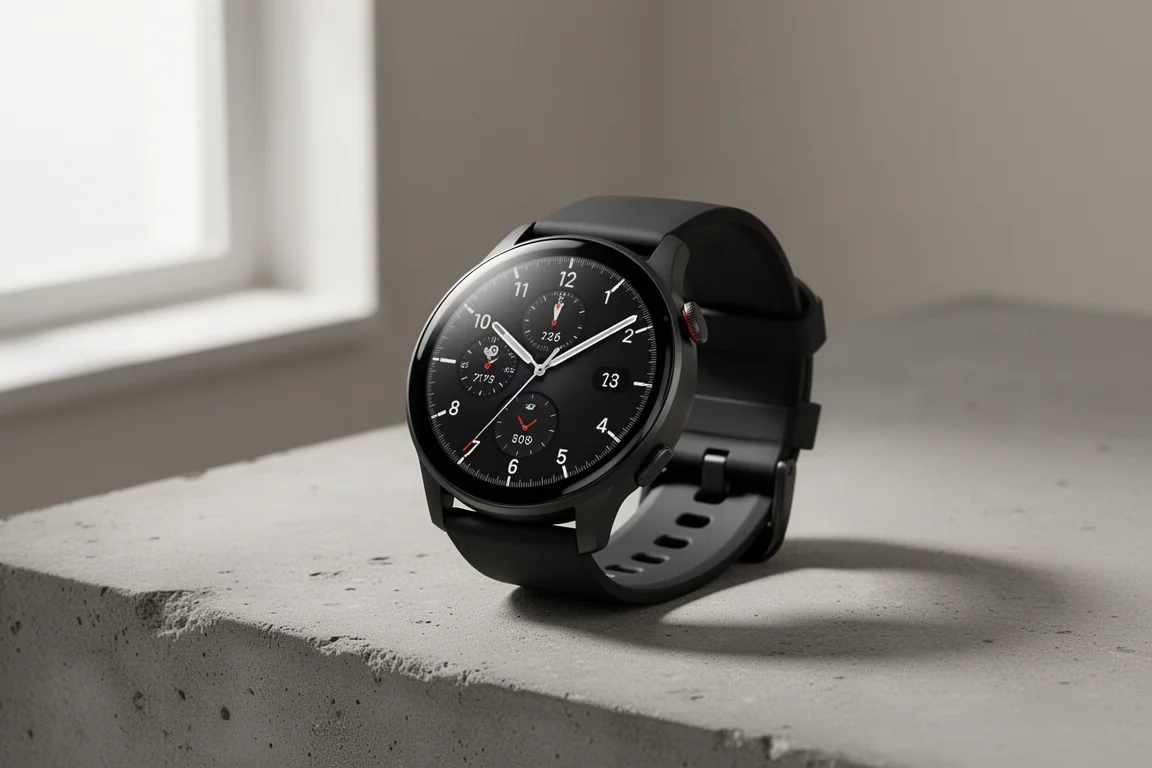
The Garmin vivomove Sport sits in an interesting corner of the wearable market: it looks like a traditional analog watch, but a hidden display wakes up under the hands when you need it. That hybrid approach is the whole appeal, and Garmin has refined it well here. It tracks steps, heart rate around the clock, blood oxygen saturation, calories, and sleep, all in a package that would not look out of place with a shirt cuff over it.
It is also positioned as the slightly more affordable option in Garmin’s vivomove hybrid lineup, sitting just below the vivomove 3. After spending time with the full menu, the display behavior, and the activity tracking, here is how it holds up.
Who This Product Is For
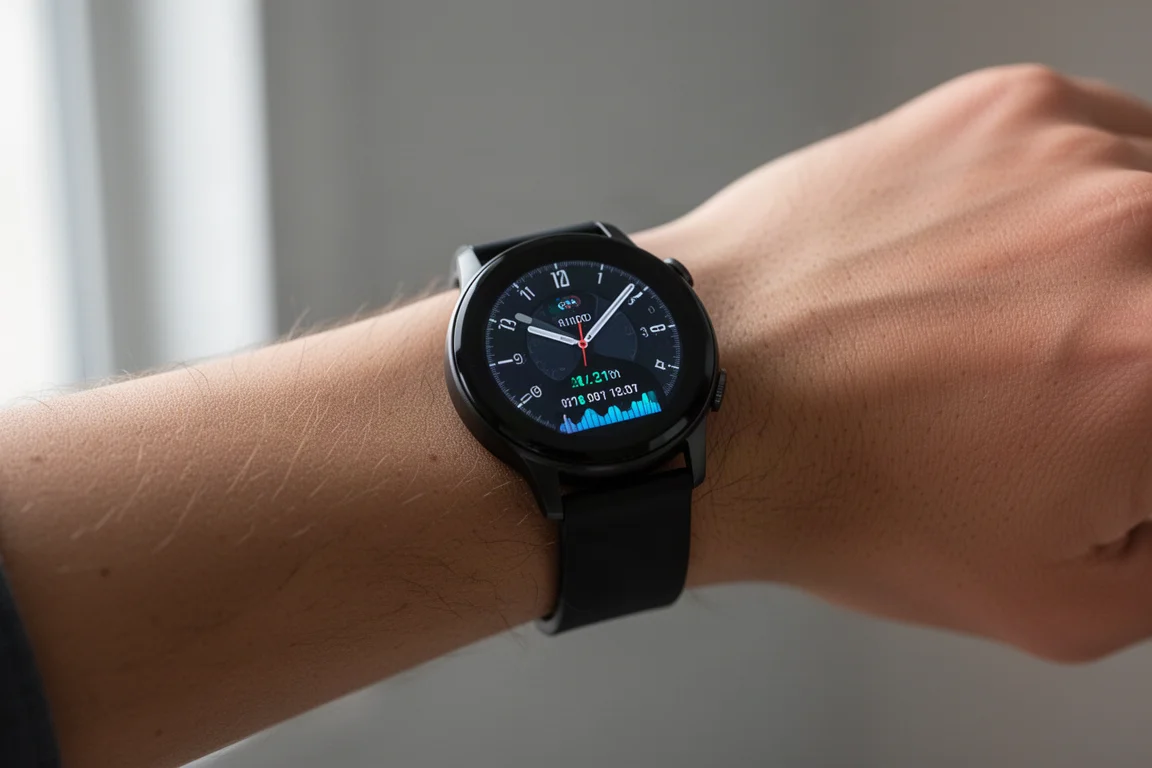
The vivomove Sport is aimed at people who want a reliable activity tracker with plenty of health and fitness features, but who do not want a full-screen fitness band on their wrist. If you care about how a watch looks, this is the core of the appeal. The analog hands move out of the way when you swipe, and the hidden screen handles everything else.
It also suits users who want Garmin’s health ecosystem without paying for a higher-end model. Body Battery, stress tracking, hydration logging, respiration rate, and women’s health features are all present, alongside 14 sport and activity profiles and connected GPS through your phone.
Main Strengths
The hidden display is the standout feature. Double-tap the screen or raise your wrist and the display wakes beneath the physical hands, showing the time, date, battery percentage, steps, and current heart rate. Swiping left or right cycles through widgets for steps, intensity minutes, Body Battery, stress, hydration, heart rate, respiration, music controls for your phone, weather, calendar, notifications, distance, calories, and SpO2. You can even swipe on the watch hands themselves rather than the glass, which is a small but genuinely pleasant touch.
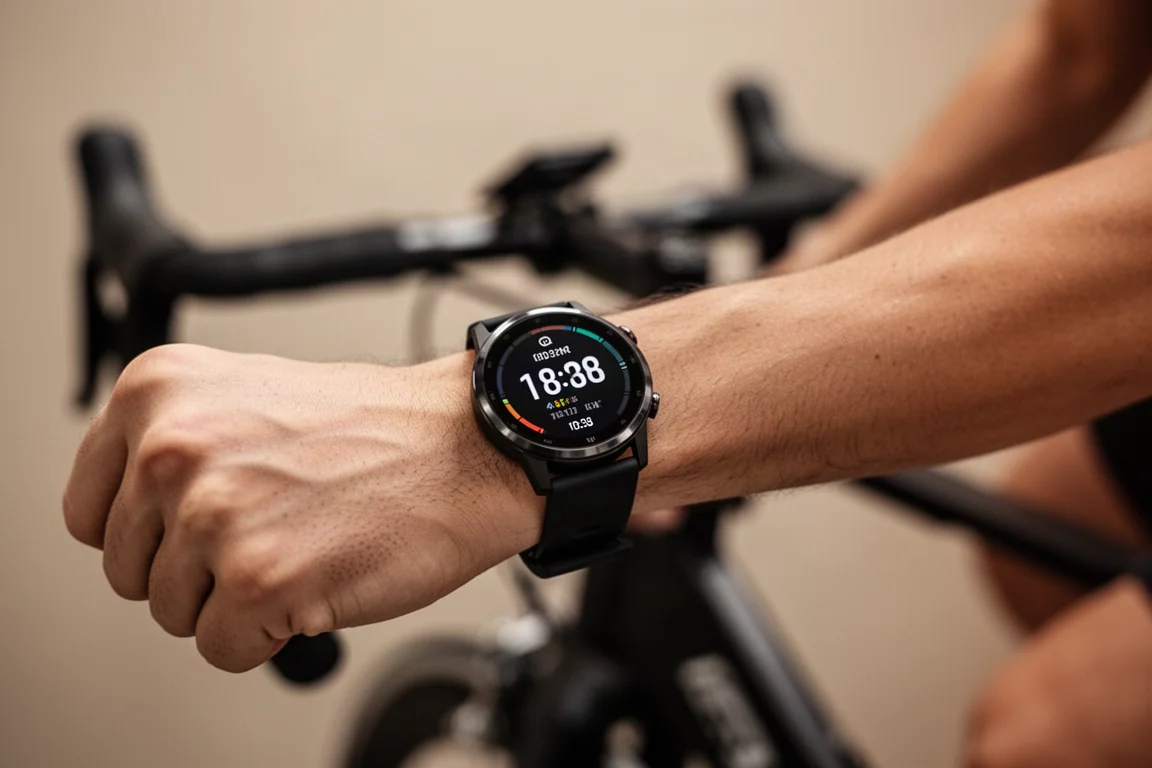
On the health side, there is a Vo2 max estimate for running, a fitness age figure based on Vo2 max, resting heart rate, and BMI, plus heart rate broadcasting so you can feed your heart rate into training apps like Zwift for indoor cycling. Safety features are thoughtful too: incident detection, LiveTrack for sharing outdoor activities, and an assistance feature that sends your location to an emergency contact by text and email after a short countdown, which you can cancel if it was a false alarm.
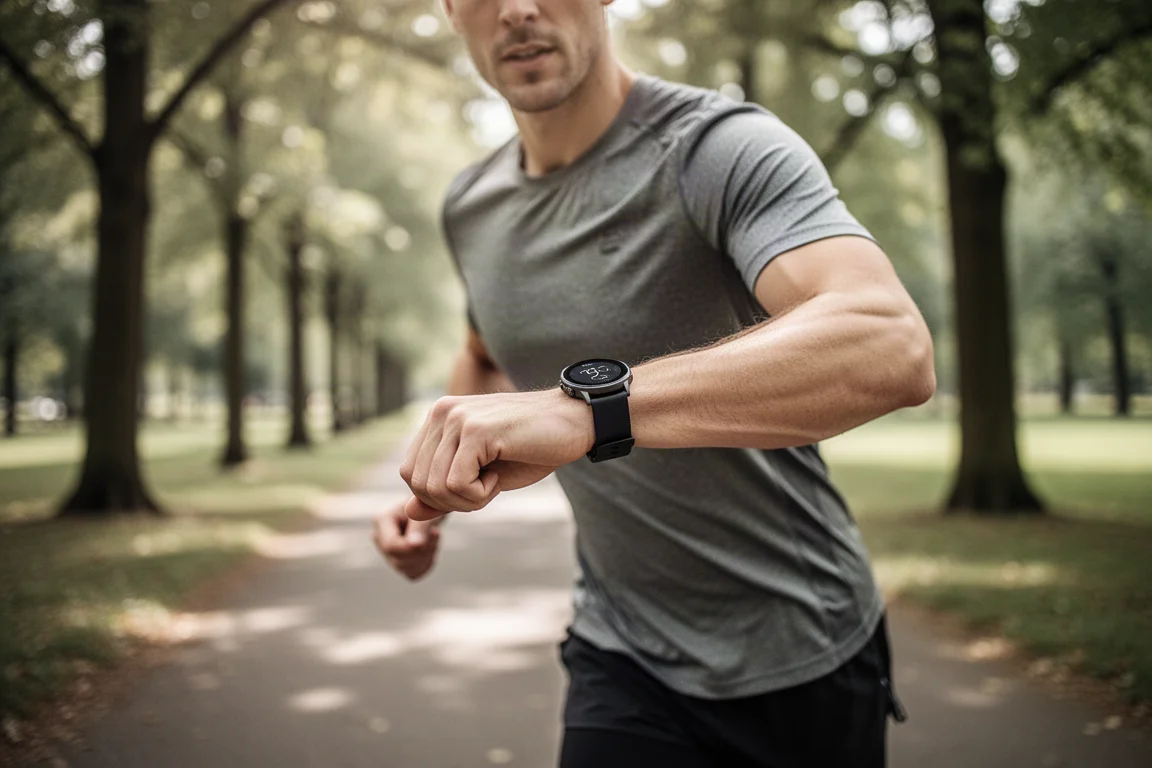
Battery life is rated at up to five days in smartwatch mode, and if the battery does run out, the watch keeps working as a normal analog timepiece for about another day. Heart rate accuracy, tested against chest and arm strap reference monitors, was strong for indoor cycling and running, with only brief deviations. For weight training and high-intensity intervals, which are the hardest cases for wrist-based optical sensors, results were respectable overall, with the usual tendency to trail a chest strap slightly during rapid effort changes. The average heart rate remained usable even in those tough sessions.
Things to Consider Before Buying
There are a few practical limitations to weigh. Connected GPS relies entirely on your phone, so outdoor speed and distance accuracy will vary from phone to phone, and you need to carry your phone for those metrics. The safety and assistance features likewise depend on being in range of your phone’s signal.
Notification handling is richer on Android: you can reply to text messages with predefined responses. On iPhone, replying is not possible, a limitation of Apple’s platform restrictions rather than Garmin’s design. The SpO2 measurement takes a minute or two to complete, and the always-on gesture mode and maximum brightness settings will reduce battery life.
There is also the question of what you give up compared with the vivomove 3. The higher-end model adds a stainless steel bezel and an altimeter, while the vivomove Sport still tracks floors climbed but lacks the altitude sensor. On the other hand, the Sport is slightly smaller, slightly lighter, and has a display with slightly higher resolution. Depending on your priorities, the differences can cut both ways.
Buying Advice
If you want to save a few dollars and you do not care about the stainless steel bezel or the altimeter, the vivomove Sport is a very easy recommendation. It delivers the full hybrid experience, a strong health feature set, and solid activity tracking in a smaller, lighter body with a sharper display.
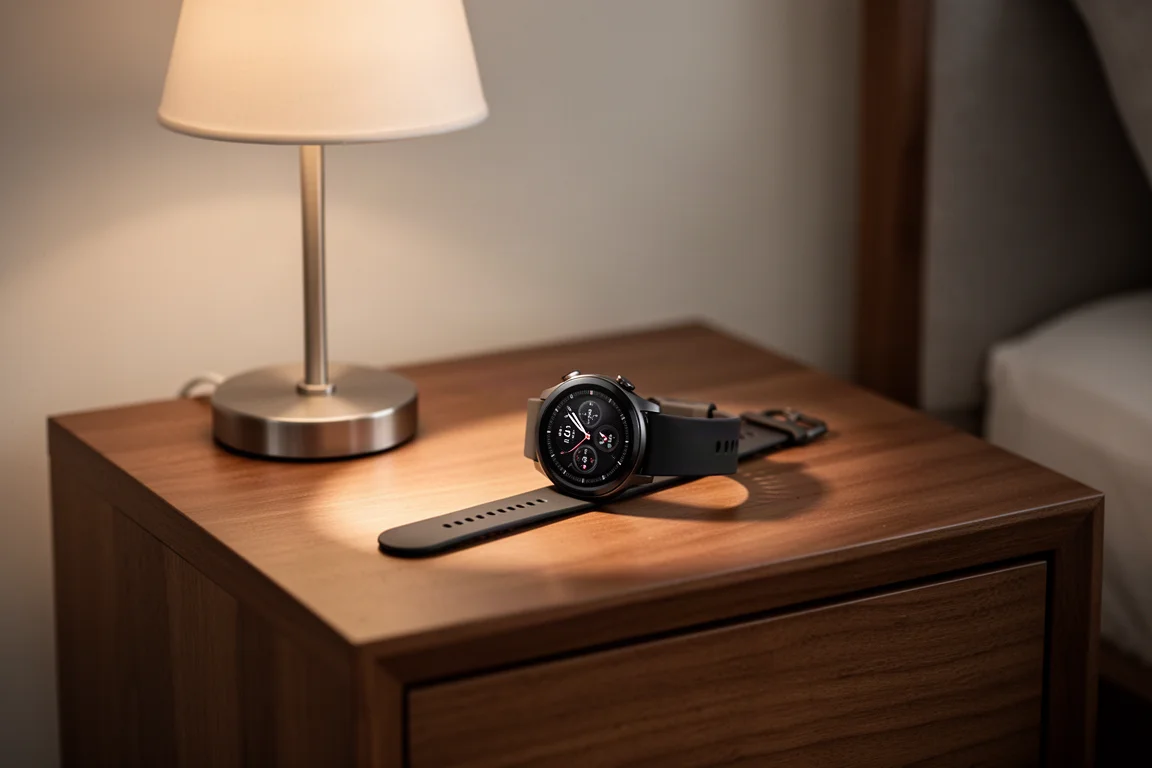
If stainless steel styling or barometric altitude data matters to you, the vivomove 3 is the step-up choice. For everyone else who wants the look of a traditional timepiece with real smartwatch capability underneath, the Sport covers the essentials with very few compromises that matter day to day.
Conclusion
The Garmin vivomove Sport does one thing exceptionally well: it delivers genuine smartwatch and health tracking features in a watch that still looks like a watch. Heart rate accuracy was solid across cycling, running, and even the challenging case of weight training, the safety features add real peace of mind, and the hidden display remains one of the most elegant implementations in the hybrid category. For buyers torn between fitness tracking and classic style, this watch makes the choice unnecessary.
Product link
View more details for Garmin vivomove Sport
This product is mentioned in the review. Check the specifications, options, and compatibility before buying.
View more details for Garmin vivomove SportFurther reading
Related Reviews
Wearables
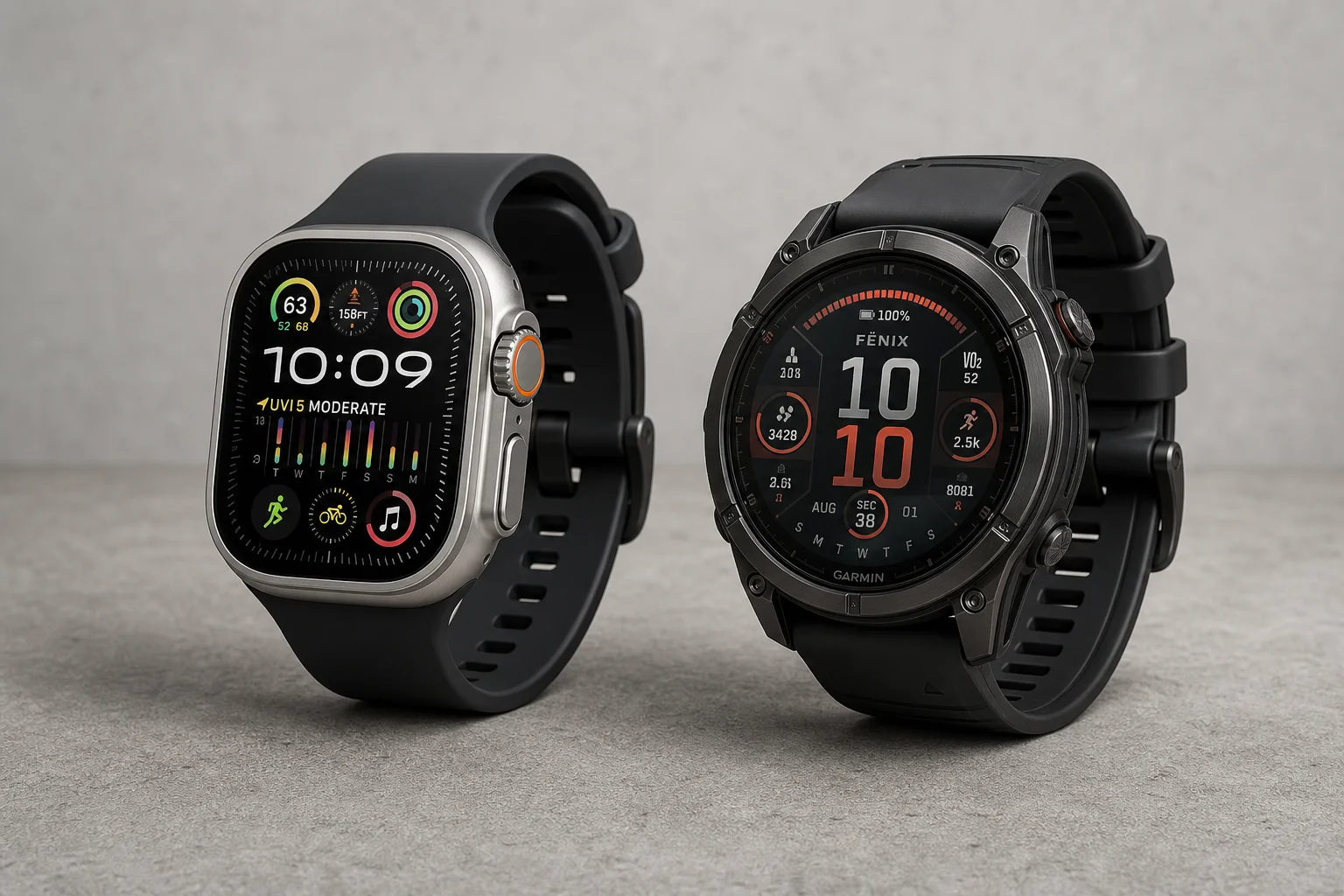
Apple Watch Ultra 3 vs Garmin: Which Training Watch Wins for Athletes
A practical head-to-head comparison of the Apple Watch Ultra 3 and Garmin for serious training, covering GPS accuracy, data tracking, usability, and recovery metrics.
Wearables
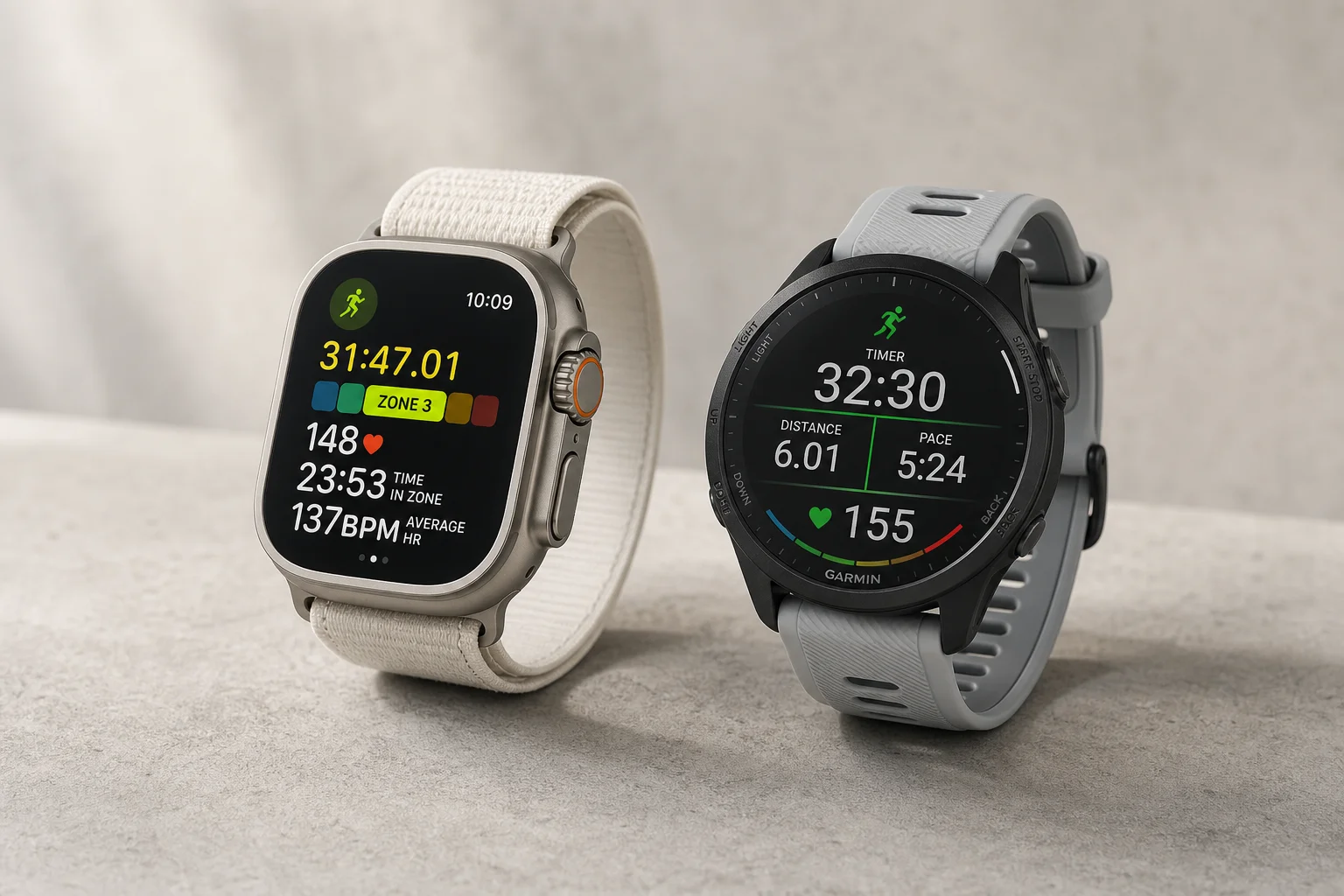
Apple Watch vs Garmin for Running: A Year of Training Compared
After a year training for marathons with both devices, here's what actually matters when choosing a running watch.
Wearables
Apple Watch Ultra 3 vs Garmin Fenix 8 Pro: Satellite Messaging Compared
A practical comparison of satellite messaging on the Apple Watch Ultra 3 and the Garmin Fenix 8 Pro, covering connection methods, messaging workflows, coverage, and running costs.