Fitness Watches
Garmin Vivoactive 6 vs Forerunner 165: Which Affordable Garmin Watch Should You Buy?
Two closely priced Garmin watches with overlapping features, compared through real daily use: design, tracking accuracy, battery life, and who each one suits best.
Introduction
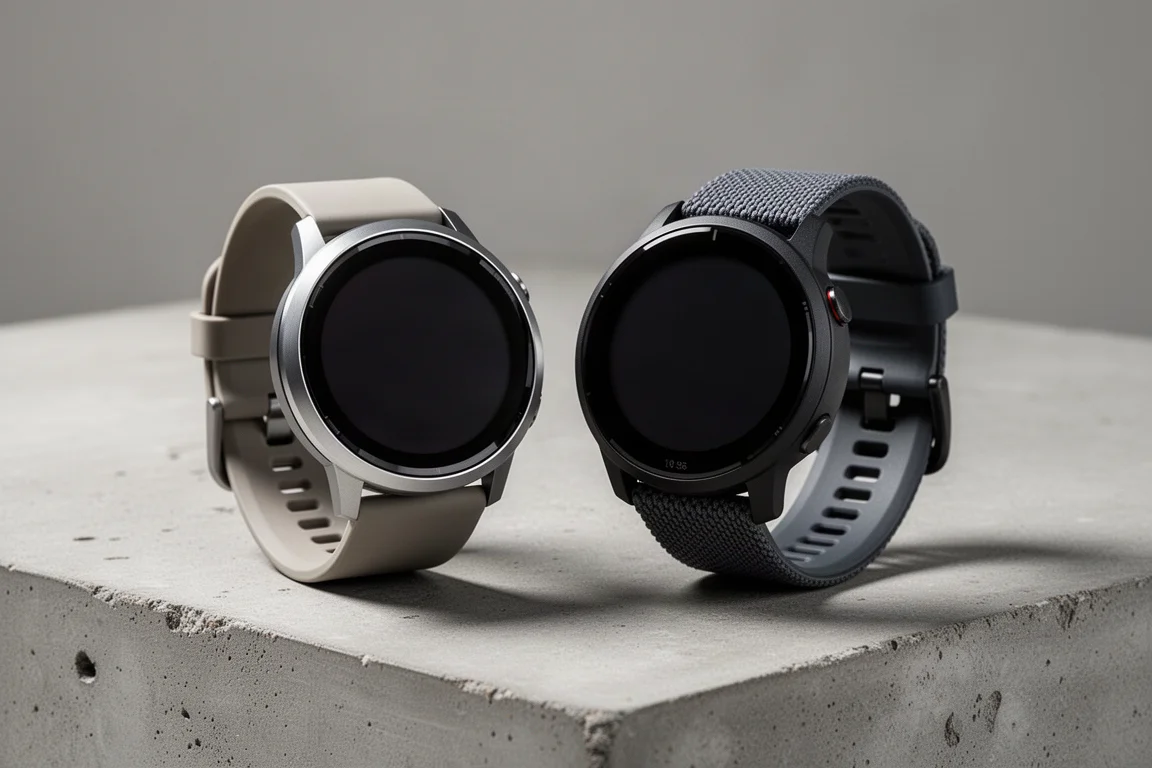
Garmin’s more affordable range has reached an interesting point: two watches sitting around the same price, promising a very similar set of features, and forcing you into a genuinely tricky decision. The Vivoactive 6 and the Forerunner 165 are exactly that pair, and after living with both for extended periods, including side-by-side testing with the Forerunner 165 Music, we can say upfront that they are far closer than you might expect.
Both are compact, light, and comfortable enough to wear around the clock, with identical AMOLED screens, the same all-systems GPS without dual-frequency support, and very similar battery staying power. The difference is less about raw capability and more about emphasis. Loosely speaking, the Vivoactive 6 is the sporty smartwatch, while the Forerunner 165 is the sport watch with some smartwatch smarts. Here is how that plays out day to day.
The Short Version: Sporty Smartwatch vs Sport Watch
The Vivoactive 6 caters more to general fitness, while the Forerunner 165 goes deeper into the running and training experience. That said, there is real crossover: the Vivoactive 6 is an increasingly capable training and racing tool for runners too, and it gets closer to the 165 than the naming suggests.
If you want a rule of thumb, the 165 leans into structure and running insights, while the Vivoactive 6 leans into a smoother, more accessible everyday experience. Everything else, from GPS to battery life, is almost too close to call.
Design and Everyday Comfort
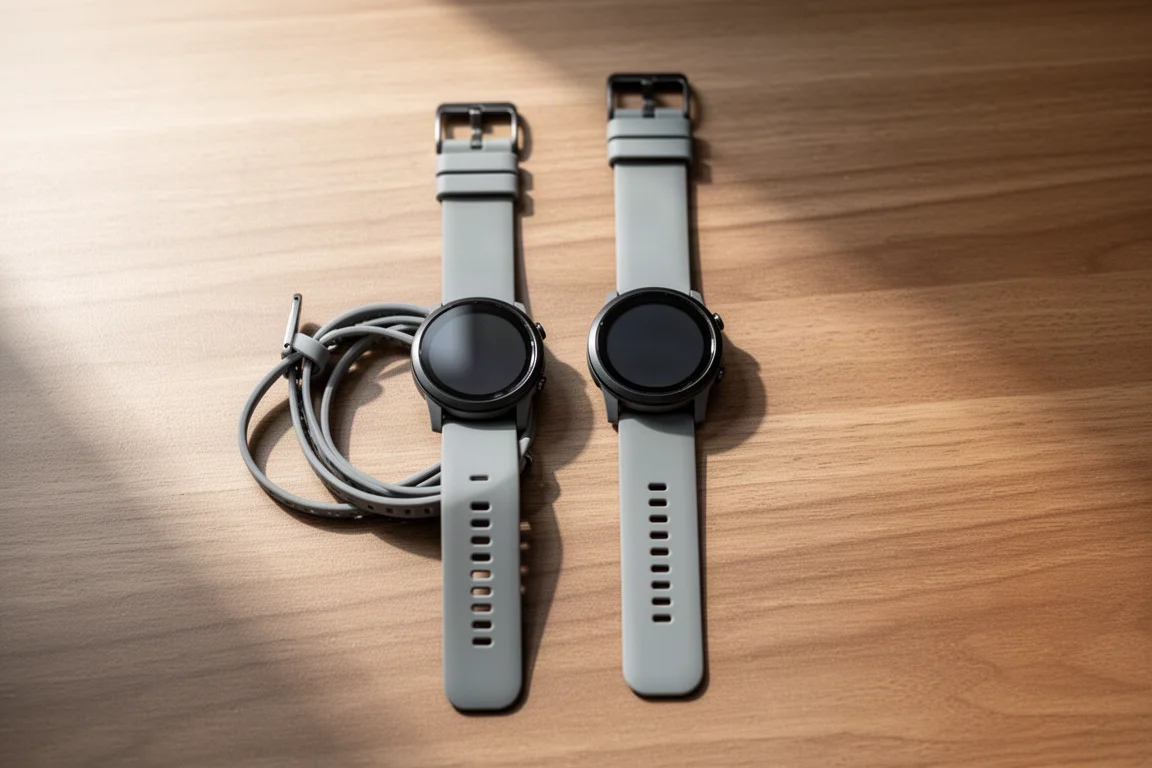
The Vivoactive 6 uses more premium materials to boost looks and durability. It has a more minimal, slicker design with an aluminium bezel, and it is the subtler smartwatch of the two. The Forerunner 165 keeps things slightly plastic with a sporty, runner-first look rather than a sleek smartwatch aesthetic.
Practical details set them apart. The 165 gives you extra physical buttons, which makes skipping through settings mid-run feel more fluid. The Vivoactive 6 drops some of those buttons, which was noticeable, though its touchscreen response is on par and its newer Garmin user interface is genuinely easier to tweak than what you get on the 165.
On the wrist, the Vivoactive 6 is slightly smaller at 42mm versus the 165’s 43mm, but in the grand scheme of things it makes little difference. Even though the 165 is heavier and thicker on paper, both feel roughly the same in use: light and easy to wear 24/7, including overnight for sleep tracking. We would not buy one over the other based on comfort. The 165’s strap leans sporty, while the Vivoactive 6’s strap looks more lifestyle-oriented, though both feel comfortable.

Tracking, GPS, and Heart Rate Accuracy
Both watches use the same Elevate V4 heart rate sensor, so neither has ECG, and unsurprisingly accuracy is largely the same on both. In testing, GPS performance was a pleasant surprise: total distances stayed within an acceptable margin of error even against pricier multiband watches like the Garmin Fenix 8 and Instinct 3. While the routes were not as reliable in fine detail, the missing dual-frequency support mattered less than expected, and both held their own against a Fenix 8 running in all-systems multiband mode.
Heart rate was more hit and miss. Both watches performed well on steady runs with fewer jumps in intensity, and both sometimes struggled on intervals. The Vivoactive 6 had one particularly poor run in wet and cold conditions. Compared against a chest strap, each had moments where it lurched high or drifted, and there was little to choose between them in that respect.
On navigation, the 165 pulls ahead slightly with breadcrumb trails in real time plus elevation profiles and stats. The Vivoactive 6 does offer daily suggested workouts, but unless you set up a Garmin Coach plan for running and cycling, these default to walking only, and the standard suggestions rarely say anything you do not already know.
The Forerunner 165 Music Variant
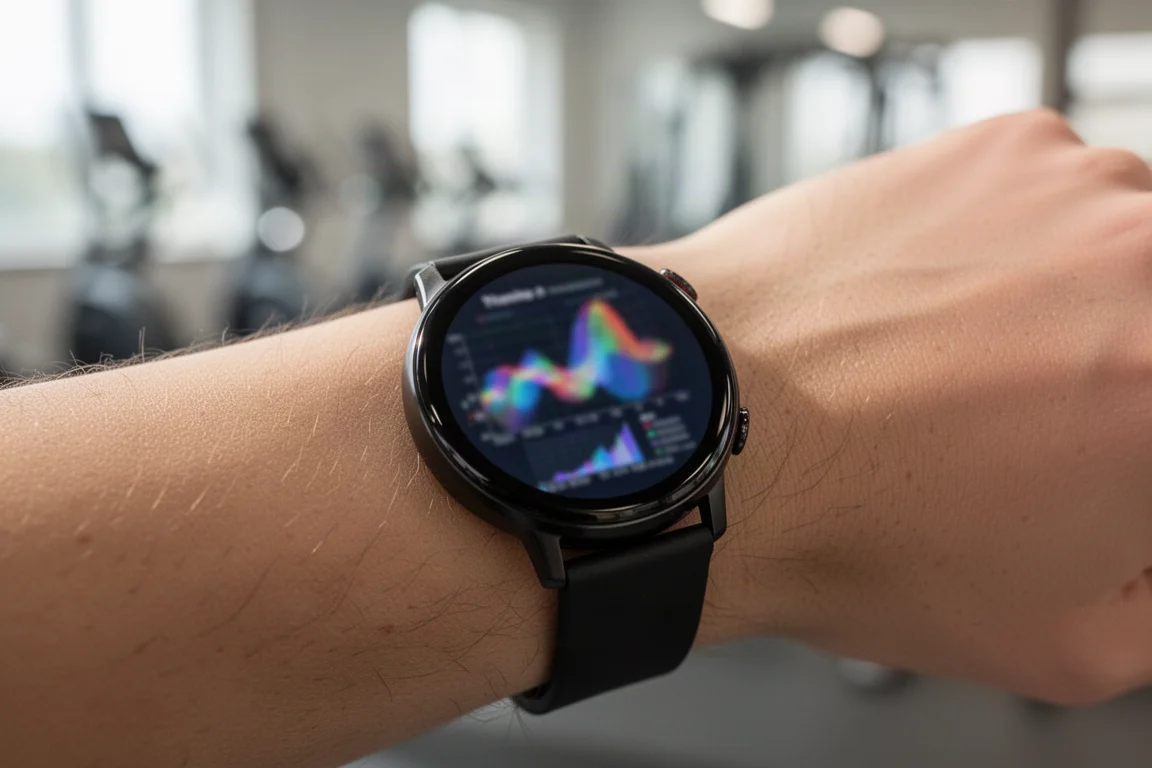
The Forerunner 165 Music adds onboard music functionality to the standard 165 package, at a little more money. If you like running without your phone but still want structured training features, daily suggested workouts for runners, and deeper metrics, this is the most complete version of the Forerunner experience at this price level.
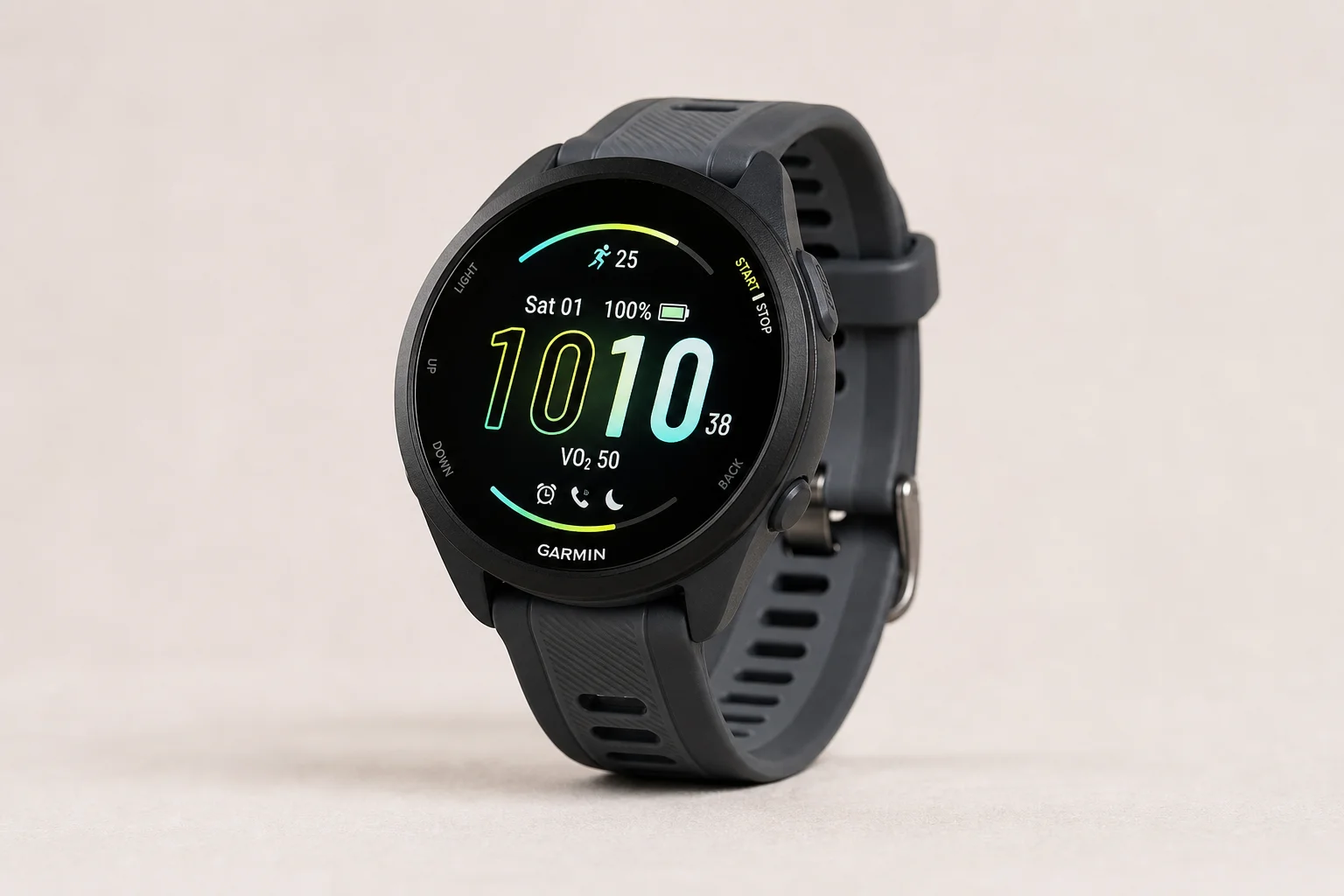
Garmin Forerunner 165
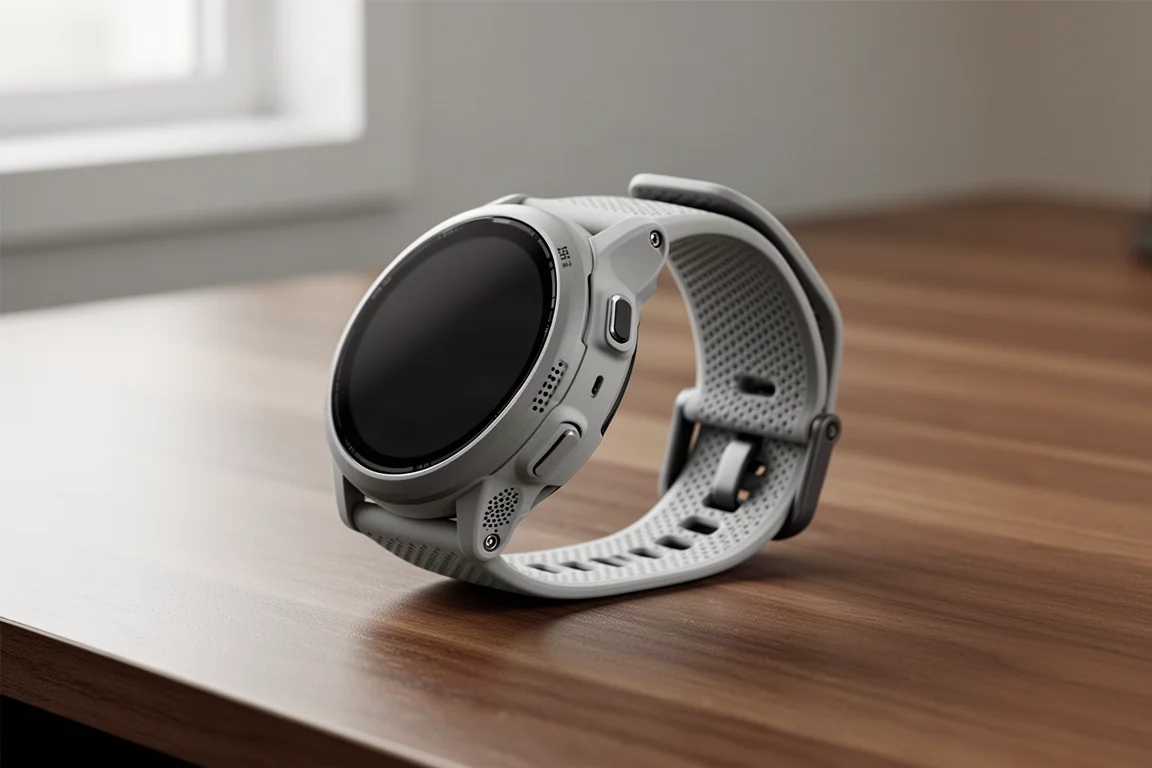
The Forerunner 165 is the one to pick if sporty styling with slightly better navigation tools appeals. Its run software simply has more in its locker: more metrics, more insights, and daily suggested workouts for runners as standard. There is a clear intent to add structure to your training time, and that shows.
For anyone at an entry level who is starting to think more seriously about their running and wants a bit more guidance, the 165 delivers more of it than the Vivoactive 6.
Garmin Vivoactive 6
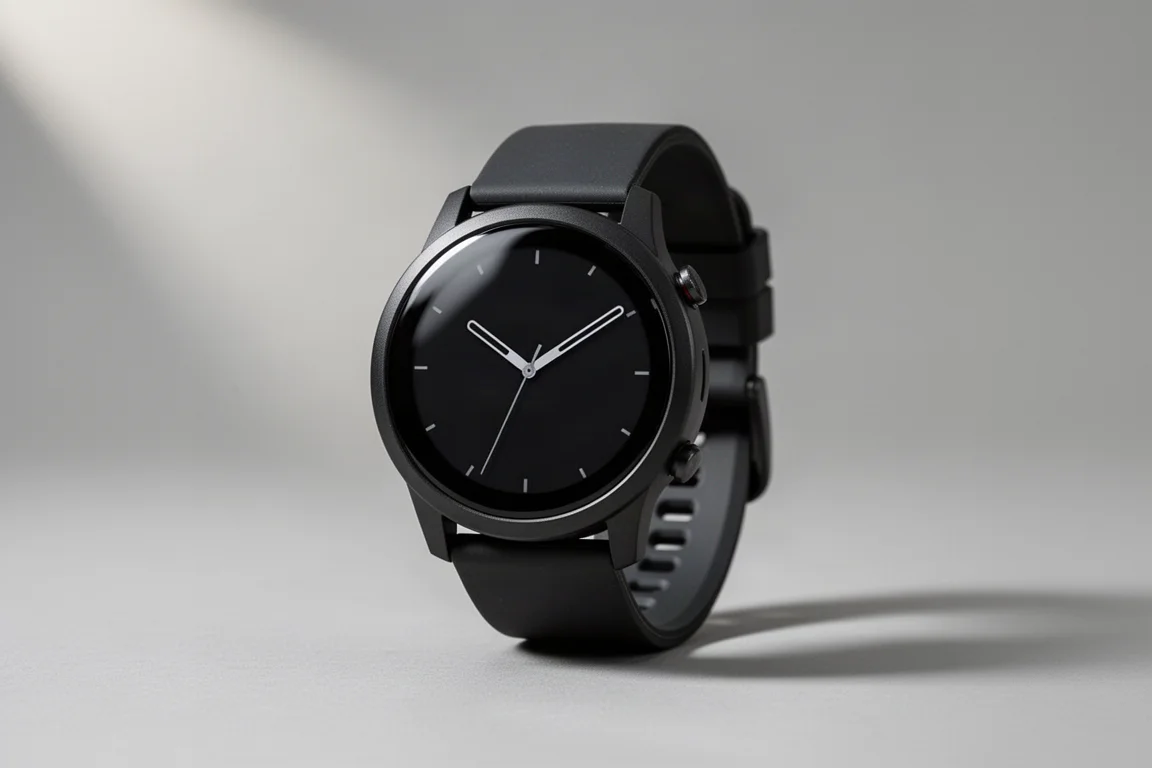
The Vivoactive 6 is the smarter pick if you want a more subtle design, Garmin’s new and easier-to-navigate UI, and a watch that feels better equipped as a smartwatch. It offers more storage than the 165 and makes features outside of running, like sleep tracking and a new silent alarm that gently nudges you awake, more approachable for beginners.
It gives you some of the training structure of the 165, just not as much. If you want an accessible Garmin watch to run with that handles everyday smartwatch duties gracefully, this is the better fit.
Battery Life and Charging
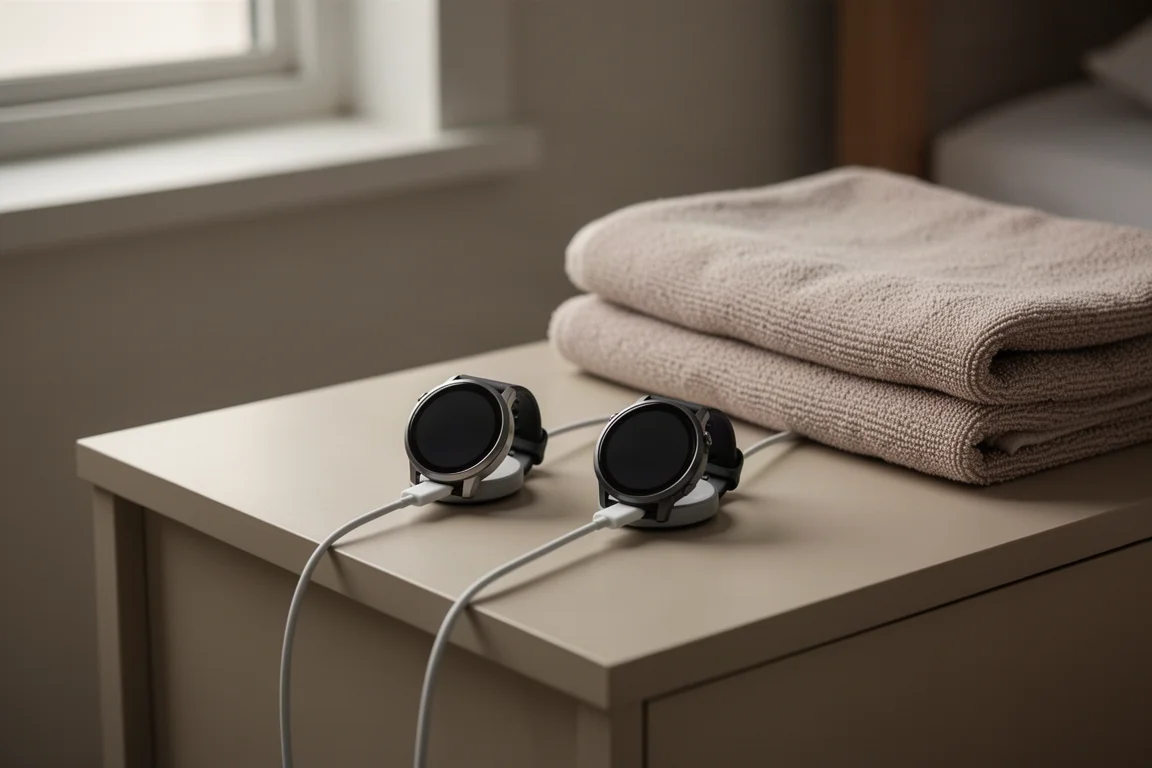
Day to day, you will be charging both watches with roughly the same frequency. With the always-on display enabled, both maxed out around four days in testing, which is not the best in Garmin’s range but is well matched between the two. In GPS use, the numbers were nearly identical too, though the Forerunner 165 was fractionally thirstier, averaging around 6.5% per hour versus 6% on the Vivoactive 6. For practical purposes, treat battery life as a tie.
Which One Should You Buy?
Overall, there is not much to separate these two watches on wrist feel, battery performance, or accuracy, which means the decision often comes down to looks and value beyond the looks. Given that the Forerunner 165 and 165 Music can now be found for less than the Vivoactive 6, the value case leans towards the 165, especially if structured running guidance matters to you. If you prioritize smartwatch polish, an easier interface, and a subtler everyday design, the Vivoactive 6 earns its place instead.
Conclusion
These are two of the closer matched watches in Garmin’s affordable range, and neither is a bad choice. Pick the Forerunner 165 for running structure, extra buttons, and navigation extras; pick the Vivoactive 6 for the smarter, sleeker everyday experience. If value is the tiebreaker, the Forerunner 165, or the Music variant if you want onboard music, is the way we would go.
Further reading
Related Reviews
Fitness Watches
Garmin Epix Pro Review: 30 Days of Daily Suggested Workouts
A 30 day test of the Garmin Epix Pro and its daily suggested workouts: what the plan prescribed, how it adapted to daily life, and the FTP gains it produced.
Fitness Watches
Garmin Watch Buying Guide: Finding the Right Model for Your Fitness Goals
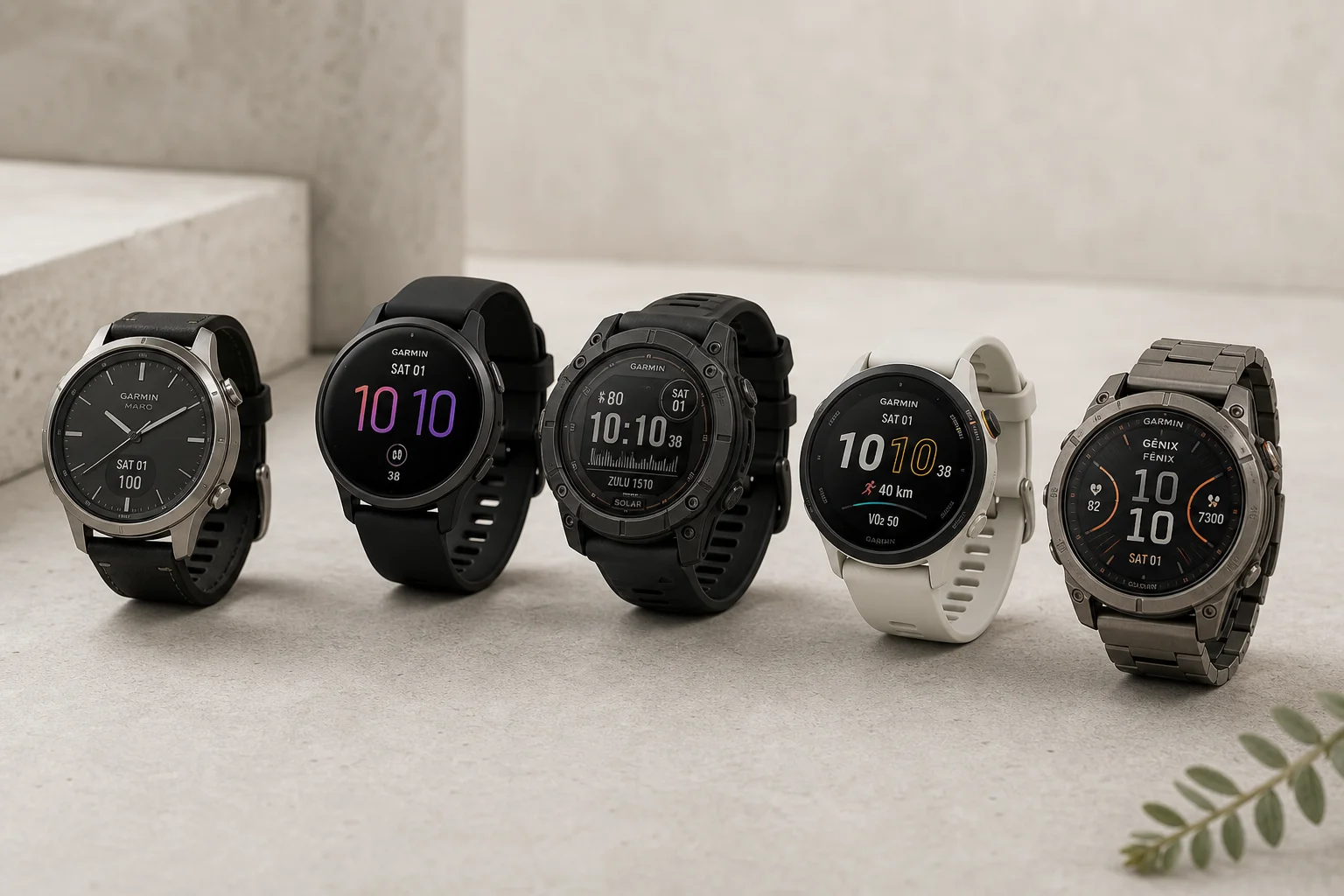
Navigate Garmin's extensive watch lineup with a practical guide covering classic designs, smartwatch features, rugged options, and serious running watches.
Fitness Watches
Coros Apex 4 Review: A Lightweight Mountain Sports Watch Built for Accuracy
The Coros Apex 4 pairs best-in-class weight and battery life with dual-frequency GPS, an always-on MIP display, and a durable fiber-reinforced polymer case.