Wearables
Garmin Vivoactive 5 Review: A Mini Venu 3 for $299
Four years after the last Vivoactive, Garmin returns with an AMOLED display, new sleep tools, and accurate GPS tracking at a mid-range price.
Introduction
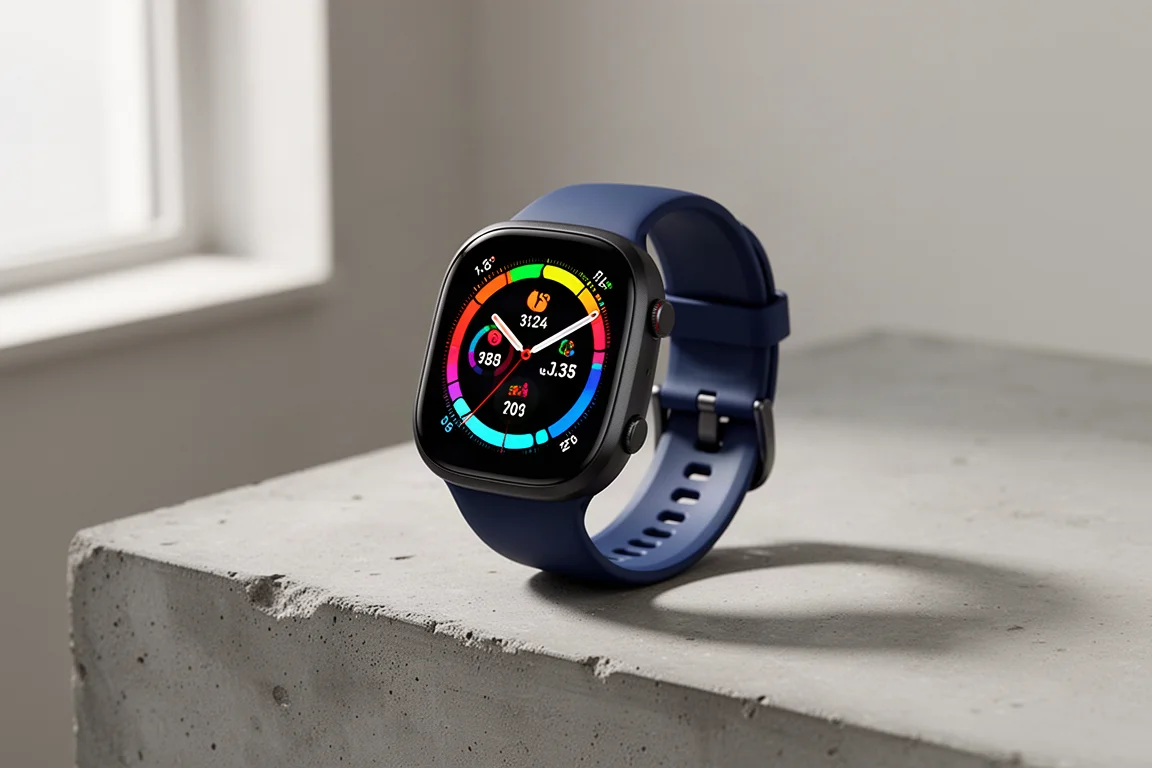
The Vivoactive series has been quiet for over four years, so the arrival of the Vivoactive 5 is a genuine surprise. The good news is that it was worth the wait in most respects: a new AMOLED display, a long list of features borrowed from the flagship Venu 3, and a price of $299 that undercuts the Venu 3 by $150. After weeks of testing across multi-hour rides, runs, and swims, the picture that emerges is of a very capable everyday training watch that simply behaves like a smaller, cheaper Venu 3.
Display and Battery Life
The headline change is the 1.2-inch AMOLED display, the same size as the Venu 3S, replacing the memory-in-pixel panel of previous Vivoactive models. Colors are noticeably richer, and the long-standing trade-off between AMOLED in sunlight and MIP in bright conditions no longer applies: the screen held up in bright sunshine and in dark, stormy overcast conditions alike, including open-water swimming.
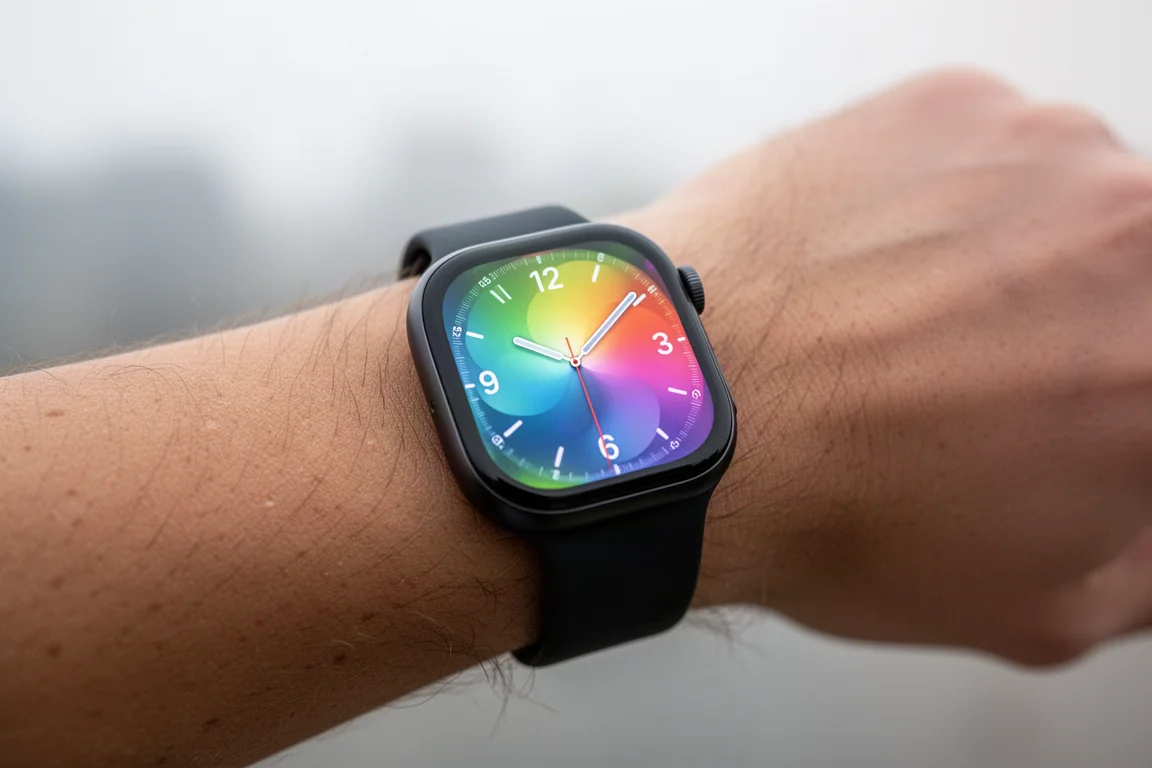
You get two display modes. In gesture mode the screen is off until you raise your wrist, which stretches battery life to up to 11 days. In always-on mode, with the screen dimmed between raises, that drops to about five days. In real-world testing with 60 to 90 minutes of daily workouts, some with GPS, charging came around roughly every four days. Heavier use, like four to five hour workouts every day, will pull that down considerably.
Sleep Features: Score, Coach, and Naps
Sleep tracking gets a full refresh. The sleep score, duration, and sleep stages all work as expected, and sleep and wake times matched other devices on most nights, with one night of misalignment in testing.
The new Sleep Coach recommends a nightly sleep target. It builds from a baseline that Garmin labels as personal, though in practice that baseline is an age-group average, and recommendations are always kept between seven and nine hours. It is worth treating the suggestion loosely rather than as gospel.
The nap feature, first introduced on the Venu 3, also arrives here. It detected naps within a couple of minutes in testing and offers guidance on whether the nap was too long or too short, plus it feeds into the Body Battery metric. Alongside this, HRV status tracks overnight heart rate variability, building a baseline over 19 nights with color coding and 90-day history. Note that roughly four hours of sleep is needed for HRV data to trigger.
Hardware, Sensors, and the Morning Report
The Vivoactive 5 uses Garmin’s Gen 4 Elevate optical heart rate sensor, not the newer Gen 5 found on other recent models. That omission means no ECG support, and because the hardware is not there, it will never arrive via software. If ECG matters to you, look elsewhere.
In exchange you get the well-executed Morning Report: weather, sleep time, HRV, and calendar appointments presented the moment you raise your wrist in the morning. The on-screen animations even matched the actual weather in testing, and nearly everyone is likely to keep it enabled.
Sport Features: Gains and Cuts
New sport additions include open-water swimming, with the touchscreen disabled in swim modes to prevent water droplets causing chaos, plus hand-cycle sport profiles, an industry first. There is also an on-device interval workout feature for creating intervals without pushing them from Garmin Connect, and after each workout you get a Workout Benefit summary followed by a recovery time estimate.
Some things were cut compared to the Vivoactive 4. There is no barometric altimeter, which removes the floors-climbed metric, automatic downhill ski and snowboard run counting, and standalone altimeter use. The muscle map for strength workouts remains, but the animated on-screen workout demonstrations for strength, core, and yoga are gone.
Everyday Interface, Music, and Payments
The interface has been reworked around the new display. Widget glances are accessed by swiping down, sports and apps are now separated into two lists from the top-right button, and a swipe from the right opens a customizable recents menu. The built-in flashlight offers three white brightness levels plus a red light, handy for navigating at night without blasting everyone in the room, though it is easy to trigger it accidentally if you set it as the swipe-right shortcut.
Music and Garmin Pay are included on every edition. Offline playlists work with Spotify, Deezer, and Amazon Music, paired over Bluetooth to headphones, with a Spotify Premium subscription required for Spotify sync.
GPS and Heart Rate Accuracy
The updated multi-GNSS chipset supports multiple satellite systems but is not multi-band or dual frequency. Despite that, accuracy was impressive. On a long two-hour run, tracks were virtually identical to the multi-band Fenix 7 Pro, a watch costing three times as much. In a dense city test among 20 to 30 story buildings, it performed very well, just short of the $1,000 Epix. A four-hour ride with repeated loops of the same cycling path produced spot-on tracks every lap, and an open-water swim matched the Fenix 7 Pro closely.
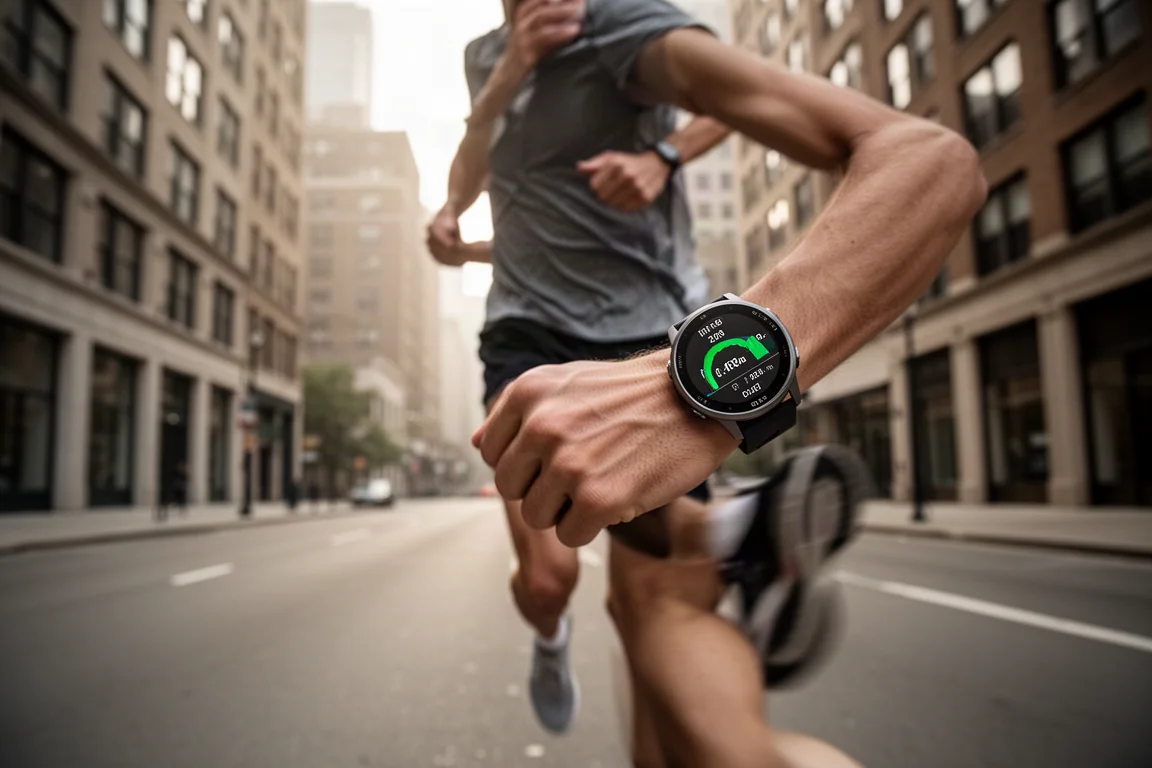
Heart rate was similarly strong. Interval runs on the treadmill showed only a single brief blip, a long run matched a Fenix 7 Pro identically, city intervals against a chest strap had only tiny couple-second bobbles, and the four-hour ride was astoundingly close to both a chest strap and the Fenix 7 Pro optical sensor.
Who Should Buy It
At $299, the Vivoactive 5 competes well against the Apple Watch SE, Samsung Galaxy Watch 6, Fitbit’s models, and the Pixel Watch. It is a strong pick if you want Garmin’s training ecosystem, excellent GPS, and an AMOLED display without paying Venu 3 prices.
Things to Consider Before Buying
Check the removals against your needs. No barometric altimeter means no floors climbed or automatic ski run counting, no ECG support now or ever, and no animated workout demos. If any of those matter, the Venu 3 or a higher-end Garmin is the safer choice. Battery life is also shorter than past MIP-based Vivoactive models, especially in always-on mode with frequent GPS use.
Buying Advice
Buy the Vivoactive 5 if you want a well-rounded everyday training watch with accurate GPS and heart rate, good sleep tools, music, and payments at a mid-range price. Skip it if you need ECG, elevation data, or guided on-screen workouts, or if you regularly do four to five hour sessions and want maximum battery life.
Where It Fits in Garmin’s Lineup
As a product, the Vivoactive 5 does its job well: great display, solid battery life, strong accuracy, and features that generally work as advertised. The open-water swim mode proved its worth directly, and the overall experience feels like a distilled Venu 3.

The lingering question is why it exists at all within Garmin’s already sprawling portfolio of Venu, Fenix, Epix, Forerunner, Tactix, and Instinct lines. Garmin clearly needs a watch at this price, and this one fills that role very well, but the company’s expanding range has made it genuinely hard for shoppers to know which model is meant for them. If you can see past that confusion, the watch itself is easy to recommend.
Conclusion
The Garmin Vivoactive 5 is a mini Venu 3 in the best sense: a bright AMOLED display, accurate GPS and heart rate tracking, useful new sleep and nap features, and a sensible $299 price. Its omissions, the altimeter, ECG, and workout animations, are the trade-offs you accept at this tier, and for most buyers they will not outweigh what you gain.
Product link
View more details for Garmin Vivoactive 5
This product is mentioned in the review. Check the specifications, options, and compatibility before buying.
View more details for Garmin Vivoactive 5Further reading
Related Reviews
Wearables
Apple Watch Ultra 3 vs Garmin: Which Training Watch Wins for Athletes
A practical head-to-head comparison of the Apple Watch Ultra 3 and Garmin for serious training, covering GPS accuracy, data tracking, usability, and recovery metrics.
Wearables
Apple Watch vs Garmin for Running: A Year of Training Compared
After a year training for marathons with both devices, here's what actually matters when choosing a running watch.
Wearables
Apple Watch Ultra 3 vs Garmin Fenix 8 Pro: Satellite Messaging Compared
A practical comparison of satellite messaging on the Apple Watch Ultra 3 and the Garmin Fenix 8 Pro, covering connection methods, messaging workflows, coverage, and running costs.