Smartwatches
Garmin Venu 4 Review: A Quieter Upgrade With Big Changes Underneath
The Garmin Venu 4 looks like a modest refresh, but it hides a new common operating system, lifestyle logging, ECG support, and a long list of borrowed features from Garmin's running watches.
Introduction
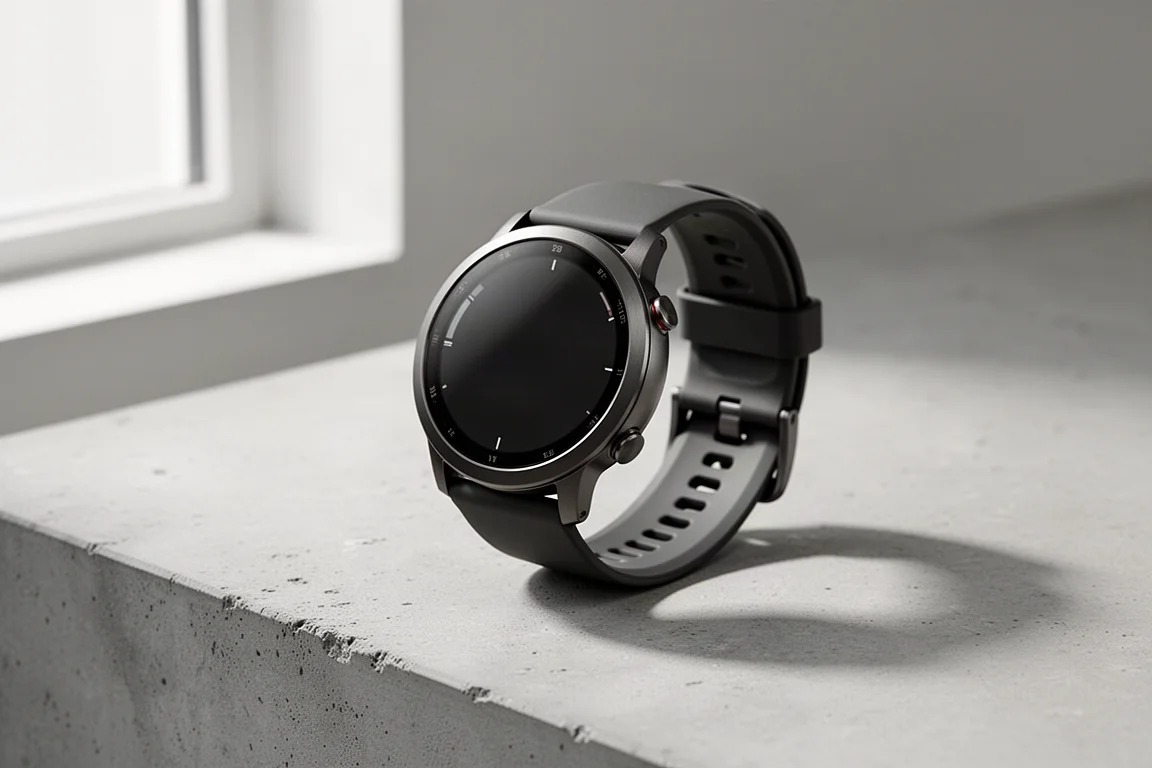
At first glance, the Garmin Venu 4 does not look like a major release. The announcement materials highlighted only a handful of changes, and on paper it can read like a routine refresh of the Venu 3. In practice, the opposite is true. Garmin packed an astonishing number of new features into this watch, most of which simply did not make it into the marketing.
This is also a watch that sits at a turning point for Garmin. It now runs on the same underlying operating system as the Forerunner 570, 970, Fenix 8, Fenix 8 Pro, and Venu X1, which changes how features and fixes will arrive across the lineup going forward. Here is what all of that actually means if you are considering buying one.
Why the Venu 4 Matters More Than It Looks
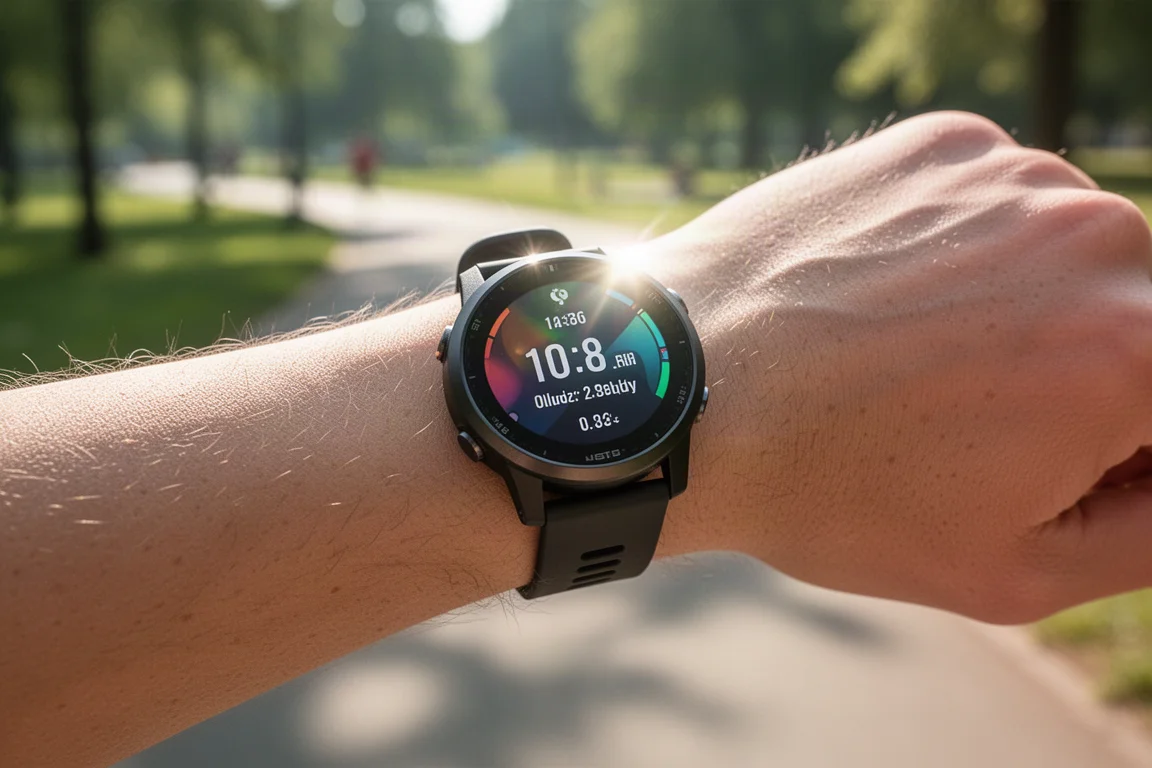
The headline hardware change is easy to miss: the Venu 4 now has a much brighter display than the Venu 3, using the same panel seen on Garmin’s higher-end models. Outdoor visibility was never really a problem before, but in bright, sunny conditions the improvement is noticeable, and there were no readability issues at all while running in strong daylight.
The second quiet upgrade is the LED flashlight, activated by holding the bottom right button. It offers four brightness levels plus a red light mode, mirroring what Garmin already introduced on other watches like the Venu X1. It is a small feature on paper and a genuinely useful one at night.
Lifestyle Logging: New to Garmin and Free for Everyone
This is the first feature here that is entirely new to Garmin, and the interesting part is who gets it: everyone. Lifestyle logging is available today in Garmin Connect for all users, no Connect Plus subscription required, and it can also be used directly on the Venu 4 itself.

The idea is similar to journaling features that other platforms have offered for a while. At the end of each day you log behaviors such as caffeine, exercise, or self-care, choosing from a long list of categories or creating your own custom ones. After about a month, the system starts correlating your entries with your sleep and other data, surfacing patterns like late caffeine leading to a rough night.
Garmin says the feature is coming to other recent watches in a future quarterly update, but has not specified which models. For now, anyone with a compatible device gets the phone-side experience for free.
Health Status and Sleep Alignment
The health status feature is also rolling out to all Garmin Connect users, again without requiring a paid tier. It consolidates five core metrics: heart rate, HRV, respiration, skin temperature, and pulse ox. Your data is interpreted automatically, and the results appear in the app and on the watch, assuming the device supports the underlying sensors. For HRV, for example, you need a watch from roughly four or five years ago or newer.
Alongside it comes a sleep alignment feature that compares your last night’s sleep to your typical circadian rhythm. The catch: it requires about three weeks of data before it shows anything, even for long-standing Garmin users whose history is already in the system. The related sleep consistency metric, in contrast, works immediately.
A New Common Operating System
This may be the single most important change on the list, even though it is invisible in a spec sheet. The Venu 4 shares the same underlying Garmin OS as the Forerunner 570, 970, Fenix 8, Fenix 8 Pro, and Venu X1.
That means features roll out faster, and bug fixes land across all those devices at the same time. In the past, Garmin’s watch teams worked from similar but separate bases; now everything is unified. Not every watch gets every feature, but when a feature is enabled, the interfaces, toggles, and behavior are identical. For anyone who has followed Garmin’s software inconsistencies over the years, that is a big deal for long-term quality.
New Training and Sport Features
Because of that shared platform, the Venu 4 inherits the sport feature set of the Forerunner 570. The list is long, and the highlights include:
- Automatic track detection, which snaps the regular run profile to a running track
- Auto lap timing gates for races, so pacing reflects the actual course
- Finish line backdating, which corrects your recording if you forgot to stop your watch at the line
- Load ratio within training status
- Projected race finish times for events on your calendar
- Heat and altitude acclimation
- The full focus modes introduced with the Fenix 8
There is also a new mix session sport profile: you pick a starting sport, and when you pause, the watch asks what you want to do next, which fits gym sessions that hop between very different activities. Roughly 80 sport profiles are included, matching the Forerunner 570 and consolidating Garmin’s sub-$1,000 watches onto one cohesive sport list.
On the sensor side, the Venu 4 adds extended display support, golf club sensors, inReach device connectivity, electronic bike shifting, and Shimano Di2 shifting, joining the existing sensor support. Dual-frequency multiband GPS is on board too, mainly useful in difficult environments like dense city centers or cliffside terrain, though Garmin’s standard GPS is already impressively accurate.
Accessibility Features That Genuinely Help
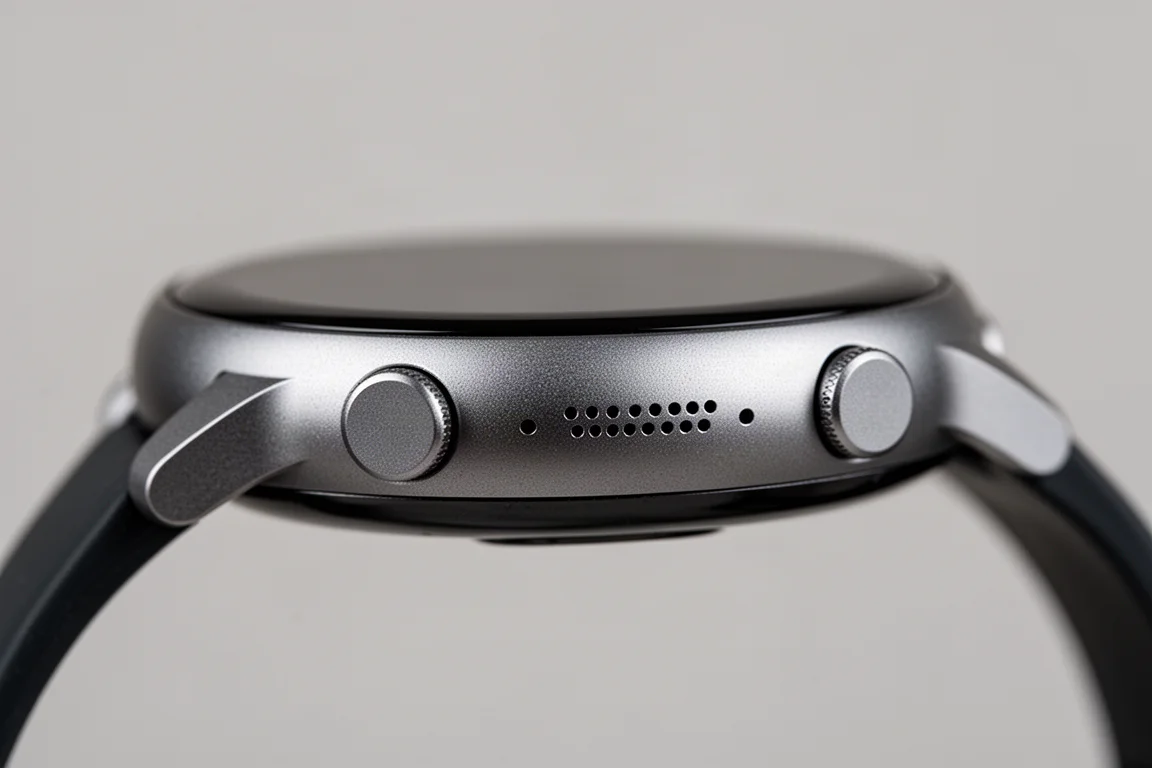
Three of the new features are accessibility additions, continuing a pattern from the Venu team. First, the watch can read out the time using its built-in speaker; you press the back button and it announces it aloud. The speaker is not especially loud, but it works.
Second, it can read out the health metrics on your watch face, such as steps, intensity minutes, and heart rate, in a spoken summary. Third, there are four color filter options for users with color blindness, joining existing options like wheelchair mode. For most buyers these features will not move the needle, but for the people they serve, they are genuinely meaningful.
Venu 4 vs Forerunner 570: Which One Makes Sense
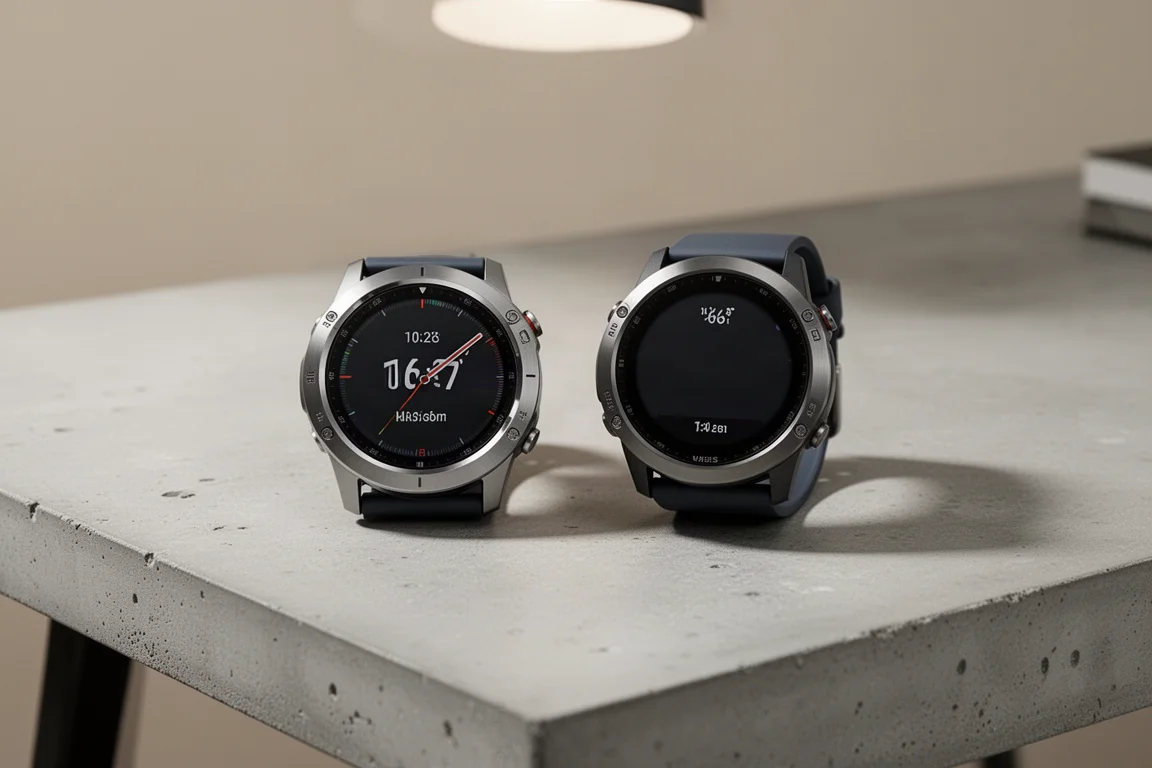
Functionally, the Venu 4 is essentially a Forerunner 570 minus a couple of buttons. The 570 launched this spring as a dedicated runner’s watch with a five-button layout. The Venu 4 drops to two buttons but adds something the 570 lacks in hardware: full ECG support with A-Fib detection, using the sensor on the back.
The differences extend to the case and price. The Venu 4 gets a full metal case, where the Venu 3 only had a metal bezel, and it comes in 41mm and 45mm sizes. Battery life on the larger unit decreases slightly compared to before, likely due to the brighter display, but the impact is not dramatic. The smaller unit keeps its previous battery life.
Then there is the price increase: $100, moving from $449 to $549, the same price as the Forerunner 570. Garmin’s logic is that some buyers want the Venu’s touch-first layout and sleeker metal case over the more sporty Forerunner, and are willing to pay the same money for it. You are choosing between five buttons and no ECG, or two buttons with touch-first control and ECG.
The trade-off is that Garmin has effectively vacated the roughly $400 range where it used to compete directly with the Apple Watch, Google Pixel Watch, and Samsung Galaxy Watch base models. The cheaper Venu Active exists, but it lacks many of these features, leaving a surprisingly large gap in the lineup.
Buying Advice
If you want a Garmin watch with a touch-first, sleek everyday design and full training features, the Venu 4 now delivers both in one package, which is genuinely new for the lineup. The ECG support, brighter display, and unified software platform make it a real upgrade over the Venu 3.
If you prefer physical buttons for workout control or want to spend the same money on a running-focused device, the Forerunner 570 remains the better fit. And if you were hoping for a sub-$450 Garmin with this feature set, that option no longer exists, at least for now.
Conclusion
The Garmin Venu 4 is easy to underestimate, but the combination of a new common operating system, free lifestyle logging and health status for all users, ECG support, and the full Forerunner 570 feature set makes it one of the more significant Garmin releases in a while. The $100 price increase is the main reason to hesitate, and the decision largely comes down to whether you prefer a touch-first sleek design with ECG or a button-heavy running watch at the same price.
Product link
View more details for Garmin Venu 4
This product is mentioned in the review. Check the specifications, options, and compatibility before buying.
View more details for Garmin Venu 4Further reading
Related Reviews
Smartwatches
Best Budget Smartwatches 2026: Five Affordable Options That Actually Work
Five budget smartwatches tested for real daily use. From entry-level options to premium features at fraction of the cost, here's what actually delivers.
Smartwatches
Best Smartwatches on AliExpress 2026: Five Practical Options for Different Needs
Five smartwatches with strong customer feedback and competitive pricing, each suited to different priorities: premium design, battery life, outdoor durability, advanced health tracking, and sports versatility.
Smartwatches
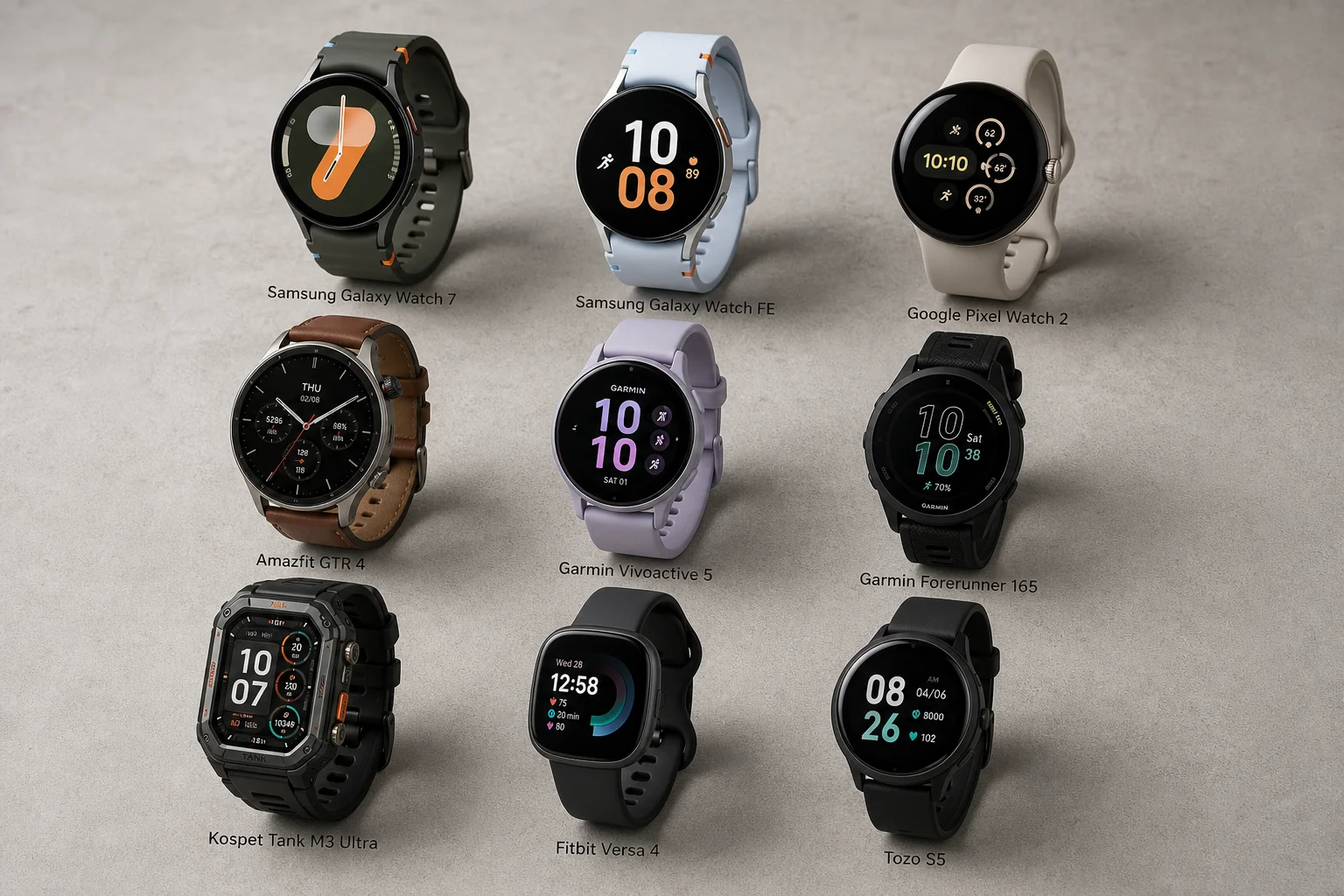
Best Smartwatches Under $300: 9 Practical Options for Every Need
A curated selection of nine smartwatches under $300, each excelling in health tracking, durability, battery life, or fitness features. Find the right match for your lifestyle.