Cycling Accessories
Garmin Varia RTL515 Successor Review: The Best Cycling Radar Just Got Better
After extensive real-world testing, the new Garmin Varia radar proves to be the most capable on the market, with a dramatically improved radar chipset, USB-C, and longer battery life, though a few new features need polish.
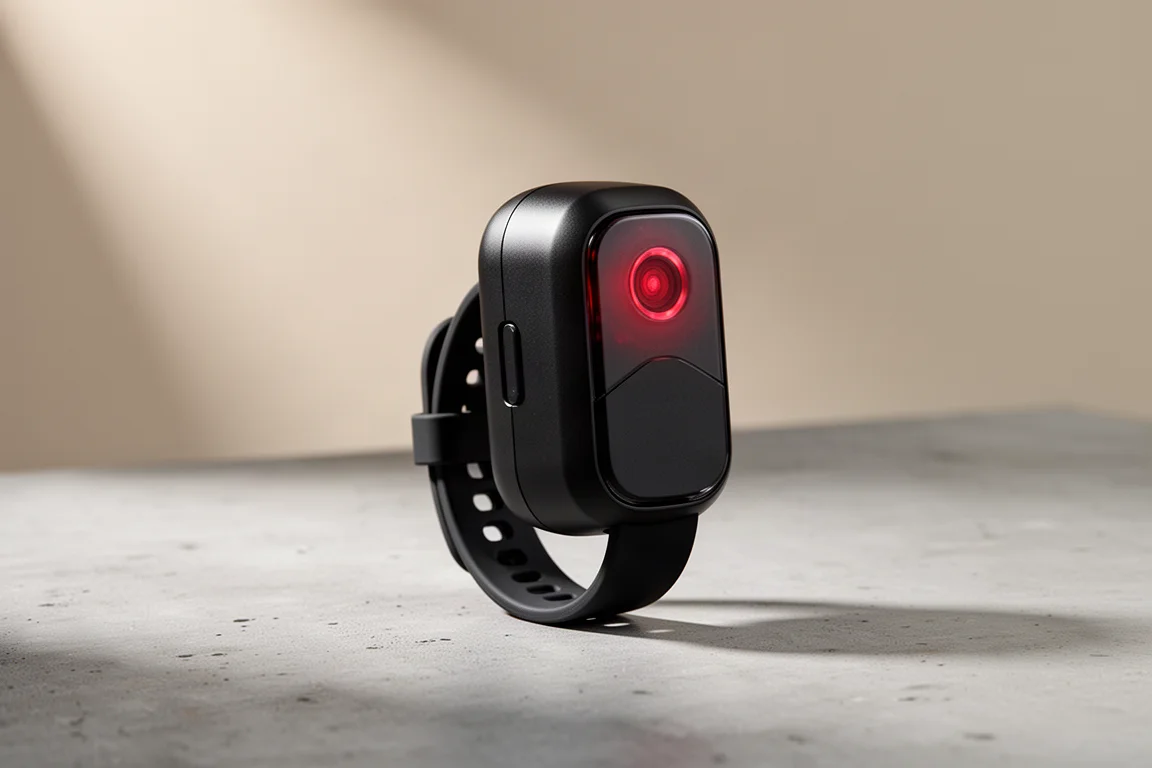
Introduction
After roughly six years of the same radar-only unit, Garmin has finally released a successor to the Varia RTL515. This is far more than a USB-C update with a bigger battery: there is an entirely new radar chipset inside, new features, and a new user interface for some bike computers. We put it through an extensive stretch of real-world riding, from cities to mountains, sunny days to heavy rain, day and night, and ran constant side-by-side comparison rides against the older Garmin Varia RTL515, the Wahoo radar, and the Lezyne radar.
The short version: this is now clearly the best cycling radar on the market in terms of core radar performance, but a handful of new software features are a mixed bag and one outright bug slipped through. Impressions also took time to settle. After the first day of riding, the new feature set felt like over-engineering; after several more days, much of it started to make sense. Here is the full picture.
Who This Product Is For
Cycling radars show you vehicles overtaking you from behind, and they have become close to must-have items for many riders. Knowing a car is approaching helps you position yourself in the ideal spot on the road, and on long endurance rides on quiet country roads it acts as a useful wake-up call when traffic is infrequent. Compared with a mirror, a radar works reliably in fog and rain, where a mirror fogs up or gets spattered, and it adds audible alerts.
If you ride on open roads, commute in traffic, or simply want the strongest possible awareness of what is coming up behind you, this radar deserves a spot at the top of your list, provided the price fits your budget.
First Look and In the Box
Inside the box you get essentially the same contents as before: three seatpost mount types (a DC post type, an aero seatpost type, and a round seatpost type) plus a USB-C cable. The mount itself has been beefed up, moving from a single narrow rubber band to a much wider band design. Critically, the connector is identical to the previous model and sits in virtually the same position, so existing third-party mounts should work just fine.
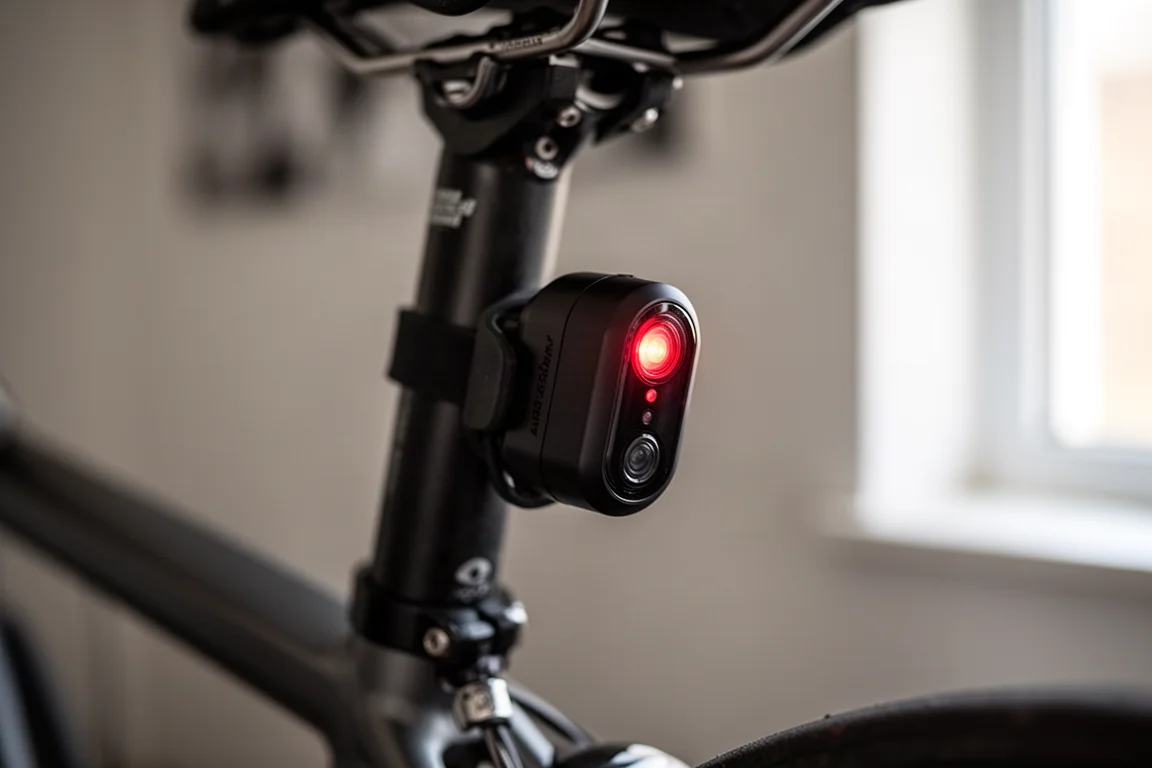
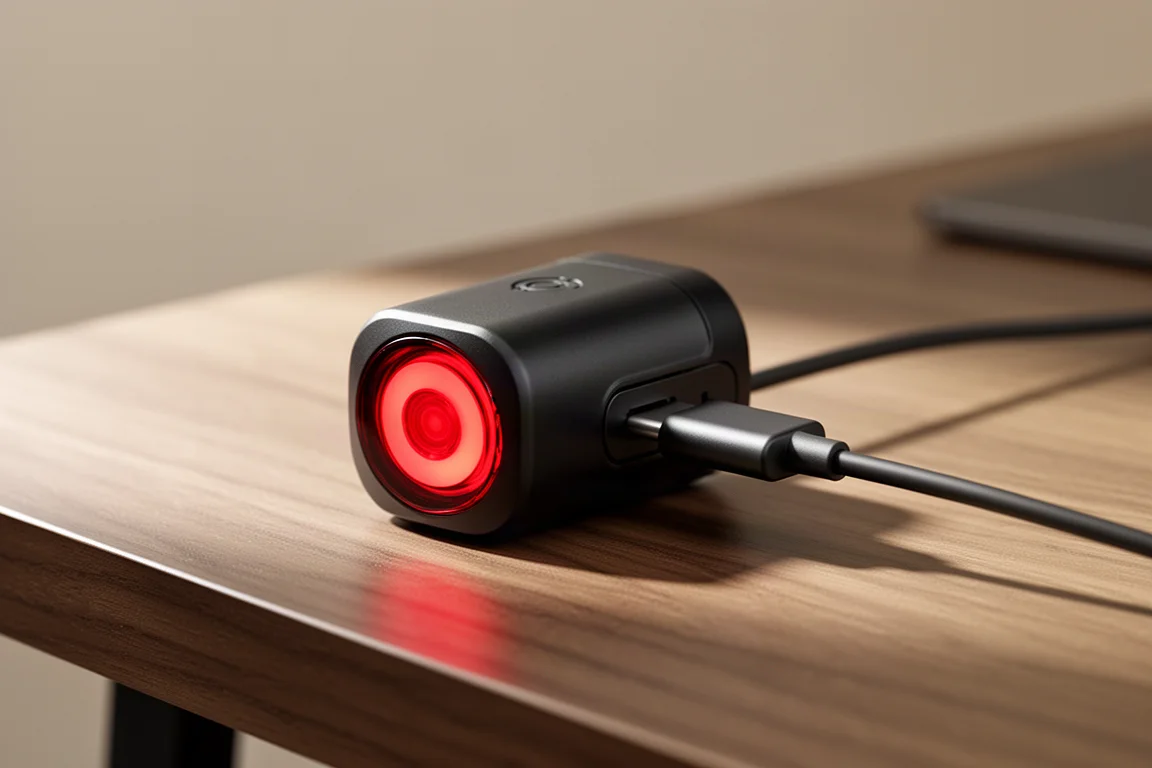
The headline physical change is the move to USB-C, replacing the micro USB port the outgoing unit carried for six years. The new unit is a little chunkier than the original, and the weight has increased slightly, but not enough that you really notice it on the bike. There is also a user-replaceable battery behind screws: this is not designed for frequent swapping like an action camera battery, but it means the unit can be revived when the battery eventually wears out. A small extra quirk: the unit can be mounted in either orientation, and the app auto-detects which direction it is oriented, though you can also force it up or down manually.
Detection Range and Real-World Comparison Rides
Garmin has increased the claimed detection range from 140 m to 170 m. To put that to the test, we ran both real-world riding on curvy roads and a controlled test on a perfectly straight, clear road with distances marked at 50 m intervals up to 250 m, verified with a drone overhead, chalk measurements on the roadway, the radar’s own reported vehicle distance via a Connect IQ data field, and cross-checked landmarks in satellite imagery.
In the controlled test, the radar repeatedly detected vehicles well beyond the claimed 170 m spec. The best confirmed detection was 224 m, comfortably blowing past the specification. On a straight comparison stretch, the Wahoo radar came in about 3 seconds behind the new Garmin on detections, and in real-world riding it was usually 2 to 3 seconds behind regardless of distance. In the entire testing period, the Wahoo never once detected a vehicle before the Garmin. The older Garmin RTL515 typically detected around 2 to 3 seconds after the new unit, and the Lezyne radar, which claims 150 m, performed similarly to the older Garmin, usually a couple of seconds behind the new model.
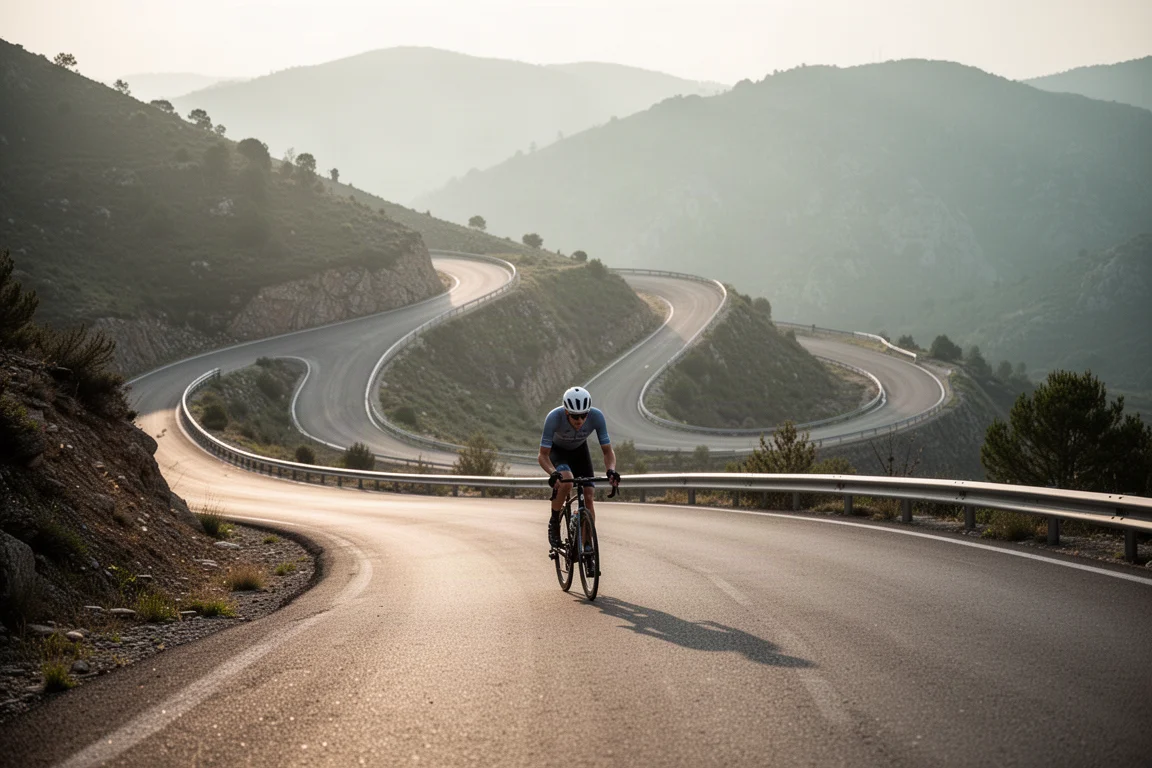
A key reason the new radar picks up cars faster, especially on curvy roads, is its wider beam angle: 60 degrees versus 45 degrees on the older unit. In theory, a wider beam could mean more detections of off-path vehicles when riding bike paths, but in side-by-side testing against the Wahoo there was no meaningful difference in those scenarios. The real advantage showed up in the mountains, where the radar keeps vehicles locked on through back-and-forth curves instead of losing them out of view.
Same-Speed Tracking and Accuracy
Most rear radars struggle when a vehicle is travelling at the same speed as you, often dropping the track because the vehicle no longer appears to be approaching. The new Varia claims much better same-speed accuracy, and in testing it does an astonishingly good job: it keeps tracking cars long after the Wahoo gives up and drops them, while the older Garmin was hit or miss. The Lezyne behaved much like the older Garmin, sometimes tracking same-speed vehicles and sometimes dropping them.
On accuracy more broadly, the two things that matter are false negatives (missing a car entirely) and false positives (detecting cars that do not exist). A false negative is disqualifying for any radar. Across all real riding on the new Garmin, there was not a single false positive event, i.e., not one fake car. The only false positives occurred twice while sitting stationary at the roadside from radar bounce, which is extremely rare. By contrast, the Wahoo’s current firmware showed false positives for cars that simply were not there, and that firmware has not been updated since the previous June despite acknowledged accuracy issues.
Lane Detection and Vehicle Classification
The wider beam angle enables two new features, but note upfront: both require Garmin’s Edge X40 or X50 series bike computers. They rely on a new secure Bluetooth communication (driven by an EU directive requiring secure Bluetooth, for which there is no industry standard, so Garmin built their own), and Garmin confirmed other companies will not be able to use it. Older Garmin computers and third-party units still work over the standard ANT+ profile.
Lane detection shows two lanes on the right-hand side of the head unit by default. There are optional data pages, including a half-screen layout and a full-screen radar-only view that some commuters may like, but the sensible default is the compact two-lane display, which is simply double the width of the old single-lane one, and you can revert to a single lane entirely. Initially this felt distracting and overwhelming, but over successive days it faded into the subconscious. Its real value shows in scenarios where traffic can pass on both sides, such as when a right lane becomes a highway on-ramp. In places with dangerous bike lane layouts, knowing which side traffic is coming from is genuinely useful.

Vehicle classification sorts detections into three buckets: two-wheel vehicles such as cyclists, mopeds, or motorcycles; regular vehicles; and oversized vehicles like trucks and buses. In practice it worked roughly 80 to 90 percent of the time. Sometimes a cyclist got classified as a car, and in rain the classification largely falls apart, which Garmin confirmed. Large trucks and buses are automatically flagged red regardless of speed. The intent is sound, since knowing a semi-truck is closing in gives you an extra second to brace, but the execution needs work, and there is no easy toggle to turn classification off the way you can disable the extra lane views. The bigger gripe: practically every vehicle ends up orange-topped on the display, and if everything is a threat, nothing is a threat.
Battery Life and Practical Details
Battery claims have increased across the board despite brighter lights. The new brake light feature uses an internal accelerometer to boost brightness or add blinking when you slow down, similar to other recent rear lights. Lumens have increased on virtually all modes except peloton mode, which keeps output steady for group riding. You can also now create custom light profiles with your own brightness levels and blink patterns, name them, and save them. One of the built-in profiles is a radar-only mode that turns the light off entirely and nearly triples battery life.
Real-world testing closely matched the claims. Low solid mode, rated at about 10 hours, came in right on target. Peloton mode, claimed at 15 hours, tested at slightly under that after subtracting a solid-mode warm-up period, so effectively close to the claim. Radar-only mode, claimed at 30 hours, drained at about 4 percent per hour, working out to roughly 25 hours.
Things to Consider Before Buying
Compatibility is broad but nuanced. Everything except lane detection and vehicle classification works with any bike computer over ANT+, including third-party units such as the Hammerhead Karoo 3 and Wahoo Roam, and older Garmin computers. However, there is a quirk worth knowing: the ANT+ spec capped reported distance at 196 m when it was written, and because the new radar detects up to 224 m, ANT+ units display an incorrect position for a second or two when a vehicle is detected beyond that threshold, showing the difference to 196 m instead. Garmin’s newer Edge computers using secure Bluetooth are unaffected. A fix would be trivial (cap the ANT+ broadcast at 196 m), but as shipped it is a sloppy bug that should have been caught in testing.
The price has risen from $199 to $299. Adjusted for inflation, the 2020 launch price of the RTL515 lands around $250 in today’s money, and given the new unit beats the Wahoo radar across the board on accuracy and features, the increase is at least logical, even if nobody enjoys it. Cheaper alternatives exist: $100 knockoff radars have repeatedly been shown to miss cars, while the XOSS radar at $179 looks like the current best middle ground, with accuracy similar to the older Garmin radar plus USB-C, better battery life, and brighter lights. Meanwhile, the Wahoo radar’s unresolved false-positive firmware issue makes it hard to recommend on accuracy grounds right now.
Buying Advice
If money is no object, or if safety is your top priority, this is the obvious and only choice. It simply beats every competitor on core radar performance, same-speed tracking, and detection speed, even at the higher price. The new software features require more than a ride or two to get used to, and some, like lane detection, will be extremely valuable in areas with hazardous road layouts, while others, like vehicle classification, simply need more refinement and a toggle to disable. If you are shopping on a tighter budget, the XOSS radar is the most sensible compromise until Garmin’s rivals close the gap.
Conclusion
The successor to the Varia RTL515 is the most capable cycling radar available today. The new chipset delivers faster, longer, and more reliable detections than anything else we have tested, same-speed tracking is dramatically improved, USB-C and a user-replaceable battery fix long-standing frustrations, and battery life impresses across the modes. The trade-offs are a higher $299 price, new display features that take real time to appreciate and partly need more work, and one avoidable 196 m ANT+ bug. None of that changes the core conclusion: for riders who take rear-traffic awareness seriously, this is the radar to buy.
Product link
View more details for Garmin Varia Radar (RTL515 Successor)
This product is mentioned in the review. Check the specifications, options, and compatibility before buying.
View more details for Garmin Varia Radar (RTL515 Successor)Further reading
Related Reviews

Cycling Accessories
7 Inexpensive Everyday Products That Are Brilliant for Cyclists
Seven cheap household products that solve real problems for cyclists, from portable bike washing and dry shoes to clean bottles and protected paintwork.
Cycling Accessories
Amazon Cycling Accessories Worth Buying: Five Practical Picks
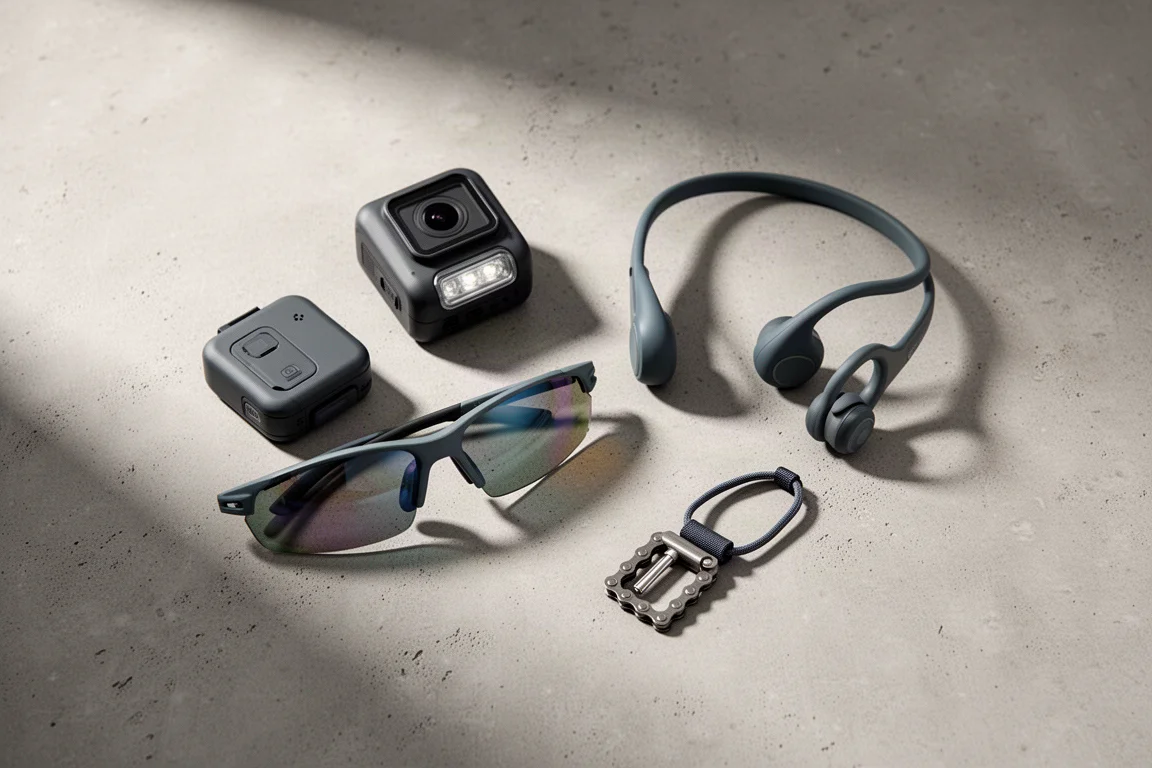
A basket of low-cost cycling accessories judged on real-world use, from a dash cam style camera and light combo to bone conduction headphones and one tool best left on the shelf.
Cycling Accessories
Electric Bike Pumps Compared: AS2 Pro Tiny Pump vs AS2 Pro Max
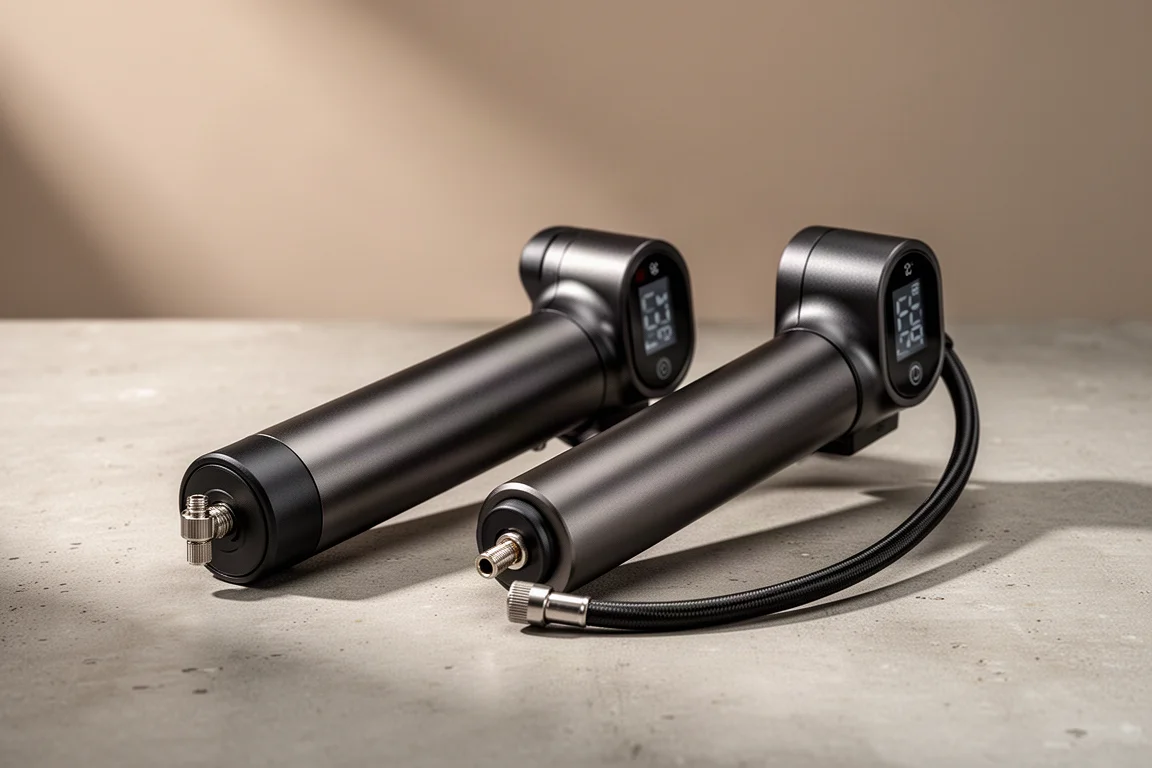
A practical look at two battery-powered bike pumps: what they do well, where they fall short, and which one suits which kind of rider.