Indoor Cycling
Garmin Tacx Neo Bike Plus Review: A Premium Smart Bike Polished to Near Perfection
The Tacx Neo Bike Plus refines the original with better levers, more crank length options, and a genuinely smooth, near-silent ride. Here's what holds up and what to consider before buying.
Introduction
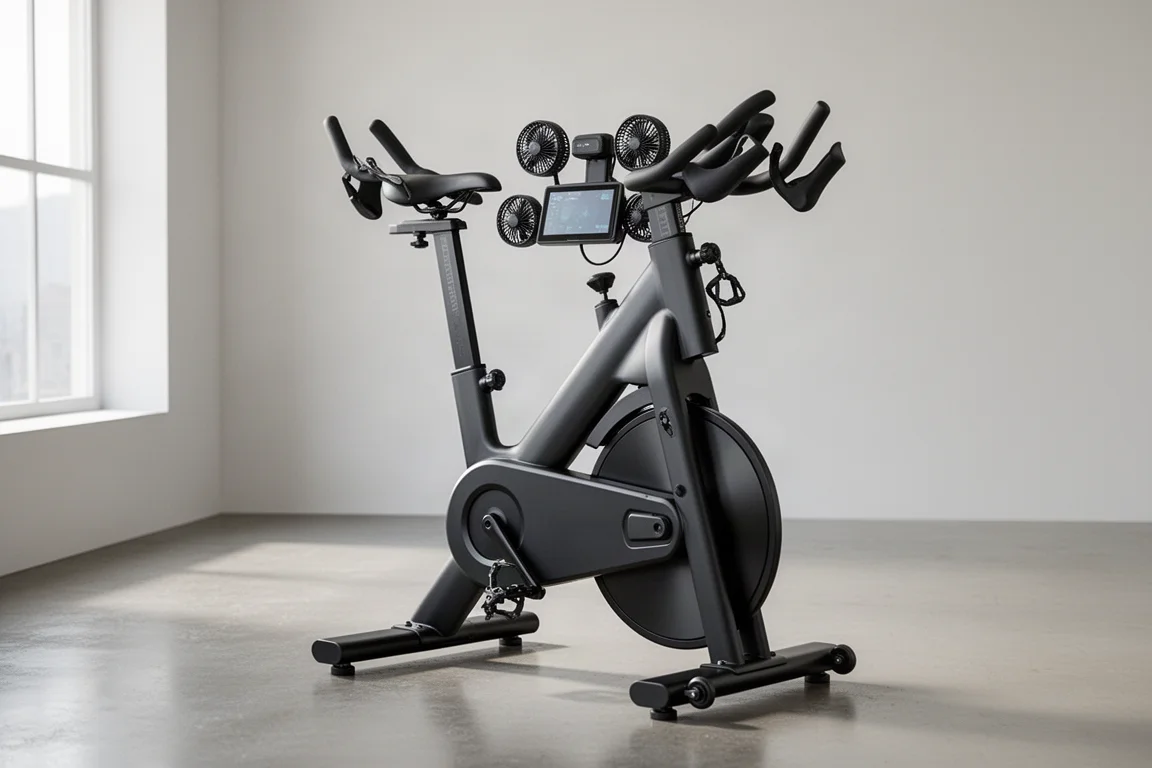
The Tacx Neo Bike Plus by Garmin is the updated version of the original Neo Bike, bringing new shifters and brake levers, redesigned fit hardware, and a batch of small improvements that make the whole package easier to live with. Like its predecessor, it sits at the premium end of the smart bike market, offering a complete out-of-the-box interactive training setup that never requires mounting or removing your outdoor bike.
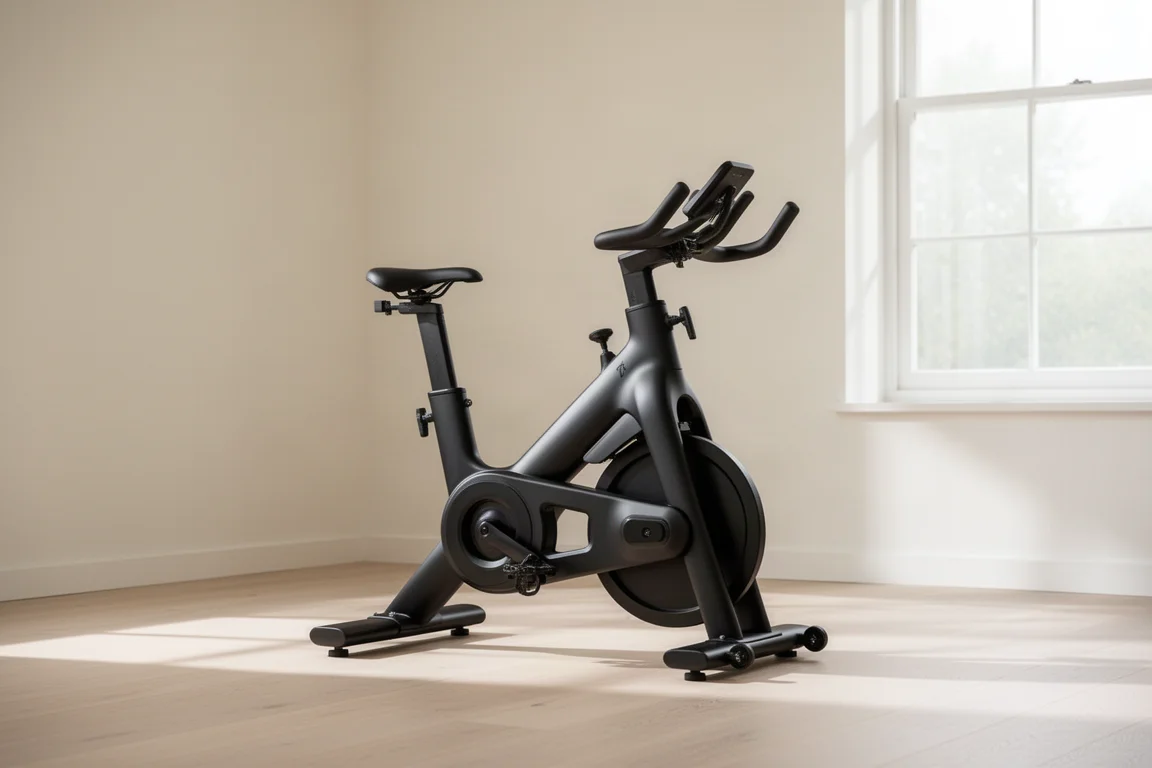
That last point matters more than it sounds. One of the main reasons smart bikes exist is convenience: no swapping bikes on a trainer, no dedicated trainer bike taking up space. With the Neo Bike Plus, everything is simply ready to go whenever you feel like riding, and it looks good doing it, to the point where keeping it in a living room is a genuinely reasonable choice.
Features and Specs at a Glance
The Neo Bike Plus is a fully customizable interactive smart bike that works with virtually any indoor training software over Bluetooth or ANT+, from Zwift and TrainerRoad to Tacx’s own training app. Unlike a spin bike or a studio-style bike, it automatically controls resistance through your training software, so when you approach a climb in Zwift, resistance increases to replicate what you would feel outdoors.
There is even a bit of flair: LED lights on the bottom of the bike illuminate while riding and change color based on the power you are putting out.
On the spec side, the bike can deliver up to 2,200 watts of resistance and simulate grades up to 25 percent. For perspective, a strong rider holding sprints of 1,100 to 1,200 watts for a few seconds is nowhere near exhausting that ceiling, so it should provide more than enough headroom for nearly everyone.
Fit Adjustments and Hardware Improvements
The bike adjusts to accommodate a wide range of rider heights, with seat height, saddle fore-aft, saddle angle, stem length or reach, and handlebar height all adjustable down to the millimeter. In practice, that means you can essentially match the fit of your outdoor bike.
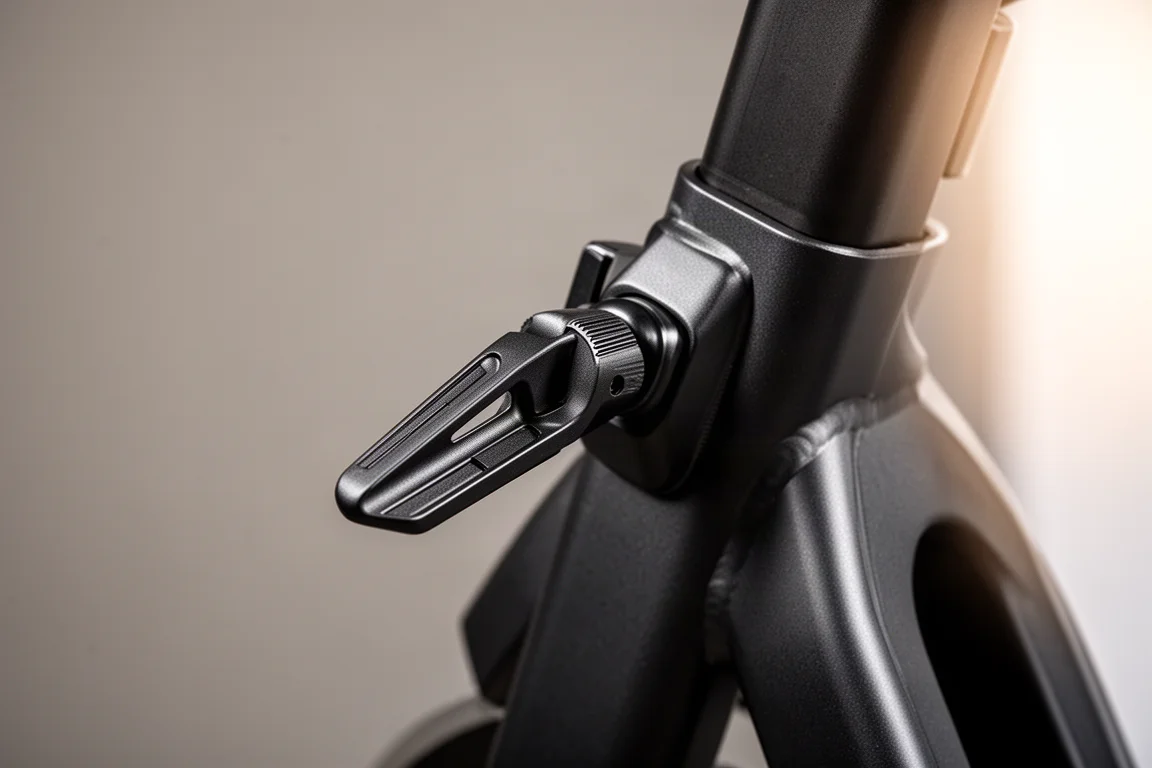
Several hardware revisions address pain points from the original. The adjustment levers are now dual-sided and wing-shaped, so you can keep turning without pulling and releasing, and the notches sit closer together so levers end up flush rather than awkwardly sticking out. Set screws are also included if you prefer a cleaner look and do not plan on sharing the bike.
The seat post area has been narrowed, addressing reports of thigh rub on the original model. The included saddle is comfortable enough for long sessions, though not at the level of a premium aftermarket saddle, and you can swap it freely. The crank arms have been redesigned too: no more small adjustment pod to lose, and five crank length options (165, 167.5, 170, 172.5, and 175 millimeters) versus three on the original, without alignment worries or creaking.
Shifters, Brake Levers, and the Ride Feel
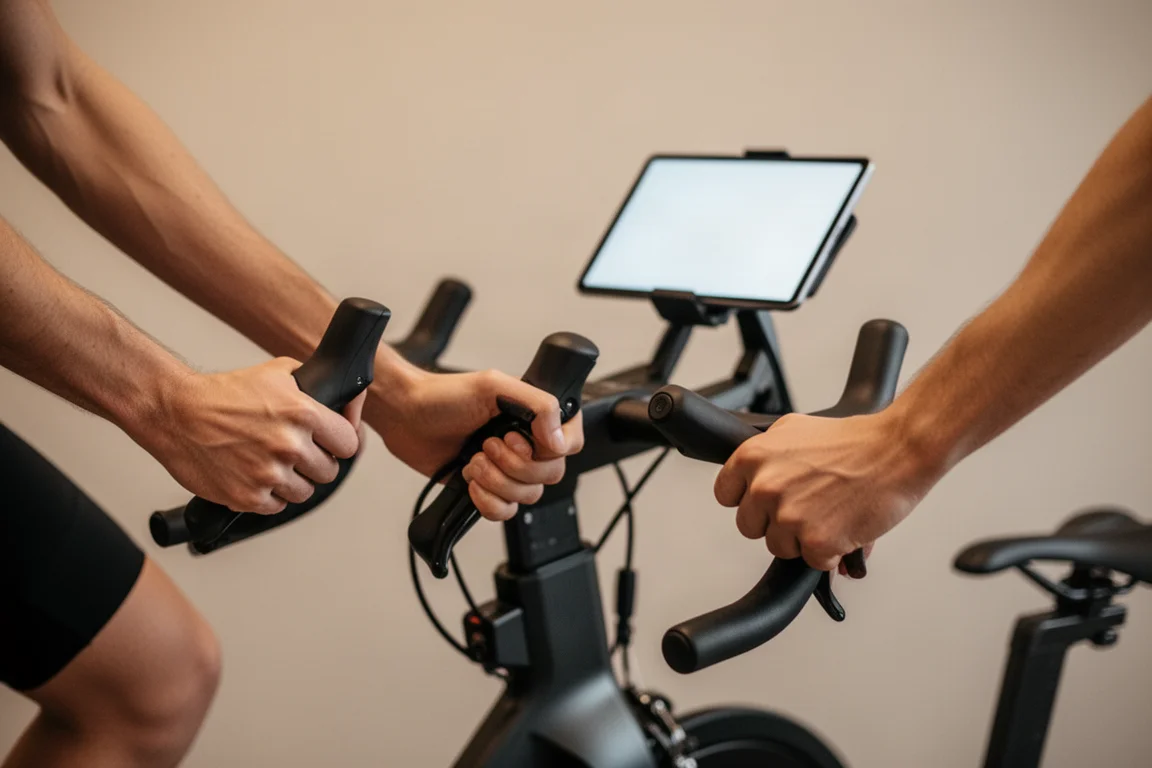
The new shifter and brake levers are a night-and-day improvement. They mirror what you would find on an actual road bike, and the shift buttons can be customized in the app to match Shimano, SRAM, or Campagnolo layouts. You can also replicate whatever gearing you want. Shifting feels instantaneous, with a realistic notched sensation that mimics changing gears outdoors. Dedicated incline buttons raise or lower resistance to simulate hills, though note they change flywheel resistance only and do not tilt the bike itself.
Because the bike freewheels like a real bicycle, the brake levers work like real brakes, though they serve no function within training software at the moment.
Ride feel is where the Neo Bike Plus truly shines. Without a traditional drivetrain, the magnetic resistance system replicates road inertia remarkably well, producing a buttery smooth, realistic ride. It also offers downhill simulation, gently accelerating to mimic coasting down steep descents, and can simulate surfaces like gravel and dirt through subtle bumps and vibrations, which adds variety and realism to indoor rides.
One adjustment note for anyone coming from a direct drive trainer: the experience can feel almost oddly smooth and quiet at first, since there is no chain noise at all. It is essentially the quietest indoor riding experience available, with only a slight whirr from the magnetic flywheel and a bit of freewheeling sound.
Power Accuracy and Training Modes
Garmin claims accuracy to within plus or minus one percent, and in testing against a well-regarded dual-sided power meter pedal set, average power matched very closely across rides. One quirk worth knowing: the bike smooths its power data, so on quick accelerations or very sharp five-to-eight second sprints, peak output can be slightly underreported or delayed, even though it lines up well once power is held steadily.
In SIM mode with software like Zwift, the bike performs very well, with responsive, natural resistance changes on grades. ERG mode is a bit less refined: power changes at the start of intervals can feel abrupt over two to three seconds, and when you drop below your prescribed wattage it takes a little longer to catch up, then kicks back in somewhat sharply. Cadence measurement, done virtually, proved excellent through extensive testing with ladder drills, and the bike also reports left/right pedal balance for pedaling analysis.
Display, Fans, and Everyday Conveniences
An integrated 4.5-inch LCD display shows gearing, power, cadence, and speed with a very fast refresh rate, giving a smooth readout as power changes. Crucially, you do not need training software to use the bike: a friend can adjust the fit, hop on, and just ride.
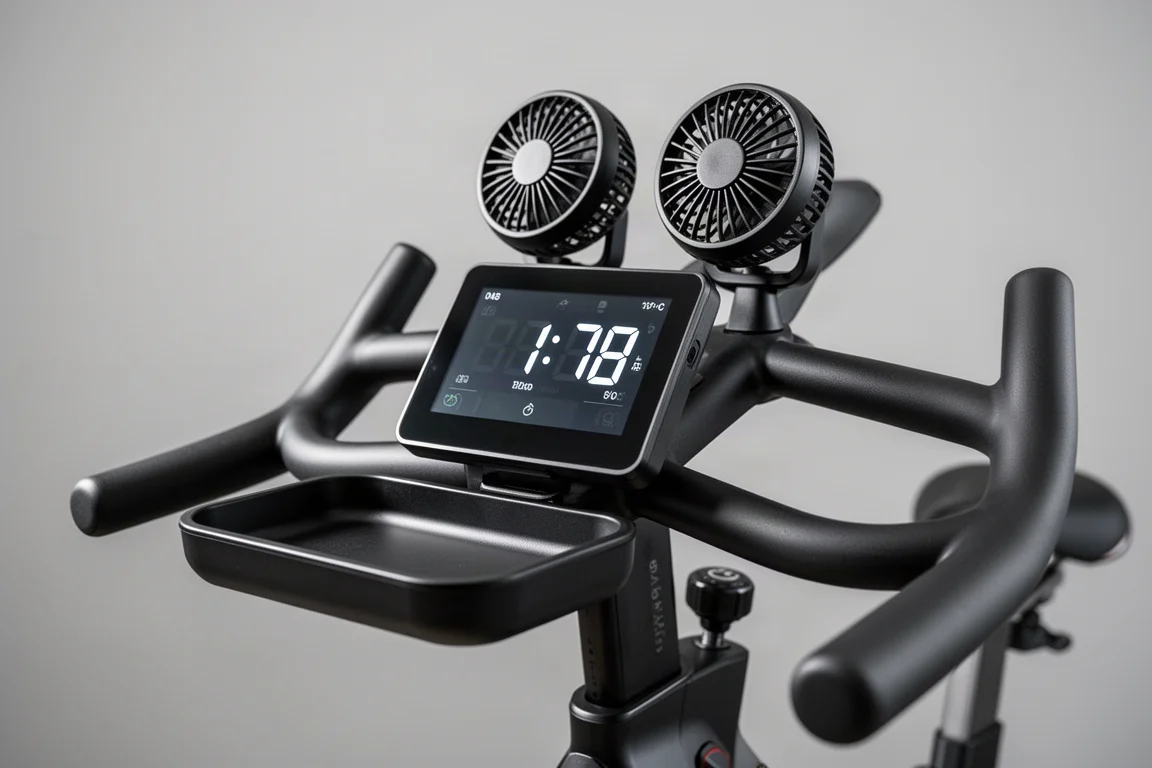
The built-in fans above the display are genuinely effective rather than gimmicky, with adjustable angle, and their speed can be tied to your heart rate or power zone so they ramp up as effort increases. A cover plate is included if you would rather remove the fans for a cleaner look. Below the display sits a handy tray for a phone, gels, or snacks, with a removable, washable cover for crumbs. Two USB charging ports underneath the display keep devices topped off mid-session.
A curious bonus: the bike works unplugged. Resistance, shifting, the display, the lights, the fans, and both Bluetooth and ANT+ all function without power; only the USB ports and downhill simulation/free-wheel behavior require it. Handy if your training spot is a shed without an outlet.
Setup and What’s in the Box
Assembly takes roughly 30 to 45 minutes, and two people are recommended since the bike weighs 110 pounds, though it is manageable solo. It arrives in a robust, well-protected box, and all needed tools are included, including a bonus set of 4, 5, 6, and 8 millimeter Allen wrenches that are actually good quality. Assembly is straightforward: front legs, back legs, saddle, handlebars, fans (or the cover plate), display connections, and pedals.
The package also includes a water bottle and cage, a Tacx training towel, and a sweat guard for the frame.
Buying Advice
The Neo Bike Plus is not a ground-up redesign, but every update genuinely polishes the experience. Choose it if you want a great-looking smart bike that can live in your home, an ultra-quiet and smooth ride, and a fit adjustable enough to serve multiple people in a household without anyone swapping bikes on a shared trainer. If very short, sharp sprint accuracy is a top priority, or if ERG mode smoothness matters most to your structured training, those are the areas where a direct drive trainer with separate power meter pedals still has an edge.
Conclusion
The Tacx Neo Bike Plus refines an already excellent smart bike with better levers, more crank options, a narrower seat post area, and thoughtful conveniences like integrated fans, a display, and USB charging. For riders who want a premium, zero-hassle indoor setup that simply works the moment you sit down, it remains one of the most compelling options available.
Product link
View more details for Garmin Tacx Neo Bike Plus
This product is mentioned in the review. Check the specifications, options, and compatibility before buying.
View more details for Garmin Tacx Neo Bike PlusFurther reading
Related Reviews
Indoor Cycling
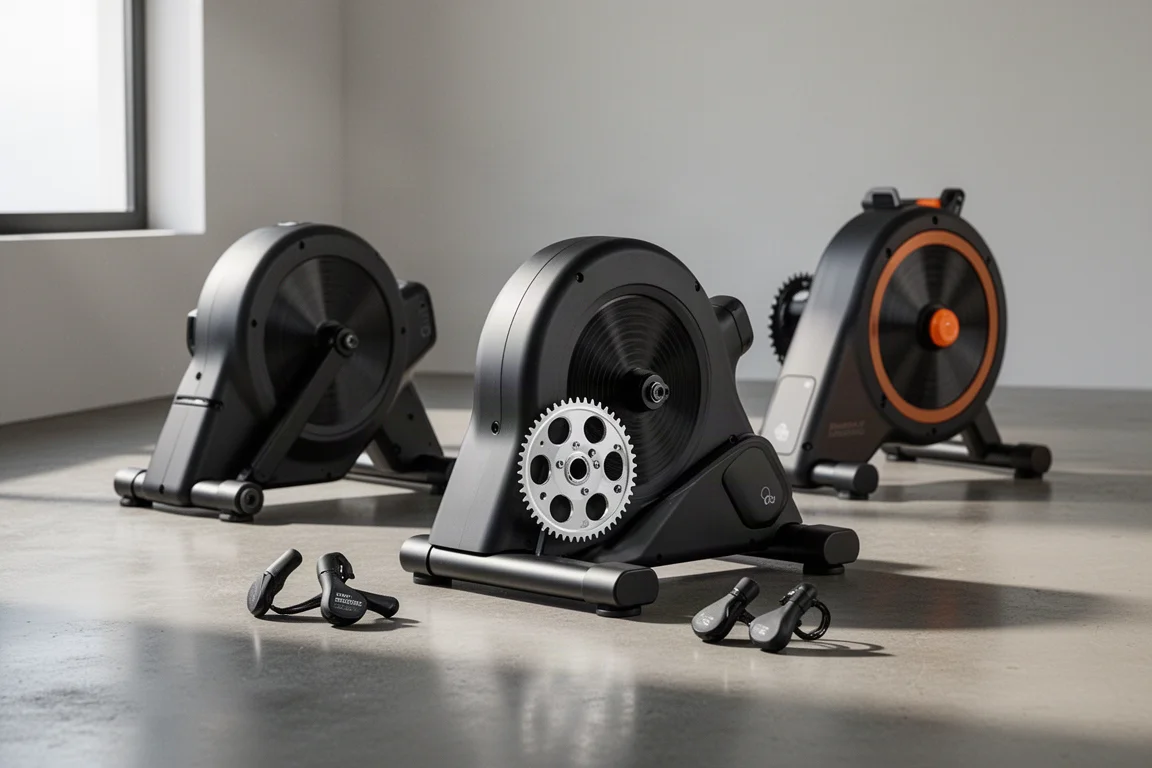
Best Budget Smart Indoor Trainer Setups: Six Options Worth Considering
Smart indoor trainers keep getting better while prices come down. Six setups and components worth considering, from the cheapest Zwift-ready option upward.
Indoor Cycling
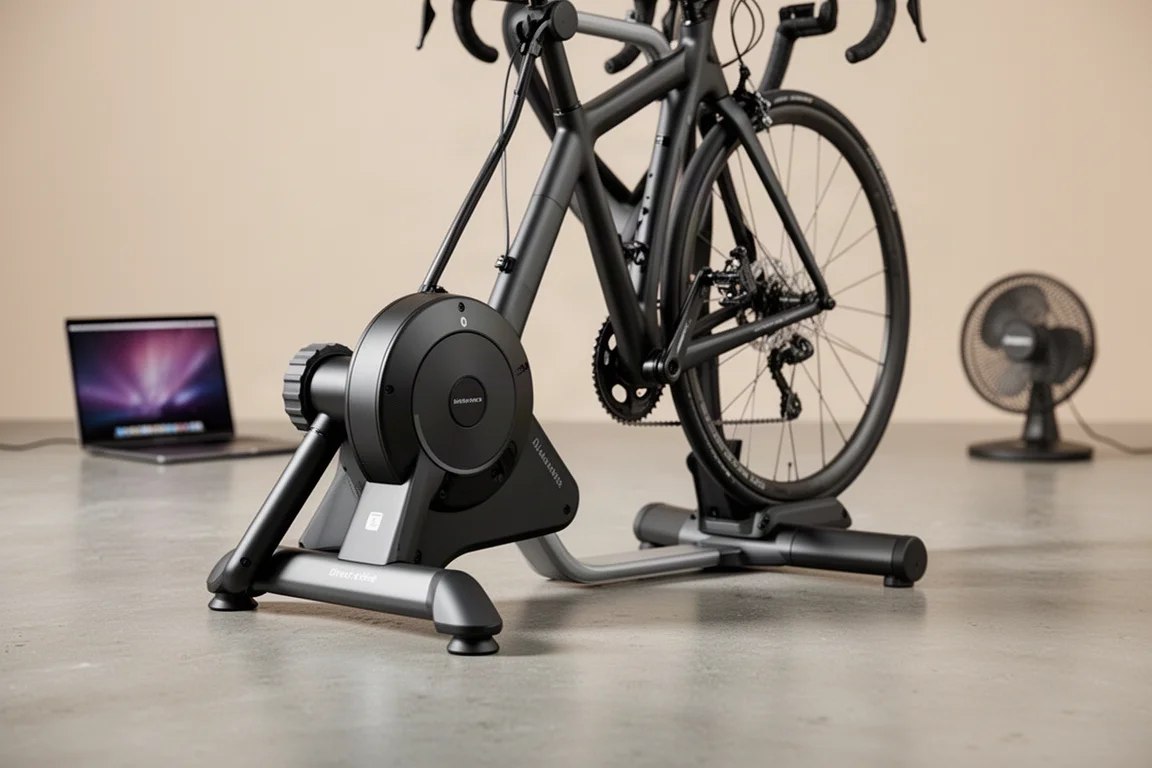
Best Budget Smart Indoor Trainers for Immersive Cycling in 2026
A practical guide to affordable smart indoor trainer setups, including budget and mid-range options with virtual shifting.
Indoor Cycling
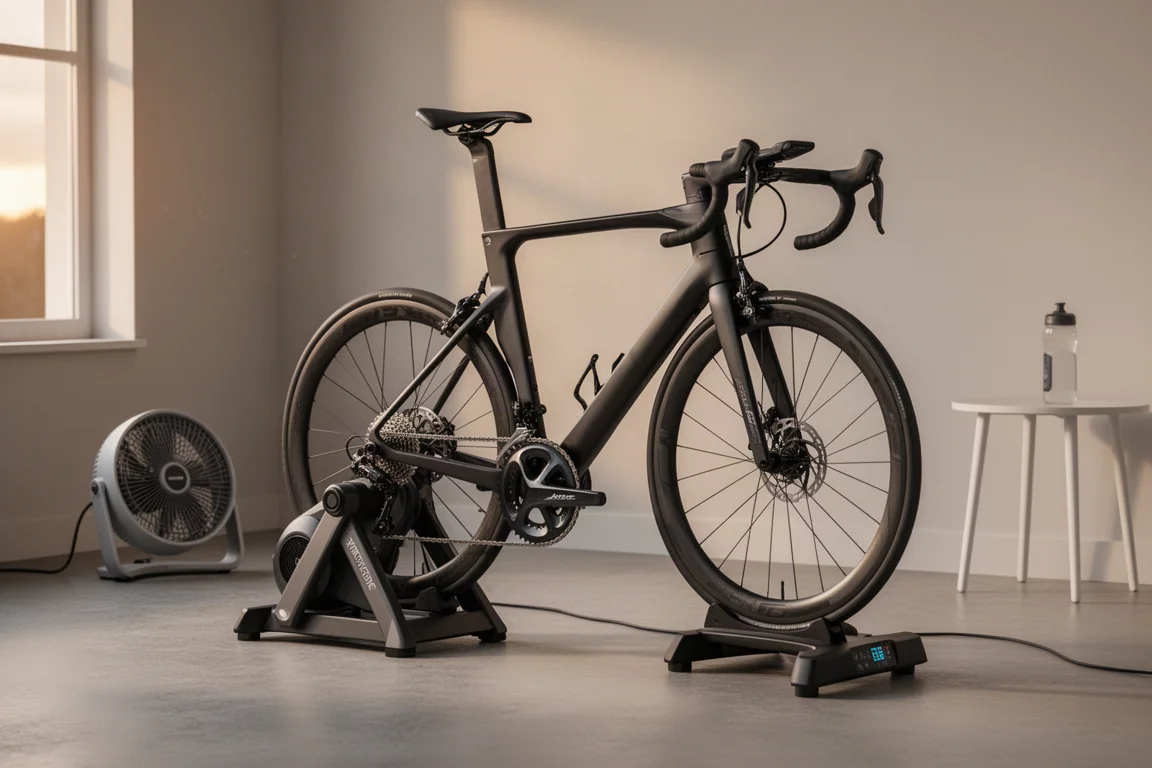
Best Indoor Cycling Apps and Smart Trainers: A Winter Buying Guide
A practical look at the indoor training platforms and smart trainers that matter this season, from a new challenger to Zwift to the entry-level trainer that stands out on value.