Indoor Cycling
Garmin Tacx Alpine Review: The Most Complete Indoor Gradient Simulator Yet
The Tacx Alpine adds gradient, motion, and steering to Tacx Neo trainers, creating one of the most immersive indoor riding setups available today.
Introduction
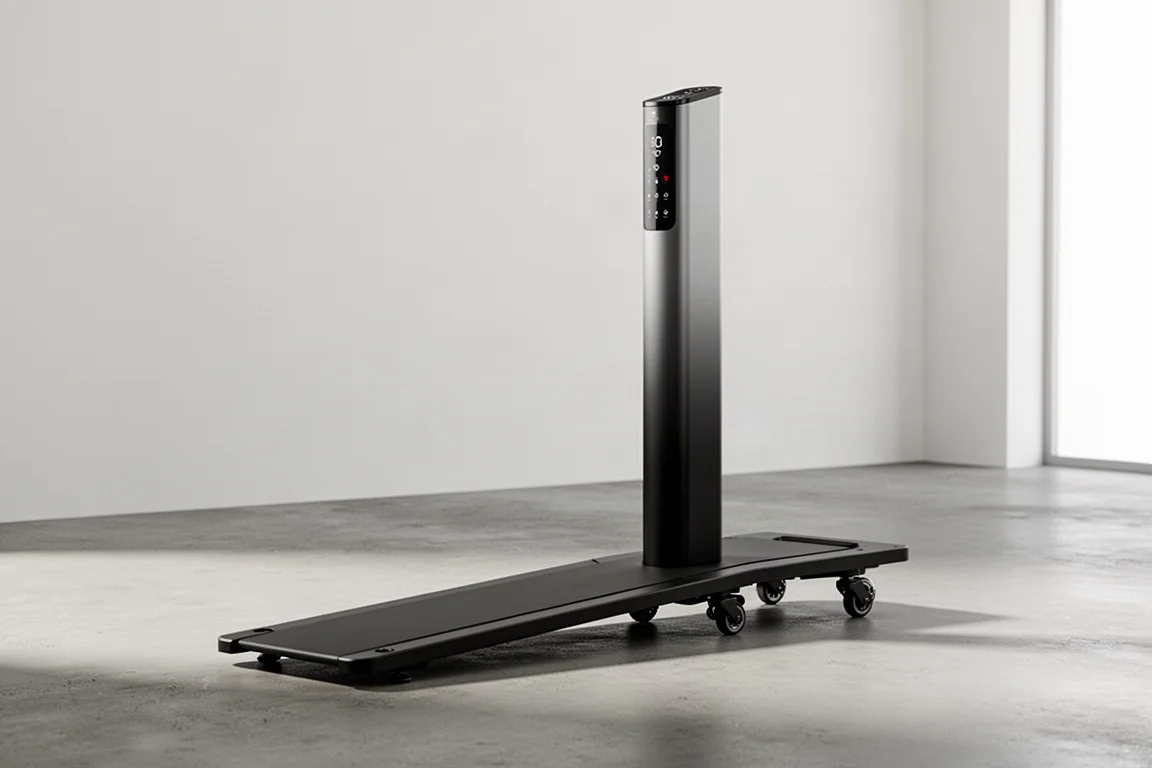
Most gradient simulators do one thing: lift and lower the front of your bike. The Garmin Tacx Alpine does considerably more. On top of replicating climbs and descents, it accommodates the forward-and-backward motion of Tacx Neo trainers, the subtle side-to-side flex built into those trainers’ frames, and it even adds steering input in compatible indoor apps. The result is one of the more immersive and dynamic indoor riding experiences currently available.
What surprised me most is how much I liked it. I tend to avoid trainers that move this much indoors because excessive motion can detract from the ride. In this case, the opposite happened: I have genuinely enjoyed my time on it. The question is whether that experience justifies the total cost, because the Alpine is only one part of a two-piece system.
What the Tacx Alpine Actually Does
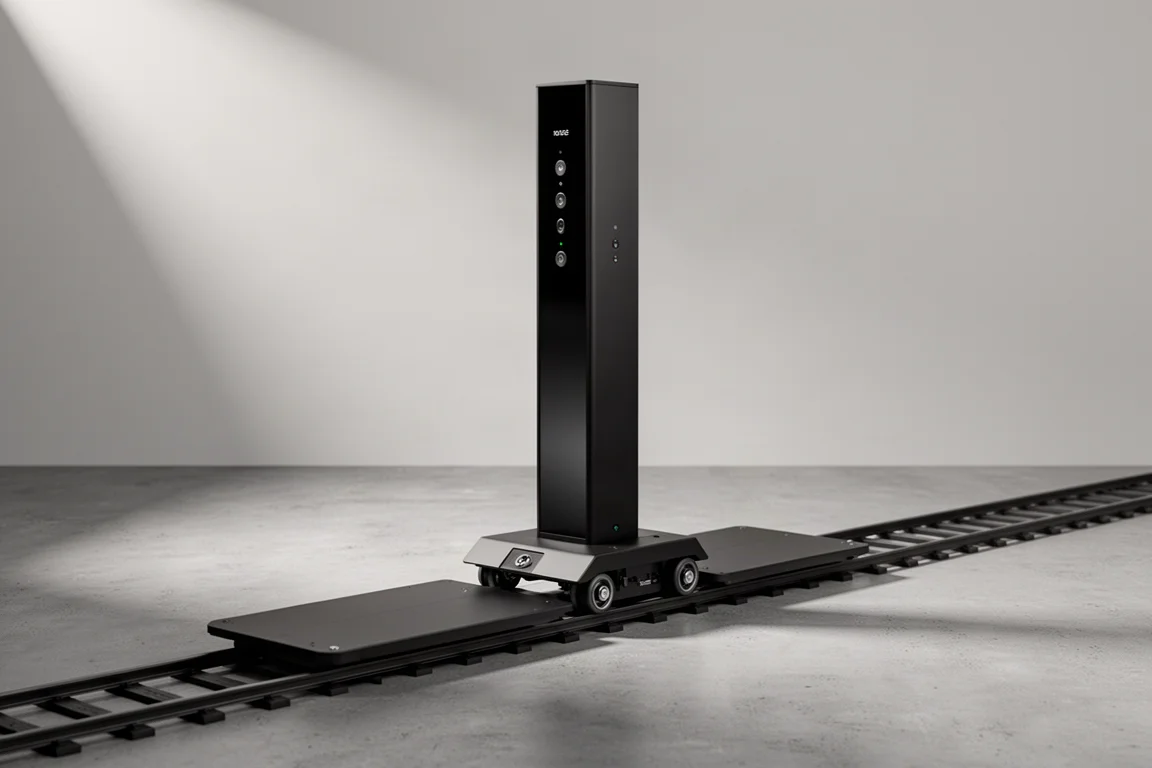
The Alpine moves on essentially every plane. It replicates gradients from a 25% climb down to a -10% descent, and the transitions are smooth rather than stepped, so the bike glides up and down instead of lurching. It also accommodates the forward-and-backward rocking available on the Neo 3M, or on the Neo 2T when fitted with motion plates, and it handles the slight lateral flex built into the Neo trainers’ frames through its own linkage at the front axle.
Then there is steering. With compatible apps, your handlebars are no longer locked in a static position; you can feather small corrections or sweep the bars fully from one side of the road to the other. It felt natural throughout, and it is one of the reasons this setup feels more cohesive than the sum of its parts.
Compatibility and Setup
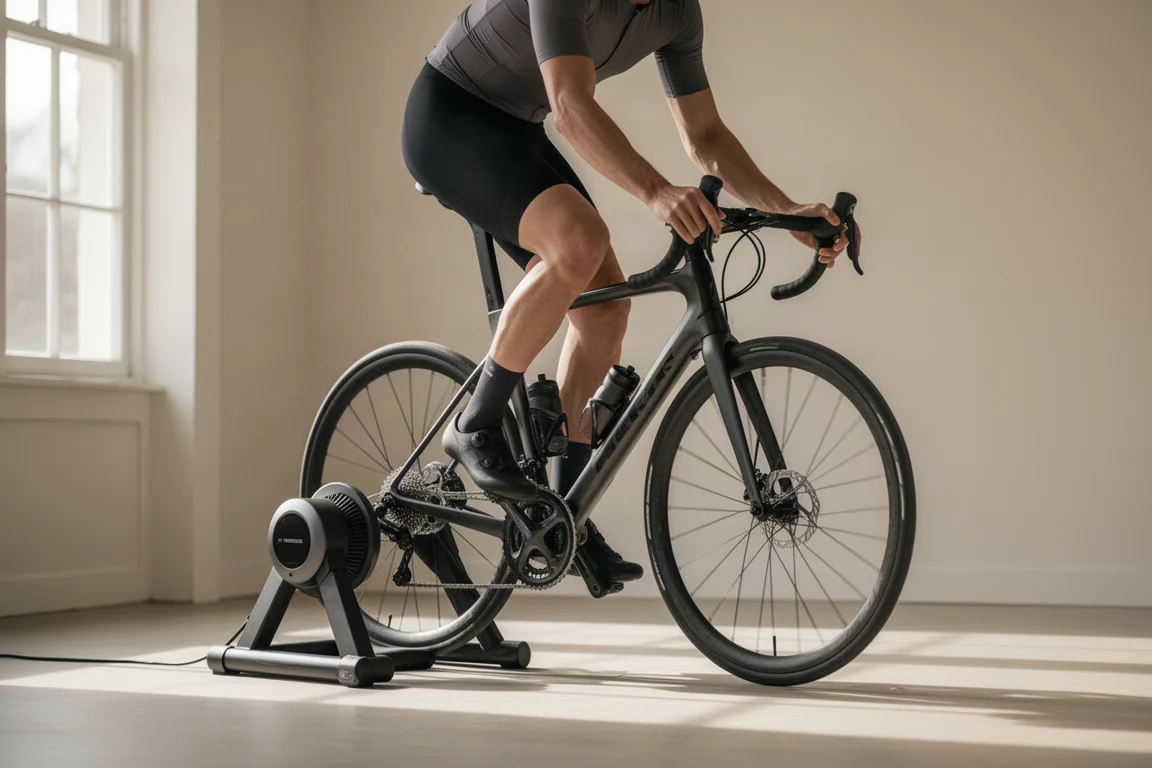
Here is the most important constraint: the Alpine only works with Tacx trainers, specifically the Neo 2T and the Neo 3M. If you ride a Neo 2T, you need the axle upgrade kit so the axle can rotate. The good news is that the kit is included with the Alpine, and you do not need the Neo 2T motion plates unless you want the forward-and-backward motion. Wahoo and Elite gradient simulators carry the same trainer-locked restriction, so this is a category norm rather than a Tacx-specific limitation.
For app support, the Alpine is fully compatible with automatic gradient changes in both Zwift and Tacx’s own training app. Steering currently works in Zwift only, and Tacx’s app does not offer steering at the moment, though the compatibility list seems likely to grow over time.
Setup is refreshingly simple. The unit arrives nearly fully assembled in a substantial box, and it is light enough to lift out on your own. Inside you get manuals, fork adapters for quick-release and through-axle bikes, Neo 2T adapters, a power cord, the base plate, and a handy organizer for the various axle adapters. Alignment is guided by markings on the base plate, the axle adapters snap into place, and a brake block is needed for disc brake bikes.
Pairing happens through the Tacx training app, where you enter your wheelbase for calibration using the included measuring tape, run any firmware updates, and complete a final clearance check. Automatic gradient control requires no direct pairing of the Alpine in most cases: pair your Neo trainer to the app for resistance and power, and the trainer communicates with the Alpine. In Zwift, you only pair the Alpine directly if you want steering, which is optional.
Setup and Day-to-Day Use
In daily use there are two control paths. Automatic gradient control adjusts the grade to match the route you are riding, and it just works once the trainer is paired. For manual control, there are up and down buttons on top of the tower, adjustable in increments or in bigger jumps if you hold them down.
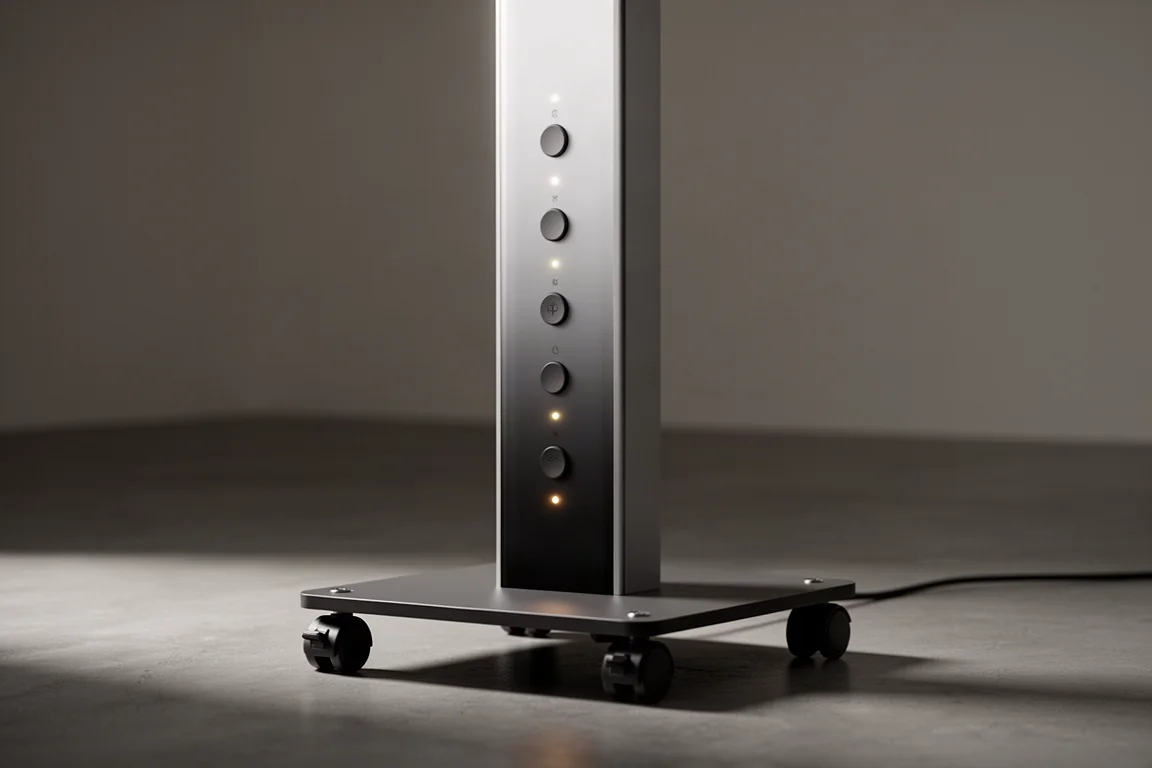
Reaching over the handlebars to press those buttons is not the most convenient arrangement, and a remote like the one Wahoo bundles with its KICKR Climb would have been welcome. In practice, though, I rarely needed to change gradients mid-ride, and you can also make manual adjustments from the Tacx training app. A useful extra: if you do not want the full incline range, you can set limits on both ends of the travel.
Riding Experience: Realism, Comfort, and Dynamics
Riding indoors will never fully replicate the road, but this is one of the most natural-feeling indoor setups I have used. Gradient changes are smooth and transition well on both climbs and descents. On steep climbs, the grade lets you get out of the saddle the way you would outdoors, and on descents, particularly in the Tacx training app, it genuinely feels like shooting down a hill. Even on gentler terrain, the subtle changes keep long sessions from going stale.
The motion is where the Alpine earns its keep. Gradient changes, forward-and-backward rocking, side-to-side flex, and steering combine into one dynamic experience that keeps you engaged without ever becoming obnoxious. Just as importantly, all that movement reduces fatigue, which lets you ride longer indoors.
Interestingly, the Alpine also changes the ride dynamics of the Neo 3M. On its own, the 3M’s movement can feel slightly jerky, rocking back and forth a bit too easily. With the Alpine installed, the movement feels damped and more natural. I noticed the same effect with the Wahoo KICKR Move and KICKR Climb pairing, where adding the Climb softened the Move’s motion. In both cases, the combination simply feels better than the trainer alone.
Stability and Sprinting
Adding this much movement raises a fair question about stability. In practice, I was surprised at how stable the setup felt, both climbing out of the saddle and sprinting. I am not a fan of sprinting on the Neo 3M alone, but with the Alpine installed it is genuinely not bad, and for the vast majority of riding I left the trainer unlocked.
The one caveat is at transitions: snapping up out of the saddle or dropping back down quickly can shift your body weight enough to push the trainer forward or backward slightly. It is a small thing, and it did not spoil the experience for me.
How It Compares to the Wahoo KICKR Move and KICKR Climb
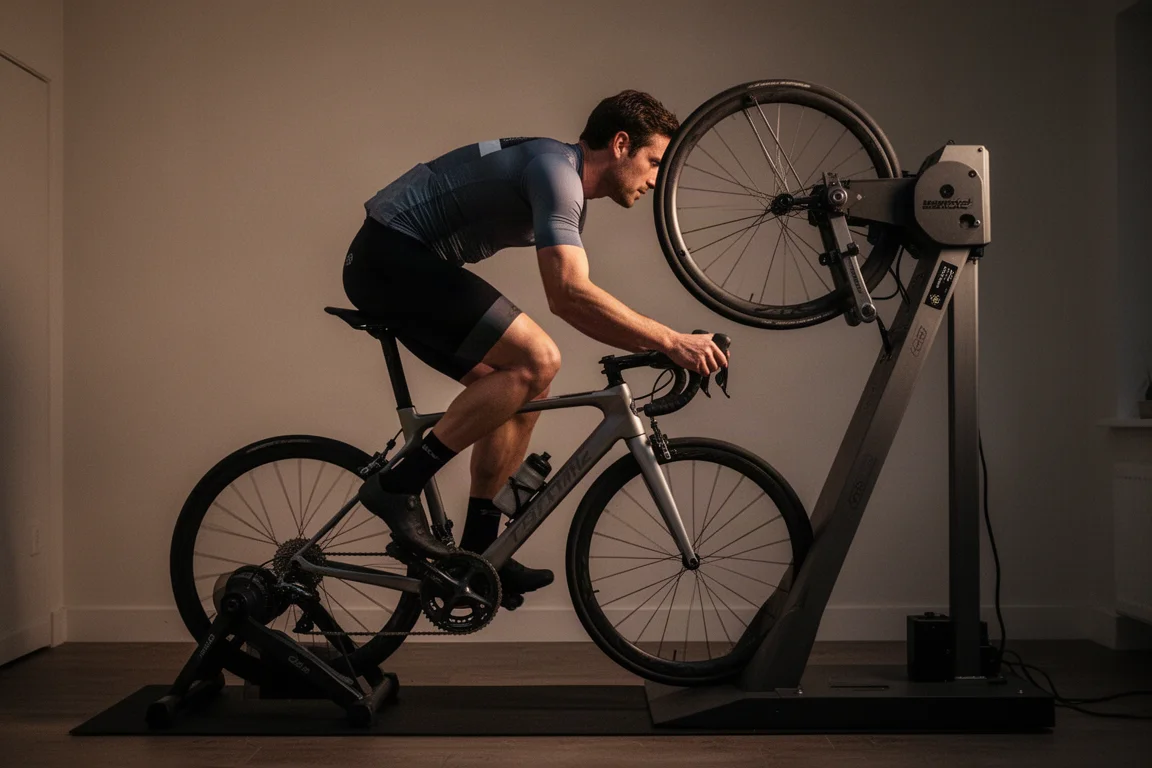
The Wahoo KICKR Move paired with the KICKR Climb offers a comparable experience with some real differences. On gradient range, the Alpine wins on paper, replicating 25% climbs down to -10%, while the KICKR Climb tops out at 20% with the same -10% floor. In use with something like Zwift, though, both deliver a good automatic grade experience.
The forward-and-backward motion is where the feel diverges. Both systems have an arc that returns the trainer to center, but the KICKR Move has a longer arc and more range, so there is more float and the movement is less abrupt at center. The Neo 3M returns to center more quickly. Standalone, I prefer the KICKR Move for that extra float. Combined with its gradient simulator, however, I lean toward the Neo 3M and Alpine combo overall, because the steering capability and the side-to-side movement make it feel more natural and put together.
View more details for Wahoo KICKR MOVE
The KICKR Move has one practical advantage: to lock out its motion, you simply unclip a pedal and flick a lever. Locking out the Neo 3M requires getting off the bike and turning knobs at the rear of the trainer. That said, since the Alpine changes the 3M’s dynamics for the better, I rarely felt the need to lock it out at all.
The Tacx Trainers You Will Need
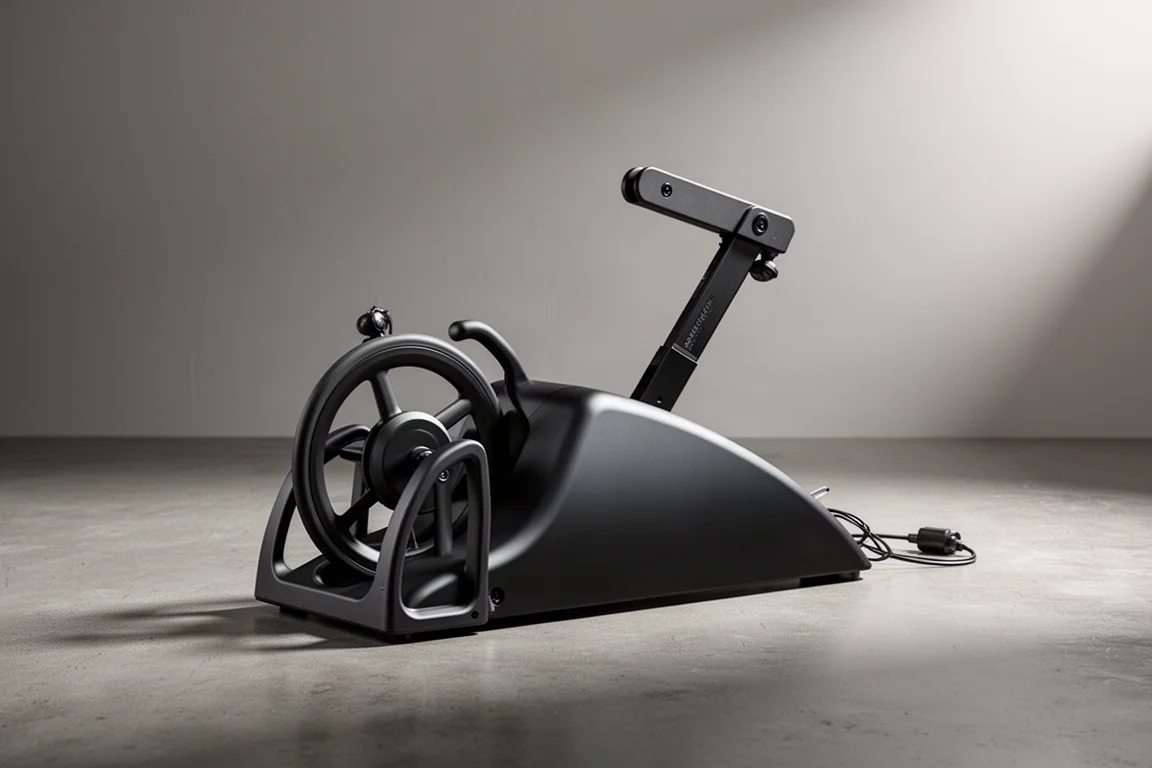
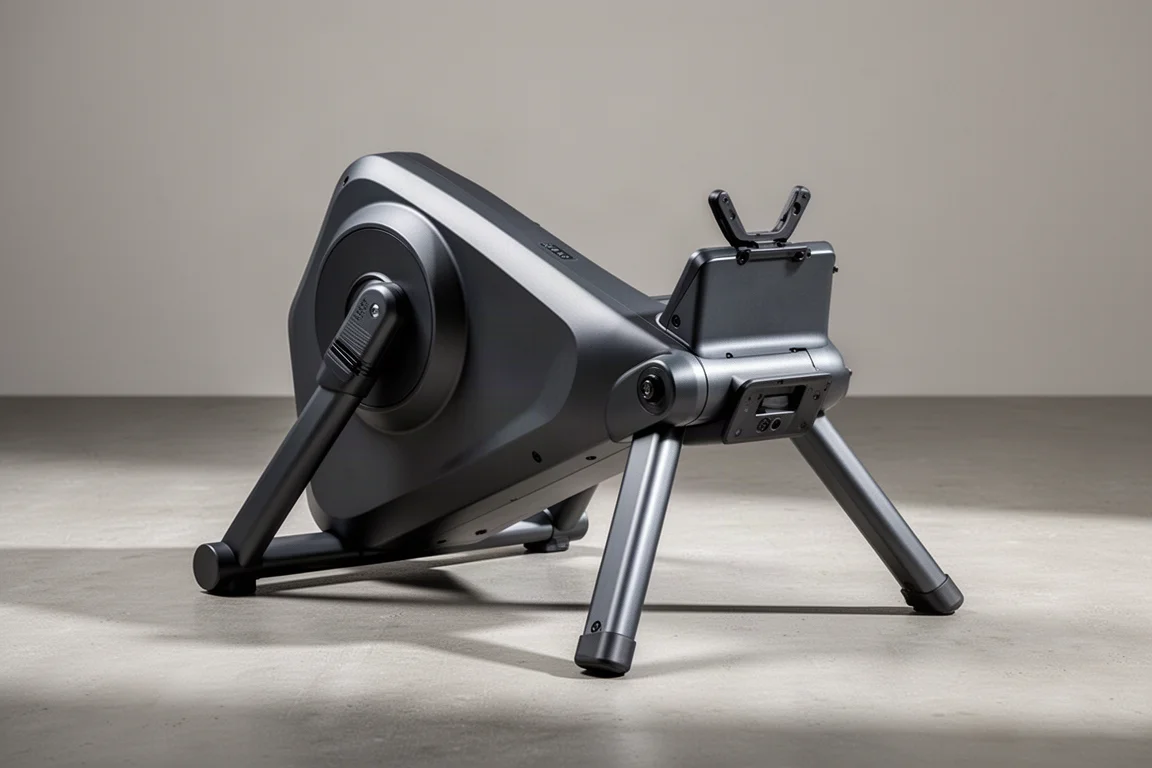
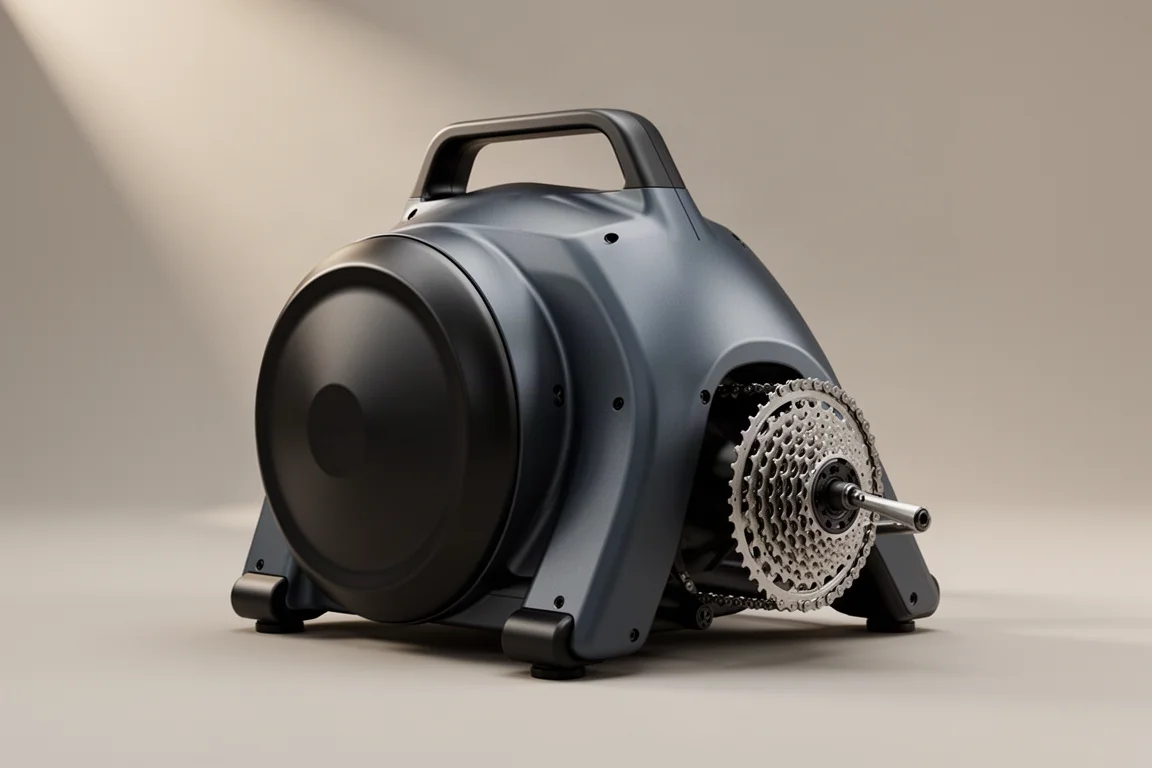
The Alpine requires a compatible Neo trainer, and that is where the real cost lands. The Neo 2T is the entry point at $1,399, though it needs the included axle upgrade kit for the Alpine to work, and you can skip the motion plates if you do not want the rocking motion. The forward-and-backward movement is a core part of the full experience, however, so most buyers should consider the Neo 3M.
Is It Worth the Price?
The Alpine itself runs $1,099, and with a Neo 3M the complete setup costs about $1,000 more than the Wahoo KICKR Move and KICKR Climb combo, which currently sits around $2,100. That is serious money, and the Wahoo combo is by no means a bad alternative.
But after riding both, I think the Neo 3M and Alpine combination delivers the best indoor cycling experience I have tried so far. The steering, the side-to-side flex, and the damped, natural motion edge it ahead. If the price is too steep, the Neo 2T path gets you into the ecosystem for less.
Conclusion
The Tacx Alpine is more than a gradient simulator. By combining grade changes, forward-and-backward and side-to-side motion, and app steering into a single coordinated system, it delivers one of the most immersive indoor rides currently available. It only works with the Neo 2T and Neo 3M, and the full setup is expensive, but if you want the most dynamic indoor riding experience and you are invested in Tacx hardware, the Alpine is the most complete way to get it.
Further reading
Related Reviews
Indoor Cycling
Best Budget Smart Indoor Trainer Setups: Six Options Worth Considering
Smart indoor trainers keep getting better while prices come down. Six setups and components worth considering, from the cheapest Zwift-ready option upward.
Indoor Cycling
Best Budget Smart Indoor Trainers for Immersive Cycling in 2026
A practical guide to affordable smart indoor trainer setups, including budget and mid-range options with virtual shifting.
Indoor Cycling
Best Indoor Cycling Apps and Smart Trainers: A Winter Buying Guide
A practical look at the indoor training platforms and smart trainers that matter this season, from a new challenger to Zwift to the entry-level trainer that stands out on value.