Watch Bands
Garmin QuickFit ComfortFit vs UltraFit Bands: Which Nylon Band Makes Sense?
Garmin's new QuickFit ComfortFit bands bring a more premium look and easy swap attachment, but the cheaper UltraFit nylon band still holds its own. Here is how they differ.
Introduction
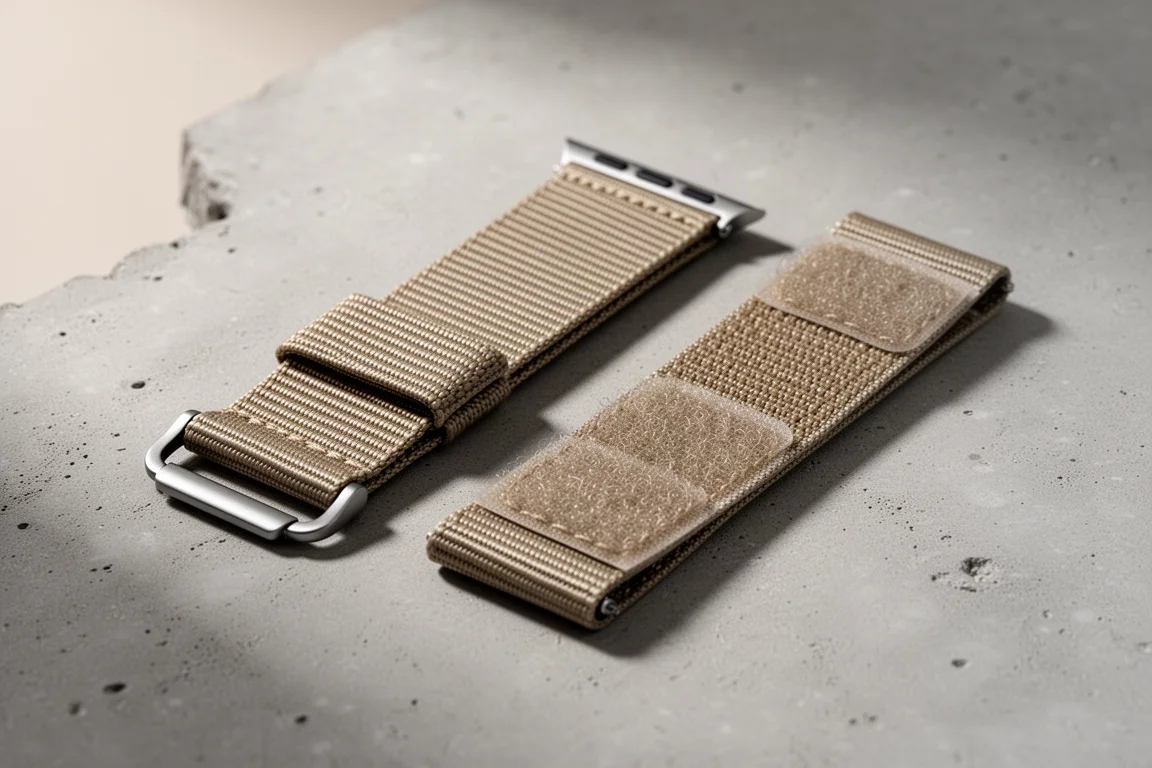
Alongside the new Garmin Fenix 9, Garmin also rolled out a new line of fabric straps: the QuickFit ComfortFit bands. They are aimed at anyone who likes the feel of a nylon band but wants something that looks a bit more at home on a high-end watch. The question is how much they really improve on Garmin’s long-running UltraFit band, and whether the difference justifies the higher price.
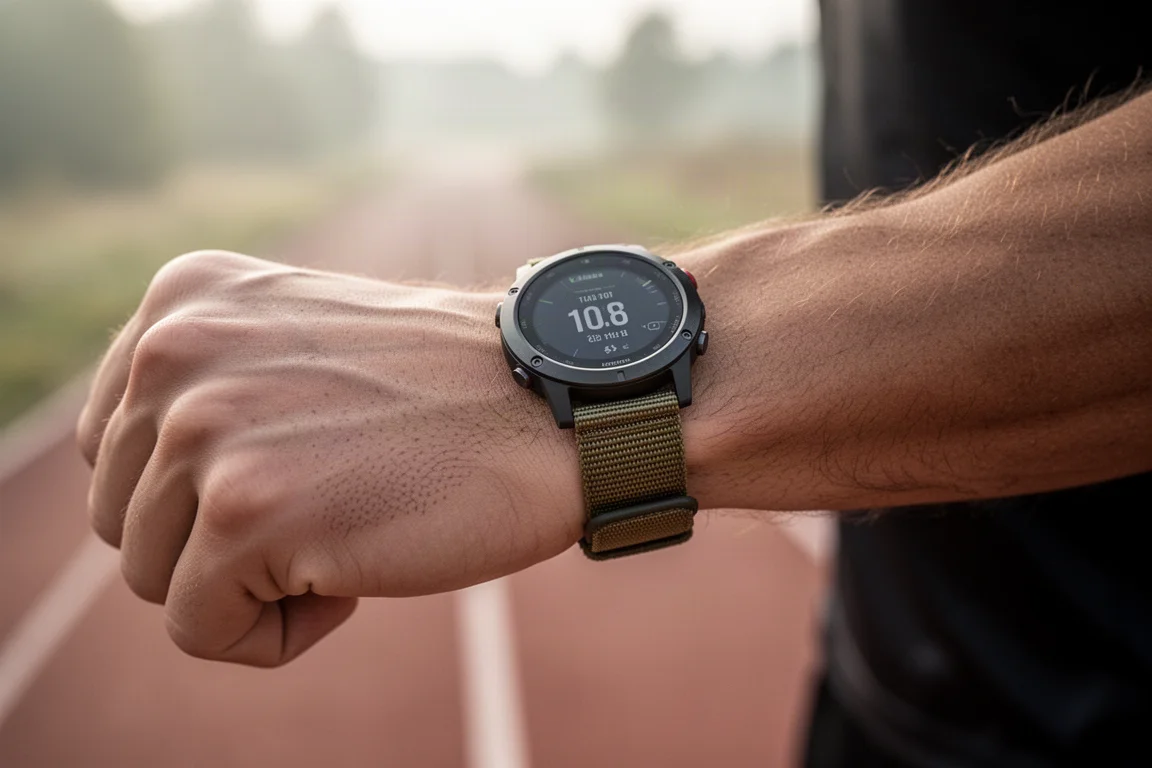
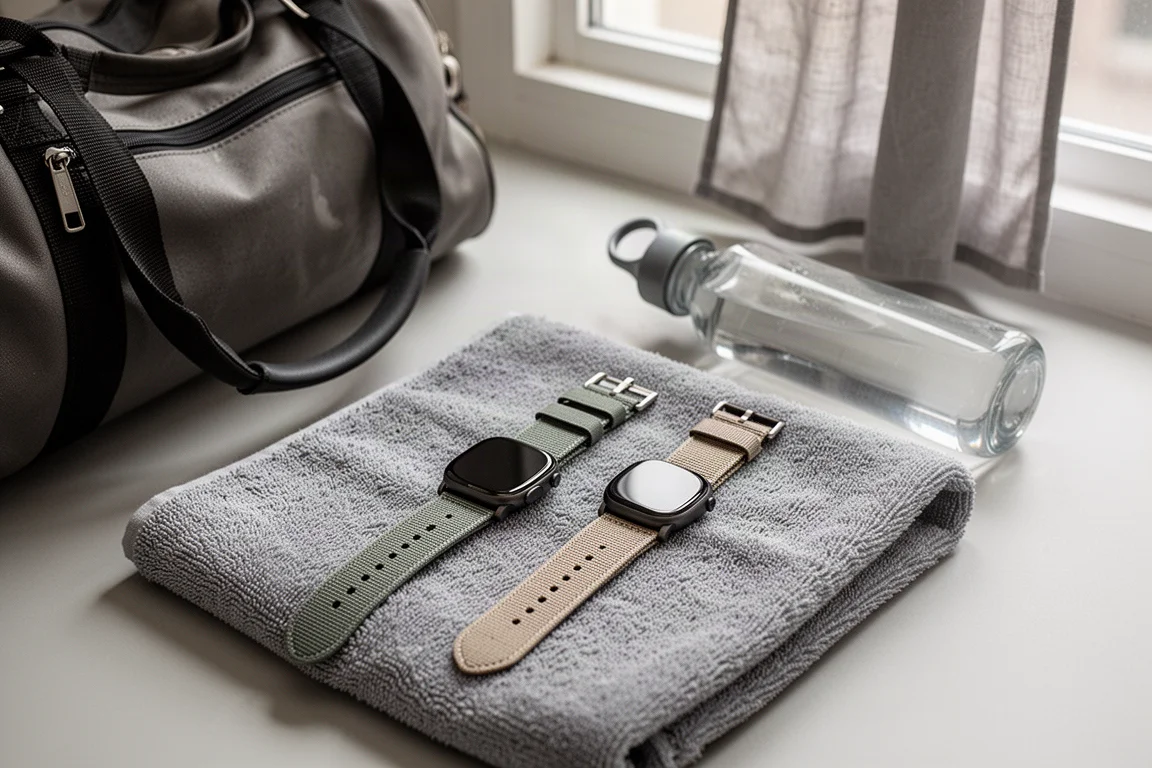
Nylon-style bands remain popular for good reasons. They tend to feel more comfortable against the skin than silicone, offer a more customized fit, and are slightly lighter. For anyone tracking heart rate during workouts, a snug and adjustable fabric band is a practical advantage, not just a styling choice.
Design and Materials
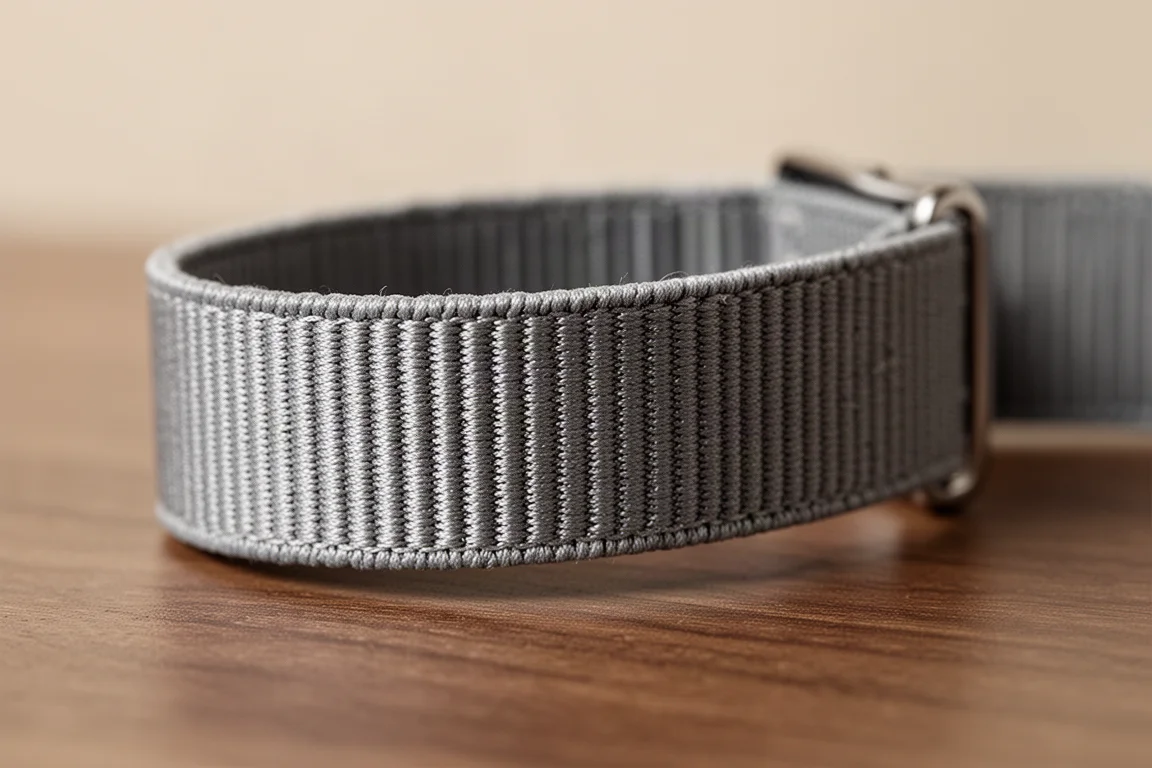
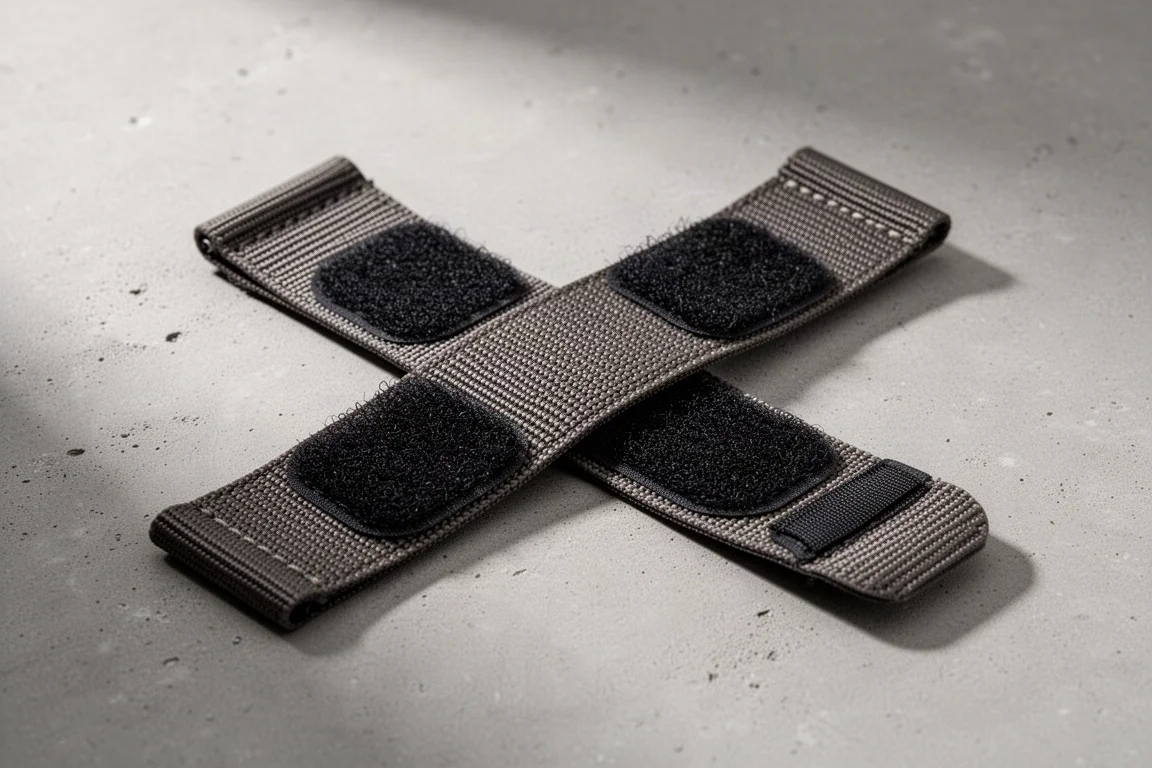
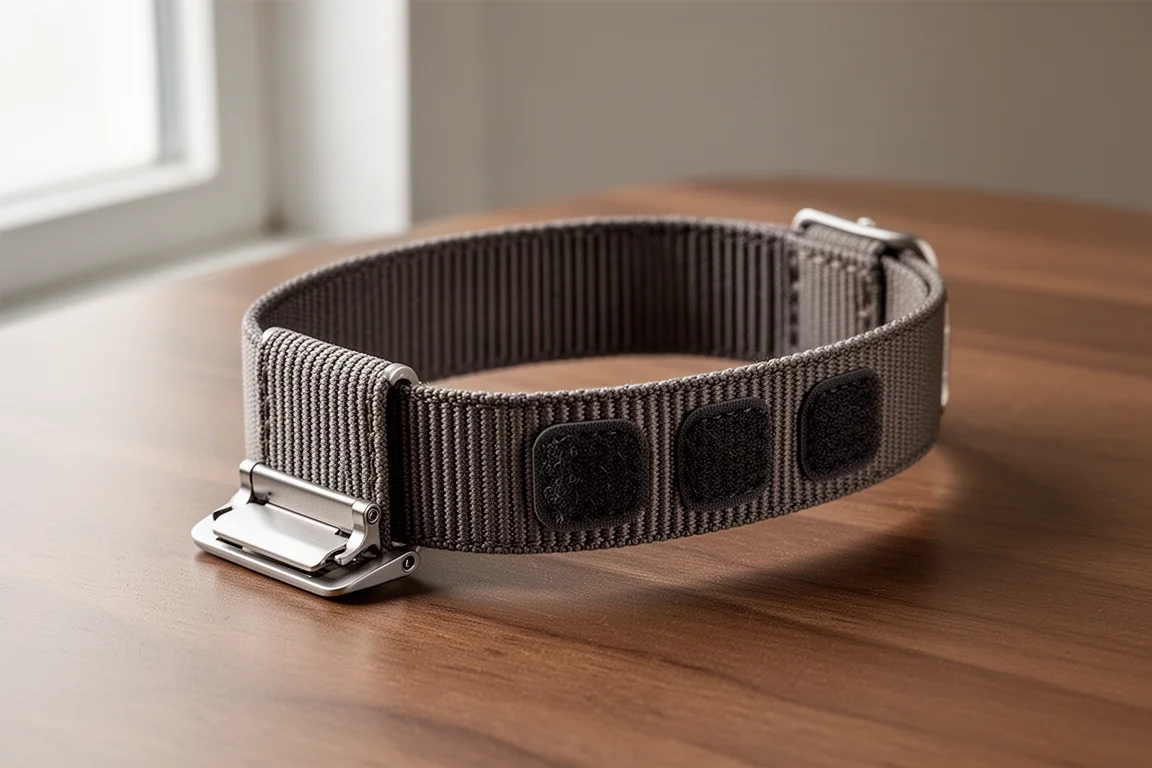
The ComfortFit bands feature a rib texture on the outside that calls to mind finely woven premium bands, and the weave is noticeably tighter and smoother than the UltraFit. The material where the Velcro attaches also uses a different pattern, and the inside uses a rib material, whereas the UltraFit uses essentially the same material on the outside and inside.
From a comfort standpoint, though, the two are about the same. Both keep the watch snug and in place through workouts, and both share the classic fabric-band trait of holding moisture after a sweaty session or a shower. Garmin says the ComfortFit dries a little quicker, and in practice that amounts to roughly 15 minutes versus 20 minutes. A modest gain, not a game changer.
Convenience and Fit
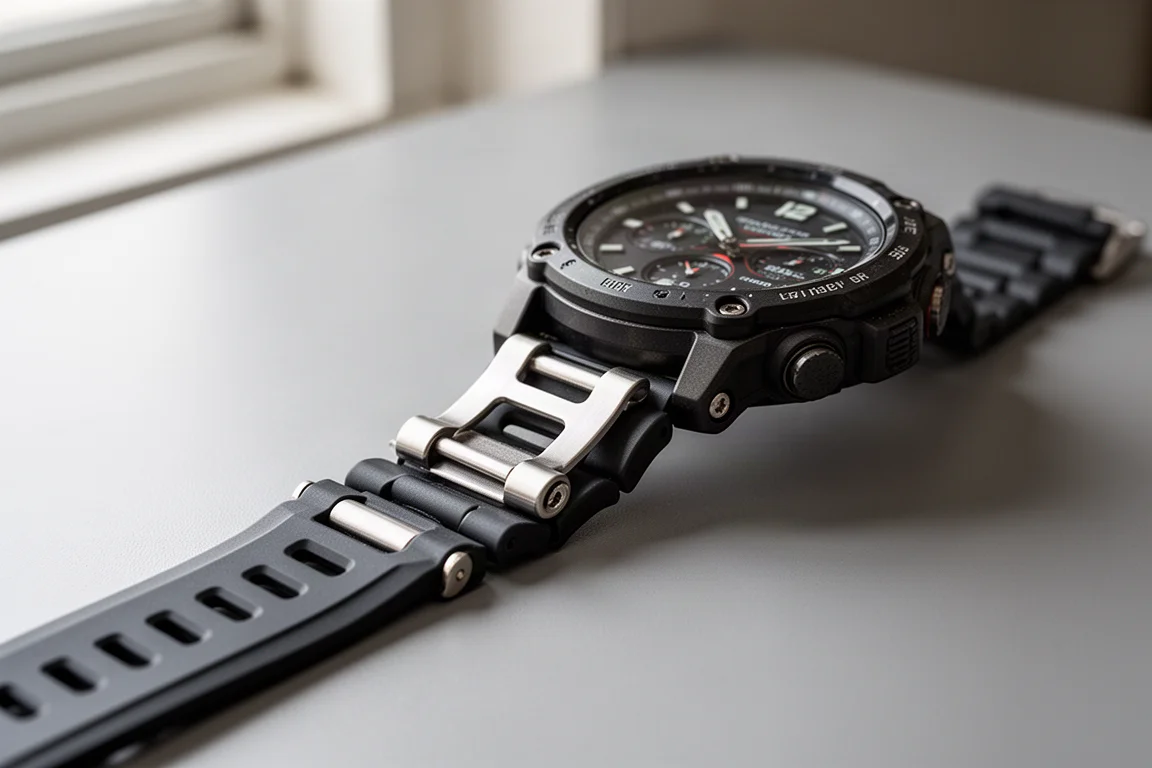
This is where the ComfortFit earns its name. Instead of the all-Velcro threading of the UltraFit, these use the same QuickFit attachment as Garmin’s silicone bands. Swapping bands is a matter of unclipping and clipping on the next one.
Anyone who has lived with an UltraFit knows the small ritual involved: weaving the band through, looping it back onto itself, and quite often getting it upside down on the first attempt. The QuickFit attachment removes that entirely.
There are also practical sizing differences. The ComfortFit bands come in two lengths depending on wrist size, while the UltraFit only comes in one. On a 180 mm wrist, a large ComfortFit sits comfortably with the end not sitting at the bottom, broadly similar to how the UltraFit fits. Availability covers all three Fenix 9 sizes: a 20 mm strap for the 43 mm model, 22 mm for the 47 mm model, and 26 mm for the 51 mm model. They are also compatible with the Forerunner 970, 965, and some Garmin Instinct watches, so they work across more devices than just the Fenix line.
The Velcro layout differs too, with three patches instead of the UltraFit’s four and slightly different patch sizing. Despite that, the attachment feels very secure, snapping back into place confidently, arguably even more securely than a well-worn UltraFit.
Where the UltraFit Still Wins
Garmin’s UltraFit band remains a proven option. Long-term use over roughly three years, swapping between multiple watches, shows the Velcro holding up well and the band not developing much odor. It is also the cheaper of the two.
Its weaknesses are mostly about friction in daily use: the fiddly installation process and a look that, while perfectly fine, does not always flatter a premium watch. On some watches, such as the Forerunner 970, a nylon band can simply look out of place compared to the stock band.
Where the ComfortFit Fits In
The ComfortFit band looks like Garmin’s answer to the main criticism of fabric bands on premium watches: appearance. The tighter weave, ribbed texture, and QuickFit attachment make it feel like a more polished product while keeping the comfort and adjustable fit that make nylon bands worthwhile.
Price and Value
The ComfortFit bands cost $60, while the UltraFit bands cost $40. The UltraFit already feels a bit pricey for what it is, so the question is whether the extra $20 buys enough. In this case, it arguably does: the material itself feels a step up, comparable to the fabric used on the Garmin Cirqua band, if not slightly better, and the overall design sits somewhere between an Apple Sport Watch Loop and the $100 Apple Trail Loop.
Third-party bands in this style exist and some are very good, but quality can be hit or miss, which is a fair reason to lean toward official bands.
Conclusion
If you already own an UltraFit band and are happy with it, there is no urgent reason to switch. But if you have been holding off on a fabric band because none of them looked right on a premium watch, the QuickFit ComfortFit band is the most convincing option yet: easier to swap, available in two lengths, more refined in material and appearance, and still secure and comfortable. The UltraFit remains the value pick for straightforward, durable nylon comfort.
Further reading
Related Reviews
Watch Bands
Garmin Ultra Fit Band V2: The Updated Nylon Band, Explained
Garmin quietly refreshed its Ultra Fit band with a more secure attachment, thicker hook and loop, and full QuickFit size coverage. Here is what changed and who should upgrade.
Bike Computers
Best Bike Computers 2026: Wahoo ELEMNT ACE, Garmin Edge 1050 and Two Value Alternatives
A practical comparison of the Wahoo ELEMNT ACE and Garmin Edge 1050, plus two cheaper computers that cover the essentials for far less.
Cycling Computers
Best Cycling Computers: A Practical Guide to Every Major Option
A plain-spoken look at the leading cycling computers, from Garmin's flagship to budget-friendly challengers, and which ones are actually worth buying.