Sports Watches
Garmin Instinct 3 Solar vs Instinct 3 AMOLED: Which One Should You Buy?
Two watches, one name, very different personalities. A detailed comparison of display behaviour, battery life, interface differences, and who each Instinct 3 is really for.
Introduction
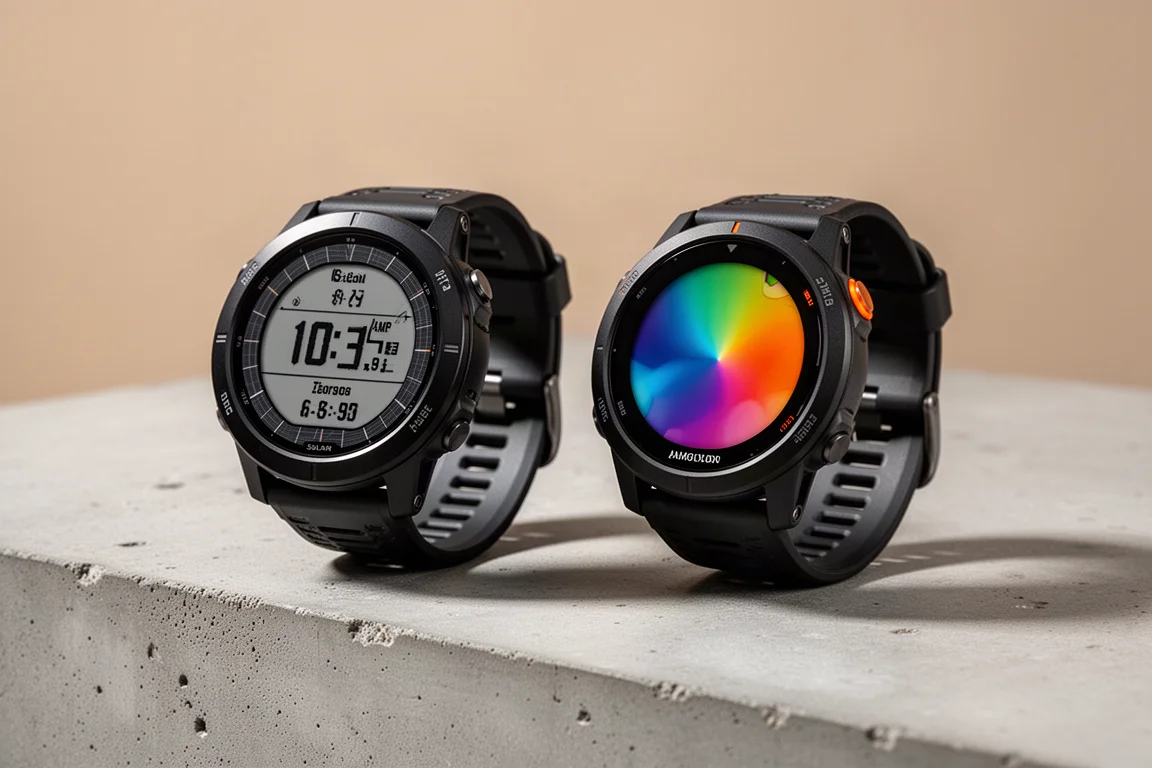
Garmin did something unexpected with the Instinct 3 line: it put an AMOLED display into a watch body that was historically defined by its monochrome transflective screen. That little cutout window in the upper right corner has been part of the Instinct’s identity since the beginning, and AMOLED panels are a very different technology. Still, with AMOLED now proven in outdoor-focused sports watches, offering both makes sense. It comes down to preference: the longest possible battery life versus a brighter, more colourful display.
Although the Instinct 3 Solar and Instinct 3 AMOLED share nearly the same feature set, they behave like quite different watches. The differences show up throughout the day, during activities, and at night, so it is worth understanding exactly how each one lives on the wrist before choosing.
Price, Sizes, and Colours
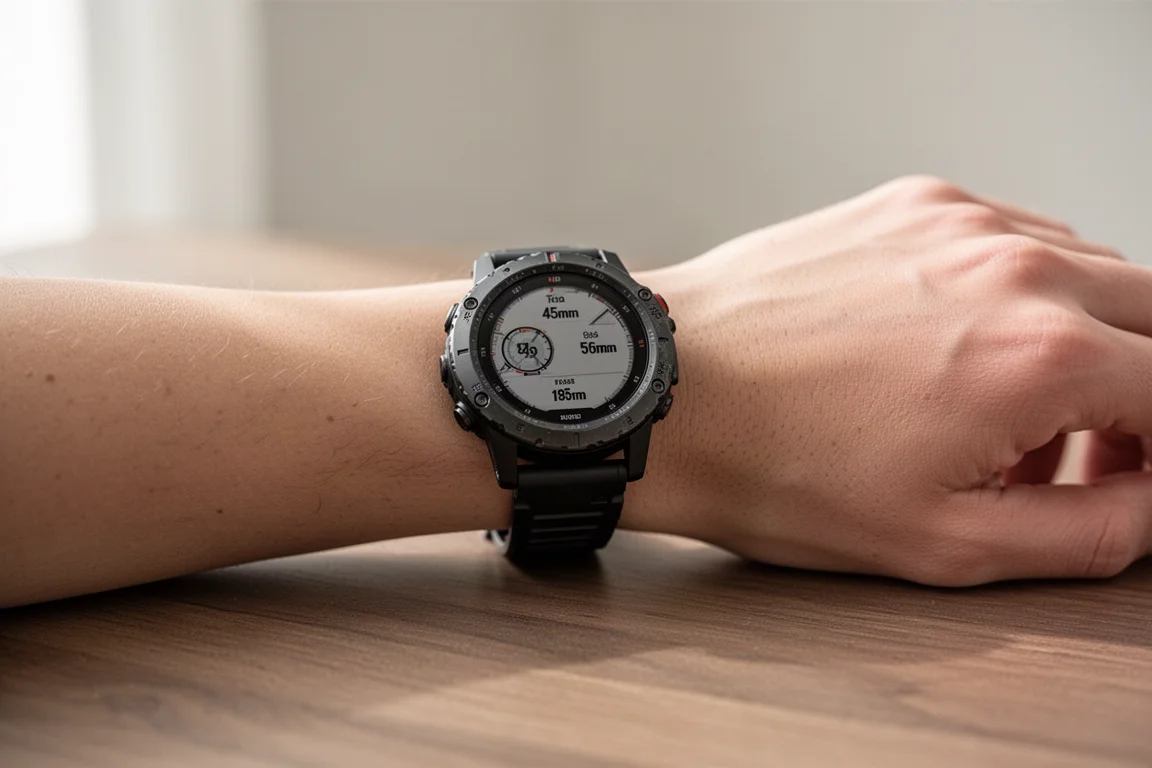
The Instinct 3 starts at $400 for the 45mm Solar version, with the 50mm Solar at $50 more. The equivalent AMOLED models sit at $449 and $499. Both come in 45mm and 50mm sizes, and both fit comfortably on a 185mm wrist. One notable omission: there is no smaller 40mm option like the previous Instinct 2 generation offered, so smaller wrists have fewer choices in this lineup.
Colour options include standard themes and a tropical pulse theme, although the exact themes differ slightly between the two display types. The black AMOLED model is all black, while the black Solar version carries an orange accent on its bezel.
Display Behaviour in Sun and Shade
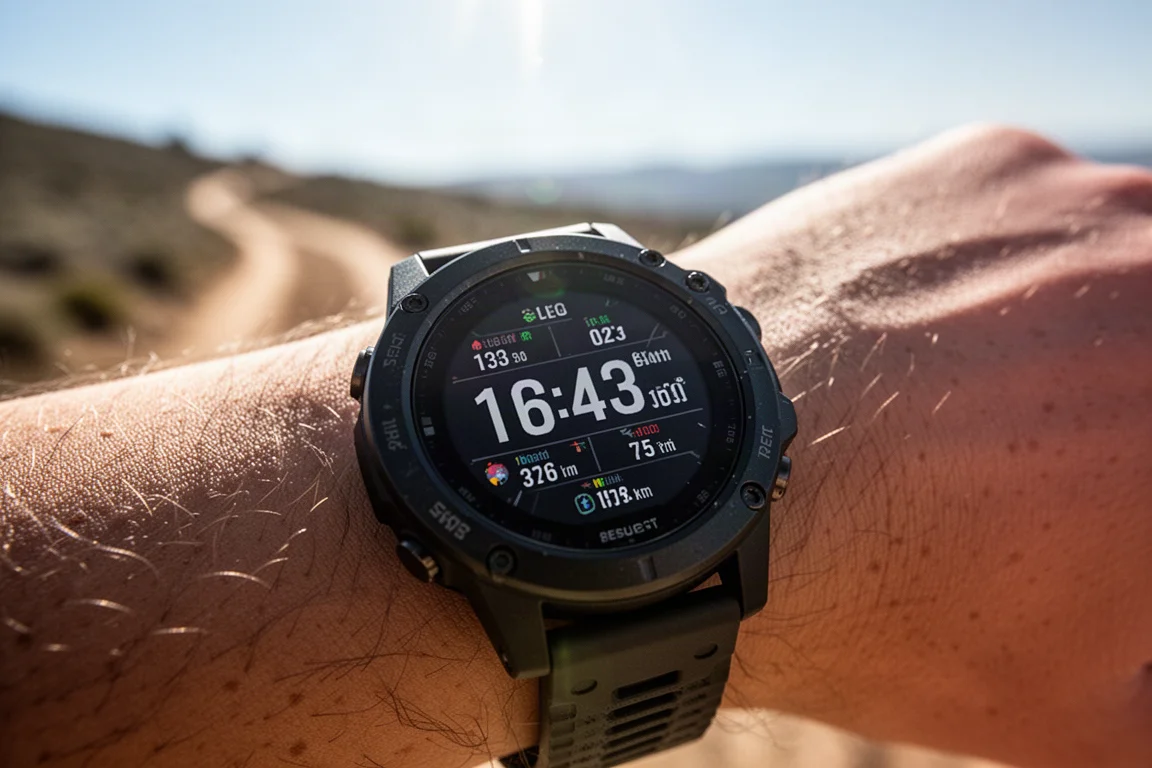
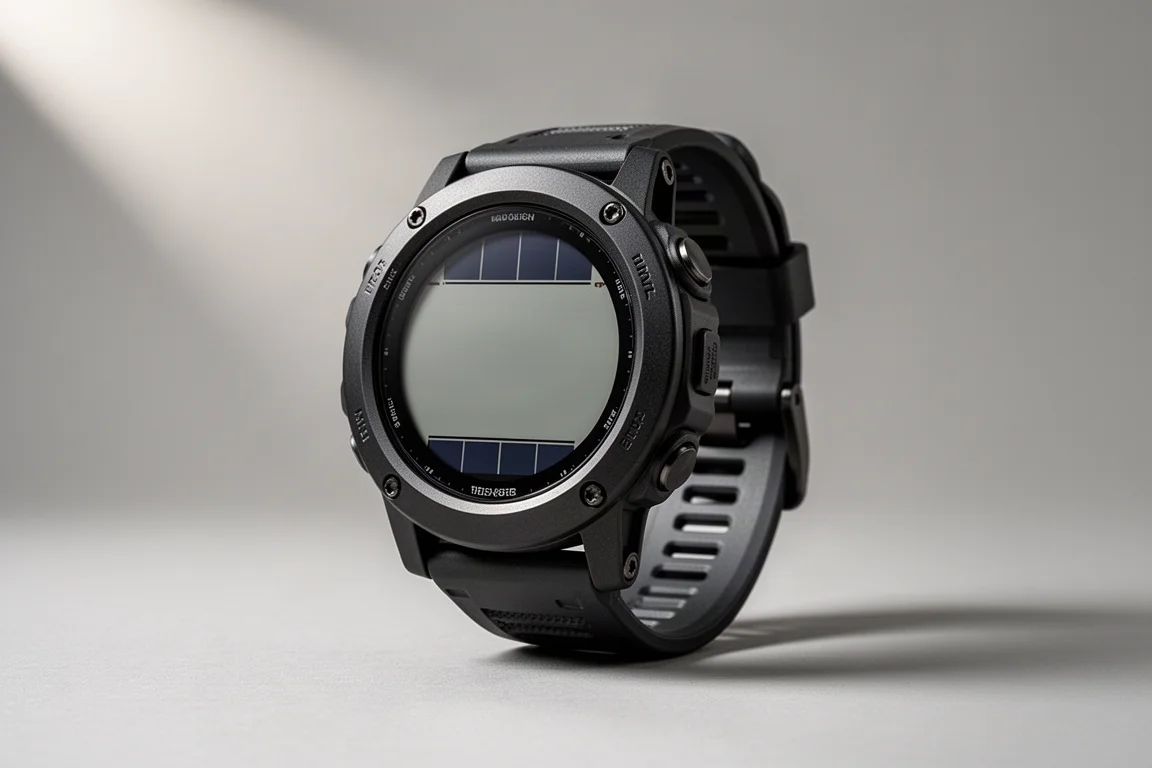
The Solar version keeps the classic transflective monochrome display with the cutout window. These displays get better as it gets brighter, offer excellent contrast, and sip power. Combined with the solar panel surrounding the display, enough sun exposure can effectively extend battery life indefinitely.
The AMOLED panel is the opposite approach: super bright, vivid, and packed with pixels. Historically, AMOLED struggled outdoors because the pixels need more power to overcome sunlight, but the technology has improved dramatically. There are now no real issues reading it in direct sun. In direct sunlight the Solar version still has the edge in sheer contrast, but the AMOLED offers a larger display with more pixels.
One practical difference: the Solar version needs nothing special in bright sun, while the AMOLED relies on either gesture mode, where a natural wrist turn wakes the display, or always-on mode, which dims the screen. Conversely, in shady or overcast conditions the Solar version may actually need its backlight, which can feel a bit harsh. Both remain very usable for sports; they simply behave differently.
Battery Life
Battery life is the clearest dividing line. As a smartwatch, both are decent, but the Solar models last considerably longer, potentially reaching unlimited battery life with sufficient solar exposure. On the AMOLED side, always-on display mode cuts battery life significantly, landing around a week, while gesture mode stretches it further.
During outdoor activity recording the gap narrows somewhat, but the Solar still wins, and sunny conditions help it further. If charging anxiety matters to you, the Solar is the safer bet.
Everyday Use and Night-Time Comfort
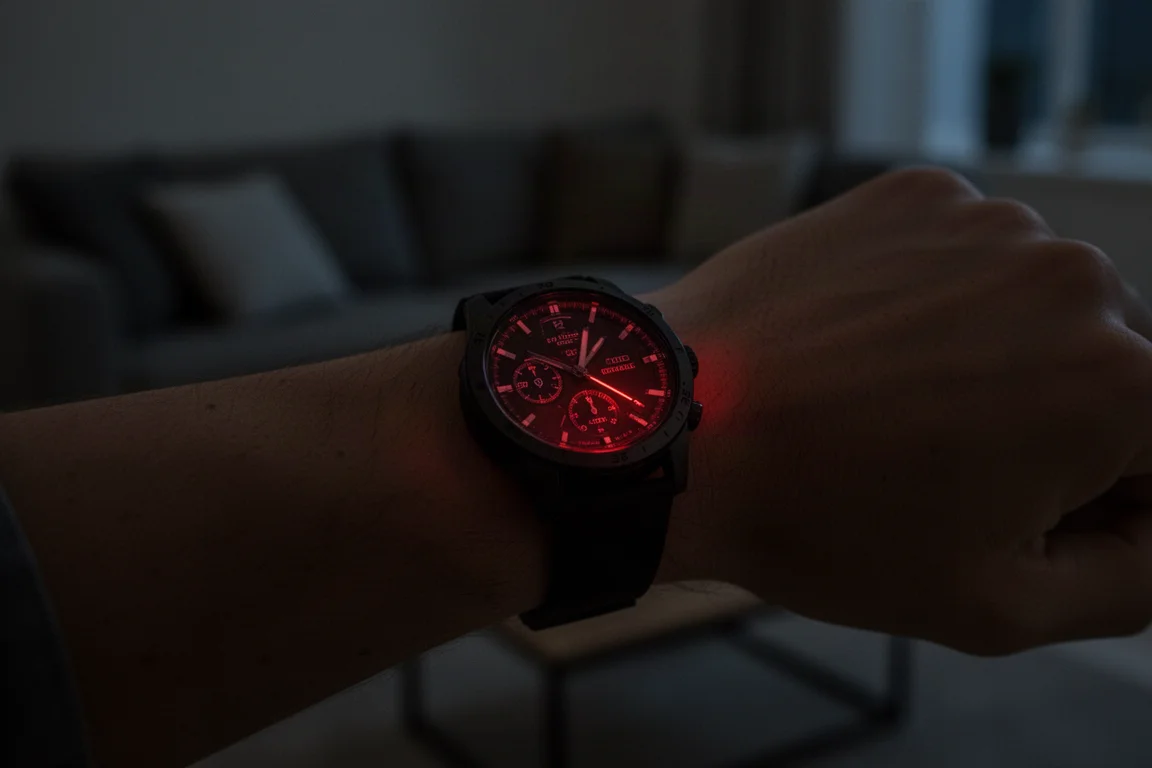
Day-to-day, it comes down to preference. The AMOLED is bright and colourful, like your smartphone. The Solar is subtler and less noticeable throughout the day, which some people genuinely prefer. At night the AMOLED is gentler on the eyes, especially in a dark room where an always-on display is still faintly readable. The Solar’s backlight is comparatively harsh and needs the right angle or light to be readable.
The AMOLED also adds a red night mode, with red, green, or orange options, to reduce blue light interference with sleep, plus adjustable font sizes thanks to the higher pixel count. Both watches receive notifications on Android and iPhone, with Android users able to reply via predefined responses. Both include Garmin’s Morning Report, and both share the same built-in LED flashlight with four brightness levels and a red mode, activated by double-pressing the upper left button.
Interface and Activity Features
The AMOLED’s extra pixels let it show more information with more context. The sunrise and sunset widget carries extra scrollable data, the heart rate status widget includes an additional chart, and the VO2 max portion of the training load widget is more robust. Activity summaries are richer too.
For sport profiles, the two are nearly identical: running, cycling, indoor and outdoor swimming, triathlon, outdoor recreation, gym profiles, and even a gaming profile. A few minor naming inconsistencies exist, likely from beta software. The AMOLED does let you add extra apps and functions such as clocks, the tides app, and Health Snapshot to the activity list, and its data pages support up to six fields versus five on the Solar, plus charts and graphical data fields.
Neither watch offers full landscape maps like the Fenix and Enduro lines, but both include the new city names feature showing nearby place names. The AMOLED can also display muscle maps during strength training workouts, something that would not look good on the Solar’s display. One launch caveat: the Messenger app is not available on the Instinct 3 Solar at launch but is slated to arrive via a software update shortly after shipping.
Who Should Buy Which
If you do not want to think about charging your watch often, the Solar version is the straightforward answer. If you are happy charging roughly once a week and want the brighter, more information-dense display, the AMOLED will probably suit you well.
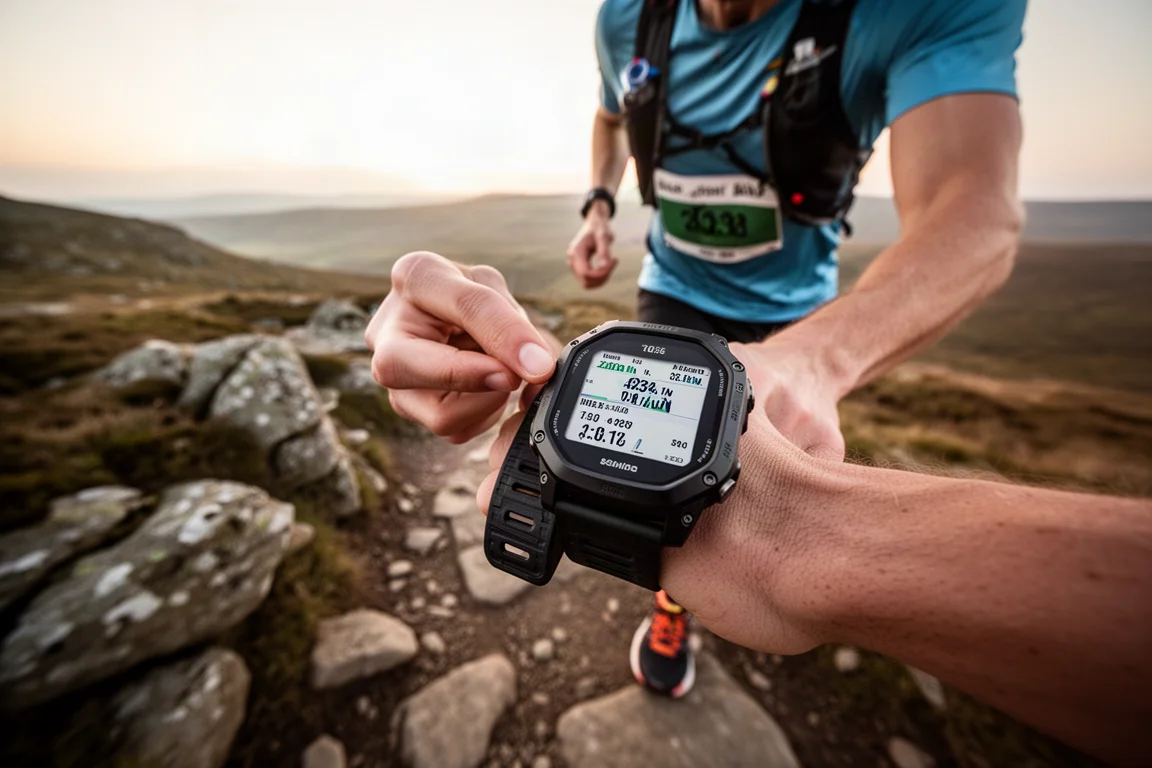
For current owners, the upgrade math matters: moving from an Instinct 2X to the Instinct 3 Solar is hard to justify, since you already have the flashlight and most other features. If you own an Instinct 2, though, the upgrade could be worthwhile, particularly for the flashlight feature alone.
Conclusion
These two watches share a name and a feature list, but they feel genuinely different in daily use. The Instinct 3 Solar is the choice for maximum battery life, unbeatable sunlight contrast, and classic Instinct character. The Instinct 3 AMOLED trades some endurance for brightness, colour, richer data displays, and more comfortable night-time use. Match the trade-off to how you actually wear a watch, and either one is a solid pick.
Further reading
Related Reviews
Sports Watches
Garmin Sports Watch Guide: Finding the Right Model for Your Fitness Level
A comprehensive overview of Garmin's sports watch lineup, from casual fitness trackers to advanced multisport devices, helping you choose the right model for your needs and budget.
Sports Watches
Coros Pace Pro Review: A Complete Overhaul That Finally Feels Premium
Coros rebuilt the Pace Pro from the ground up with an AMOLED display, onboard maps, and a new heart rate sensor. Here is how it all holds up in real use.
Sports Watches
Polar Vantage M3 Review: The Sweet Spot in Polar's New Watch Lineup
A closer look at the Polar Vantage M3, which brings an AMOLED display, dual-frequency GPS, offline maps and the same software platform as Polar's flagship watches at a friendlier price.