GPS Sports Watches
Garmin Instinct 2 First Run Review: A Rugged Watch That Finally Caters to Runners
Initial run testing of the Garmin Instinct 2, covering design, GPS accuracy, heart rate, new training features, battery life, and how it compares to the Instinct Solar and Forerunner watches.
Introduction
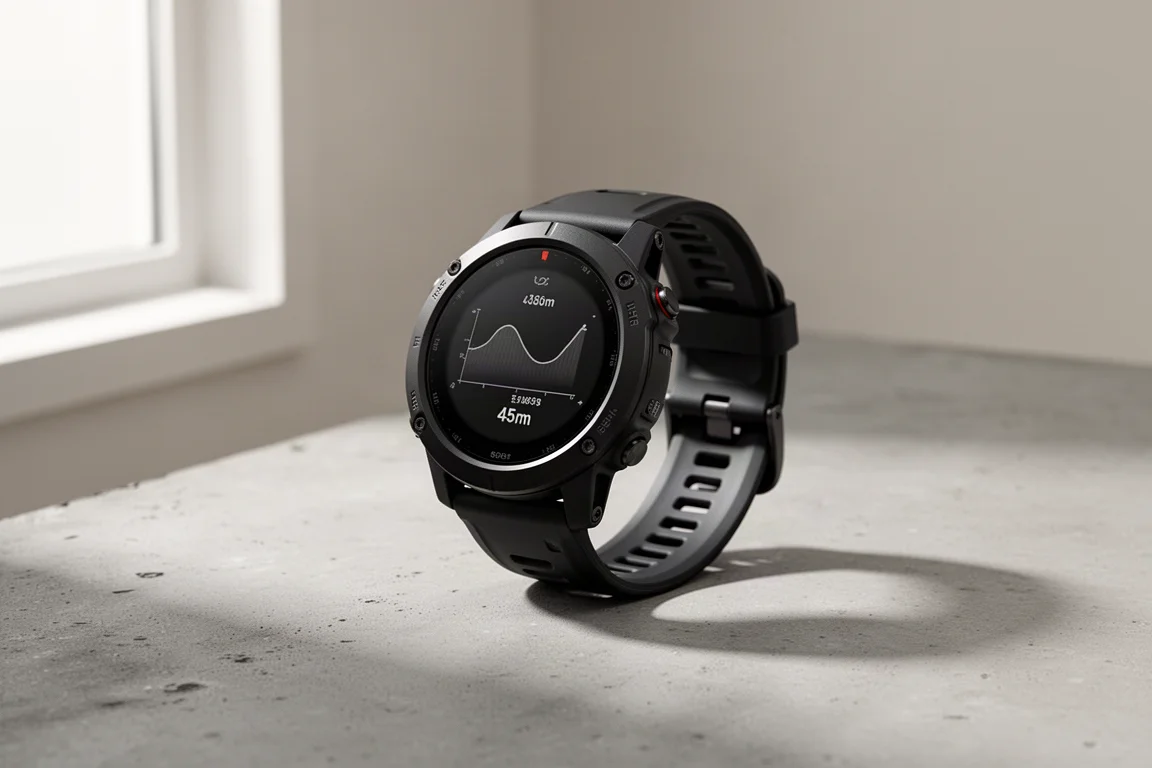
The Garmin Instinct 2 brings the rugged, outdoorsy design of the original Instinct lineup together with the kind of training analysis features previously reserved for Garmin’s Forerunner watches. That combination is what makes this generation genuinely interesting for runners: if you love the design, you no longer have to sacrifice the post-run insights that the Forerunner 245 offered. This review covers early run testing, what has changed over the original Instinct and Instinct Solar, and whether the upgrade is worth it.
Design and Models
The Instinct 2 comes in a wide range of models. There are two size options: the larger Instinct 2 has a 45mm case at 14.5mm thick, slightly slimmer than the original Instinct and Instinct Solar, which were 15.3mm thick. The smaller Instinct 2S uses a 40mm case at 13.3mm thick. Both standard versions use polymer cases with strengthened glass lenses, while Solar editions pack Garmin’s Power Glass lenses. Editions include Camo, Surf, and Tactical variants.
The screen is a 0.9-inch, 176x176 transflective display on the larger model, matching the Instinct Solar’s size but with higher resolution. The 2S gets a 0.79-inch, 56x156 display. In practice, the new screen is sharp and clear for following stats mid-run, though it is not noticeably better than the previous version during a run. Garmin has also moved the watch to its Glances UI, adopted across its recent watches, which makes interacting with your information feel nicer outside of tracking.
GPS and Heart Rate Accuracy
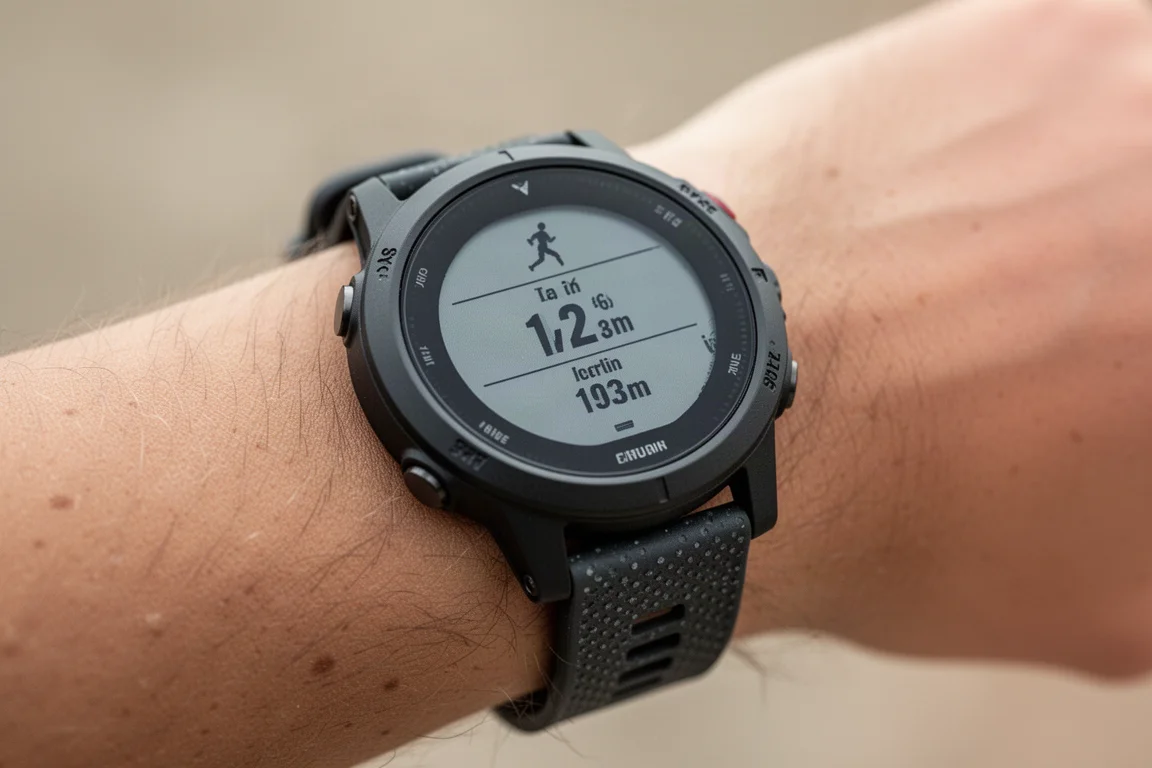
GPS tracking on the Instinct 2 is solid. Compared against a Garmin Epix 2 in its highest multi-band mode paired with a heart rate strap, the Instinct 2 produced a good GPS track: slightly wobblier, cutting a few corners, but nothing dramatic. It does not have the all-systems support of Garmin’s more expensive watches, which is a small shame, but the results are dependable.
Optical heart rate readings followed a chest strap’s recordings closely, beat by beat, once locked on. Taking the watch off and back on the wrist caused brief lurches and re-locking delays, but that is an unusual scenario. As with any optical sensor, a chest strap will generally give more accuracy, but this is a fairly light watch that produced good readings in testing.
Navigation works well for a watch of this design. The breadcrumb trail is clear and easy to follow on a route, there is a useful elevation plot, and the TrackBack feature lets you retrace your steps if you get lost on a run.

Training Features: The Biggest Upgrade
The headline change is what happens after the run. The original Instinct lacked the training analysis you got on equivalent Forerunners, and the Instinct 2 closes that gap. You now get VO2 max estimates, fitness age, recovery time advice, training status, load and effect insights, aerobic and anaerobic training impact breakdowns, and daily suggested workouts. In early testing without synced training history, some numbers were skewed, but the addition itself is likely the most important new feature for runners choosing between this and a Forerunner.

Other additions round out the smartwatch side: the Connect IQ store is now available, and Garmin Pay enables contactless payments, though only on the Solar editions. Incident detection safety is also included, working when paired to the Garmin Connect phone app.
Battery Life
Garmin claims noticeable increases in smartwatch, GPS, and expedition mode battery life over the previous generation. The Solar editions also carry unlimited battery claims in smartwatch mode, but reaching that depends on spending enough time outside to put the Power Glass lens to use. For most people, the standard Instinct 2 already lasts a long time, so the Solar premium may not be necessary depending on your use case.
Pricing
UK pricing starts at £299.99 for the Instinct 2, rising to £389.99 for the Solar version, with the same pricing applying to the Instinct 2S. Surf and Tactical editions rise to £429.99 depending on solar or non-solar configuration. The price rise over the original is a bit of a shame, though the added training features do justify a closer look.
How It Compares
At this price range, the Instinct 2 sits alongside watches like the Coros Apex and the Polar Grit X. The Apex offers stronger overall and GPS battery life, a more traditional screen, and basic navigation features. The Polar offers possibly more in the way of training analysis. The Instinct 2’s differentiators are its rugged design and battery life, especially on Solar editions, alongside the newly added running analysis.
Against the Instinct Solar, the daily running experience is not dramatically different. The watch is slimmer, battery life is better on paper, and the higher-resolution screen is not a change most runners will notice mid-run. The real value is in the post-run data, Connect IQ support, Garmin Pay on Solar editions, and the Glances UI.

Buying Advice
If you were considering the original Instinct from early testing, the Instinct 2 is likely the better pick. The extra battery of the Solar edition is nice, but it is not a deal breaker, and neither is Garmin Pay, which is limited to Solar versions. If richer training analysis and extra smartwatch features matter to you, the standard Instinct 2 delivers most of what you need at a lower price.
Conclusion
The Garmin Instinct 2 is a positive update: the same quirky rugged design that many love, slimmer than before, longer battery life, and, most importantly, the training analysis that turns it into a genuine running watch. For anyone torn between the rugged Instinct look and a Forerunner’s features, this generation means you no longer have to choose.
Product link
View more details for Garmin Instinct 2
This product is mentioned in the review. Check the specifications, options, and compatibility before buying.
View more details for Garmin Instinct 2Further reading
Related Reviews
GPS Sports Watches
Polar Grit X2 Pro vs Vantage V3 vs COROS Vertix 2S: Which Flagship Adventure Watch Makes Sense
Polar's new flagship shares its internals with the Vantage V3 and goes up against the COROS Vertix 2S. Here is what two months of testing revealed about GPS, heart rate, navigation, and value.
GPS Sports Watches
Coros Apex 2 vs Garmin: Six GPS Sports Watches Worth Comparing
A practical look at the Coros Apex 2, Apex 2 Pro, Vertex 2, and three Garmin rivals, with what each does well and where the trade-offs sit.
GPS Sports Watches
Coros Apex 4 Hands-On: Titanium Build, Faster Mapping, and a Battery Built for the Mountains
A first look at the new Coros Apex 4 GPS sports watch, including its titanium construction, improved mapping, built-in speaker, and standout battery life.