Outdoor Safety
Garmin inReach Subscription Plans Compared: Essential, Standard, Premium, and the Enabled Plan
A practical comparison of Garmin inReach subscription plans, third-party airtime resellers, and the rescue coverage most people forget to budget for.
Introduction
Choosing a satellite communicator plan is less about the device and more about how you actually use it. Garmin inReach subscriptions range from a minimal SOS-only setup to fully unlimited messaging and tracking, and the right fit depends on how many messages you send, whether you want continuous location tracking, and how often you head out.
This guide walks through each Garmin plan in plain terms, then looks at third-party airtime resellers and the rescue cost question that catches many people out.
How Garmin inReach Plans Work
Every Garmin inReach subscription starts with an activation fee of around $40. After that you can switch between plans whenever your usage changes, and you do not pay the activation fee again. Only one device can be active on a plan at a time, even if your account holds more than one device.
The plans share a common foundation. SOS response coordination is included, routed through the 24/7 Garmin Response team, and check-ins are unlimited on every tier except Enabled. Weather requests count as a message. Photo and voice note messages work only on Messenger Plus capable devices and are priced separately from standard text messages.

The practical takeaway is to estimate your own numbers before you commit. Message volume and tracking hours are the two variables that move your cost the most, and both vary enormously between an occasional day hike and a multi-week thru-hike.
Garmin inReach Essential Plan
Essential is the least expensive consumer plan and includes SOS plus a bundled allowance of messages, roughly 50 per month. For most occasional hikers that bundle is generous. It works out to a little over 12 messages a week across a full week of hiking, and typical trips use far fewer than that. Heavy back and forth is rare, and most people head outdoors precisely to step away from constant messaging.
The trade-off is location tracking, which is billed separately here. At a 10-minute interval in the United States, tracking costs 10 cents per point, which is about 60 cents an hour, or roughly $6 across a long 10-hour day. If you only go out once in a while, paying for tracking as you go can still work out cheaper than stepping up a tier.
Check-ins are unlimited on this plan, which makes it easy to send a simple “I am okay” update without eating into your message allowance.
Garmin inReach Standard Plan
Standard adds unlimited track points and a noticeably larger message allowance. Many inReach devices can be configured to start tracking automatically when the device powers on, which means friends and family can follow your progress on a shared map page without you managing it manually.
This is the tier that suits people who hike frequently through a season, and thru-hikers who want to message back and forth with family while keeping tracking running continuously for the whole trip.
Garmin inReach Premium Plan
Premium steps up to unlimited messages and unlimited track points, with tracking intervals as short as 2 minutes.
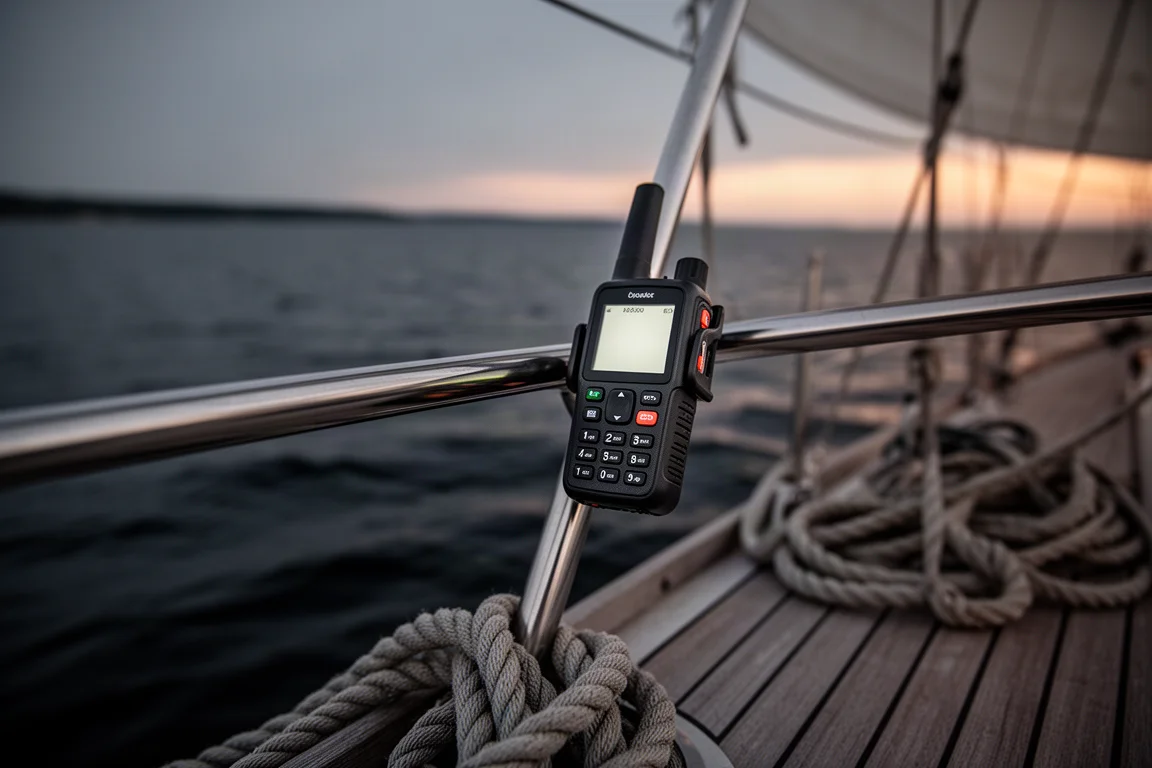
For an average hiker this is more capability than necessary, but it can make sense for people living off the grid or bluewater sailors who need continuous contact and finer tracking detail over long passages.
The real question is whether you genuinely need unlimited messaging. If part of the appeal of heading outdoors is disconnecting, a lower tier with a message bundle will usually cover everything you realistically send.
Garmin inReach Enabled Plan
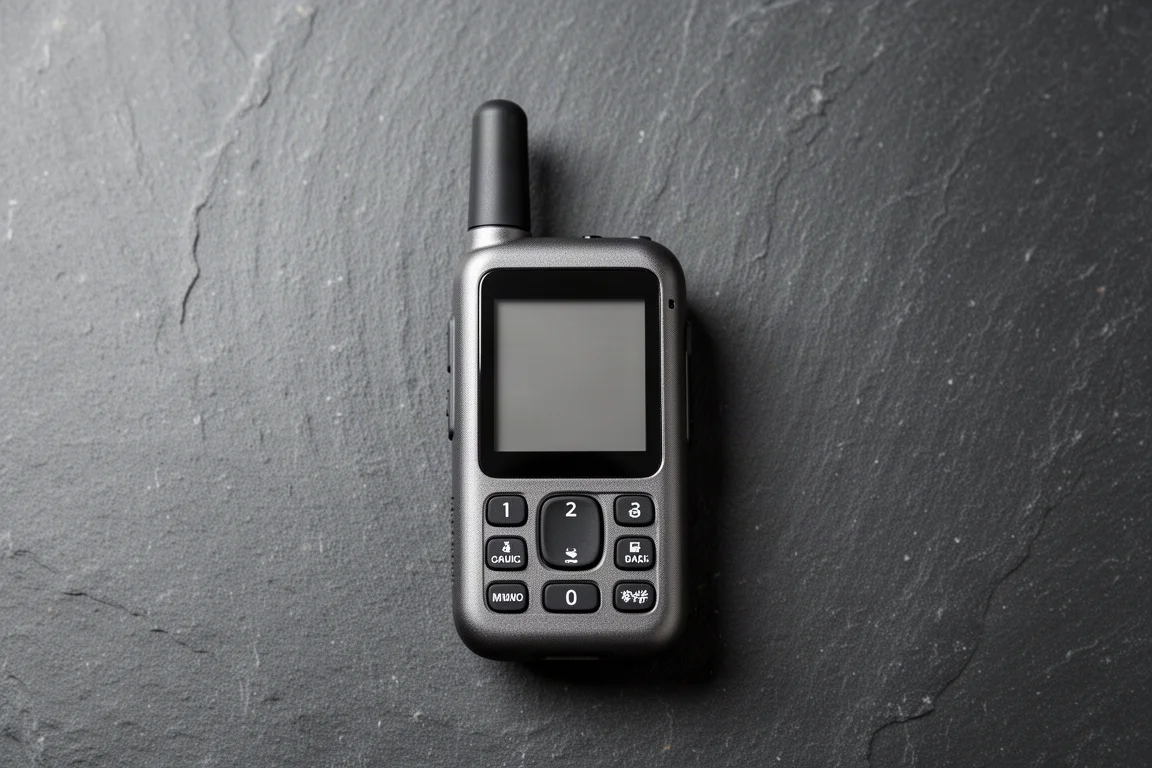
The Enabled plan is not part of the standard sign-up flow. You sign up for a regular plan first, then switch to Enabled from your account management page. It is the least expensive subscription Garmin offers, it keeps SOS available on the device, and it comes in at under $100 US for the year.
Everything beyond that is pay as you go. Check-ins, messages, weather requests (which count as messages), and location tracking are all billed individually. For light and occasional use, that can still come out cheaper than Essential.
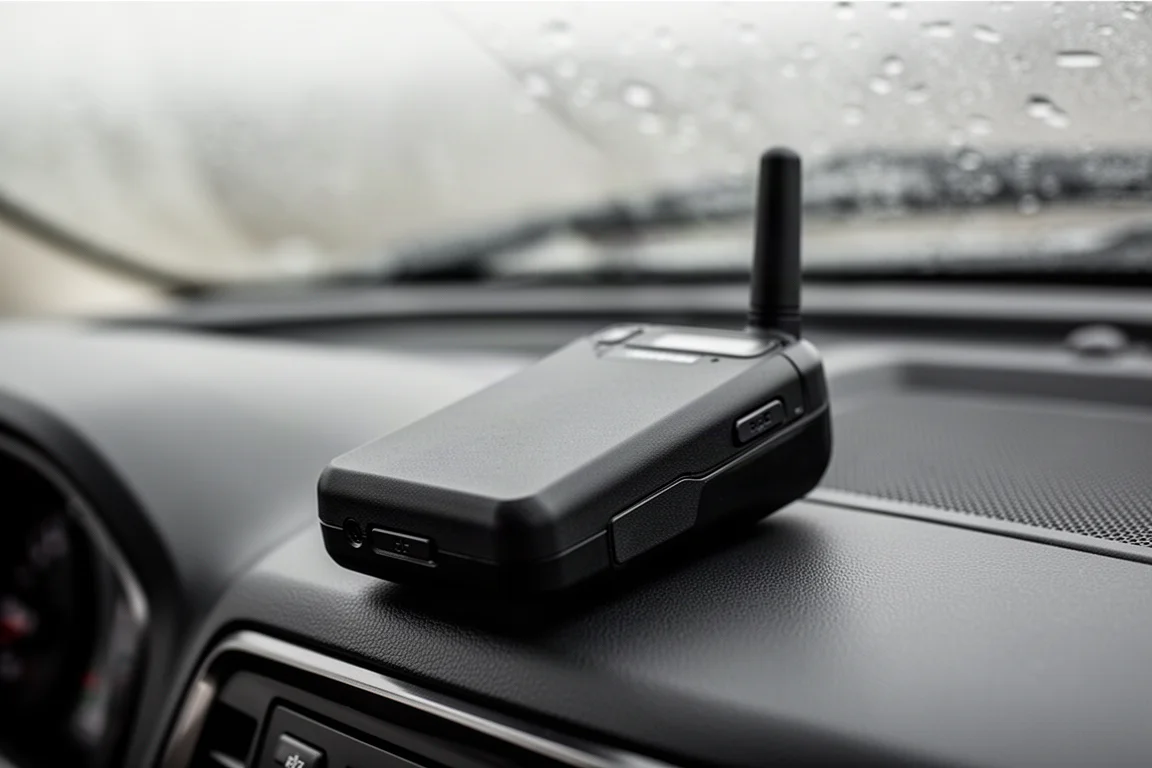
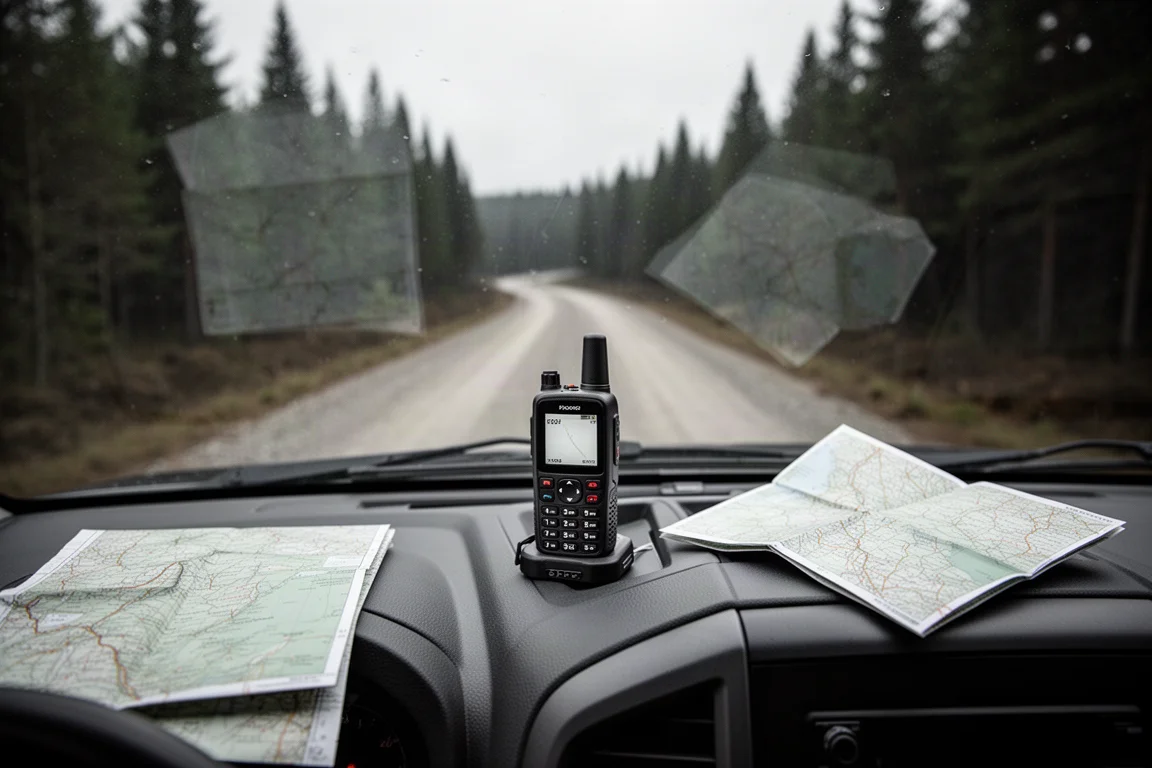
It is worth noting that SOS is not reserved for rugged backcountry trips. Vehicle trouble outside cell coverage is a common reason people trigger an SOS, so a low-cost plan can be a sensible everyday carry option to keep in the car.
Garmin inReach Professional Plan
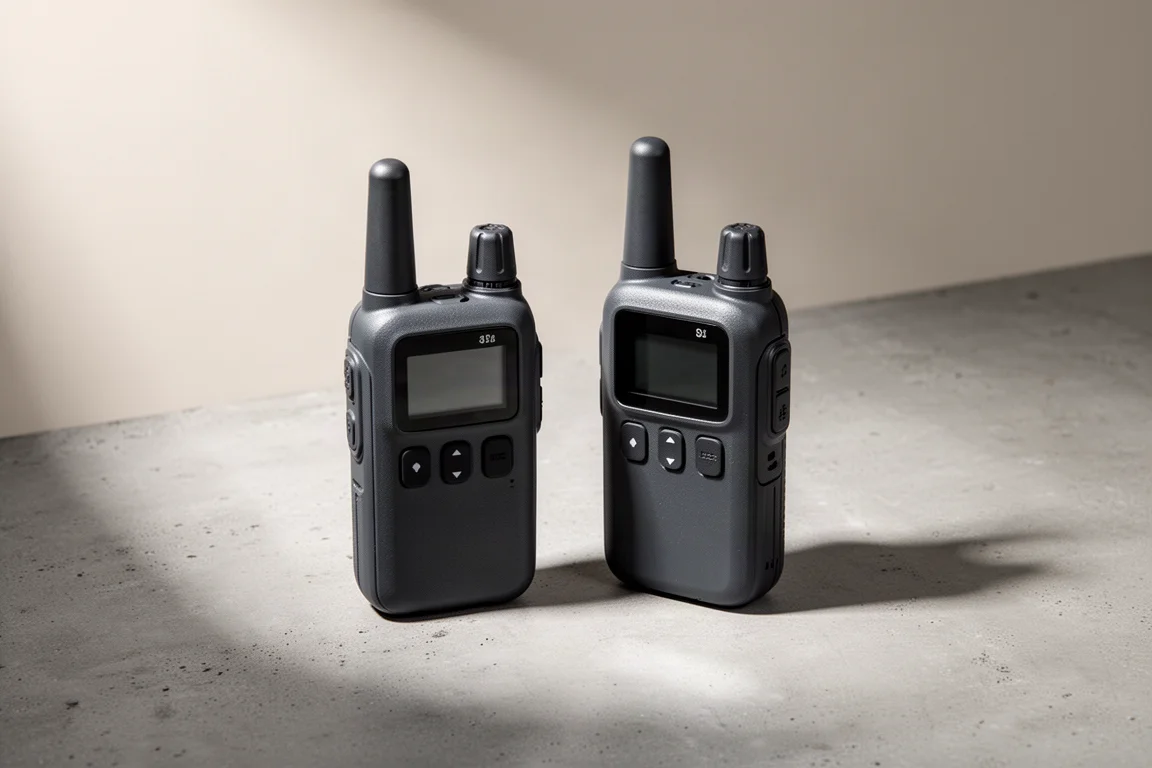
Professional exists for accounts that need multiple inReach devices active at once. It suits organizations, and it can work for families that want several units ready to go. Plans generally cost about $5 more than the equivalent consumer plans, and suspending a device while keeping it on your account costs $5 per month.
For a single user, this tier is more than you need.
Third-Party Alternatives: Protogeear and TrackMe NZ
Protogeear is a German company that resells Garmin inReach bandwidth with Garmin’s authorization, so it is an approved arrangement rather than an unofficial workaround. It charges a €49 annual fee plus a €10 minimum, and you switch usage on and off as needed, with activation intervals as short as a single day or by the month.
If your usage spans several days and would cost more than a weekly or monthly rate, the price adjusts down automatically, which keeps things simple. Extras include a dedicated email address, the ability to text services such as ChatGPT and Wikipedia from the device, and editable check-in message text. The control panel is a little clunkier to set up than Garmin’s own.
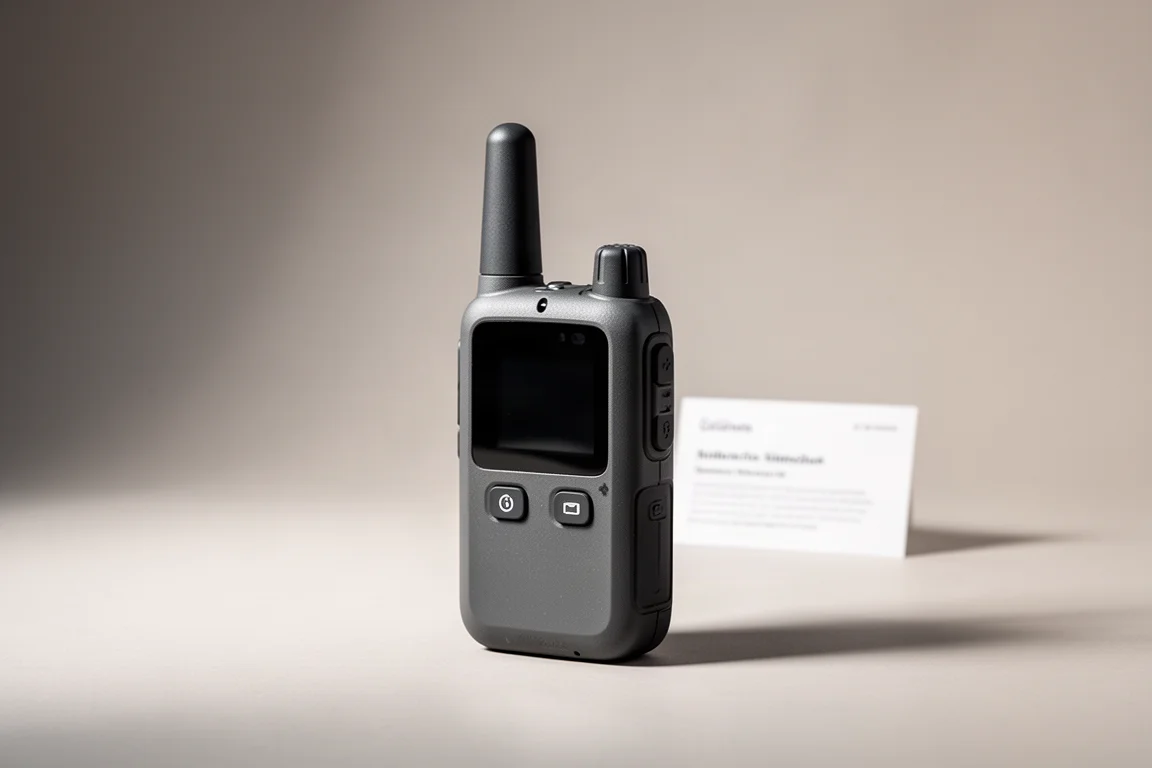
TrackMe NZ takes a similar approach across Australia, New Zealand, and North America, buying inReach airtime and repackaging it for individual users. One notable extra is a dedicated phone number for your device. Both services are aimed at people who want to pay only for the days they actually use.
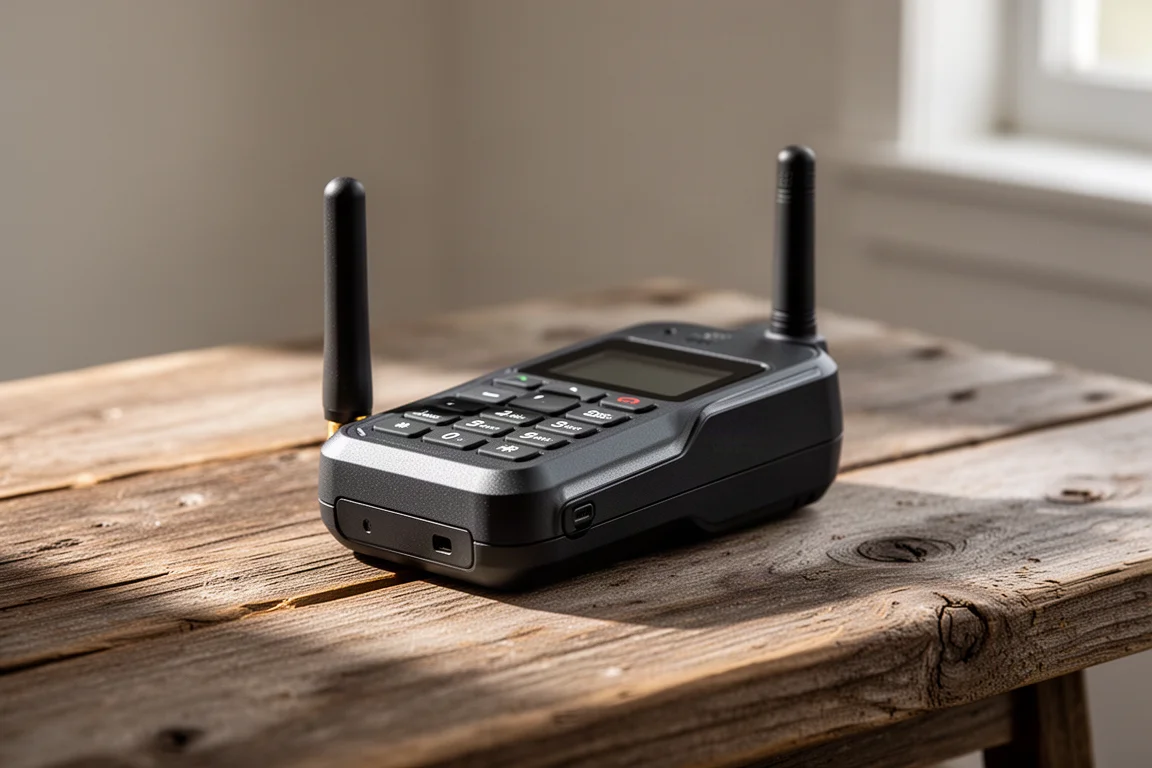
SOS Coverage: Garmin SAR 100 and Overwatch and Rescue
Garmin Response is the 24/7 team behind the SOS button. They collect your information and hand it to a local first responder who can reach you. What the subscription does not cover is the cost of the rescue itself. Most rescues are free, but not always. A critical injury requiring an air ambulance with medical personnel and specialized equipment can run into tens of thousands of dollars, and that bill is not part of your inReach subscription.
Garmin SAR 100 is an insurance policy available for purchase only in Canada and the United States, although it works worldwide. It is affordable, with premiums rising for activities Garmin classes as high risk, such as mountaineering, and higher again at altitude.
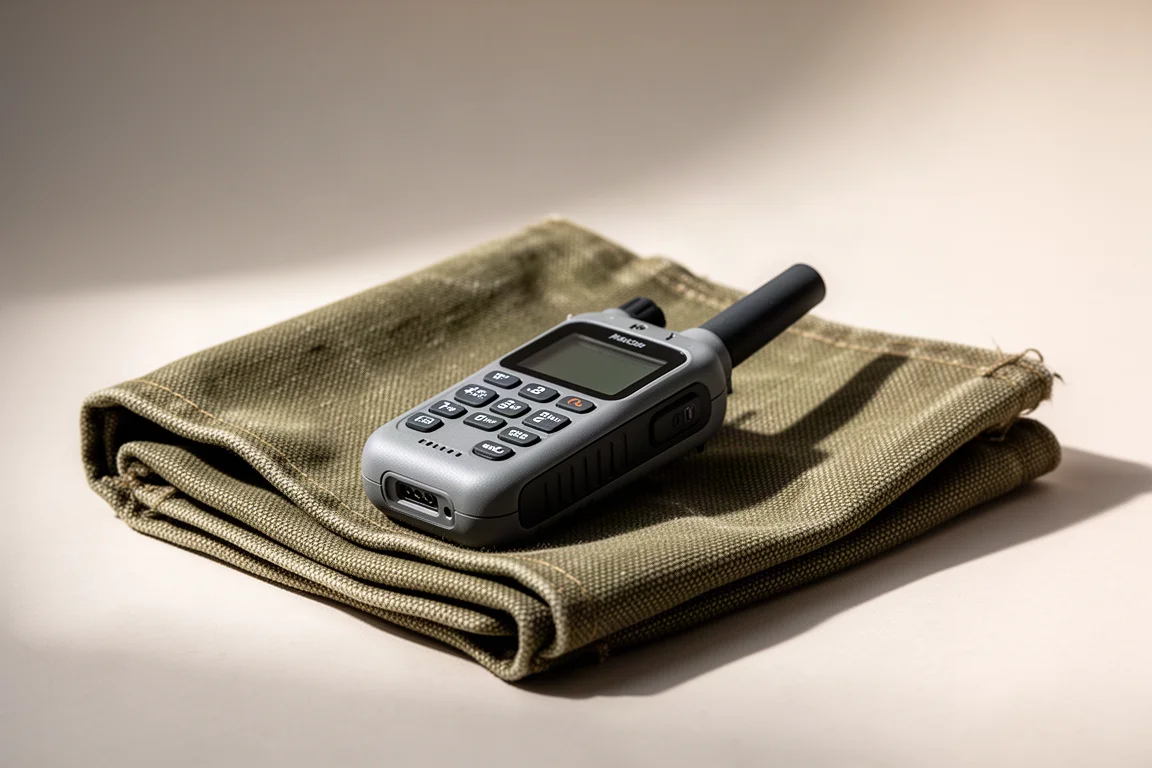
Overwatch and Rescue is an SOS subscription service that works a little like roadside assistance for the outdoors. You can register up to three devices, including inReach units and satellite-enabled iPhones, and coverage applies to all of them. A quick text message starts the process, and the response center is staffed by former EMTs, military personnel, law enforcement, and paramedics. They pass your information to the appropriate first responder and stay involved through the rescue to advocate on your behalf. At $80 there are no altitude or high-risk sport restrictions, and the policy extends to situations such as civil unrest or weather emergencies overseas, evacuation transport, retrieving your car from a trailhead, and flying a family member out if you are hospitalized abroad.
Buying Advice
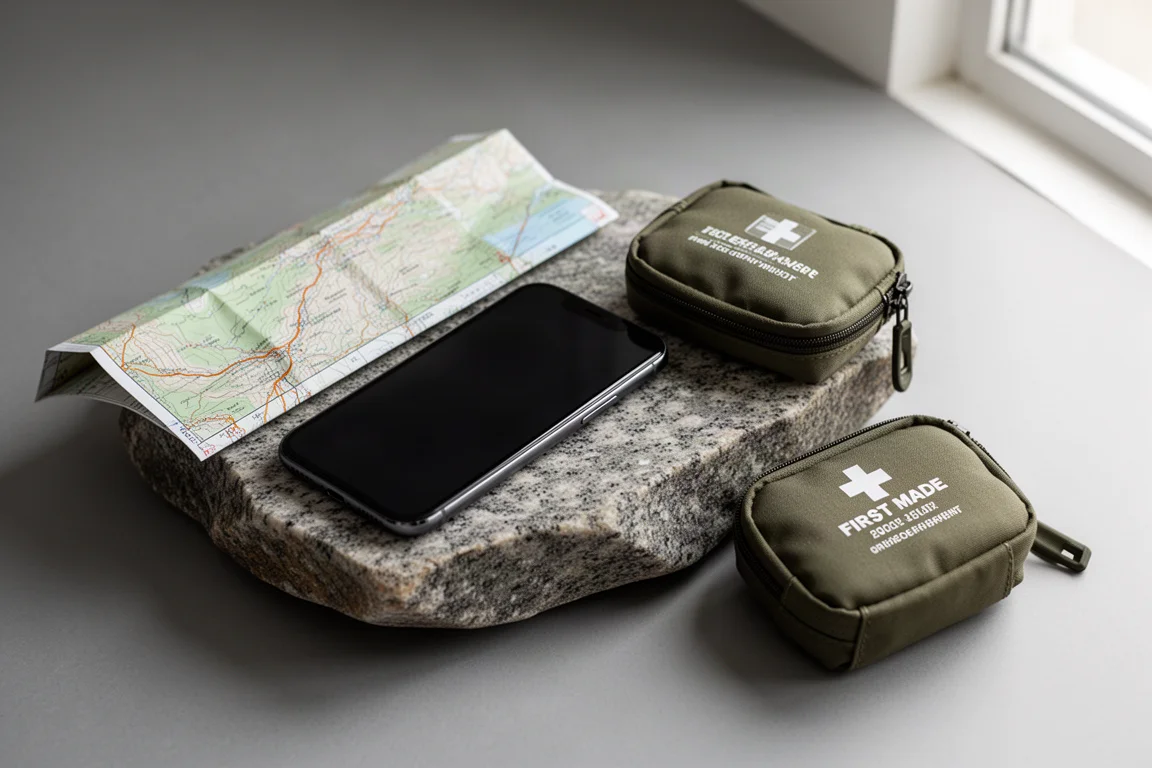
Start with usage. Count how many messages you realistically send in a month and how many hours of tracking you want. Occasional hikers are usually well served by Essential, or by Enabled if they want the lowest annual cost and are comfortable paying per use. Frequent hikers and thru-hikers get more value from Standard’s unlimited track points. Premium and Professional are specialist tools that only pay off for specific patterns of use.
Budget for rescue coverage separately from your subscription. An $80 policy is a small amount next to the potential cost of an air ambulance, and it is the part of the setup people most often overlook. If you only head out once or twice a year, renting an inReach locally is also worth checking. Rental prices commonly sit between $10 and $15 a day with some data included, some providers ship the unit to you, and local outfitters near national parks are a good place to ask.
Conclusion
The plan that fits is the one that matches your real usage. Essential covers most occasional hikers, Standard suits regular and long-distance trips, and Enabled is the cheapest route to SOS if you are willing to pay for everything else individually. Premium and Professional serve specialist needs. Whichever route you take, pair it with rescue coverage so your subscription does what you expect when it matters.
Further reading
Related Reviews
Outdoor Safety
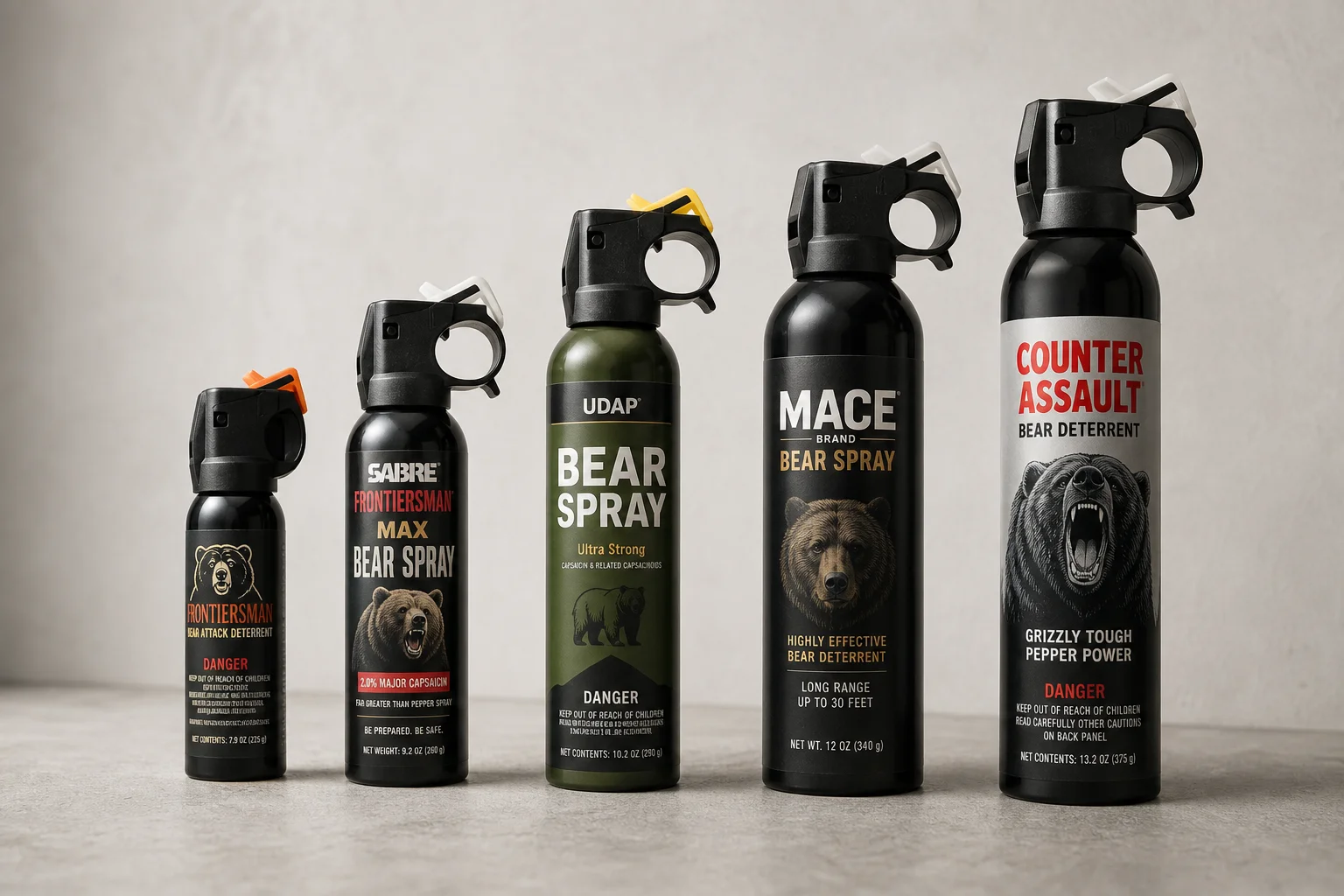
Best Bear Spray 2026: Five Options for Wilderness Protection
A practical comparison of five bear spray products, from compact carry options to maximum-range formulas, with clear strengths and trade-offs for different wilderness scenarios.
Outdoor Safety
Backcountry Rescue Insurance: Three Coverage Options Compared
Backcountry rescues are often free, but not always. Three coverage options, from a Garmin inReach policy to a fully funded assistance subscription, take the cost question out of calling for help.
Outdoor Safety
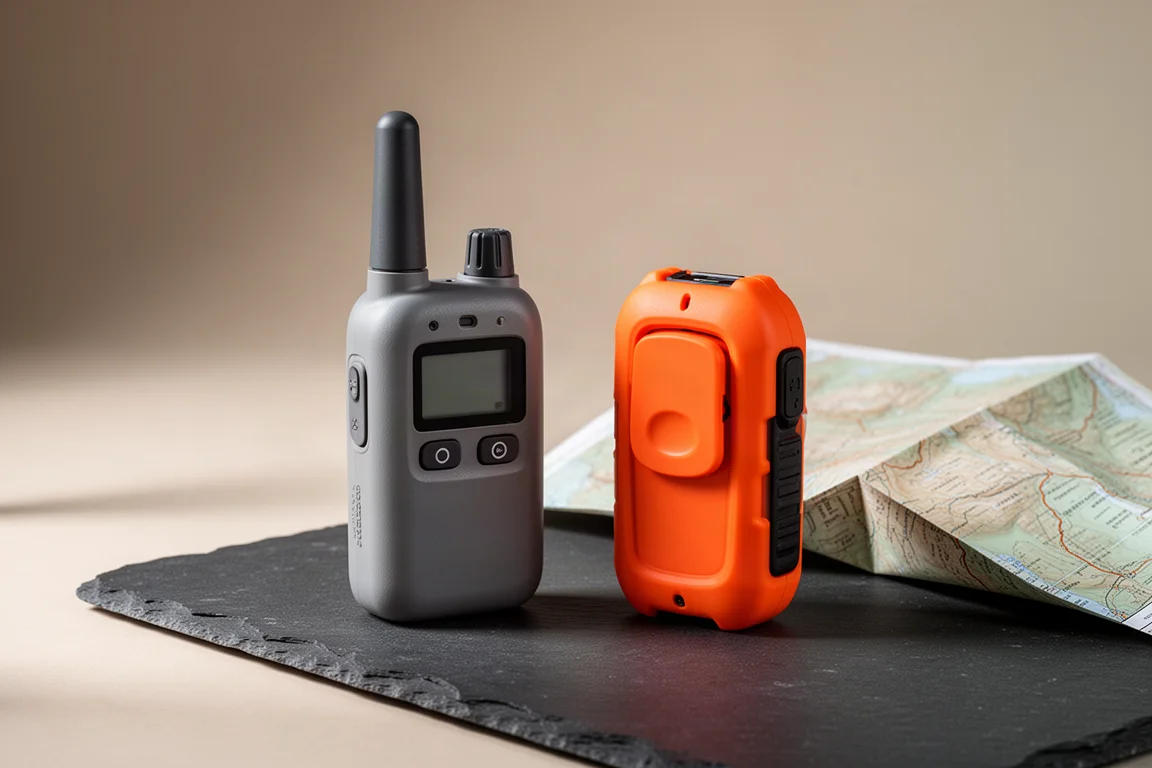
Garmin inReach Mini 2 vs RescueME PLB1: Which Satellite SOS Device Should You Carry?
A practical comparison of the Garmin inReach Mini 2 and the RescueME PLB1, covering seven-year SOS costs, two-way messaging, and the kind of backup each device is built to be.