Outdoor Safety
Garmin inReach Mini Review: Three Years of Backcountry Use
A practical long-term look at the Garmin inReach Mini, covering on-device messaging, weight, network reliability, battery life, and subscription value.
Introduction
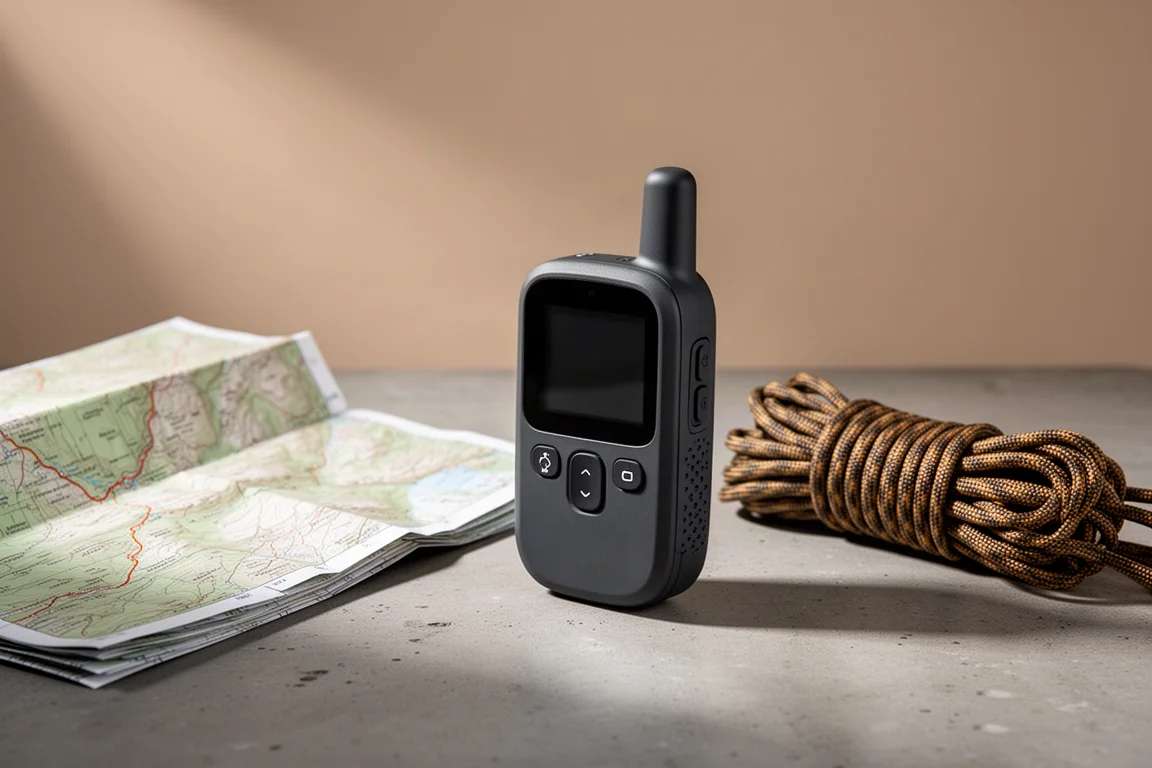
Satellite communicators have become a crowded category, and choosing one is harder than a quick glance at a specification table suggests. The Garmin inReach Mini has been in steady use across three years of backcountry trips, from multi-day backpacking routes to short day hikes above treeline, and it has become the piece of safety gear that goes along on every outing without a second thought.
The core appeal is straightforward: two-way communication almost anywhere, without relying on a cell signal. That matters less for the routine check-in and far more for the scenario nobody plans for, where being able to describe an injury, confirm a location, or receive instructions from rescuers can change how an outcome unfolds.

What follows is a grounded look at what the device does well, where it falls short, and who gets the most value from carrying it.
Who This Product Is For
This device suits people who travel beyond reliable cell coverage and want a communication channel that works both directions. That includes backpackers on multi-day routes, day hikers on remote trails, ski tourers, and anyone working outdoors in places where a phone becomes a paperweight.
It is also a sensible choice for group travel. Because messaging can be done directly on the device, a partner or friend can pick it up and communicate with rescuers without needing to pair their own phone to it. If the person carrying the device is unconscious or badly hurt, someone else in the party can still send and receive messages.
Anyone who only ever hikes within cell range will find it unnecessary. The value here is tied specifically to being out of coverage.
On-Device Messaging Without a Phone
There is a persistent assumption that on-device messaging is reserved for the larger models in this family. It is not. The Mini can compose and send messages directly from the unit, including custom messages, not just preset ones.
Typing happens through a small set of buttons that scroll through an on-screen alphabet, which sounds tedious and largely is not, thanks to a strong autocomplete function. A message of five, six, or seven words can be written in seconds when autocomplete supplies each word after the first letter or two. It is slower than a phone keyboard, but it is genuinely usable.
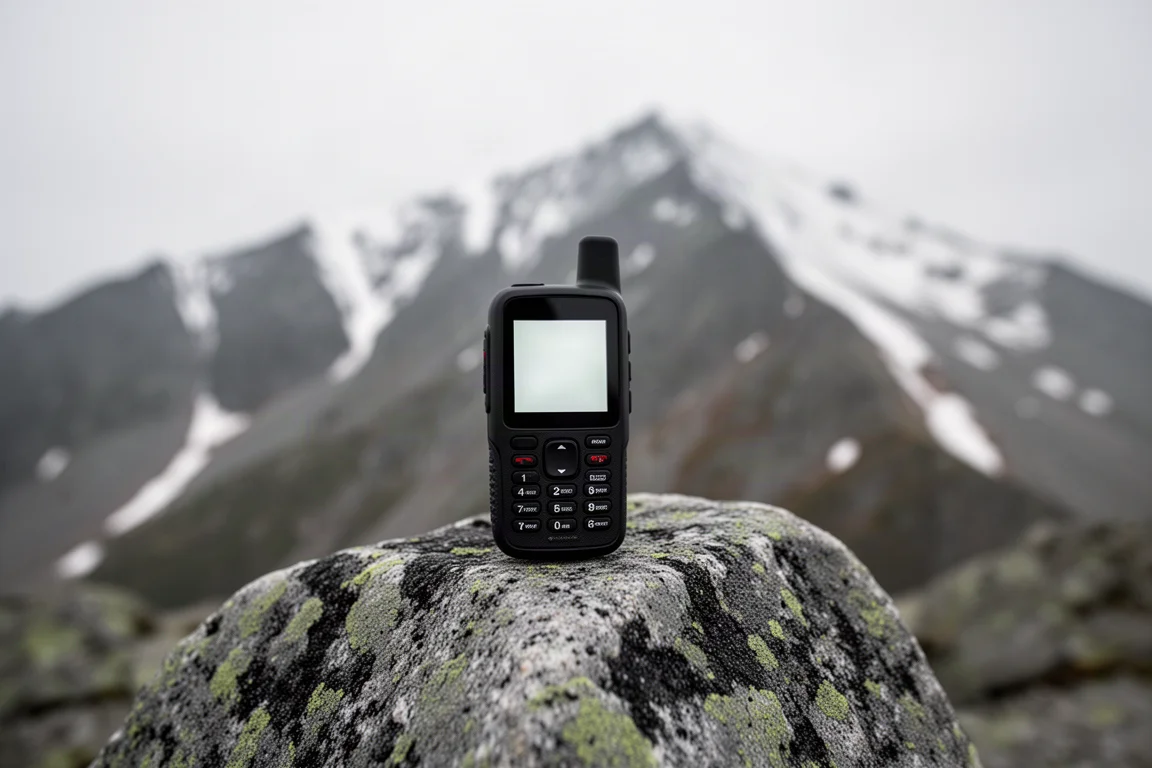
Tethering to a phone remains an option and is faster when a full keyboard is available, but it should be treated as a convenience rather than the primary method. Phones run out of battery in cold conditions, and they get dropped, soaked, and broken. Having two-way communication that does not depend on a phone is the single most important feature on a device like this. Being able to describe the nature of an injury, give a precise location for a helicopter or rescue team, and receive instructions back is a meaningful safety advantage, and it only exists if the device itself can send and receive.
Size, Weight, and Network Reliability
At 100 grams, the Mini is light enough to carry on trips where every gram is scrutinised. It is the smallest satellite communication device with on-device messaging, which is the combination that makes it easy to bring along on every backpacking trip, day hike, and short mountain outing without debating whether it is worth the space.
On reliability, the Mini uses the Iridium satellite network, which is the same network used by most other satellite SOS communicators apart from personal locator beacons and SPOT devices, which run on a separate network that is generally considered less extensive. Among devices on Iridium, there is little practical difference in coverage; receiver design varies slightly, but the underlying network is the same.
Emergency SOS traffic is routed through a coordination service called GEOS, which works with emergency and search and rescue services. Garmin has acquired GEOS, and now controls that part of the ecosystem. There is no indication that services will be withdrawn from competing manufacturers, but it does open the possibility of additional features or services reaching Garmin devices first. It is worth keeping in mind rather than treating as a confirmed advantage.
A further capability is worth noting for anyone who already wears a compatible watch. The watch can connect to the communicator and trigger an SOS from the wrist. If the device ends up out of reach, whether the pack was torn away or the wearer cannot move, an SOS can still be sent without crawling back to it.
Battery Life and Charging Trade-offs
The Mini’s most obvious compromise is battery life. The unit is small, so the battery inside it is small too. With consistent use, expect a handful of days before a recharge is needed. Larger satellite communicators carry substantially bigger batteries and last considerably longer between charges, which matters on longer unsupported routes.
If the small on-device interface is not appealing, some competing devices offer fuller keyboards. That convenience comes with its own set of reliability trade-offs that tend to surface in the field, so it is not a straightforward upgrade.

The most persistent frustration is the charging port. The Mini still uses micro USB at a time when almost everything else has moved to USB-C, which means carrying a second cable on every trip. A future version with USB-C and a larger battery would address the two most common complaints about this device in one step.
Price and Subscription Value
The unit itself costs around 350 US dollars, which is more than SPOT and more than some other competitors, though broadly comparable to at least one alternative. The higher upfront cost buys additional functionality, and for many buyers that trade is reasonable.
A subscription is mandatory. Without an active plan, the device cannot send an SOS or messages, so the subscription cost belongs in any honest comparison. The cheapest plan runs 12 US dollars per month on an annual contract, or 15 US dollars month to month without the annual commitment. That plan includes 10 custom messages to anyone on a contact list, plus unlimited use of preset messages.
Three preset messages can be configured, and they cover more ground than they appear to. Typical setups include starting the day, made it to camp or the car, and a general check-in. Those three alone can account for 30 to 40 messages a month, which makes the entry plan far more usable than the custom message allowance suggests, and it keeps running costs below the roughly 20 US dollars per month that many competing plans charge.
Buying Advice
The case for the Mini rests on three things: on-device two-way messaging that does not depend on a phone, a weight low enough that it comes along on every trip, and running costs that stay low when preset messages carry most of the load.
The trade-offs are equally clear. Battery life is limited compared with larger units, the charging port is dated, and the upfront price sits above the cheapest competitors. Buyers who regularly spend many days away from power, or who want the simplest possible typing experience, may prefer a larger device in the same family.
For most backcountry users, the deciding question is not which device has the longest feature list but which one will actually be in the pack when it is needed. A communicator that is small enough to bring on a short day hike and capable enough to send a detailed message in an emergency covers the majority of real situations. Pairing it with an annual subscription and a set of well-chosen preset messages keeps the total cost predictable, and keeping a spare micro USB cable in the pack removes the one annoyance that comes up on every trip.
Conclusion
After three years, the Garmin inReach Mini remains a strong choice for anyone who travels beyond cell coverage. It is not the cheapest option, its battery is modest, and its charging port is behind the times, but the combination of genuine on-device messaging, low weight, and affordable subscription tiers is difficult to match. For hikers, backpackers, and outdoor workers who want a dependable two-way link to the outside world, it earns its place in the pack.
Product link
View more details for Garmin inReach Mini
This product is mentioned in the review. Check the specifications, options, and compatibility before buying.
View more details for Garmin inReach MiniFurther reading
Related Reviews

Outdoor Safety
Best Bear Spray 2026: Five Options for Wilderness Protection
A practical comparison of five bear spray products, from compact carry options to maximum-range formulas, with clear strengths and trade-offs for different wilderness scenarios.
Outdoor Safety
Backcountry Rescue Insurance: Three Coverage Options Compared
Backcountry rescues are often free, but not always. Three coverage options, from a Garmin inReach policy to a fully funded assistance subscription, take the cost question out of calling for help.
Outdoor Safety
Garmin inReach Mini 2 vs RescueME PLB1: Which Satellite SOS Device Should You Carry?
A practical comparison of the Garmin inReach Mini 2 and the RescueME PLB1, covering seven-year SOS costs, two-way messaging, and the kind of backup each device is built to be.