Sports Watches
Garmin Forerunner 965 Review: AMOLED Finally Comes to Garmin's Top Running Watch
Garmin's flagship Forerunner gets a bright AMOLED display and a titanium bezel, and the battery barely blinks. Here is what works, what does not, and who should actually buy it.
Introduction
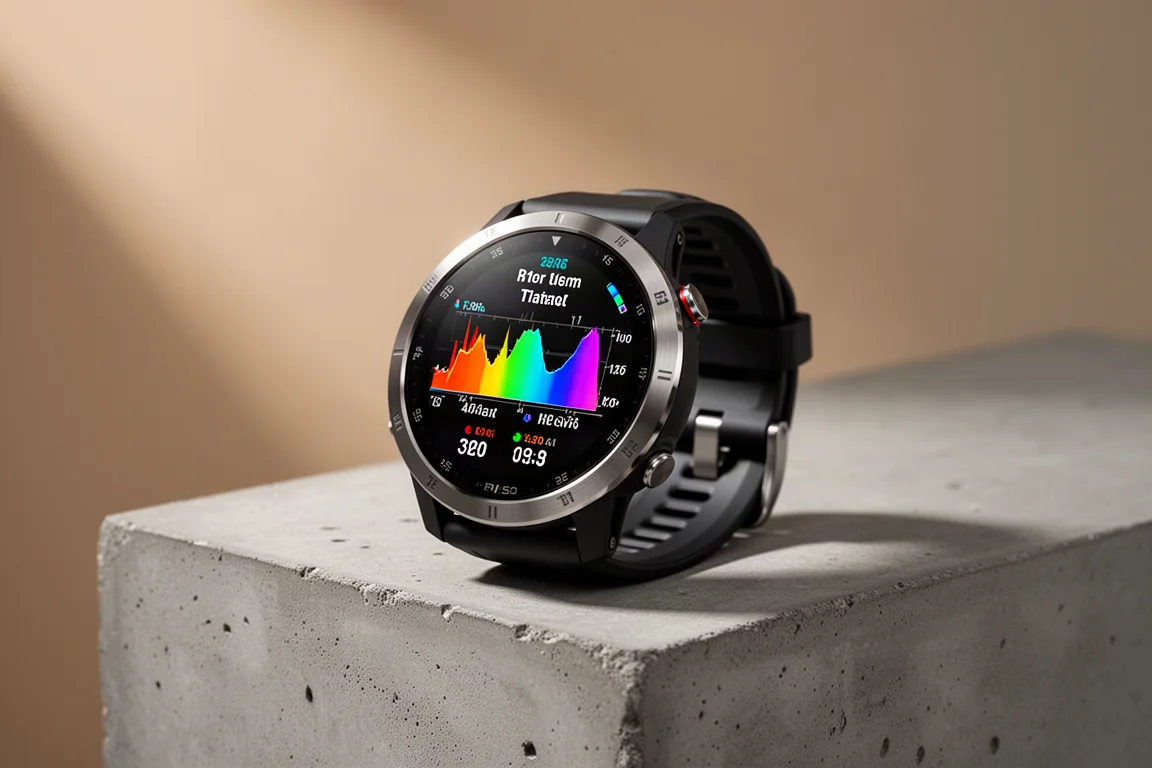
The Garmin Forerunner 965 is the watch the Forerunner lineup has been quietly building toward: a top-end running watch that finally swaps the classic memory-in-pixel display for a big, bright AMOLED screen. Having spent extended time with it alongside its predecessor, the Forerunner 955, the short version is that this is the best watch in Garmin’s running range right now, but it is far more of a design and display upgrade than a features revolution.
Below is how it differs from the 955, where it impresses, where it falls short, and which alternative you should consider depending on your budget and needs.
Design and Build: Titanium Bezel, Slimmer Case
The most visible hardware change is the bezel. The Forerunner 965 moves from the 955’s polymer bezel to a lightweight titanium bezel, which looks nicer without adding bulk. Overall weight stays roughly the same as the 955, the case is slightly larger but also a little slimmer and more streamlined, and the strap style is similar. Notably, the 965 drops the solar option that was available on the 955, and there is no solar variant here.
The design reads as a genuine step up rather than a tweak. The titanium bezel is a thin accent rather than the big, chunky metal ring you get on Garmin’s more premium-feeling watches, so the 965 keeps the light, understated Forerunner look. On the wrist it stays one of the lightest full-featured sports watches in Garmin’s range, which makes a real difference for all-day and all-night wear.
Storage is unchanged at 32GB, enough for apps, music, and the preloaded topographic, road, and trail maps, and the waterproofing is on the same level as before.
The Standout Feature: The AMOLED Display
There is no getting around it: the screen is the reason this watch exists. The 965’s AMOLED panel is dramatically brighter and sharper than the 955’s 260x260 memory-in-pixel display, and it elevates everything from checking notifications to navigating maps mid-run. It feels noticeably more premium as a daily smartwatch and is a genuine joy to use, particularly in dim indoor or cloudy conditions where it absolutely shines.
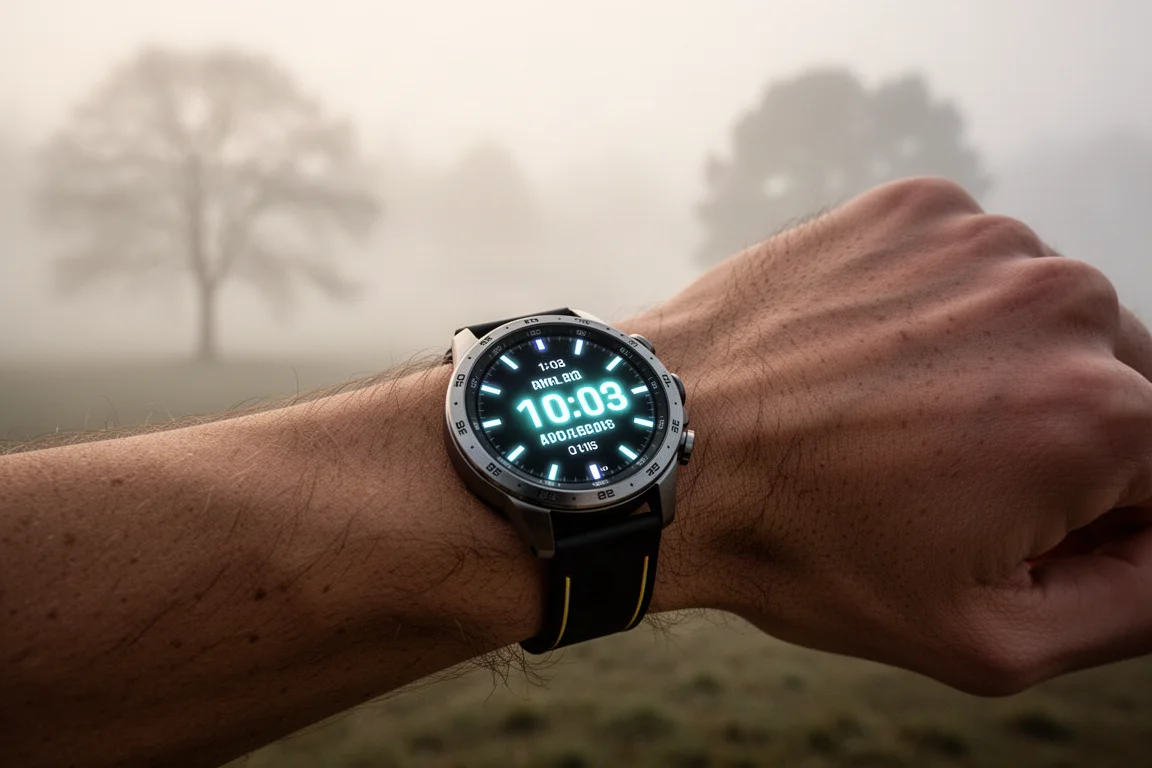
The one scenario where the old-school display still holds its own is blazing direct sunlight, especially if you run in sunglasses. In those moments the transreflective screens on Garmin watches like the 955 can appear at least as clear. For everything else, and for most people most of the time, the AMOLED is easier to read and simply nicer to live with.
Run Tracking and Training Features
Underneath the new screen, this is very much the same watch as the 955. All the same sensors, sport modes, and analysis tools carry over, with a handful of additions. Advanced running dynamics that previously required an accessory such as a chest strap can now be pulled from the watch itself, and testing against Garmin’s HRM Pro Plus showed the wrist-based readings generally matching up.

Multiband GPS tracking is among the most consistent experiences available, matching the accuracy of Garmin’s flagship watches. Navigation and mapping are essentially identical to the 955, with the addition of next-fork navigation on the 965, plus a cardio workout mode.
On the training side, Training Readiness remains the standout feature: it condenses a lot of data into one clear, actionable daily guide. The newer training load ratio metrics are less intuitive, presenting a simple idea in a cluttered way. One important caveat: for the best Readiness accuracy, pair a heart rate strap, since the optical sensor is good but not flawless and occasional errors can skew your training analysis.
Battery Life That Survives the Screen
This is where expectations were low and reality surprised. With an always-on display, multiband GPS enabled on every run, notifications flowing in, and roughly 80 to 90km of running plus indoor sessions in between, the 965 consistently lasted six to seven days per charge.
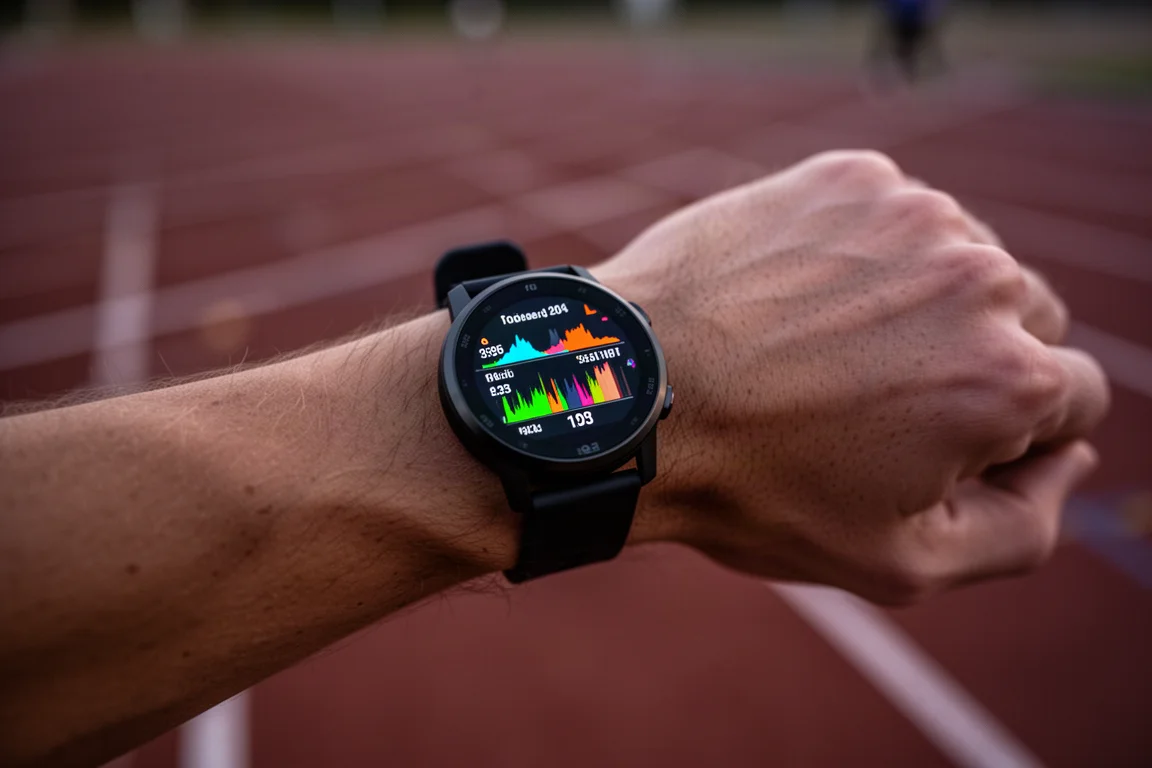
Garmin’s stated figures back this up: up to 28 days in smartwatch mode, 31 hours of GPS without music, and about eight and a half hours of GPS with music. That last number means you can run a full marathon, listen to music from the watch the whole way, and still have charge left to review your stats afterwards.
It is still a drop from the 955 Solar, which remains the battery-champion option, and heavy triathletes who use GPS cycling frequently will charge more often. But for an AMOLED watch of this size and brightness, the endurance is genuinely impressive.
Minor Gripes Worth Knowing
Nothing here is a dealbreaker, but a few things are worth flagging. The band uses a sprung pin rather than a true quick-release system, so swapping straps requires a fingernail and some patience until you fit a quick-release band of your own. Wrist-based heart rate is solid most of the time but can occasionally go wrong at high intensity, which is a familiar complaint across optical sensors; a chest strap remains the fix for serious training data. Some battery figures, notably in multiband GPS mode, are a little lower than the 955’s, though real-world impact is small.

There is also the fact that, screen aside, very little is new. If you already own a 955, the feature upgrade here is thin, and Garmin’s habit of rolling new software features to older watches makes the case for upgrading even weaker.
How It Compares in Garmin’s Range
Against the Forerunner 955, the decision is simple: if you want the AMOLED display, the 965 is worth the extra money. If you do not, the 955 is tremendous value, especially in sales, offering every feature here including maps with longer battery life for less.
The Forerunner 265 is the most compelling alternative. It has the same AMOLED experience, is just as accurate for GPS tracking, and misses only the maps, some battery life, and the more premium design. If you never need full topo maps on your wrist, the 265 does the same job for noticeably less money and comes in two sizes.
Against the Epix 2, the 965 is arguably the better watch for runners: lighter on the wrist, a couple of days more battery life, and no need to pay extra for multiband GPS. Versus the Apple Watch Ultra, the 965 wins decisively on sports tracking, training analysis, navigation, and battery life, though it remains a sports watch rather than a full smartwatch, since it lacks a proper app store.
Buying Advice
If you own a 955 or one of Garmin’s flagship metal-bezel watches, there is little reason to upgrade; the screen is lovely but the rest is familiar. If you are coming from an older Forerunner and want the best all-round running watch Garmin makes, the 965 is an excellent choice that pairs a beautiful display with class-leading tracking, mapping, and battery endurance. If budget is a concern but you still want the AMOLED experience, the Forerunner 265 will cover nearly everything the 965 does.
Conclusion
The Garmin Forerunner 965 earns its place at the top of the range by making the AMOLED jump without sacrificing the battery life and lightweight design that define the Forerunner line. It is less a new watch and more the 955 with a brilliant face-lift, and for many runners that is exactly enough.
Product link
View more details for Garmin Forerunner 965
This product is mentioned in the review. Check the specifications, options, and compatibility before buying.
View more details for Garmin Forerunner 965Further reading
Related Reviews
Sports Watches
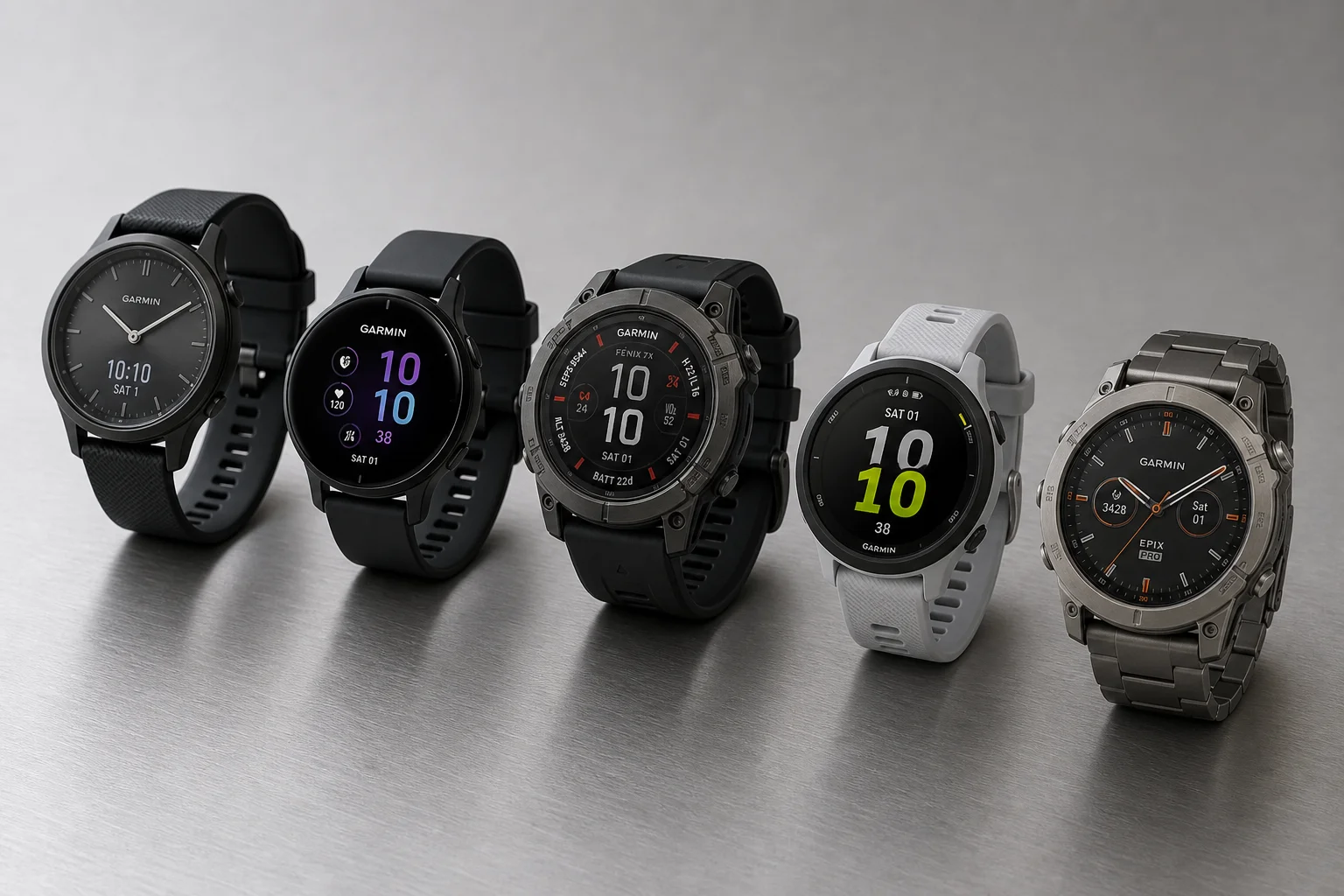
Garmin Sports Watch Guide: Finding the Right Model for Your Fitness Level
A comprehensive overview of Garmin's sports watch lineup, from casual fitness trackers to advanced multisport devices, helping you choose the right model for your needs and budget.
Sports Watches
Coros Pace Pro Review: A Complete Overhaul That Finally Feels Premium
Coros rebuilt the Pace Pro from the ground up with an AMOLED display, onboard maps, and a new heart rate sensor. Here is how it all holds up in real use.
Sports Watches
Polar Vantage M3 Review: The Sweet Spot in Polar's New Watch Lineup
A closer look at the Polar Vantage M3, which brings an AMOLED display, dual-frequency GPS, offline maps and the same software platform as Polar's flagship watches at a friendlier price.