Running Watches
Garmin Forerunner 955 Review: Two Editions, 15 Things Worth Knowing
A close look at the Forerunner 955 and 955 Solar: multiband GPS, HRV Status, Training Readiness, maps, running power, and what to weigh before buying.
Introduction
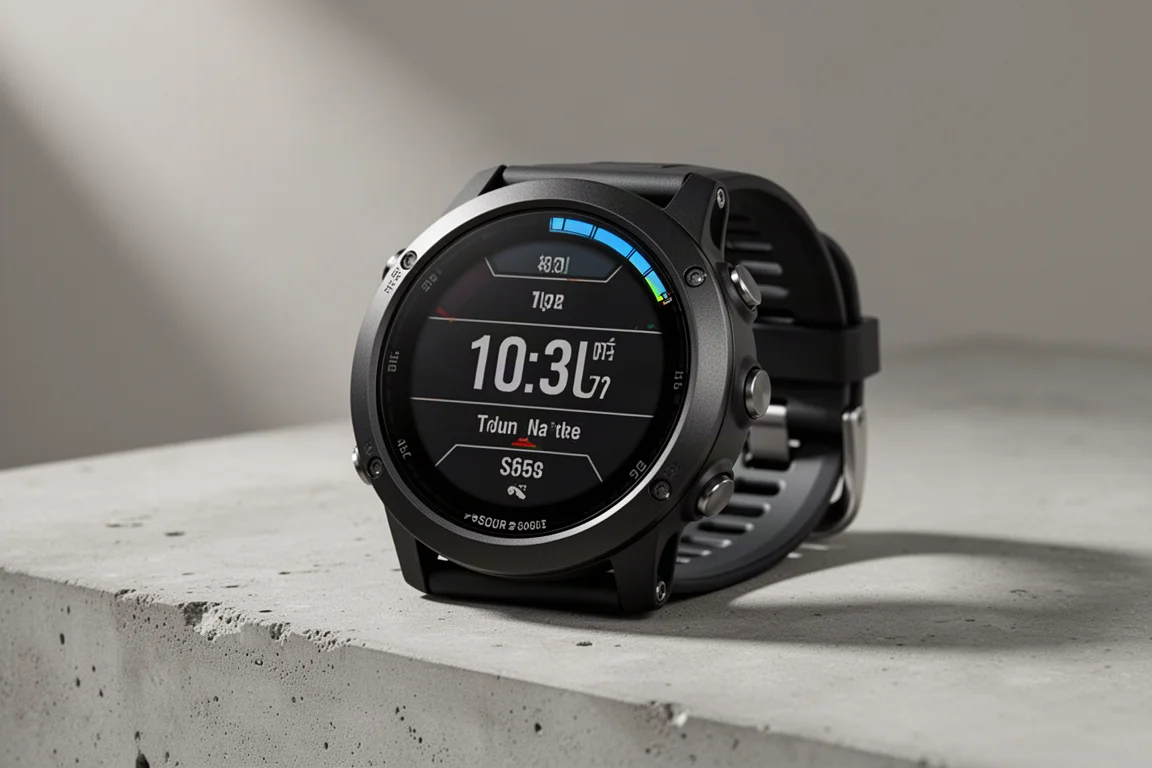
The Garmin Forerunner 955 arrives in two editions: the base model at $499 and the Forerunner 955 Solar at $599. The two are identical apart from the solar panel and the battery life benefits that come with it, and the pricing makes them unusually competitive for this feature level. After extended real-world use across swim, bike, run, and hike, the headline is clear: this is essentially a Fenix 7 feature set in a lighter, plastic-bodied watch, at roughly half the price of some Fenix 7 Sapphire editions.
Solar Edition vs Base Edition
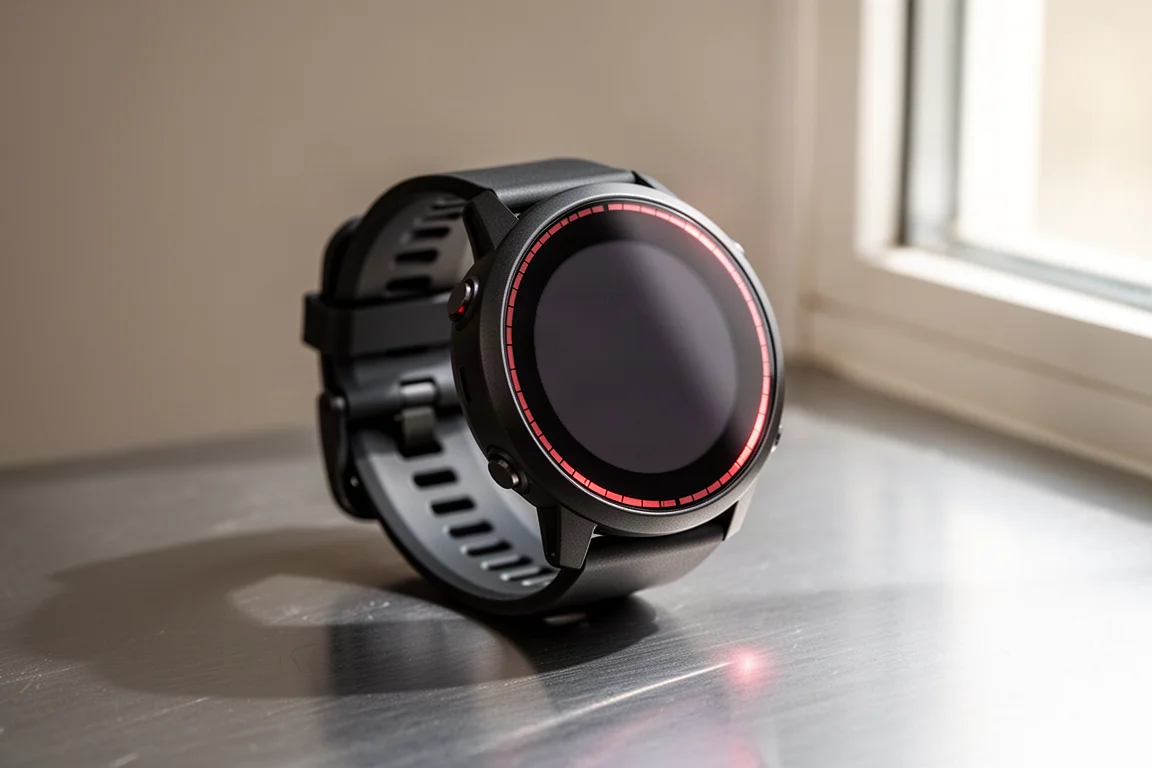
The Solar edition carries a solar ring around the outer bezel, roughly four millimeters wide, with a claimed 100 percent photovoltaic level on that ring, plus a layer on top of the entire screen that captures about seven percent of incoming sunlight. The watch shows the current solar level on its watch faces and in a dedicated solar widget, displayed as a sun icon with ten blocks. A fully filled icon corresponds to roughly 50,000 lux, which Garmin uses as its spec baseline. In practice that baseline is modest: a sunny winter day can exceed 70,000 lux, and bright beach or Mediterranean conditions can reach 130,000 to 150,000 lux. Anything beyond 50,000 lux simply adds extra energy to the watch.
If you rarely train outdoors in bright sun, the base edition is the sensible pick. If you spend long days outside, the Solar edition converts that sunlight into meaningful extra battery life.
Multiband GPS
Multiband, or dual-frequency, GPS is the biggest hardware-driven upgrade here. Previously seen on the Fenix 7 series, it is widely regarded as the best available GPS accuracy approach, and it is enabled by default on the 955. In dense downtown areas with tall buildings and narrow streets, the recorded track sat almost perfectly on the road, and forested and open-sky runs were equally clean.
The trade-off is battery: enabling multiband GPS cuts rated GPS battery life from roughly 42 hours down to about 20 hours.
Touchscreen
The 955 adds a touchscreen, but it is disabled by default for most sport modes and can be disabled entirely. You enable it per sport mode as needed. In practice, buttons remain the primary interface, and the touchscreen mainly earns its keep in the map view, where you can pan and move the map with a finger. The catch: you still need the buttons to enter map mode first.
Running Power
Garmin has built running power natively into the watch, replacing the old Connect IQ app approach. You get running power zones, power-based workouts, and power-based data fields, all clean and fully integrated. The limitation is that it still requires a compatible Garmin accessory such as an RD Pod, HRM Tri, HRM Run, or HRM Pro strap. Competitors from Coros and Polar compute running power from the wrist without any accessory.
Maps and Wi-Fi Map Downloads
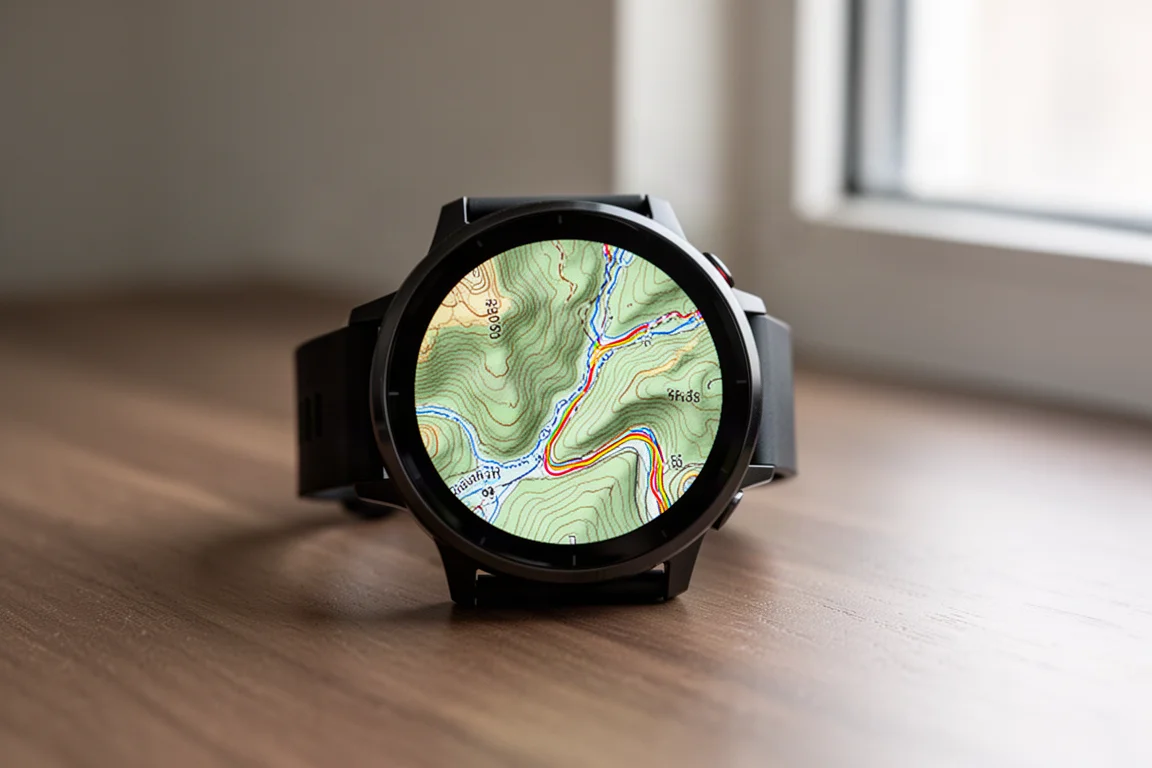
The 945 had maps, but adding maps for a new region was painful. On the 955 you download topo active maps for any region or country directly over Wi-Fi from the watch, free of charge, including popularity routing and heat map data. The watch has 32GB of storage, and there are also new SkiView maps with resort names and trails baked in, plus a cross-country ski map.
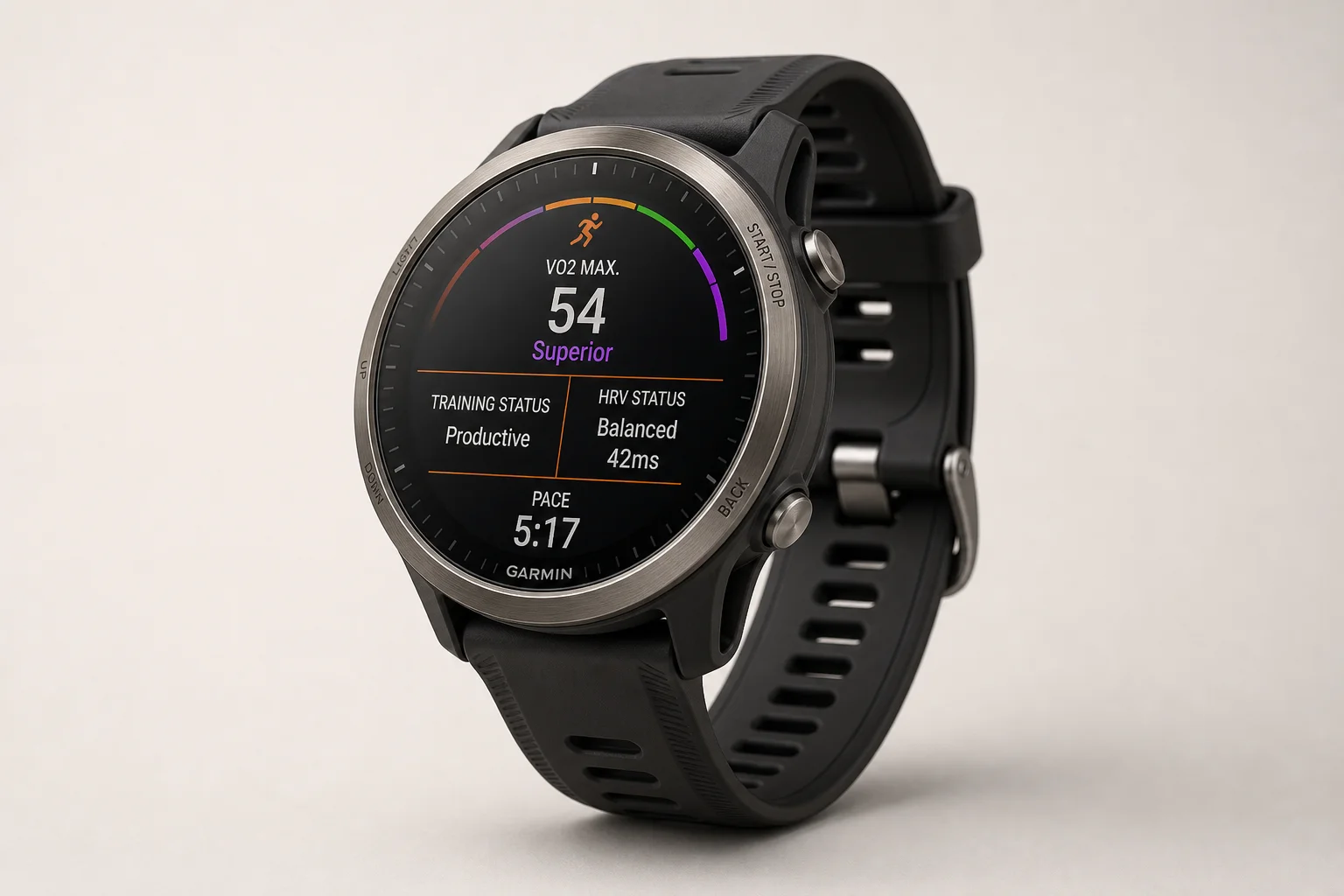
HRV Status, Training Readiness, and the Morning Report
These software features are the most impactful day-to-day changes, more so than the solar panel or GPS hardware. HRV Status tracks heart rate variability automatically at night and displays it in a widget with color bands based on your personal historical ranges. It does not appear for the first 19 nights of use, and once active it shows a seven-day rolling average rather than reacting to any single bad night, which distinguishes it from competitors where one rough night swings the whole picture.
Training Readiness combines multiple factors into a daily score: the last three nights of sleep, recovery time since your last workout, HRV status trending against up to 90 days of history, an acute-load-weighted seven-day training load that discounts older workouts faster, plus seven-day sleep and stress history. The score shifts during the day as you train, so a morning score reflects readiness before your workout, not after it.
The Morning Report greets you on waking with last night’s sleep and HRV, current recovery, Training Readiness, the weather, and any scheduled structured workouts, so you can decide whether to train as planned or adjust.
Race Calendar and Adaptive Training Plans
A new race calendar and race widget let you add events to the Garmin Connect calendar and see them on the watch, including a predicted finish time based on your current VO2 max trends, the average race-day temperature, the loaded course, and eventually the actual hour-by-hour forecast as race day nears. Predicted finish times currently work for running only. One quirk: switching watches can temporarily drop your VO2 max reading, which skews predictions until it settles after several weeks.
More significantly, adding a race automatically builds a training plan behind the scenes with builds, tapers, and recovery weeks targeting that event. Daily Suggested Workouts now show the targeted event and future workouts, not just today’s, and you can choose which day of the week is your long run or long ride. It also ties into Training Status to check whether your plan matches your goal.
Real-Time Stamina
Carried over from the Fenix 7 and Epix series, real-time stamina shows your current energy level at your present intensity and projects the distance and time remaining until you empty the tank. It works best for longer workouts and races, with roughly 40 minutes as the practical lower limit.
Smaller Additions
Phone-based configuration lets you adjust nearly all watch settings, data fields, and data pages from your phone, with sensor pairing and map downloads remaining watch-only tasks. Up Ahead displays waypoints you add to a course in Garmin Connect, such as a cafe stop or a summit, with distances and custom labels, which is especially handy on long hikes. Spectator messaging lets supporters following a LiveTrack session send encouragement messages to your watch, though some events, notably many triathlons, do not allow phones on course.
The optical heart rate sensor is Garmin’s Elevate V4, the same generation used across recent watches. Garmin has not said whether it supports ECG on this model.

Accuracy Impressions
Across steady-state runs, sprint intervals, indoor trainer sessions, and outdoor rides, heart rate tracking was consistently strong, at times beating a chest strap at the start of workouts. GPS accuracy, with multiband enabled, was the standout: tracks in dense downtown, forest, farmland, and open water were consistently clean and closely matched the actual route, outperforming several comparable watches in the same conditions.
Buying Advice
At $499 and $599, both editions undercut expectations considerably, and each delivers a feature set that closely mirrors the Fenix 7, including multiband GPS, generous storage, touch input, and full maps, in a lighter plastic body. The HRV Status and Training Readiness features are thoughtfully designed and avoid overreacting to single bad nights. Not everything is perfect: running power still needs an accessory, triathlons do not yet appear in the race widget, and temporary VO2 max dips after switching watches can skew training metrics for a few weeks. For most runners and multisport athletes, the base edition covers everything; choose Solar if bright-sun training is your norm and you want the battery buffer.
Conclusion
The Forerunner 955 and 955 Solar make a compelling case as the most feature-complete option in Garmin’s running lineup at their price points. Between multiband GPS accuracy, native maps, smarter recovery tracking, and race-aware training plans, the day-to-day experience is where this watch wins, and the pricing makes that experience unusually accessible.
Further reading
Related Reviews
Running Watches
Coros Pace 3 Running Watch Review: Why Software Matters More Than Specs
The Coros Pace 3 prioritizes runner-focused design and intelligent software over expensive hardware. Here's why it outperforms watches that cost twice as much.
Running Watches
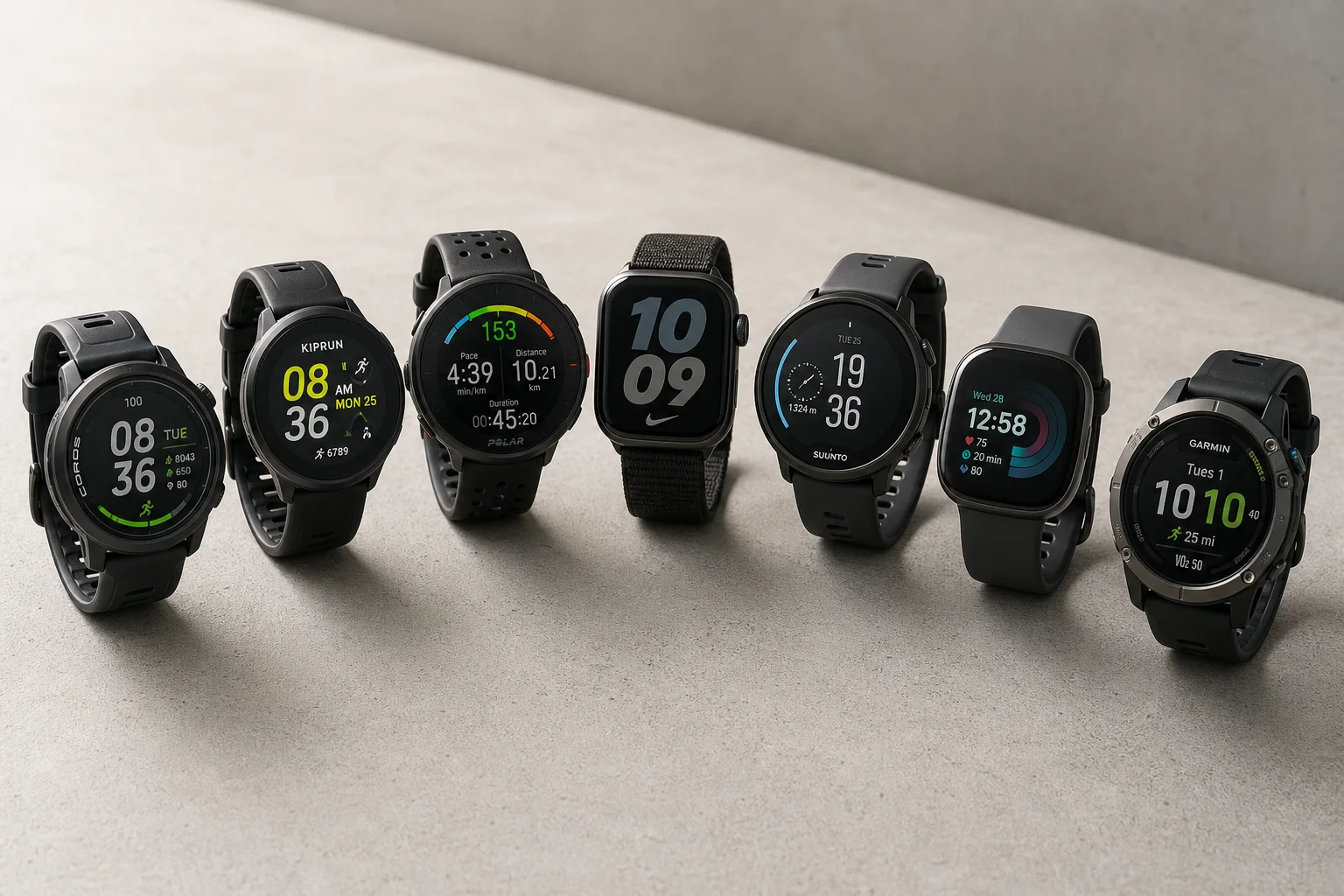
GPS Running Watch Accuracy Test: Seven Watches Compared Across Urban, Trail, and Race Conditions
We tested seven popular running watches from major brands in three different environments to find out which delivers the most accurate GPS tracking for distance and pace.
Running Watches
Garmin Forerunner 70 Review: Garmin's Cheapest Forerunner Is More Capable Than You'd Expect
The new entry-level Forerunner 70 brings an AMOLED screen, a fresh interface, and real training analysis for £219/$249, with a few trade-offs to weigh before buying.