Running Watches
Garmin Forerunner 70 Review: Garmin's Cheapest Forerunner Is More Capable Than You'd Expect
The new entry-level Forerunner 70 brings an AMOLED screen, a fresh interface, and real training analysis for £219/$249, with a few trade-offs to weigh before buying.
Introduction
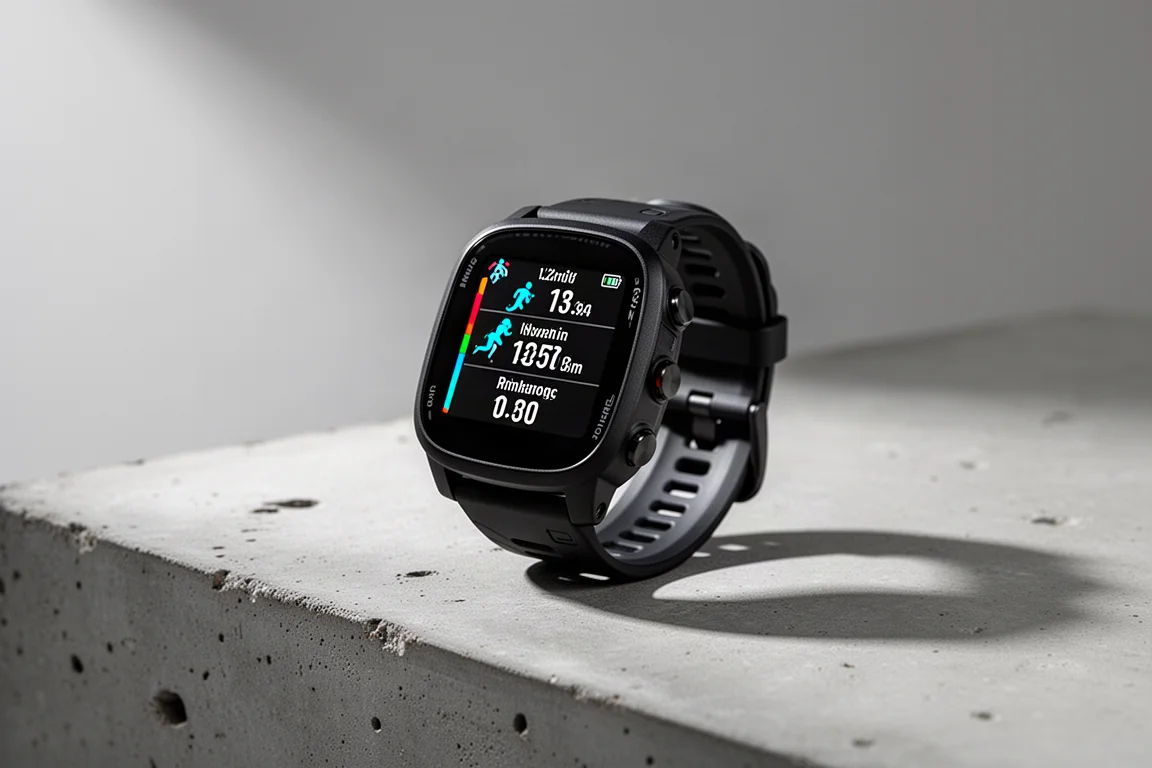
The Garmin Forerunner 70 is the new cheapest model in Garmin’s Forerunner range, replacing the long-serving Forerunner 55 and sitting below the Forerunner 170. At £219 or $249, it is clearly pitched at the entry level of the market, but it is far more capable than that positioning suggests.
This is a running-focused watch first and foremost. It brings an AMOLED display, an all-new user interface, and a suite of training analysis tools that Garmin previously reserved for higher-end models. After several weeks of testing across daily training and races, it proved to be a genuinely capable, more affordable running partner.
Who This Product Is For
Despite its position at the bottom of the Forerunner range, the Forerunner 70 is not just a watch for beginners. It has everything most runners need for serious training, whether you are just starting out or racing marathons several times a year.
If you can live without music storage, contactless payments, and some extra sensors, this watch delivers the core running experience at a lower price. If those smartwatch features matter to you, the Forerunner 170 is the clearer choice.
Design and Display: Small, Light, and Comfortable
The Forerunner 70 shares essentially the same design as the Forerunner 170: a compact, lightweight watch with a small 1.2-inch AMOLED screen and a familiar five-button control layout. The plastic casing keeps it light and affordable, and it is one of Garmin’s lighter watches, comfortable enough to wear 24/7 including during sleep.
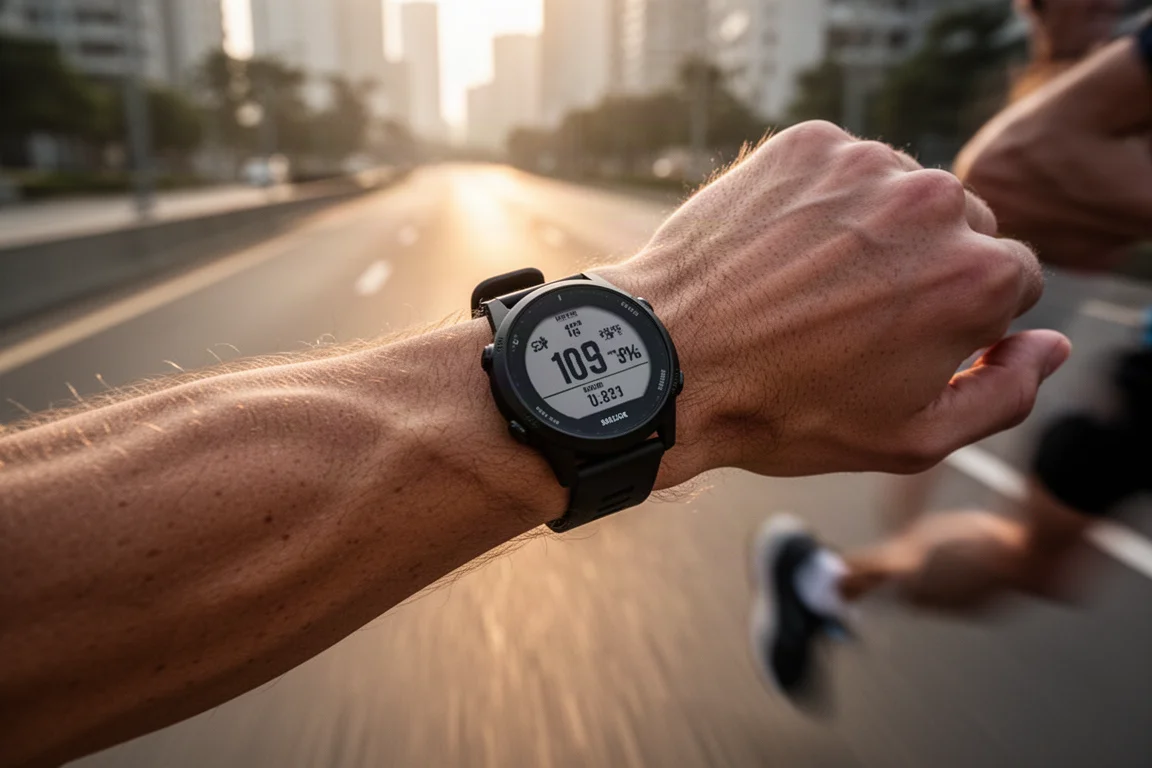
It is available in black, white, yellow, and purple. The smaller screen means less room for stats than larger, pricier Garmin models, but you can fit up to eight data fields, with three to four priority metrics feeling like the sweet spot. The display is not quite as sharp as the excellent panel on the Forerunner 970, but it is bright, clear, and easy to read in all conditions, and the touchscreen proved nicely responsive.
Training Features and Everyday Use
The headline upgrade over the Forerunner 55 is the training analysis. You get training readiness, training status, and acute load, giving you a one-stop view of your body based on recent sleep, workouts, and stress. That is enough firepower to monitor your training load and build fitness steadily without overdoing it.
The quick workout feature is one of the most useful additions. It builds a session on the fly based on how hard you want to work and how long you want to run, from 15 to 60 minutes. In practice the suggested paces push quite hard, so you may want to scale back on hilly routes or tired days.
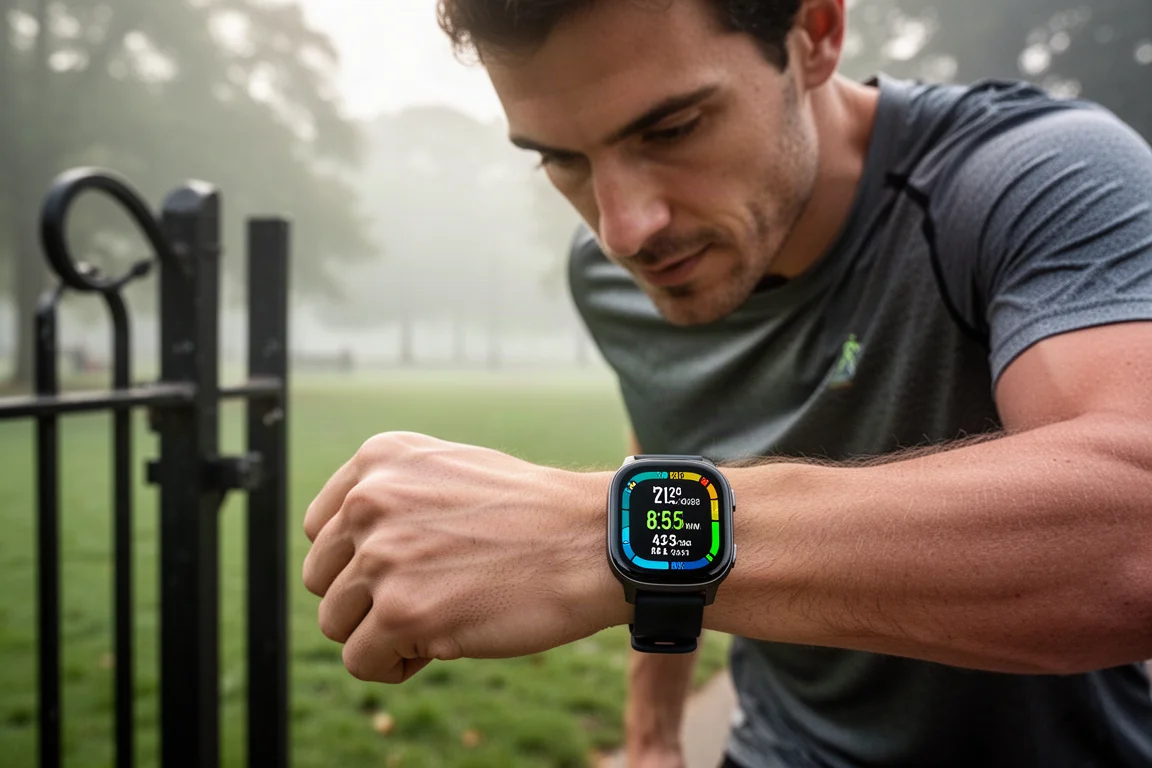
There are some genuinely thoughtful touches here too. Live Track and safety tools are included at this price point, and ultra runners get checkpoint time cut-offs plus an aid station rest timer that shows how long you are dawdling. Health features like sleep coach, lifestyle logging, health status, and evening reports make it a far more comprehensive tracker than past entry-level Forerunners.
GPS and Heart Rate Accuracy
Accuracy is firmly in the pros column. On paper the Forerunner 70 lacks Garmin’s best hardware: no multi-band GPS and the older Elevate Gen 4 heart rate sensor rather than the newer Gen 5. In real-world testing, however, neither proved to be a meaningful loss.
Over a marathon course it registered distances within a fraction of a mile of a multi-band watch, hitting course markers reliably and sticking to the road in the track detail. Real-time pacing was solid too.

Heart rate matched a high-end chest strap almost beat for beat, and there was little to separate the 70 from more expensive Garmin watches on optical accuracy. The main concession is that the Gen 4 sensor means no ECG or skin temperature readings. In dense high-rise city environments, a multi-band watch may still be worth the step up.
Things to Consider Before Buying
The most obvious trade-offs are the missing smartwatch features. There is no offline music storage and no NFC contactless payments, and Garmin is notably strong in these areas compared with rival sports watch brands. If day-to-day smartwatch use matters, you need to spend more.
The sensor array is also trimmed: no barometer or altimeter means less accurate elevation data, which shows up as jerky elevation plots on hilly runs. There is no temperature sensor, no triathlon mode, no cycling power sensor support, and no offline maps. Breadcrumb navigation is included and works well enough on trails, but it is not the same experience as full mapping. Rivals like the Coros Pace 4 offer a barometer, altimeter, multi-band GPS, and triathlon support at this price.
Battery Life
Battery life is better than the Forerunner 170 but is the watch’s weakest point. You get up to 13 days in standard use, around five days with the always-on display, and up to 16 hours of GPS tracking. In testing with the screen always on and daily runs, roughly four and a half to five days per charge was typical, with three to four hours of GPS activity.
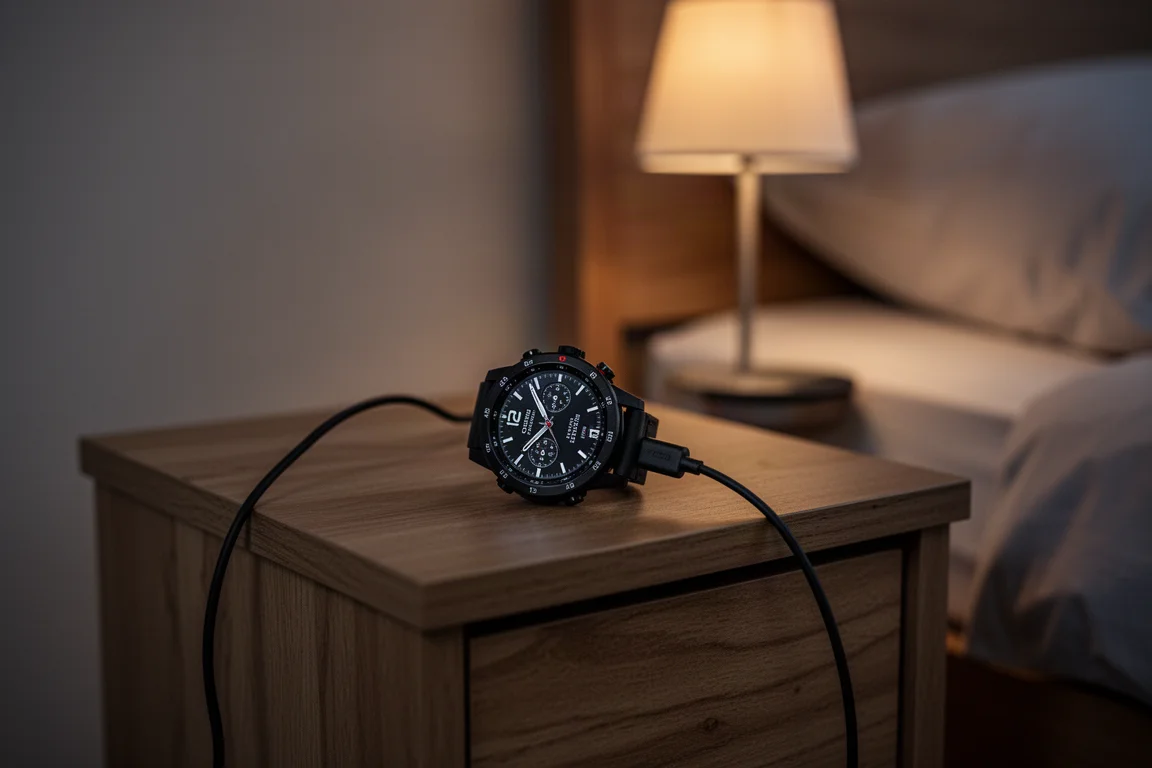
Overnight drain was relatively high, averaging around 6% during sleep. The new battery usage widget is a genuinely handy tool, showing what is draining power with quick jumps into the relevant settings. Dropping screen brightness helps, but if a full week of training on one charge is your baseline, the Coros Pace 4 offers more.
Buying Advice
Within Garmin’s lineup, the choice is straightforward. If you need music, NFC payments, a barometer, altimeter, or cycling power support, pay more for the Forerunner 170. If you do not, the Forerunner 70 represents the better value: largely the same training firepower in an identical-looking watch with longer battery life.
Against older Garmin models, the Forerunner 165 is a strong alternative in sales because it offers music and payments, though it lacks the new interface and training analysis. The Forerunner 265 is a fuller-featured sports watch with multi-band GPS and triathlon support, worth watching in sales. Against other brands, the Coros Pace 4 still edges it on pure sports features, while Apple Watch options suit runners who want a full smartwatch, though they fall short on battery life and training analysis.
Conclusion
The Forerunner 70 is a cracking little running watch and a huge step up over the Forerunner 55. Comfort, wearability, a bright AMOLED display, reliable GPS and heart rate, and a strong set of training tools make it a serious option for runners of all levels. Battery life is the main compromise, and it is not quite a slam dunk against rivals like the Coros Pace 4, but if you can skip the smartwatch extras, this is arguably the best value in Garmin’s current Forerunner range.
Product link
View more details for Garmin Forerunner 70
This product is mentioned in the review. Check the specifications, options, and compatibility before buying.
View more details for Garmin Forerunner 70Further reading
Related Reviews
Running Watches
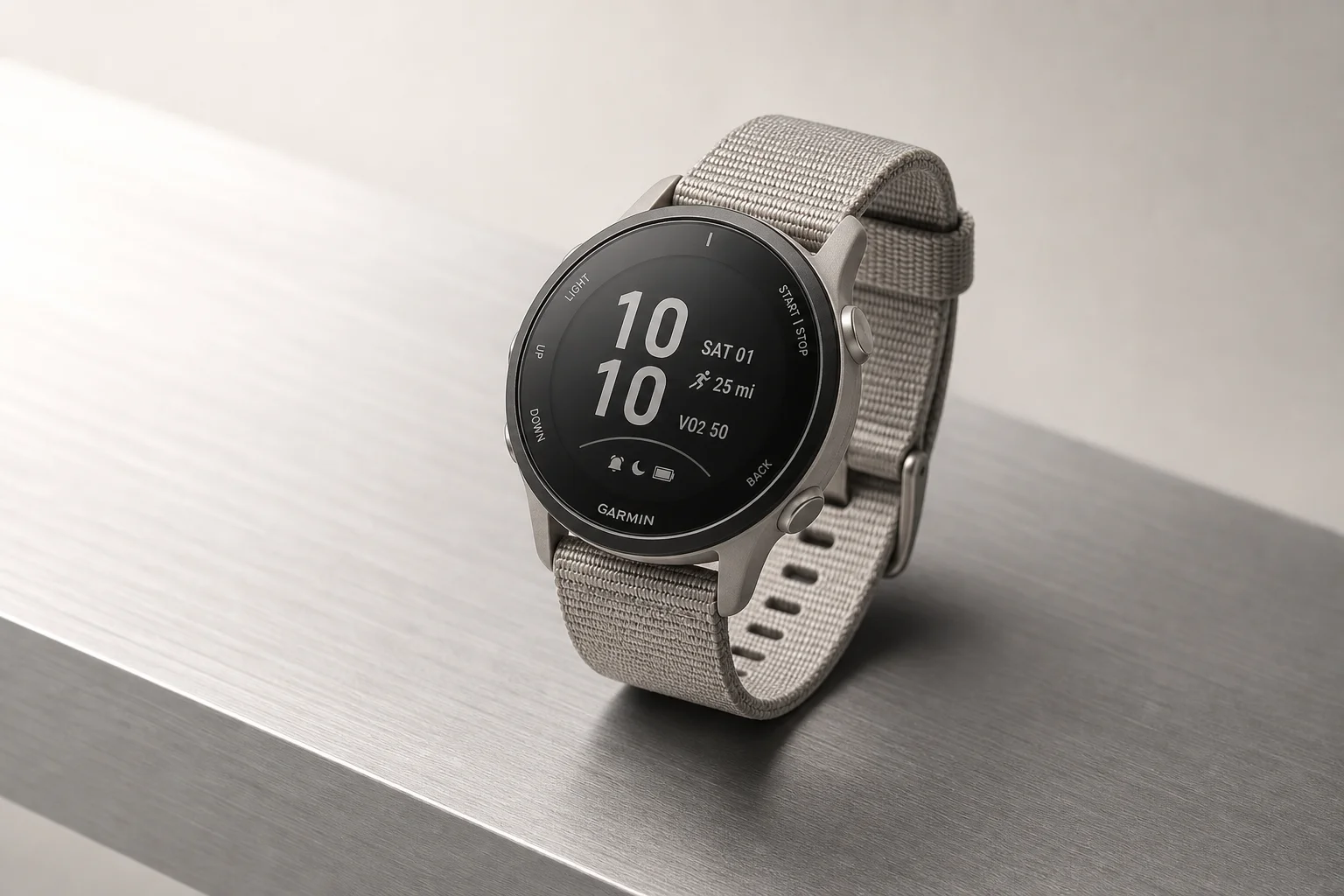
Coros Pace 3 Running Watch Review: Why Software Matters More Than Specs
The Coros Pace 3 prioritizes runner-focused design and intelligent software over expensive hardware. Here's why it outperforms watches that cost twice as much.
Running Watches
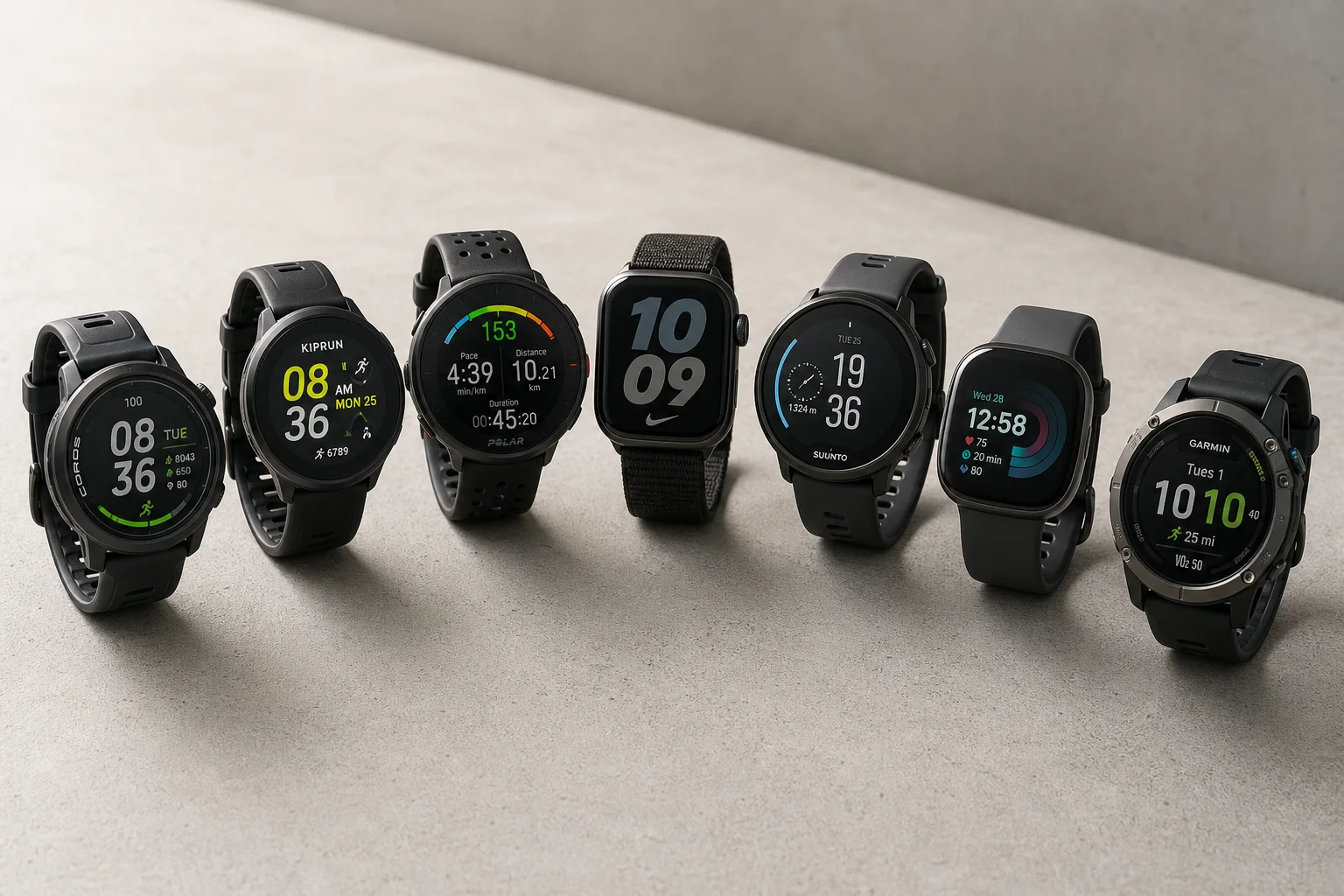
GPS Running Watch Accuracy Test: Seven Watches Compared Across Urban, Trail, and Race Conditions
We tested seven popular running watches from major brands in three different environments to find out which delivers the most accurate GPS tracking for distance and pace.
Electric Skateboards
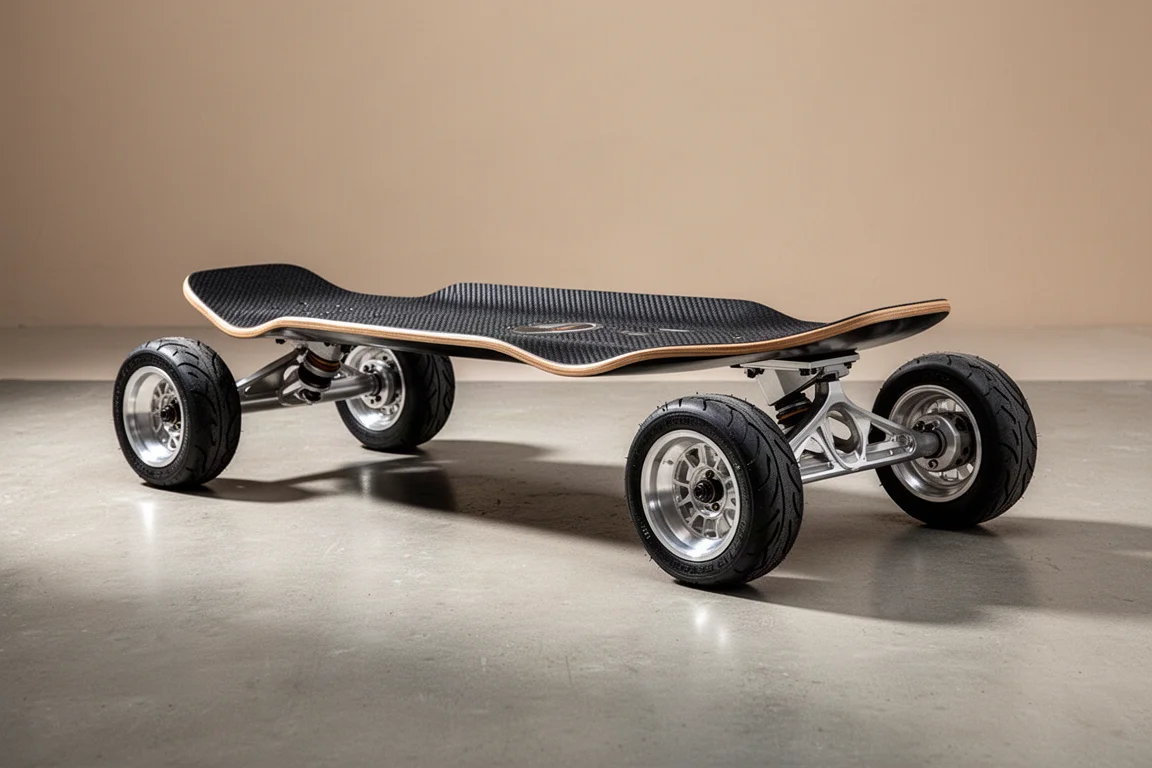
Acedeck Ares X1 Review: A Powerful First Board From a New Name
The Acedeck Ares X1 brings a 14s battery, CNC aluminum trucks, and strong performance to the electric skateboard market. Here is a closer look at what it offers.