GPS Running Watches
Garmin Forerunner 70 vs 170 vs 170 Music: Which Entry-Level GPS Watch Makes Sense?
Garmin's latest entry-level Forerunners bring training readiness and rich sports tracking to accessible prices. Here is how the three models differ.
Introduction
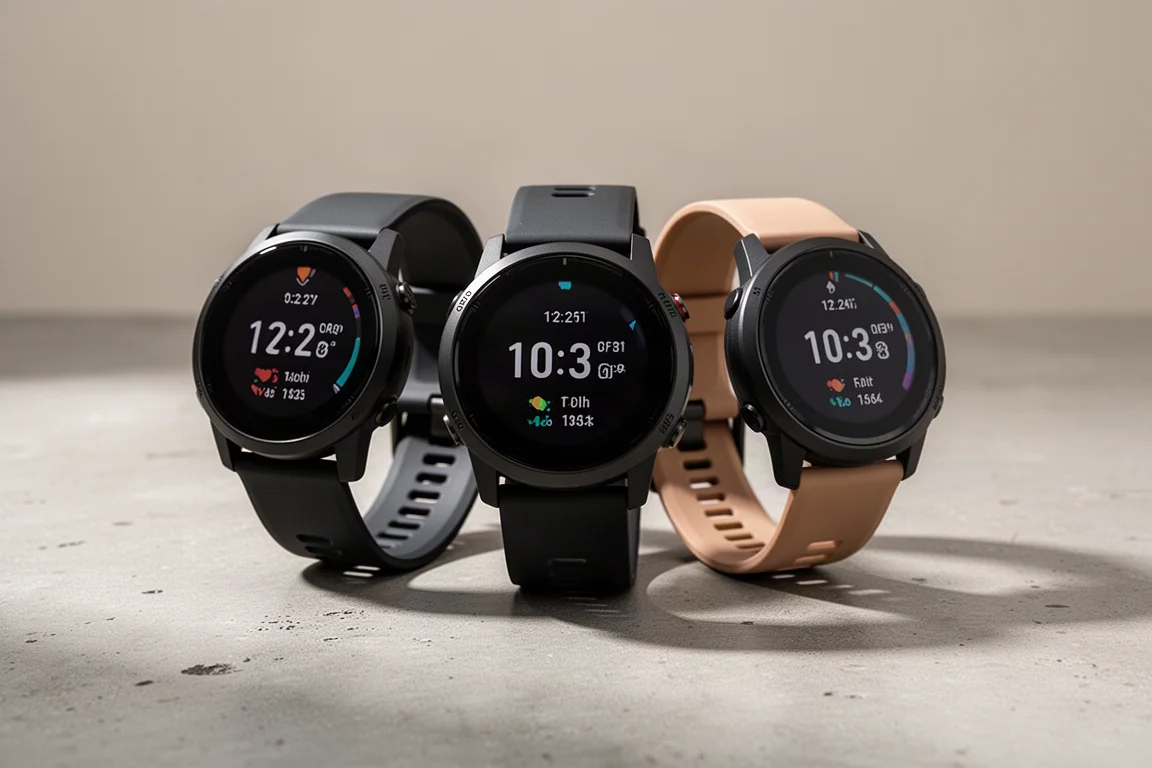
Garmin’s newest entry-level Forerunners, the 70, 170, and 170 Music, pack in a surprising amount of capability for the money. Features like training readiness, which have typically appeared only on much higher-priced devices, now sit at prices starting at $249. All three share the same core health and training feature set, but a few hardware and software differences can meaningfully change which one is right for the activities you actually do. This guide breaks down those differences so you can pick with confidence.
What Is the Same Across the Lineup
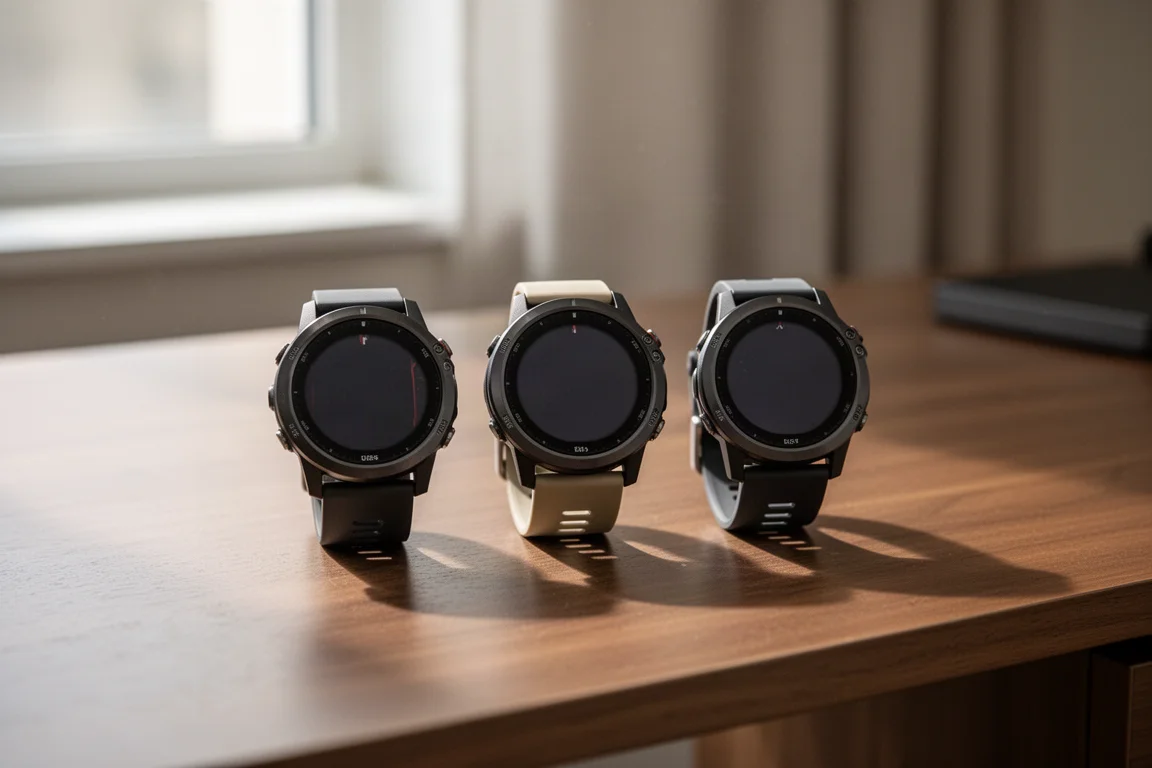
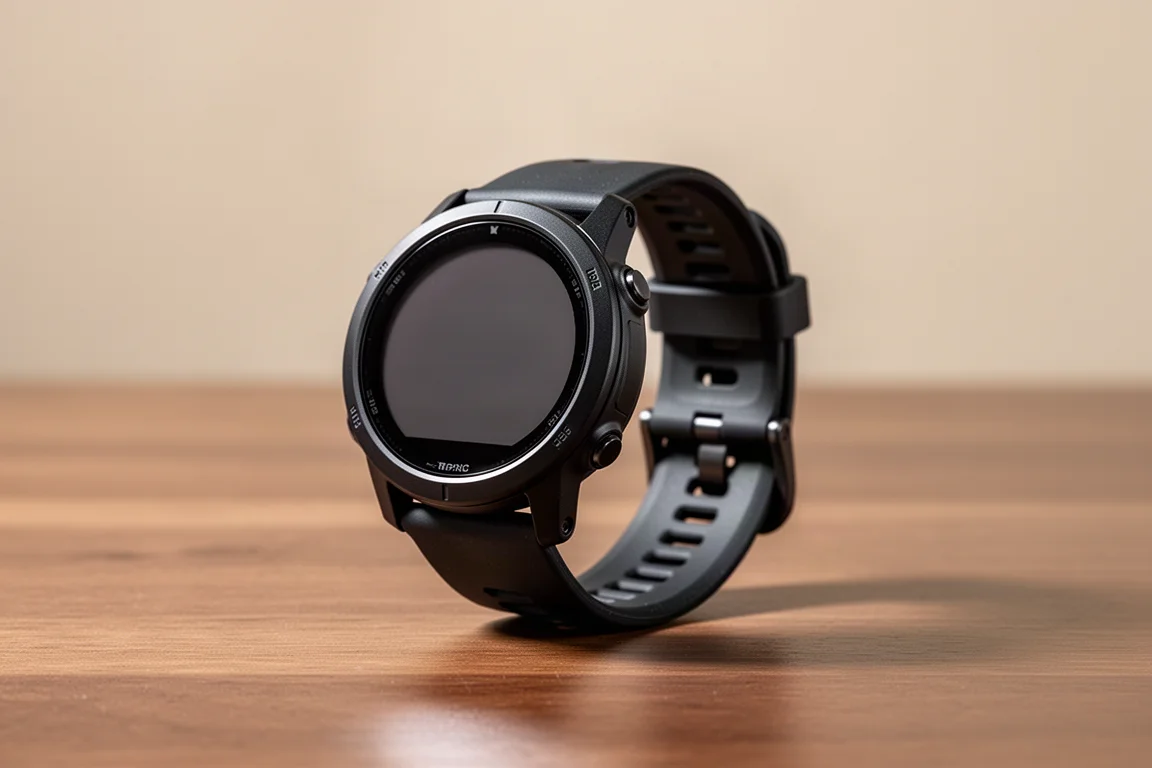
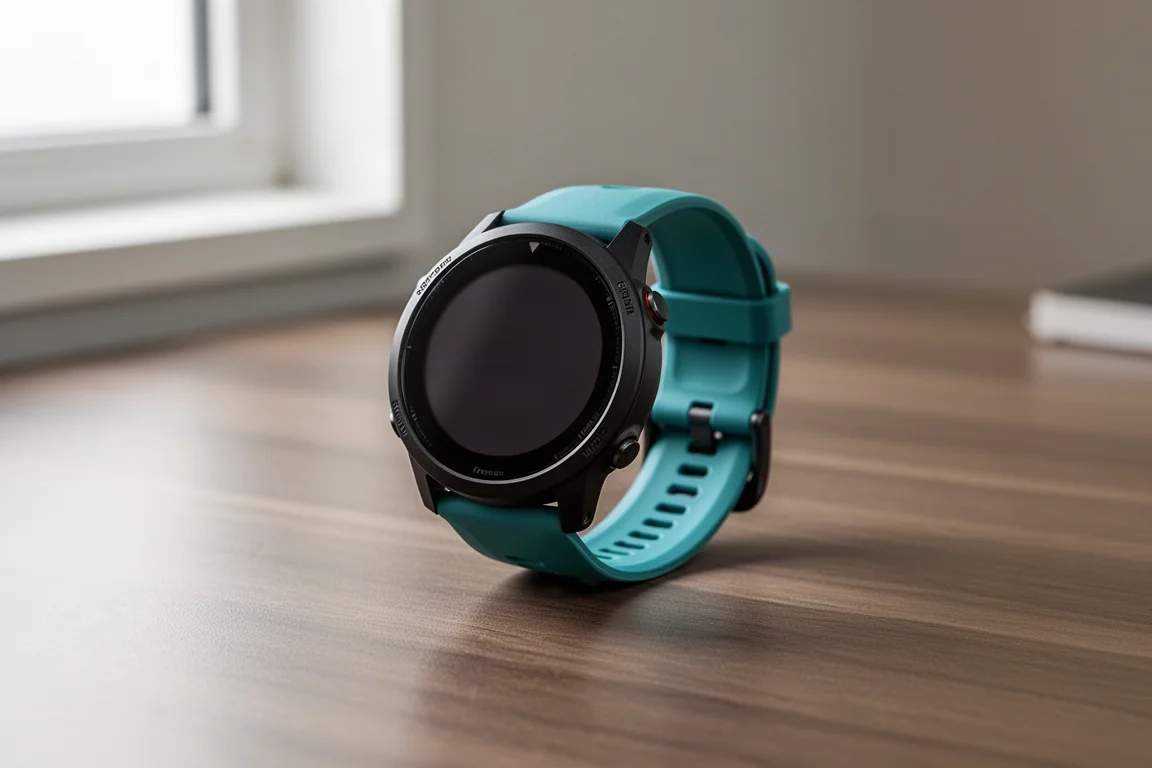
On the outside, all three watches are essentially identical. Each has a 43mm case, roughly the same weight, a 1.2-inch AMOLED display, a touchscreen, and a five-button configuration. The only differences up front are the color options.
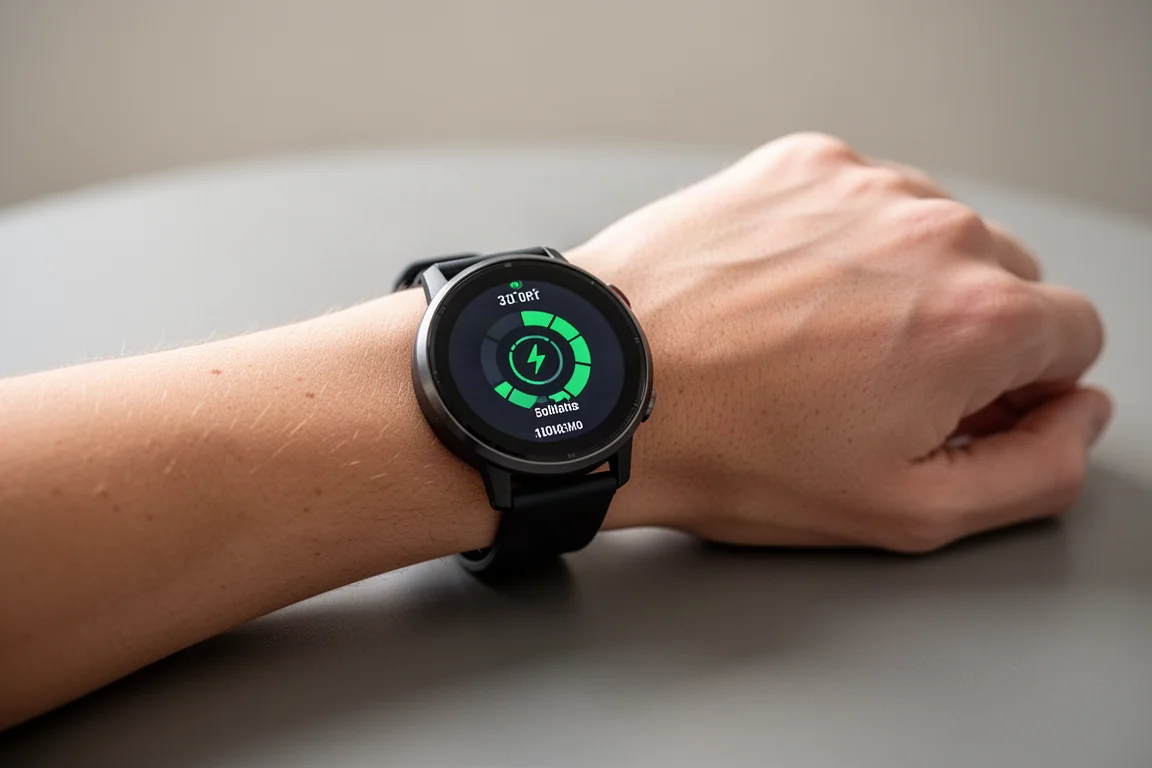
Health tracking is also identical across the board. All three use the same heart rate sensor, track blood oxygen saturation, and offer the same sleep tracking, heart rate variability monitoring, breathing disturbance detection, and Garmin’s Body Battery metric. Battery life is similar in spirit: the Forerunner 70 claims up to 13 days without the always-on display, while the 170 and 170 Music claim up to 10 days, since their extra hardware such as an altimeter draws more power from the same-sized battery. With the always-on display enabled, expect closer to around five days on the 70 and three to four days on the 170 models, with GPS-heavy outdoor activities reducing that further.
Smartwatch Features: Notifications, Payments, and Music
Text and notifications work the same on all three, and each pairs with both Android phones and iPhones. Android users additionally get quick replies; iPhone users do not because Apple restricts iMessage replies to its own watches, which is an Apple limitation rather than a Garmin one.
The differences start here. The Forerunner 170 and 170 Music add contactless payments through Garmin Pay, handy for grabbing a coffee or snack mid-run. The 170 Music goes further with music storage and playback from streaming services including Spotify, Deezer, and Amazon Music. It also adds Wi-Fi, used both to download tracks to the watch and for activity syncing and software updates. One extra accessibility touch on the 170 Music is the spoken watch face feature, which reads out watch face information through Bluetooth headphones. Note that none of these watches have a built-in speaker, only a beeper.
Sports Tracking and Altitude Data
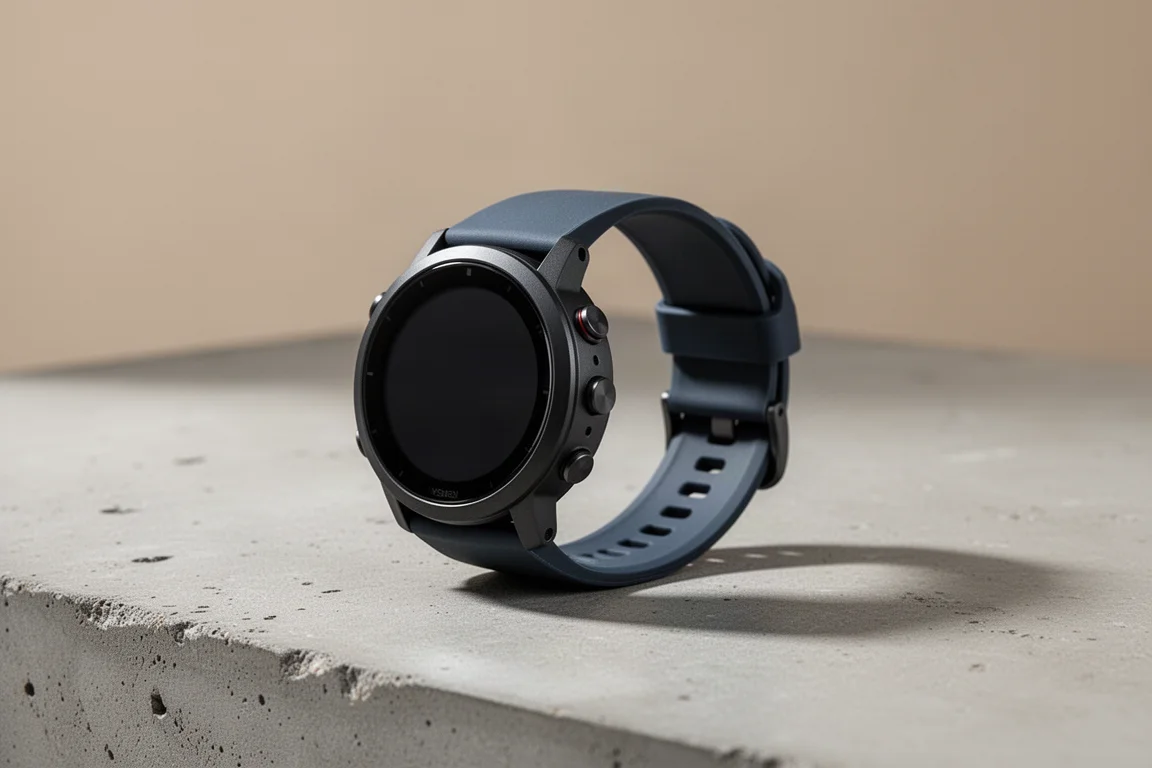
All three watches offer more than 80 sport profiles, a major step up from the previous generation, and all track steps. The 170 and 170 Music can also count floors climbed thanks to their barometric altimeter, which enables elevation gain and loss tracking.
During activities, all three have built-in GPS for tracking outdoor speed and distance without your phone. The 170 and 170 Music add real-time elevation, total ascent and descent during the activity, and vertical speed. The Forerunner 70 lacks an altimeter, but it still credits you with total elevation gain and loss after the activity is saved, calculated by cross-referencing your GPS track with map elevation data in Garmin Connect. There is one quirk across the lineup: all three include a snorkeling profile with GPS, even though only the 170 models offer open water swimming. None of the three have triathlon mode, which requires stepping up to the Forerunner 570.

The 170 and 170 Music also add a floor climb profile for stair climbing, and the 170 Music includes a meditation profile for guided sessions listened to over Bluetooth headphones.
Training Feedback and Cycling Capabilities
Training feedback is where this lineup gets genuinely impressive for the price. All three offer cardio load, training load over time, training status with productivity estimates, and Garmin’s training readiness feature, which is a notable inclusion at this tier. Runners get pace, distance, running power, advanced running dynamics such as vertical oscillation and ground contact time, and estimated running VO2 max.
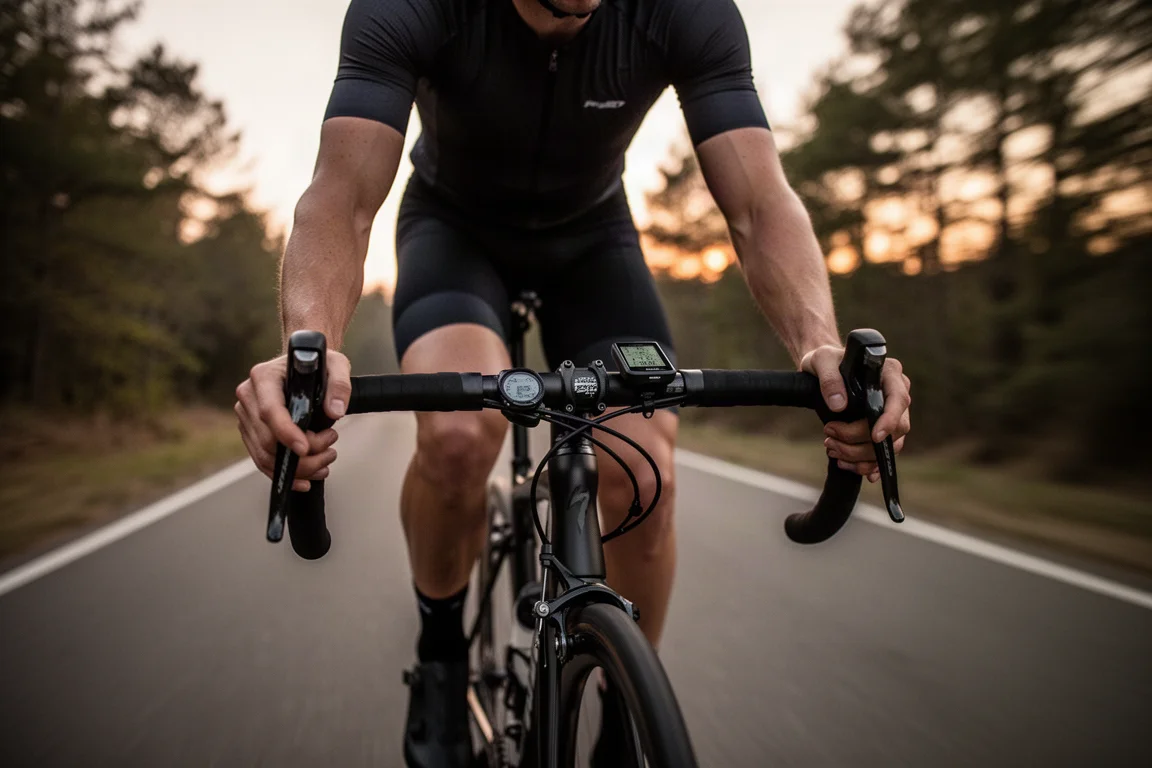
The 170 and 170 Music pull ahead for cyclists. They can track cycling VO2 max when paired with a cycling power meter or smart trainer, and they support Garmin’s cycling coaching plans that rely on power data. The Forerunner 70 cannot pair with power meters, though all three can connect to speed and cadence sensors as well as Garmin’s Varia radar and lights. The 170 models also include a gyroscope, which can improve rep counting and exercise recognition during strength training, a difference noticeable when comparing the 70 and 170 side by side in the gym.
Which One Should You Buy
The Forerunner 70 is the standout value here, offering essentially the same health, fitness, and training feedback features as some of Garmin’s higher-end watches at the lowest price of the three. It is a major upgrade over the Forerunner 55 it replaces and the easy recommendation for most runners.
Choose the Forerunner 170 if you trail run and want real-time ascent and descent data, swim in open water, ride with a power meter, or simply want Garmin Pay on your wrist. The 170 may hit the sweet spot of the lineup for those extra capabilities.
The 170 Music makes sense if you want to leave your phone behind and listen to music or guided meditations on the go, with Wi-Fi syncing making library updates painless.
Conclusion
Garmin has made its entry-level Forerunner line unusually strong. The 70 delivers flagship-style training tools at $249, the 170 adds altitude data, open water swimming, and cycling power support for $299, and the 170 Music completes the package with onboard music and Wi-Fi for $349. Match the extras to your actual activities, and any of the three is a confident pick.
Further reading
Related Reviews
GPS Running Watches
Huawei Watch GT Runner 2 Review: Bold Dual-Antenna GPS Promises, Mixed Real-World Results
A close look at the Huawei Watch GT Runner 2, a running watch built around a new dual-antenna floating GPS design that promises big accuracy gains, and how those claims hold up against a Garmin Forerunner 970 reference.
GPS Running Watches
Garmin vs Coros Running Watches 2026: Which Brand Should You Buy?
A practical comparison of the current Garmin and Coros lineups, covering price, battery life, apps, health tracking, and where each brand clearly wins.
GPS Running Watches
Best GPS Running Watch: Coros Pace 4 and Six Worthy Alternatives Compared
Seven GPS running watches, one tricky question: there is no single best watch, only the best watch for you. Here is how the Coros Pace 4 stacks up against its closest rivals.