GPS Running Watches
Garmin Forerunner 570 vs Garmin Venu 4: Two Excellent Watches at the Same Price
The Forerunner 570 and Venu 4 cost almost the same and share most features. The differences come down to buttons, a flashlight, ECG, and design taste.
Introduction
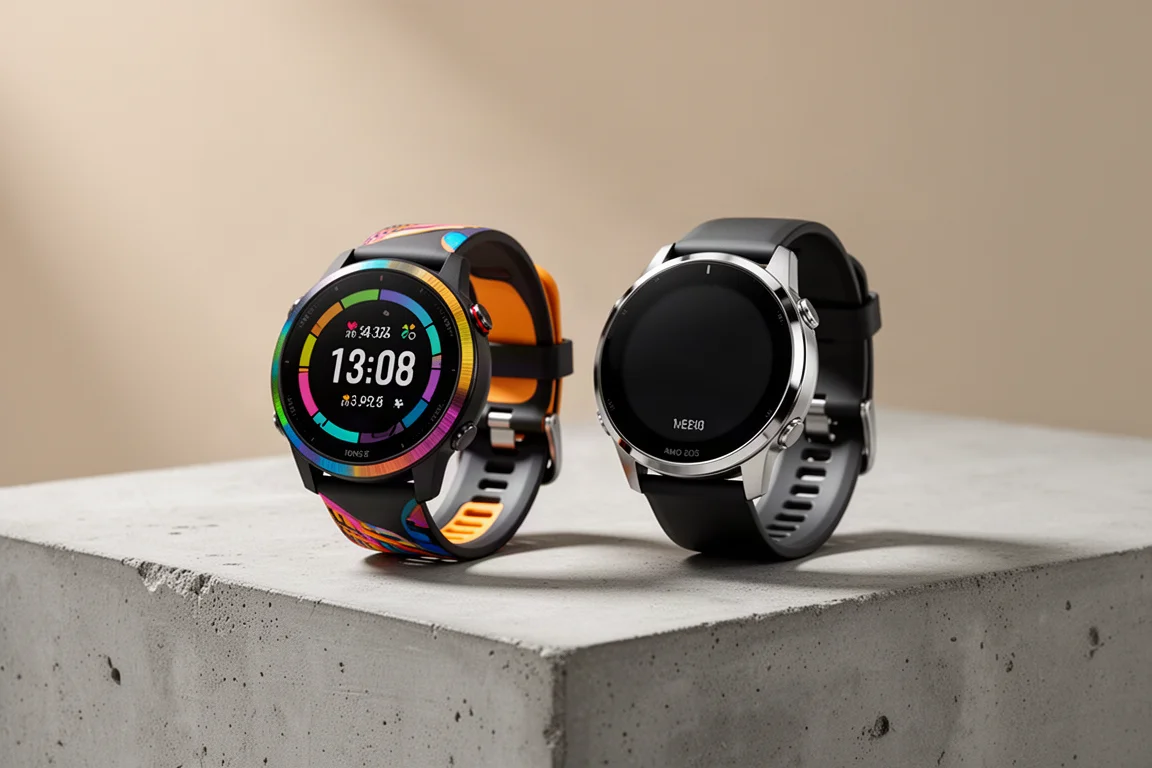
Garmin’s Forerunner 570 and Venu 4 sit at almost exactly the same price: $549 in the US, and just £10 apart in the UK at £459 for the Forerunner 570 and £469 for the Venu 4. They also share a remarkable amount of hardware and features. The Venu 4 is positioned as the smartwatch of the pair, while the Forerunner 570 is pitched as an endurance sports watch, but in practice the gap between them is much smaller than those labels suggest.
After testing both extensively for running, both proved to be accurate, reliable companions. Choosing between them really comes down to a handful of design decisions: buttons versus touchscreen, a built-in flashlight versus a more traditional sports watch layout, and two quite different design personalities.
Two Watches, Very Similar Specs
The core hardware is nearly identical. Both watches come in two sizes with the same screen options: 1.2 inches on the smaller model and 1.4 inches on the larger one. The Venu 4 comes in 41 and 45mm, while the Forerunner 570 is slightly bigger at 42 and 47mm. Both use very bright AMOLED displays, the latest generation in Garmin’s lineup, so brightness and screen quality are effectively equivalent.
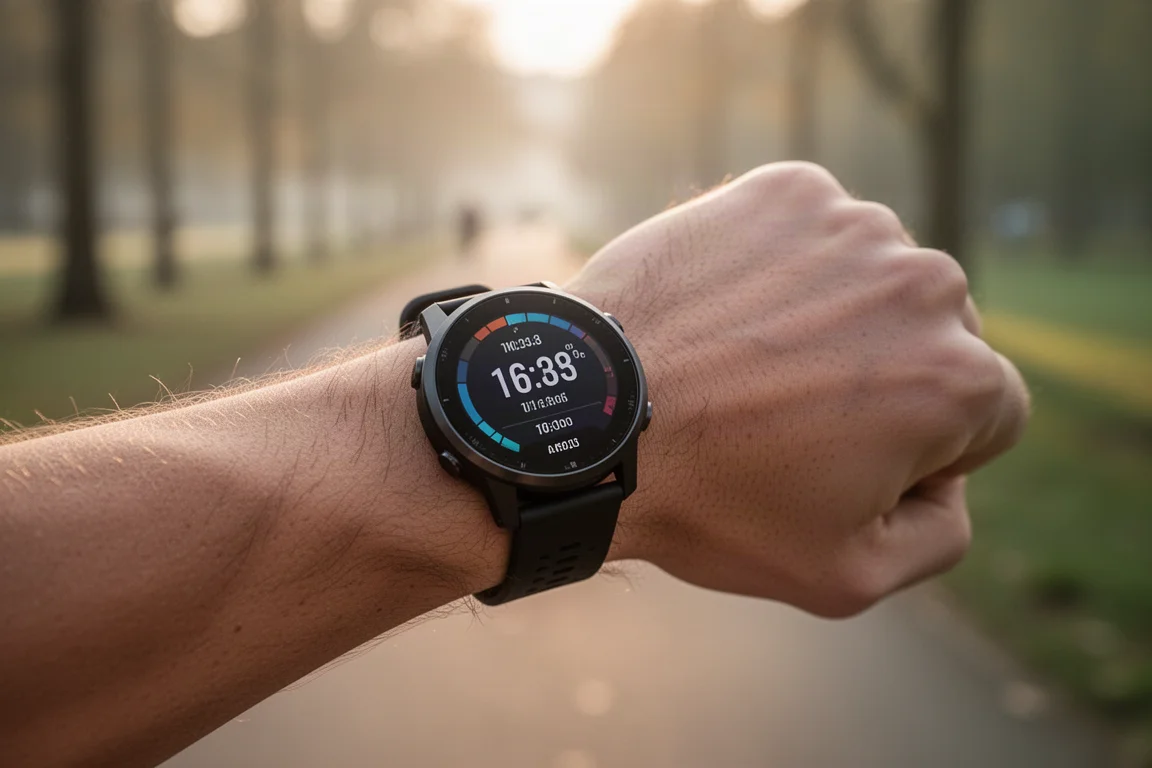
On the tracking side, both offer multiband GPS and Garmin’s latest Elevate V5 optical heart rate sensor. Sports tracking and training analysis are at the same level on both watches, which is detailed but stops short of what you get on more expensive models like the Forerunner 970 or Venu X1. Neither watch has full maps; both offer breadcrumb navigation only. Health status and lifestyle logging widgets are currently found in the Venu lineup, though they may well arrive on the Forerunner 570 over time.
Design: Buttons Versus Touchscreen
This is where the two watches genuinely diverge. The Forerunner 570 keeps Garmin’s classic five-button layout with an aluminium bezel around a Gorilla Glass screen and a mostly plastic case. The Venu 4 has only two buttons and relies more on its touchscreen, but it uses a steel case around the sides and feels noticeably more premium on the wrist.
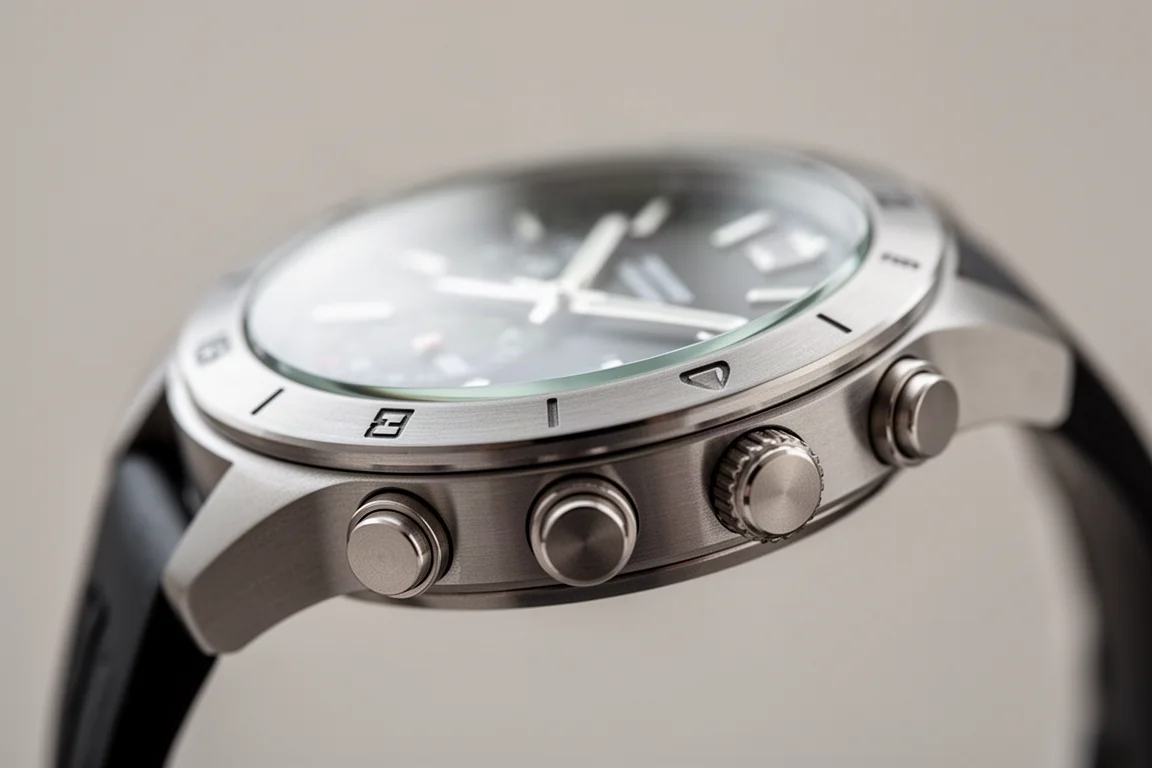
As a runner, buttons are generally the safer bet. The touchscreen on the Venu 4 worked well during workouts once the auto-lock was disabled, including in rain, with sweaty fingers, and even with lightweight gloves. But heavier gloves make touch input harder, and physical buttons simply give more reliable control mid-activity. The two-button Venu 4 still covers the essentials, including the lap button, so it was not a major drawback in testing, just a smaller margin of control.
The Flashlight Difference
The Venu 4 has a built-in flashlight on the top of the watch, and the Forerunner 570 does not. Garmin has added this feature to most of its watches recently, which makes its absence on the 570 a genuine surprise. What initially seemed like a gimmick has become genuinely useful: navigating the house after dark, finding lost items under furniture, and countless small everyday moments.
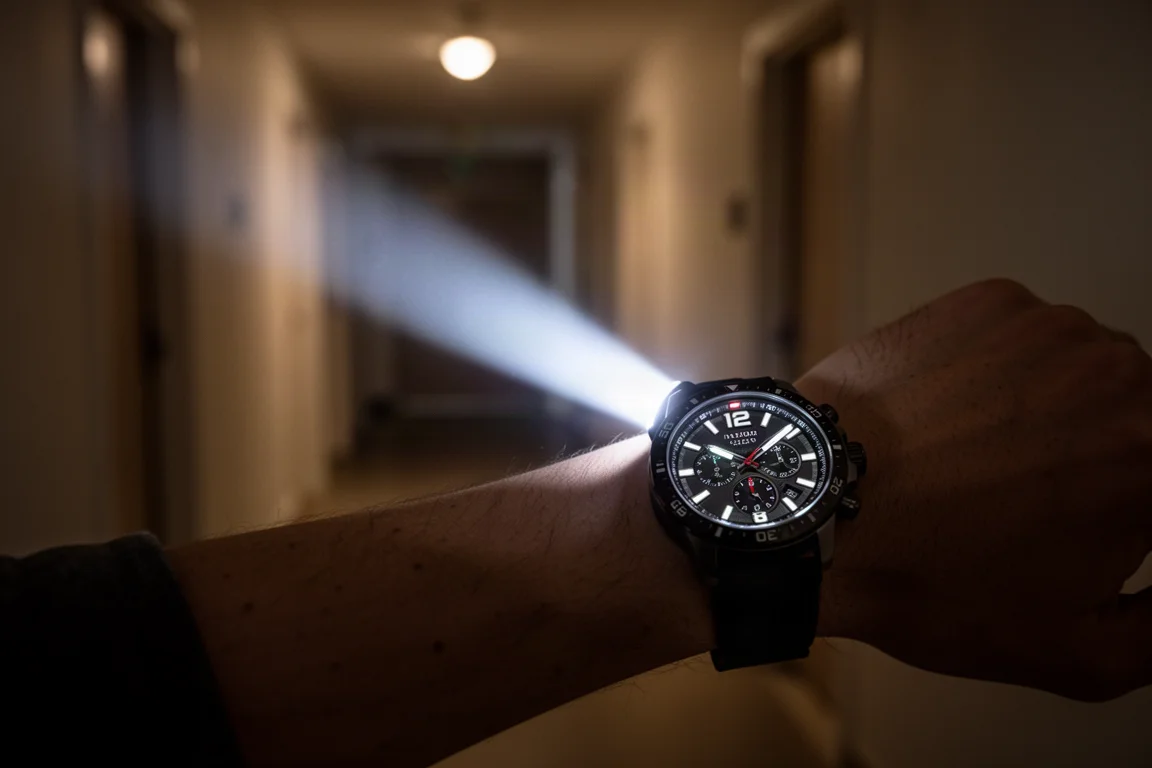
For many people this will be the single biggest reason to pick the Venu 4, and it arguably outweighs the two fewer buttons. A smaller bonus on the Venu 4 is ECG measurement, a feature the Forerunner 570 lacks. It will not matter to everyone, but it is important for some users and worth factoring in.
Accuracy and Running Performance
Both watches performed very well in GPS testing. In multiband mode, tracks were consistently accurate and distances checked out on known routes and races with no problems on either watch. The Elevate V5 heart rate sensor generally works well across Garmin’s range, and results were strong on the Forerunner 570. The Venu 4 produced a few less consistent workouts, reading slightly high at the start of runs and not always tracking intervals cleanly, though that is most likely random variance combined with testing in colder conditions rather than a hardware difference, since both use the same sensor.
As with any optical sensor, expect occasional moments of inaccuracy on either watch. Pairing a chest strap remains the dependable option for long-term use.
Battery Life and Everyday Use
Battery life is very similar between the two, as you would expect given the same features, screens, and rough size. In always-on mode with daily runs and notifications, both delivered roughly four to six days depending on training volume. Interestingly, the smaller Forerunner 570 seemed to offer slightly more battery life than the smaller Venu 4, while the larger Venu 4 edged out the larger Forerunner 570. Having tested the larger models of both, no really noticeable difference emerged.

Neither watch is the endurance champion of Garmin’s range, but both are respectable for bright AMOLED watches. Using the race widget screen extends battery life considerably. Battery life is not a deciding factor between these two.
Which One Should You Buy?
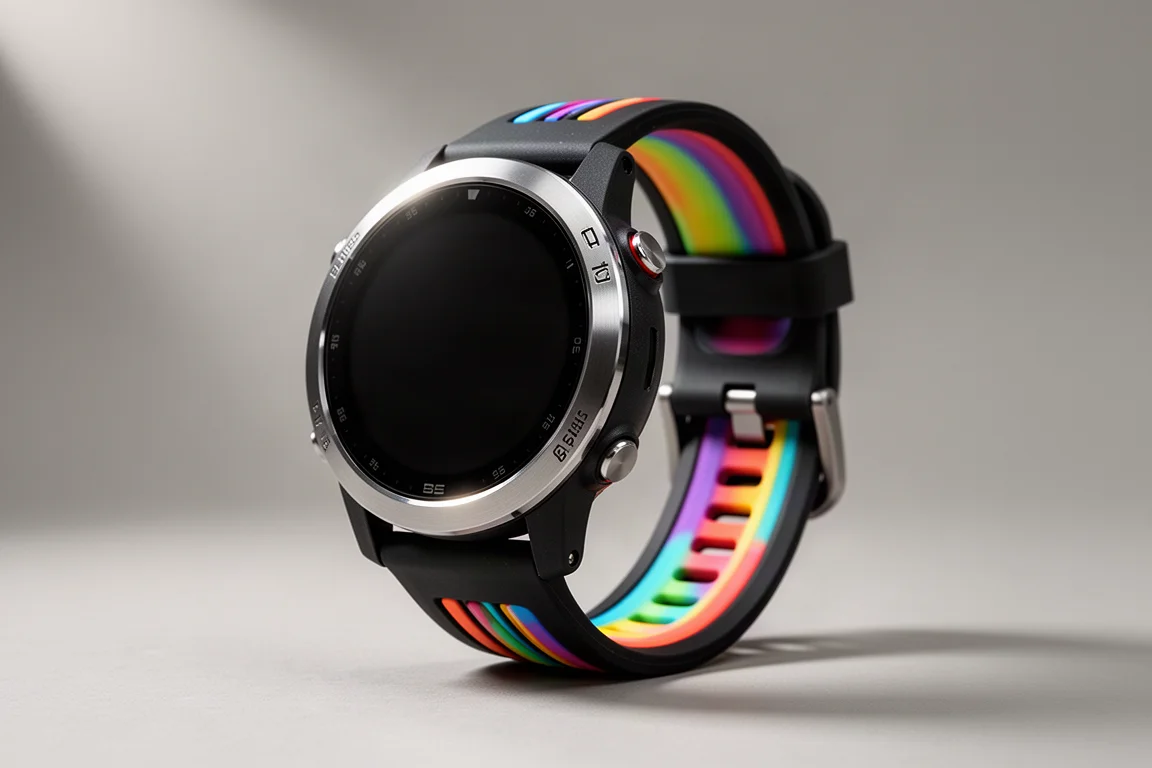
For most people, the Venu 4 is the easier recommendation. It is sleeker, has the more premium steel case, includes the flashlight, and adds ECG. The main reason to choose the Forerunner 570 instead is if you really want five physical buttons, particularly if you swim constantly or train in cold, wet conditions where touch input becomes unreliable. Beyond that, design taste matters: the Venu 4 is the sleeker, more premium smartwatch look, while the Forerunner 570 has the sportier design with fun color options, including yellow and raspberry bands.
View more details for Garmin Venu 4
Conclusion
These are both very good running watches, and the fact that they cost almost the same makes the decision refreshingly simple. The Venu 4’s flashlight and ECG tip it ahead for most buyers, while the Forerunner 570’s five-button layout remains the pick for swimmers and cold-weather trainers who need dependable physical controls.
Further reading
Related Reviews
GPS Running Watches
Huawei Watch GT Runner 2 Review: Bold Dual-Antenna GPS Promises, Mixed Real-World Results
A close look at the Huawei Watch GT Runner 2, a running watch built around a new dual-antenna floating GPS design that promises big accuracy gains, and how those claims hold up against a Garmin Forerunner 970 reference.
GPS Running Watches
Garmin vs Coros Running Watches 2026: Which Brand Should You Buy?
A practical comparison of the current Garmin and Coros lineups, covering price, battery life, apps, health tracking, and where each brand clearly wins.
GPS Running Watches
Best GPS Running Watch: Coros Pace 4 and Six Worthy Alternatives Compared
Seven GPS running watches, one tricky question: there is no single best watch, only the best watch for you. Here is how the Coros Pace 4 stacks up against its closest rivals.