Sports Watches
Garmin Forerunner 265 vs 965: Which AMOLED Sports Watch Is Right for You?
Two capable AMOLED sports watches from Garmin share a lot of features, but the $150 gap hides some meaningful differences. Here is how they compare.
Introduction
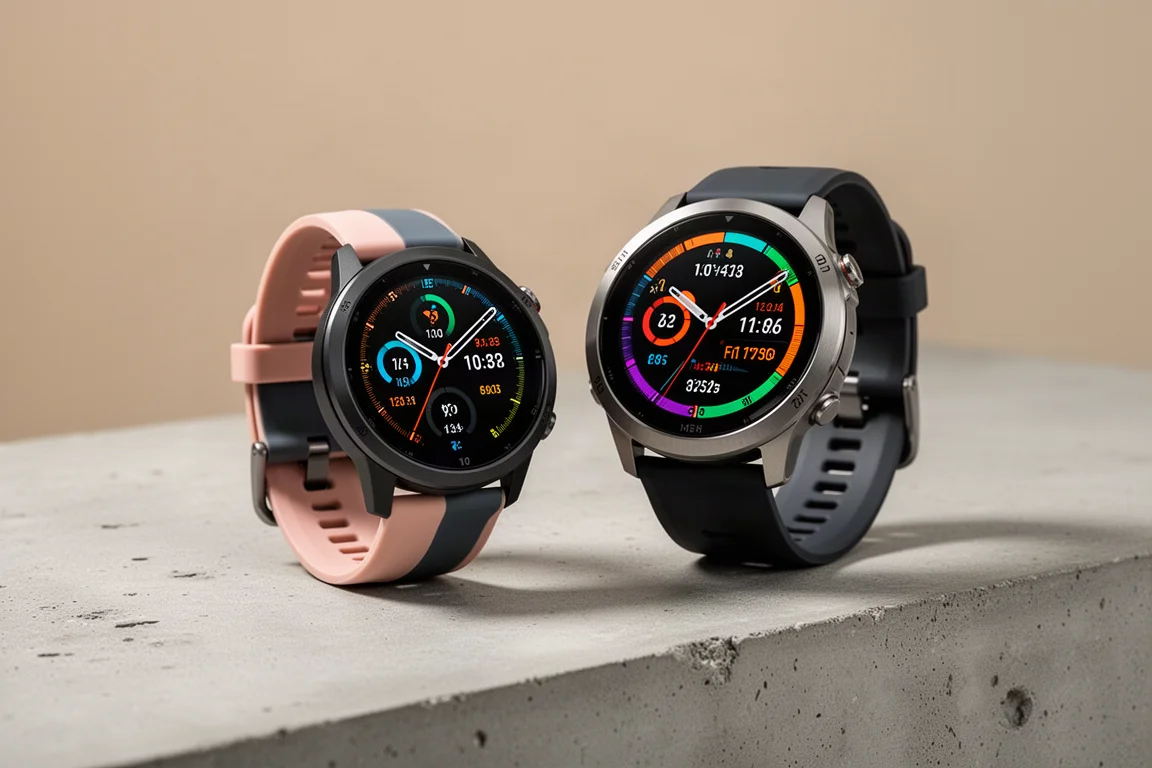
The Garmin Forerunner 265 and Forerunner 965 are the AMOLED versions of the Forerunner 255 Music and Forerunner 955, which shipped the previous year with memory-in-pixel and transflective displays. Both new watches are highly capable, sports-focused devices that track running, cycling, gym activities, pool and open water swimming, and full triathlon and multi-sport events. They also share Garmin’s multi-band satellite chipset, a barometric altimeter, the same heart rate sensor, and a generous set of training performance tools.
The real question is the $150 gap between them. In the US, the Forerunner 265 runs $449 while the Forerunner 965 sits at $599. The headline difference is full landscape maps, but there are plenty of smaller distinctions worth knowing before you choose.
Hardware and Design
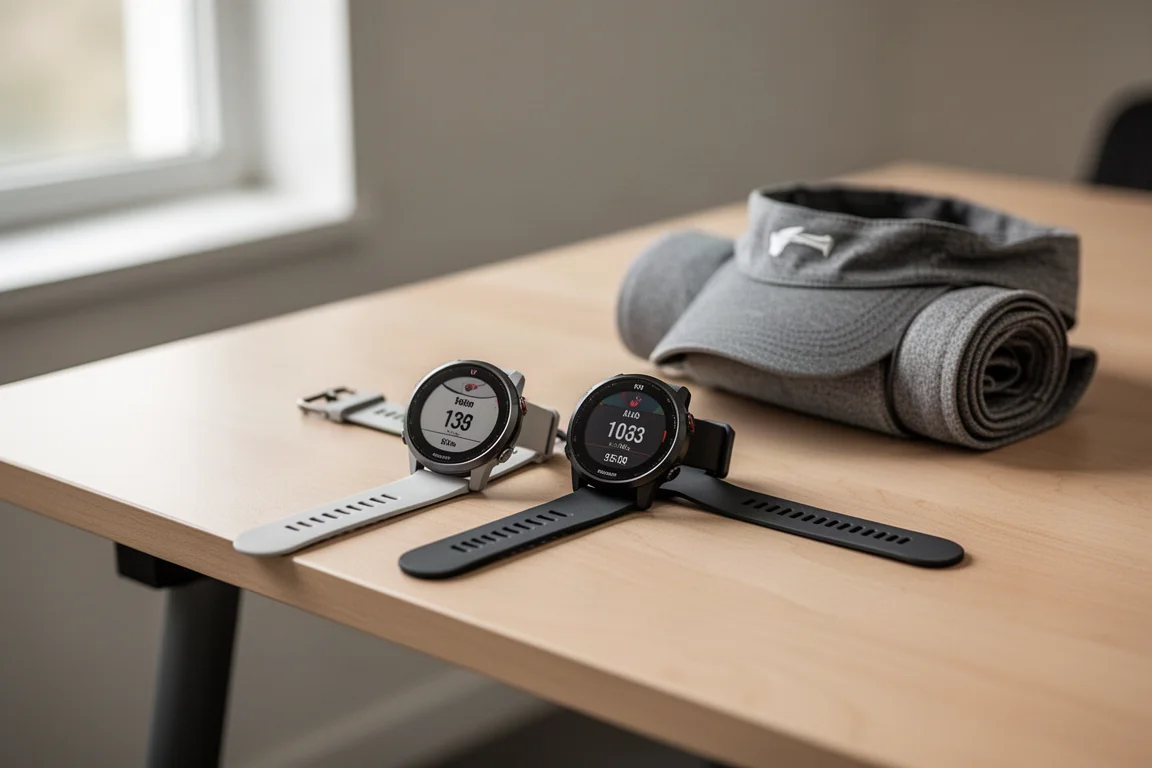
The Forerunner 265 comes in two sizes: the larger 265 with a 46.1mm case and the smaller 265s at 41.7mm, both 12.9mm thick. The Forerunner 965 comes in a single size with a 47.2mm case and is around 13.2mm thick. Weights are 47g for the larger 265, 39g for the 265s, and 53g for the 965.
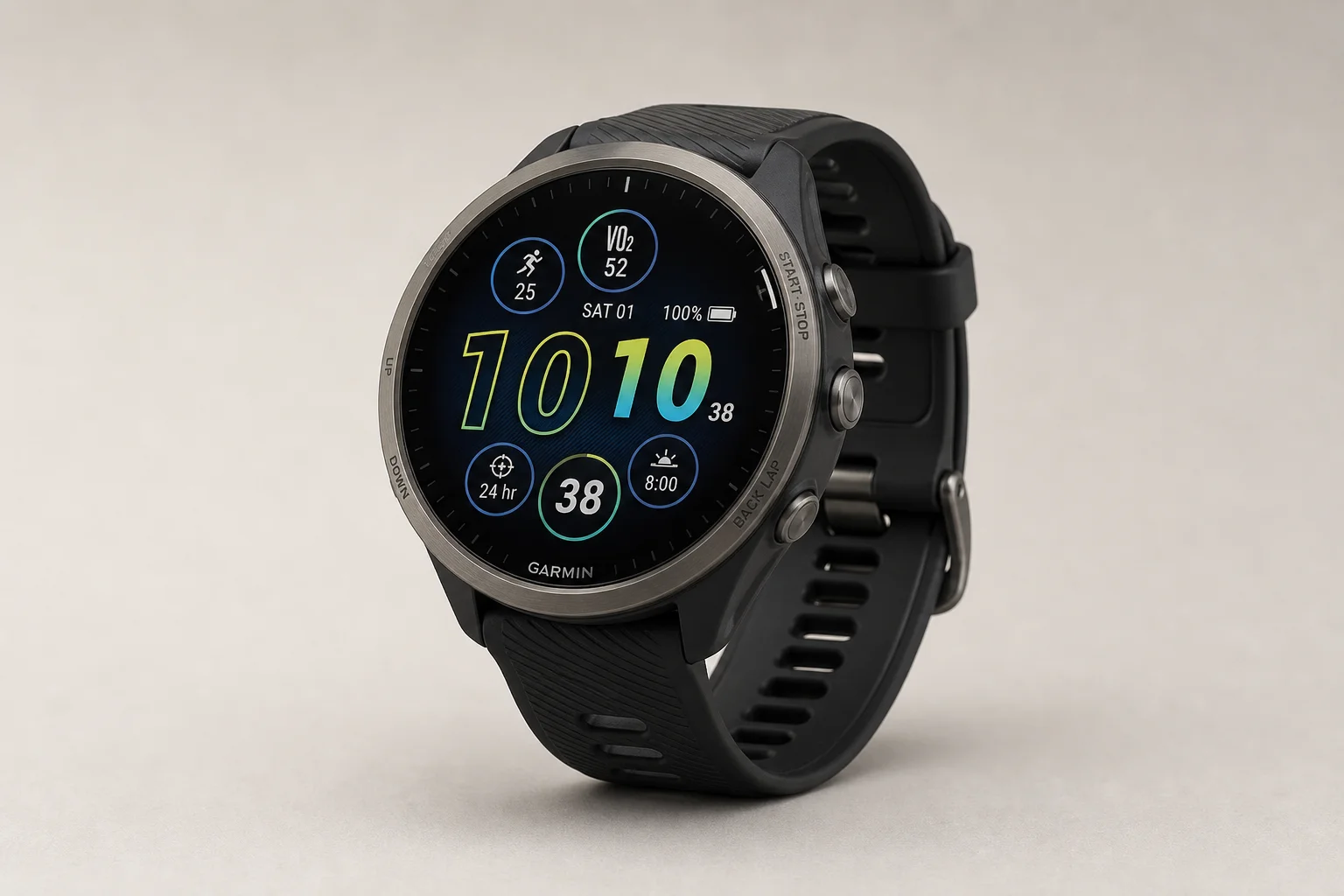
The 965 has a titanium bezel that adds a premium touch, though the 265 still looks sharp, particularly in the black colorway. One quirky detail: the 265’s start button has the word “run” etched into it, while the 965 carries the Garmin logo. Given how much these watches do beyond running, the etching feels a bit narrow, though it is subtle enough that it rarely draws attention.
Both displays are touchscreen AMOLED panels with slightly curved edges. The 265s uses a 1.1-inch panel at 360x360, the larger 265 a 1.3-inch panel at 416x416, and the 965 Garmin’s largest AMOLED display yet at 1.4 inches and 454x454. The 965’s glass is Gorilla Glass DX, which should be a touch less reflective and a bit more scratch resistant than the Gorilla Glass 3 on the 265 models. Both watches carry a 5 ATM water rating, fine for showers and pool or ocean swimming, though not for scuba diving. Because of the curved edges, a screen protector slightly smaller than the display diameter will sit flush better.
Bands are the new duotone stretchy style on all three. The larger 265 and the 265s use standard 22mm and 18mm bands respectively, while the 965 uses 22mm bands compatible with Garmin’s QuickFit system, which requires slightly thicker pins. Swapping in a QuickFit band takes only a couple of minutes once you have the pin tool.
Battery Life
Battery life is very respectable for AMOLED watches. Typical smartwatches manage one to three days, while these run from four days to a couple of weeks depending on model and settings. Gesture mode, which turns the display off until you raise your wrist, tap, or press a button, delivers the longest runtime. With the always-on display mode, the 265 and 265s reach up to five days and the 965 up to seven days. Real-world testing landed around a solid four days on the larger 265 and six days on the 965, with about six hours of recorded outdoor activities mixed in.
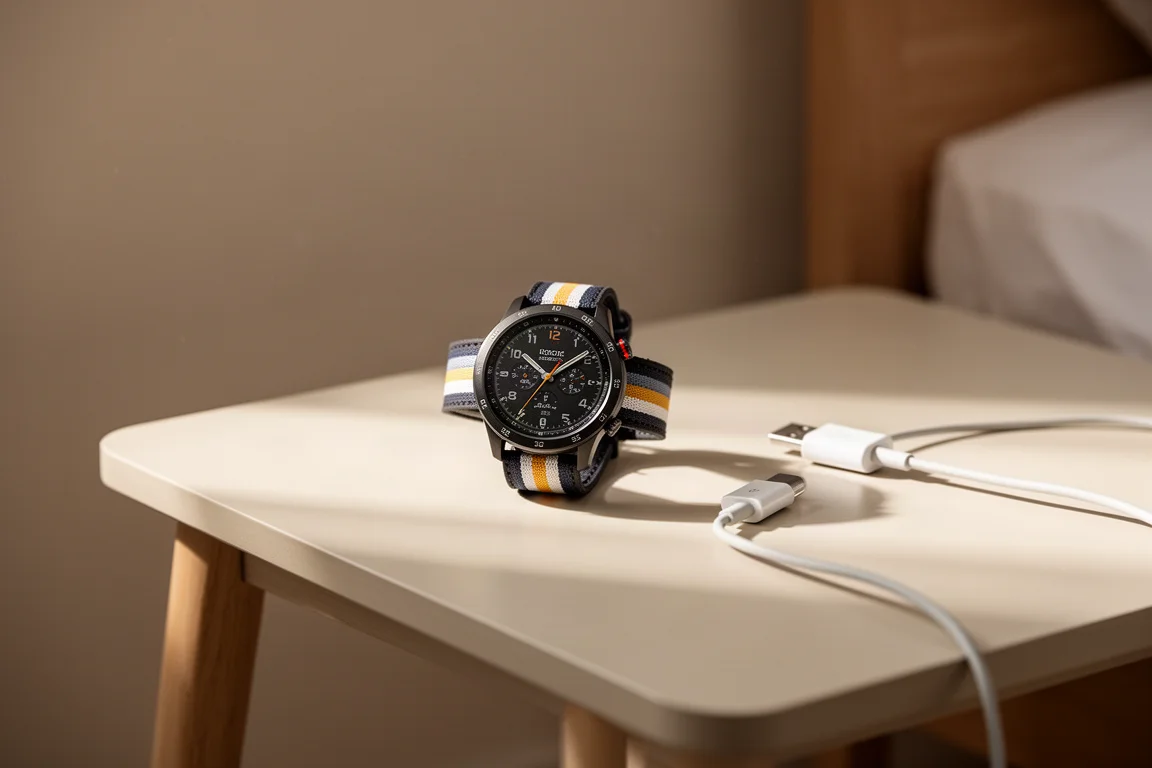
For activity recording, an all-day hike is easy even in the highest-accuracy satellite mode, and real-world results have actually beaten the official estimates slightly. Both watches use Garmin’s standard charging port, now with a newer USB-C charging cable instead of the older USB-A.
Smartwatch Features
On the smartwatch side the two are nearly identical. Both pair with iPhones and Android phones, deliver notifications for texts, calls, and apps, and show weather and synced calendar events. With an Android phone you can reply to messages using predefined, customizable responses; Apple restricts that capability to Apple Watch, so iPhone users get alerts only. Both include Garmin Pay and offline music storage with playback from services like Spotify, Deezer, and Amazon Music, plus Wi-Fi for downloading tracks. The difference is capacity: the 265 stores up to 500 songs, the 965 up to 2,000.
Health and Training Features
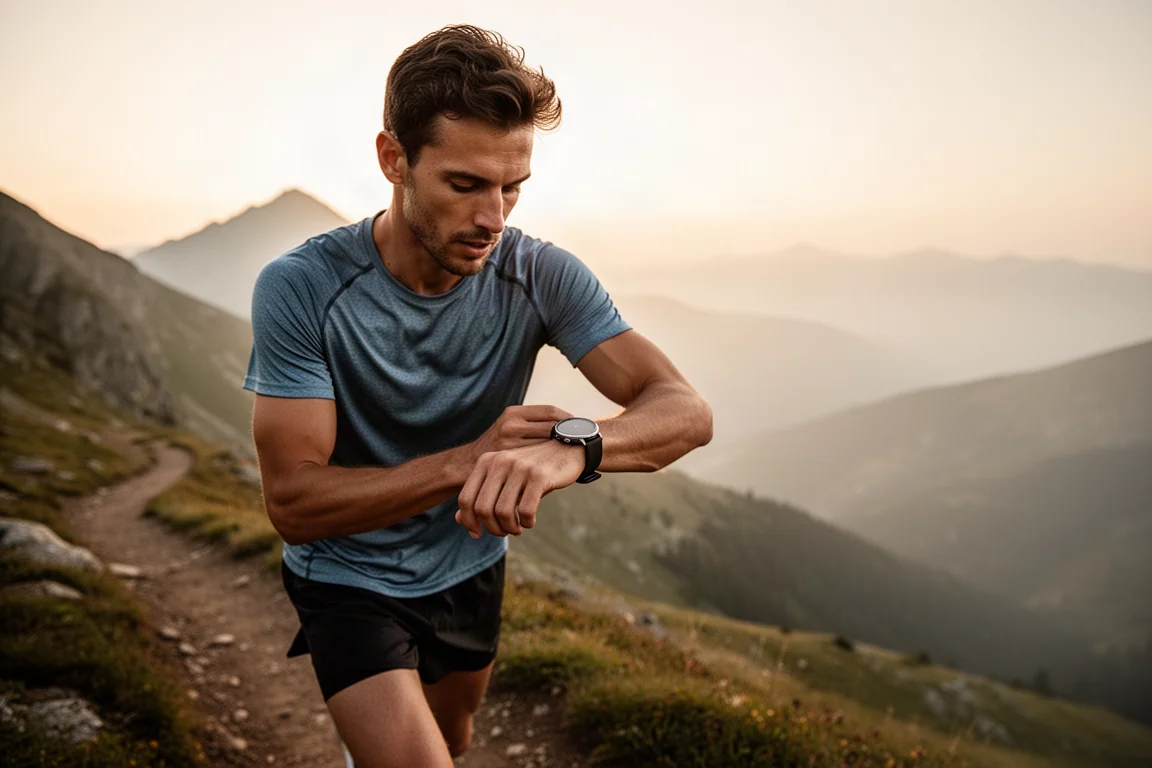
Both watches carry Garmin’s fourth-generation Elevate heart rate sensor, track SpO2, stress, steps, floors climbed, intensity minutes, Body Battery, environmental sleep tracking with sleep stages, HRV status, and the Morning Report. Sensor accuracy is the same between the two.
Training feedback is also closely matched. Both estimate VO2 max for running and cycling, provide lactate threshold, race predictor, Fitness Age, and Training Status. Note that running VO2 max requires at least 10 minutes of outdoor running with heart rate tracking, and cycling VO2 max requires a paired power meter.
The 265 also gains the Training Readiness feature that debuted on the 955, something the 255 will not receive via software update since the 265 is positioned as the more premium option. Training Readiness distills sleep, recovery time, HRV status, acute training load, sleep history, and stress history into a single readiness figure.
The 965 adds a few extra data points on top: a Load Focus feature comparing acute load over roughly seven days against chronic load over four weeks, plus altitude acclimation and heat acclimation metrics that reflect how well adapted you are to elevation and hot-weather training.
View more details for Garmin Forerunner 265
Sports Profiles and Navigation
Both watches cover the common profiles: indoor and outdoor running, indoor and outdoor cycling, a wide range of gym activities, pool and open water swimming, triathlon and multi-sport modes, and outdoor recreation profiles like skiing, snowboarding, hiking, and stand-up paddle boarding.
The 965 adds extra cycling profiles like gravel biking and cyclocross, plus outdoor recreation profiles including backcountry skiing, kayaking, tennis, disc golf, and indoor climbing and bouldering. It also has an ultra run rest timer that separates rest periods from moving time, logging each stop so you can plan future ultras, and it collects Garmin’s Grit and Flow mountain biking metrics, where Grit rates terrain difficulty and Flow scores momentum, with lower Flow numbers better. A full golf profile with detailed course maps, distance-to-pin data, and compatibility with the Garmin Golf app rounds out its exclusive activities.

The biggest difference is navigation. The 965 ships with full worldwide topographic landscape maps showing streets, trails, their names, landmarks, bodies of water, mountain peaks, topographical detail, and even ski maps marking runs and chair lifts. The Around Me feature surfaces nearby points of interest, and Next Fork tells you the distance to the next trail junction. The 265 sticks to breadcrumb-style route navigation with GPS positioning and a built-in compass, which has served athletes well for years, but it lacks the visual context maps provide.
Both watches share Back to Start navigation and the Up Ahead feature, which lets you mark custom points like aid stations, coffee shops, or bathrooms on a route in Garmin Connect and see distances to them during an activity. The 965 adds a round-trip course creator for running and cycling, ClimbPro, which breaks down every climb on a loaded route with distance, elevation gain, and color-coded gradient feedback, and dual grid coordinates.
For running, both collect advanced running dynamics from the wrist, including vertical oscillation, vertical ratio, ground contact time, and wrist-based running power, and both support PacePro pacing strategies for races or courses. The 965 adds Real Time Stamina, a live figure of how much energy you have left during a run or a power-metered ride, and Power Guide, a course-based power pacing strategy similar to PacePro for cycling.
Both pair with a long list of external sensors: heart rate straps, speed and cadence sensors, power meters, smart trainers, foot pods, Varia radar and lights, e-bikes, and temperature sensors. The 965 extends this with Garmin inReach satellite communicators, electronic shifting including Shimano Di2, muscle oxygen sensors, and advanced cycling dynamics like left-right power balance, power phase, and pedal platform offset with compatible meters.
Safety, Smartwatch Features, and Extras
Both watches offer LiveTrack, incident detection that can automatically alert emergency contacts during a crash, and an assistance feature for manually sending your location. The 965 adds Group LiveTrack, which shows friends or family on a map while you both record outdoor activities. None of these safety features work without your phone nearby, since neither watch has cellular capability. Finally, the 965 supports Garmin Live Segments and Strava Live Segments, showing your position against leaderboards and personal records on predefined segments.
Which One Should You Buy?
The Forerunner 265 is far from a basic watch. It packs in most of what makes these two special, from the AMOLED display and multi-band GPS to Training Readiness and on-wrist running dynamics, and it will serve plenty of athletes extremely well for $449. The Forerunner 965 at $599 buys the full map experience, the larger display, titanium bezel, bigger music storage, and a handful of advanced training and navigation features. Whether that is worth the $150 premium comes down to how much you will actually use maps, climbing data, and the extra sports profiles. Trail runners, ultra runners, golfers, and riders who ride unfamiliar terrain will get the most from the 965; everyone else can be very happy with the 265.
Conclusion
Maps are the most compelling difference between the Forerunner 265 and 965, but they are far from the only one. Case sizes, music storage, battery life, advanced training metrics, and sensor compatibility all shift the value equation. Match the feature list to the activities you actually do, and either watch is a strong, capable training partner.
Further reading
Related Reviews
Sports Watches
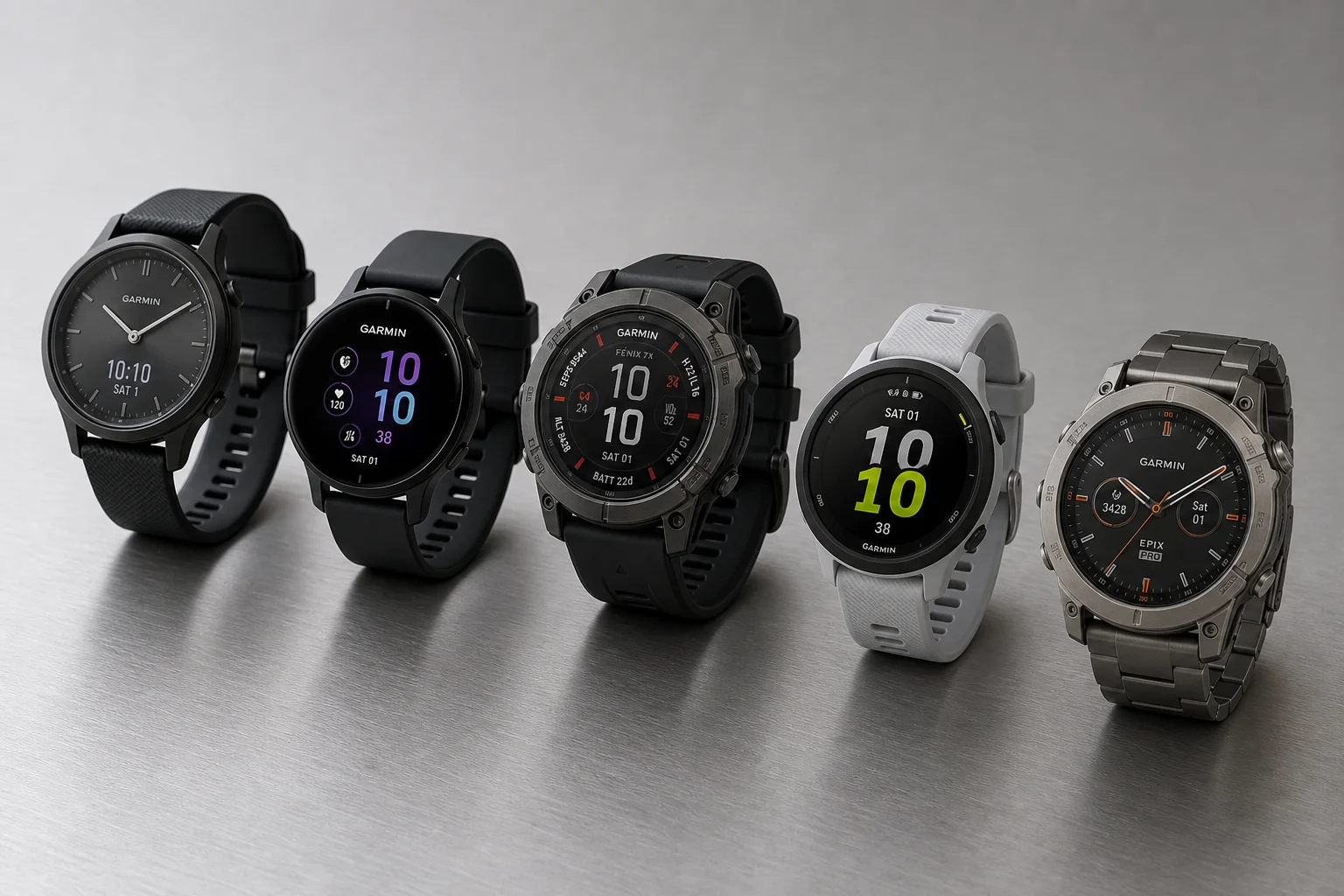
Garmin Sports Watch Guide: Finding the Right Model for Your Fitness Level
A comprehensive overview of Garmin's sports watch lineup, from casual fitness trackers to advanced multisport devices, helping you choose the right model for your needs and budget.
Sports Watches
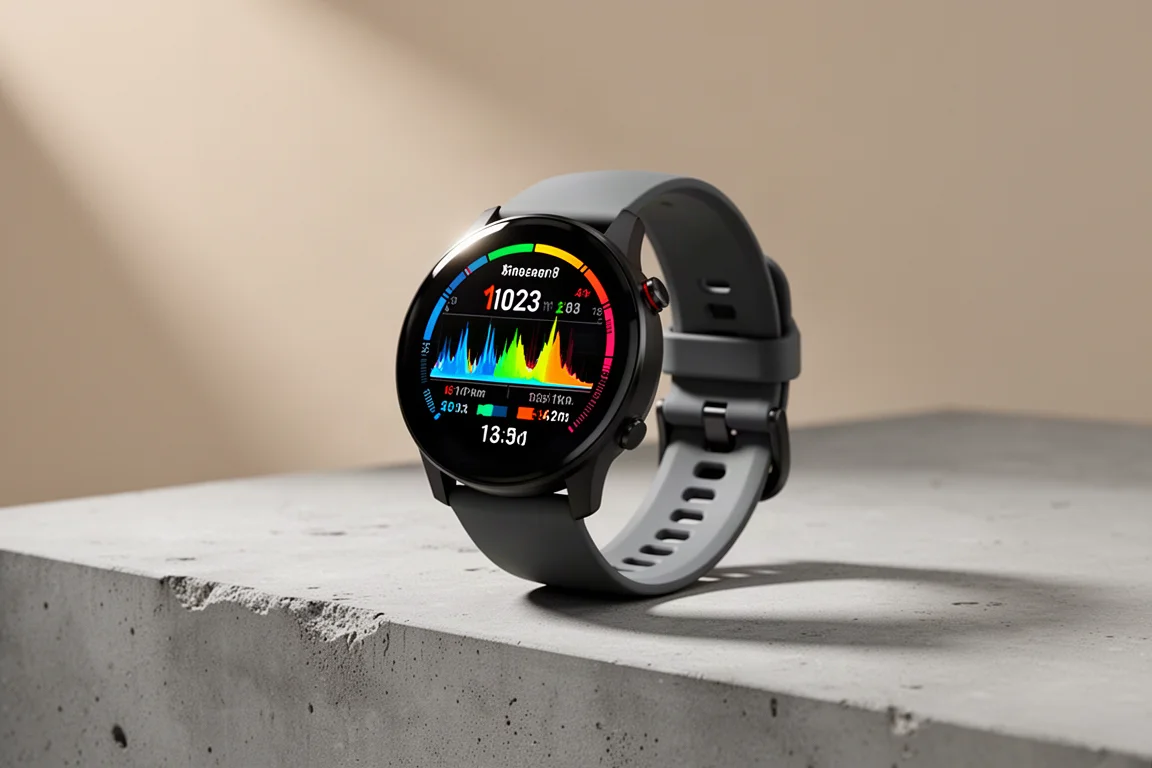
Coros Pace Pro Review: A Complete Overhaul That Finally Feels Premium
Coros rebuilt the Pace Pro from the ground up with an AMOLED display, onboard maps, and a new heart rate sensor. Here is how it all holds up in real use.
Sports Watches
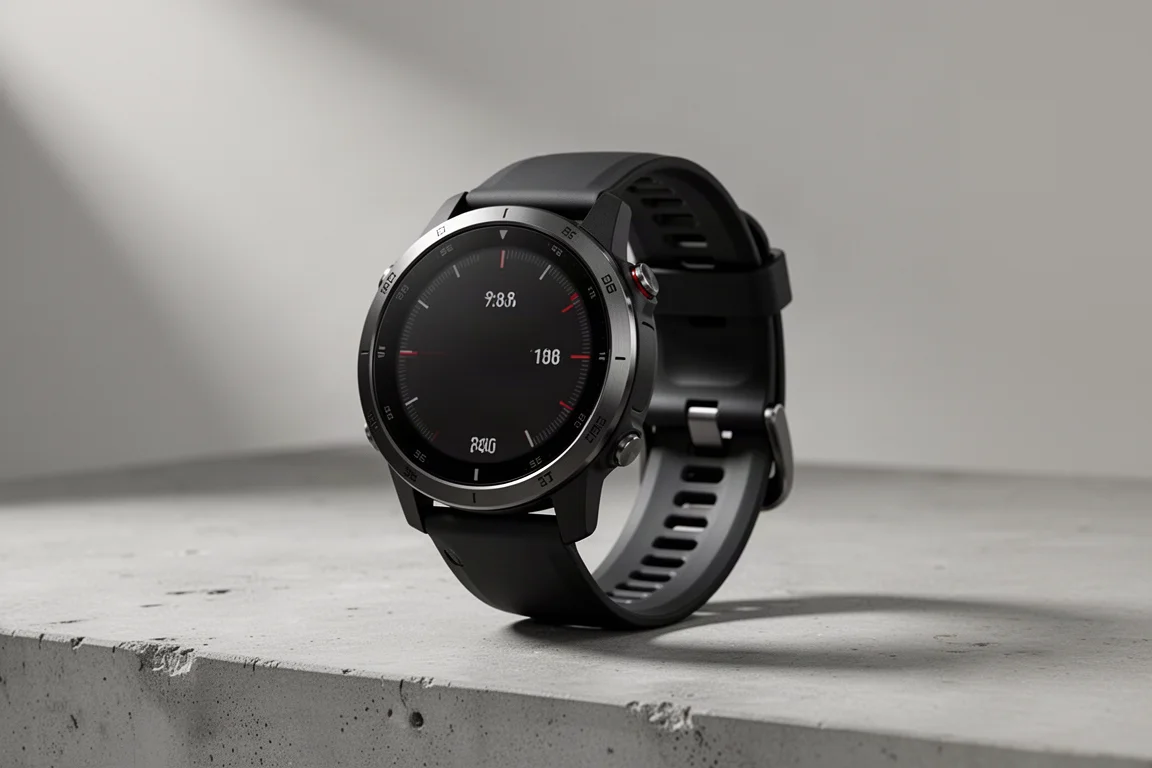
Polar Vantage M3 Review: The Sweet Spot in Polar's New Watch Lineup
A closer look at the Polar Vantage M3, which brings an AMOLED display, dual-frequency GPS, offline maps and the same software platform as Polar's flagship watches at a friendlier price.