GPS Running Watches
Garmin Forerunner 255 Music Review: Still a Great Running Watch, But Not the Bargain It Once Was
After a month of testing on trails, easy runs, and marathons, here is how the Garmin Forerunner 255 Music holds up at $400.
Introduction
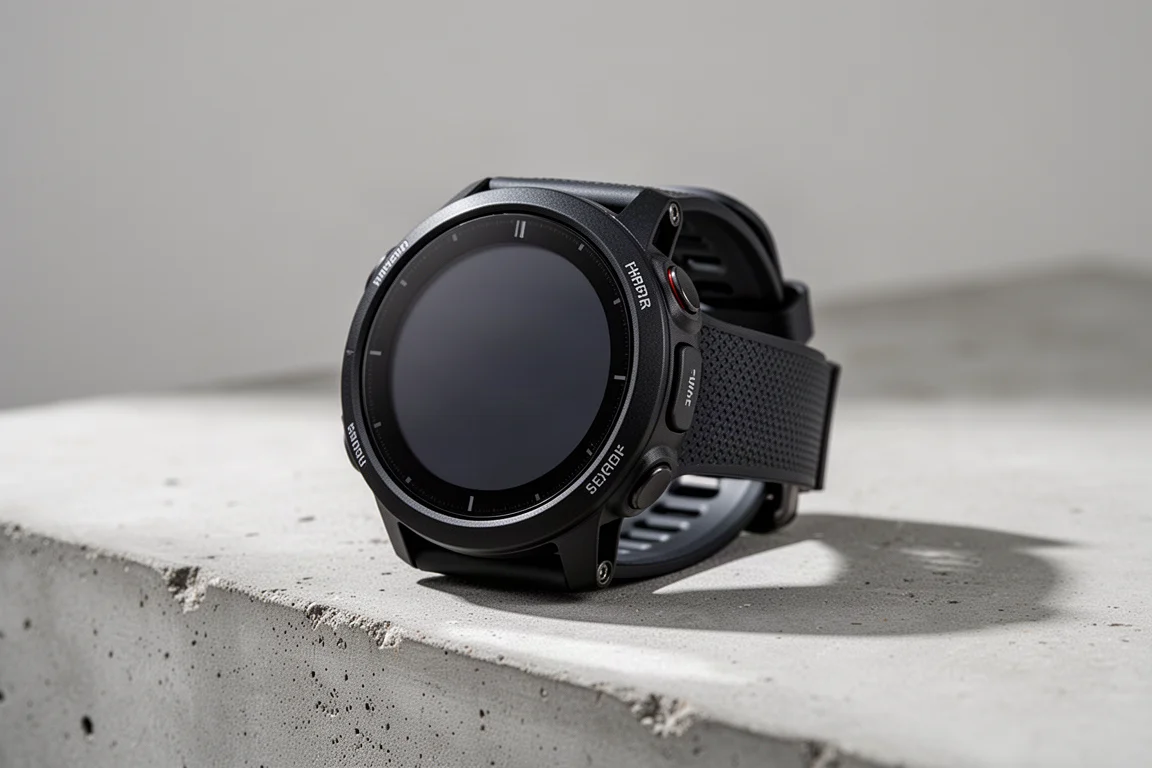
Garmin has a habit of delivering at least a couple of GPS watches that genuinely nail the balance between price and features, and the Forerunner 255 Music is the latest update to the Forerunner 200 series. At $400, it is more expensive than ever. After a month of testing across trail runs, races, easy runs, and everything in between, the short version is this: it does nearly everything a road runner could ask from a running watch, but the value equation has tightened as competitors undercut it.
Who This Watch Is For
This is a watch for runners who want a full sensor package, structured training, and reliable navigation without jumping to a premium flagship. It suits anyone training seriously, from interval-focused road runners to ultramarathon runners who need long GPS battery life.
Main Strengths
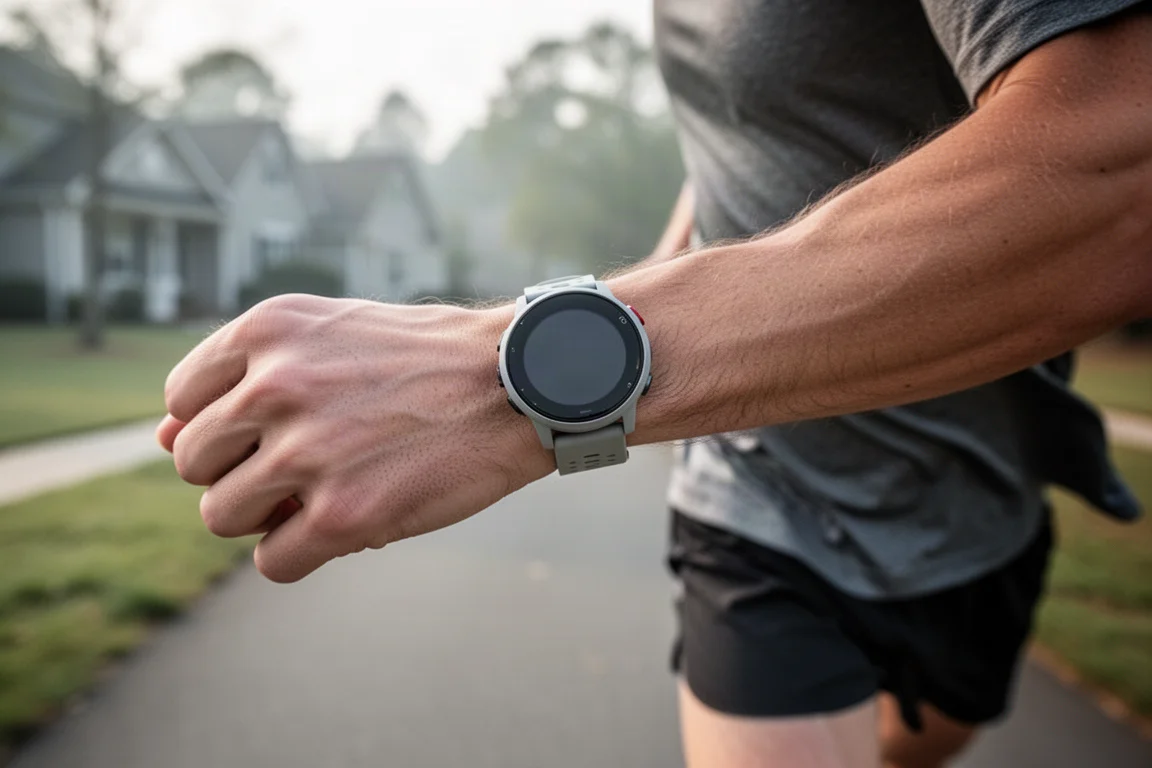
The hardware is honest and lightweight. You get a 1.3-inch display with a 260 by 260 resolution, protected by Corning Gorilla Glass 3, with a fiber-reinforced polymer bezel that keeps the weight at just 49g. Garmin claims up to 30 hours of GPS-only battery, which should cover most ultra distances. Combine GPS with music and everything else, and you are looking at around 6.5 hours, though most marathon runners will get through a full race even with navigation and music running. In everyday use, the watch lasted about four days per charge before getting nervous about the next activity.
The sensor list is complete: GPS, GLONASS, and other positioning radios, plus a compass, thermometer, gyroscope, accelerometer, barometric altimeter, wrist-based heart rate, and a pulse oximeter. It tracks running, swimming, cycling, and a wide variety of indoor and outdoor activities, so it works as a multi-sport watch too.

Structured workouts are a highlight. You build them in the app, push them to the watch, and it walks you through warm-up, work phases, recoveries, and cool down, then packages the data so you can check whether you hit the right efforts and splits. The morning report is another standout: sleep quality, overnight heart rate variability, weather, and a suggested workout for the day. Tracking heart rate variability over time turns out to be genuinely useful once you know your baseline.
Navigation on the watch is not a full topographic map, but it shows your heading, the intended route, and a darker line showing where you actually ran, and it flags quickly when you are veering off course. Altitude accuracy was also impressive: readings in Denver, Boulder, and Mammoth Lakes lined up closely with known elevations, which is not always true of other brands.
Things to Consider Before Buying
Two things held the watch back during testing. First, the music feature never worked for this reviewer: connecting Deezer, one of the supported listening platforms, failed repeatedly despite signing up for a trial, so the music could not actually be tested. Second, pace readings felt consistently stingy, always showing slightly slower than the runner’s actual pace even though GPS tracking itself was exceptionally accurate.

There was also trouble pairing a Stryd footpod. It is technically supported and can show real-time power numbers, but distances kept coming up short, a problem that has previously appeared only when used with Garmin watches. For the rest of testing, the footpod was dropped and the watch was used on its own.
Buying Advice
At $400, the Forerunner 255 Music is a very good watch that covers nearly everything a primarily road runner needs. But the running watch space is crowded: the Polar Pacer Pro sits at $300 and the Coros Pace 2 at a surprising $200, both offering largely the same features and functionality for less. If you skip music, the watch is $350, and at that point it starts to look like solid value again.
Ultimately, the decision comes down to whether you want to be in the Garmin ecosystem. It is not everyone’s favorite place to be, but for many runners the Forerunner 255 Music is the best Garmin watch yet tested.
Conclusion
The Garmin Forerunner 255 Music remains an excellent, accurate, lightweight running watch with a full sensor suite, strong battery life, and genuinely useful training and recovery features. Its music connectivity quirks and slightly stingy pace readings are worth knowing about, and at $400 it faces real competition from cheaper rivals. Buy it if Garmin’s ecosystem appeals to you; otherwise, look closely at the alternatives.
Product link
View more details for Garmin Forerunner 255 Music
This product is mentioned in the review. Check the specifications, options, and compatibility before buying.
View more details for Garmin Forerunner 255 MusicFurther reading
Related Reviews
GPS Running Watches
Huawei Watch GT Runner 2 Review: Bold Dual-Antenna GPS Promises, Mixed Real-World Results
A close look at the Huawei Watch GT Runner 2, a running watch built around a new dual-antenna floating GPS design that promises big accuracy gains, and how those claims hold up against a Garmin Forerunner 970 reference.
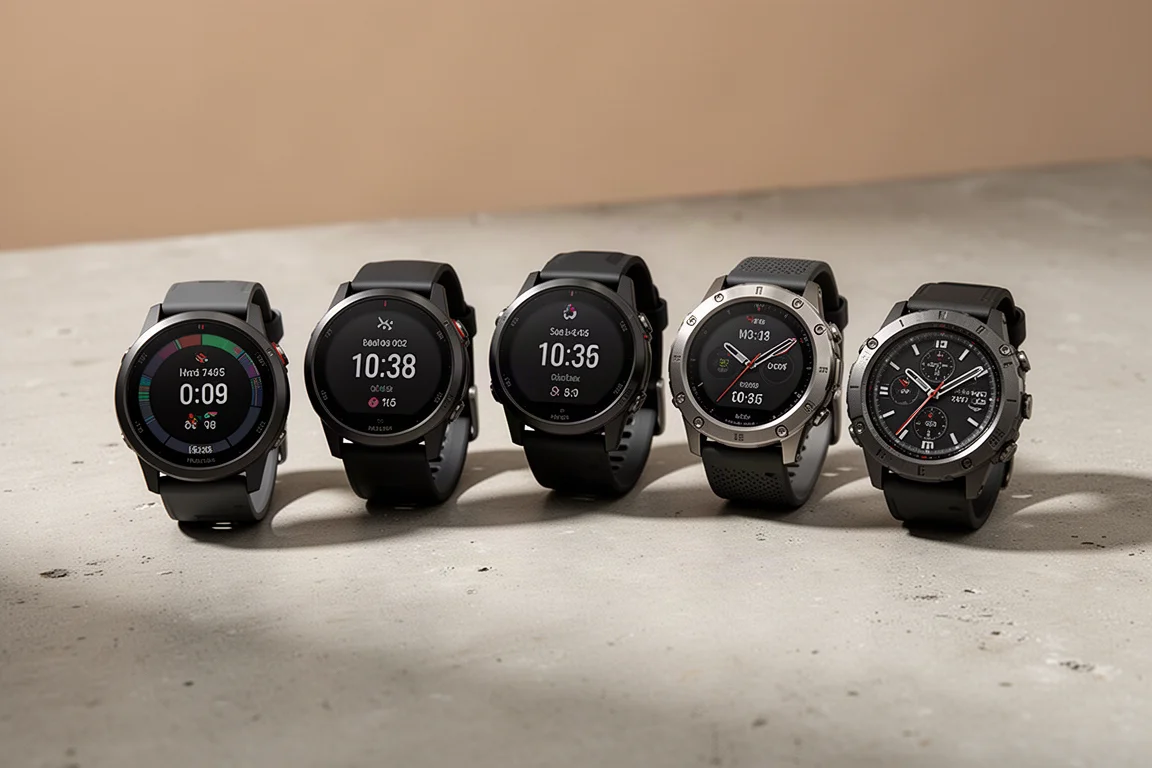
GPS Running Watches
Garmin vs Coros Running Watches 2026: Which Brand Should You Buy?
A practical comparison of the current Garmin and Coros lineups, covering price, battery life, apps, health tracking, and where each brand clearly wins.
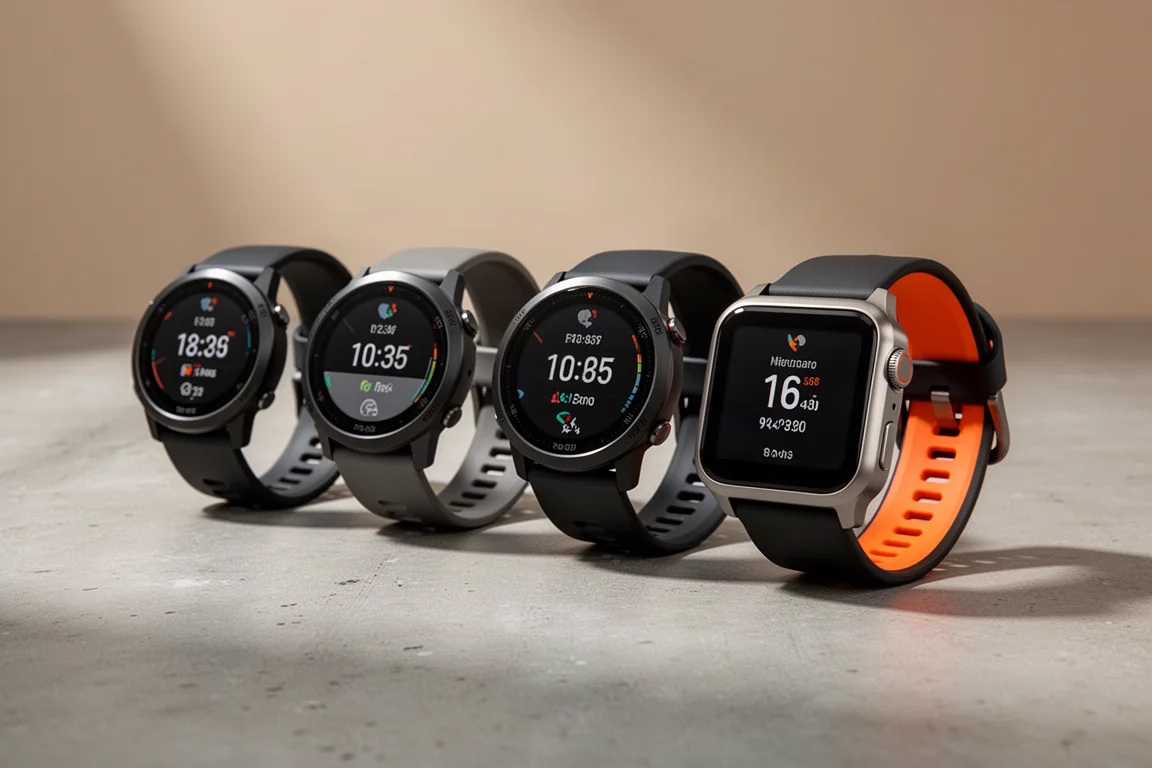
GPS Running Watches
Best GPS Running Watch: Coros Pace 4 and Six Worthy Alternatives Compared
Seven GPS running watches, one tricky question: there is no single best watch, only the best watch for you. Here is how the Coros Pace 4 stacks up against its closest rivals.