GPS Sports Watches
Garmin Fenix 9 Lineup: Base, Pro, and Pro InReach Hardware Compared
A hands-on look at the new Garmin Fenix 9 family: sizes, displays, titanium construction, solar options, and what sets each tier apart.
Introduction
Garmin’s Fenix 9 lineup arrives with three tiers, three sizes, and a notable hardware refresh. This article focuses purely on the hardware: what changes from the Fenix 8 generation, what each tier includes, and which model makes the most sense for different types of users.
Software improvements, including smoother mapping and new training features, are substantial this year, but they deserve their own coverage. Here, we focus on what you can see and feel straight out of the box.
The Fenix 9 Range at a Glance
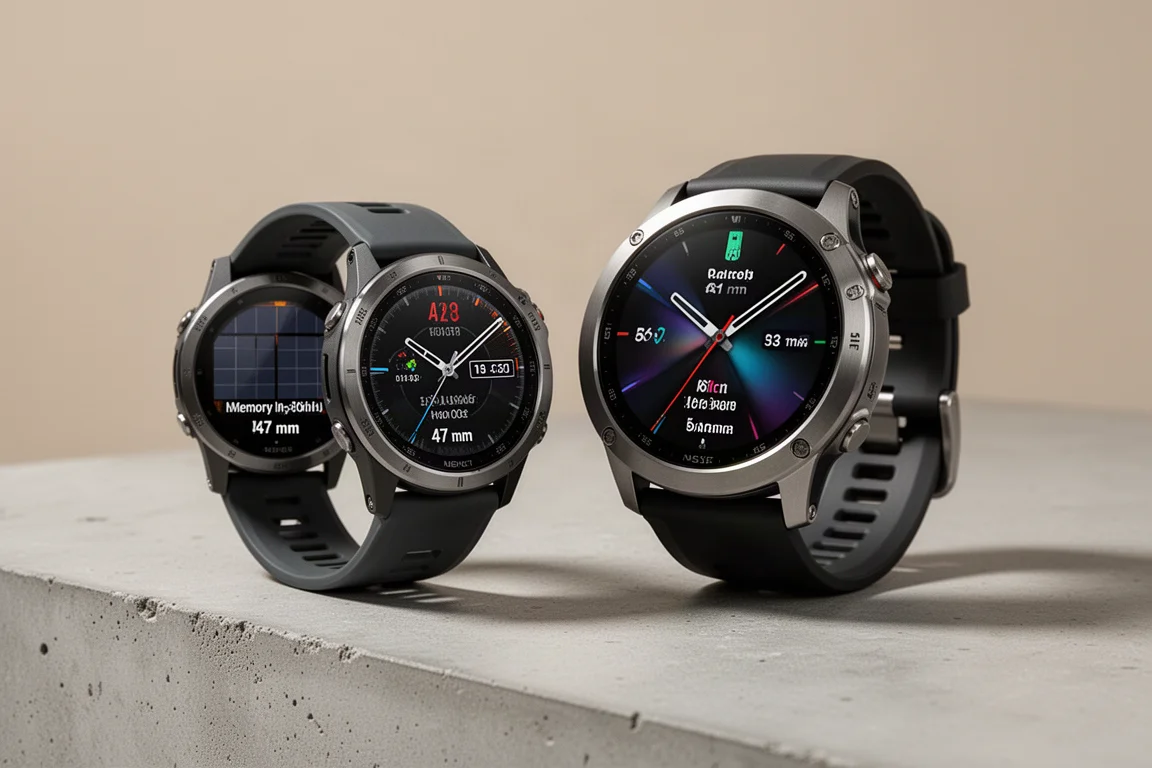
The Fenix 9 family sticks with the familiar three sizes: 43 mm, 47 mm, and 51 mm. Every size comes with an AMOLED display, and there are three levels to choose from: the base Fenix 9, the Fenix 9 Pro, and the Fenix 9 Pro InReach.
The base Fenix 9 is claimed to be twice as bright as the Fenix 8, while the Pro models push displays up to 3,000 nits. The 51 mm models also get a new, larger 1.5-inch AMOLED panel. A memory-in-pixel solar option is available in the 47 mm and 51 mm sizes, but not in 43 mm, likely because stacking the memory-in-pixel display and solar panel makes the package too tall for the smaller case.
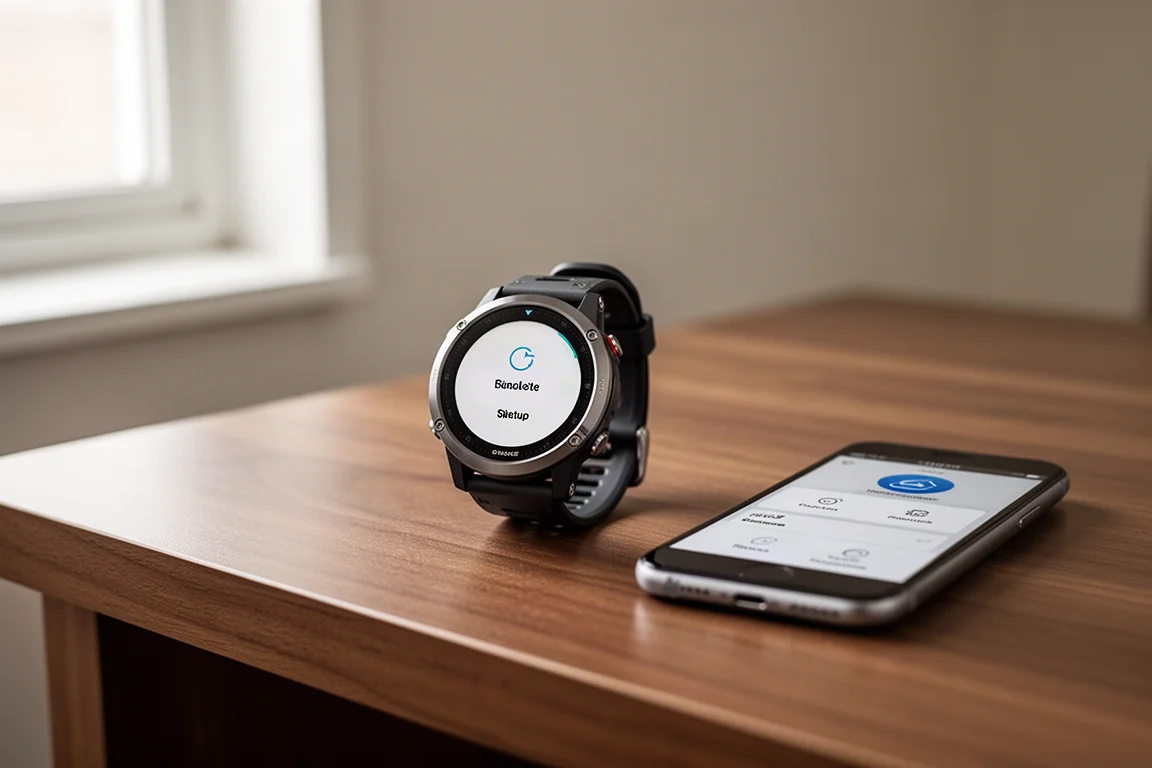
Pairing to Garmin Connect takes under half a minute, and the setup flow covers passcode options, text size, and activity selection. Watch faces are now organized into categories such as New, Featured, and Classic on the AMOLED models, which helps navigate a very generous bundled selection that includes faces carried over from Forerunner, Venu, and Vivoactive watches.
Construction and Design Changes
The biggest physical distinction between tiers is the case material. Pro models use a titanium main case, while the base Fenix 9 uses a polymer case that still incorporates metal in its construction. On the Pro models, the case looks noticeably cleaner: the sides are smooth rather than grooved, and the sensor guard design is larger with a more refined profile compared to the Fenix 8 Pro.
Pro models are also thinner. The 51 mm Fenix 9 Pro AMOLED measures around 17 mm thick versus 17.7 mm on the Fenix 8 Pro. Solar models are the exception, running up to about a millimeter thicker than their AMOLED counterparts because of the stacked memory-in-pixel display, solar panel, and touchscreen. In fact, the 47 mm memory-in-pixel solar model ends up roughly the same thickness as the 51 mm AMOLED.
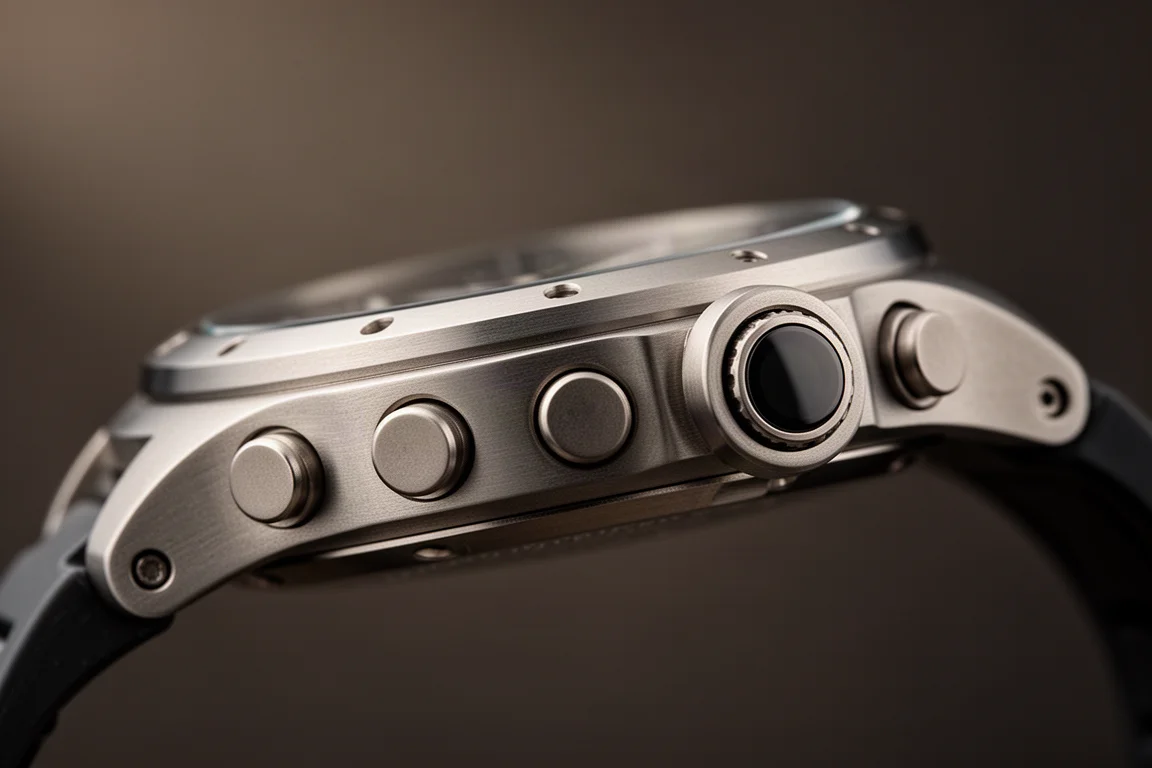
Buttons keep their smooth outer texture, bezels appear largely unchanged from the previous generation, and the back plate screws on with a slightly different arrangement than before. Bands include the new comfort fit options, which remain quick-fit compatible.
Displays and Brightness
The 1.5-inch AMOLED panel on the 51 mm models is one of the most noticeable upgrades. Text can be rendered impressively large, or small if you prefer denser data screens, and the increase in usable screen area versus the Fenix 8 Pro 51 mm is easy to spot side by side.
Brightness is another headline change. Pro AMOLED models claim up to 3,000 nits at peak, and even at medium brightness the screen reads as bright as the previous Fenix 8 at its highest setting. Indoors, menus and watch faces are visibly brighter than on the older model.
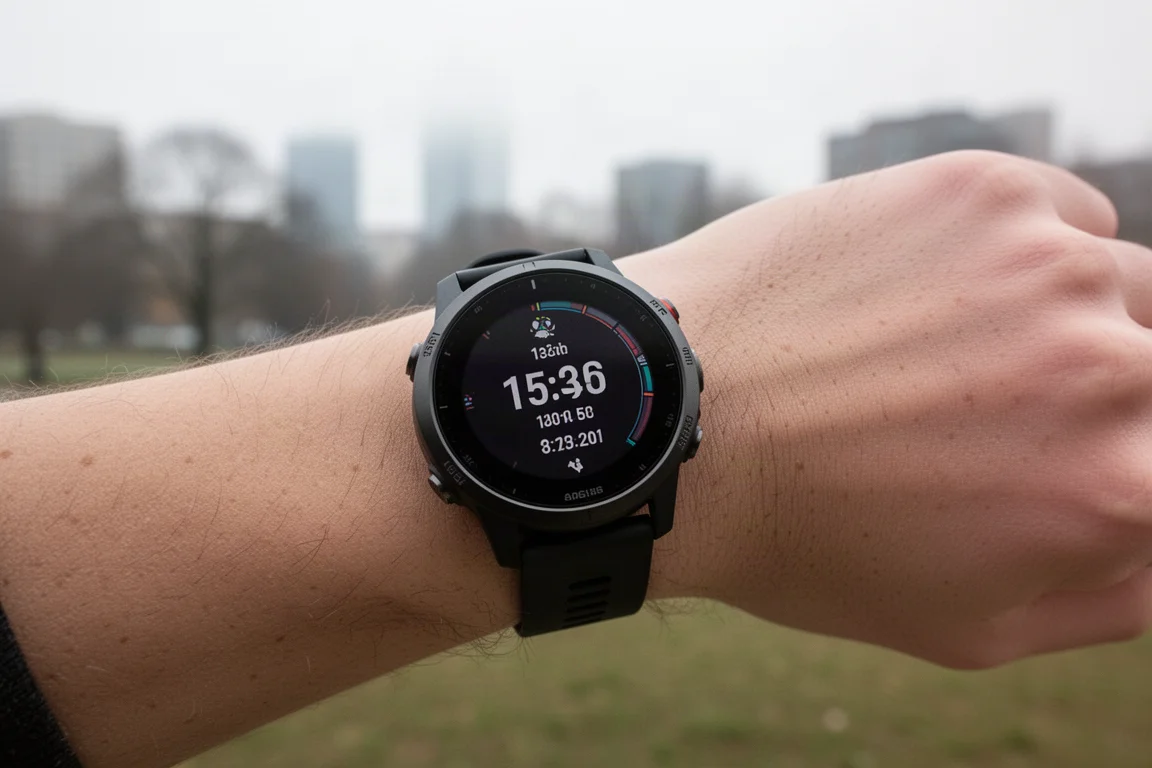
One nit to pick: there are only three brightness levels. More granular steps would let users better balance visibility against battery life for their own conditions.
New Flashlight and Battery Options
The built-in flashlight keeps its white LED with four brightness levels, but Garmin has added red and green modes. Brightness appears roughly equal across colors, and the extra green LED gives night users more flexibility for preserving night vision or signaling.
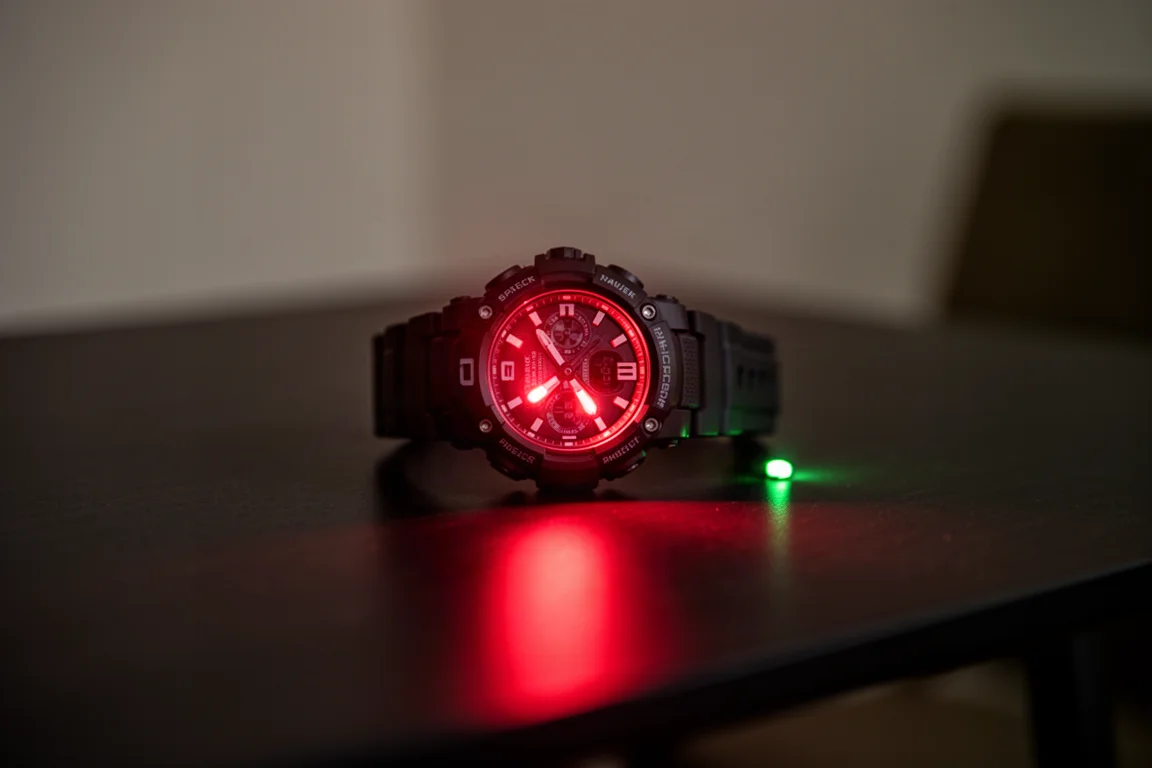
On the battery side, the return of a solar memory-in-pixel Pro option is notable. The Fenix 8 Pro skipped solar entirely, so having that choice back in the 47 mm and 51 mm Pro sizes gives long-endurance athletes a genuine alternative to AMOLED.
Software and Mapping Highlights
All Fenix 9 models get a new map engine with faster drawing and panning, achieved by caching nearby map data ahead of time. Because Garmin maps contain more information than many competitors, redraw speed has historically lagged behind, so this change addresses a long-standing weak point.
Pro models additionally receive a faster processor than the base Fenix 9, so map performance should feel snappier on the Pro tier. Software features also extend into training, with improvements to stamina and endurance score, new rowing VO2 max capabilities, and a new activity profile.
Pricing and Availability Notes
Pricing is roughly in line with the original Fenix 8 and Fenix 8 Pro launches, with a $50 increase on the DLC titanium versions, attributed to the new titanium case construction. There is no mention of a new Enduro or a micro LED option this cycle, which is a small gap for buyers who liked the Enduro 3 as a more affordable, stripped-down alternative without features like scuba diving support.
Buying Advice
If you want the classic Fenix experience at the lowest entry point, the base Fenix 9 delivers the brighter display, the new map engine, and the polymer-plus-metal construction. Step up to the Pro if titanium, a faster processor, thinner case, and the 3,000-nit display matter to you. The Pro InReach tier is the pick for remote adventures where satellite communication is part of the plan. Solar memory-in-pixel variants remain the choice for maximum endurance, provided you accept the added thickness.
Conclusion
The Fenix 9 generation refines rather than reinvents: brighter and larger displays, a cleaner titanium construction on Pro models, a faster mapping experience across the board, and the return of solar Pro options. For most buyers, the decision comes down to case material and display technology, and this year every path looks stronger than before.
Product link
View more details for Garmin Fenix 9
This product is mentioned in the review. Check the specifications, options, and compatibility before buying.
View more details for Garmin Fenix 9Further reading
Related Reviews
GPS Sports Watches
Polar Grit X2 Pro vs Vantage V3 vs COROS Vertix 2S: Which Flagship Adventure Watch Makes Sense
Polar's new flagship shares its internals with the Vantage V3 and goes up against the COROS Vertix 2S. Here is what two months of testing revealed about GPS, heart rate, navigation, and value.
GPS Sports Watches
Coros Apex 2 vs Garmin: Six GPS Sports Watches Worth Comparing
A practical look at the Coros Apex 2, Apex 2 Pro, Vertex 2, and three Garmin rivals, with what each does well and where the trade-offs sit.
GPS Sports Watches
Coros Apex 4 Hands-On: Titanium Build, Faster Mapping, and a Battery Built for the Mountains
A first look at the new Coros Apex 4 GPS sports watch, including its titanium construction, improved mapping, built-in speaker, and standout battery life.