GPS Sports Watches
Garmin Fenix 8 vs Garmin Forerunner 970: Which Running Watch Should You Buy?
A close comparison of two excellent Garmin sports watches, covering design, durability, accuracy, battery life, and price to help runners pick the right one.
Introduction
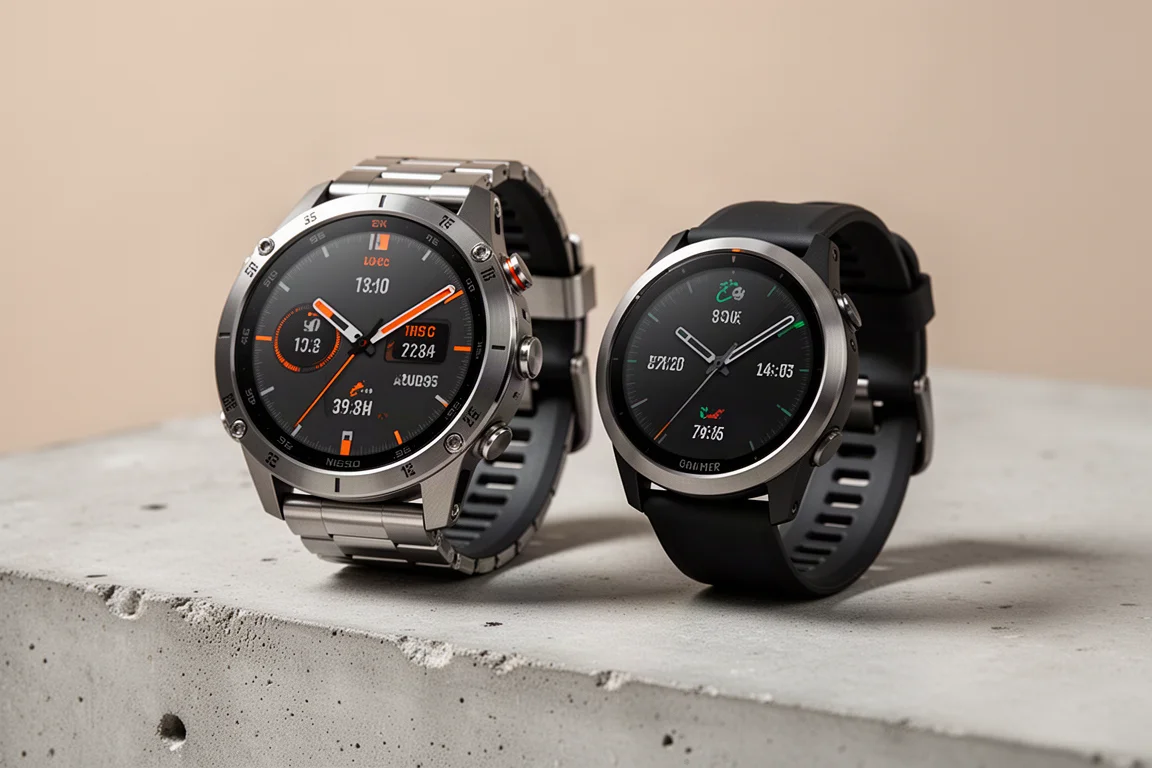
The Garmin Fenix 8 and Garmin Forerunner 970 sit at the top of their respective lines, and both are excellent sports watches. After long stretches of testing each watch individually, including marathons with the Fenix 8 and a week or two of wearing both at the same time, the practical difference between them comes down mostly to design, durability, battery life, and price rather than tracking quality.
This comparison focuses on the Fenix 8 AMOLED in the 47 mm size, which matches the Forerunner 970 and is the most direct comparison point.
Fenix 8 vs Forerunner 970 at a Glance
One of the biggest structural differences is range flexibility. The Fenix 8 comes in a wide range of styles and sizes: both AMOLED and memory-in-pixel display options, and three case sizes of 43 mm, 47 mm, and 51 mm. The Forerunner 970 is available in a single size and style. If you want a larger or smaller watch, or a solar-equipped memory-in-pixel display for extra battery life, only the Fenix 8 range offers those options.
On price, the Fenix 8 is a fair bit more expensive. The steel model with a glass screen costs £869 or $999, while the titanium model with a sapphire crystal screen is £949 or $1,099. The Forerunner 970, which already includes a sapphire crystal display and a titanium bezel, costs £629 or $749.
Design, Size, and On-Wrist Comfort
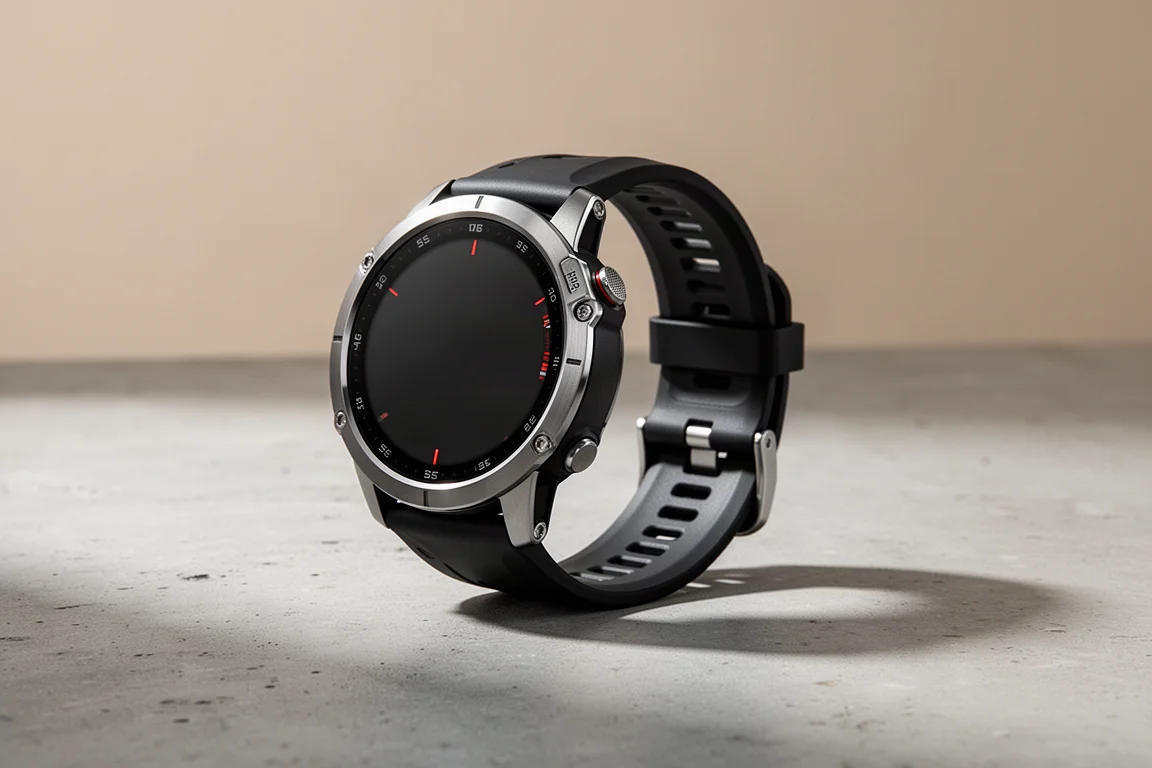
Even though both watches use a 47 mm case, the Fenix 8 is noticeably bigger and bulkier on the wrist. It is thicker and heavier, with metal on the case back as well as a larger bezel. The Forerunner 970 has a metal bezel only, with the rest of the body in plastic, which makes it lighter, thinner, and more comfortable to wear all day. That difference is easy to feel when wearing both at the same time.
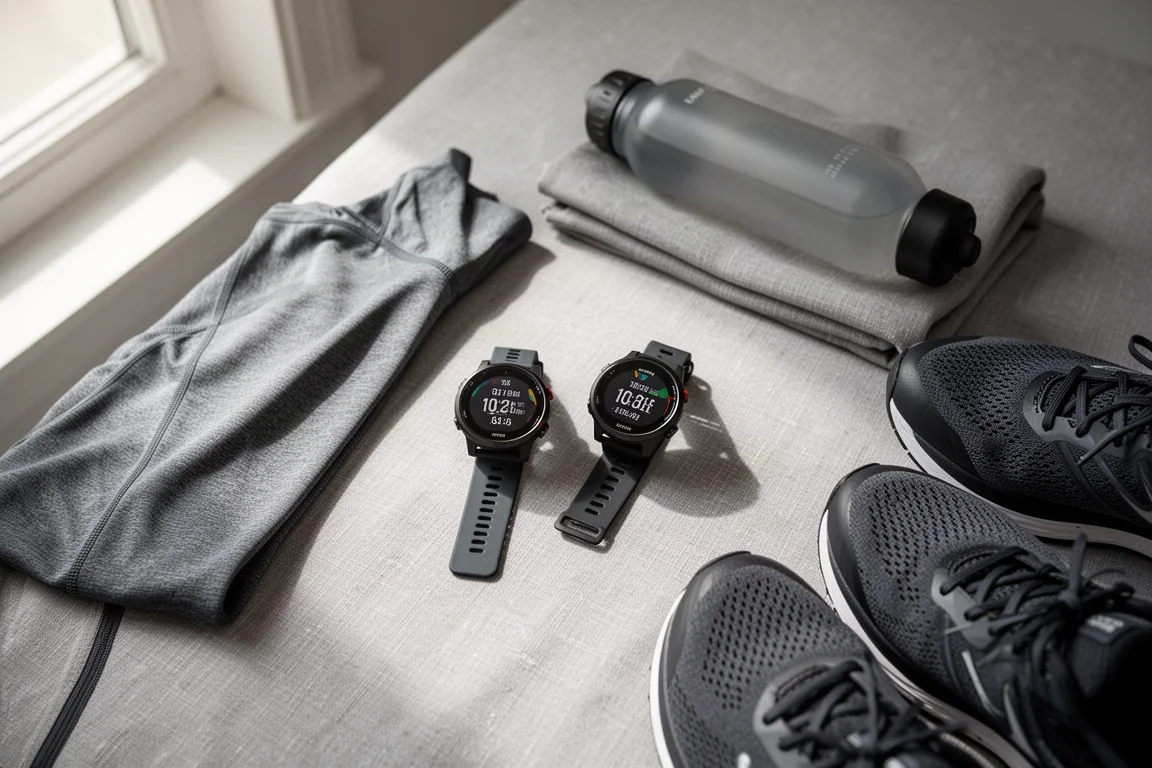
The Forerunner 970’s design is less eye-catching, but it sits closer to the wrist and slips through sleeves more easily, whether you are pulling on a hoodie in cold weather or noticing bulk during a heat wave. The Fenix 8, particularly the orange and dark grey version, is arguably the more striking-looking watch of the two, and some people simply prefer a big watch on the wrist.
Both watches use a five-button design, and both now include a built-in flashlight. The Fenix 8 also has leak-proof buttons with a slightly different press feel; some people dislike them, though they work well enough in practice. The user interfaces are slightly different in fonts and styling, but both are fine to use with no strong preference either way.
Durability and Materials
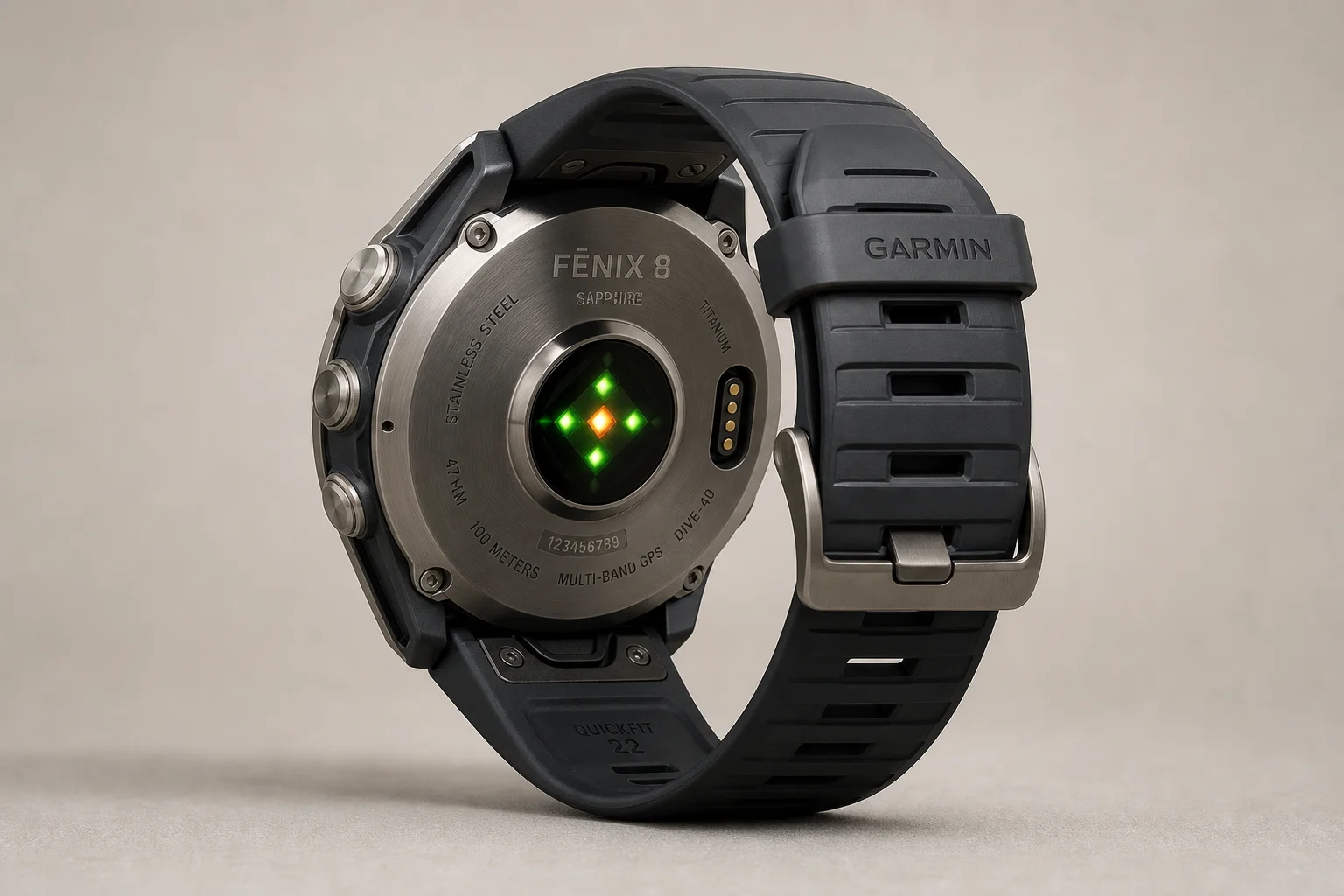
The Fenix 8 remains the hardier watch. It is dive-proof to 40 m, has a general waterproof rating of 10 ATM versus 5 ATM on the Forerunner 970, and uses more metal overall for a more rugged build. Choosing the titanium Fenix 8 model also gets you a lighter case and a more scratch-resistant sapphire crystal screen.
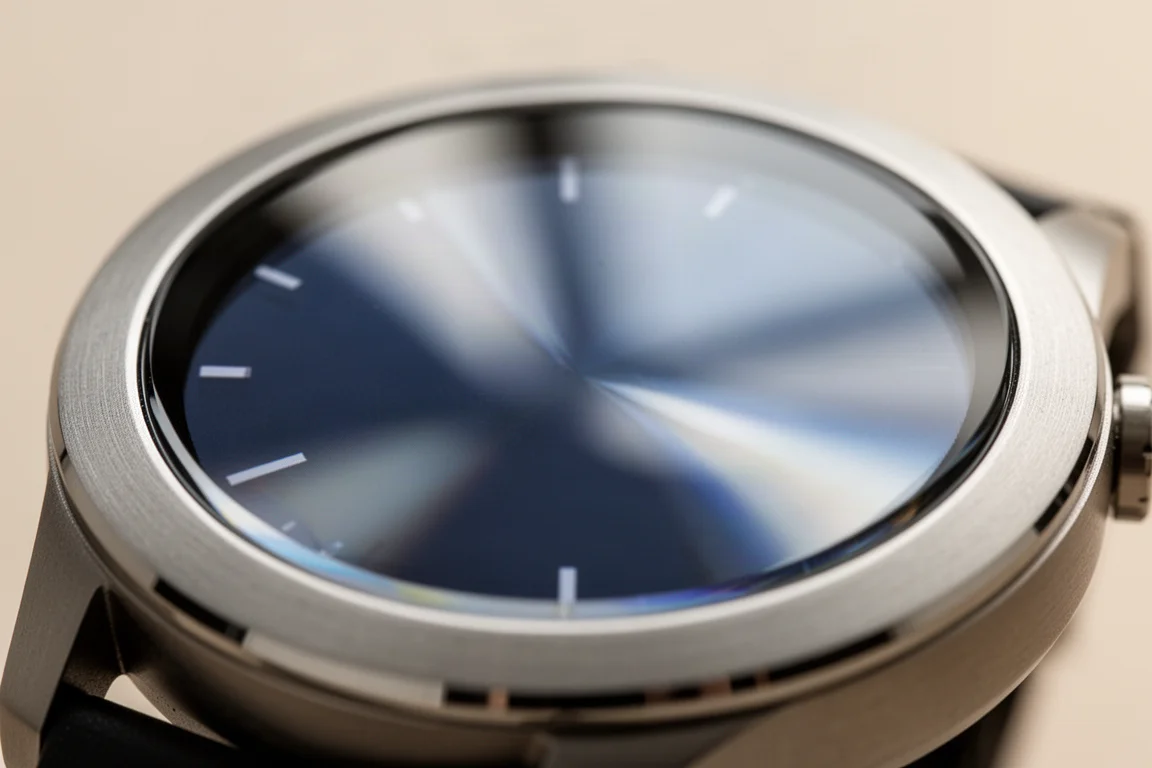
That said, the durability gap has narrowed significantly. The Forerunner 970 now includes a sapphire crystal display and a titanium bezel as standard, which is a big and important upgrade for anyone who scratched the glass screen of the previous Forerunner 965. The 970 is far less plasticky than earlier Forerunners and now looks like a genuinely hardy watch all round, so durability is no longer the deciding factor it once was.
Running Performance and Tracking Accuracy
On the run, both watches have performed equally well and as well as anything on the market. GPS accuracy in multiband mode is very reliable, and even the all-systems mode is nearly always dependable. Both watches share the same Garmin Elevate V5 optical heart rate sensor, which is one of the best optical sensors available; in testing, readings from both watches lined up closely with a chest strap.
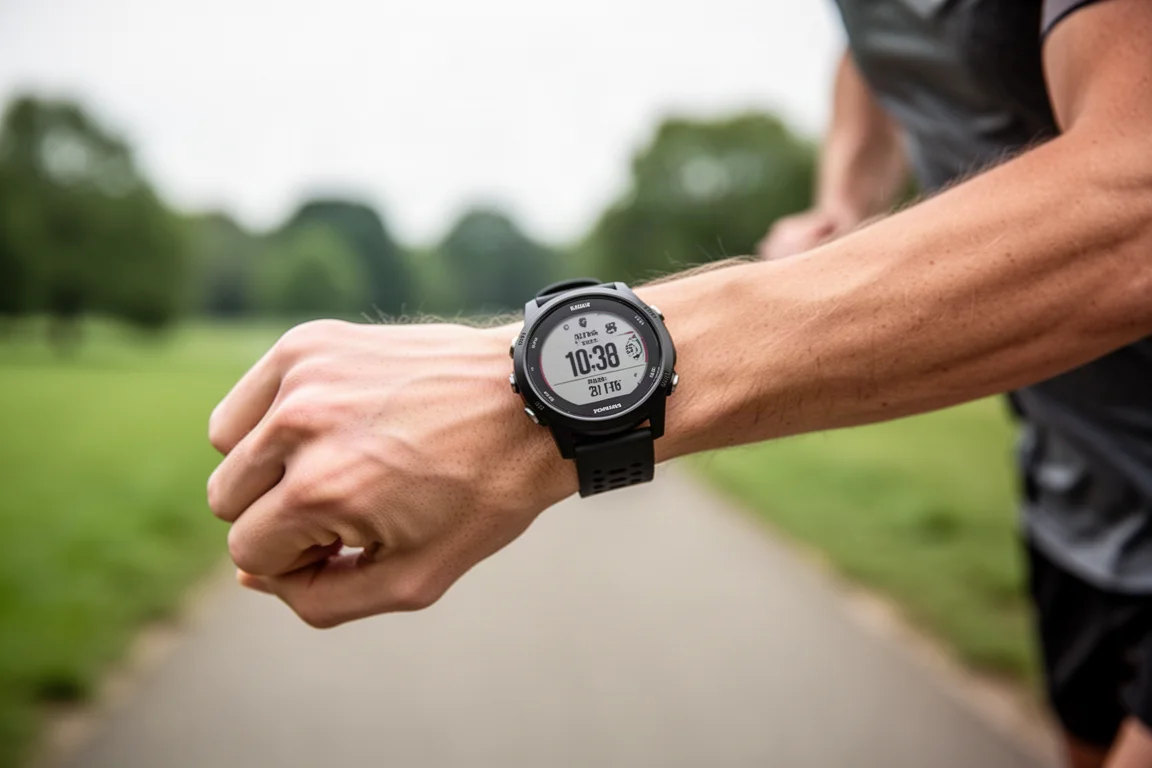
The shared feature set is also essentially identical: the same key training analysis, navigation, and sports tracking features, including the recent additions such as running tolerance and running economy, which have since been brought to the Fenix 8. As the newest flagship models in their lines, both should continue receiving software updates with new features going forward, so there is no real difference there. The main functional gap is that the Fenix 8 includes a diving mode, which matters only if you actually need a diving watch.
Battery Life
The Fenix 8 is the stronger battery performer. It is rated for 16 days in watch mode or 7 days with the screen always on, while the Forerunner 970 is rated at 15 days, with 8 days always-on quoted. In real-world use with comparable settings, including always-on display, notifications, daily running of roughly 70 to 80 miles per week, and some other activities, the Forerunner 970 lasts four or five days per charge, while the 47 mm Fenix 8 lasts six or seven.
The gap widens further in race-pace mode, and jumping to the larger 51 mm Fenix 8 nearly doubles the battery life of the 47 mm model. The advantage is noticeable rather than life-changing, but it is real, and the Fenix 8 also outlasts the 970 across the various GPS modes.
Which One Should You Buy?
Because the day-to-day experience of using both watches is so similar, the choice mostly comes down to design and price. The Forerunner 970 wins on price and slim, light comfort, and it is the overall pick for running, especially for runners with thinner wrists. The Fenix 8 counters with a more rugged build, higher waterproof and dive ratings, better battery life, and more style and size choices, including larger models and solar memory-in-pixel variants.
If you love the Fenix 8’s look, prefer a bigger watch, or want the extra durability and battery, it is a fantastic option, but you will pay a fair bit extra for those advantages.
Conclusion
Both the Garmin Fenix 8 and the Garmin Forerunner 970 are among the best sports watches available, with equally reliable GPS and heart rate accuracy and the same core training features. For most runners, the Forerunner 970 is the smarter buy thanks to its lower price and slimmer on-wrist feel. For those who want maximum ruggedness, longer battery life, or the Fenix range’s wider choice of sizes and styles, the Fenix 8 justifies its premium.
Further reading
Related Reviews
GPS Sports Watches
Polar Grit X2 Pro vs Vantage V3 vs COROS Vertix 2S: Which Flagship Adventure Watch Makes Sense
Polar's new flagship shares its internals with the Vantage V3 and goes up against the COROS Vertix 2S. Here is what two months of testing revealed about GPS, heart rate, navigation, and value.
GPS Sports Watches
Coros Apex 2 vs Garmin: Six GPS Sports Watches Worth Comparing
A practical look at the Coros Apex 2, Apex 2 Pro, Vertex 2, and three Garmin rivals, with what each does well and where the trade-offs sit.
GPS Sports Watches
Coros Apex 4 Hands-On: Titanium Build, Faster Mapping, and a Battery Built for the Mountains
A first look at the new Coros Apex 4 GPS sports watch, including its titanium construction, improved mapping, built-in speaker, and standout battery life.