GPS Running Watches
Garmin Fenix 8 vs Forerunner 965: Which Running Watch Makes More Sense to Buy
Two excellent Garmin running watches with very different price tags. Here is how the Fenix 8 and Forerunner 965 really compare after long-term testing.
Introduction
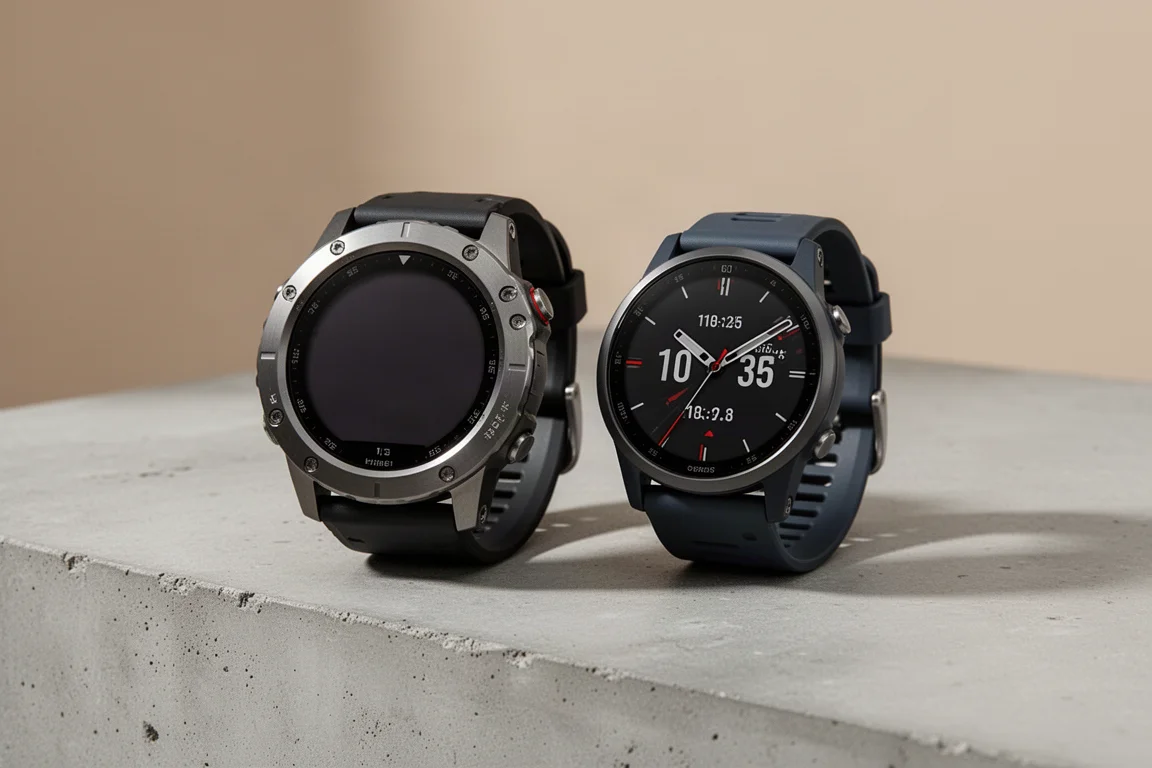
The Garmin Fenix 8 and the Garmin Forerunner 965 are two of the most capable running watches you can buy, and after wearing both side by side for training and racing, the honest conclusion is that they are far closer in performance than their price gap suggests. The Forerunner 965 costs £499.99 in the UK and $599 in the US, while the Fenix 8 range starts at roughly double that, from £949 in the UK, and titanium models push past £1,000. The real question is not which watch is better, but which set of upgrades is worth the money to you.
Design and Durability
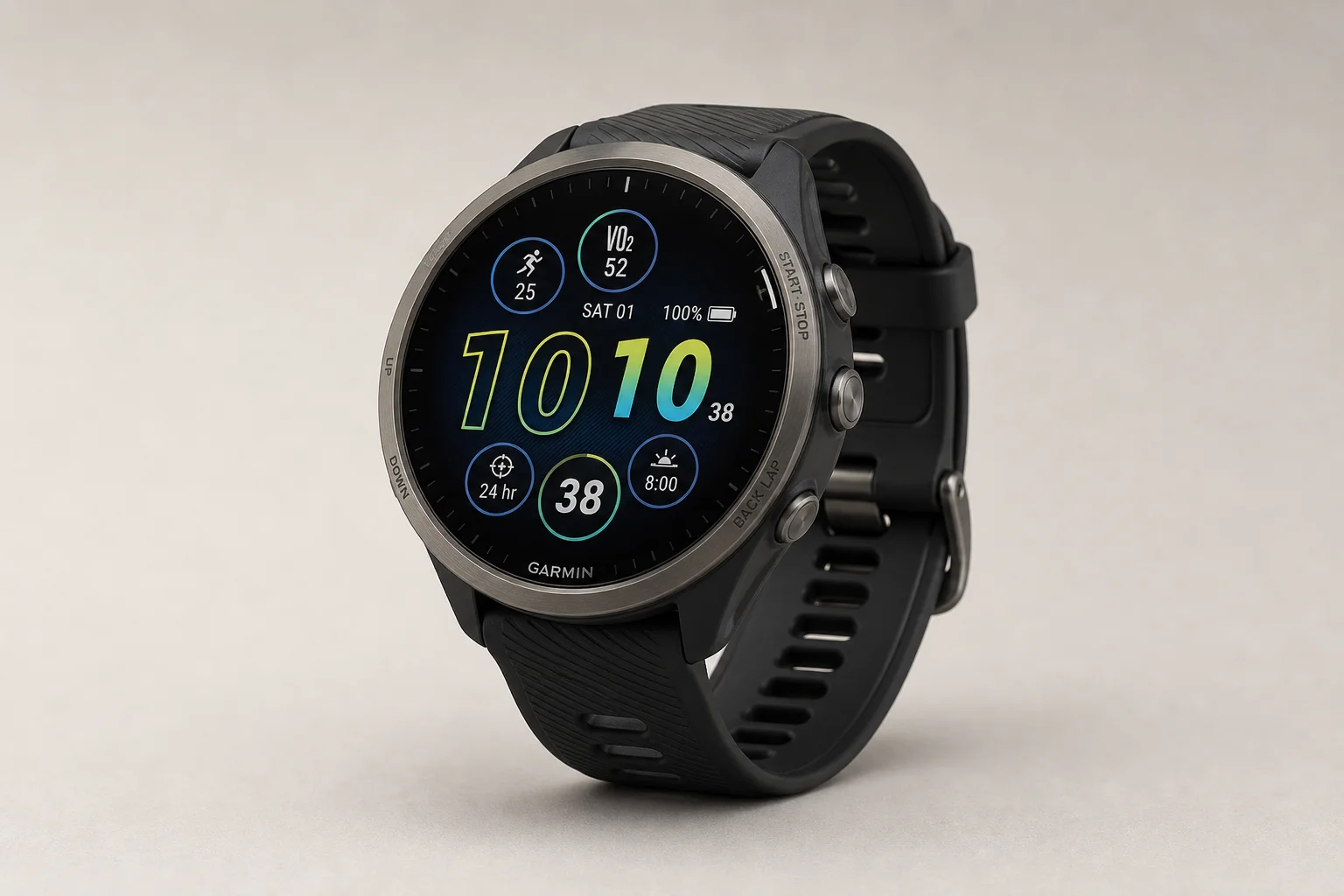
The Forerunner 965 is noticeably slimmer and lighter on the wrist, partly because it is a mostly plastic watch with a thin titanium bezel. It wears very comfortably around the clock, and its smaller bezel makes the 1.4-inch AMOLED screen feel almost bigger than the Fenix 8’s. The Fenix 8 comes in 43mm, 47mm, and 51mm sizes, and the 47mm model is the most direct comparison to the 965, which shares the same 47mm case size.
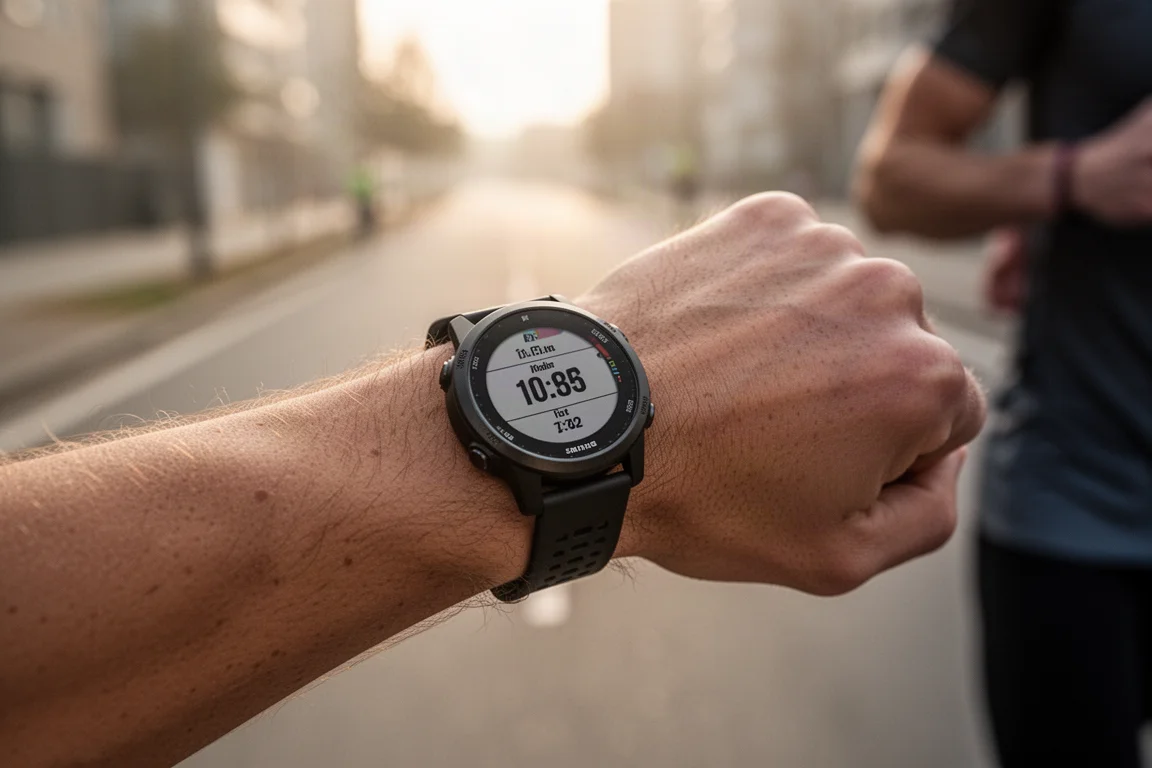
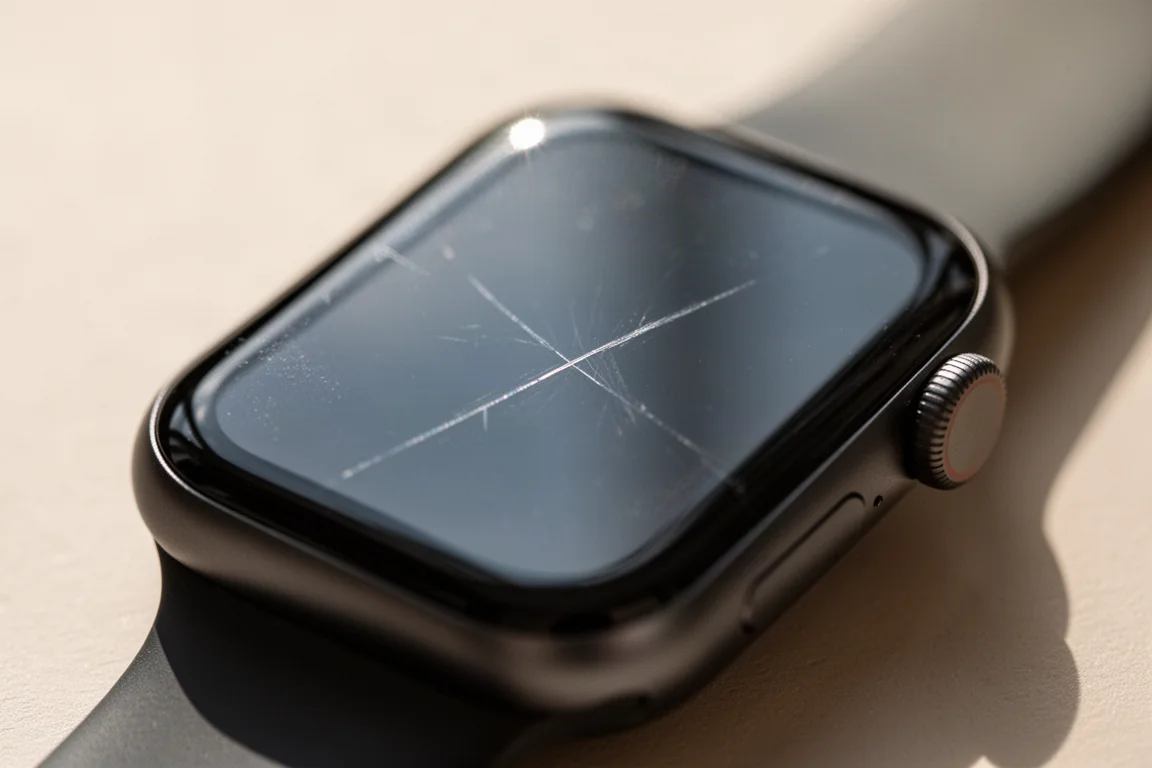
Durability is where the Fenix 8 clearly pulls ahead. It offers a metal bezel and back in steel or lighter, more durable titanium, a sapphire crystal screen on the more expensive models, a 10 ATM waterproof rating versus 5 ATM on the 965, dive-proofing to 40 metres, leak-proof buttons, and a sensor guard. That matters in practice: the 965’s glass screen picked up scratches during long-term testing, while the Fenix screens have stayed unmarked despite tougher terrain.
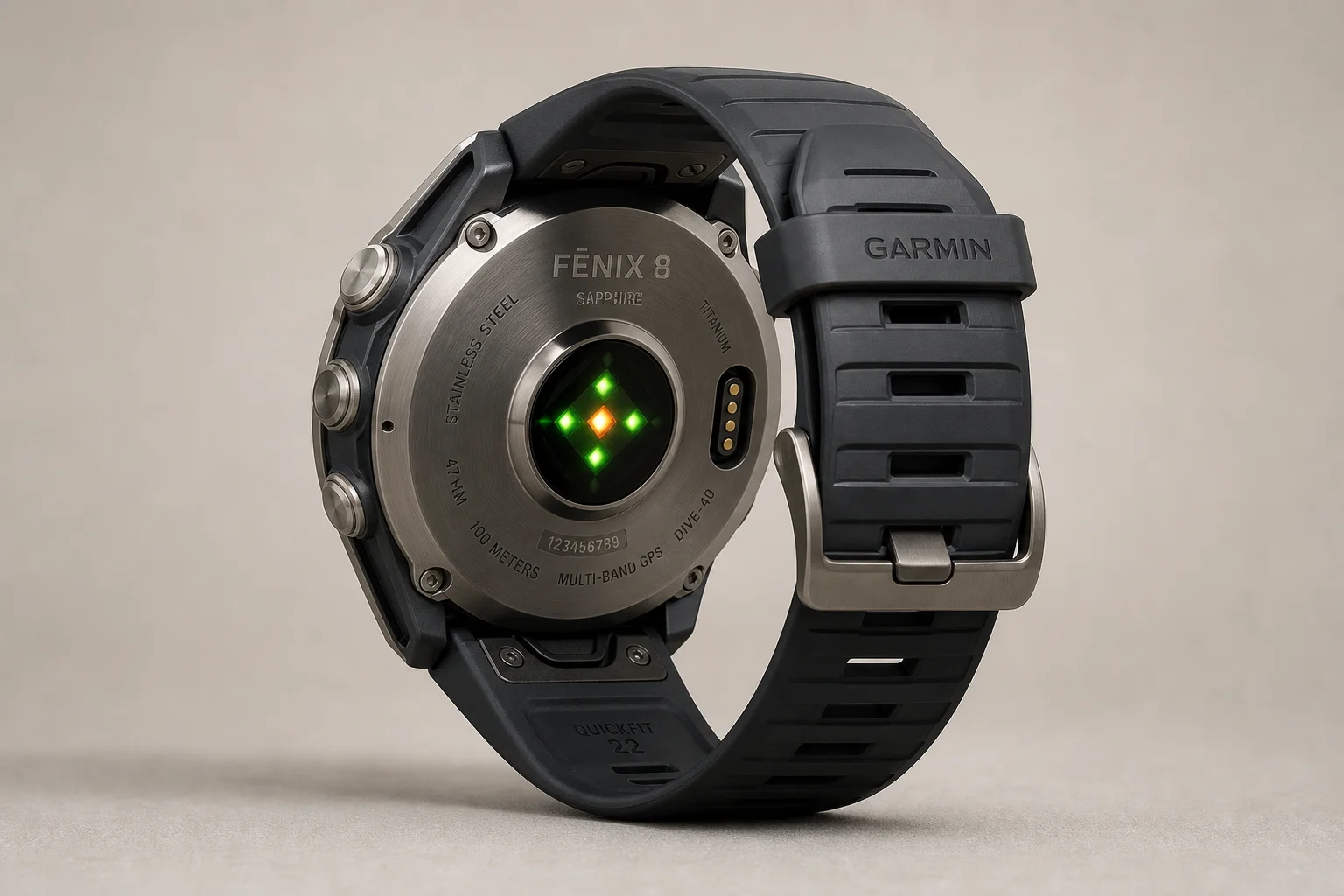
The Fenix 8 also carries hardware extras the 965 simply does not have: a built-in LED flashlight, a built-in mic and speaker for voice notes and voice commands, and Garmin’s latest Elevate Gen 5 heart rate sensor, which enables ECG readings. The flashlight turned out to be a bigger selling point than expected, proving genuinely useful for early-morning kit prep in a dark hotel room before a race.
Screen and Software
Both watches use bright AMOLED displays that are clear to read in all conditions. One caveat: the sapphire crystal on the Fenix 8 can make the display pop slightly less than the glass panel on the 965, though both are excellent screens. On the software side, the Fenix 8 runs Garmin’s newer user interface, which feels a little closer to the 965’s than the previous generation did. The 965 has received several updates since launch and everything runs smoothly and predictably. Some testers are not fond of every change in the newer interface, but the Fenix 8 being newer means it is more likely to receive software updates further into the future.
GPS and Heart Rate Accuracy
In testing, GPS accuracy between the two watches has essentially been a wash. Across all systems on, multiband, and SatIQ modes, the tracks were nearly identical, and pacing was equally good, staying well within a 10 percent margin of error on runs and spot-on during a marathon where both watches were worn at once. Heart rate is similarly close, but the Fenix 8’s Elevate Gen 5 sensor proved a touch more reliable against a chest strap, while the 965 occasionally read slightly high on easy runs. Neither difference is dramatic enough on its own to decide the purchase.
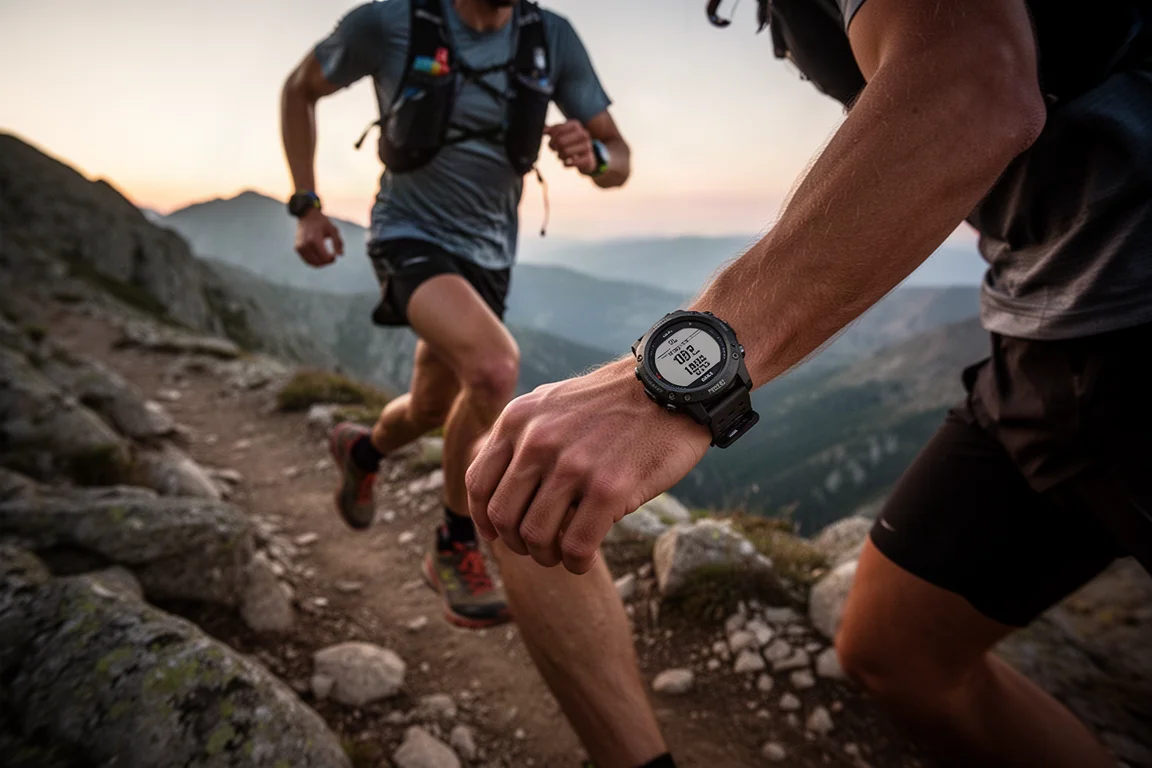
One practical note: bigger watches move more on the wrist, so the Fenix 8 needs to be worn fairly tight during hard sessions to keep optical heart rate readings clean. Both watches benefited from a chest strap at sharp changes of effort during intervals.
Battery Life
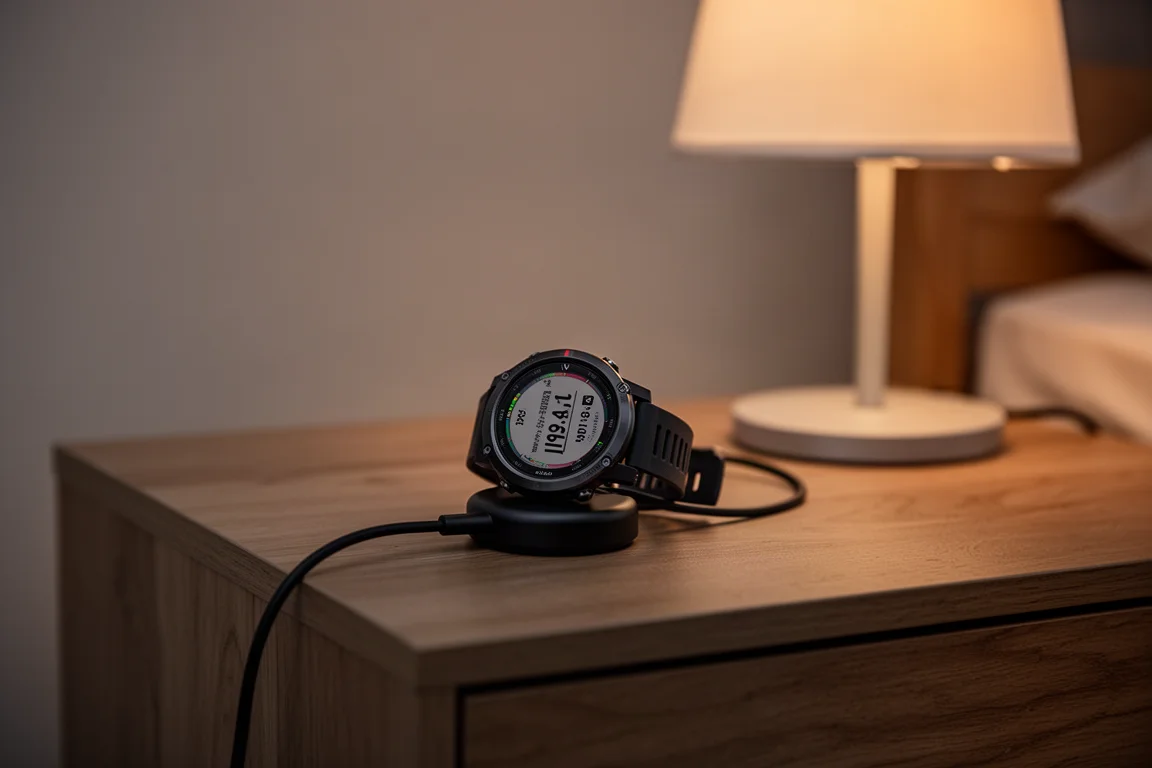
Battery is one area where the Fenix 8 undeniably wins. In always-on watch mode, Garmin lists 7 days for both the 47mm Fenix 8 AMOLED and the 965, though the 965 lasts longer with gesture mode at 23 days versus 16. In GPS modes, however, the Fenix 8 is rated for 30 hours of always-on tracking versus 24 hours on the 965. Real-world testing tells a similar story: on a 90-minute run with both watches in maximum accuracy mode, the Fenix 8 burned 5 percent battery against 10 percent on the 965, and on a two-and-a-half-hour run the gap was 7 percent versus 11 percent. That roughly translates to around 40 hours versus 20 hours in max accuracy mode, which is enough for a 100km ultra on either watch, but the Fenix lets lazy chargers go far longer between top-ups. And if battery is your priority, the larger 51mm Fenix 8 models roughly double these figures again.
Buying Advice
If you want a comfortable, compact multisport running watch with a great AMOLED display, about a week of training battery life, mapping, multiband dual-band GPS, and Garmin’s full training analysis suite in a more affordable package, the Forerunner 965 is the sensible pick. It delivers almost the same experience for run tracking, maps, and music at a fraction of the Fenix 8’s price, and it often sells for under half the cost. A screen protector or a bit of extra care goes a long way if the scratch risk worries you.
If you want a more rugged, premium-feeling watch with better screen protection, longer battery life, the flashlight, voice features, and more long-term software support, the Fenix 8 justifies its premium. Its quick-release strap system also makes swapping bands easier than on the 965. For most runners, though, the 965 does everything they actually need, which makes it very hard to argue for the upgrade unless the Fenix’s extras genuinely matter to you.
Conclusion
Both watches are excellent, well designed, and highly accurate, and either will serve a runner superbly for years. The Fenix 8 is the more capable, more durable, and more fully featured watch, and it is the one several long-term testers kept reaching for. But weigh the price against what you actually use, and the Forerunner 965 remains the better value for most people, offering virtually the same running performance for hundreds less.
Further reading
Related Reviews
GPS Running Watches
Huawei Watch GT Runner 2 Review: Bold Dual-Antenna GPS Promises, Mixed Real-World Results
A close look at the Huawei Watch GT Runner 2, a running watch built around a new dual-antenna floating GPS design that promises big accuracy gains, and how those claims hold up against a Garmin Forerunner 970 reference.
GPS Running Watches
Garmin vs Coros Running Watches 2026: Which Brand Should You Buy?
A practical comparison of the current Garmin and Coros lineups, covering price, battery life, apps, health tracking, and where each brand clearly wins.
GPS Running Watches
Best GPS Running Watch: Coros Pace 4 and Six Worthy Alternatives Compared
Seven GPS running watches, one tricky question: there is no single best watch, only the best watch for you. Here is how the Coros Pace 4 stacks up against its closest rivals.