Sports Watches
Garmin Fenix 8 Solar vs Enduro 3: Two Flagship Solar Watches, One Clear Decision
Both of Garmin's latest flagship solar sports watches track nearly every sport, but a $300 price gap and a few key differences could decide which one belongs on your wrist.
Introduction
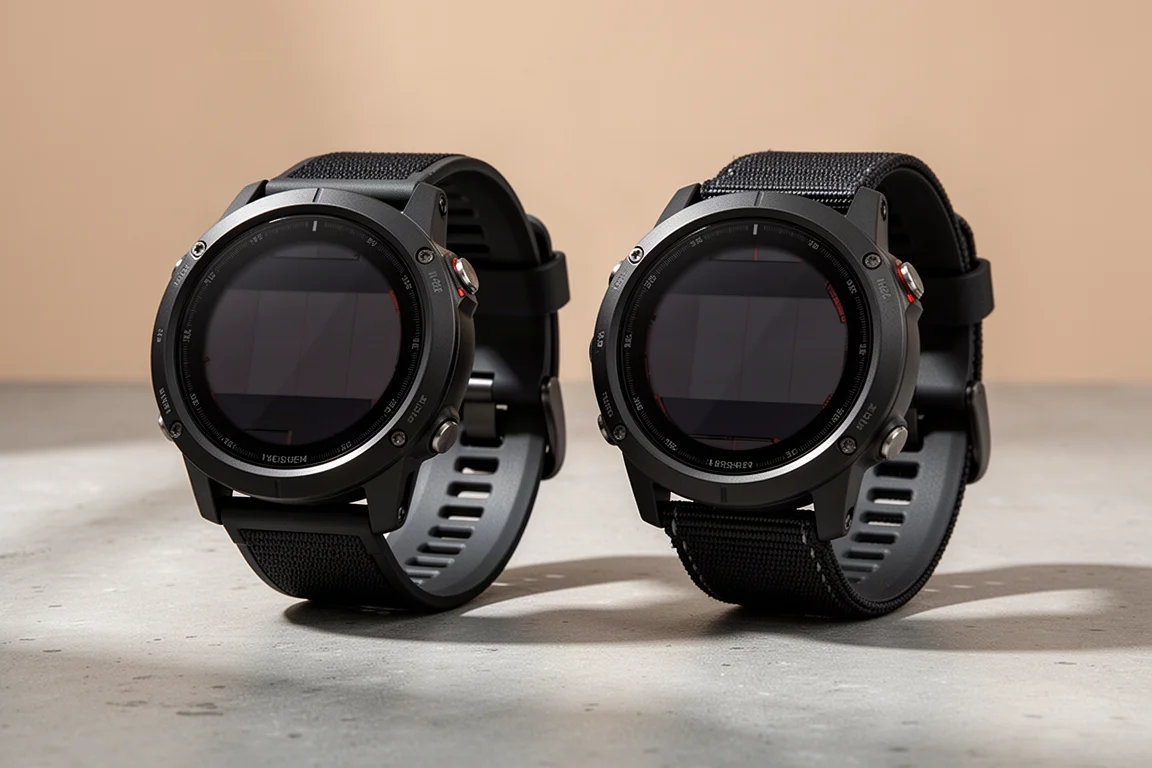
Garmin’s latest flagship solar sports watches share an enormous amount of common ground. The Fenix 8 Solar and the Enduro 3 both track nearly every sport under the sun, both include full offline topo maps, both offer best-in-class routing and navigation, and both use the same heart rate sensor. They also both deliver genuinely excellent battery life.
So why does one cost $1,200 and the other $900? Despite the similarities, there are a handful of distinct differences, both big and small, that may make one the better choice for you. Here is how they compare.
Size, Weight, and Wrist Comfort
The most direct comparison is the 51mm Fenix 8 Solar against the Enduro 3, which only comes in a 51mm case. Note that the Fenix 8 Solar is also available in a 47mm version, but the 51mm models are the closest match when talking about weight and battery life, and they are the versions that have been tested back to back.
Although both share a 51mm diameter case, they differ in thickness, with the Enduro 3 just slightly thicker thanks to a battery with roughly 5% more capacity. The Enduro 3 also uses a resin case back instead of the metal back on the Fenix 8 Solar, which helps reduce weight. The case alone weighs about 57g on the Enduro 3 versus about 67g on the Fenix 8 Solar 51mm, and that 10g difference is roughly a 15% weight saving.
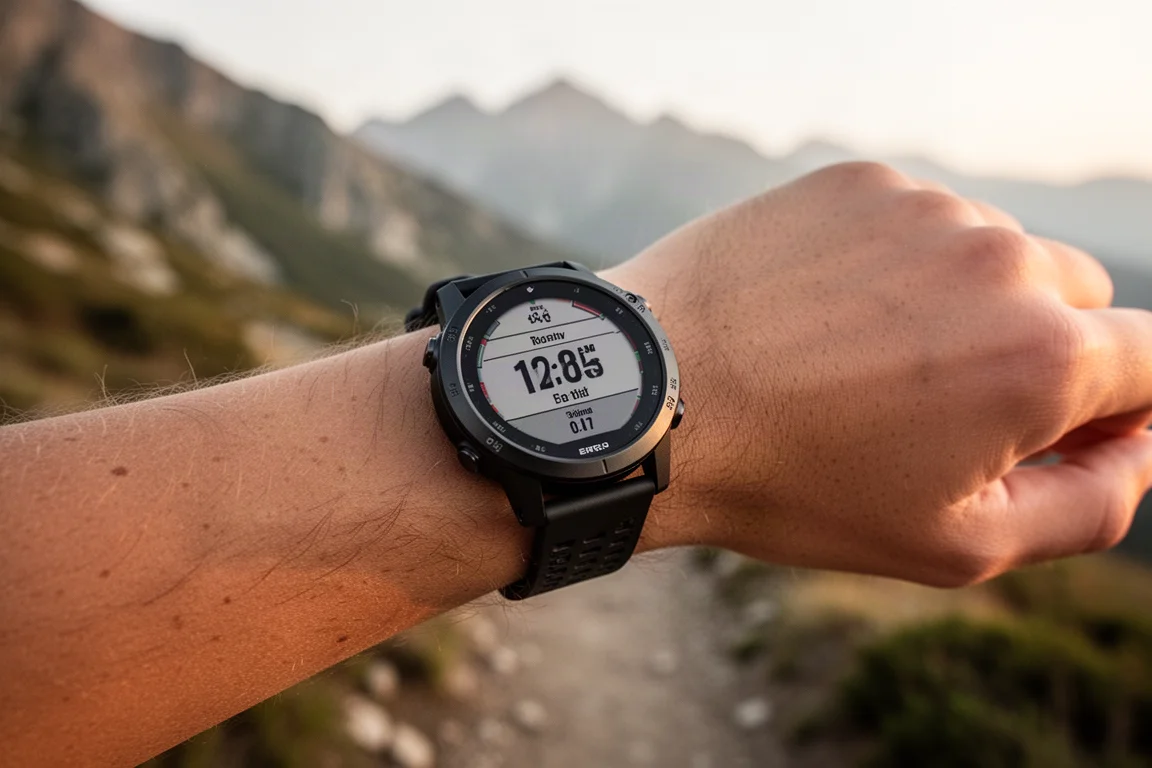
Factor in the bands and the gap widens further. The Fenix 8 Solar ships with a silicone band, while the Enduro 3 comes with Garmin’s UltraFit band, bringing the overall difference to around 30%. The UltraFit band is widely regarded as a comfort win for sports use; the only drawback is that it retains a bit of moisture after getting wet, though it dries out within about 15 to 20 minutes. Even with nearly the same case size, the Enduro 3 is the more comfortable watch overall, and interestingly, it is a large watch that does not feel large on the wrist.
Displays, Solar Charging, and Bezels
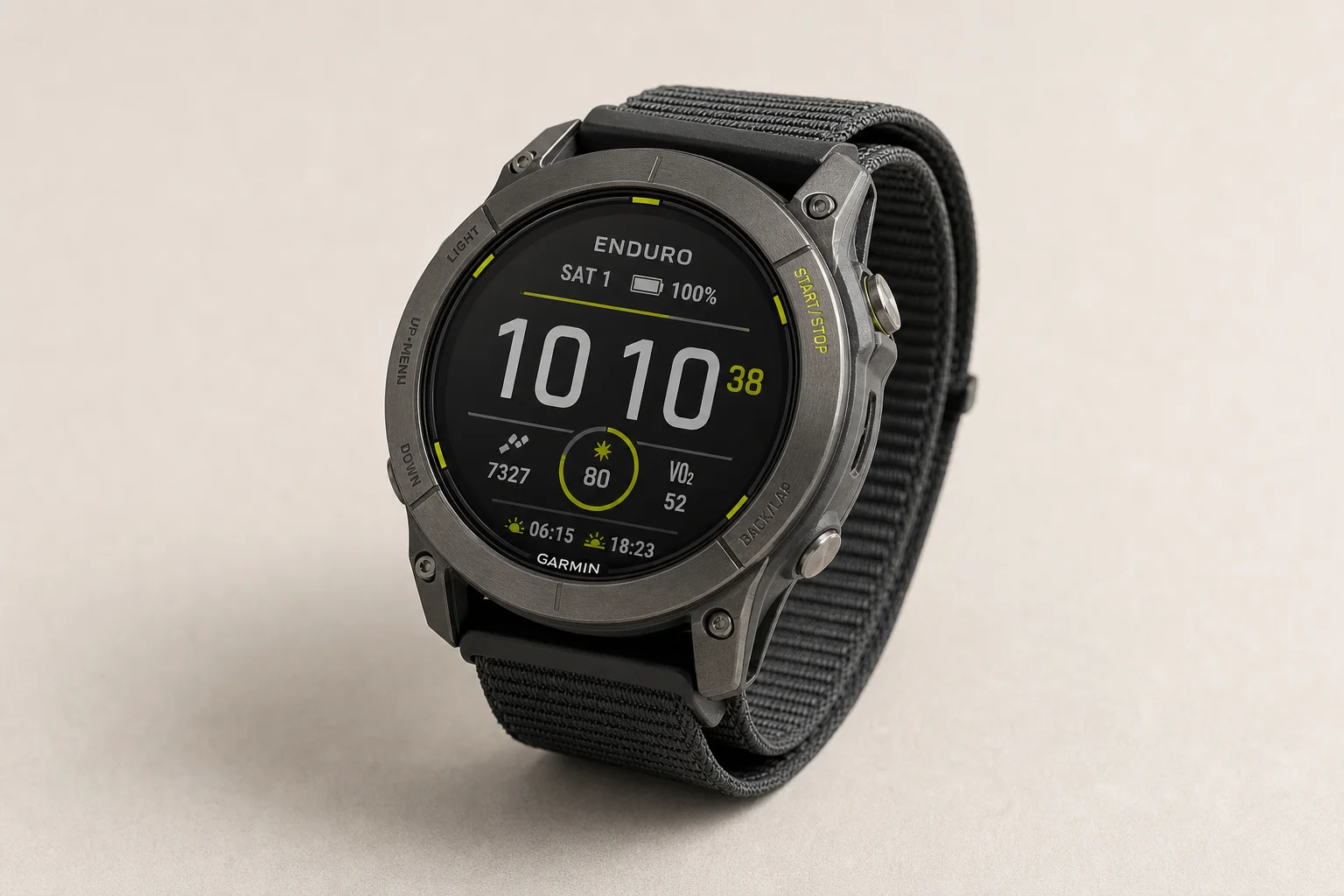
Both watches use the same 1.4-inch memory-in-pixel transflective display at 280 x 280 pixels, the more efficient counterpart to the display found on the Fenix 8 AMOLED. Both also feature Garmin’s latest solar charging technology, which is significantly more efficient than before and looks better too. The previous generation’s red-tinted solar panels are gone, replaced by panels that are essentially all black, blending into the case and display for a more seamless look.
Another change: the translucent layer on top of the display used on earlier versions has been dropped. That layer collected solar power at about 10% efficiency but slightly reduced display clarity. With the new, much more efficient solar ring, Garmin removed it, and the display does look clearer as a result.
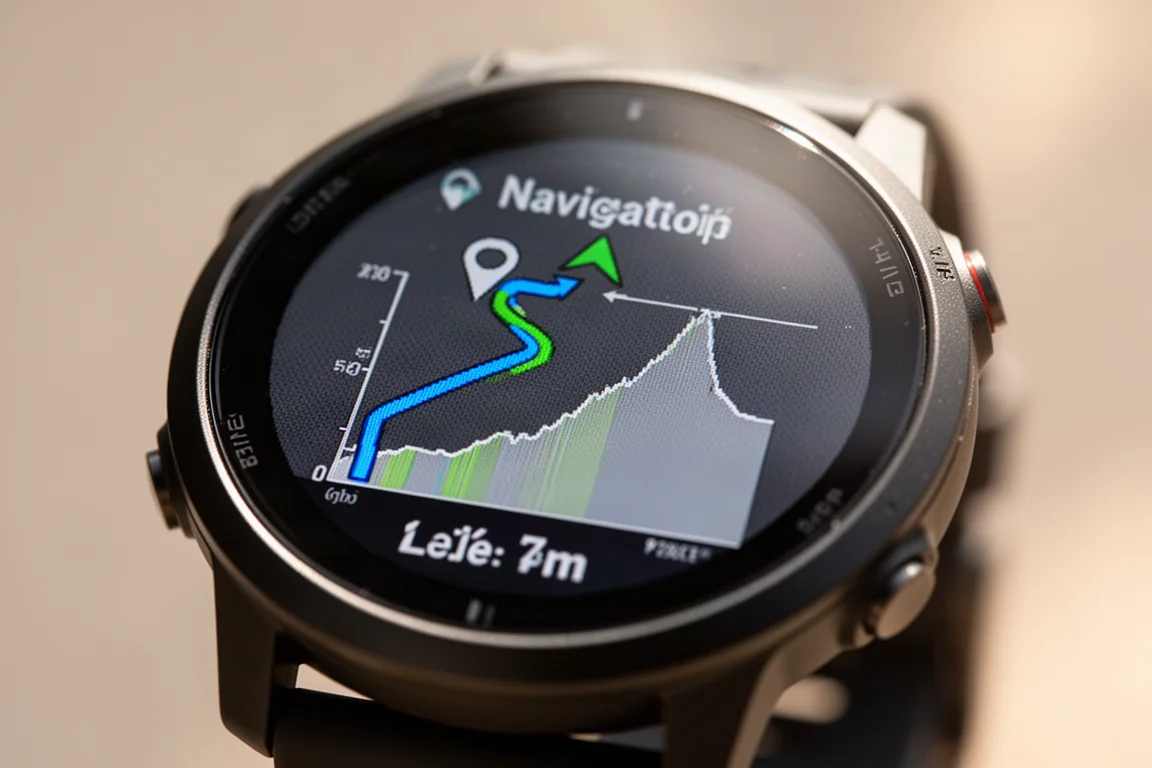
The key difference here is surface area. The Enduro 3’s solar charging ring has about double the surface area of the Fenix 8 Solar’s, achieved by shrinking the bezel. The bezel is still fully protective, with a lip shielding the display, but the trade-off was made deliberately to harvest more power from the sun.
Battery Life in the Real World
Both watches deliver great battery life even without solar assistance, with close to a month or more as a smartwatch, and both can record a two-plus day activity even in the highest-accuracy multiband mode. The Enduro 3, however, takes things several notches further. With its larger battery and larger solar panels, enough sun exposure can double, if not nearly triple, its smartwatch battery life, with gains across outdoor activity recording and potentially unlimited battery life in Expedition mode, a level previously seen only on Garmin’s Instinct lineup.

Real-world solar testing has its challenges, since sun exposure depends on your orientation, so comparisons were run in multiple ways: covered to establish a baseline, on separate wrists exposed to sun, and finally both watches on the same arm to equalize exposure. In that same-arm test, the Fenix 8 Solar managed about 75 hours of runtime on a ride, while the Enduro 3 reached about 112 hours, both within their claims. The takeaway is simple: both are excellent without sun, but the Enduro 3’s larger solar area makes a big difference when sun exposure is part of the picture.
Speaker, Microphone, and Smartwatch Features
This is where the Fenix 8 Solar pulls ahead. Its speaker and microphone unlock features the Enduro 3 simply does not have. You can take calls directly on the watch when your phone is in range, which proved genuinely useful when a phone was buried in a backpack mid-hike. The microphone also works with the voice assistant of your choice, whether on iPhone or Android.
Text handling differs by platform. On Android, both watches support predefined and custom replies through Garmin Connect. On iPhone, neither can send a regular iMessage reply since Apple restricts that to Apple Watch, but the Fenix 8 Solar’s microphone sidesteps this by leveraging Siri to send a text, conveniently accessible right from the message itself. On Android, Google Assistant can do the same.
Voice commands are another microphone perk: long-press the upper right button and say something like “set an alarm for 6 a.m.” Much faster than navigating menus. Common activities are quicker to start with buttons, but for rarely used activity profiles, voice wins. You can also record voice notes on the watch, complete with a geographic reference for where the note was taken.
On the speaker side, you can play stored music directly from the watch, though the quality is exactly what you would expect from a watch speaker. More usefully, the speaker provides distinct tones and chimes for calls, texts, activity start and save, and navigation turn alerts, which is friendlier than the Enduro 3’s single-tone beeper.
Dive Functionality and Button Design
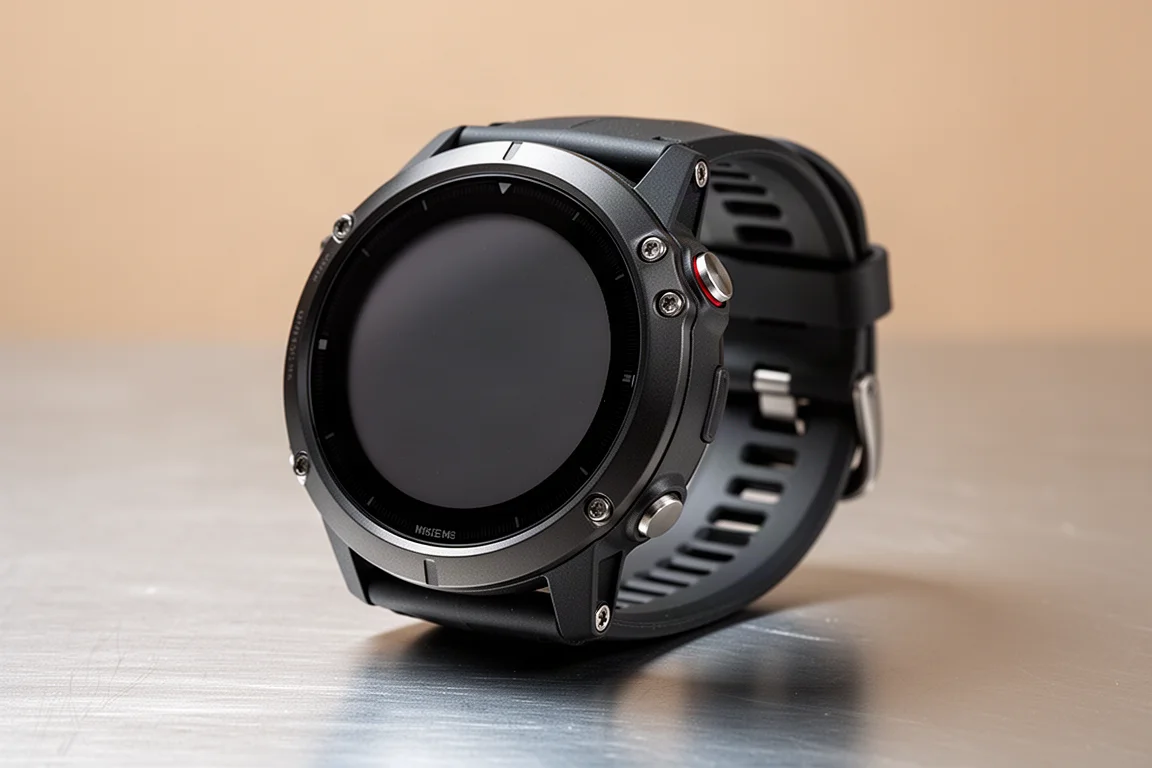
The Fenix 8 Solar adds dive functionality, tracking recreational scuba diving down to 40 meters, plus a free diving sport profile called apnea diving. Supporting this is a redesigned case with leak-proof buttons, fully sealed rather than relying on gaskets. The Enduro 3 still offers plenty of water resistance, but its gaskets could theoretically degrade over many years of repeated underwater button use. In practice, both have proven reliable.
One subtlety: the leak-proof buttons on the Fenix 8 feel different from any previous Garmin watch. The Enduro 3’s buttons have a positive, springy, almost clicky feel, while the Fenix 8’s can feel a little mushy by comparison. Not bad, just something that takes getting used to.

A few smaller differences round things out. Both watches include a flashlight with four brightness levels and a red mode, but the Enduro 3’s lens is slightly wider, likely to make room for the Fenix 8’s mic port, and the Fenix 8’s clearer lens makes its flashlight appear slightly brighter. The Enduro 3 ships with five watch faces shared with the Fenix 8, which adds two extra options of its own.
Which One Should You Buy?
Both watches get ridiculously good battery life, with the Enduro 3 delivering roughly 20% more across the board without solar charging. If you live somewhere sunny or adventure in the sun, the Enduro 3’s larger solar panel makes a considerable difference. When it comes to features, the Fenix 8 Solar is the clear winner, including everything the Enduro 3 offers plus the speaker, microphone, and dive functionality.
For wearability, the Enduro 3 takes the edge thanks to its lighter build and included UltraFit band, though you can always add an UltraFit band to the Fenix 8 Solar to lighten it up. Then there is price, arguably the biggest factor: $1,200 for the 51mm Fenix 8 Solar versus $900 for the Enduro 3. The Enduro 3 feels very well priced for what it delivers, while the Fenix 8 Solar is a bit of a stretch, unless the extra features are exactly what you need.
Conclusion
The Enduro 3 is the pick for runners, hikers, and ultramarathon-style athletes who value comfort and maximum battery life for less money. The Fenix 8 Solar is worth the premium if on-wrist calls, voice commands, speaker alerts, or dive functionality matter to you. Either way, both are extremely capable watches that will not leave you wanting for battery life.
Further reading
Related Reviews
Sports Watches
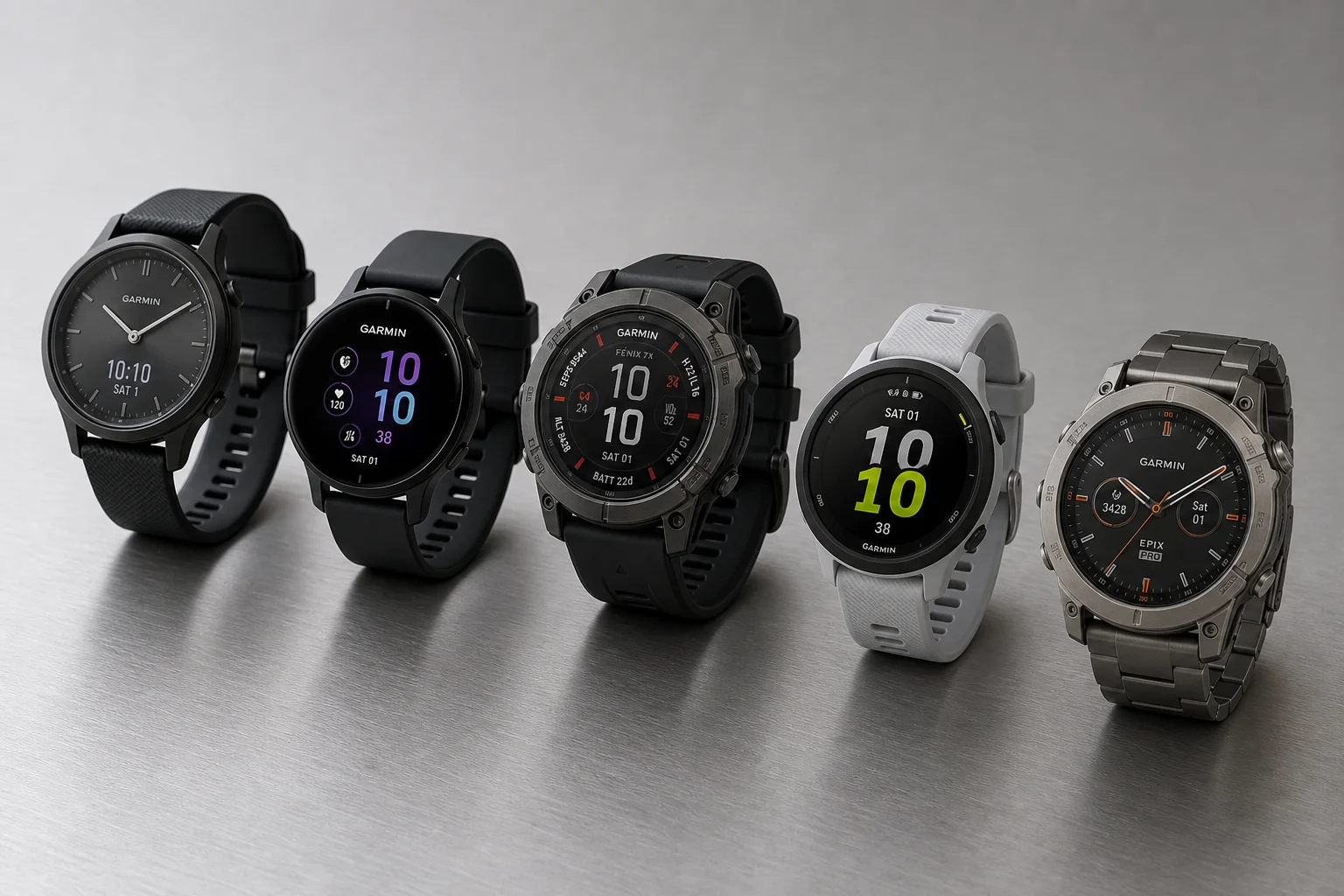
Garmin Sports Watch Guide: Finding the Right Model for Your Fitness Level
A comprehensive overview of Garmin's sports watch lineup, from casual fitness trackers to advanced multisport devices, helping you choose the right model for your needs and budget.
Sports Watches
Coros Pace Pro Review: A Complete Overhaul That Finally Feels Premium
Coros rebuilt the Pace Pro from the ground up with an AMOLED display, onboard maps, and a new heart rate sensor. Here is how it all holds up in real use.
Sports Watches
Polar Vantage M3 Review: The Sweet Spot in Polar's New Watch Lineup
A closer look at the Polar Vantage M3, which brings an AMOLED display, dual-frequency GPS, offline maps and the same software platform as Polar's flagship watches at a friendlier price.