GPS Sports Watches
Garmin Fenix 8 Pro vs Fenix 8: Early Verdict on Garmin's Biggest Pro Upgrade Yet
The Fenix 8 Pro adds LTE and satellite connectivity and a brighter display, but it costs more, runs thicker, and gives up a little battery life. Here is how it stacks up against the standard Fenix 8.
Introduction
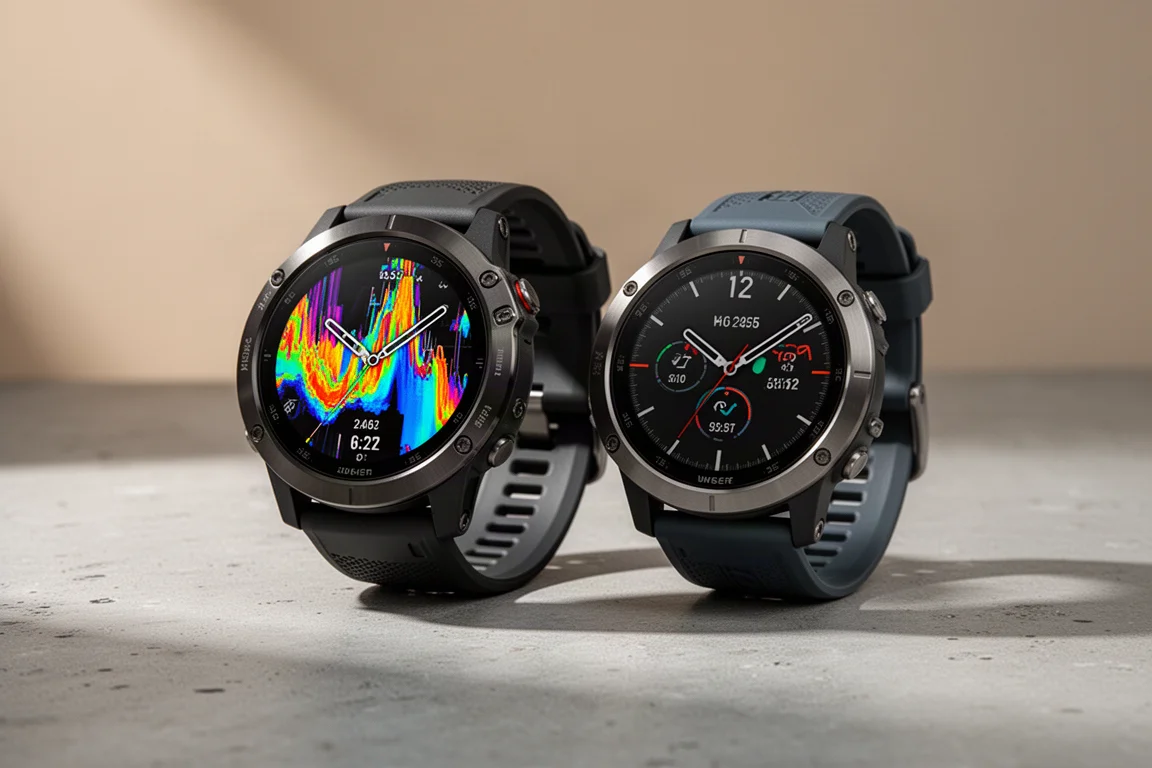
Garmin’s Fenix Pro models have usually been modest stops between major releases, but the Fenix 8 Pro breaks that pattern. This one arrives with genuine firsts for the Fenix line: LTE and satellite connectivity on the wrist, plus a notably brighter display. The question is whether those additions justify the higher price, the subscription fees, and a thicker case. After early testing time with the 47mm and 51mm AMOLED versions alongside the standard Fenix 8, here is how the two watches compare.
What Makes the Fenix 8 Pro Different
The big headline is built-in LTE and satellite connectivity. Once set up, you can make calls, send voice messages, send text messages, view weather, and send SOS messages directly from the watch, even without your phone nearby. This is not an entertainment feature set: there is no music streaming and no Connect IQ app store access over LTE. It is fundamentally a communication and safety tool.
Setup is a bit of a faff, with multiple apps and hoops to jump through, and the connectivity features require an added subscription on top of the watch’s already high price. SOS messages are not free either, which is a notable gap versus systems that include two years of free emergency SOS. On the watch itself, messaging and calling are easy to use mid-workout or otherwise, with canned texts you can send in a couple of taps and the option to create your own stock messages. The catch is that most communication runs through Garmin Messenger, so the people you want to reach need the app installed.
For the right user, this replaces carrying separate backup kit. Anyone who has taken an inReach on a solo long-distance adventure will appreciate having live tracking, daily check-ins, and SOS backup on one watch that also crosses borders seamlessly. It is best understood as a safety and check-in device rather than a daily comms replacement.

Design and Display: Brighter, But Bulkier
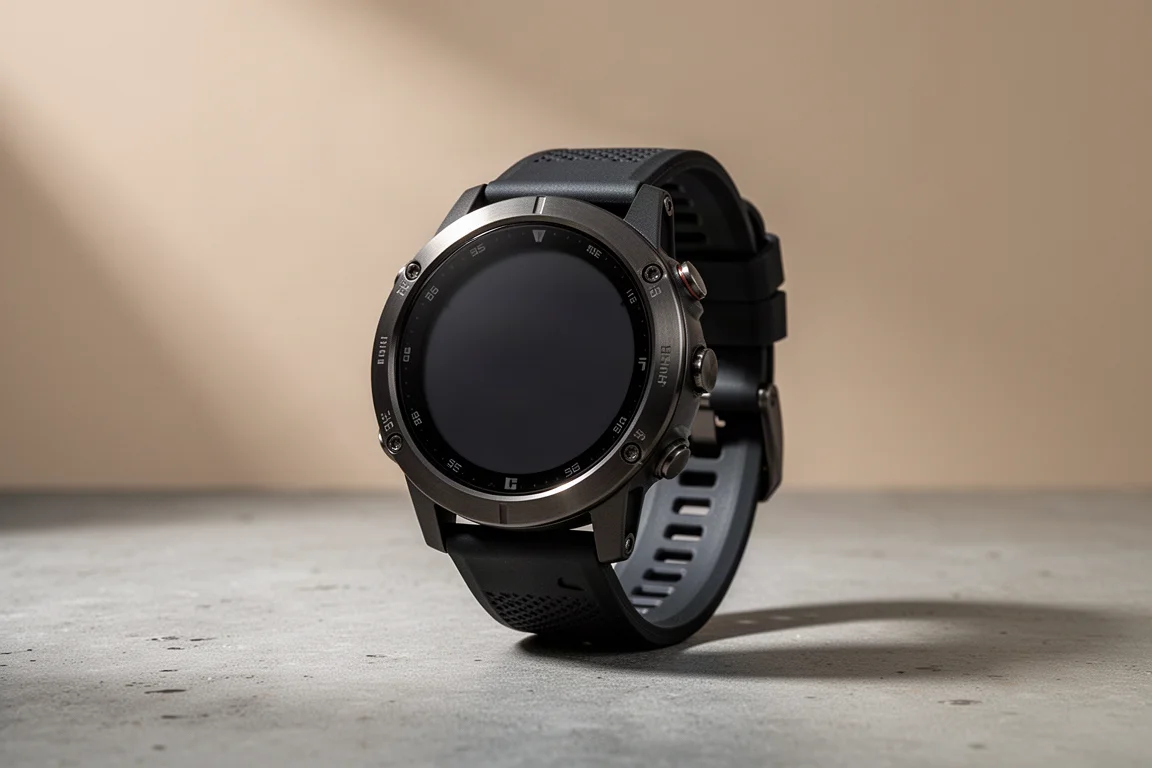
The display is the immediate upgrade. The AMOLED panel on the Fenix 8 Pro is noticeably brighter than the Fenix 8, more vibrant, sharp, and easier to read at angles mid-run, bringing it in line with the brighter screens Garmin has been rolling out elsewhere in its lineup. There is ample room for stats in classic Fenix style, and the buttons feel quicker and more responsive than those on the Fenix 8, which has grown slightly stiff over months of use.
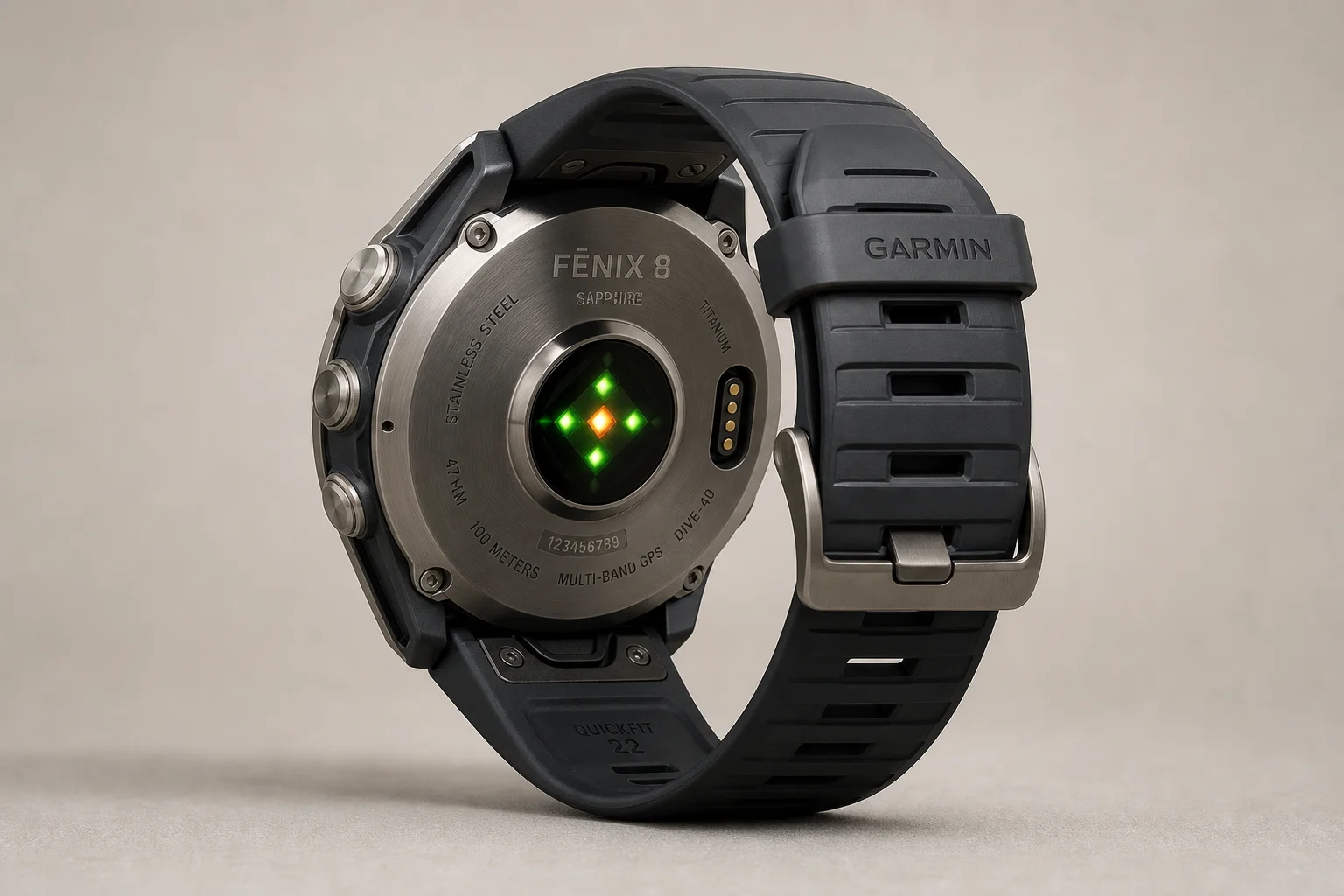
The trade-off is size. The Pro is thicker to house the extra connectivity tech, and while it is actually a couple of grams lighter than the 51mm Fenix 8 AMOLED on paper, it feels bulkier on the wrist. The Fenix 8 was already a large watch, and this is more so, with no smaller 43mm option available. The AMOLED Pro comes in 47mm and 51mm sizes, while the new microLED model is only offered in the largest 51mm case.
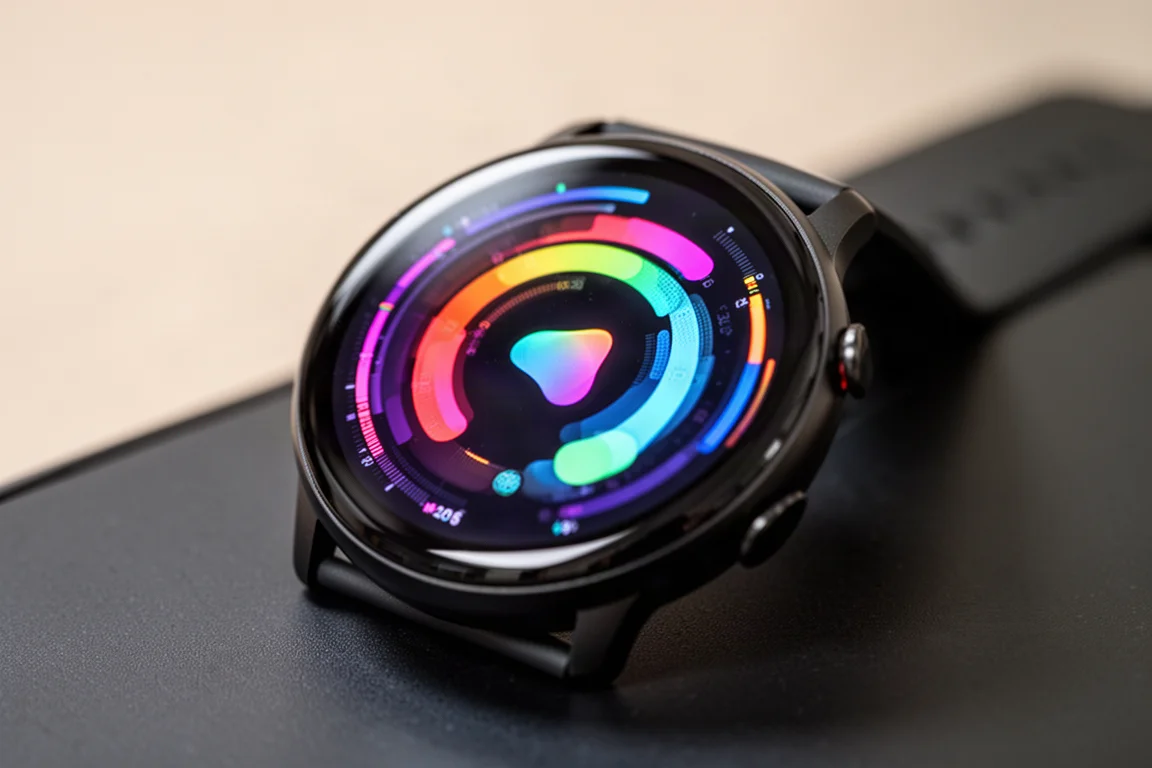
That microLED version promises an even brighter display, better viewing angles in bright outdoor conditions, and longer term benefits for battery performance and reduced screen degradation versus AMOLED, but it comes with a very high price tag as Garmin feels out the new technology.
Battery Life and Accuracy
Early testing shows a modest battery cost for the new features. In a side-by-side test with full brightness and always-on display enabled, 19 hours later the Fenix 8 Pro sat at 87% versus 90% on the Fenix 8, with roughly three and a half hours of GPS tracking included. A one-hour run in max accuracy mode burned 2% on the Pro versus 1% on the Fenix 8, which is roughly a 15% drop in max accuracy GPS mode. GPS-only mode was friendlier at just over 1% per hour, and overnight drain matched the Fenix 8 at around 2%, which is about as good as it gets for a GPS watch. Another tester’s one-hour run in forced multiband mode drained 5%, translating to around 20 hours of battery life, close to Garmin’s promised figures.
On accuracy, the news is solid. Optical heart rate showed typical wobbles against a chest strap during stop-start city runs, but averages matched closely, and the Pro had fewer wobbles than the Fenix 8 in one test. During track intervals, heart rate tracked a chest strap closely. GPS distances in max accuracy mode were nearly identical between the two watches, and GPS-only mode still stayed within an acceptable margin, though the tracks showed a few meanders versus the dual-frequency mode.
Compared Head to Head: Fenix 8 Pro vs Fenix 8
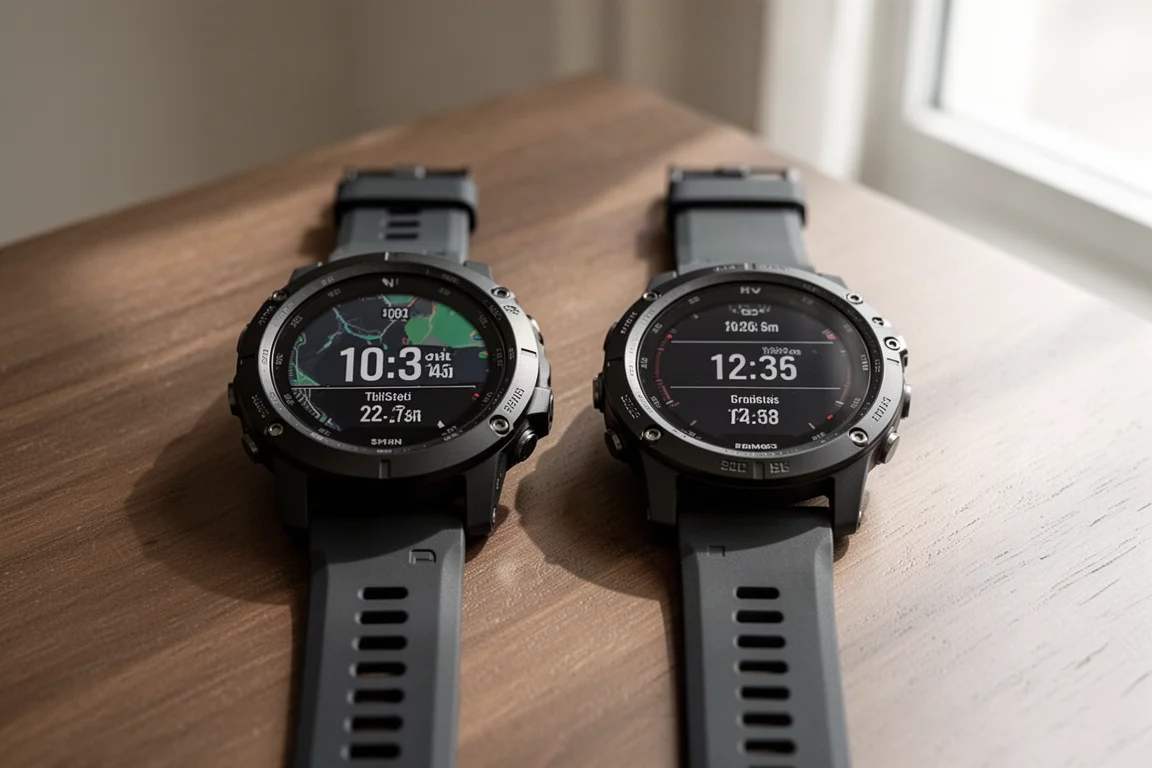
As a run tracking experience, the Fenix 8 Pro is not meaningfully better than the Fenix 8. It uses the same GPS and heart rate sensor technology, produces near-identical tracks and distances, and delivers the same strong sports, training, recovery, navigation, and daily health feature set. What you are paying extra for is the brighter display and the LTE and satellite connectivity.
Against that, the Fenix 8 is cheaper, thinner, lighter on the wrist, and holds a slight battery advantage in the most accurate GPS modes. Call quality on the Pro is loud but not super clear compared with other LTE smartwatches, and message delivery can feel a little slow, so the connectivity experience is good rather than flawless.
Buying Advice: Who Should Pick Which Watch
The Fenix 8 Pro makes the most sense for runners who regularly go off-grid, run without a phone, or would otherwise reach for an inReach device for safety backup. If staying reachable on big adventures matters, having that capability on the wrist is genuinely valuable, and the feature works as promised despite the setup friction.
For most runners, the standard Fenix 8 remains the smarter buy. It is easier to wear, cheaper, and delivers the core experience. If you want something lighter still, Garmin’s smaller 970 model offers much of the firepower most runners need in a more wearable package. And if the brighter screen and satellite connectivity do not move you, it may be a good time to hunt for deals on the Fenix 8.

Conclusion
The Fenix 8 Pro is a launch that makes sense. It is priced as a natural step up from the Fenix 8, bringing brighter display tech and first-of-their-kind LTE and satellite features to Garmin’s flagship line, backed by the same dependable run tracking and battery performance. But the premium is significant, the subscription adds more, and the thicker case is a real trade-off. Adventure-focused runners will love the safety net; everyone else should weigh carefully whether they need it, or simply pick up the still-excellent Fenix 8.
Further reading
Related Reviews
GPS Sports Watches
Polar Grit X2 Pro vs Vantage V3 vs COROS Vertix 2S: Which Flagship Adventure Watch Makes Sense
Polar's new flagship shares its internals with the Vantage V3 and goes up against the COROS Vertix 2S. Here is what two months of testing revealed about GPS, heart rate, navigation, and value.
GPS Sports Watches
Coros Apex 2 vs Garmin: Six GPS Sports Watches Worth Comparing
A practical look at the Coros Apex 2, Apex 2 Pro, Vertex 2, and three Garmin rivals, with what each does well and where the trade-offs sit.
GPS Sports Watches
Coros Apex 4 Hands-On: Titanium Build, Faster Mapping, and a Battery Built for the Mountains
A first look at the new Coros Apex 4 GPS sports watch, including its titanium construction, improved mapping, built-in speaker, and standout battery life.