GPS Running Watches
Garmin Fenix 8 First Impressions: AMOLED Arrives on the Flagship
The Fenix 8 brings a bright AMOLED display, speaker and microphone, leak-proof buttons and long battery life. Our early running take after days of testing.
Introduction
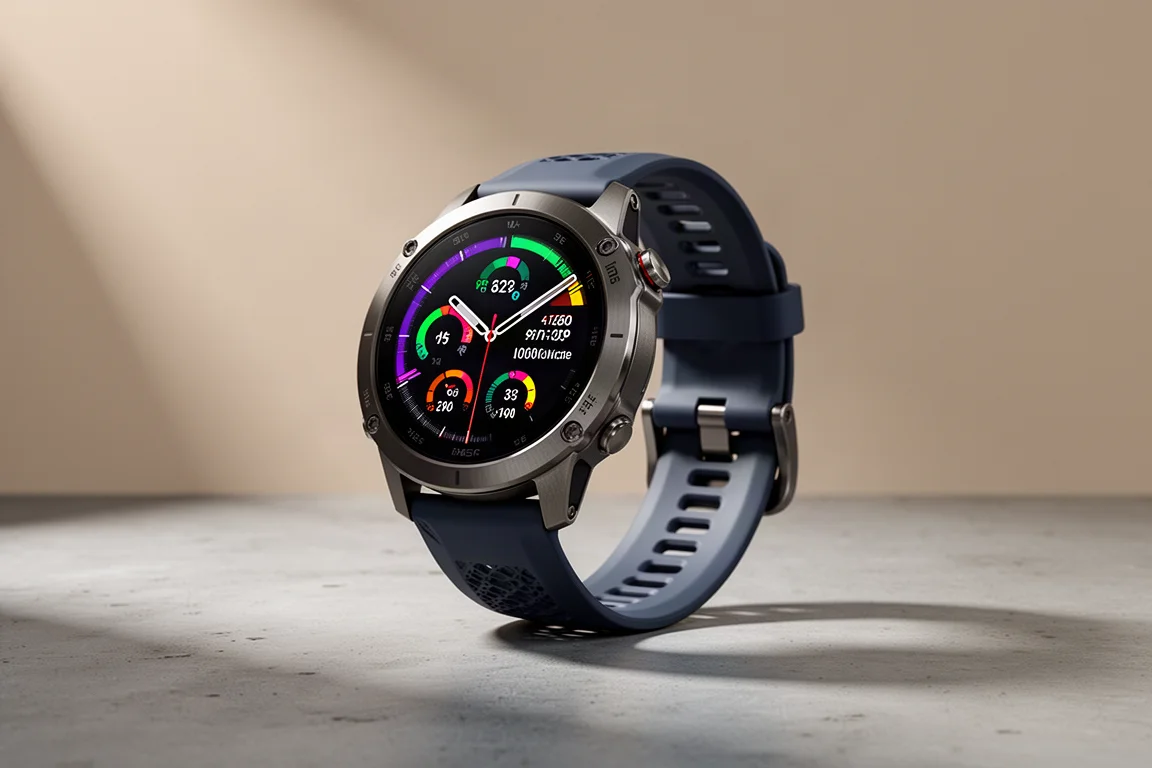
The Fenix 8 is Garmin’s new flagship multisport watch, and the headline change is a big one: AMOLED has finally made the jump from the Epix line to the Fenix name. That move also spells the end of the Epix as a separate product, with Garmin folding its bright-screen models into a clearer Fenix structure. Pricing starts from £949 or $999, and after a few days of running with the 51 mm AMOLED model, the overall picture is of a very strong top-tier watch that is nudging further in the smartwatch direction.
This is an early running take rather than a full verdict. Testing so far covers several runs, some GPS and heart rate comparisons against other watches and a chest strap, and a first look at the overhauled interface. Here is what stands out.
Design: Familiar Fenix, Smarter Details
Unmistakably a Fenix, the Fenix 8 keeps the big, rugged design the line is known for. The 51 mm AMOLED model is a heavy watch, particularly if you are coming from something smaller, and it is noticeably heavier than the Enduro 3 despite similar case sizes and materials. The titanium frame with orange accents looks great, and the new buttons have a pleasing, slightly sprung feel with a small vibration on press. They remain tactile and responsive, and they now support leak-proofing for recreational diving.
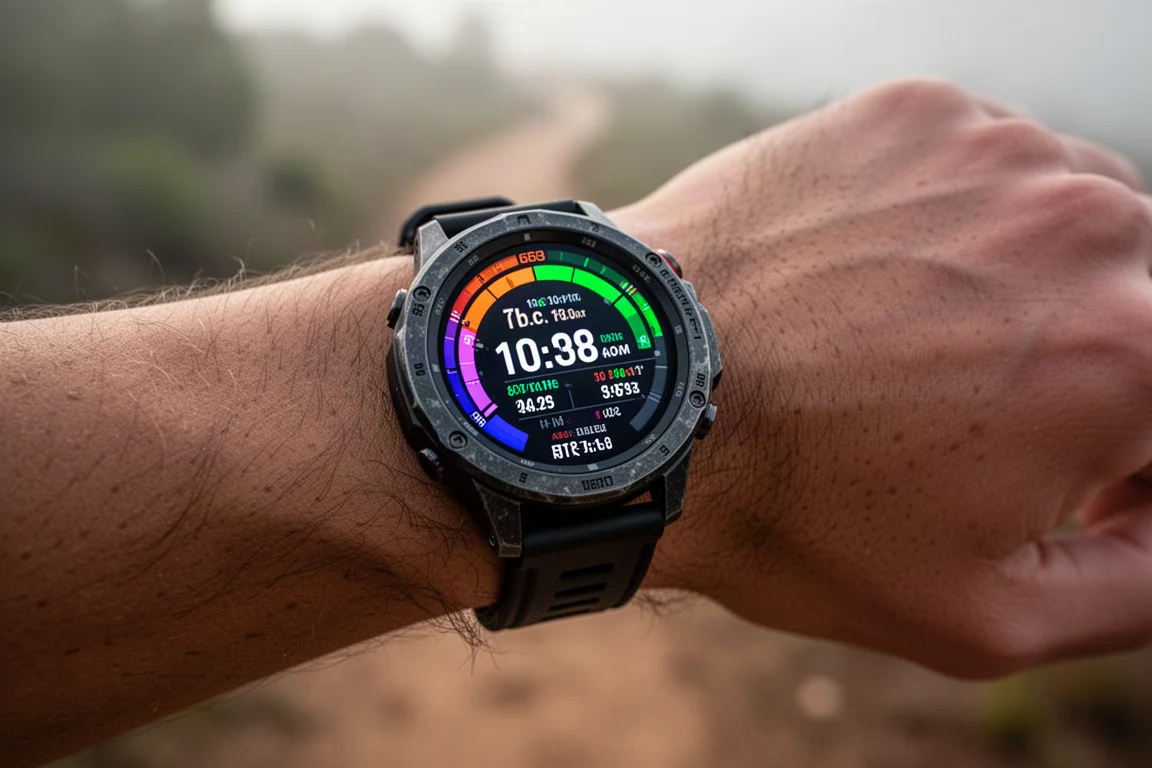
The AMOLED screen is excellent: bright, vibrant, accurate in color and very responsive to touch, with no lag when scrolling or tapping. Garmin has also added new watch faces with more customization options, which is a nice touch on a watch with this kind of display. The built-in flashlight returns too, now brighter and clearer with less tint.
New Features: Speaker, Microphone and Smarter Software
The biggest functional additions are the speaker and microphone. You can take calls over Bluetooth, talk to your phone’s smart assistant, and use phone-free voice commands to start tracking or check your heart rate. The voice commands are clever, though you have to tap through a few buttons to get there rather than summoning a wake word, so they are not always faster than doing things manually.
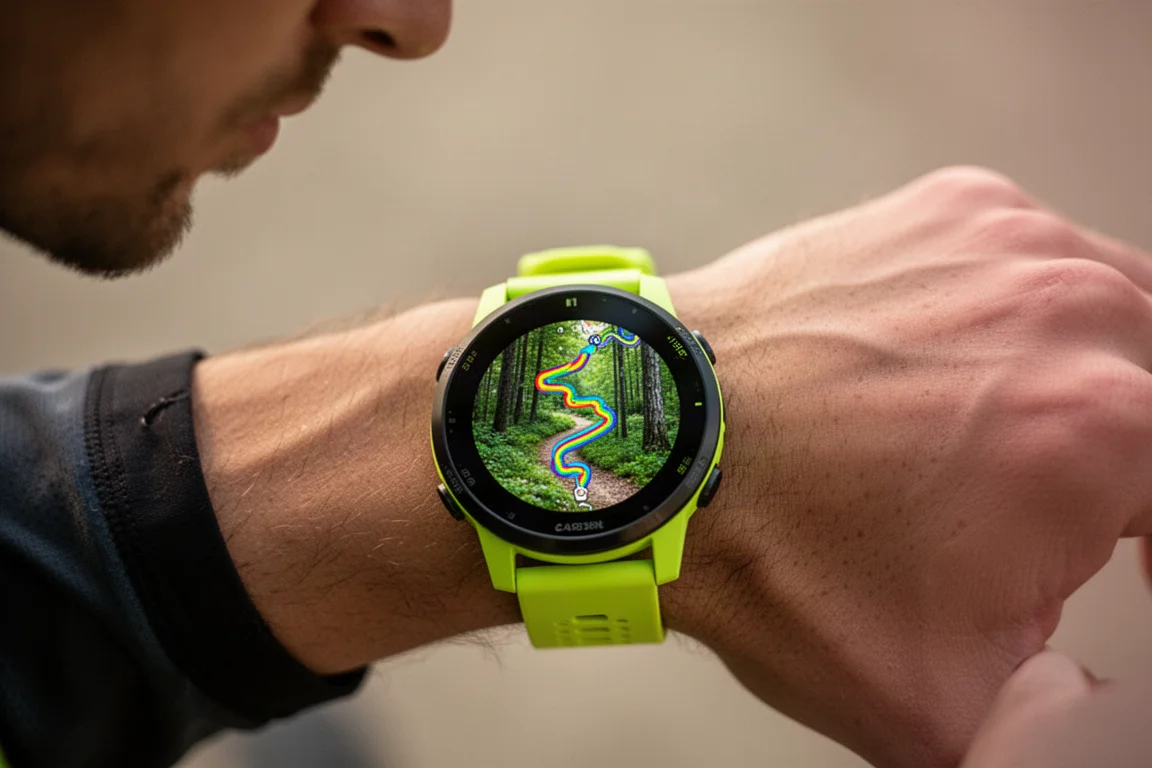
There is also a new voice notes feature, which can be geo-tagged. It is a genuinely fun addition for capturing those mid-run ideas you always think you will remember, though for now the notes can only be listened to on the watch and are not saved with your activity summary. Garmin has overhauled the user interface to declutter things and make mapping and navigation more glanceable, and there is a new dynamic roundtrip routing feature that adjusts created routes on the move if you need to change course abruptly. A temporary touch mode lets you switch the touchscreen on and off during workouts.
Not everything rolls back. Most of the new interface changes, mapping and navigation features are built on newer systems and will not be pushed to older Garmin watches, along with new strength training plans, activity-specific workouts for trail runners, and Garmin’s broader software additions.
The Interface Change We Are Not Sure About Yet
One design shift is dividing opinions: pressing the top-right button no longer takes you straight to your list of sport modes. Instead, you land on a screen with activities above a customizable list of shortcuts to maps, phone, music and other tools. That means an extra click to start a run, though it makes dipping into other features easier.
Swiping through data fields before you get moving, or reaching music controls, feels easier than before. But accessing workout, training and navigation features from that screen is less straightforward, and whether these changes are an improvement is something still being worked out.
Running Performance: Strong GPS, Familiar Optical Heart Rate
On the running side, the core tracking experience looks very good. Across several runs, GPS in multiband and auto select modes produced traces that matched up closely against other Garmin watches, with very similar distance and average pace readings, even through underpasses where everything struggles a little.
Optical heart rate is the usual story. On easy runs and a long hilly run, readings broadly matched a chest strap, and in one comparison the Fenix 8 actually tracked the strap more consistently than the Enduro 3. But on a demanding hill session with short, sharp efforts, the optical sensor missed much of the up-and-down detail that the chest strap captured clearly, and in another test the average heart rate readings lagged the strap with some dips visible on the graphs. As always, pairing an external sensor remains the reliable option for structured sessions.

Battery Life: Big Numbers, Early Days
Battery figures are the strongest part of the early picture. During a 2 hour 20 minute run, the 51 mm AMOLED model drained at roughly 2.67% per hour, which works out to around 37 and a half hours of multiband GPS tracking with the screen always on. That is remarkable for an AMOLED watch. In another session, a 90 minute run in normal mode burned 3%, and a 90 minute run in max accuracy mode also burned just 3%. Around two days of general use, including 3 hours of GPS running, consumed roughly 14%, with overnight drain of about 1 to 2%.
These numbers are early and taken with a pinch of salt until a few full charge cycles settle things down. But the overall impression matches the largest Epix Pro: a very long-lasting watch for an AMOLED device, and one that drains only modestly faster than the Enduro 3 in day-to-day use. Switching off the always-on display outside of runs should stretch it even further.
Fenix E and the Wider Lineup
Alongside the Fenix 8, Garmin has introduced the Fenix E at £749 or $799. It gets all the same software features but uses an older optical heart rate sensor, comes only in a 47 mm case, and lacks the leak-proof buttons, speaker and microphone. The Fenix E is a sensible compromise if you want the software without the premium hardware, and it sits at a price point comparable to the Apple Watch Ultra.
One other lineup note: the Fenix 8 comes in AMOLED and solar versions, with three case sizes for AMOLED but only 47 mm and 51 mm for solar. The missing smaller solar option comes down to the thickness the new solar charging technology would add.
Things to Consider Before Buying
The Fenix 8 is an expensive watch, and the honest question is whether the new extras justify the outlay over a previous Fenix or an Epix. If you specifically want the speaker and microphone, the dive-proofing, the brighter flashlight or the bigger case options, this is the one to get. If those features do not matter much, an older Epix Pro or even an Epix Gen 2, ideally in a multiband, larger-size version, still delivers a very strong AMOLED experience at a lower price, and the Forerunner 965 remains a solid non-rugged alternative with less battery life.
It is also worth remembering that many of the new interface and navigation features will not roll back to older watches, so buying the previous generation means missing out on those updates permanently.
Buying Advice
For runners who want the latest and greatest and are upgrading from an older Fenix, the Fenix 8 AMOLED is a natural, polished step up: a lovely screen, dependable GPS, long battery life and genuinely useful new voice features. For everyone else, patience and a sale on older models may be the smarter play, since much of the core experience carries over from what Garmin has offered for a while. If the speaker, microphone and dive-proofing are not on your must-have list, weigh the price carefully.
Conclusion
The Fenix 8 is another very strong top-of-the-line Garmin watch, with the AMOLED display being the change that punches up everything else: stats, maps and navigation all feel more alive. Early GPS accuracy and battery life look excellent, optical heart rate remains better on easy runs than hard sessions, and the interface changes will take some getting used to. A full verdict will need more testing time, but the early running is promising for anyone sold on the full package.
Product link
View more details for Garmin Fenix 8
This product is mentioned in the review. Check the specifications, options, and compatibility before buying.
View more details for Garmin Fenix 8Further reading
Related Reviews
GPS Running Watches
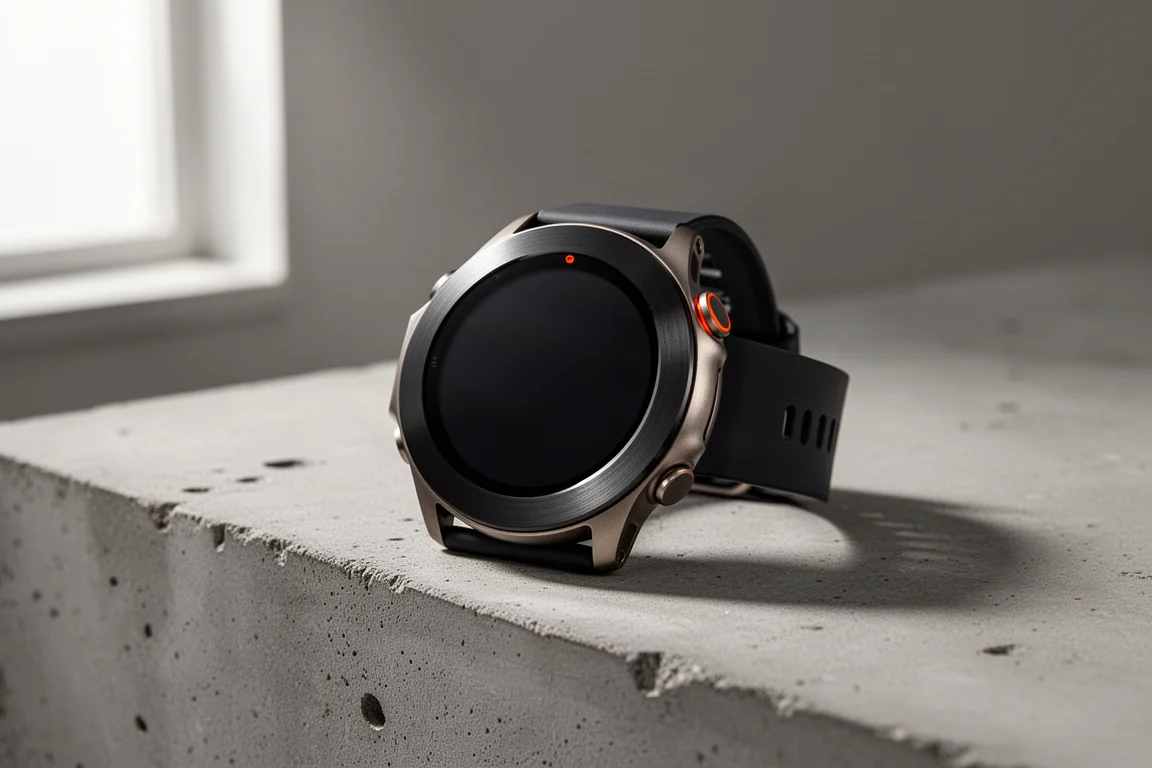
Huawei Watch GT Runner 2 Review: Bold Dual-Antenna GPS Promises, Mixed Real-World Results
A close look at the Huawei Watch GT Runner 2, a running watch built around a new dual-antenna floating GPS design that promises big accuracy gains, and how those claims hold up against a Garmin Forerunner 970 reference.
GPS Running Watches
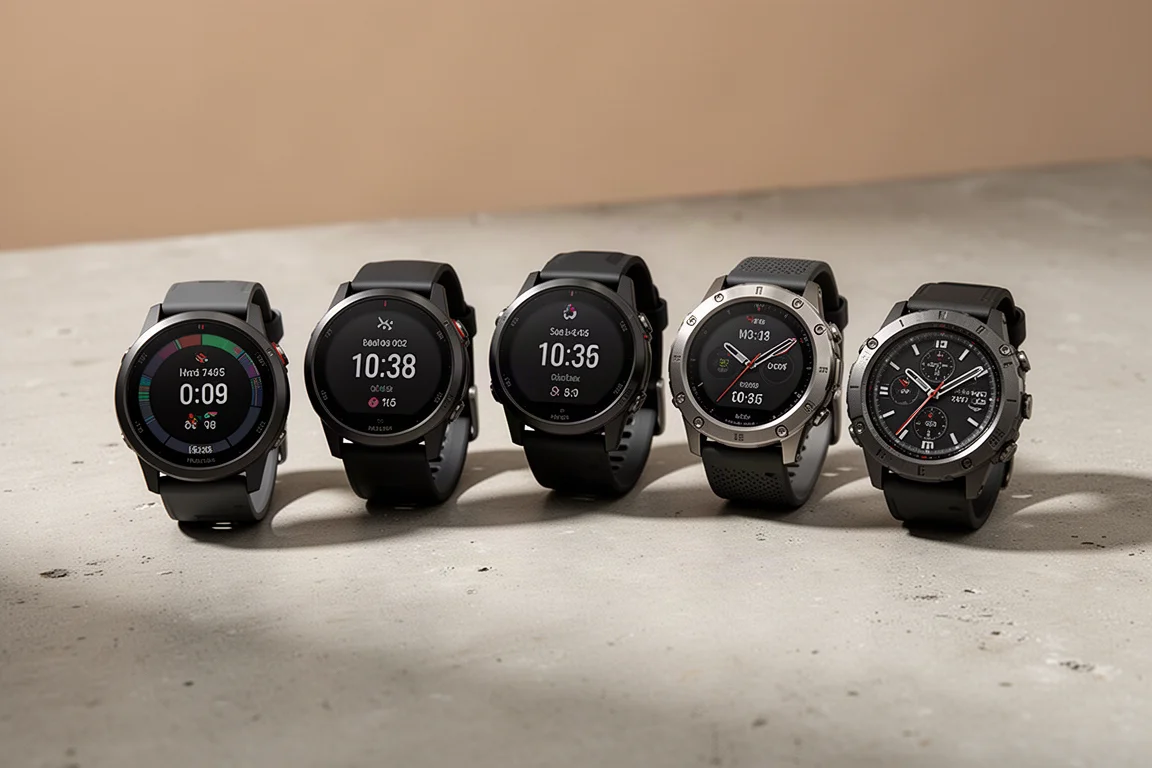
Garmin vs Coros Running Watches 2026: Which Brand Should You Buy?
A practical comparison of the current Garmin and Coros lineups, covering price, battery life, apps, health tracking, and where each brand clearly wins.
GPS Running Watches
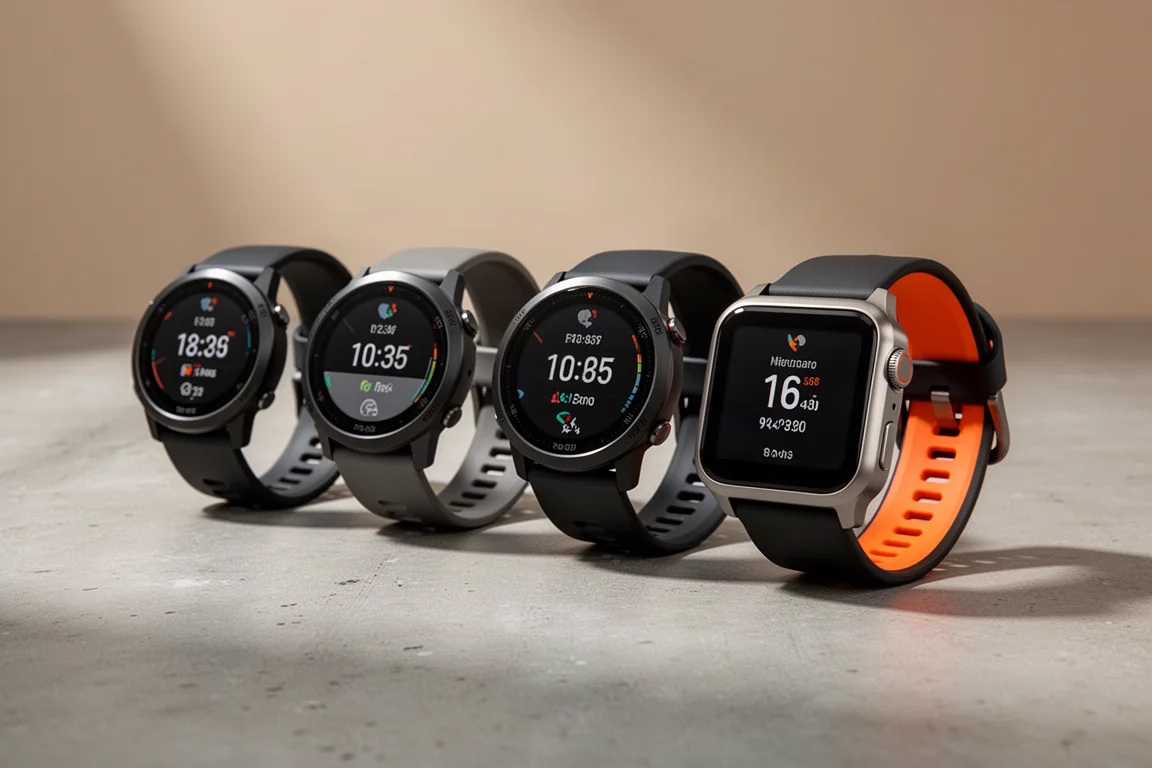
Best GPS Running Watch: Coros Pace 4 and Six Worthy Alternatives Compared
Seven GPS running watches, one tricky question: there is no single best watch, only the best watch for you. Here is how the Coros Pace 4 stacks up against its closest rivals.