Sports Watches
Garmin Fenix 8 AMOLED vs Epix Pro: Which Premium Sports Watch Makes More Sense?
Garmin's Fenix 8 AMOLED replaced the Epix Pro at the top of the range. We compare design, battery life, running accuracy and value to see which one is worth your money.
Introduction
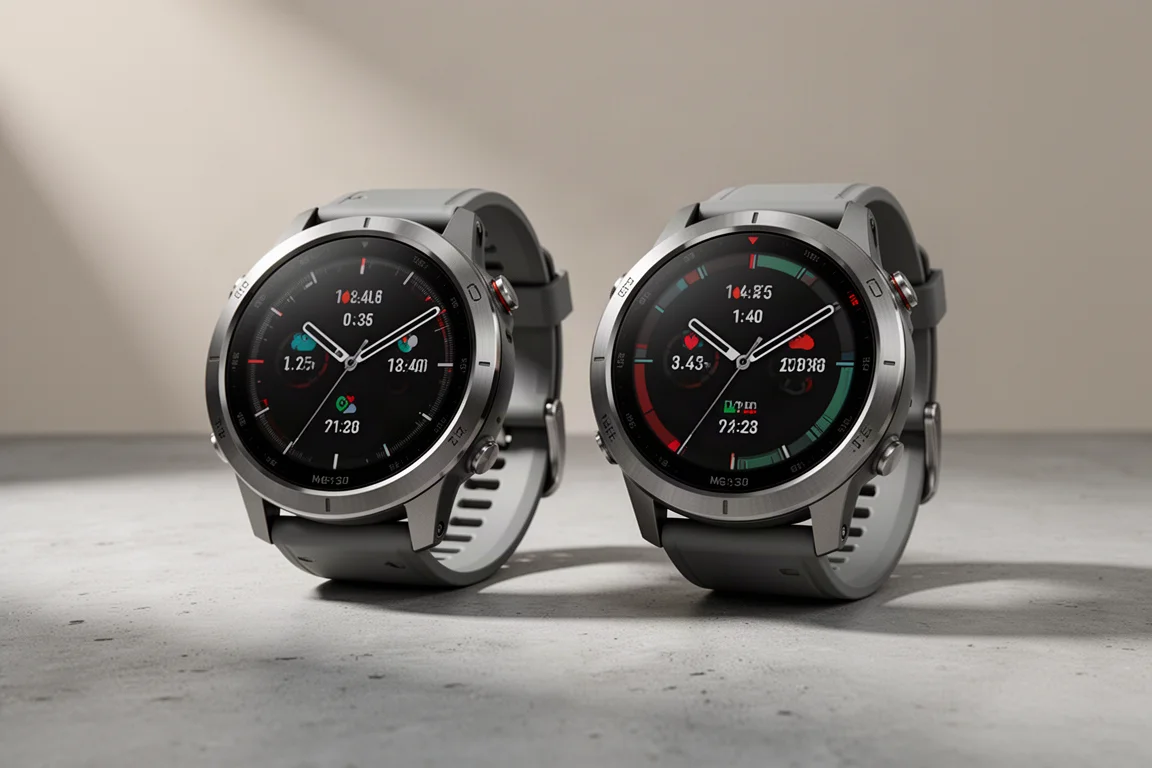
The Garmin Fenix 8 AMOLED arrived as the new flagship AMOLED sports watch in Garmin’s range, effectively replacing the Epix Pro, which had previously held that spot. With the Epix line now consolidated into the Fenix range, these two watches are closely related, and the Fenix 8 is essentially the newer version of the Epix Pro.
That raises a practical question: is it worth paying roughly £120 to £130, or about $100, more for the newer watch, or can you make a real saving by picking up the older Epix Pro instead? After extended use of both, the core experience turns out to be remarkably similar, but a handful of differences could tip your decision either way.
Design, Sizes and Build Differences
Both watches come in the same range of sizes, and both offer a cheaper steel option or a more expensive titanium version with a sapphire screen. There are some meaningful tweaks, though: the Fenix 8 is a little thinner than the Epix Pro, and Garmin enlarged the screens on the smaller models, with 1.3 inches on the smallest watch and 1.4 inches on the larger two, compared to 1.2 and 1.3 inches respectively on the Epix Pro.
Interestingly, despite being thinner, the Fenix 8 is heavier across the board, likely thanks to a new sensor guard and dive-proof construction. The Fenix 8 is rated for diving to 40 metres with dedicated dive modes including apnea diving, plus leak-proof buttons, none of which the Epix Pro offers.
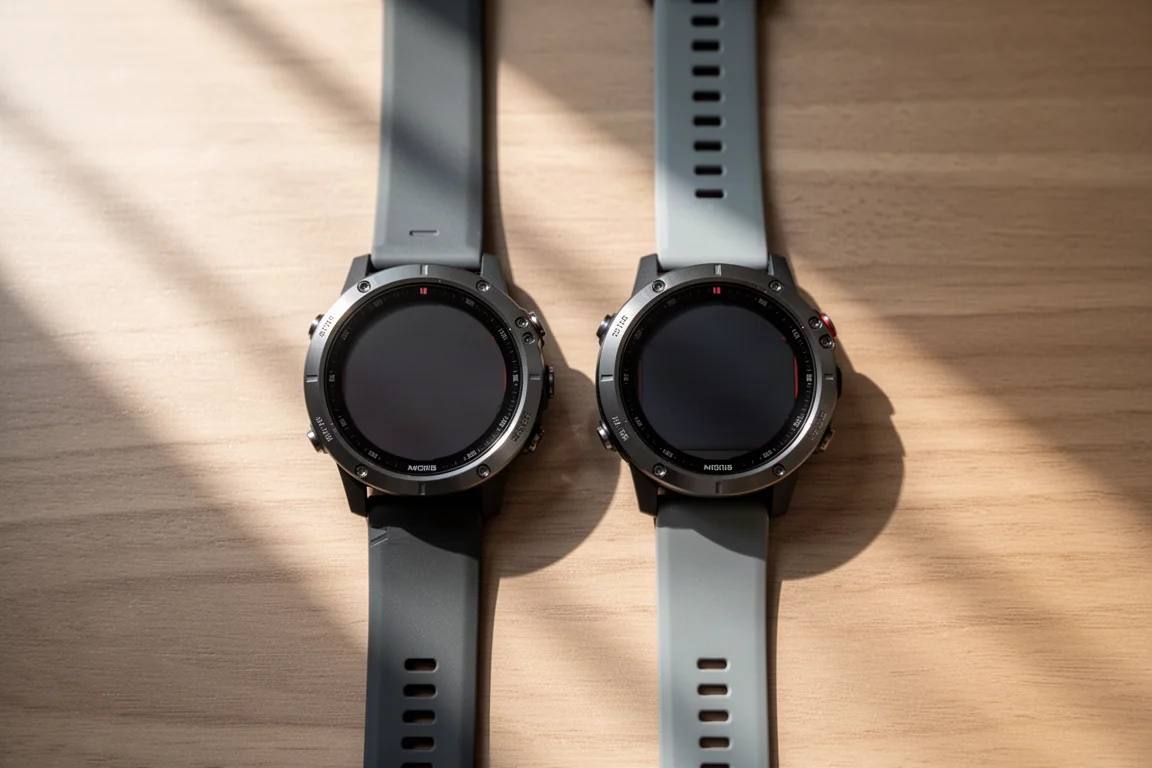
If you want the bigger screen without the bigger case, the Fenix 8’s middle size is the sweet spot: you get a 1.4-inch display, the same experience as Garmin’s largest watches, in a smaller body.
New Features on the Fenix 8 AMOLED
The headline additions are a microphone and speaker. You can take calls on the watch, give voice commands and record voice notes, features that first appeared on Garmin’s Venu line. It is a nice touch for some users, but not a transformative one for most runners.
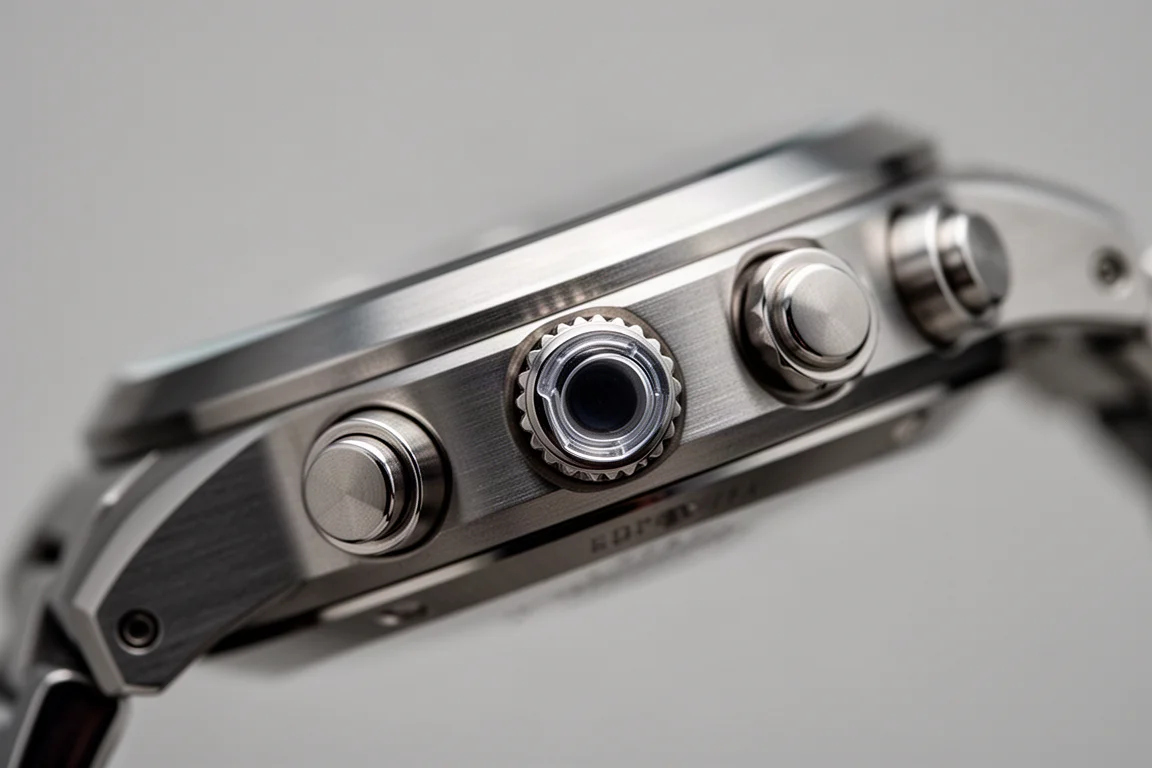
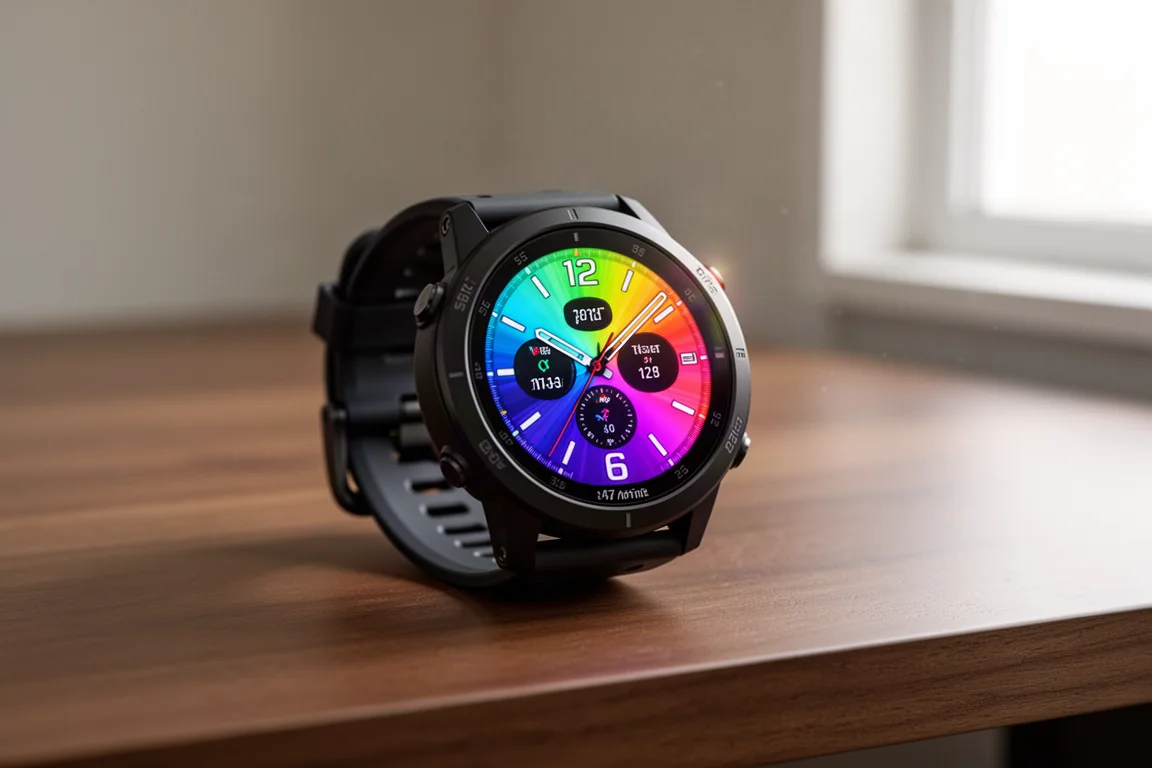
The Fenix 8 also debuts a refreshed user interface, along with new watch faces, giving it a slightly fresher feel that is not being rolled back to older watches like the Epix Pro. The leak-proof buttons are also genuinely pleasant to use, with a tactile press that many will prefer to Garmin’s standard buttons.
Running Experience and Accuracy
For the core running experience, these watches are nearly identical. Both carry Garmin’s latest Elevate Gen 5 heart rate sensor and multiband GPS, and both delivered excellent GPS accuracy when using auto-select or multiband mode. Heart rate readings were also impressively accurate on both, particularly in warmer weather, though neither was quite as consistent in cold conditions.
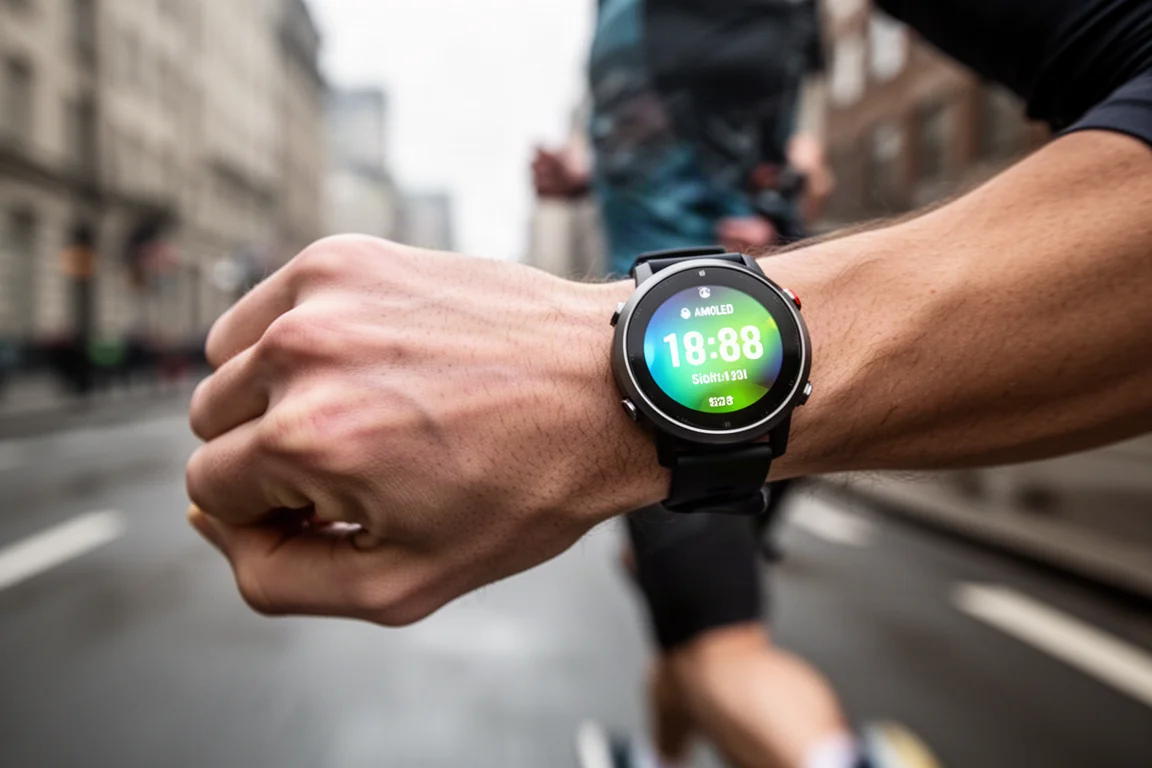
Both are outstanding running watches, among the very best on the market, with the same training analysis, music and maps. The differences on a run are minimal, and if you are a pure runner without a clear need for the mic, speaker or dive proofing, the Epix Pro gives you the same essential package.
Battery Life: The Clearest Upgrade
Battery life is where the Fenix 8 genuinely pulls ahead, especially on the larger models. With the screen always on and daily running, the 51mm Epix Pro lasted around 9 to 10 days per charge, while the 51mm Fenix 8 managed 12 to 13 days. That is a substantial boost for an always-on AMOLED watch.
The gap narrows on the smaller models, where overall battery life is shorter, but you still get an uptick with the new generation. It is one of two upgrades, along with the larger screens on smaller watches, that most people would genuinely appreciate.
Which Should You Buy?
If you are a runner without a specific use case for the microphone, speaker or dive features, the Epix Pro is the better value pick. You get the same accuracy, training tools, music and maps, and as the older model it is more likely to appear in sales, especially around Black Friday.
One particularly smart play: a titanium Epix Pro with its sapphire screen can often be found for the price of a steel Fenix 8, giving you lighter weight and a stronger screen for less money. That materials upgrade arguably matters more than owning the newest model. If you want the absolute best sports watch available and do not mind paying more for it, the Fenix 8 AMOLED is hard to beat, but the Epix Pro remains an excellent watch worth hunting down at a discount.
Conclusion
The Fenix 8 AMOLED is the stronger watch on paper, with a refreshed interface, better battery life, bigger screens on smaller models, a mic and speaker, and dive proofing. But for most runners, the Epix Pro delivers the same outstanding core experience at a meaningfully lower price. Buy the Fenix 8 if the new features matter to you; otherwise, look for an Epix Pro deal and enjoy the savings.
Further reading
Related Reviews
Sports Watches
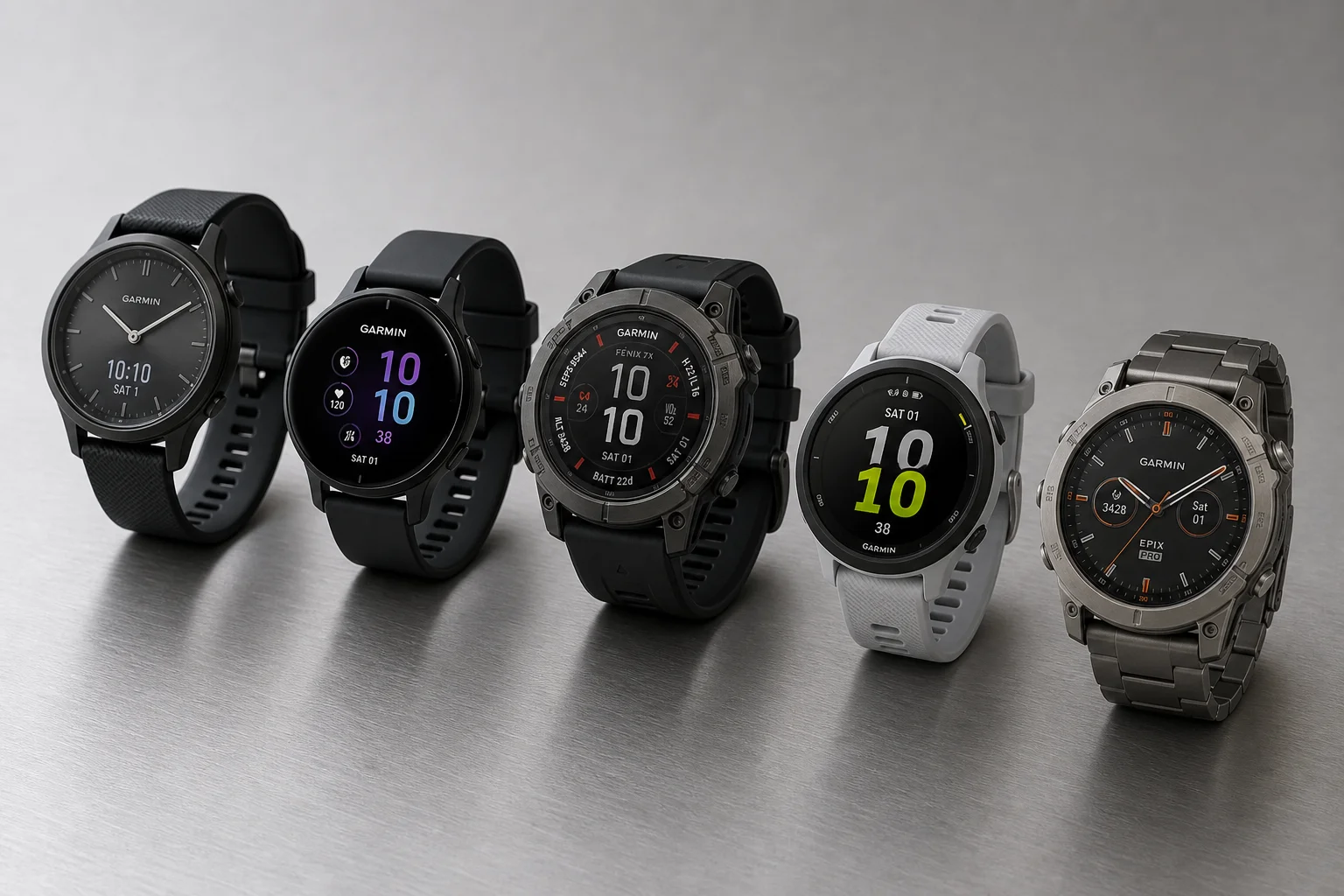
Garmin Sports Watch Guide: Finding the Right Model for Your Fitness Level
A comprehensive overview of Garmin's sports watch lineup, from casual fitness trackers to advanced multisport devices, helping you choose the right model for your needs and budget.
Sports Watches
Coros Pace Pro Review: A Complete Overhaul That Finally Feels Premium
Coros rebuilt the Pace Pro from the ground up with an AMOLED display, onboard maps, and a new heart rate sensor. Here is how it all holds up in real use.
Sports Watches
Polar Vantage M3 Review: The Sweet Spot in Polar's New Watch Lineup
A closer look at the Polar Vantage M3, which brings an AMOLED display, dual-frequency GPS, offline maps and the same software platform as Polar's flagship watches at a friendlier price.