Sports Watches
Garmin Fenix 8 51mm AMOLED vs Fenix 7 Pro, Enduro 3, Epix Pro and Apple Watch Ultra 2
The Fenix 8 51mm AMOLED is the most capable running watch Garmin sells, but with a $999 starting price the alternatives deserve a close look.
Introduction
The Garmin Fenix 8 51mm AMOLED sits at the top of Garmin’s running and outdoor navigation lineup, and after months of testing against the Fenix 7 Pro, Enduro 3, Epix Pro and Apple Watch Ultra 2, it’s clear Garmin has built its most complete sports watch yet. The question is whether that completeness justifies the price.
The Fenix 8 starts at $999 in the US or £949 in the UK, a significant jump over the Fenix 7 Pro, which starts at $649. The Epix Pro, which the Fenix 8 line effectively replaces, sits at £829 or around $999, making it cheaper than the Fenix 8 in the UK. Those numbers matter, because several of the watches it competes with deliver a very similar core experience for less money.
Design and Display
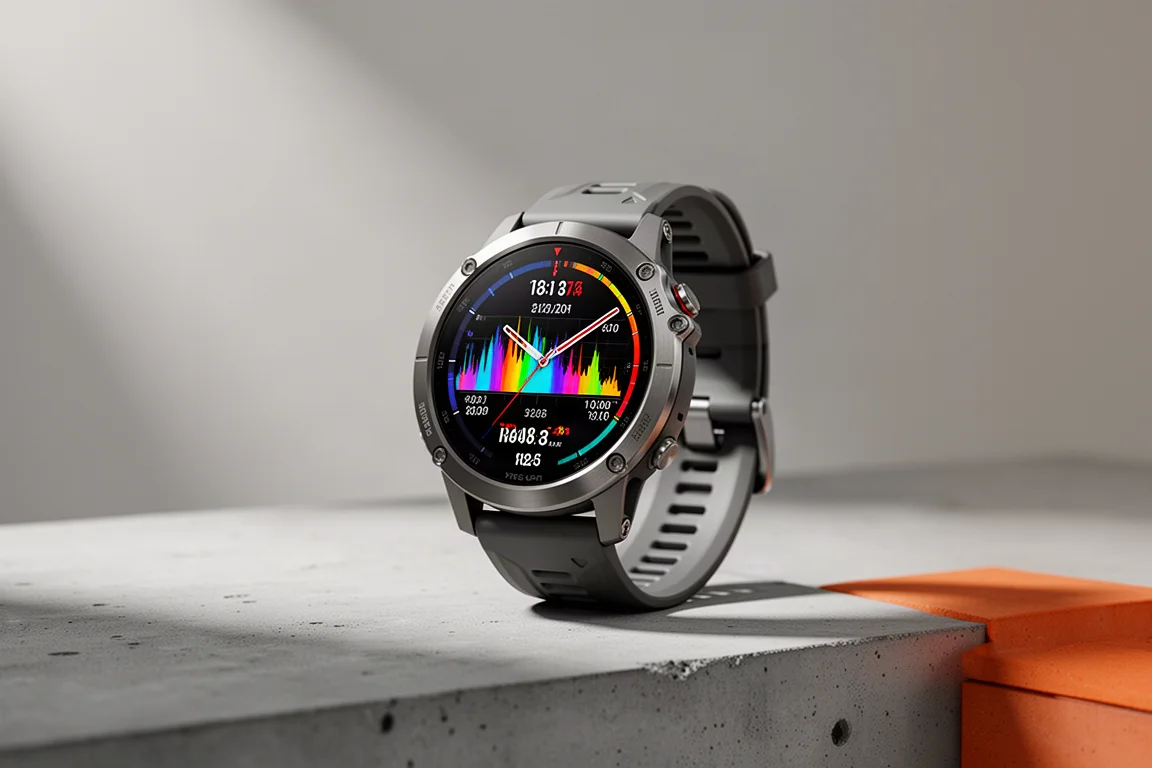
Straight out of the box, the Fenix 8 AMOLED is a great-looking watch: big, rugged, shiny and classically Fenix. The silver titanium frame with orange accents on the strap and buttons works well, and while the 51mm case is heavy, it’s classic Fenix territory. With a nylon band it wears comfortably enough, even on slimmer wrists, though it’s not the easiest watch to sleep in or pair with dress shirts.
The AMOLED touchscreen is the headline. It’s stunning, brilliantly responsive and easy to read in all conditions, with raise-to-wake bringing the screen to life quickly. Crucially, you can switch off always-on mode to stretch battery life without losing much usability. Compared side by side with the Enduro 3’s MIP display during an ultra, following routes on the Fenix 8’s big bright screen was noticeably easier. Garmin has also introduced new leak-proof buttons suited for recreational diving, and a brighter, clearer flashlight than previous Fenix models.
Tracking Accuracy: GPS and Heart Rate
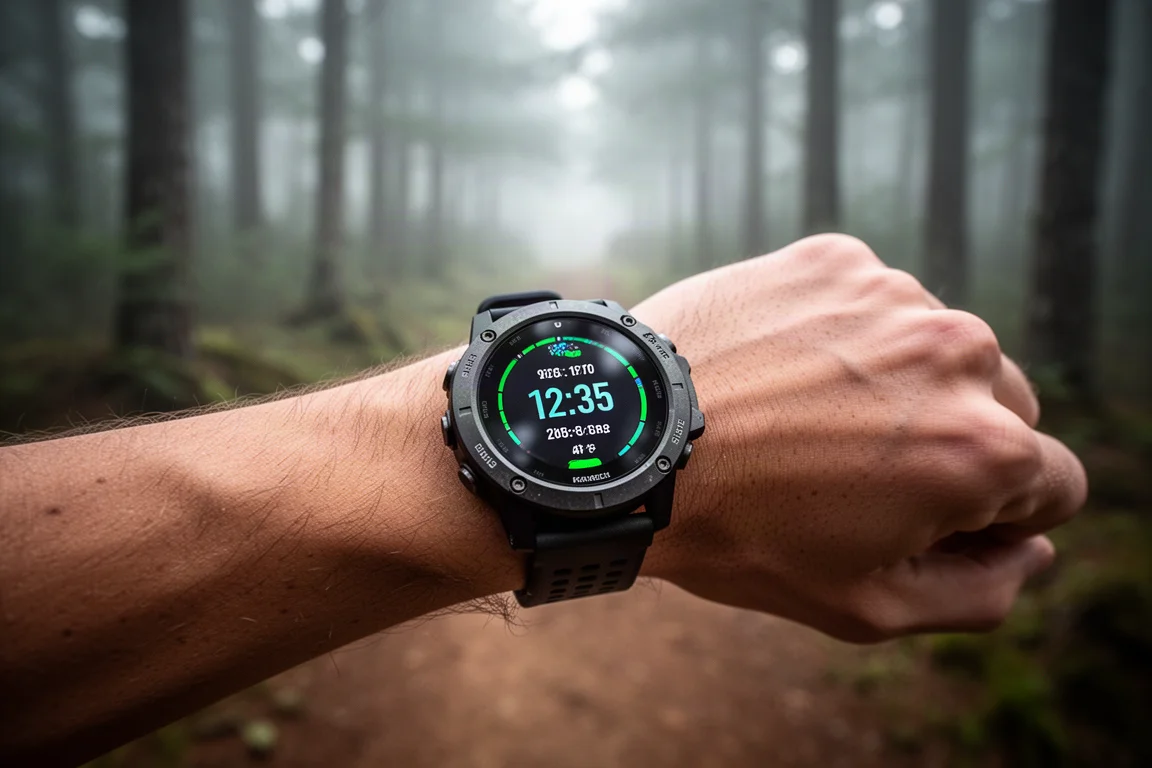
Across everything from city 5Ks to a tree-covered marathon and an ultra in the Lake District, GPS proved reliable though not infallible. Routes lock on as well as any watch tested, with only a few wobbles under heavy tree cover. Total distances landed well within the margin of error, and real-time pace held up well on official race routes.
Heart rate is solid for easy and steady efforts, though it isn’t perfect. For interval-focused heart rate training or racing insights, a chest strap like a Polar H10 still gets the most from the data. One tester who paired the watch with an external sensor for six weeks described the built-in optical readings as spot-on overall, with only small lag during sharp intervals, and noted optical sensors typically struggle more in colder months.
Navigation and Mapping
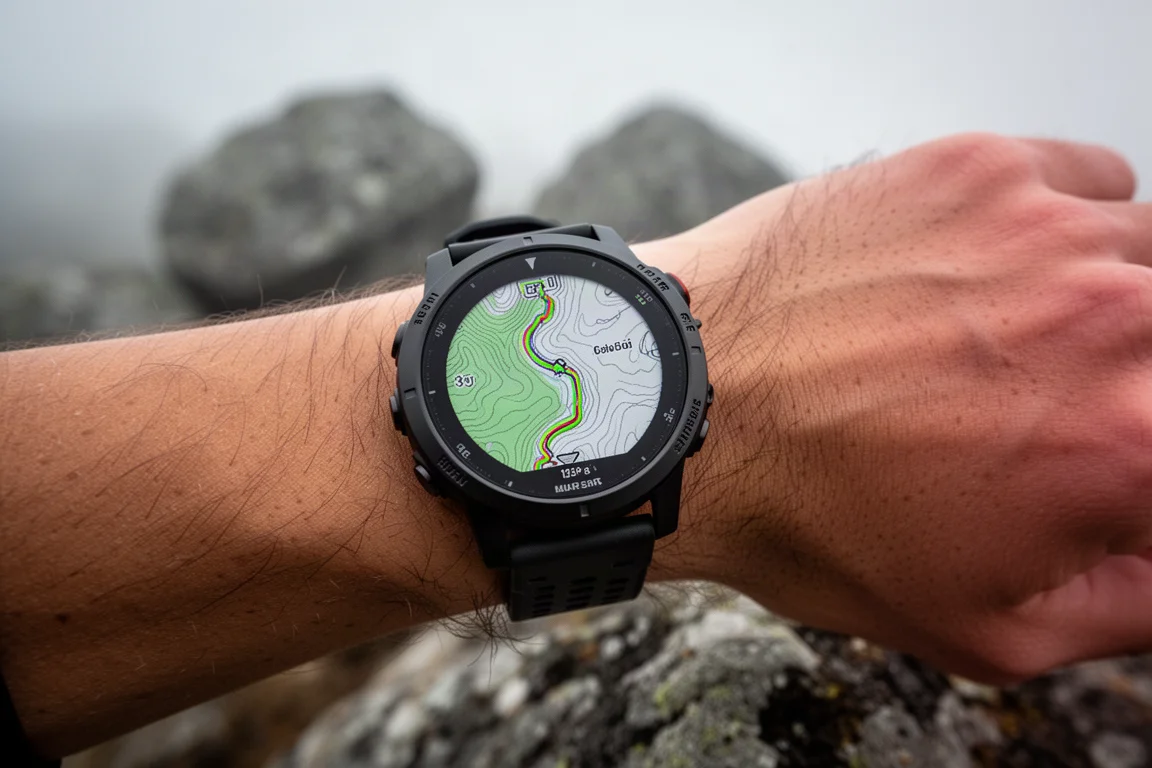
The Fenix 8 is arguably the best running navigation tool in the business. Alongside routeable offline maps, next-fork routing, backtrack and time-to-destination estimates, you now get customizable map layers and Dynamic Round Trip Routing for when you need to change course abruptly. ClimbPro remains a standout, showing the climbs remaining on a loaded route, the profile of the current climb and the distance to the summit.
During an ultra in the Lake District, the big bright screen made a real difference over the Enduro 3’s display, and the off-course alerts saved the route more than once on race day.
Battery Life and Real-World Performance
Battery life is where the Fenix 8 genuinely surprises for an AMOLED watch. Overnight burn with raise-to-wake enabled averaged just 1 to 2 percent, only slightly higher than the Enduro 3. Over 24 hours with no GPS use, the Fenix 8 dropped 8 percent against the Enduro 3’s 3 percent. A 90-minute run in normal power mode with the screen always on burned 3 percent, and a 3-hour marathon in max accuracy mode burned 6 percent. During an 8-hour ultra with a watch face, music and the always-on screen running, the Fenix 8 burned 15 percent against the Enduro 3’s 14 percent.
In general use with the always-on display off, the watch delivered 15 days alongside roughly eight hours of GPS run time before needing a charge. Another tester logged 12 to 13 days with heavy use, always-on enabled and daily runs of an hour or more, slightly better than the roughly 10 days they got from the Epix Pro. The Enduro 3 still lasts meaningfully longer, but for an AMOLED watch this effectively removes battery anxiety.

Smartwatch Features and New Tools
The Fenix 8 is the first Fenix to add a speaker and microphone, letting you take calls, talk to your phone’s assistant, control the watch by voice and record geotagged voice notes. Voice notes are a genuinely fun addition for capturing ideas mid-ultra, though voice activation requires a few button presses rather than a simple wake phrase. The new software platform brings a temporary touchscreen mode and a redesigned interface, and importantly it cannot be rolled back to older Fenix models.
Garmin has also added strength training plans and programs designed to complement running performance, which feels like a step in the right direction. It’s not an impeccable strength training watch, but building structured strength work into the weekly routine is a welcome move.
It’s worth being honest about limits here: outside of run tracking, the Fenix is still nowhere near as capable as mainstream smartwatches, and there’s no LTE to make the voice features standalone. Compared with the Apple Watch Ultra 2, daily-life tools and third-party app selection on Garmin remain a way off, though Apple can’t match Garmin’s broader sports tracking.
How It Compares to the Competition
The Fenix 7 Pro gives you nearly all of the core run tracking experience, similar battery life, multiband GPS and the same Gen 5 Elevate heart rate sensor, for a lot less money. You lose the AMOLED display, the newest software platform, some newer mapping features and the voice tools, but there’s nothing huge to upgrade for from a tracking standpoint.
The Epix Pro remains extremely similar in everyday use, with very good battery life, strong mapping and training analysis. If you already own an Epix Pro or Epix 2, the main reasons to move are the larger size, brighter flashlight and newer software. From a Fenix 6, though, the jump is clear: that generation felt flaky on GPS, and the experience has upgraded considerably since.
The Enduro 3 trades the AMOLED screen for enormous battery life and the same core sports tracking, making it arguably better value, and many testers would pick it over the Fenix 8 if they’re not attached to the display. The Forerunner 965 is another strong option: less rugged, shorter battery life, no new software platform, but the same multiband GPS, mapping and much of the same tracking experience at a lower price.
Outside Garmin, the Apple Watch Ultra 2 offers better daily smartwatch smarts but weaker sports tracking, navigation and battery life, and the Fenix 8’s pricing narrows the gap between the two. The Polar Grit X2 Pro is solid but Garmin still does a better job on battery, training analysis and the smartwatch experience. Suunto’s Race and Race S are aggressively priced with good AMOLED screens, accurate dual-band GPS and strong battery life, though the package of features and workout handling isn’t quite as slick. Coros Vertix 2 offers strong battery life and improving GPS, but the overall package still nudges toward the Fenix.
Buying Advice
If money is no object and you want the most feature-packed running watch available, the Fenix 8 51mm AMOLED is it. If you’re after value, the Epix Pro, Fenix 7 Pro or Enduro 3 all deliver a very similar core experience for less, and if smartwatch features top your list, the Apple Watch Ultra 2 is still the better pick. Anyone upgrading from a Fenix 6 will see a genuinely clear improvement, but owners of recent Epix or Fenix 7 Pro models have little reason to jump. If you do buy the Fenix 8, consider a smaller case size or at least the nylon band, and note that base AMOLED models use steel with Gorilla Glass rather than titanium with sapphire, which arguably should be standard at this price.
Conclusion
The Garmin Fenix 8 51mm AMOLED is the most comprehensive, most capable running watch you can buy right now, with no rival offering more tracking, training, adventure tools or a better screen. It’s also expensive, and its improvements over the Fenix 7 Pro and Epix Pro are incremental. Buy it if you want the best and will use the AMOLED screen, voice tools and new software platform. Otherwise, last-generation Garmin models, the Enduro 3 or Suunto’s Race watches represent clearly better value.
Product link
View more details for Garmin Fenix 8 51mm AMOLED
This product is mentioned in the review. Check the specifications, options, and compatibility before buying.
View more details for Garmin Fenix 8 51mm AMOLEDFurther reading
Related Reviews
Sports Watches
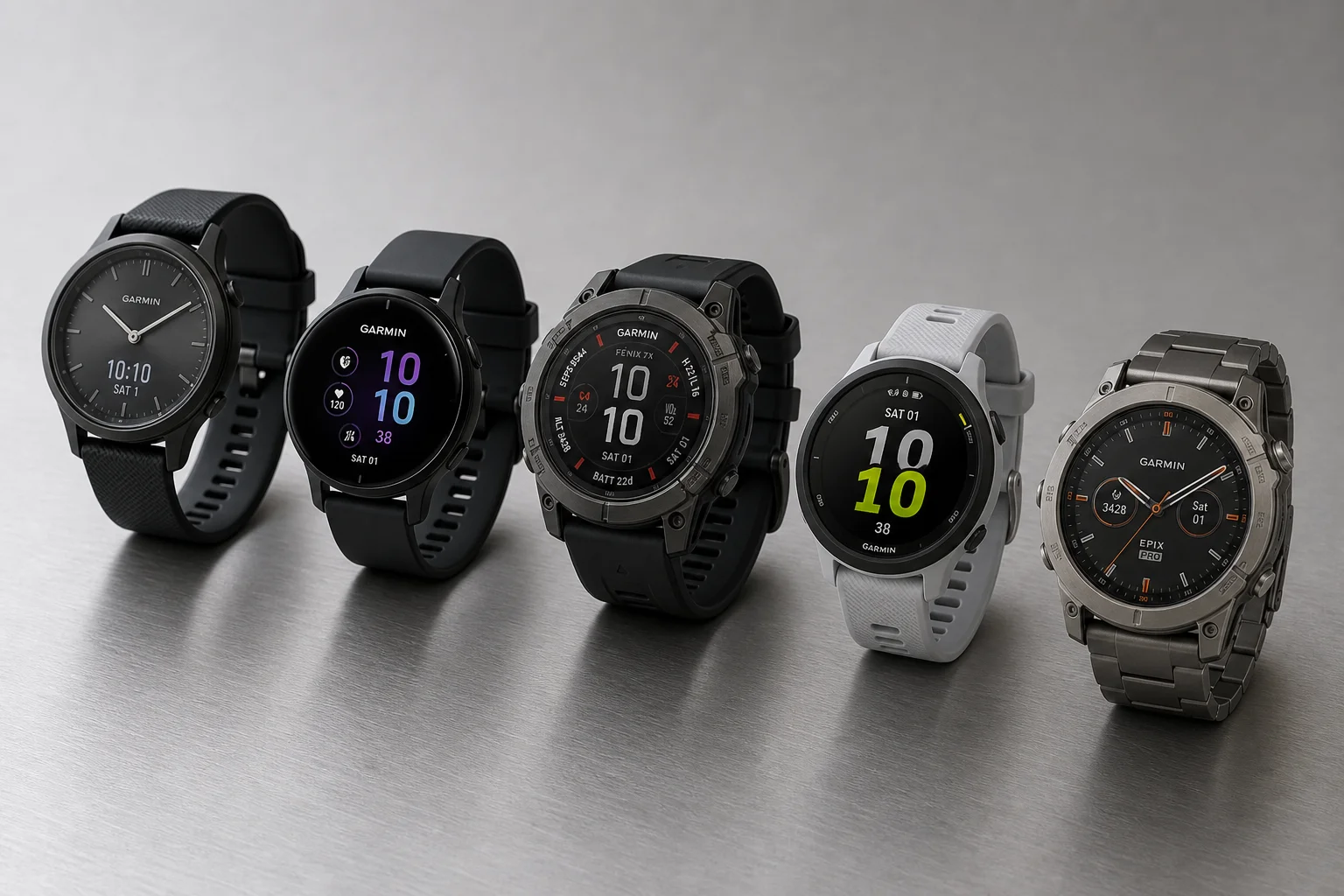
Garmin Sports Watch Guide: Finding the Right Model for Your Fitness Level
A comprehensive overview of Garmin's sports watch lineup, from casual fitness trackers to advanced multisport devices, helping you choose the right model for your needs and budget.
Sports Watches
Coros Pace Pro Review: A Complete Overhaul That Finally Feels Premium
Coros rebuilt the Pace Pro from the ground up with an AMOLED display, onboard maps, and a new heart rate sensor. Here is how it all holds up in real use.
Sports Watches
Polar Vantage M3 Review: The Sweet Spot in Polar's New Watch Lineup
A closer look at the Polar Vantage M3, which brings an AMOLED display, dual-frequency GPS, offline maps and the same software platform as Polar's flagship watches at a friendlier price.