GPS Sports Watches
Garmin Fenix 8 47mm vs 51mm: Which Size Should You Buy?
Two sizes of the same watch. We compare price, design, and battery life to help you decide between the Fenix 8 47mm and 51mm.
Introduction
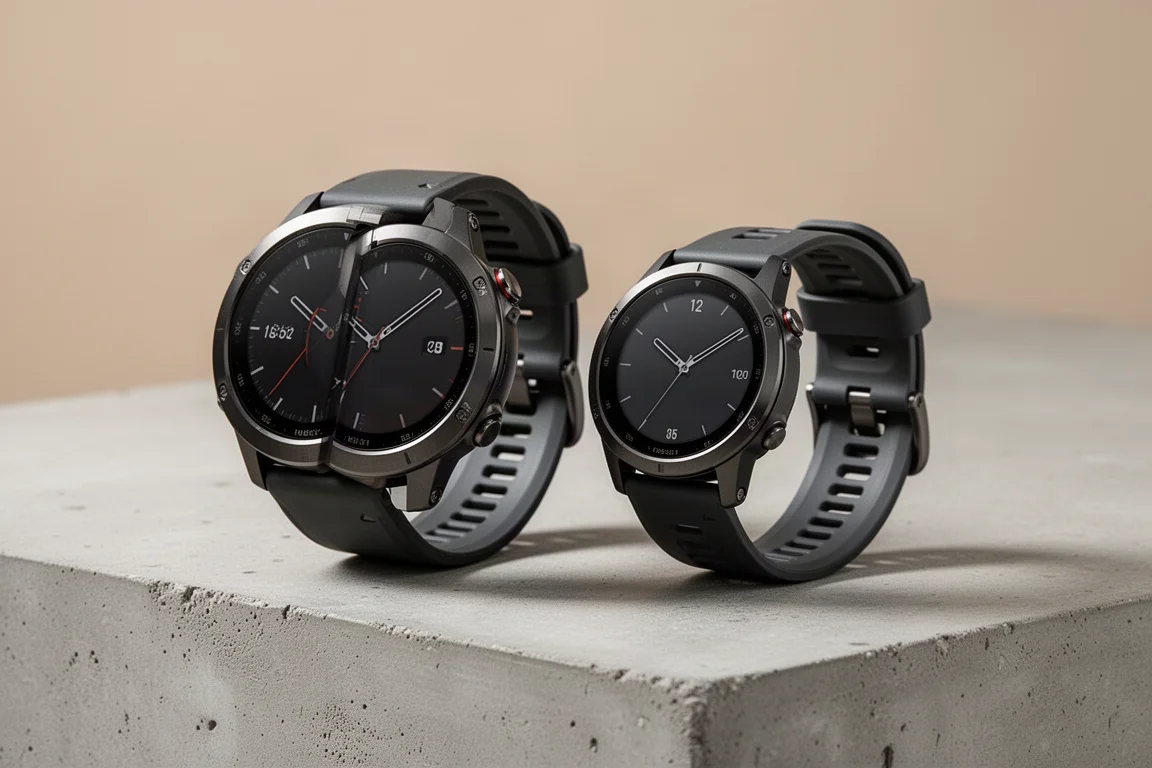
Comparing two sizes of the same watch is an unusual review, but it is exactly the decision many buyers face with the Garmin Fenix 8. Whether you are upgrading from an older Fenix or Epix or buying your first one, picking between the 47mm and 51mm cases matters more than you might expect.
The good news is that almost everything else about these watches is identical, so the comparison really boils down to three areas: price, design, and battery life. Heart rate accuracy has been exactly the same across both sizes in testing, so this guide focuses on the differences that actually affect your daily experience.
Price: Where the Smaller Watch Wins Twice
The 51mm watch costs more, as you would expect. Across the range, whether you are looking at AMOLED, solar, steel, sapphire, or titanium models, you generally pay about 80 to 90 pounds more, or around 100 dollars more, for the equivalent 51mm model over the 47mm one.
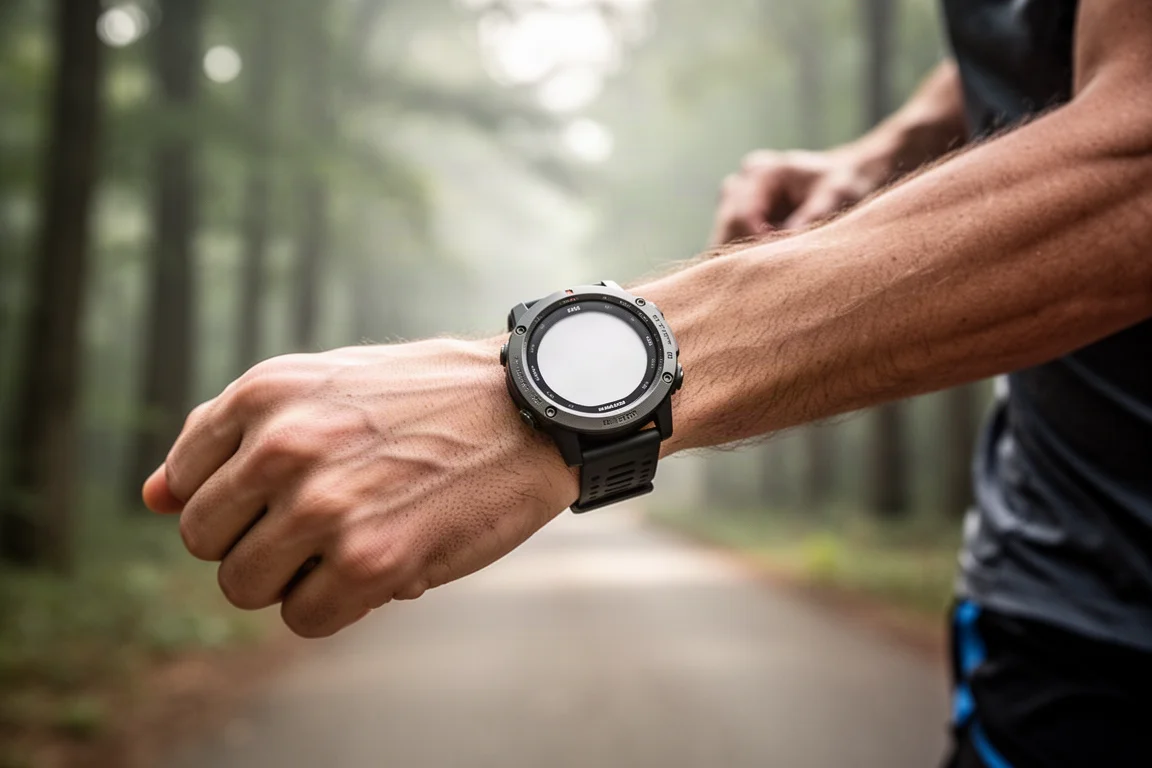
That is a straight advantage for the 47mm, but there is a second, less obvious benefit. At the same price as a steel 51mm Fenix 8 with a glass screen, you can get a sapphire titanium 47mm model. Sapphire is a major material upgrade: glass Garmin screens can pick up scratches over time, while sapphire crystal is far more resilient. For AMOLED buyers in particular, the smaller watch effectively buys you a lighter and more durable build for the same money.
Design and On-Wrist Feel
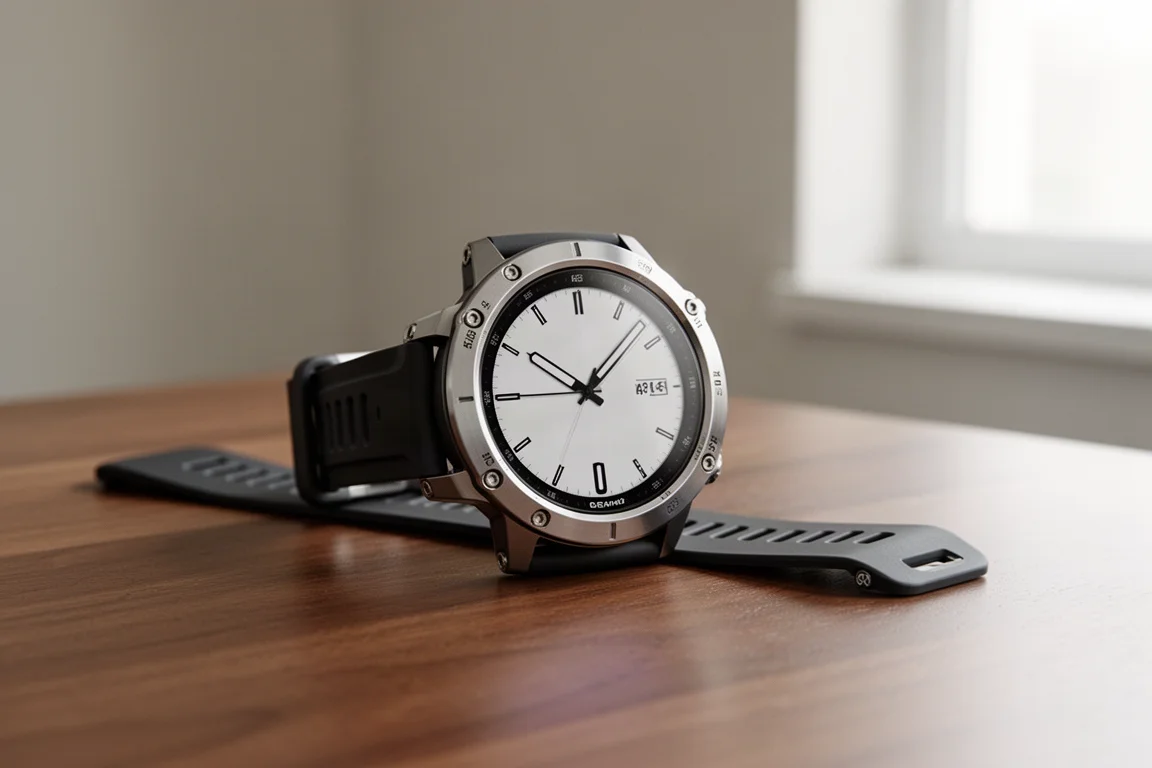
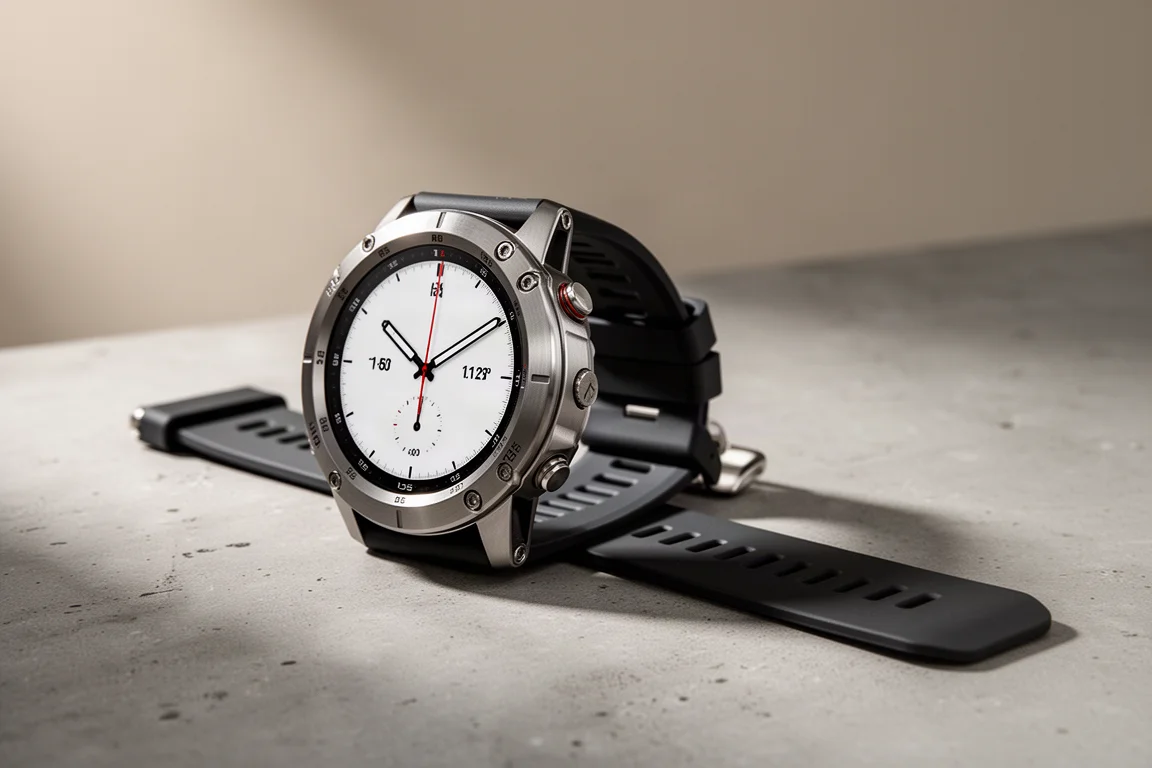
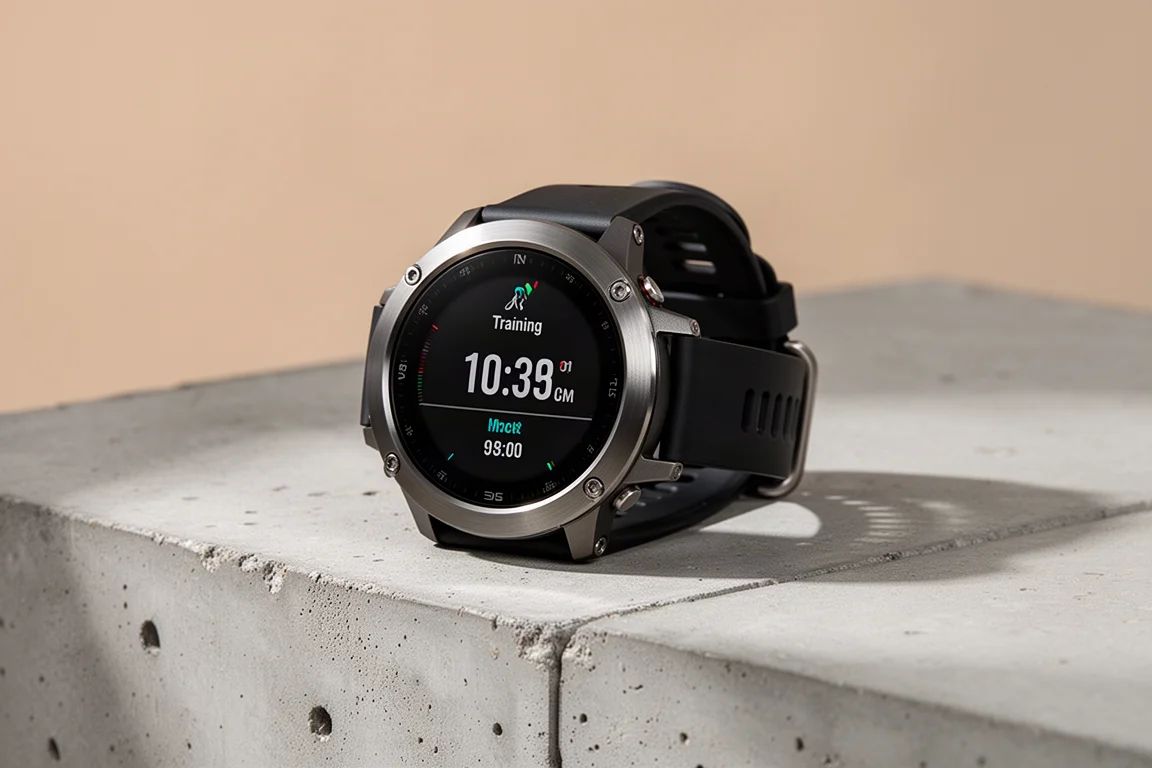
The 51mm measures 51 by 51mm with a thickness of 15.4mm, while the 47mm is 47 by 47mm and only 0.2mm thinner on paper. On the wrist, however, the smaller watch feels considerably thinner than that number suggests.
Weight is where the gap really shows. The 47mm steel case weighs 59g and the titanium 52g, compared with 74g and 64g respectively for the 51mm. Add the larger strap of the bigger model and the difference on the wrist grows further.
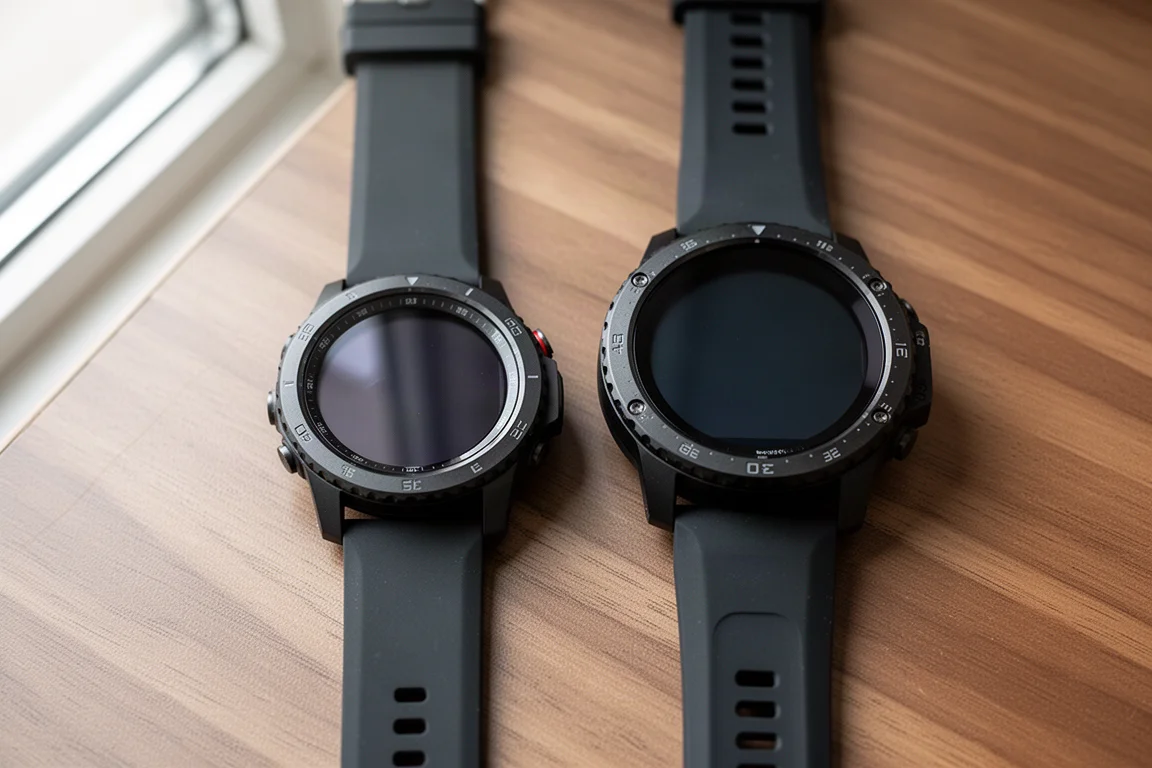
For AMOLED buyers, there is a design subtlety worth knowing: both sizes use the same 1.4-inch screen. That means the extra case size on the 51mm is all bezel, and the thicker bezel makes the 47mm look more refined, with more of the watch face devoted to the display itself. If you have smaller wrists, the 47mm is also noticeably easier to sleep in.
That said, the 51mm is not difficult to live with. Many people happily wear the larger size year-round, and swapping to a nylon band makes it feel lighter and less of an imposition on the wrist.
Battery Life: The Big Differentiator
This is where the 51mm has a clear advantage, especially on the AMOLED models. With the screen set to raised to wake, the 47mm AMOLED lasts 16 days in watch mode against 29 days for the 51mm. With always-on display, that is 7 days versus 13 days.
In real use with always-on screens, notifications, sleep tracking, and a GPS run tracked daily, the 47mm typically lasted 6 to 7 days per charge while the 51mm stretched to 12 or 13 days. Both hit their claimed numbers, and both are outstanding figures for an AMOLED watch.
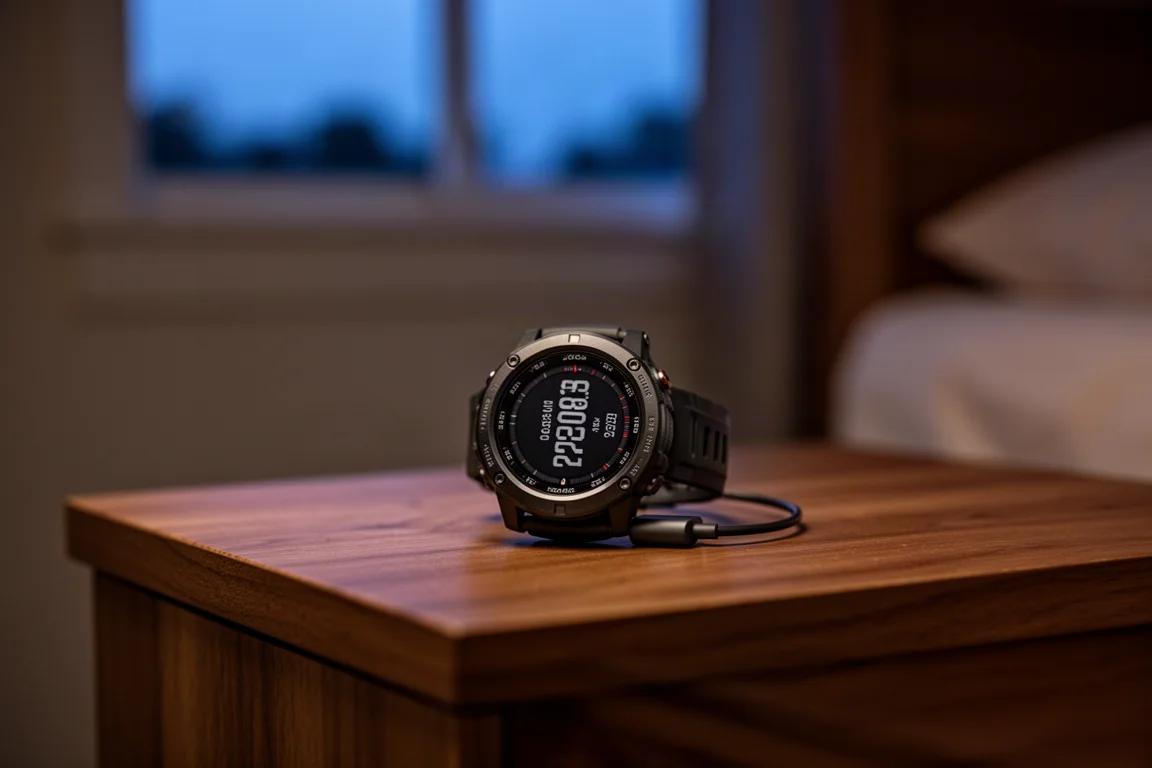
For GPS tracking, the 51mm offers 68 hours of all-systems GPS with raised-to-wake screen, or 54 hours with the screen always on, compared with 38 and 30 hours respectively on the 47mm. Even for triathletes putting in far more GPS hours, the 47mm should still deliver around 5 days of use with an always-on screen, easily extended by switching to raise to wake.
The solar models tell a similar story with one twist. The 51mm adds roughly 9 extra days of watch mode and 20 extra hours of all-systems GPS over the 47mm, but in sunny conditions the gap widens dramatically: 20 more days of watch mode and 92 hours of GPS versus 59 hours. If you spend lots of time outdoors in strong sun, the larger case harvests noticeably more energy.
Verdict: Which One Should You Buy?
If battery life is not your top priority and you have average or smaller wrists, the 47mm is the easier watch to recommend. It is more comfortable, lighter, arguably better looking thanks to its slimmer bezel, and it opens the door to the titanium sapphire build at the price of a steel 51mm.
The 51mm makes sense if you love a chunkier watch or you genuinely need the extra endurance, whether that is ultra-distance training or simply charging less often. Its battery life for an AMOLED watch is genuinely impressive.

For anyone on the fence, the titanium sapphire 47mm at the steel 51mm price is arguably the smartest pick in the range: a big jump in materials, a lighter watch, and a more resilient screen for the same money.
Conclusion
The Garmin Fenix 8 47mm and 51mm are the same watch where it counts, so your choice comes down to price, fit, and battery life. The 47mm costs less, feels lighter, and offers the same screen size with a smarter look, plus the option of sapphire titanium at the smaller price point. The 51mm counters with roughly double the battery life in real use and exceptional solar gains in sunny conditions. Match the watch to your wrist and your charging habits, and you will be happy either way.
Further reading
Related Reviews
GPS Sports Watches
Polar Grit X2 Pro vs Vantage V3 vs COROS Vertix 2S: Which Flagship Adventure Watch Makes Sense
Polar's new flagship shares its internals with the Vantage V3 and goes up against the COROS Vertix 2S. Here is what two months of testing revealed about GPS, heart rate, navigation, and value.
GPS Sports Watches
Coros Apex 2 vs Garmin: Six GPS Sports Watches Worth Comparing
A practical look at the Coros Apex 2, Apex 2 Pro, Vertex 2, and three Garmin rivals, with what each does well and where the trade-offs sit.
GPS Sports Watches
Coros Apex 4 Hands-On: Titanium Build, Faster Mapping, and a Battery Built for the Mountains
A first look at the new Coros Apex 4 GPS sports watch, including its titanium construction, improved mapping, built-in speaker, and standout battery life.