Sports Watches
Garmin Fenix 7 vs Fenix 7 Pro: Which Premium Sports Watch Should You Buy?
A detailed head-to-head of the Garmin Fenix 7 and Fenix 7 Pro covering the new heart rate sensor, flashlight, screen, battery life, and whether the upgrade is worth it.
Introduction
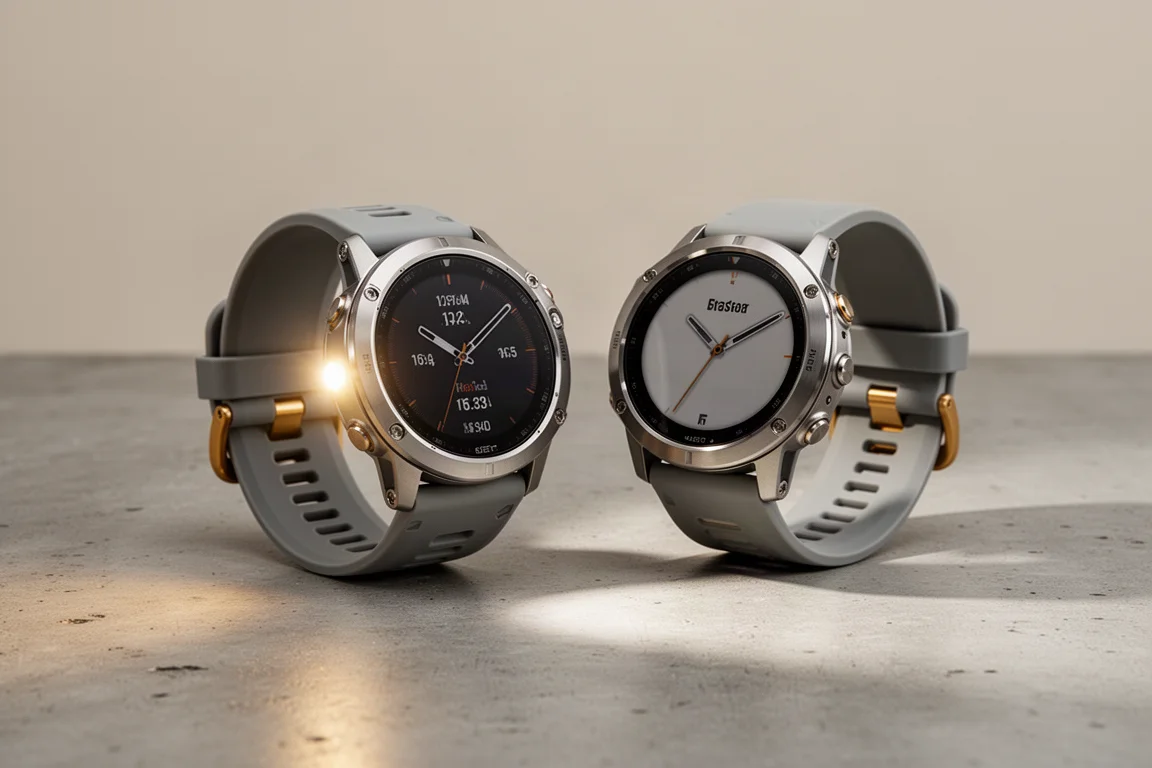
The Garmin Fenix 7 and Fenix 7 Pro sit at the top of Garmin’s premium sports watch range, and choosing between them is harder than it should be. With more than 30 different Fenix 7 variants now available, the lineup has become genuinely confusing. We have tested both watches extensively, and the short version is this: there are more similarities than differences, and the Fenix 7 remains the smarter buy for most people.
What Is New on the Fenix 7 Pro
The Fenix 7 Pro brings incremental improvements rather than a redesign. The build materials, looks, touchscreen, and button controls are largely identical across both ranges, with case sizes spanning 42mm, 47mm, and 51mm and touchscreen displays at 1.2, 1.3, and 1.4 inches depending on model. Sapphire glass and titanium options remain available in both series.

The headline changes come down to two things: a new memory-in-pixel display that is meant to draw less power and improve indoor legibility, and a new Elevate generation 5 optical heart rate sensor with a denser LED array and updated algorithm. All Fenix 7 Pro models also include multi-band GPS and solar charging, whereas the cheapest standard Fenix 7 lacks solar and multiband is reserved for sapphire variants.
New software features announced with the 7 Pro include a Hill Score that grades your uphill running ability (split into hill endurance and hill strength), an Endurance Score that benchmarks how well you sustain longer efforts across sports, and weather map overlays on routes. However, all of these features will also roll out to the Fenix 7, so they are not exclusive reasons to buy the Pro. Battery life is likewise identical between the two: roughly 15 to 19 hours of run time, 57 to 136 hours in standard runtime, and 89 to 213 hours of GPS on the larger 7X models, with solar charging boosting numbers further on the Pro.
Heart Rate Accuracy: The Main Hardware Upgrade
The Elevate V5 sensor is the biggest hardware difference. In testing, it tracked more closely to a chest strap than the older V4 sensor, with fewer glaring and sustained errors during runs. It still lags slightly behind a chest strap on sharp intervals and can occasionally miss one, but it is a genuinely more accurate optical sensor than the one in the Fenix 7.
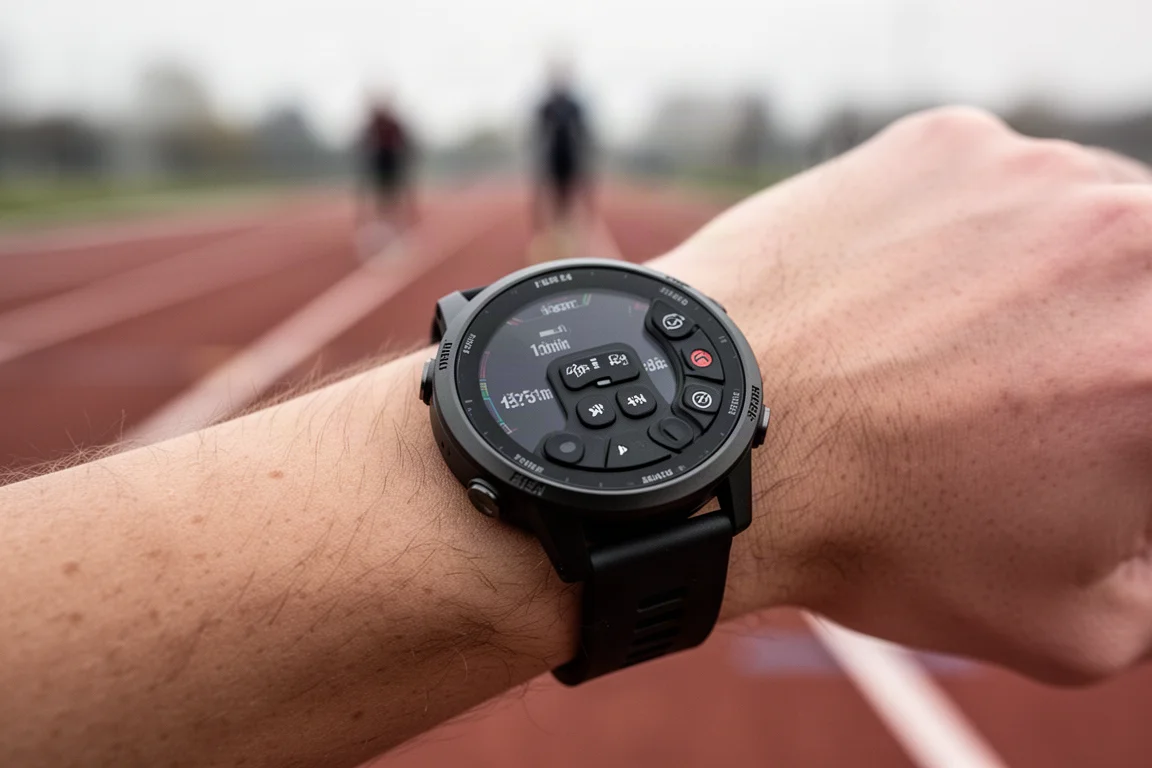
That said, the older sensor is still competent. If you already own a Fenix 7, you can continue to trust its readings, and pairing either watch with a chest strap or armband will deliver better heart rate data for less money than upgrading.
The Built-In Flashlight
Previously, only the larger Fenix 7X had the built-in flashlight. The Fenix 7 Pro brings it to every model in the range, including the 47mm version. It is a genuinely useful tool: handy for finding things at night, for visibility on dark solo runs, and customizable enough to integrate well into the watch experience. For runners who go out in the dark dressed in lights for safety, having it on a smaller case size is a real benefit.
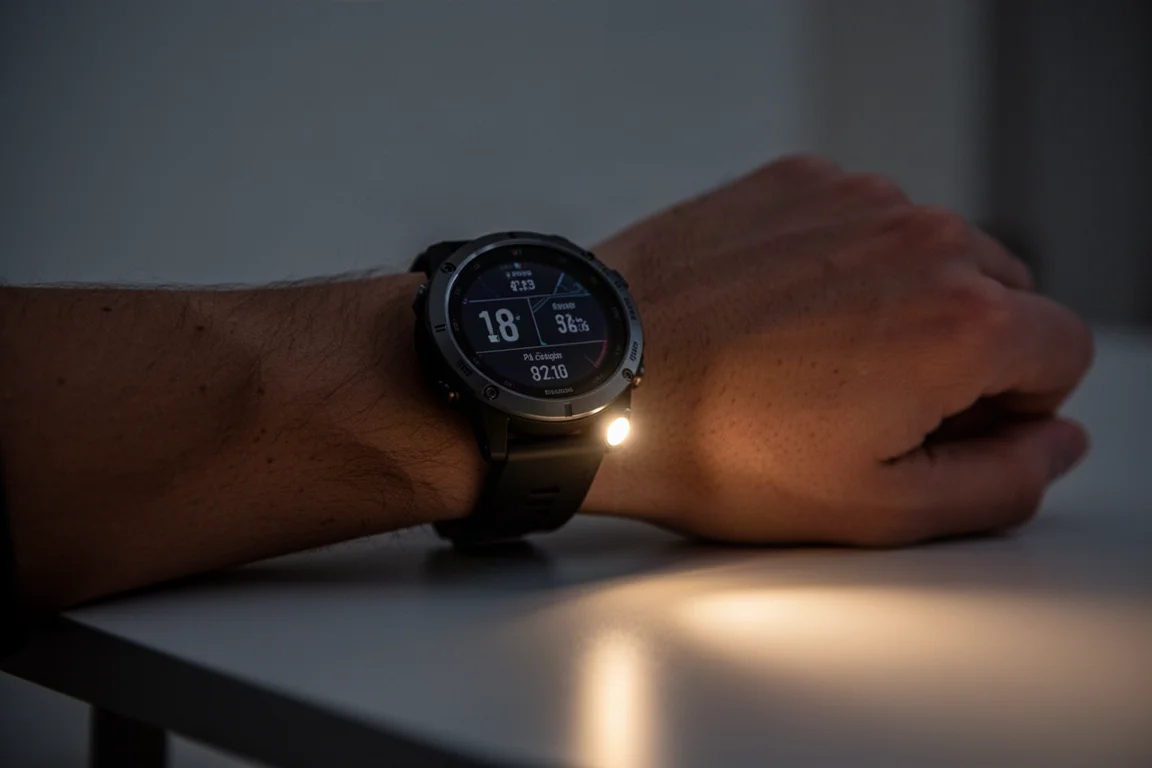
It is not a game changer, though. Plenty of testers barely use it, and it is hard to argue it alone justifies the price gap. If you were desperate for a flashlight, you may have already bought the Fenix 7X.
Battery Life, GPS, and Everyday Use
In day-to-day use, the two watches are extremely difficult to tell apart. Both offer excellent multi-band GPS, arguably the best seen from any brand, superb sports tracking, strong maps, and deep training analysis. The new screen on the Pro is marginally clearer and slightly more visible in bright light, but the difference is small and easy to miss. The memory-in-pixel display is not as bright as AMOLED indoors or under cloud, but it is clearly visible in all conditions and excellent in direct sun.
Battery performance is effectively identical, and the larger models are capable of around three weeks per charge with daily running and notifications. Storage is higher on the Pro, at up to 32GB, a capacity not available on the standard Fenix 7.
Buying Advice: Which One Should You Get?
If you already own a Fenix 7, do not upgrade. There is simply not enough new here to warrant it, and it may be worth waiting for the next generation, which feels like it should bring bigger changes. If you are new to the Fenix line, look for a deal on a Fenix 7, ideally the Sapphire Solar version so you get multi-band GPS, topo maps, and a titanium bezel.
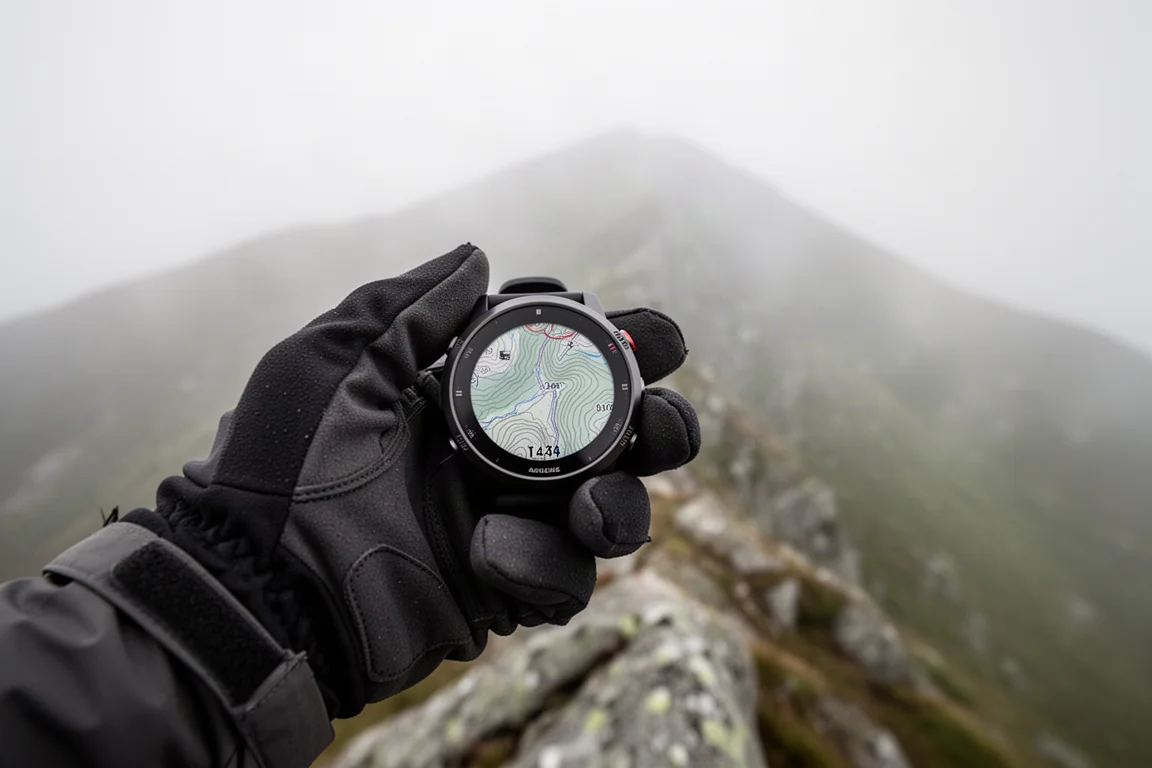
Choose the Fenix 7 Pro if you specifically want the flashlight on every run, the latest heart rate sensor, solar charging on the base model, and the extra storage right now. Both watches are excellent for wild adventures, multi-day runs, and ultras, and you will not be disappointed with either. But for most buyers, the Fenix 7 delivers the same core experience for less money.
Conclusion
The Fenix 7 Pro is a marginal update: a better optical heart rate sensor, a new screen, a flashlight across all sizes, and more storage, wrapped around an otherwise identical watch. The software extras will reach the Fenix 7 anyway. Unless the flashlight or the newest sensor matters to you, the standard Fenix 7, particularly the Sapphire Solar model, is the better pick.
Product link
View more details for Garmin Fenix 7
This product is mentioned in the review. Check the specifications, options, and compatibility before buying.
View more details for Garmin Fenix 7Further reading
Related Reviews
Sports Watches
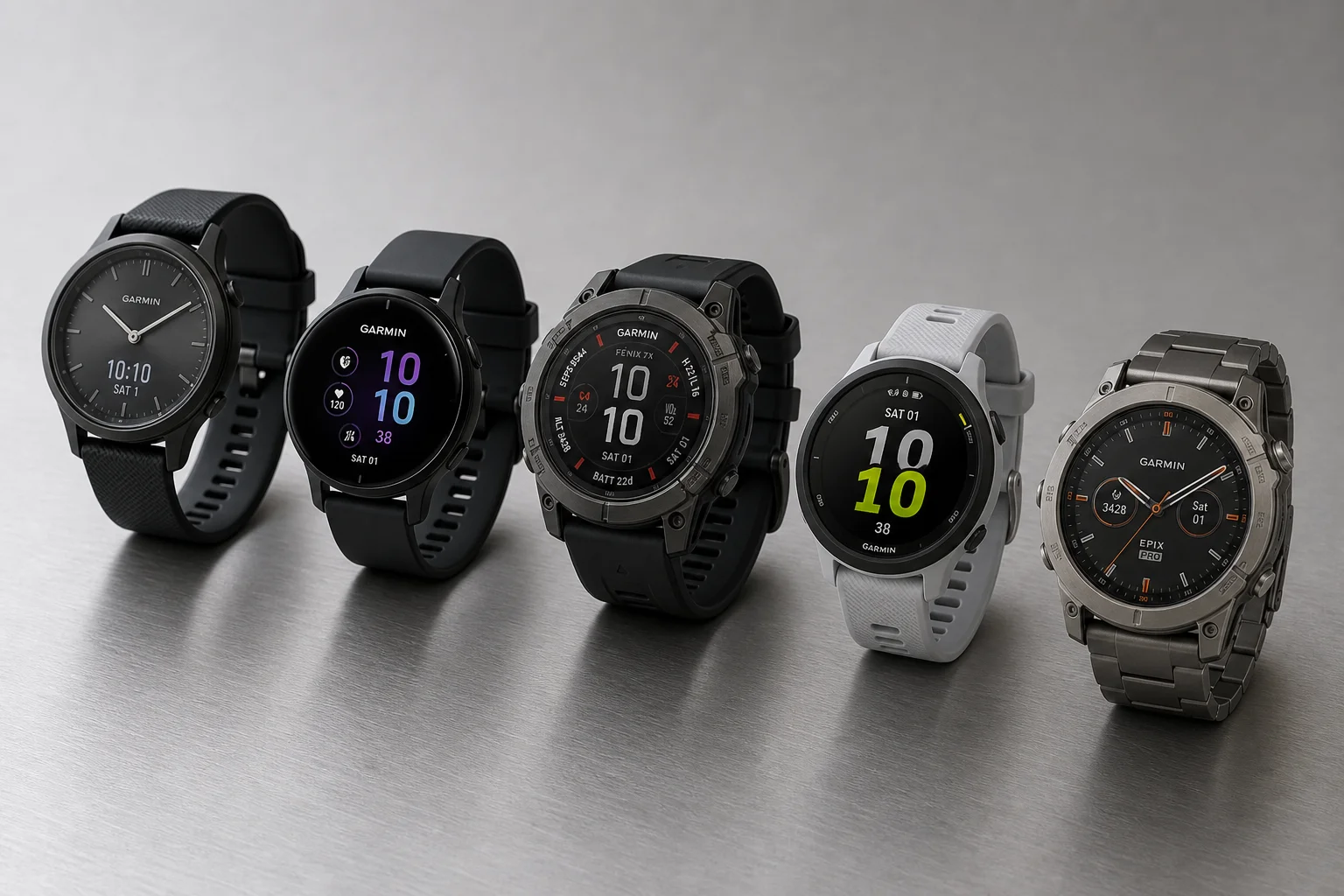
Garmin Sports Watch Guide: Finding the Right Model for Your Fitness Level
A comprehensive overview of Garmin's sports watch lineup, from casual fitness trackers to advanced multisport devices, helping you choose the right model for your needs and budget.
Sports Watches
Coros Pace Pro Review: A Complete Overhaul That Finally Feels Premium
Coros rebuilt the Pace Pro from the ground up with an AMOLED display, onboard maps, and a new heart rate sensor. Here is how it all holds up in real use.
Sports Watches
Polar Vantage M3 Review: The Sweet Spot in Polar's New Watch Lineup
A closer look at the Polar Vantage M3, which brings an AMOLED display, dual-frequency GPS, offline maps and the same software platform as Polar's flagship watches at a friendlier price.