Sports Watches
Garmin Fenix 7 Pro Series Review: The Flashlight Finally Comes to Everyone
Multi-band GPS on every model, a built-in flashlight, a redesigned heart rate sensor, and 32GB of storage make the Fenix 7 Pro a solid refresh, even if the price has climbed.
Introduction
The Fenix 7 Pro Series is a refresh built around parity rather than reinvention. The headline changes are hardware: a built-in flashlight across every model, multi-band GPS on all versions instead of only the pricier sapphire editions, 32GB of storage across the board, and a redesigned optical heart rate sensor. Pricing has gone up by a hundred dollars for the base models, now $799 versus the previous $699, though those models include more hardware than before. Notably, the Epic Pro series launched at the same time kept its prices unchanged while adding hardware. All Fenix 7 Pro models are now solar enabled; there are no non-solar versions anymore, just solar and sapphire solar editions.
We put these units through weeks of real-world use, including an Ironman 70.3 race, a long coastal hike, and everyday training, plus daily wear from a second user on the smaller Fenix 7 Pro unit.
The Flashlight Is the Headline Feature
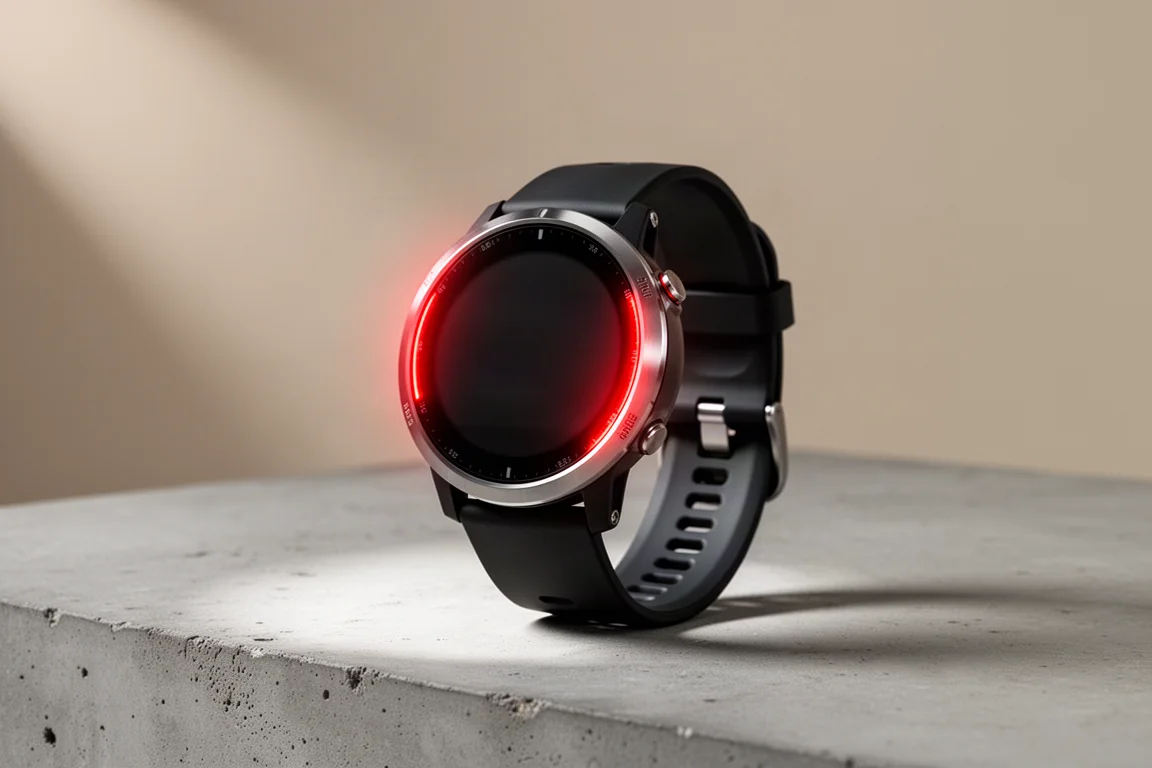
The most requested new feature is the LED flashlight, previously exclusive to the Fenix 7X series, now built into every Fenix 7 Pro model. Double-tapping the upper right button turns it on or off, with two white LEDs and one red LED. White brightness is roughly equivalent to an iPhone flashlight, plenty for illuminating a room. Red light mode is genuinely useful for moving around a hotel room or house at night without glare.
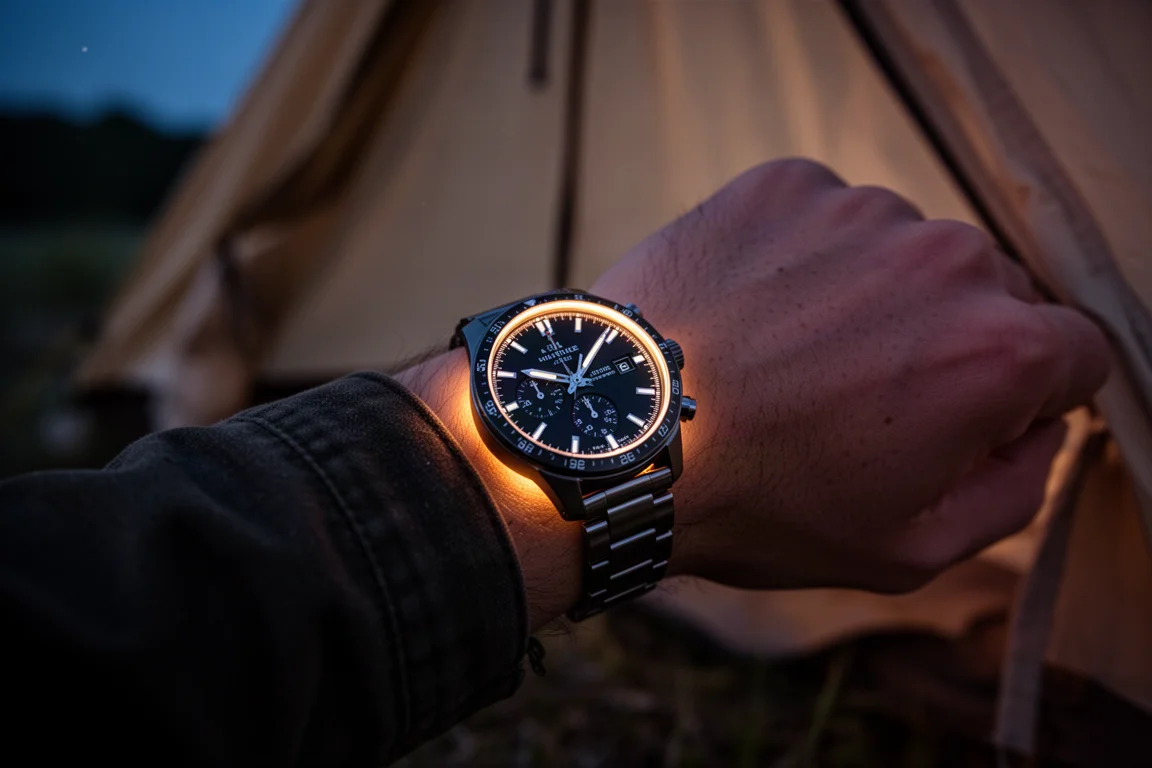
The flashlight can also sync its blink to your running cadence, act as a strobe while running, or serve as an emergency strobe. It sounds gadgety, but in practice it is one of those features you end up using more than expected.
The New Optical Heart Rate Sensor
The optical sensor on the back has been redesigned with the LEDs spread out for a broader projection of light into the skin. Garmin says this helps in sports with heavy wrist movements, such as weight lifting, where twisting the wrist can let outside light leak under the sensor. Daylight is the classic accuracy killer for optical sensors, and this is the best optical sensor Garmin has made to date.
One open question is ECG. The sensor has the same isolation ring used purely for ECG on Garmin’s Venu 2 Plus, and Garmin’s wording suggested capability may arrive someday. But Garmin stated this is not an ECG-capable device at this time and made no promises about the future, so do not buy this watch based on a feature that may or may not ever exist.
Multi-band GPS for Every Model
Multi-band, dual-frequency GPS, often called the holy grail of GPS accuracy, now comes on every Fenix 7 Pro model. Previously it was reserved for the solar sapphire editions. In practice this held up well: near-perfect tracks under heavy cliff overhangs where more than half the sky was blocked, sharp tracks through woods on gravel rides, and clean swim and race courses during an Ironman 70.3. Against a chest strap, heart rate readings were very good even during hard intervals, with only minor latency on the first couple of efforts.

Elevation plots were spot on in the mountains, and on the race GPS even edged out a bike computer in one section. Overall, GPS and optical HR accuracy were consistently strong across every activity tested.
Display Changes and One Setting to Turn Off
Garmin says the Fenix 7 Pro uses a new generation display with a new pixel design for better indoor readability, higher contrast, and increased color saturation. Compared side by side with the original Fenix 7 sapphire solar, it does look a little sharper and clearer. The bigger visible improvement is the new backlight design: at the same brightness setting, the Pro is noticeably brighter and crisper.
There is one catch. A new “auto backlight” setting is on by default, and with it enabled the display looks frankly horrible, with the backlight never quite bright enough, especially indoors. Turning it off fixes it with no major battery impact. The issue stems from Garmin now using the solar ring to measure ambient light, which works well outdoors but struggles in dim indoor conditions. It is a minor annoyance with an easy fix.
Battery Life
Battery claims align closely with real-world results in both activity and everyday use. In testing, the Fenix 7 Pro and the Epic Pro were surprisingly similar: on a six-and-a-half-hour hike both burned roughly 50 hours of runtime equivalent with full navigation and all sensors active, and during the Ironman race both trended toward about 45 hours. The only divergence was a gravel bike ride where the Fenix lasted about 56 hours versus roughly 39 on the Epic, likely thanks to solar gains on a very sunny day.
Software: Endurance Score and Hill Score
Endurance Score aggregates all your activities into a single overall score, weighted mostly by activity duration and working across all sport types, including activities like long-distance skating where training load metrics previously struggled. As reference points, Garmin says a world-class triathlete in Ironman training might sit in the upper 11,000s, while our testers landed around 8,200 and 9,100. The concept works broadly, though there are odd quirks: a couple-hour ride sometimes moved the score by only one or two points, while an easy half-hour swim once jumped it by 50.

Hill Score rates how well you climb, from 0 to 100, split into hill endurance (how long you can hold on) and hill strength (how fast you go up). It takes about two weeks to populate and decays without hill training. A single-day 8,000-foot mountain hike pushed one tester’s score to around 85, which felt inflated for someone living somewhere pancake flat; a world-class mountain runner should score far higher. Like Endurance Score, the calibration still needs sorting out.
Mapping and Navigation Improvements
Weather overlays now appear under the weather widget, showing precipitation, temperature, wind, and cloud overlays over time so you can watch a rainstorm move through the area. It requires your phone nearby for data. The significant oversight: you cannot display these overlays on the map while navigating during a sport activity. Accessing them from widgets mid-workout brings complications and bugs. Garmin appears aware of the gap, so hopefully it arrives in an update.
Shaded relief has been added to all TopoActive maps, on by default, making terrain easier to read than plain contour lines. Garmin also added over 30 new sport profiles, marking a shift in philosophy: rather than only profiles with dedicated metrics behind them, these are simple profiles for categorizing activities like ice skating, basketball, or baseball. Garmin plans to watch usage and build metrics behind the most popular ones later.
New data pages include a split view with the map on one side and your chosen metrics on the other, and a perimeter-based page with data fields around the edge of a central map. Interface tweaks include a recently-used widgets list when long-holding the right button, handy for jumping straight to things like Endurance Score or the weather page.
Storage is now 32GB across every model, usable for music and maps. Most regional maps run 8 to 12GB, so you can fit two or three map regions at once, downloadable over Wi-Fi from the watch or via USB from a computer. All global maps remain free.
Should You Upgrade?
Coming from a Fenix 7, the upgrade is hard to justify: nearly all the new features arrive as software updates on your existing watch, and the flashlight was already on the 7X. The exceptions are if you bought a non-sapphire Fenix 7 and want multi-band GPS across the board, or if you want a better optical heart rate sensor for specific activities.
Coming from a Fenix 6, Fenix 5, or earlier, this is a substantial jump in features, and the multi-band GPS, flashlight, storage, and display improvements make a genuine difference. In many ways this release was really about the broader lineup, with the Epic series getting the bigger spotlight in three sizes, longer battery claims, and the flashlight. The Fenix 7 Pro is largely about maintaining parity, and it does that well.
Conclusion
The Fenix 7 Pro Series are great watches that performed well across racing, hiking, and daily training with no major complaints. If the flashlight, universal multi-band GPS, and bigger storage matter to you, they are easy to recommend. Just turn off that auto backlight setting first.
Product link
View more details for Garmin Fenix 7 Pro
This product is mentioned in the review. Check the specifications, options, and compatibility before buying.
View more details for Garmin Fenix 7 ProFurther reading
Related Reviews
Sports Watches
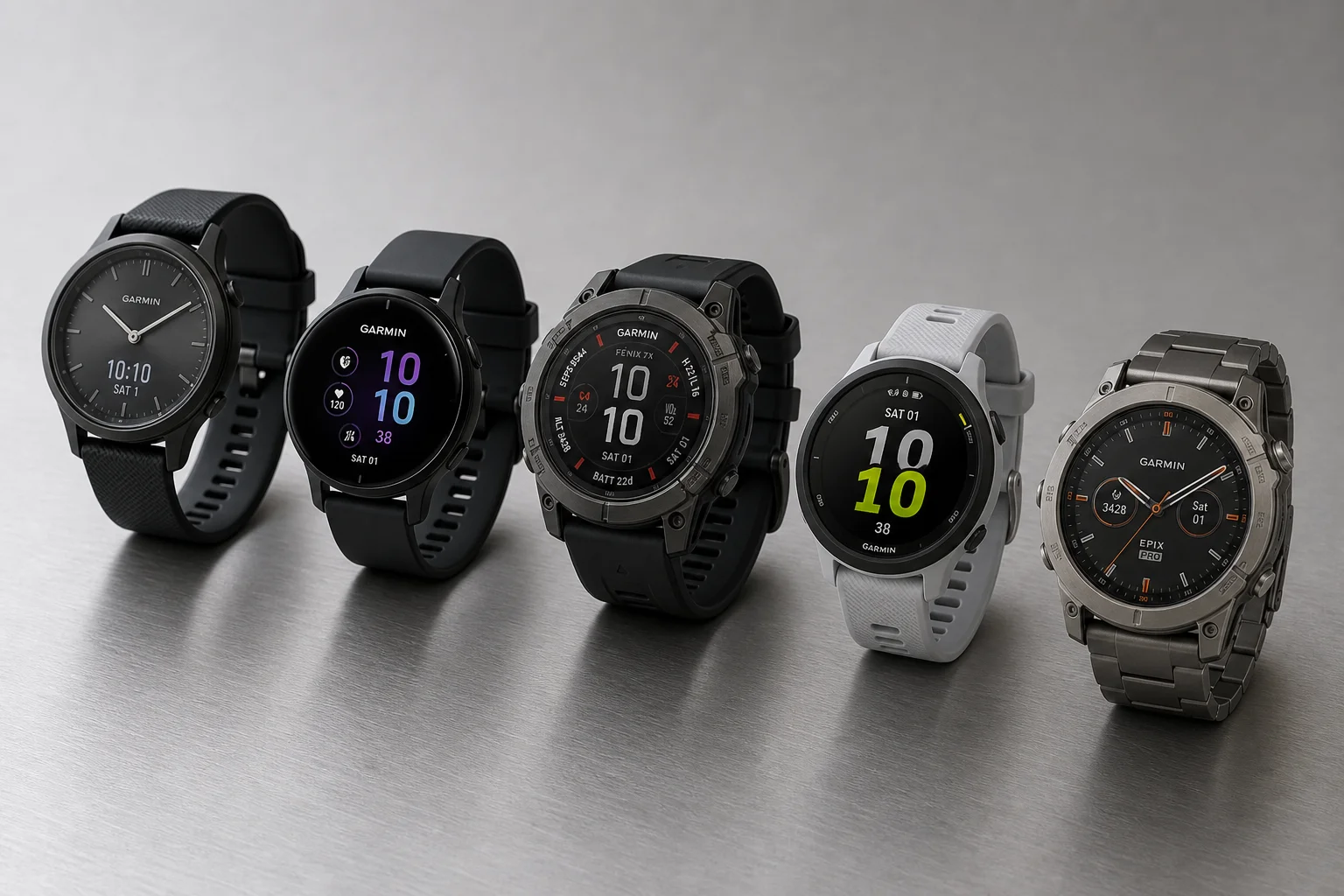
Garmin Sports Watch Guide: Finding the Right Model for Your Fitness Level
A comprehensive overview of Garmin's sports watch lineup, from casual fitness trackers to advanced multisport devices, helping you choose the right model for your needs and budget.
Sports Watches
Coros Pace Pro Review: A Complete Overhaul That Finally Feels Premium
Coros rebuilt the Pace Pro from the ground up with an AMOLED display, onboard maps, and a new heart rate sensor. Here is how it all holds up in real use.
Sports Watches
Polar Vantage M3 Review: The Sweet Spot in Polar's New Watch Lineup
A closer look at the Polar Vantage M3, which brings an AMOLED display, dual-frequency GPS, offline maps and the same software platform as Polar's flagship watches at a friendlier price.