GPS Sports Watches
Garmin Fenix 7 Pro Review: Is the Upgrade Worth It, and Which Alternative Should You Buy?
A month-long testing take on the Garmin Fenix 7 Pro, with what's new, what's not, and the Garmin, Suunto, Apple and Coros alternatives worth considering first.
Introduction
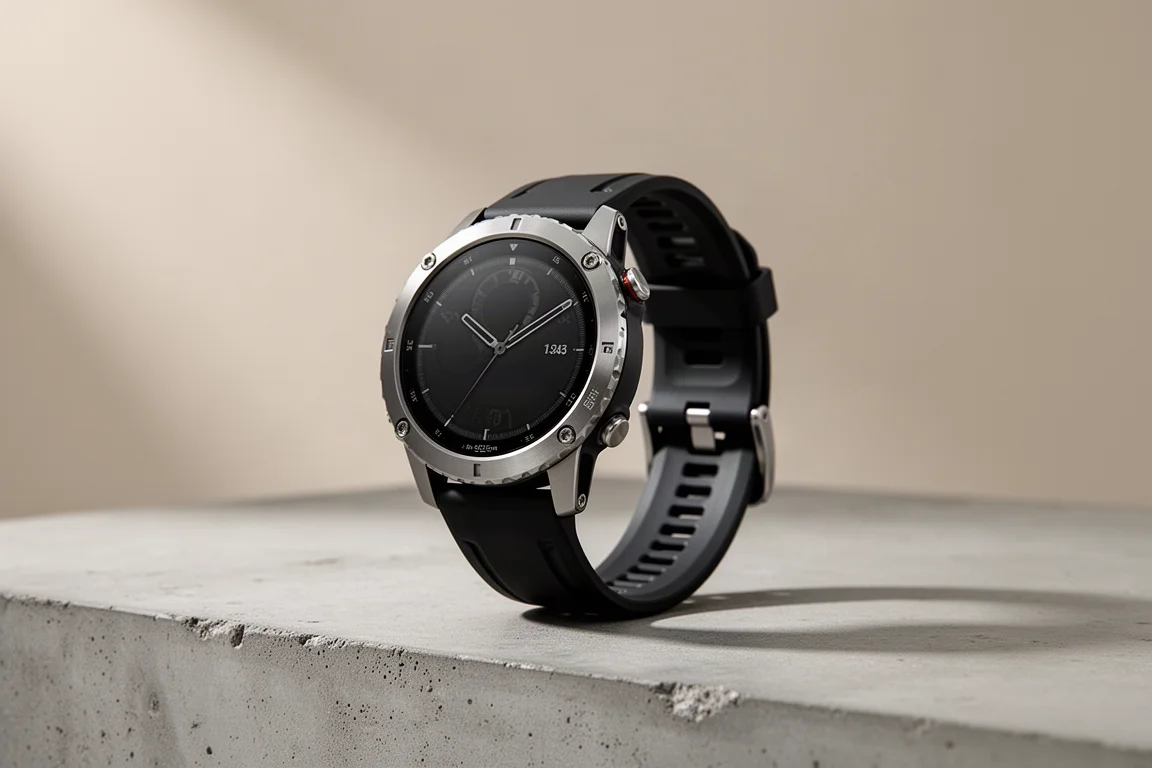
The Garmin Fenix 7 Pro line is Garmin’s refreshed flagship multisport range, and it lands in a market Garmin itself has made crowded: there are now more than 30 different Fenix 7 watches, and telling them apart is genuinely confusing. After a month of testing, the short version is this: the Fenix 7 Pro is an excellent running and adventure watch, but its upgrades over the standard Fenix 7 are incremental, and for many buyers the older, cheaper model delivers a near-identical experience.
This guide breaks down what the Pro models actually add, where they fall short, and which of the many alternatives, from the Fenix 7 to the Epix Pro, Forerunner 965, Suunto Vertical and Apple Watch Ultra, makes more sense depending on what you value.
What’s New on the Fenix 7 Pro
The Fenix 7 Pro sits between the existing Fenix 7 series and whatever a future Fenix 8 might bring. The build, touchscreen and button controls are all very familiar, with case sizes of 42mm, 47mm and 51mm, screen sizes of 1.2, 1.3 and 1.4 inches, and optional sapphire glass and titanium. All Pro models now include Garmin’s multiband GPS, an updated optical heart rate sensor with a new LED array and algorithm, and a new memory-in-pixel display intended to sip less power and improve indoor legibility.
On the software side, the headline additions are Hill Score, which combines Hill Endurance and Hill Strength readouts into a 0-100 number, and Endurance Score, which benchmarks your ability to sustain longer efforts across different sports. Maps gain a weather overlay, every Pro model gets a built-in flashlight, and storage is increased to 32GB. Battery life is unchanged from the Fenix 7, ranging from roughly 15-90 hours GPS on the 7 Pro S, 57-136 hours on the 7 Pro, and 89-213 hours on the 7X Pro, with solar charging on all models to extend those figures in the right light. Prices start from just shy of £750 / $800.
Living With the Fenix 7 Pro: Strengths
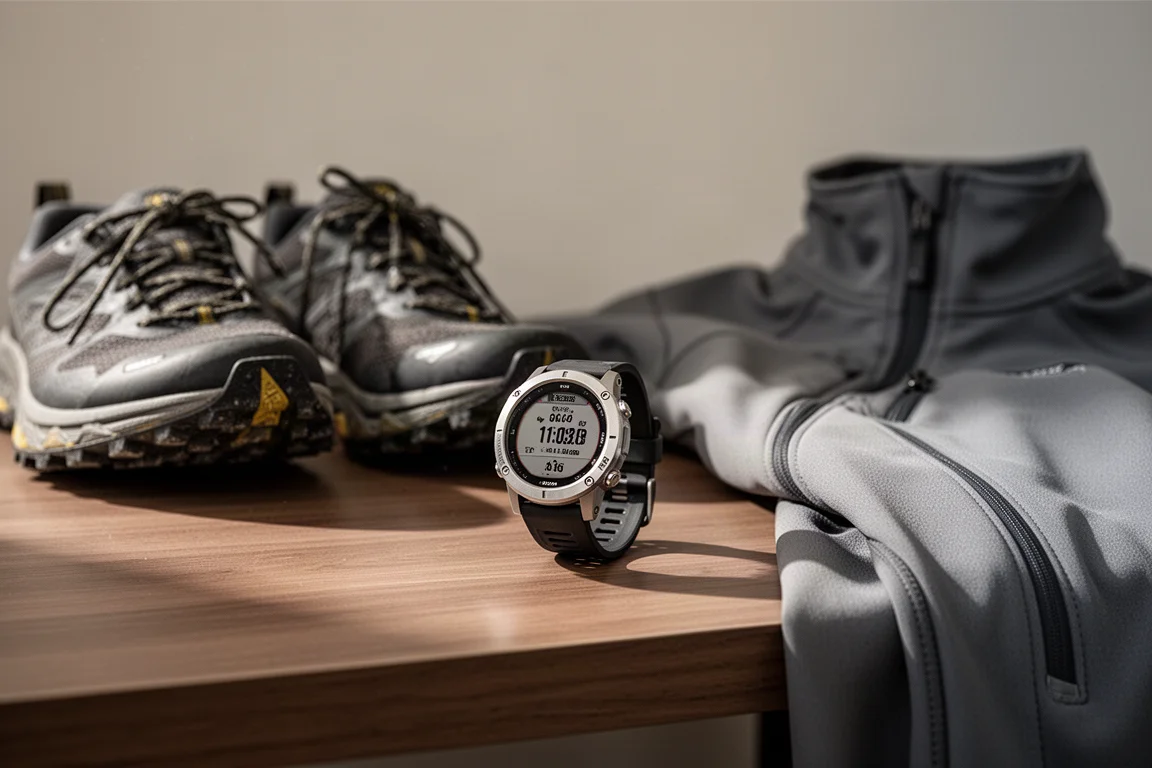
Battery life remains the core Fenix promise, and it holds up well. Overnight battery drain of around one percent is typical, a nine-hour run in normal power mode burned about 27 percent, and a week of general use with five hours of GPS training used roughly half a charge, which points to charging every two weeks or so. GPS accuracy is top notch, the multiband positioning is arguably the best you can get from any brand, the routable maps are the best in the business, and training analysis, customization and power modes all remain among Garmin’s biggest strengths. Ultra run mode, with its automatic rest timer at aid stations, is a genuine highlight for longer races.
The built-in flashlight deserves a mention too. It is unobtrusive when you are not using it, genuinely handy when you are, and it is now available across all case sizes rather than only the largest 7X. The new optical heart rate sensor is a step up from previous Garmin generations: errors were rare and short-lived rather than spoiling entire runs, though it still lags a chest strap on intervals and hard efforts.
Things to Consider Before Buying
The main complaint is that there simply is not much new. Almost all of the software features, including Hill Score, Endurance Score and the weather map overlay, will roll back to the standard Fenix 7, and the improved screen is hard to distinguish from the previous model in real use. The new Endurance Score can lack context, dropping during a taper even when you are peaking for a race, and Hill Score can read generously. The bundled silicone strap also divides opinion: it needs frequent tightening while running and can feel pinchy afterwards, and some testers much prefer a nylon strap.
There are also few smartwatch features compared with something like an Apple Watch, and Garmin’s own apps remain a weak spot across the whole range. If you already own a Fenix 7, an Epix or an Enduro 2, there is little reason to upgrade, and Fenix 6 owners are probably better off waiting for the next generation.

Garmin Alternatives Worth a Look
Garmin’s own lineup is the strongest argument against paying Pro prices, and several models deliver more value.
Garmin Fenix 7
The standard Fenix 7 remains better value across the board. You lose the flashlight on the smaller sizes and the slightly improved heart rate sensor, but with nearly everything else identical, most testers would choose it over the Pro and save money. It is the obvious pick unless the Pro-specific extras genuinely matter to you.
Garmin Epix Pro
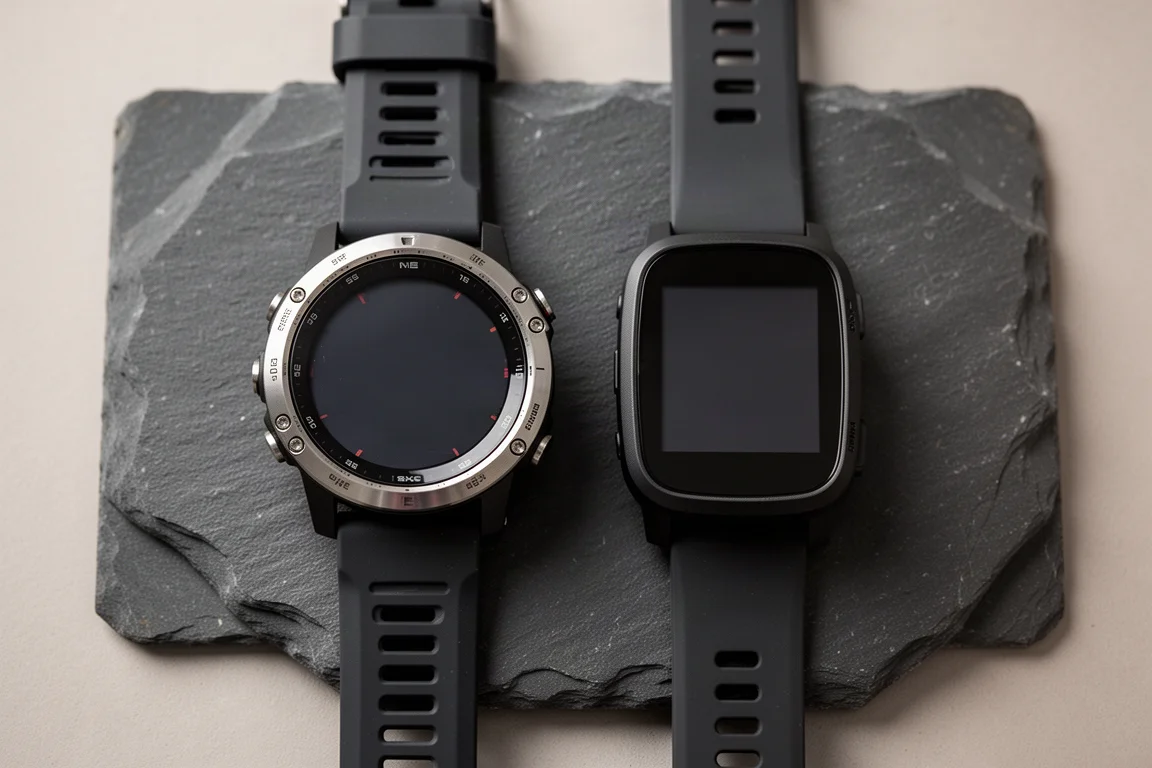
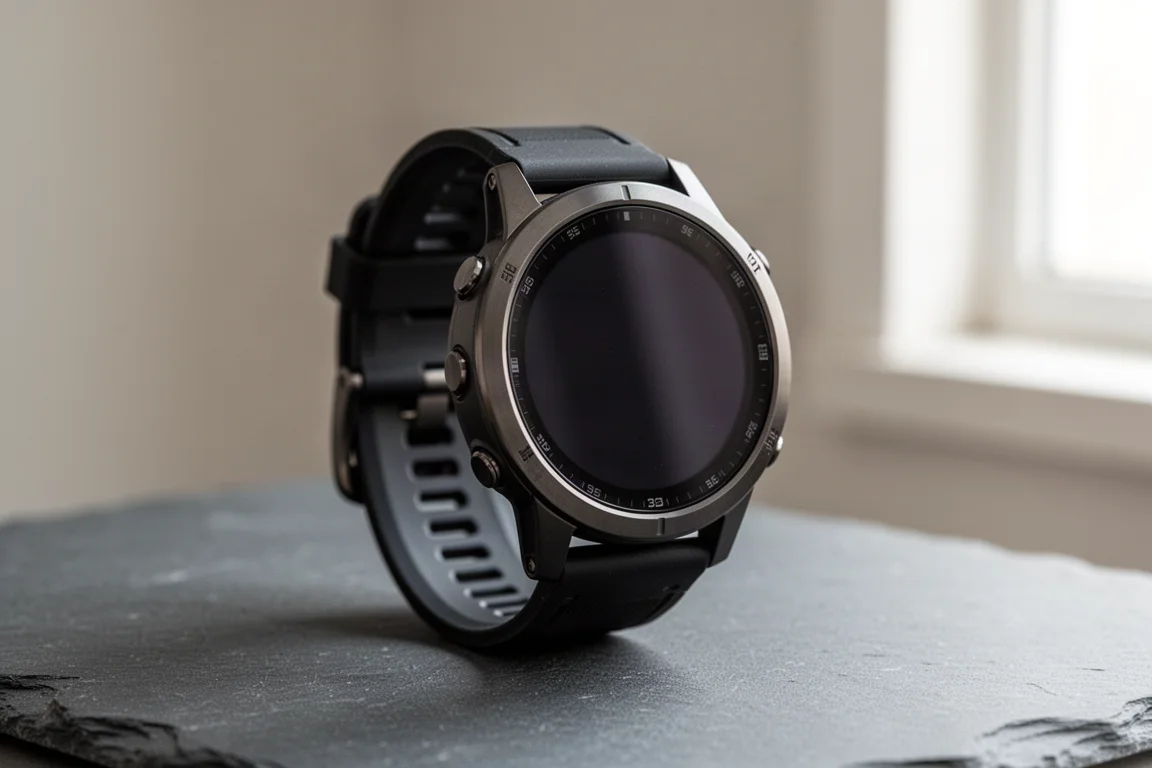
The Epix Pro is the choice between AMOLED and battery life. Its brighter, more vibrant screen impressed testers, and the 51mm model still delivered around ten days of use with an always-on display. It is more expensive than the Fenix 7 Pro, but if battery life is not absolutely imperative, it is the more tempting watch.
Garmin Enduro 2
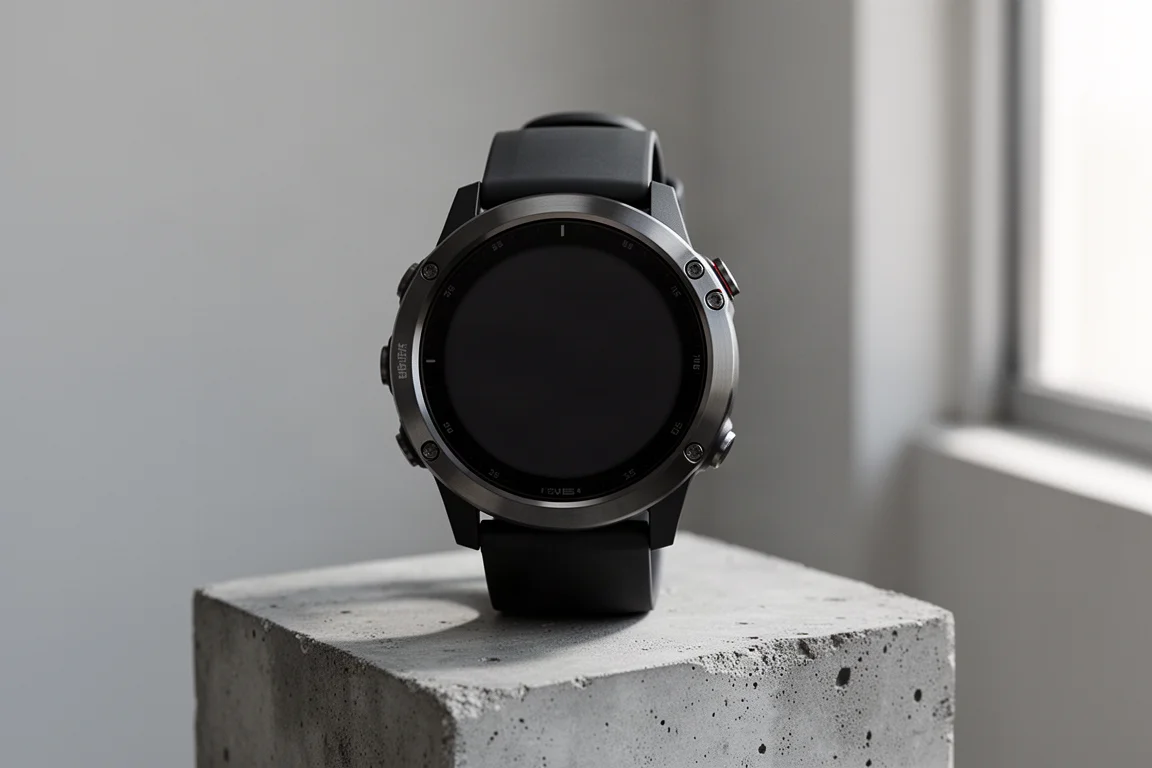
The Enduro 2 remains the battery benchmark in Garmin’s range, burning notably less than the Fenix 7 Pro on long runs, and its nylon strap makes for a more comfortable fit than the Fenix’s silicone. If maximum battery life outweighs everything else, it is still the watch to beat.
Garmin Forerunner 965
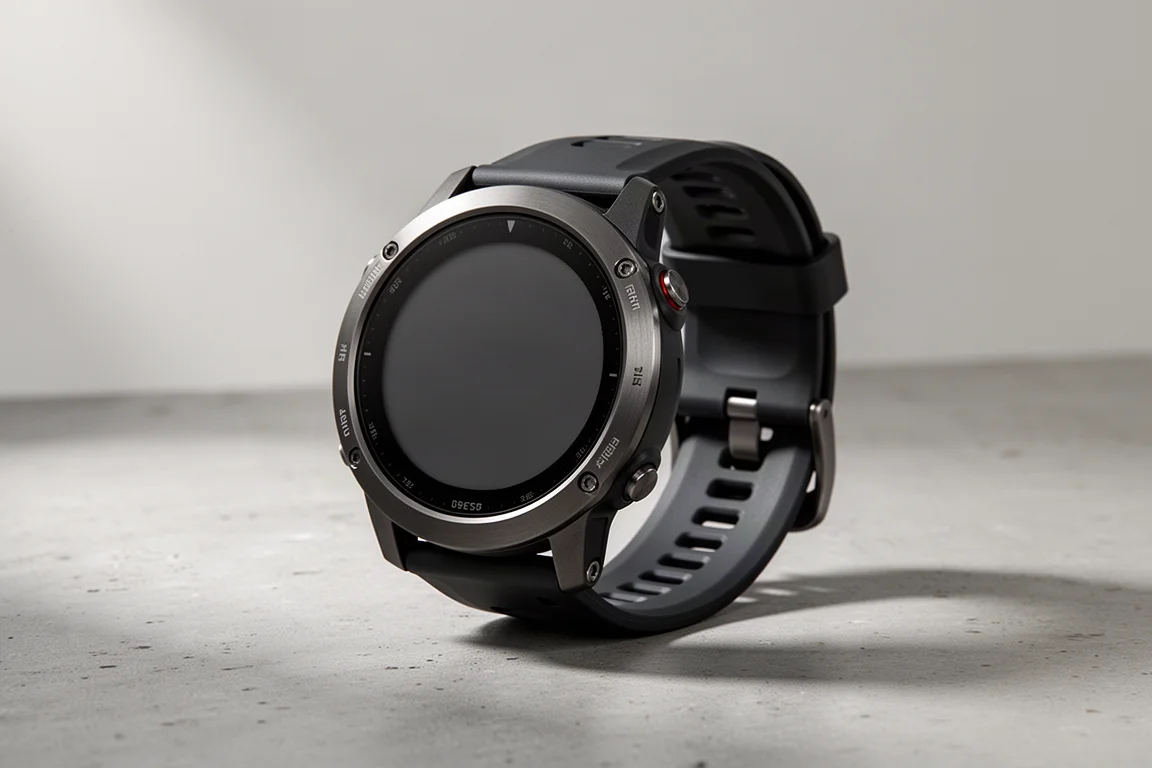
The Forerunner 965 was called the outstanding pick in Garmin’s top-end range. It is lighter and more plasticky than the Fenix, but it has an AMOLED screen, roughly six to seven days of battery with an always-on display, and it comes in around two to three hundred pounds cheaper. For budget-conscious buyers wanting a bright screen, this is the recommendation.
Garmin Forerunner 955
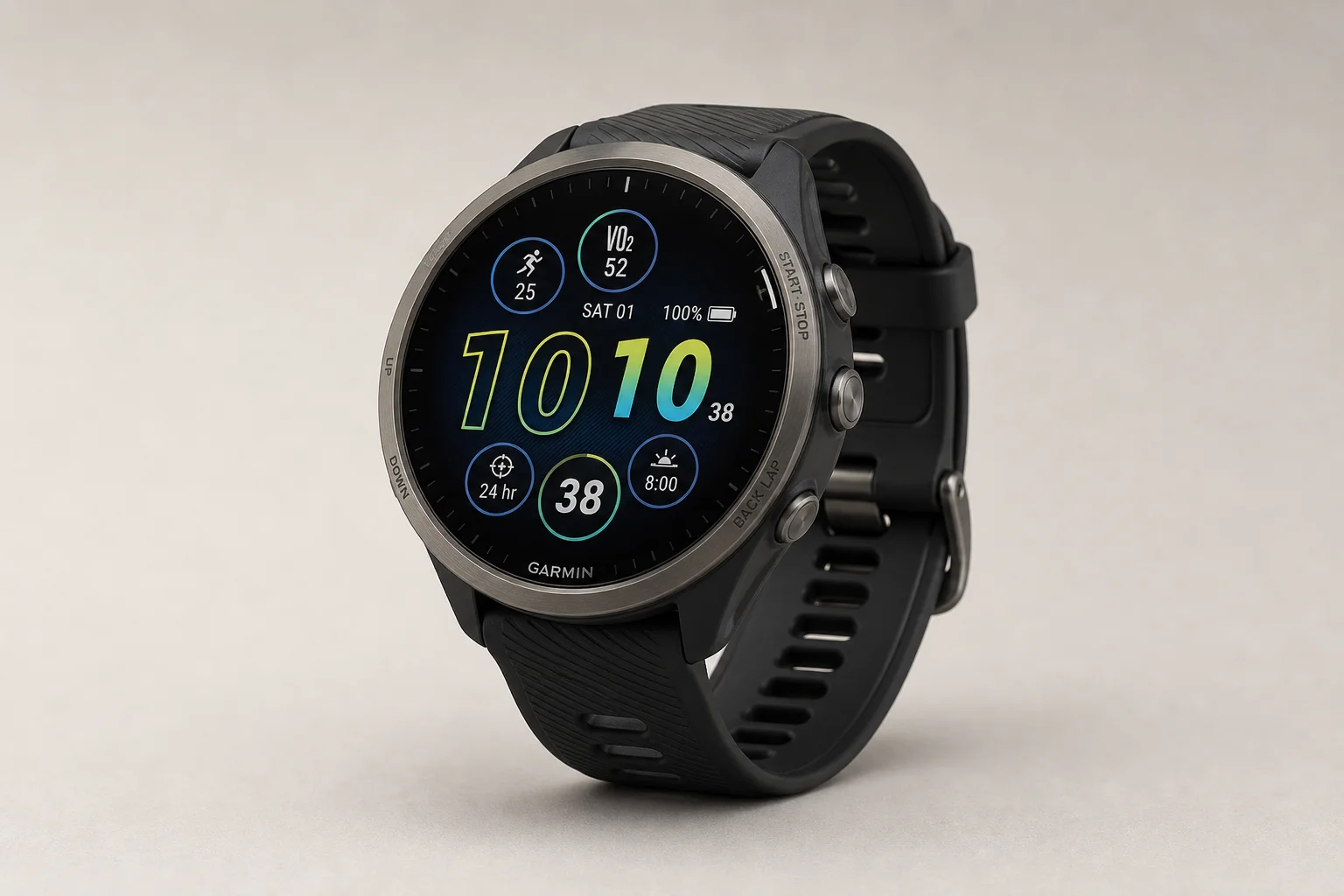
The Forerunner 955 is the other value play. It has a memory-in-pixel display and keeps up with most of Garmin’s best features, it lacks the metal bezel, which makes it lighter on the wrist, and it is a lot cheaper than any Fenix. A sensible pick if you want Fenix-like capability without the price.
The Competition
Outside Garmin, the field is thinner at this level, but there are a few names worth knowing.
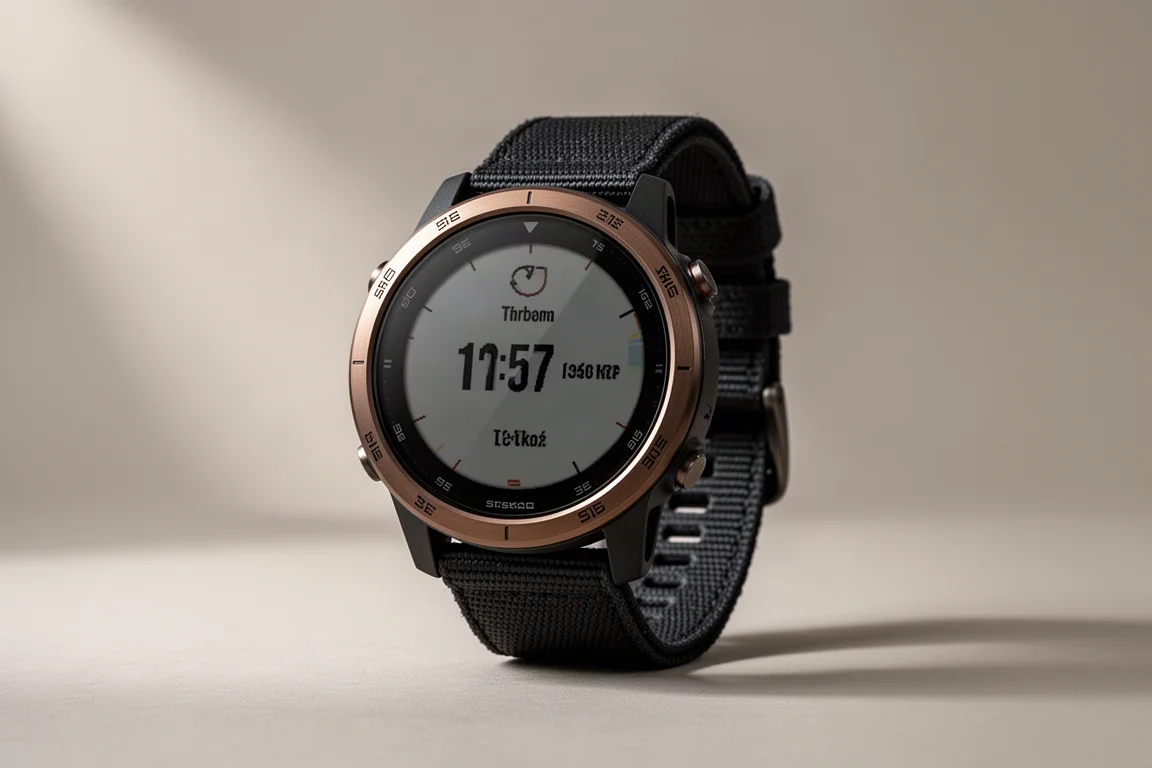
Suunto Vertical
The Suunto Vertical impressed with good maps, very accurate GPS and a nice bright screen for a memory-in-pixel display. Suunto has caught up a lot with this watch, but Garmin still does almost everything a little better, especially the proper routable maps, which keeps Garmin the clear choice in this high-end market for now.
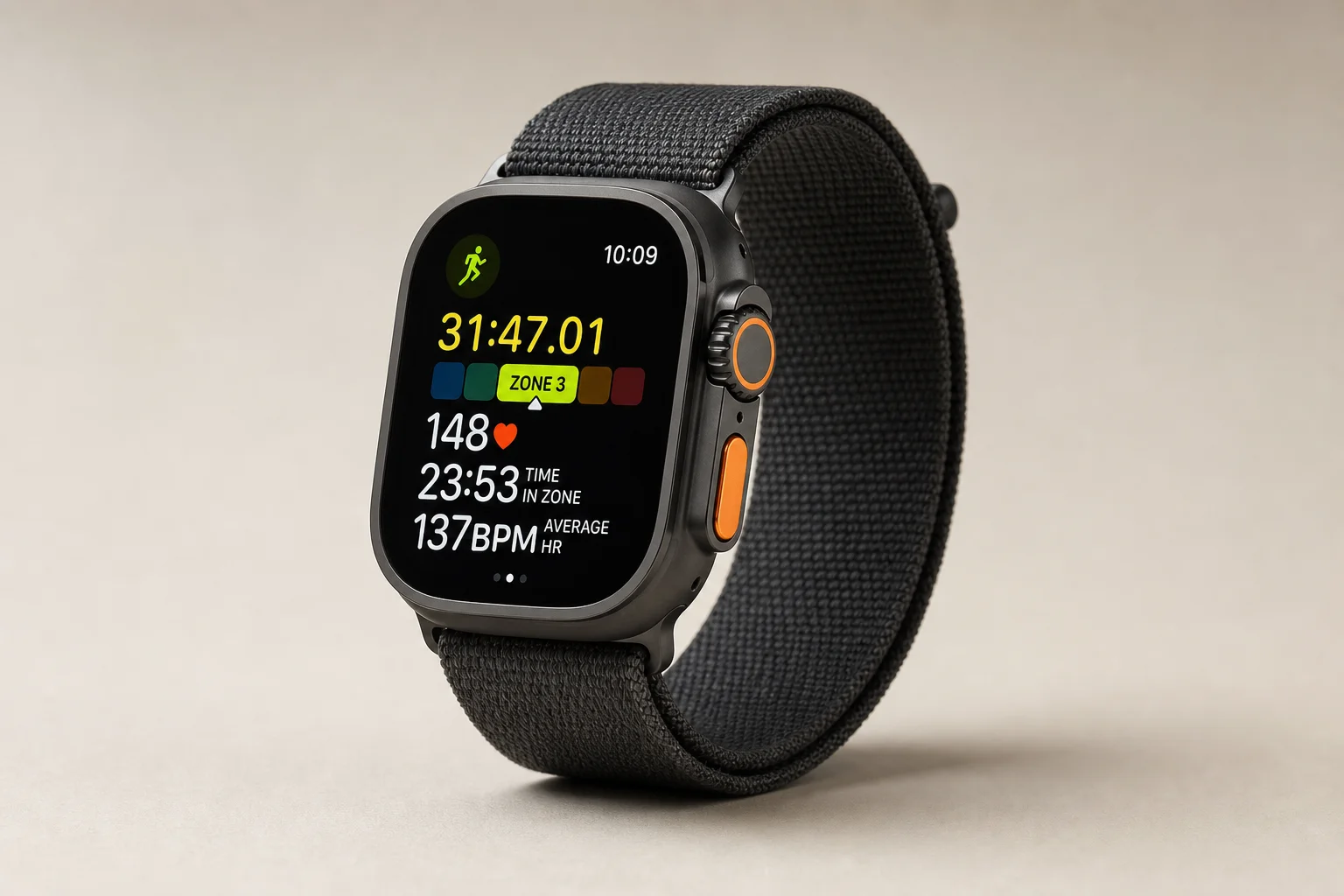
Apple Watch Ultra
The Apple Watch Ultra is the opposite philosophy: far richer smartwatch features, including a skin temperature sensor for more accurate period tracking, but far worse battery endurance, torching around 65 percent on a long run compared with the Fenix’s 27. Buy it if you want a smartwatch that runs; buy the Fenix if you want a sports watch that lasts.
Coros Vertix 2
The Coros Vertix 2 undercuts most of this field on price and offers serious battery credentials. It is a legitimate option for adventure-focused runners who want long endurance without Garmin’s price, though Garmin’s maps and overall experience still lead the category.
Buying Advice
If you are upgrading from a Fenix 6 or older, the Fenix 7 Pro is worth considering, though waiting for the next generation is also a reasonable call given how little is new here. If you already own a Fenix 7, Epix or Enduro 2, skip it. First-time buyers in this market should weigh the trade-offs honestly: battery life versus AMOLED screen, price versus features.
For most people, the standard Fenix 7 or the Forerunner 965 delivers the best value, while the Epix Pro wins if a bright screen matters more than battery. The Pro’s genuinely useful extras, the flashlight on smaller cases and the modest heart rate sensor improvement, are nice, but they are not deal-makers.

Conclusion
The Garmin Fenix 7 Pro is a great running and adventure watch, as good as it gets for all-round capability in Garmin’s lineup, with excellent battery life, best-in-class GPS and maps, and strong training tools. It is also a stepping-stone update rather than a leap, and with so many excellent alternatives in Garmin’s own range, most buyers will get a very similar experience for less money elsewhere.
Further reading
Related Reviews
GPS Sports Watches
Polar Grit X2 Pro vs Vantage V3 vs COROS Vertix 2S: Which Flagship Adventure Watch Makes Sense
Polar's new flagship shares its internals with the Vantage V3 and goes up against the COROS Vertix 2S. Here is what two months of testing revealed about GPS, heart rate, navigation, and value.
GPS Sports Watches
Coros Apex 2 vs Garmin: Six GPS Sports Watches Worth Comparing
A practical look at the Coros Apex 2, Apex 2 Pro, Vertex 2, and three Garmin rivals, with what each does well and where the trade-offs sit.
GPS Sports Watches
Coros Apex 4 Hands-On: Titanium Build, Faster Mapping, and a Battery Built for the Mountains
A first look at the new Coros Apex 4 GPS sports watch, including its titanium construction, improved mapping, built-in speaker, and standout battery life.