GPS Sports Watches
Garmin Fenix 7 Lineup Explained: Fenix 7, Solar, and Sapphire Solar Compared
Garmin's Fenix 7 family adds touchscreens, improved solar charging, new training tools, and a built-in flashlight on the 7X. Here is how the three tiers differ and which one fits your riding, running, and adventure needs.
Introduction
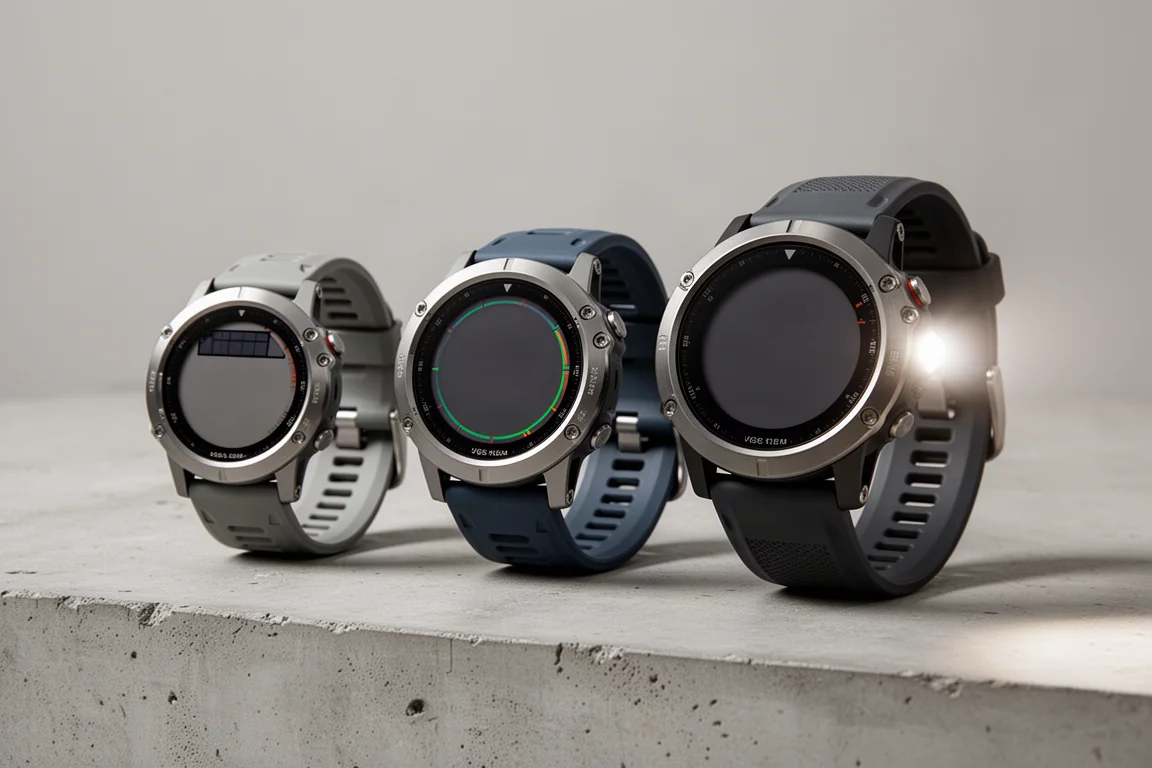
Garmin’s Fenix 7 family arrives with a long list of changes: a new touchscreen, more durable hardware, bigger solar charging surfaces, fresh training features, and, on the largest model, a genuinely useful built-in flashlight. The lineup has also been simplified compared to the Fenix 6 generation, which spanned a confusing number of variants. Now there are just three tiers: the base Fenix 7, the Fenix 7 Solar, and the Fenix 7 Sapphire Solar.
This guide walks through what is new across the whole family, how the three tiers differ, and which model makes the most sense for different types of athletes.
The Fenix 7 Lineup at a Glance
With the Fenix 6 series, Garmin offered the Fenix 6, 6 Pro, 6 Sapphire, and 6 Pro Solar, with maps and music split unevenly across the range. The Fenix 7 generation cleans this up. Every model now gets both maps and music. The three tiers are the base Fenix 7, the Fenix 7 Solar, and the Fenix 7 Sapphire Solar.
Sizing works like this: the base Fenix 7 comes in two sizes, the 42mm 7S and the 47mm standard 7. The Solar and Sapphire Solar editions come in three sizes: 42mm (7S), 47mm (7), and 51mm (7X). The 7X is the model that carries the built-in flashlight, which turns out to be far more capable than the name suggests.
Build materials also step up as you climb the range. The base Fenix 7 and the Fenix 7 Solar use a steel bezel and steel back, with Corning Gorilla Glass DX on the base model and Garmin’s Power Glass on the Solar. The Sapphire Solar models move to a titanium bezel and titanium back with Power Sapphire glass, which combines sapphire durability with solar charging. All sizes get protected lugs, where the bezel metal extends over the lugs for extra protection, plus a small guard around the start/stop button to prevent accidental presses. That button guard is a welcome touch for anyone who has had a workout paused unintentionally mid-run.
Every Fenix 7 also gets Garmin’s latest fourth-generation Elevate heart rate sensor with a Pulse Ox sensor for blood oxygen readings, now surrounded by metal protection and covered with glass.
The New Touchscreen
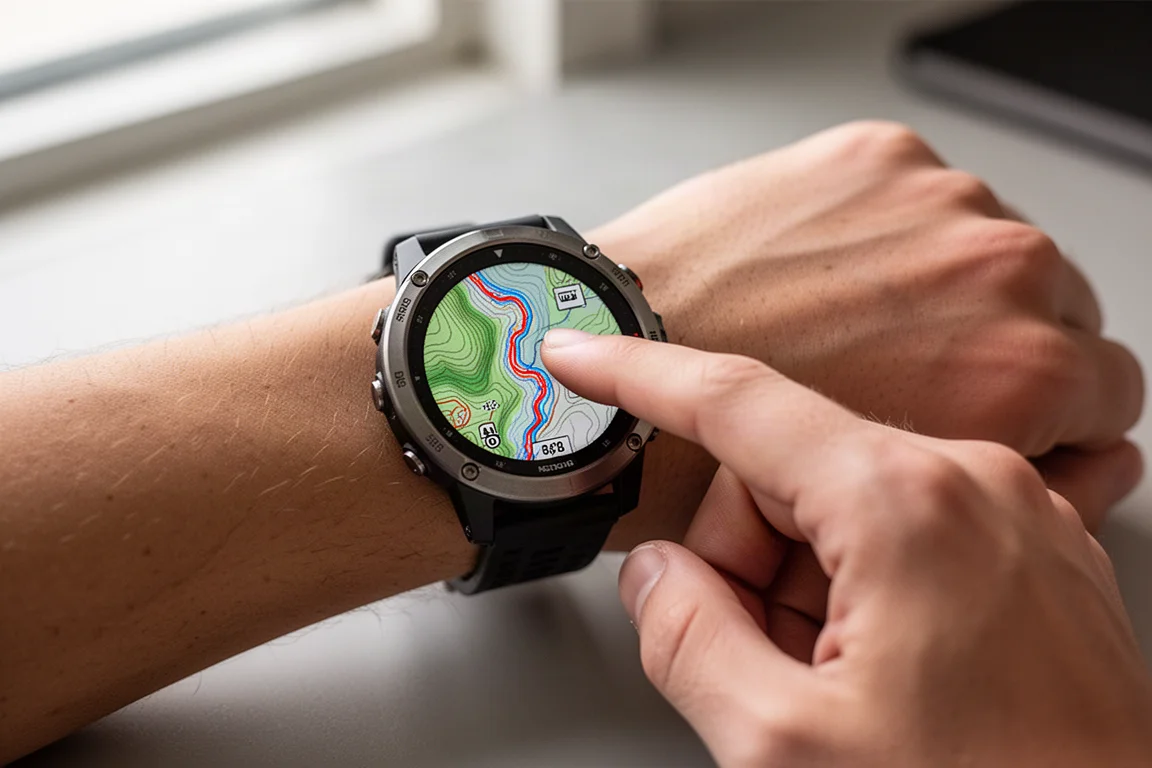
The headline hardware addition is a touchscreen that sits alongside the traditional five-button interface. Nothing is lost for button loyalists: every feature remains accessible through the keys alone, and Garmin gives you granular control over when the touch panel is active, including general use, during activities, during sleep, and even for individual activity profiles.
In practice the touchscreen earns its place on the maps. Panning and zooming around Fenix maps with buttons alone always worked, but it was never pleasant. Now you can swipe to browse, double-tap to zoom, and use the on-screen labels at the left edge of the display as touch zones for zoom controls. You can also swipe through widget glances, tap into details, and enter text with a new on-screen keyboard.
New Training Tools: Real-Time Stamina and Race Predictor
All Fenix 7 models pick up two notable training features. The first is real-time stamina, a new data page that tracks how much energy you have left. Think of the “potential” field as your full gas tank: it steadily decreases across a workout. The “stamina” field reflects short-term capacity, the kind you burn in intervals, and it can recover between efforts. Green and red arrows indicate whether you are restoring or depleting, and a new chart in Garmin Connect lets you overlay heart rate or power data to see exactly how intervals drain and refill your tank.
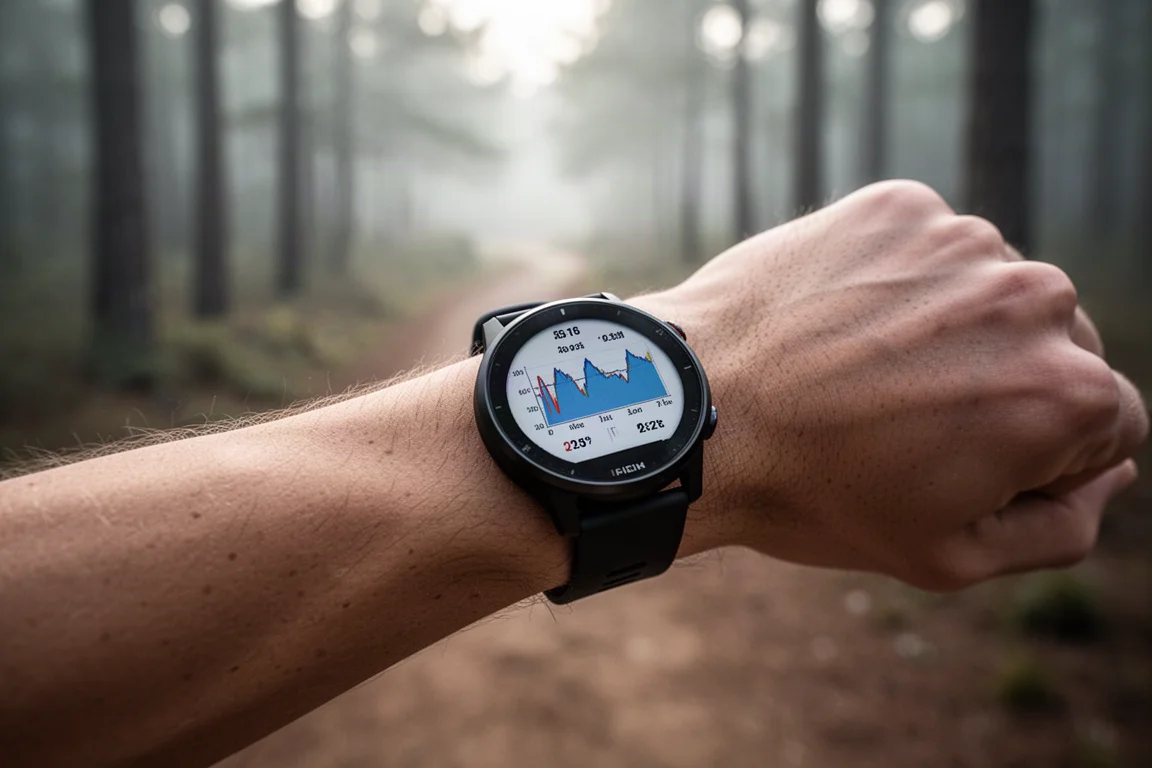
The second is the visual race predictor. The old race predictor simply showed estimated finish times for common distances like the 5K and 10K. The new version plots trends from your last four weeks of training, so you can see how different workouts contribute to different race distances and where your potential times are heading.
There is also a new “Up Ahead” feature that displays a rolling list of significant course points such as hydration reminders, nutrition reminders, rest stops, and shelters. You set these up by creating a course in Garmin Connect and adding named course points of your chosen type.
Maps, Skiing, and Storage
All Fenix 7 models include maps and music, but storage differs by tier. The Sapphire Solar editions carry 32GB of storage with preloaded topo maps. The base Fenix 7 and Fenix 7 Solar have 16GB, so you choose which topo regions to download through the new map manager found at the bottom of the activity profile list. Downloads happen over Wi-Fi and are free, though large regions can take a while: the North American topo maps weigh in at over 9GB, so a faster route is syncing them through Garmin Express on a computer. Ski and golf maps come preloaded on all models.
The updated SkiView maps deserve a mention. They now include resort names, individual trail names with color coding for black, blue, and green runs, chairlift information, and even cross-country ski trails for both classic Nordic and skate skiing.
Everyday Software Updates
Beyond the headline features, the Fenix 7 family gains a Health Snapshot activity profile (previously seen on other Garmin watches), new kiteboarding and windsurfing profiles with metrics like nautical speed, runs, and advanced speed pro data, and a more refined sleep mode with a subtle dedicated watch face, adjustable brightness and timeout, touchscreen control, and battery saver.
The interface gets polish too: a calories widget that projects your daily total and breaks down active calories from workouts versus general activity, new graphical data field charts, and an on-watch Connect IQ store that lets you download recommended apps, data fields, and widgets directly over Wi-Fi. Perhaps the most requested addition is real-time settings sync: you can now edit watch settings, including data pages and fields, from the Garmin Connect smartphone app, and the changes apply on the watch immediately.
Battery Life Across the Range
Battery life improves noticeably across the board. The base Fenix 7S jumps to up to 11 days in smartwatch mode from 9 on the Fenix 6S, and the standard Fenix 7 reaches up to 18 days from 14. GPS battery life climbs as well: up to 37 hours on the 7S (from 25) and up to 57 hours on the standard 7 (from 36).
The Solar editions pull further ahead thanks to improved solar charging, with up to 54 percent more solar charging surface on the 7X and better efficiency across the range. With sufficient solar exposure, the 7S Solar reaches up to 14 days in smartwatch mode (up from 10.5 on the 6S Pro Solar), the 7 Solar reaches up to 22 days (from 16), and the 7X Solar reaches up to 37 days (from 24). GPS battery life with solar charging reaches up to 46 hours on the 7S Solar, 73 hours on the 7 Solar, and 122 hours on the 7X Solar.
Garmin Fenix 7 Solar: The Middle Tier
The Fenix 7 Solar sits in the sweet spot for anyone who spends serious time outdoors. You get the same steel-bezel construction as the base model, Power Glass with solar charging, the full touchscreen experience, and all the new training and navigation features. The three size options (42mm, 47mm, and 51mm) mean the 7X Solar with its flashlight lives in this tier too, and the extended battery figures are genuinely meaningful for multi-day trips or long ultramarathon events where charging opportunities are scarce.
If your activities regularly stretch past a week between charges, or you simply do not want to think about the charger during training blocks, the Solar tier’s gains over the base model are easy to appreciate.
The 7X Flashlight: More Than a Gimmick
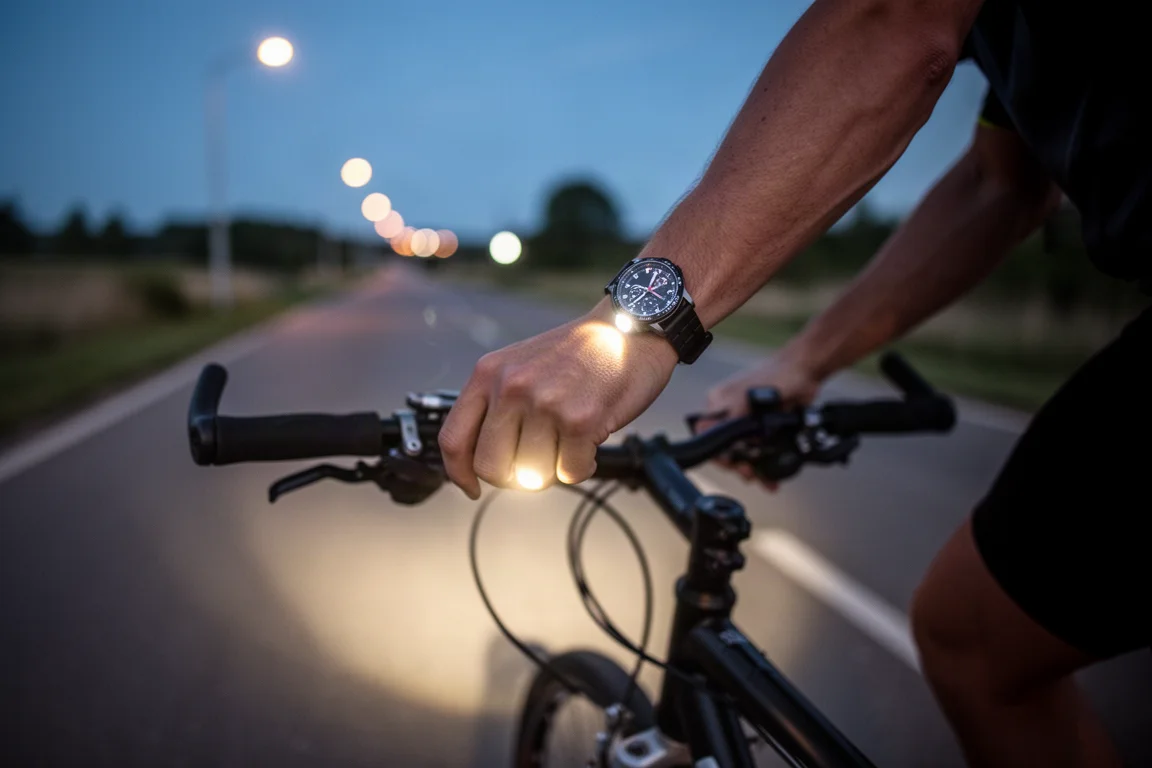
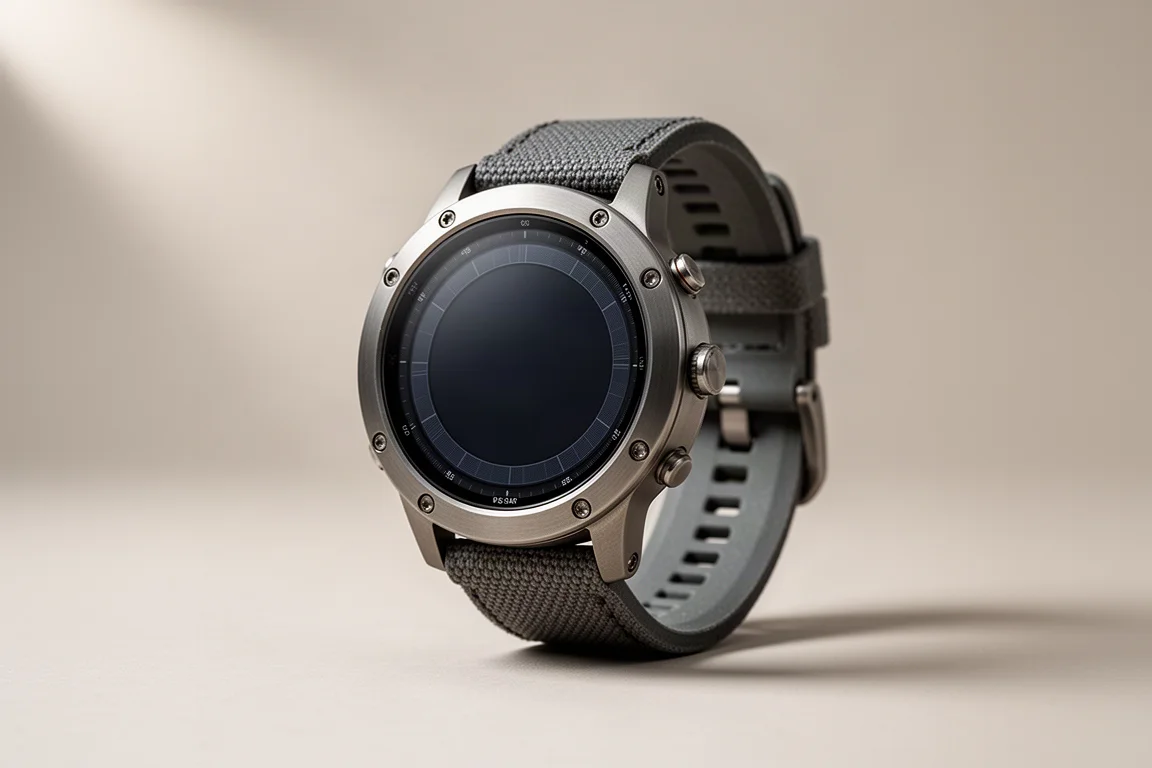
The 51mm 7X models (Solar and Sapphire Solar) include a built-in LED flashlight, and it is surprisingly well thought out. A quick double press of the light button activates it from anywhere in the interface. The light sits at the top of the watch, so it works on either wrist, and unlike a phone flashlight it leaves both hands free, whether you are finding your way on a dark trail, dealing with a power cut, or navigating an unfamiliar rental at night.
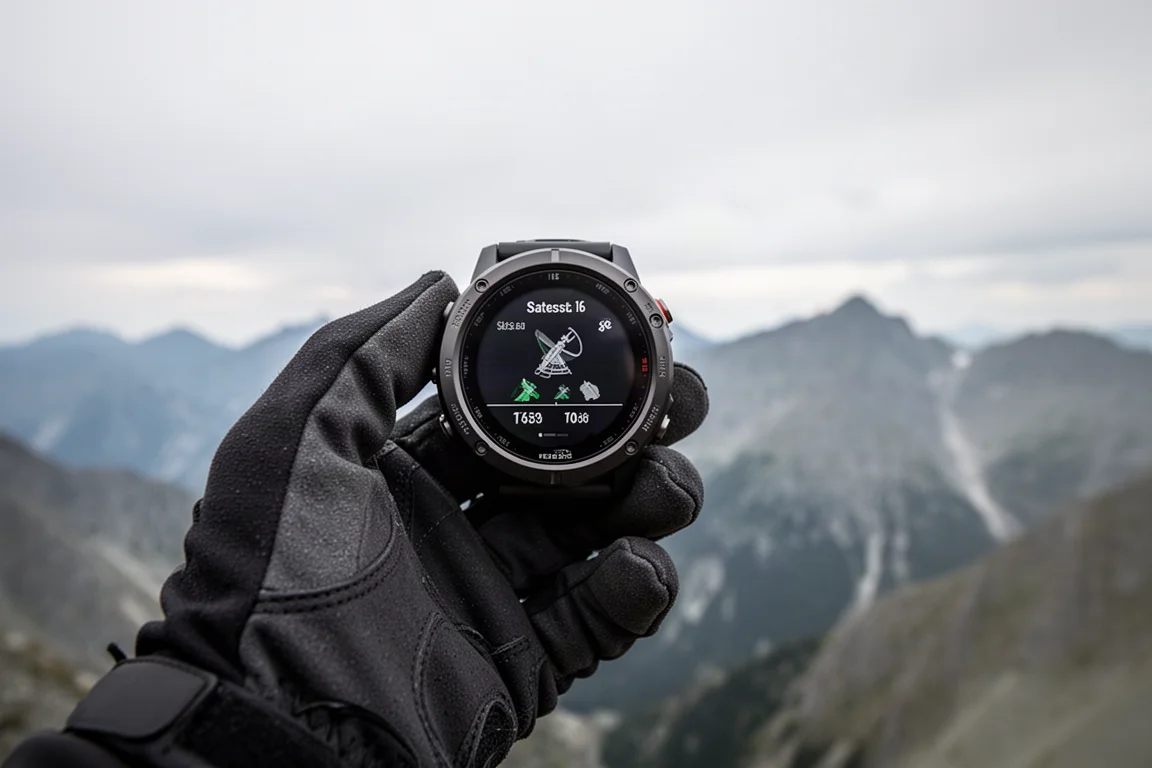
From the controls menu you can adjust brightness levels and switch to red light. Long-pressing the middle-left button from the flashlight screen opens the strobe modes: blink, a subtler pulse, beacon, blitz (party mode), and a custom mode where you choose the pattern, speed, and white or red light. There is also a distress pattern that flashes SOS in Morse code while displaying your contact information from Garmin Connect, which could matter in a genuine emergency.
One clever feature is a cadence mode intended to match your running stride, shining white when your arm swings forward and red when it swings back. In testing, results were inconsistent, but you can always fall back on the other strobe modes for visibility. It also has a practical cycling use: set a flashing mode on your wrist to make yourself more noticeable to drivers.
Garmin Fenix 7 Sapphire Solar: The Premium Tier
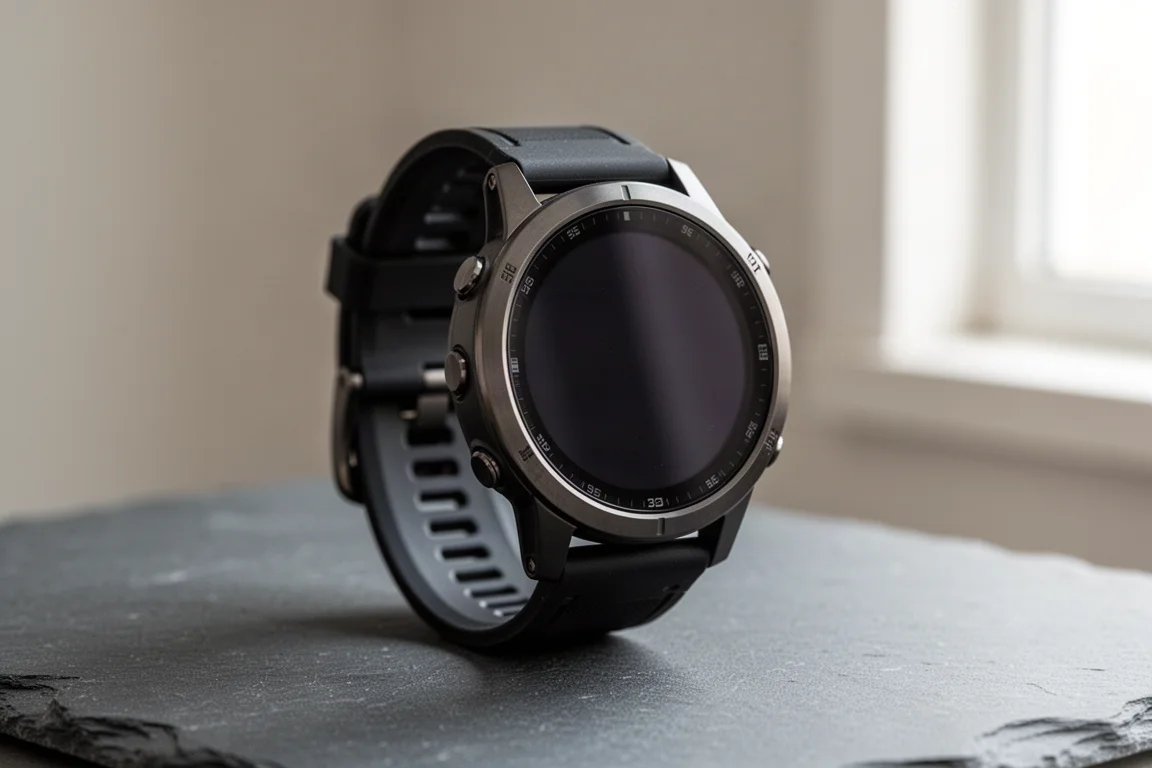
The Sapphire Solar editions combine sapphire glass with solar charging, a combination that was not available in the standard Fenix 6 lineup outside the specialized Tactix Delta Solar. The titanium bezel and back also lighten the watch compared to the steel models.
The headline technical upgrade here is multi-band GNSS. All Fenix 7 models support GPS-only mode and a multi-GNSS mode that automatically selects between all five major satellite systems based on availability and signal quality, plus an UltraTrac mode that reduces sampling frequency to stretch battery life. The Sapphire Solar models add a multi-band mode that also uses the L5 frequency, tracking on two frequencies concurrently for better accuracy in challenging environments such as deep canyons or dense tree cover. Battery life in this mode takes a modest hit, but it remains respectable, and solar charging offsets it further. The Sapphire Solar also carries the full 32GB of storage with topo maps preinstalled, and the 7X Sapphire Solar includes the flashlight.
Which Fenix 7 Should You Buy?
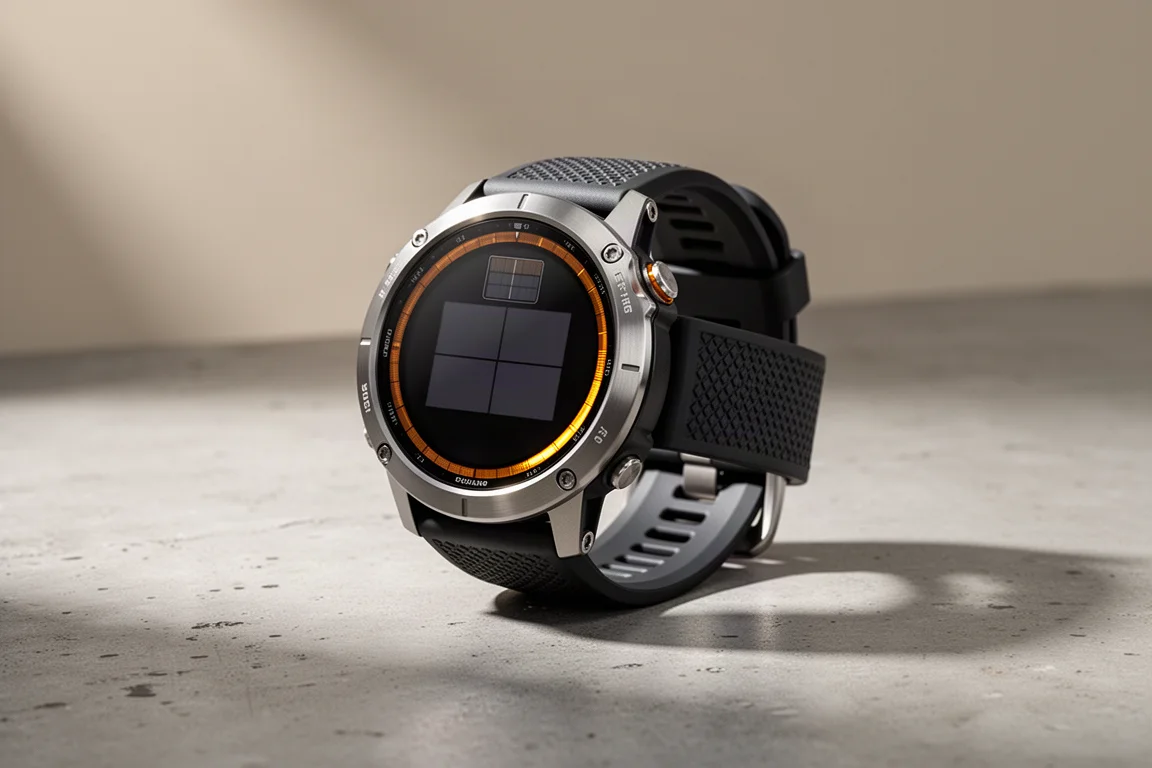
If you want the core Fenix experience with maps, music, the touchscreen, and the new training tools at the lowest entry point, the base Fenix 7 in 42mm or 47mm covers it well. If you regularly go days or weeks between charges or train long outdoor hours, the Solar tier’s improved charging is the meaningful upgrade, and choosing the 7X size adds the genuinely useful flashlight. If you demand the best positioning accuracy in difficult terrain, want the toughest glass, prefer the lighter titanium build, and appreciate preloaded topo maps, the Sapphire Solar is the fully loaded choice. For most athletes, the Solar tier hits the balance of features, battery life, and value, while trail and mountain athletes will find the Sapphire Solar’s multi-band accuracy worth the step up.
Conclusion
The Fenix 7 generation is a sensible evolution rather than a radical reinvention. The touchscreen makes the already excellent maps far easier to use, battery life improves across every model, and the new stamina, race predictor, and settings sync features address real training and daily-use needs. Pick the tier that matches your battery and durability priorities, and consider the 7X carefully: the flashlight sounds like a novelty until you use it on a dark trail or roadside ride.
Further reading
Related Reviews
GPS Sports Watches
Polar Grit X2 Pro vs Vantage V3 vs COROS Vertix 2S: Which Flagship Adventure Watch Makes Sense
Polar's new flagship shares its internals with the Vantage V3 and goes up against the COROS Vertix 2S. Here is what two months of testing revealed about GPS, heart rate, navigation, and value.
GPS Sports Watches
Coros Apex 2 vs Garmin: Six GPS Sports Watches Worth Comparing
A practical look at the Coros Apex 2, Apex 2 Pro, Vertex 2, and three Garmin rivals, with what each does well and where the trade-offs sit.
GPS Sports Watches
Coros Apex 4 Hands-On: Titanium Build, Faster Mapping, and a Battery Built for the Mountains
A first look at the new Coros Apex 4 GPS sports watch, including its titanium construction, improved mapping, built-in speaker, and standout battery life.