Sports Watches
Garmin Fenix 7 Buying Guide: Which of the 22 Versions Should You Buy?
Three models, 22 editions, one confusing lineup. Here is how the Fenix 7S, Fenix 7 and Fenix 7X compare on size, battery, materials and price.
Introduction
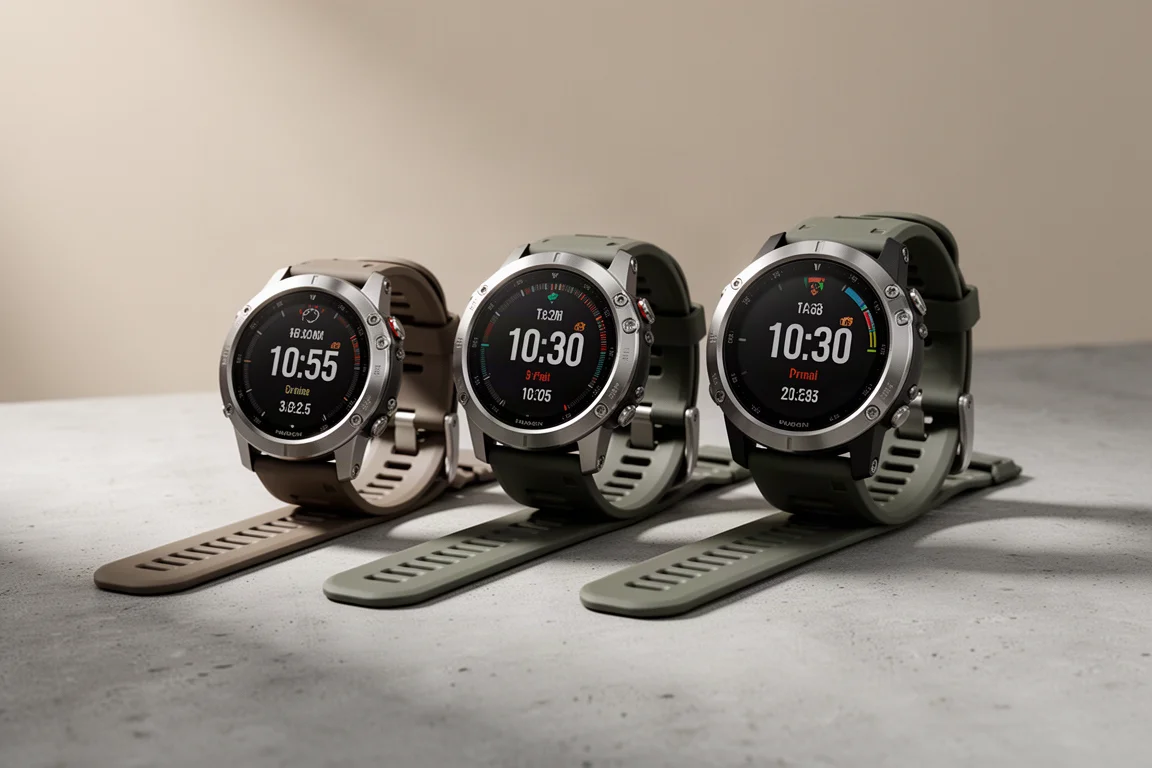
Garmin’s Fenix 7 range is one of the most confusing lineups in sports watches. There are three models, the Fenix 7S, the Fenix 7 and the Fenix 7X, and a massive 22 different editions across the range in total. The major differences come down to size, build materials, battery life, GPS functionality and price.
This guide breaks down what each model offers so you can figure out which of the 22 is the right one for your wrist, your budget and your training.
How the Range Is Structured
The 7S and the standard 7 come in three editions each: standard non-solar, Solar, and Sapphire Solar. The 7X only comes in Solar and Sapphire Solar options. Screen sizes step up with the models: 1.2 inches at 240x240 pixels on the 7S, 1.3 inches at 260x260 on the 7, and 1.4 inches at 280x280 on the chunkier 7X.
Weights climb the same way. The Fenix 7S is the lightest at 63g (2.2 oz), the Fenix 7 sits at 79g (2.8 oz), and the Fenix 7X is the heaviest at 96g (3.4 oz). If you want a lighter, smaller watch, the 7S is the clear choice, but you sacrifice battery life for the less bulky build.
Battery Life and GPS Functionality
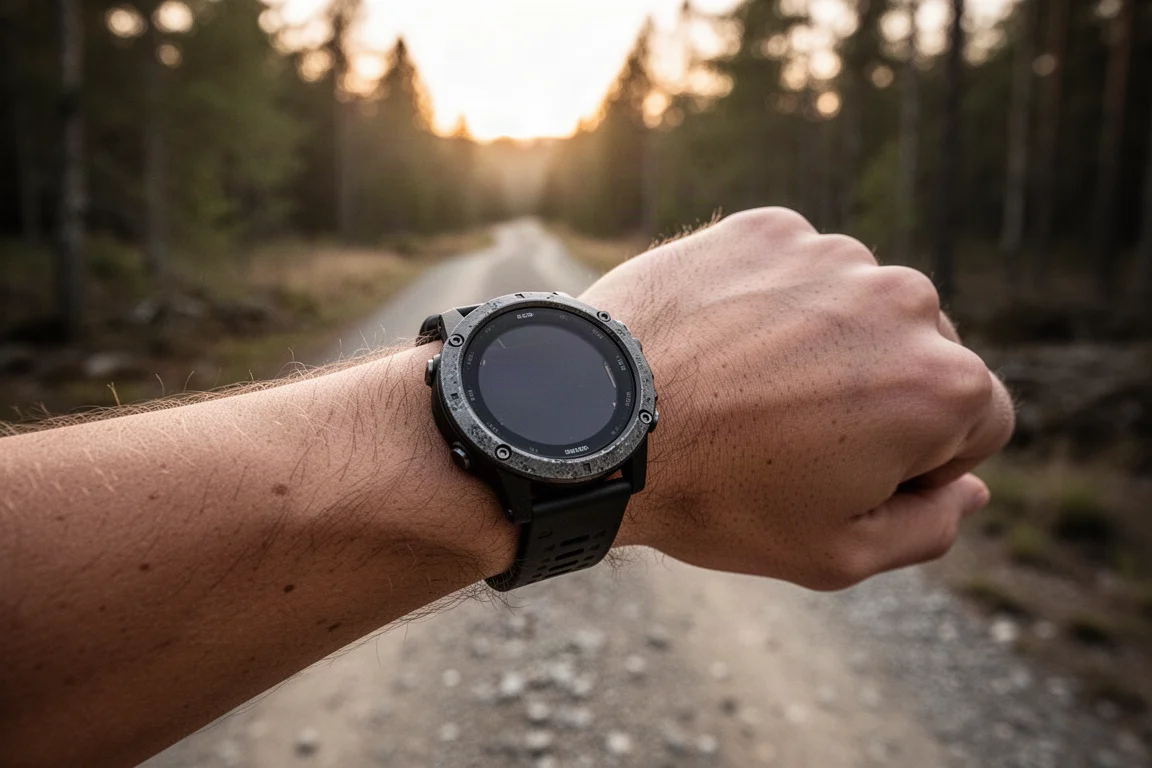
Battery life scales directly with size: the larger the watch, the longer it lasts on a single charge. The regular Fenix 7S manages 37 hours of GPS, rising to a potential 46 hours on the Solar edition. The regular Fenix 7 offers 57 hours of GPS, with the Solar version reaching up to 73 hours. The Fenix 7X starts at 89 hours of GPS-only and stretches to 122 hours with solar.
Two things are worth knowing before you pick an edition. Solar charging is obviously only on the Solar editions, and the accuracy-boosting multi-band GPS is reserved exclusively for the Sapphire Solar editions.
Materials: Steel vs Titanium
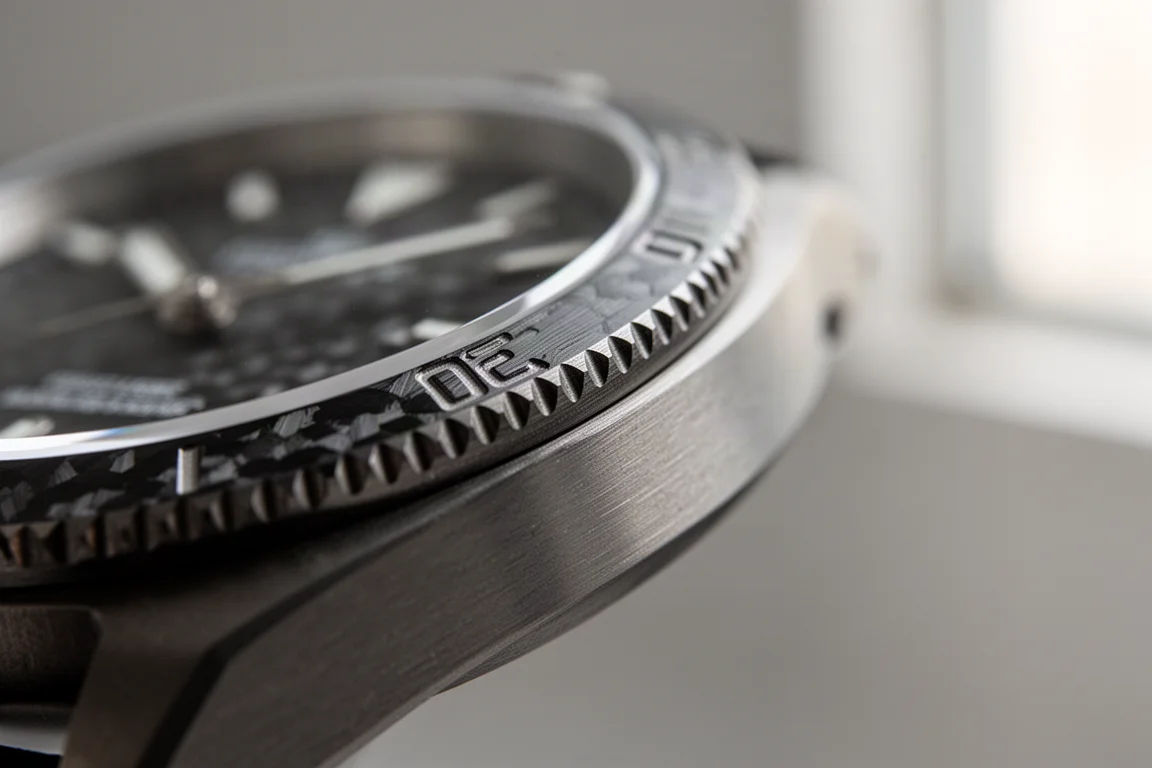
On build materials you can choose between a stainless steel bezel or a lighter titanium and diamond-like carbon bezel. The titanium finish is noticeably lighter on the wrist, which can matter day to day, especially if you sleep-track or wear the watch around the clock, but it only comes on the more expensive Solar Sapphire editions.
If you are happy with a slightly weightier watch, stepping down to steel saves you a lot of money while keeping the core performance consistent across the range.
Price: What Each Model Costs
All of these watches fall into the top tier of the sports watch market. The cheapest in the range is the standard non-solar Fenix 7S at £599.99, rising to £859 for the top Sapphire Solar edition. The Fenix 7 spans £599.99 up to £989.99 depending on the edition. The most expensive is the Fenix 7X Sapphire Solar, which starts at £779.99 and climbs to £1,049.99 if you go for the titanium finish.
In short: bigger battery life means bigger wrists and a bigger bank balance.
Our Picks: Which One Would We Buy?
If it is our money, the base Fenix 7 in steel is the smart buy. The base level of what you get is so good, and the multi-band GPS is a lovely upgrade that is tempting, but it is such a big price jump that the standard multi-GNSS satellite support on the base model is fantastic in its own right. As a rough rule of thumb, if you spend around £600 on the base Fenix 7, you have about £200 left over for something like a really good head torch.
For those leaning upmarket, the Fenix 7 Solar Sapphire in titanium hits the middle of the range on price while delivering the lightweight titanium build that makes it comfortable enough to wear all day. The multi-band GPS comes along as a bonus rather than the reason to buy, and battery life remains a strong selling point.
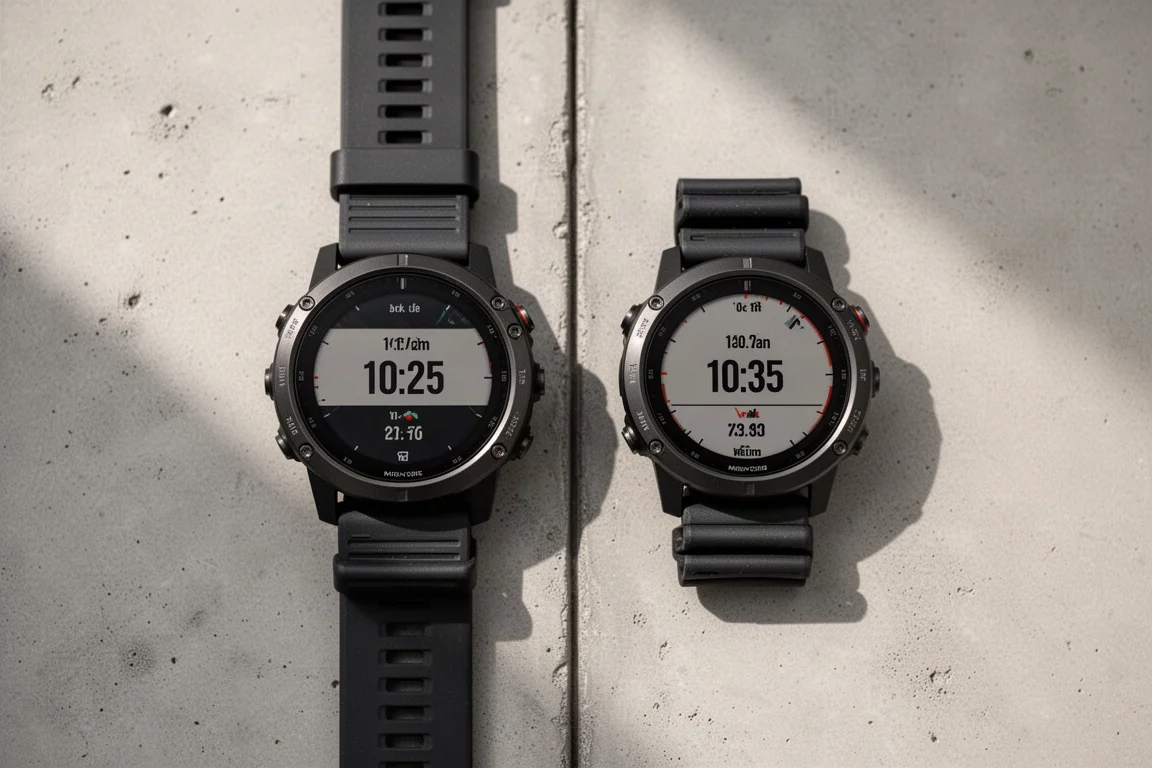
The 7X is a harder sell for many wrists. Its flashlight is a genuine draw and its 89 to 122 hours of GPS battery life leads the range, but it is noticeably bulkier, and even with money as no object, some prefer the more compact 7. If you like bigger watches and want maximum battery, though, the 7X Sapphire Solar is the flagship way to go.
Conclusion
The Fenix 7 range rewards a simple decision process. Pick your size first: 7S for lightness, 7 for balance, 7X for battery. Then pick your edition: steel for value, Solar for extended GPS hours, Sapphire Solar for multi-band GPS and titanium. For most runners, the base Fenix 7 delivers so much that the expensive upgrades are hard to justify, but the titanium Sapphire Solar edition is the one to pick if you want a watch that disappears on the wrist.
Further reading
Related Reviews
Sports Watches
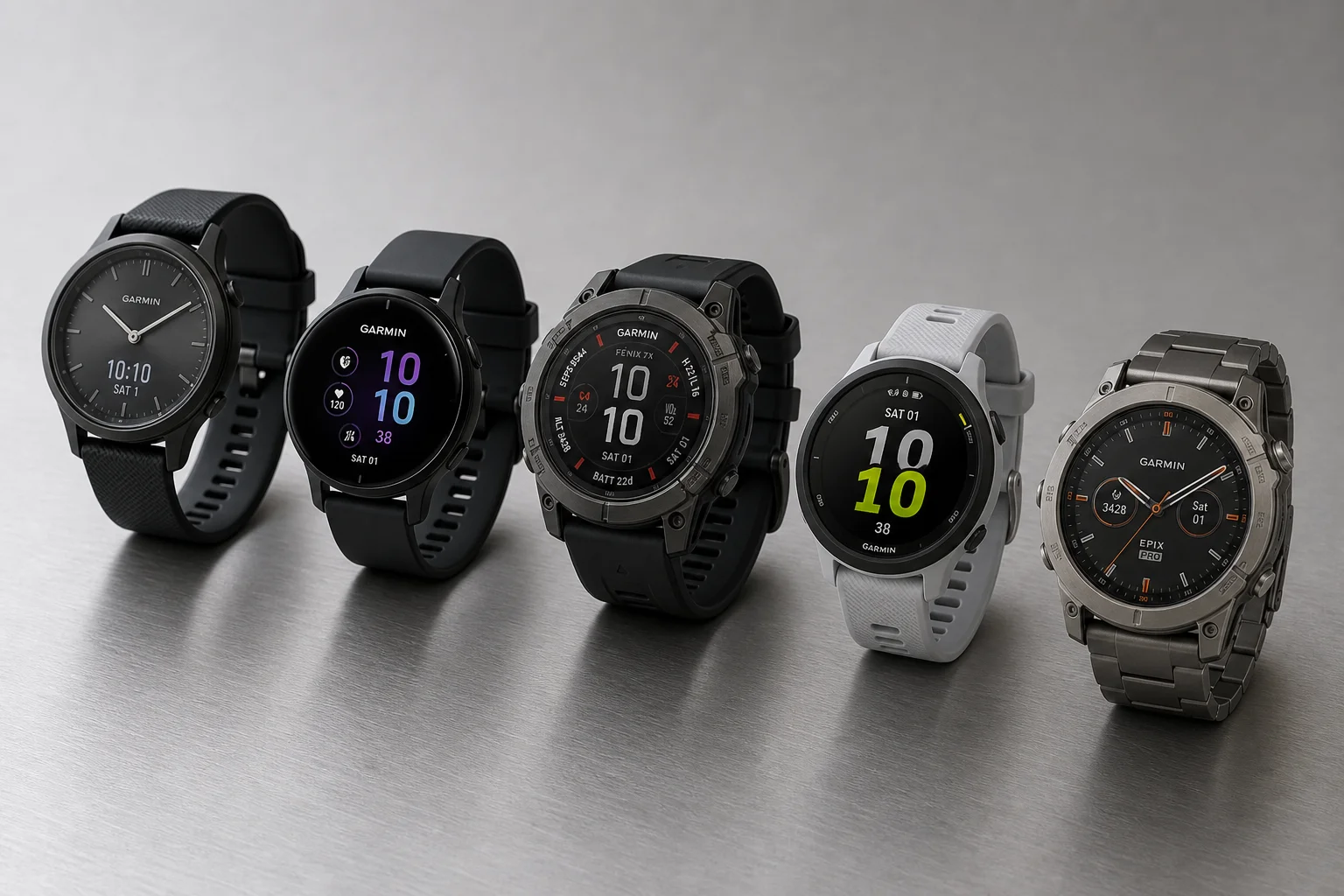
Garmin Sports Watch Guide: Finding the Right Model for Your Fitness Level
A comprehensive overview of Garmin's sports watch lineup, from casual fitness trackers to advanced multisport devices, helping you choose the right model for your needs and budget.
Sports Watches
Coros Pace Pro Review: A Complete Overhaul That Finally Feels Premium
Coros rebuilt the Pace Pro from the ground up with an AMOLED display, onboard maps, and a new heart rate sensor. Here is how it all holds up in real use.
Sports Watches
Polar Vantage M3 Review: The Sweet Spot in Polar's New Watch Lineup
A closer look at the Polar Vantage M3, which brings an AMOLED display, dual-frequency GPS, offline maps and the same software platform as Polar's flagship watches at a friendlier price.