Sports Watches
Garmin Epix Review: A Fenix 7 With the AMOLED Screen You Have Been Waiting For
The Garmin Epix combines a bright 1.3-inch AMOLED touchscreen with Garmin's full flagship feature set, but the trade-off is shorter battery life and a premium price.
Introduction
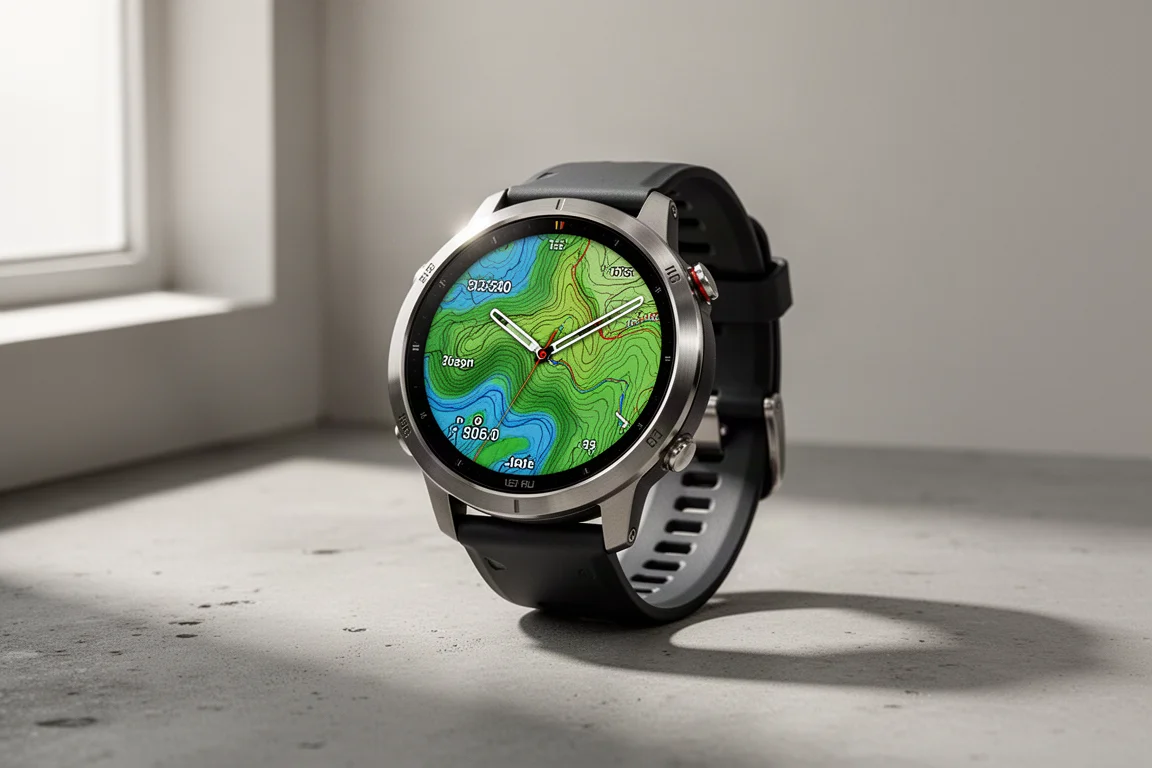
The simplest way to describe the Garmin Epix is that it is a Fenix 7 with an AMOLED screen, and that really does sum the watch up well. You get the same 47x47mm case as the standard Fenix, the same flagship feature set, and a 1.3-inch AMOLED touchscreen in place of the transflective display, along with the corresponding drop in battery life.
It is expensive. The base steel model costs from £799.99 and the titanium version from £899.99. The question this review tries to answer is whether the screen alone justifies the premium, or whether the whole package holds up on its own merits.
The Screen Is the Selling Point
The 1.3-inch AMOLED touchscreen is genuinely the headline here. It is very bright, very responsive, and higher in resolution than what you get on Garmin’s Venu range. It has always-on options for both activities and general use, and after testing side by side with the Fenix 7, the difference in day-to-day quality of life is hard to unsee once you have used it.
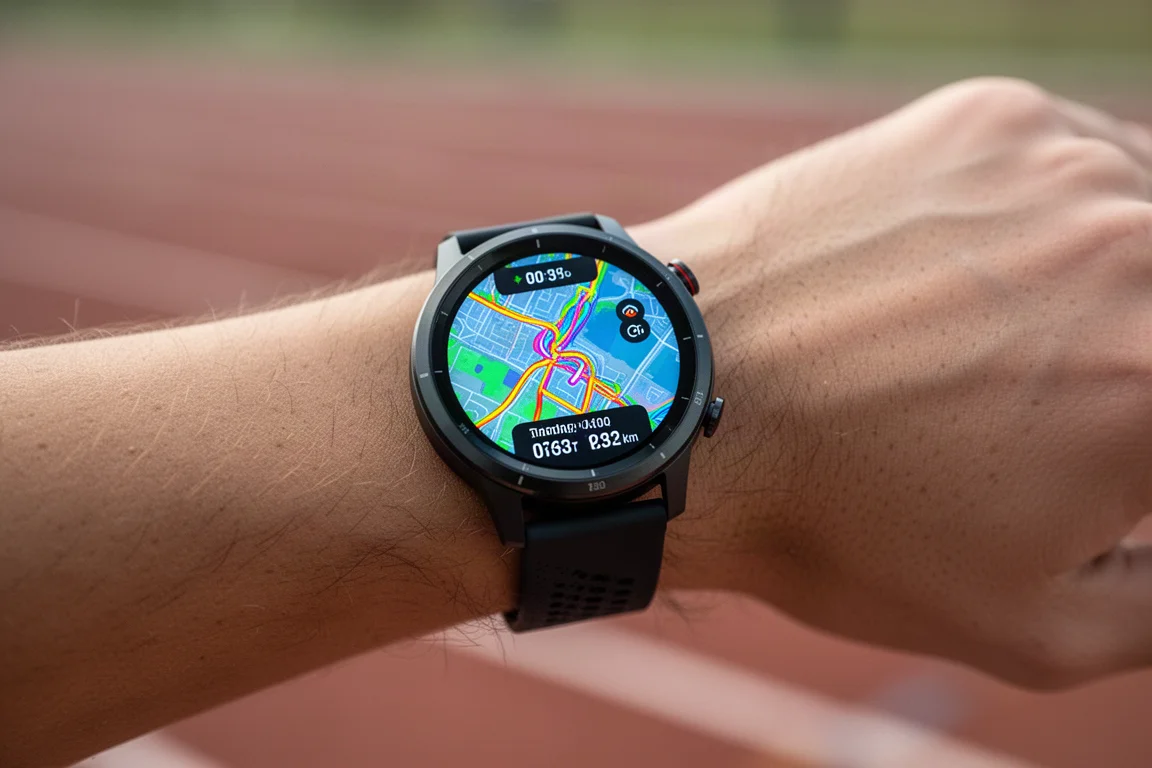
Outdoor visibility was a concern going in, since transflective displays traditionally excel in daylight, but the AMOLED held up well in all conditions. The touchscreen is best used for widgets and swiping away notifications, though the hybrid controls are not perfectly linked up yet. Tapping the weather on the main screen does nothing, while tapping it inside the widget view opens more detail, and some flows require switching between touch and buttons mid-task. No pinching to zoom on maps either. These are small irritations rather than dealbreakers.
Design, Build and Materials
The Epix keeps the round form factor that works so well for Garmin, a big change from the blocky original Epix. It feels similar in size to the Fenix 6 Pro on the wrist and noticeably more manageable than the larger Fenix 7X. The titanium version weighs 70 grams with the band versus 76 grams for the steel model, and the titanium finish is worth the extra money if weight matters to you. Screen options include strengthened glass or sapphire crystal, with steel or titanium bezels to choose from.
Water resistance is rated to 10 ATM, and you get the usual flagship sensor suite: heart rate, pulse oximeter, altimeter, barometer and compass, plus Bluetooth and ANT+ for external sensors.
Features and Training Tools
All the expected Garmin flagship features are here: colour maps with routing including ClimbPro and turn-by-turn navigation, music storage with offline Spotify playlists for premium users, detailed training analysis with heat and altitude acclimation insights, Body Battery, Connect IQ, Garmin Pay, power manager and PacePro for racing.
New additions include a HIIT workout sports mode, a torch mode (though not the built-in LED light found on the Fenix 7X), and the Up Ahead tool, which lets you mark checkpoints such as aid stations on routes so you know exactly how far away they are. Garmin’s race predictor has also been upgraded with trend graphs that show whether your predicted 5K-to-marathon times are improving or getting worse. The graphs are genuinely useful for tracking training direction, even if the predictions themselves still feel a little pessimistic compared with what you can actually run.
Garmin Stamina: Interesting but Unproven
Stamina is the big new metric across the Epix and Fenix 7 range. It is based on roughly your last four weeks of training data and tries to estimate how much you have left in the tank, either as remaining distance or a percentage during a run.
In real use, it is a mixed bag. Sprinting up an early hill in a cross-country race burned through 30 percent of stamina in the first kilometre, even though that pace turned out to be sustainable for the whole race. Ease off and the bar turns green almost immediately. The metric clearly aims to stop you going out too hard, but gauging the mental side of endurance is a very hard problem, and right now it needs more testing before you should rely on it for race pacing. PacePro remains the stronger race strategy tool here.
Maps and Navigation
If you follow routes, the AMOLED screen transforms Garmin’s already excellent mapping. The contrast is the key: dark green forest sits next to a path that really stands out, and routes stay readable under tree cover where the Fenix’s transflective screen picks up reflections from branches. Colour maps, ClimbPro and turn-by-turn navigation all carry over from the Fenix, and the get-me-home routing on the watch remains one of the smartest navigation implementations in any sports watch.
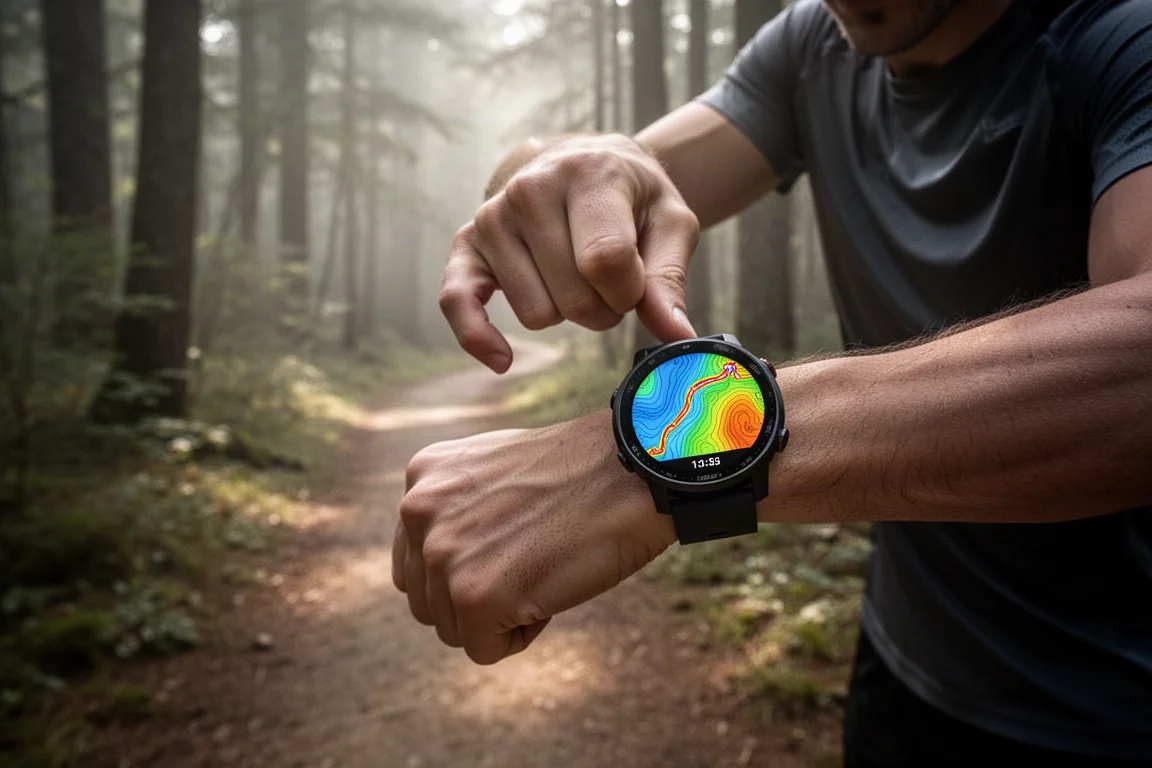
Sapphire editions add multi-continent topographic maps preloaded, and Up Ahead adds a genuinely useful layer for racing, letting you see distance to the next aid station or climb on a route you have plugged in.
Accuracy and Heart Rate
GPS accuracy has been strong, particularly in the multi-band mode available on sapphire editions, which uses multiple satellite systems (GPS, GLONASS and Galileo) at once. This generation of multi-system watches is a real step up on the Fenix 6 Pro era, and in testing the Epix was the only watch to correctly track a known GPS dead spot on a regular rep loop, staying on the pavement where other watches veer out and add phantom distance. Even so, satellite positioning will always have occasional wobbles, so expect case-by-case variation rather than perfection.
Heart rate follows the familiar Garmin story. It is reliable for long, consistent-pace runs and broadly comparable to the Fenix 7X, but lag and lurching appear during intervals, big intensity changes and hill efforts, which can skew readings like recovery time. If heart rate drives your training, a chest strap is still the right call.
Battery Life: The Big Trade-Off
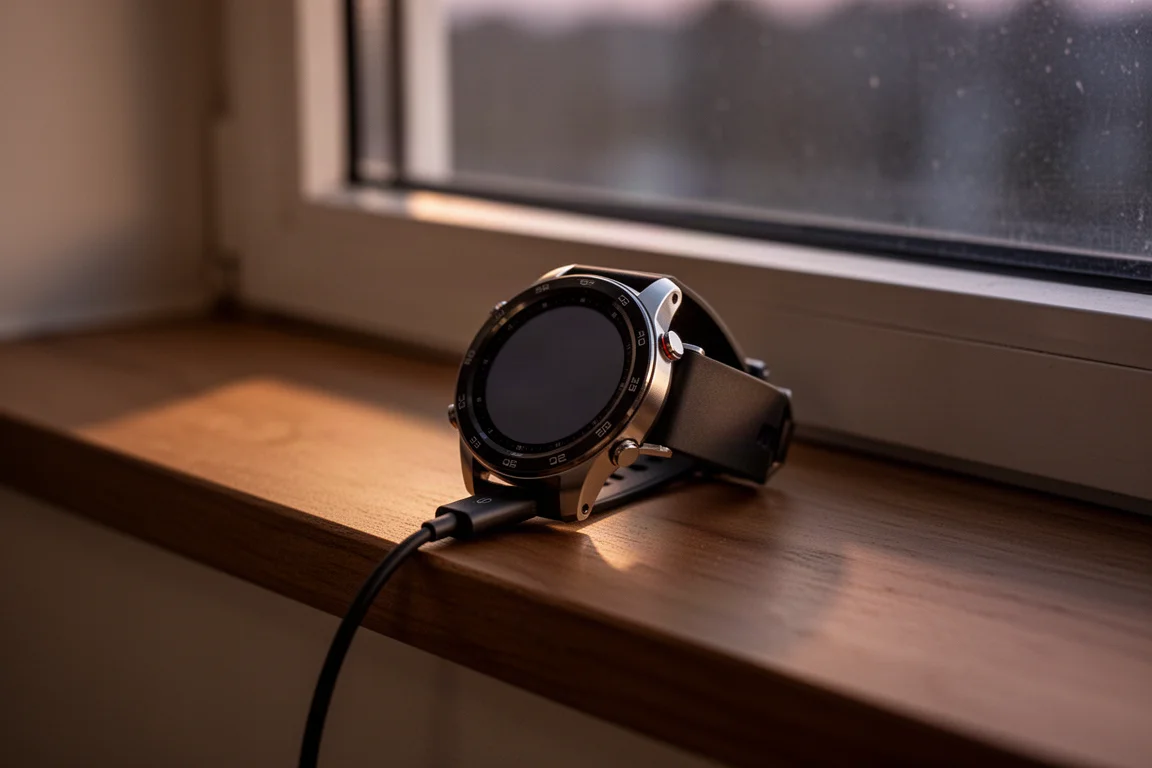
This is where the AMOLED costs you. Garmin lists 6 days in smartwatch mode with the always-on screen, or 16 days with raise-to-wake. GPS figures: 30 hours with GPS only, 38 in UltraTrac, 24 hours with multi-GNSS, and 15 hours in the battery-hungry multi-band multi-GNSS mode.
Real-world testing landed close to those numbers. With everything on, always-on display, multi-band GPS, music streaming and notifications, the watch still lasted around five to six days. A three-hour run with maps in sub-zero Scottish conditions cost 11 percent; an hour of running with music used roughly five percent. That is about double the drain of a Fenix 7 on the same settings, but it still equates to roughly 25 hours of single-stint run time, enough for a marathon and most ultras.

The real trade-off is the once-a-month charging habit that watches like the Enduro make possible. If that long-cycle battery life matters more to you than screen quality, the Fenix or Enduro may still be the better fit. If you are happy charging weekly rather than monthly, the balance here is genuinely good.
Verdict
Garmin has delivered what the Epix set out to be: a Fenex-level flagship with an AMOLED screen that does not fall apart on battery life. Nothing was cut from the Fenix feature set to make room for the screen, which was a real worry going in, and the touchscreen, while imperfectly integrated in places, is responsive enough to be worth having.
Whether it is worth it is a case-by-case question. It is very expensive, and rival watches offer more battery life. But if you have been waiting for a top-end Garmin with a colour AMOLED screen, this is it, and in this bracket there is very little else that combines this screen quality with this depth of sports tracking.
Conclusion
The Garmin Epix is a strong first-generation execution rather than a watch to skip until version two. The screen is beautiful, the feature set is complete, GPS accuracy in multi-band mode is excellent, and battery life, while roughly half that of the Fenix, is far better than feared. Buy it if the display excites you and you can live with more frequent charging; stick with the Fenix if maximum battery endurance is your priority.
Product link
View more details for Garmin Epix
This product is mentioned in the review. Check the specifications, options, and compatibility before buying.
View more details for Garmin EpixFurther reading
Related Reviews
Sports Watches
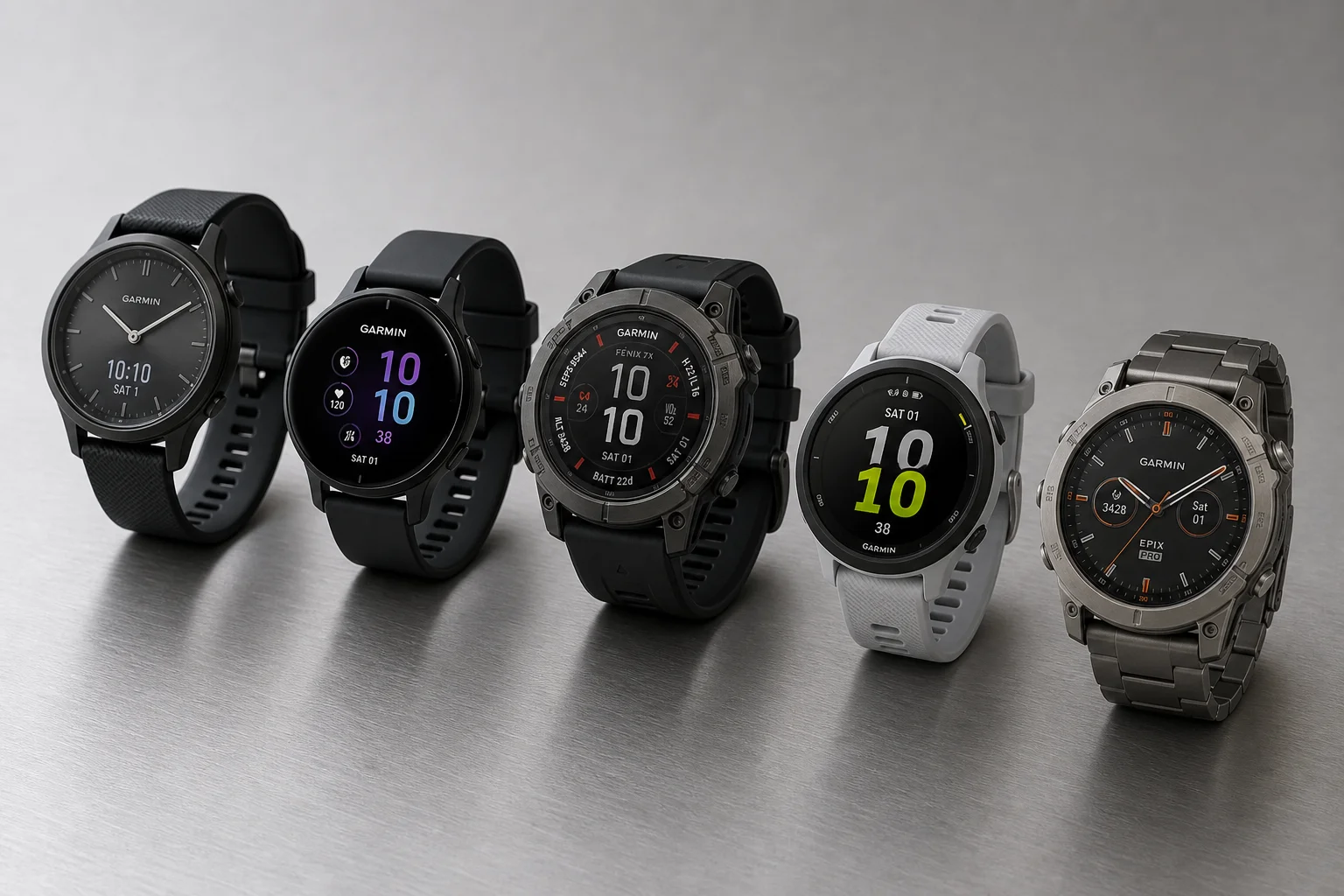
Garmin Sports Watch Guide: Finding the Right Model for Your Fitness Level
A comprehensive overview of Garmin's sports watch lineup, from casual fitness trackers to advanced multisport devices, helping you choose the right model for your needs and budget.
Sports Watches
Coros Pace Pro Review: A Complete Overhaul That Finally Feels Premium
Coros rebuilt the Pace Pro from the ground up with an AMOLED display, onboard maps, and a new heart rate sensor. Here is how it all holds up in real use.
Sports Watches
Polar Vantage M3 Review: The Sweet Spot in Polar's New Watch Lineup
A closer look at the Polar Vantage M3, which brings an AMOLED display, dual-frequency GPS, offline maps and the same software platform as Polar's flagship watches at a friendlier price.