Sports Watches
Garmin Epix Pro vs Fenix 7 Pro: Which Premium Sports Watch Fits You Best
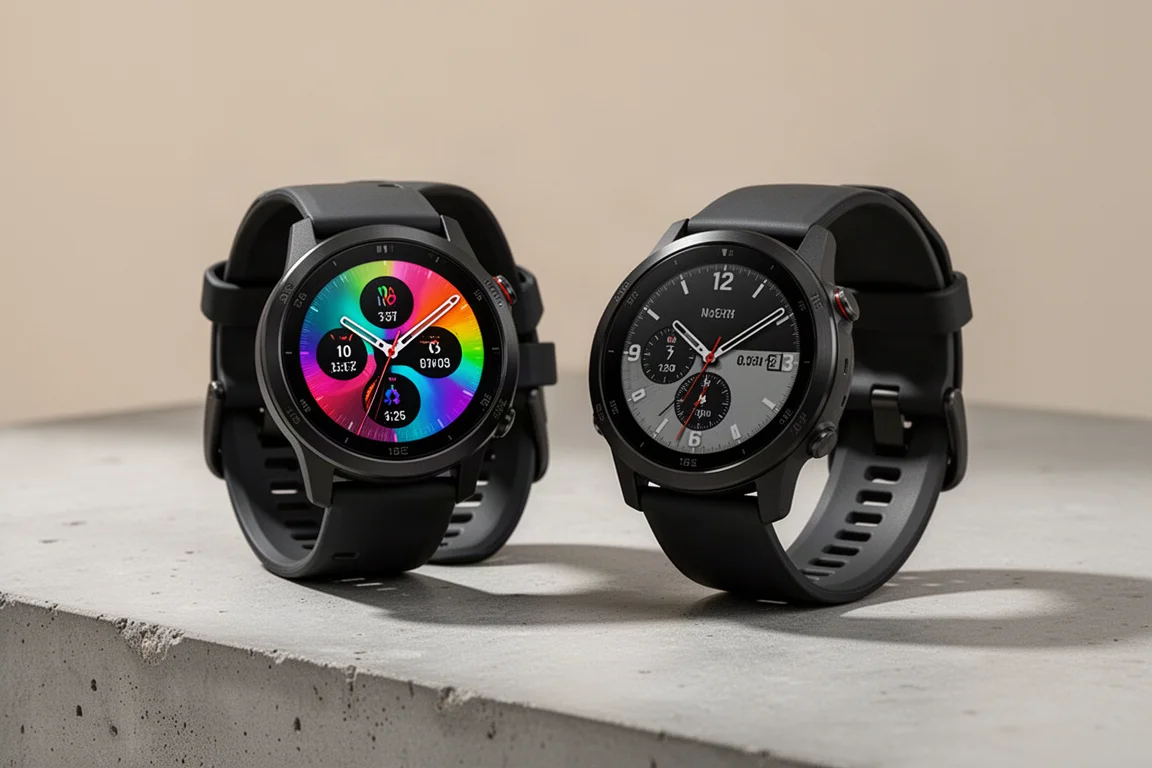
Two nearly identical premium Garmin sports watches split by one big choice: a bright AMOLED display or an efficient solar-friendly memory-in-pixel screen.
Introduction
Garmin’s Epix Pro and Fenix 7 Pro sit at the very top of the company’s sports watch lineup, and both bring new heart rate sensors, built-in LED flashlights, and a long list of new software features. The interesting part is how similar they are, and how one single difference ends up shaping the whole buying decision.
Two Watches, One Real Difference
When the Epix Gen 2 launched alongside the original Fenix 7, it shipped in a single size while the Fenix came in three. That caution made sense at the time, when an AMOLED display on a serious sports watch was still seen as a risky choice. The gamble paid off, and with the Pro generation both lineups now come in three matching sizes.
That means the two families are now close to equals. All six models share the same satellite chipset, the same storage, touch screens, the dedicated LED flashlight that was once exclusive to the largest Fenix 7X, and essentially identical software features. Strip away the styling and you are left with one meaningful difference: the display.
View more details for Garmin Epix Pro
Displays and Battery Life
The Fenix 7 Pro uses a memory-in-pixel, or transflective, display. These screens actually get brighter as ambient light increases, which is why they have been popular with the sports and adventure crowd for years. They emit no light of their own, relying on a backlight that you trigger manually, with a button press, or with a wrist gesture. That efficiency shows in battery life: from around 11 days on the smallest Fenix 7s up to nearly a month on the largest 7X, before solar charging even factors in.
Solar charging on the Fenix 7 Pro does not add charge so much as slow the drain, extending battery life modestly with enough sun exposure. The Epix Pro skips the solar panel entirely, likely because a power-hungry AMOLED display would not benefit much. Instead, Garmin used the extra internal room to fit a larger battery. In the 51mm Epix Pro, that is even the bigger battery from the Enduro 2, despite the same case thickness as the Fenix 7X.
The Epix Pro’s AMOLED panel is brighter, sharper, and far more colorful, but it costs power. With the always-on display enabled you get roughly 4 days on the smallest model up to 10 or 11 days on the larger sizes. Disable always-on and the range stretches from about 10 days up to a full month. Even the smallest 42mm Epix Pro can record a 10 to 13 hour activity in its highest accuracy mode, and multi-day activities are possible on the 51mm model. Notably, the 51mm Epix Pro and 51mm Fenix 7X Pro show fairly similar battery numbers for recording outdoor activities in some modes.
Outdoors, Indoors, and After Dark
Outdoors, the Fenix 7 Pro wins. The transflective display thrives in direct sunlight, so much so that you may never need the backlight during the day. The Epix Pro is still perfectly usable outside, but it has to crank its brightness up, and some off angles can make a quick glance harder.
Indoors and after dark, the picture is more nuanced. In a lit room, both are fine for a quick glance. In genuine darkness, the AMOLED panel can stay visible on its dimmed always-on mode, while the Fenix needs its backlight, which illuminates the whole panel with a faint glow even behind dark areas. On the other hand, the Fenix’s non-emitting screen feels less distracting, say in a dark movie theater, and the Epix Pro even includes a control to shut the display off entirely for those moments.
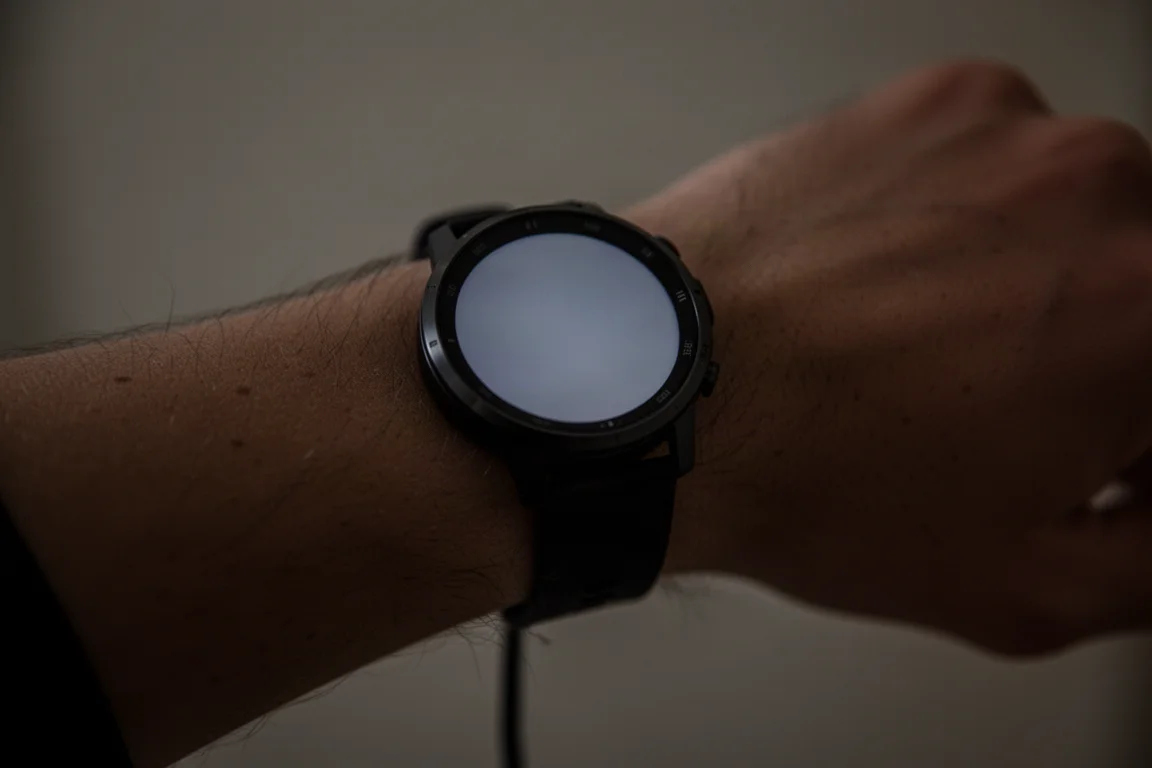
Sleep mode behaves differently too. The Epix Pro dims to its lowest level and then switches off after inactivity, and it offers an optional redshift mode that turns the whole display red, intended to be easier on the eyes at night. The Fenix 7 Pro switches to a sleep watch face that still shows the time, since it emits no light on its own, though you will need the backlight to read it in a completely dark room. The Fenix 7 Pro also gains a new auto brightness setting that uses the solar panel as an ambient light sensor, plus an upgraded backlight that gets both brighter and dimmer than before. Its brightness range is wider overall, with 11 levels and timeout options stretching from 4 seconds up to unlimited, while the Epix Pro offers three daytime brightness levels, four at night, and timeouts of 4, 8, or 15 seconds.
Maps, Watch Faces, and Everyday Polish
This is where the Epix Pro’s higher resolution and deeper color saturation genuinely change the experience. The included topo maps look good on the Fenix 7 Pro, but on the Epix Pro there is simply more detail, and the new shaded relief overlay looks noticeably more natural with smoother gradients. The new weather map overlays benefit the same way.
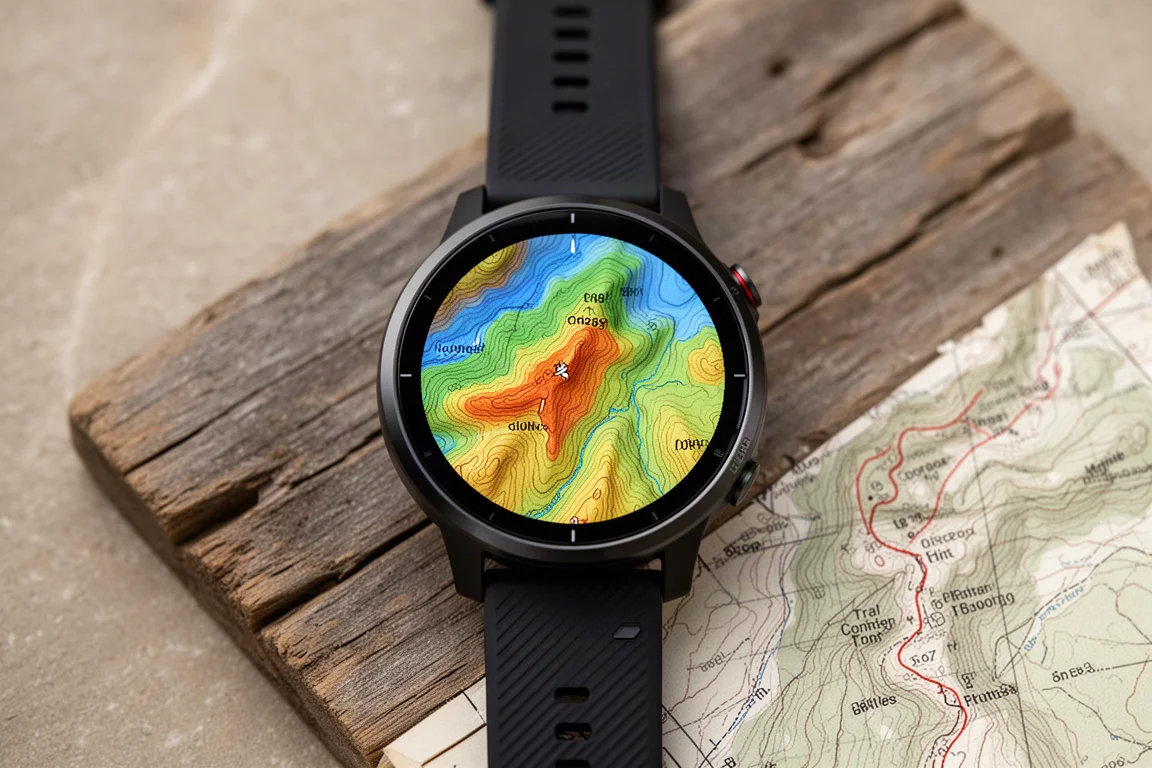
One curious trade-off: the Fenix 7 Pro seems to redraw maps a bit faster, likely because rendering all those extra pixels takes more processing effort on the Epix Pro. The display difference carries into watch faces too, where the Epix Pro offers a few more options and finer detail thanks to its pixel density. Personal taste plays a role here as well, since traditional-style faces tend to suit the AMOLED screen while sportier designs complement the Fenix’s display, and the Fenix 7 Pro’s excellent default watch face is not available on the Epix Pro at all.
Which One Should You Buy
There is no wrong answer here, only a question of priorities. If you spend most of your time outdoors in bright conditions, want the longest possible battery life, and prefer a screen that never glows at night, the Fenix 7 Pro is the safer pick. Its solar charging and transflective display are built for exactly that kind of use.

If you value a gorgeous, high-resolution display, richer maps, and a smartphone-like interface, and can live with shorter always-on battery life, the Epix Pro earns its premium. For heavy map users especially, the extra detail and color add real context on the trail. It comes down to what you want most from the display, and how battery life, interface, and day-to-day behavior line up with your habits.
Conclusion
The Epix Pro and Fenix 7 Pro are more alike than ever, sharing sizes, sensors, flashlights, storage, and software. The decision lives almost entirely in the display: brilliant AMOLED color and detail versus sunlight-proof efficiency and battery life. Choose based on where and when you actually look at your watch, and you will not go wrong with either.
Further reading
Related Reviews
Sports Watches
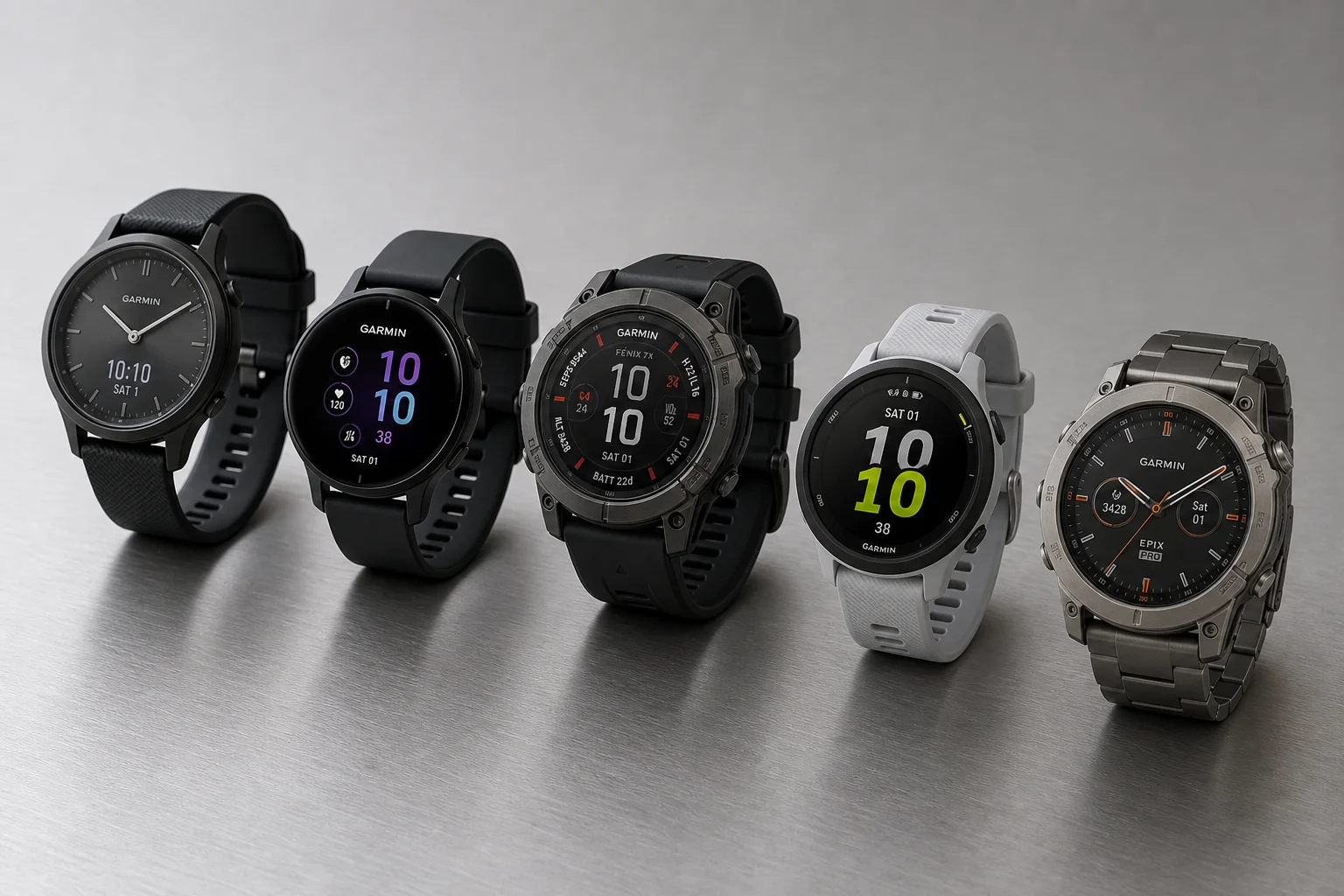
Garmin Sports Watch Guide: Finding the Right Model for Your Fitness Level
A comprehensive overview of Garmin's sports watch lineup, from casual fitness trackers to advanced multisport devices, helping you choose the right model for your needs and budget.
Sports Watches
Coros Pace Pro Review: A Complete Overhaul That Finally Feels Premium
Coros rebuilt the Pace Pro from the ground up with an AMOLED display, onboard maps, and a new heart rate sensor. Here is how it all holds up in real use.
Sports Watches
Polar Vantage M3 Review: The Sweet Spot in Polar's New Watch Lineup
A closer look at the Polar Vantage M3, which brings an AMOLED display, dual-frequency GPS, offline maps and the same software platform as Polar's flagship watches at a friendlier price.