Smartwatches
Garmin epix Pro vs Apple Watch Ultra 2: Which Watch Fits Your Training and Everyday Life
A practical comparison of the Garmin epix Pro and the Apple Watch Ultra 2, covering controls, battery life, health tracking, navigation, and smart features.
Introduction
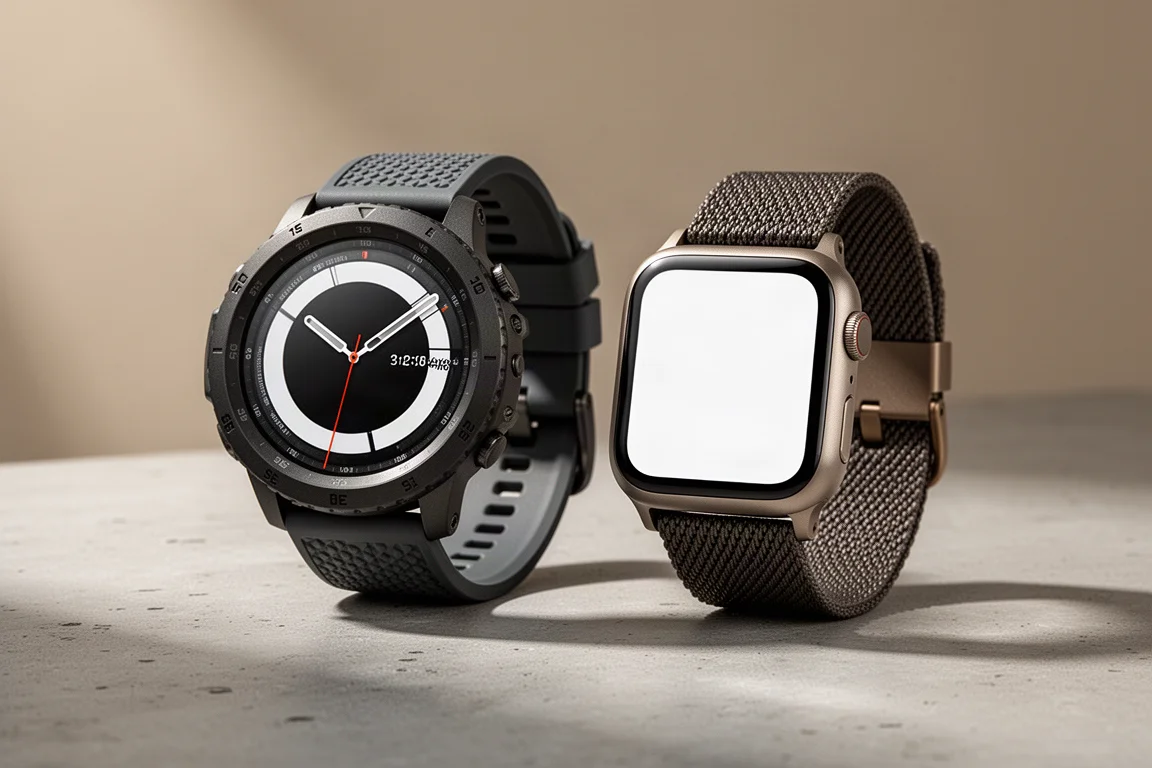
Choosing between the Garmin epix Pro and the Apple Watch Ultra 2 is one of the more interesting decisions in wearables right now, because both watches are genuinely excellent at what they were designed to do. The epix Pro is a training and outdoor tool that happens to be a smartwatch. The Apple Watch Ultra 2 is a smartwatch that happens to handle workouts very well.
The two share more ground than a quick comparison suggests. Both have displays that stay readable in bright sunlight, both offer physical buttons alongside a touchscreen, and both rely on proprietary charging cables rather than a standard USB-C connector. The differences show up in the details: how you operate the watch when your hands are cold or wet, how long it runs between charges, how deeply it analyses your health data, and how much it can do without a phone nearby.
This guide breaks down those differences so you can match a watch to the way you actually train and live.
What We Compared
Five factors separate these two watches in everyday use: how you control them, how long they last between charges, how deep the health and training analysis goes, how navigation works, and how much they can do without a phone.
Controls matter more than most buyers expect. The epix Pro can be operated entirely with physical buttons, while the Apple Watch Ultra 2 relies on a mix of touchscreen and buttons for full app interaction. That distinction becomes obvious on a cold morning or a wet descent.
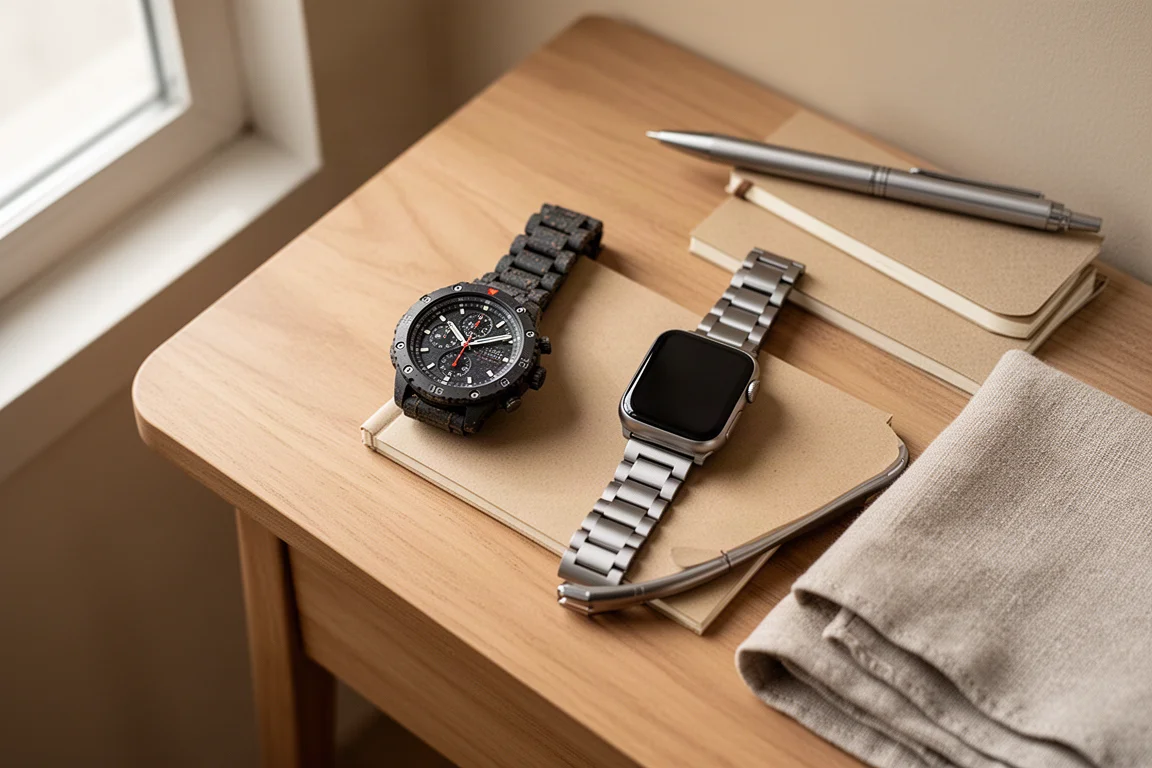
Battery life shapes how you travel and how much mental overhead the watch adds to your week. Health depth determines whether insights are handed to you or whether you have to dig for them. Navigation decides how much preparation a long hike or run requires, and smart features decide how useful the watch is once you leave your phone behind.
Garmin epix Pro: A Purpose-Built Outdoor and Training Watch
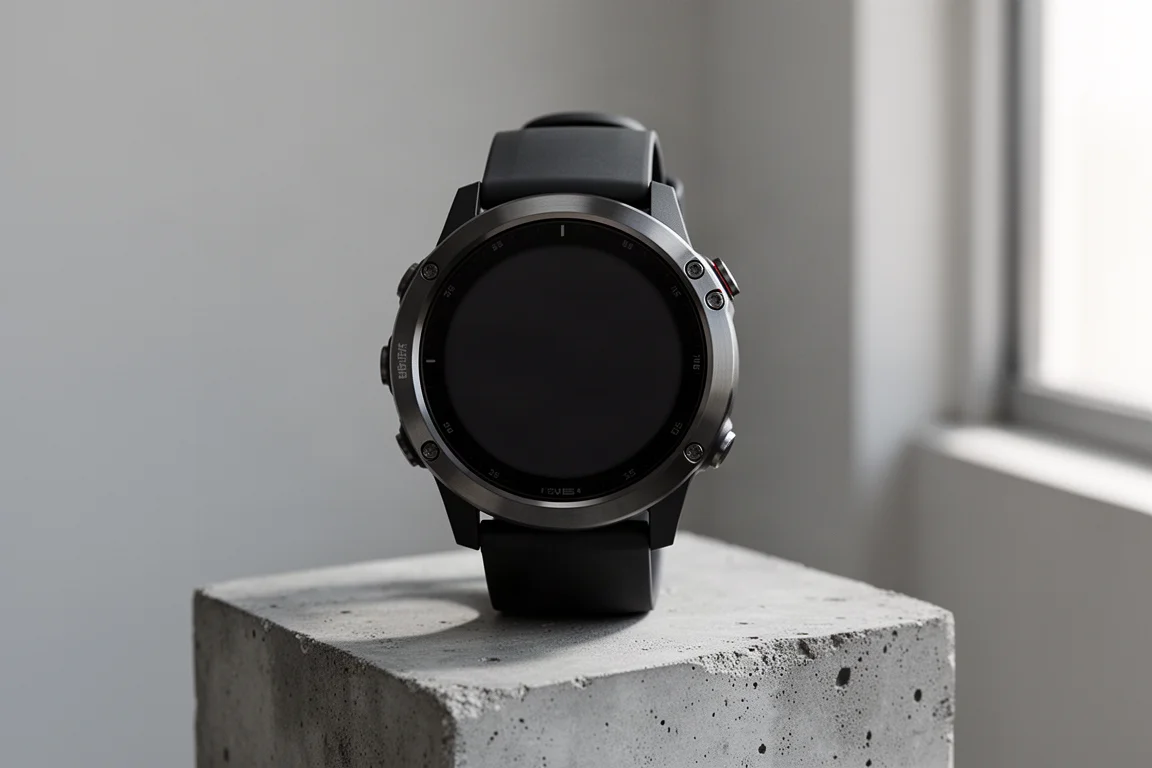
Every function on the epix Pro can be reached with buttons alone. An up and down button pair scrolls through pages and menu items, one button confirms a selection, and another backs you out. That covers roughly 90 percent of the menu system, and the layout stays consistent across Garmin models, so learning one watch teaches you the rest.
Newer Garmin watches, including the epix Pro, add a touchscreen on top of that. You can leave it enabled, turn it off entirely, disable it for specific activities, or keep it active only for the map page where it is most useful. Being able to operate the watch on autopilot while pushing hard makes a real difference compared with stopping to look closely at small on-screen elements.
The health side runs deeper out of the box than the Apple equivalent. Widgets surface resting pulse rate, heart rate variability, sleep score, recommended sleep, and acclimation to altitude or heat. Body Battery turns those biomarkers, including your workouts, into a single fuel-style reading, and the Morning Report summarises the day and suggests a workout type based on your current state. It takes a few weeks to build a useful picture, and after that the guidance holds up well.
Training follows the same logic. Choosing a workout is a single button press, and the library is broad. Runs and hikes can include navigation, structured workouts can be built on the watch, phone, or website and sent across, and workout screens can be customised or used as they come. Strength sessions are equally straightforward: plan them ahead on a computer or phone, push them to the watch, and the watch walks you through each set, including target weight and reps that you can adjust on the fly. Once you learn one activity app, the rest follow the same pattern.
Heart rate zones are configured once and can be overridden for specific activities such as swimming. Navigation is built in, with maps for your continent including trail maps stored offline on the device, so nothing needs syncing unless you travel to another continent. The watch can calculate a new route on its own, or you can build one on your phone or the web and send it across, including routes from other platforms. Some Garmin models also include an LED flashlight, which is genuinely useful in a pinch even though it will not replace a headlamp. Garmin’s app store is small and niche, but most training needs are covered without third-party apps.
The trade-off is processing speed. The epix Pro is not as snappy as the Apple Watch Ultra 2 when scrolling or zooming, though it never gets in the way of moving through menus or recording a session.
Apple Watch Ultra 2: The Smarter Everyday Watch
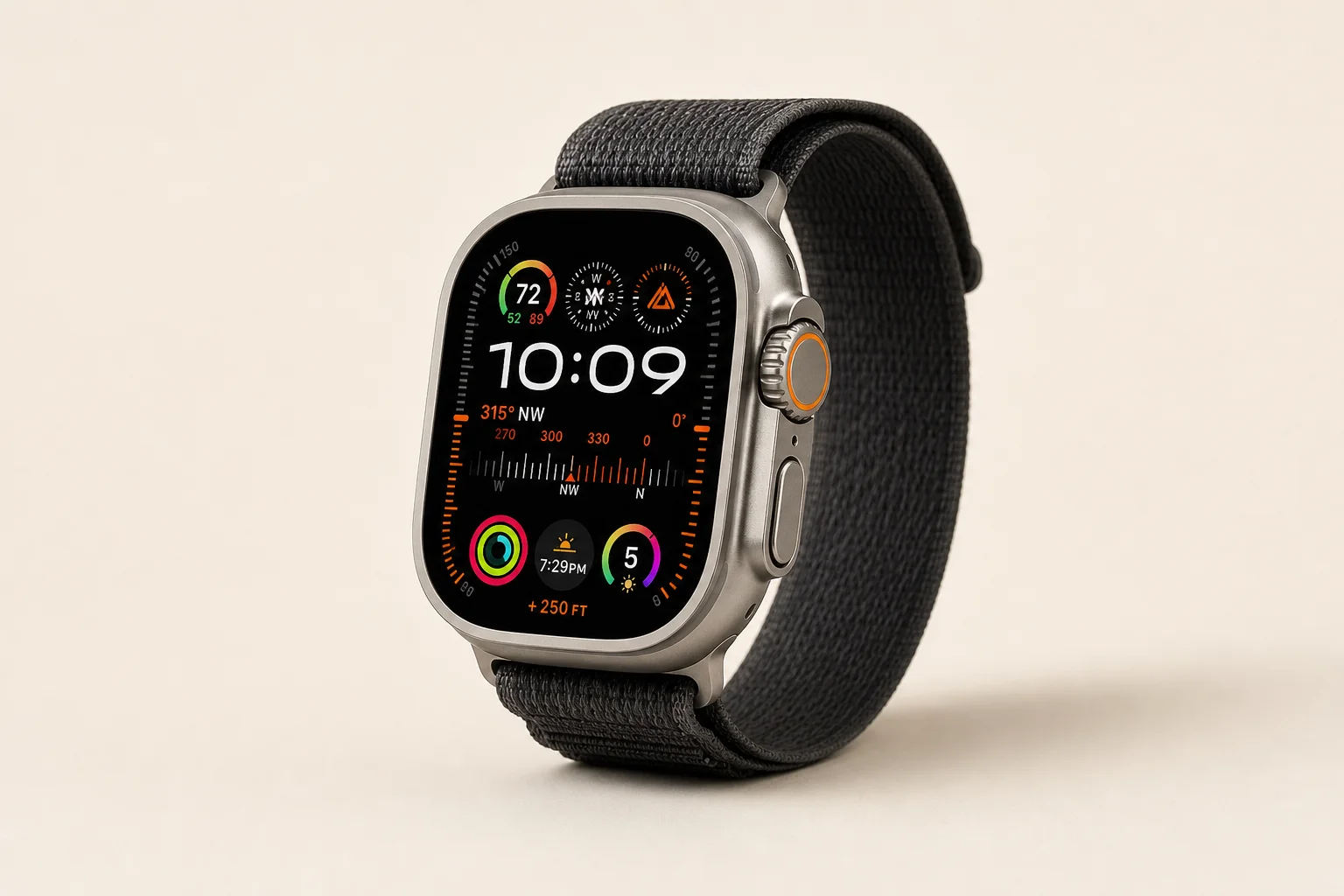
The Ultra 2 is a miniature extension of your phone, and that is its strongest argument. Apple Pay is integrated from the start, offline Siri works, reminders and notes can be added from the trail, text messages can be answered, and with cellular service the watch can operate entirely on its own. It can also call emergency services, and where a call cannot connect it can reach out over satellite. Crash detection and fall detection round out the safety side.
The display is the other clear advantage. Both watches handle bright sunlight well, but the Ultra 2 looks a little better overall, and map graphics in particular look cleaner. The processor is in a different league, so scrolling, zooming, and general interaction feel noticeably faster.
Everyday touchscreen use is excellent. Paying for coffee or tapping through an app in normal conditions is effortless. The difficulty appears in the margins: sweaty hands, cold weather, gloves, or rain make small on-screen elements harder to hit, and full app interaction often needs the touchscreen rather than buttons alone.
Health features exist but are less packaged. Much of the data lives inside apps you have to open and dig through. The Vitals app covers some of the same ground as the Garmin ecosystem but does not go as deep, and it does not fold your workouts into recommendations in the same way.
Third-party apps fill the gaps. Athlytic, which requires a subscription, produces exertion, recovery, and sleep scores similar to what a dedicated recovery band offers. WorkOutDoors and Footpath add outdoor activity support with maps and navigation closer to the Garmin experience. The catch is setup: heart rate zones have to be defined inside each app, and if your maximum heart rate changes you update them everywhere. Offline maps are downloaded through a third-party app or, with iOS 18, through the native Maps app, rather than being preloaded.
Battery Life and Charging
Battery life is where the two watches diverge most sharply. The Apple Watch Ultra 2 typically runs about two days before it needs a charge. The epix Pro in the 51 mm size runs about a week, even with a workout every day and a long hike thrown in.
In practice, that changes behaviour more than it changes specifications. A two-day cycle means planning ahead, especially when travelling, and remembering to pack the charger. A week-long cycle means charging becomes something you rarely think about, which keeps your attention on the activity rather than the battery percentage.
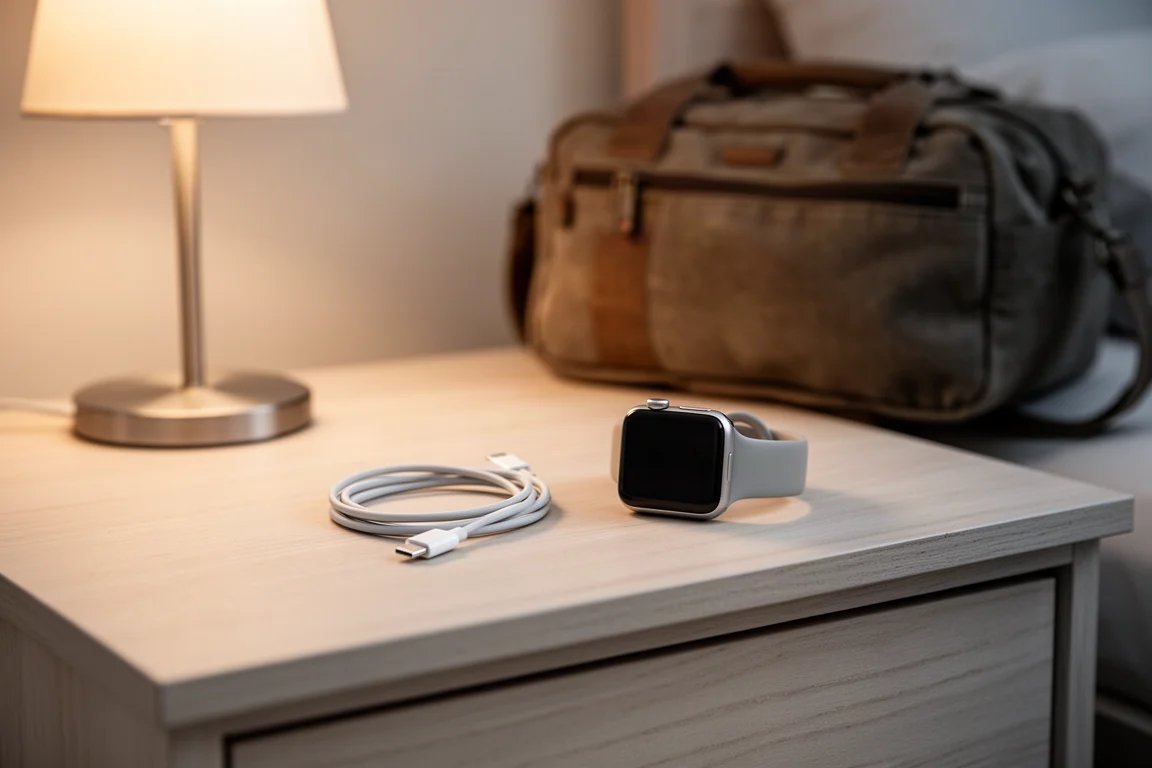
Both watches use proprietary chargers, which is a shared annoyance. Neither can be topped up with the same USB-C cable used for everything else in a bag, so a dedicated charger has to travel with you either way.
Health and Training Data
Out of the box, the Garmin ecosystem presents more of your data with less effort. Resting pulse rate, heart rate variability, sleep score, recommended sleep, altitude and heat acclimation, and Body Battery are all surfaced as widgets you can check in a few seconds. The Morning Report adds a short daily briefing with a suggested workout type. Body Battery is particularly readable: it behaves like a fuel gauge built from your biomarkers and training load, and even a punishing multi-day effort will not usually push it to the lowest levels.
The Apple Watch records comparable underlying data, but the presentation is more fragmented. Insights sit inside separate apps, and the newer Vitals app, while a step forward, does not analyse workouts or generate recommendations to the same depth. Athlytic closes much of that gap with exertion, recovery, and sleep scores, at the cost of a subscription and one more app to manage.
Navigation and Offline Maps
Navigation is one of the clearest differences between the two. On the epix Pro, routing is built in. Maps for your continent, including trail maps, are stored on the watch and available offline, so there is nothing to sync unless you are travelling to a different continent. Following a course during a run or hike works without extra setup, the watch can calculate a new route on the fly, and routes can be built on your phone or the web and sent over. Routes from other platforms can be pushed to the watch as well.

On the Apple Watch Ultra 2, offline maps require more steps. You download them through a third-party app such as WorkOutDoors or Footpath, or through the native Maps app with iOS 18, rather than having them ready on the device from day one. It works, but it adds another piece of preparation before a long day out.
Smartwatch Features and Phone-Free Use
Where the Apple Watch Ultra 2 pulls clearly ahead is as a smart device. It behaves like a small version of your phone: Apple Pay, offline Siri, reminders and notes on the trail, message replies, and full independence from your phone when cellular service is available. Emergency calling, satellite SOS, crash detection, and fall detection add a safety layer that the Garmin does not match in the same way.
The Garmin covers the basics, with calendar and weather among the available apps, and Garmin Pay is supported, though it requires a PIN. It simply does not reach the same breadth.
Whether that matters depends on how often you leave your phone behind. A run with a hydration pack or a hike with a phone in a pocket removes much of the advantage, and many of the watch’s capabilities are simply a faster way to do something the phone already does.
Buying Advice: Which Watch Fits Your Routine
If your priority is training, the outdoors, and health data you can read at a glance, the epix Pro is the more coherent tool. Buttons that work in the cold and wet, a week of battery life, offline maps ready out of the box, and a health ecosystem that packages its insights for you all point in the same direction. It stays simple without giving up capability, and it does not ask you to think about charging or setup very often.
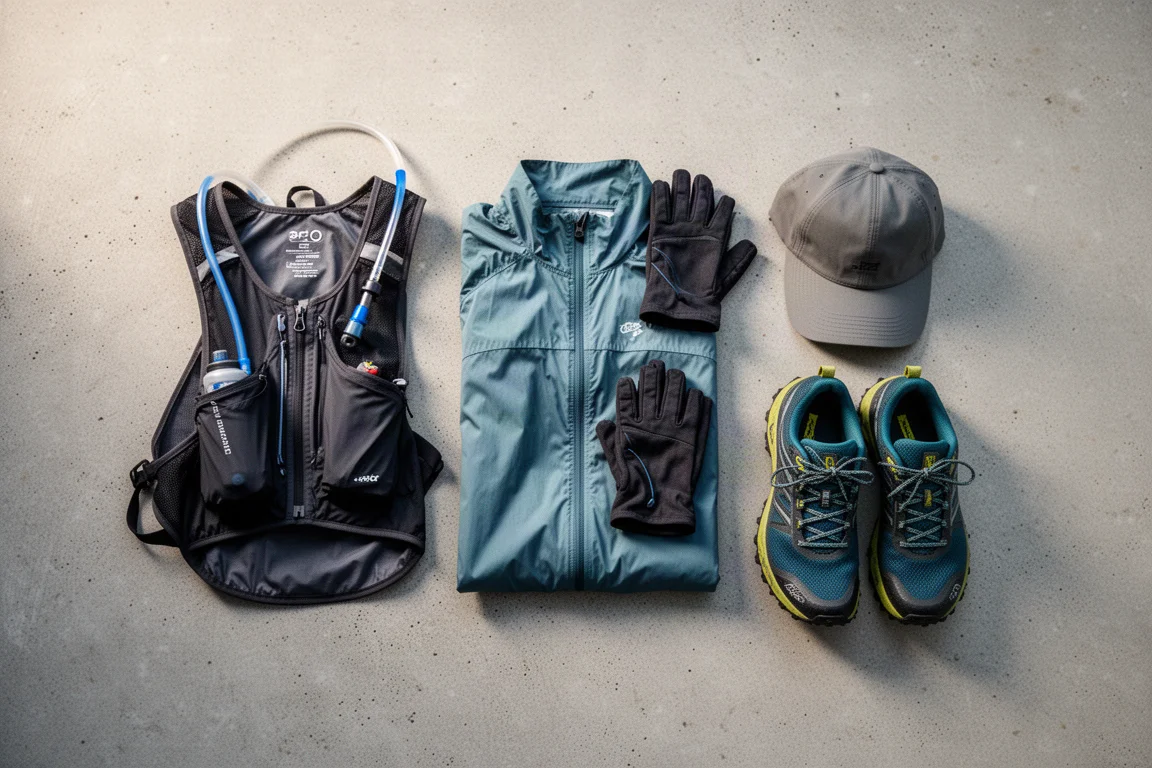
If your priority is staying connected, the Apple Watch Ultra 2 is the better fit. A faster processor, a slightly better display, deep integration with the Apple ecosystem, and the ability to leave your phone at home make it a genuinely capable standalone device. Health features are present and useful, but they work best as a bonus rather than the main event.
A middle path is worth considering too. Pairing a Garmin with an iPhone keeps the training and outdoor strengths while the phone handles everything else, which is a combination many riders, hikers, and runners settle into.
Conclusion
Both watches are excellent, and neither is a compromise in the usual sense. The epix Pro wins on controls, battery life, health depth, and navigation. The Apple Watch Ultra 2 wins on processing speed, display quality, and smart features. Match the watch to the way you actually spend your days, and you will be happy with either.
Further reading
Related Reviews
Smartwatches
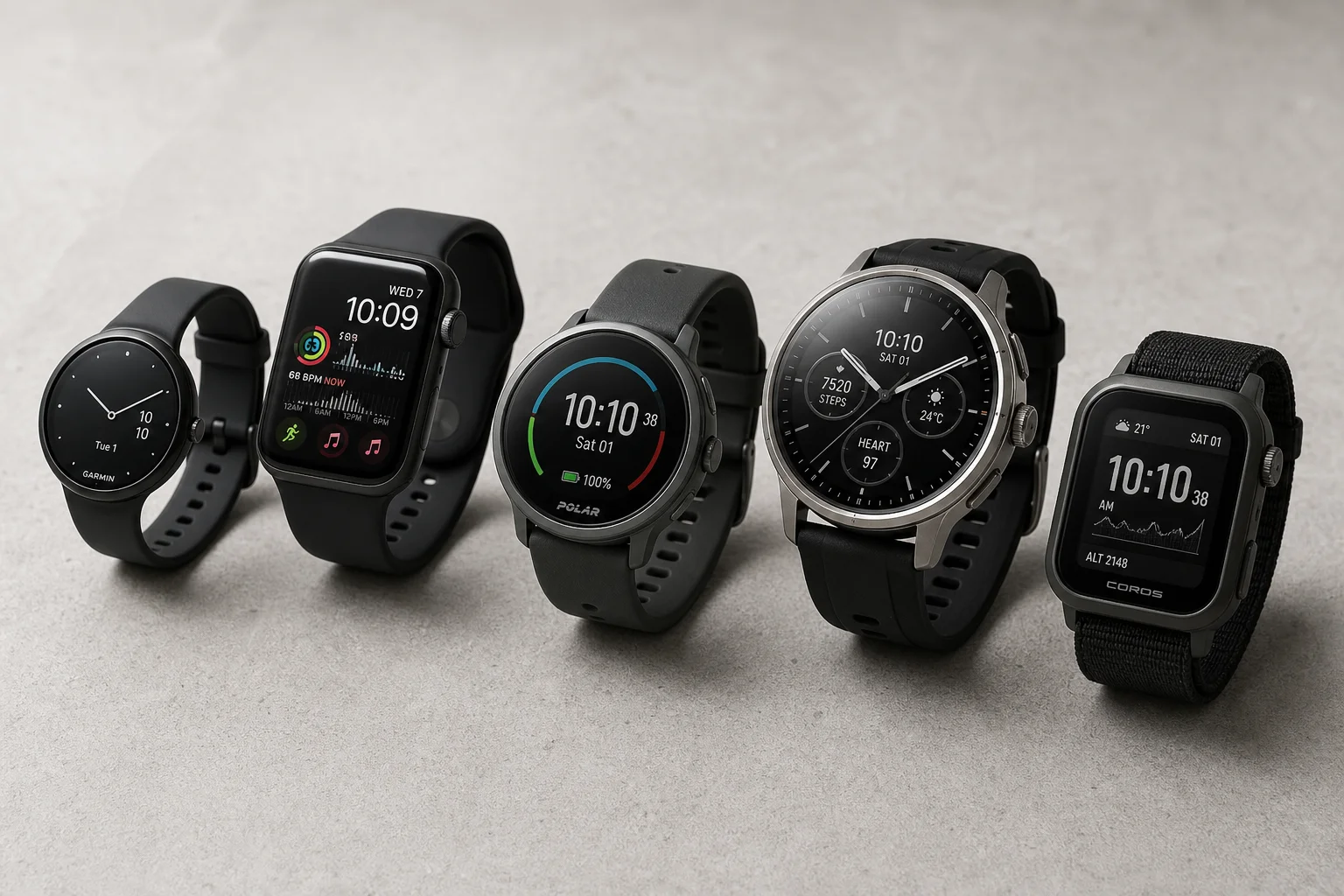
Best Budget Smartwatches 2026: Five Affordable Options That Actually Work
Five budget smartwatches tested for real daily use. From entry-level options to premium features at fraction of the cost, here's what actually delivers.
Smartwatches
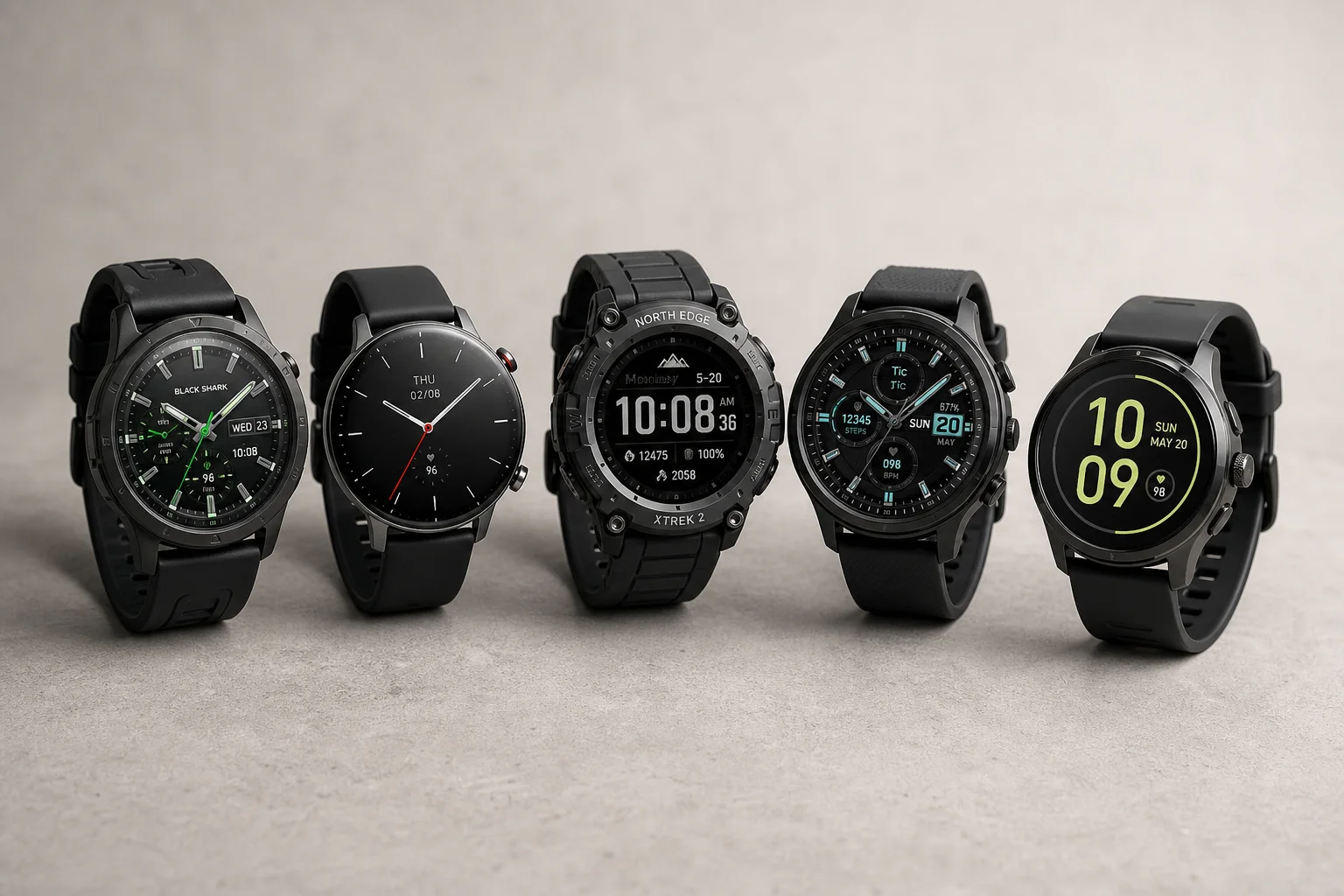
Best Smartwatches on AliExpress 2026: Five Practical Options for Different Needs
Five smartwatches with strong customer feedback and competitive pricing, each suited to different priorities: premium design, battery life, outdoor durability, advanced health tracking, and sports versatility.
Smartwatches
Best Smartwatches Under $300: 9 Practical Options for Every Need
A curated selection of nine smartwatches under $300, each excelling in health tracking, durability, battery life, or fitness features. Find the right match for your lifestyle.